
The Art of Cahokia: Decorative Elements in Architecture and Their Cultural Meaning

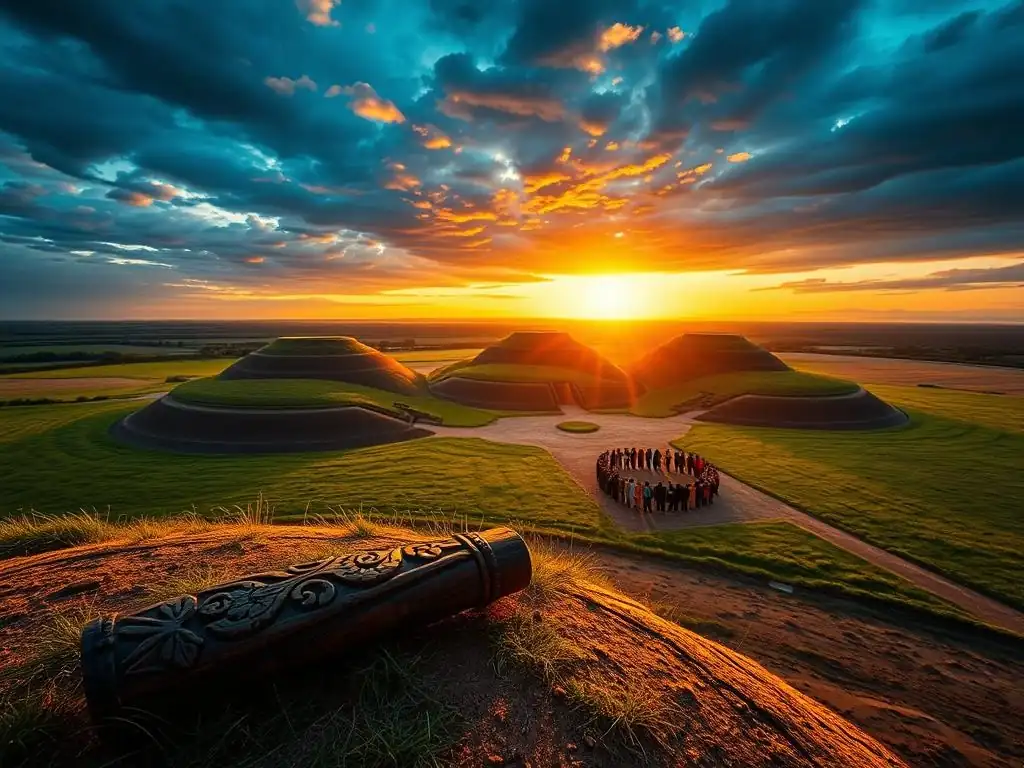
Welcome to Indigenous Civilizations of the Americas, where we invite you to embark on a journey through the rich tapestry of indigenous cultures that flourished long before European colonization. Discover the remarkable achievements and societal structures of these vibrant civilizations, with a special focus on our featured article: "The Art of Cahokia: Decorative Elements in Architecture and Their Cultural Meaning."
Here, we delve into the cultural significance of Cahokia architecture, revealing how these intricate designs reflect the values, beliefs, and artistry of a society that continues to influence the world today. Join us as we uncover the stories behind the stones and the profound legacies that shape our understanding of the Americas.
Introduction to Cahokia Architecture Cultural Significance
The study of Cahokia architecture offers a revealing glimpse into the complex societies that thrived in North America long before European contact. Cahokia, located near modern-day St. Louis, Missouri, was one of the largest urban centers of its time, flourishing between 600 and 1400 CE. Its architectural feats are not merely reflections of aesthetic preferences; they are deeply intertwined with the cultural, spiritual, and social fabric of the Cahokian people.
From monumental earthworks to intricately designed structures, the decorative elements within these architectures serve as vital expressions of identity, belief, and community. This article delves into the rich tapestry of Cahokia's architectural significance, focusing on how decorative features not only enhance the visual landscape but also convey profound cultural meanings.
Overview of Cahokia: A Pre-Columbian Urban Center
Cahokia was a vibrant metropolis that reached its zenith around 1050 CE, boasting an estimated population of over 20,000 inhabitants. The city was characterized by its monumental construction, including the iconic Monk's Mound, which stands as the largest earthen structure in the Americas. The layout of the city, with its plazas, residential areas, and ceremonial spaces, reflects advanced urban planning and social organization. The residents of Cahokia exhibited a sophisticated understanding of agriculture, trade, and governance, which contributed to their ability to sustain a large population.
The city's architecture played a crucial role in social stratification and cultural expression. Structures varied in size and complexity, indicating differences in function and importance. Notably, the ceremonial buildings were often adorned with elaborate decorative elements that signified their significance within the Cahokian cosmology.
Importance of Architecture in Indigenous Cultures of the Americas
Architecture in indigenous cultures is not merely utilitarian; it is a vital component of cultural identity and expression. For many Native American societies, the built environment reflects their beliefs, values, and social structures. In the context of Cahokia, architecture served multiple purposes, including the facilitation of community gatherings, religious ceremonies, and the demonstration of power and authority.
The designs and layouts of structures often incorporated cosmological principles, aligning buildings with celestial events or sacred landscapes. This connection to nature and spirituality underscores the integral role of architecture in indigenous worldviews, making it a key area of study for understanding their cultures.
Decorative Elements in Cahokia Architecture
Cahokia's architectural beauty is accentuated by a variety of decorative elements that enhance its structures' visual and symbolic significance. These features include carvings, paintings, and the strategic use of color and materials, all of which contributed to the aesthetic appeal and cultural narrative of the city.
Types of Decorative Features in Cahokia Structures
- Carvings and Reliefs: Many Cahokian structures featured intricate carvings that depicted animals, human figures, and geometric patterns. These carvings were not just decorative; they often conveyed stories or represented deities central to the Cahokian belief system.
- Mural Paintings: Evidence of vibrant murals has been found in several Cahokian sites, illustrating scenes of daily life, rituals, and mythology. These artworks served to communicate cultural narratives and reinforce communal identity.
- Ceremonial Items: The inclusion of ceremonial objects within structures, such as pottery and effigies, adds another layer of meaning to the architecture, linking the physical space to spiritual practices.
Symbolic Meanings Behind Decorative Elements
The decorative elements in Cahokia architecture carry deep symbolic meanings. For instance, the representation of certain animals may signify strength, fertility, or spiritual guidance, while geometric patterns can embody the cyclical nature of life or the interconnectedness of all beings. Understanding these symbols is essential for appreciating the cultural significance of Cahokian architecture, as they reflect the values and beliefs of the society.
Materials Used in Cahokia Decorative Architecture
Cahokian builders utilized a range of materials for their decorative elements, each chosen for its availability and symbolic relevance:
- Clay and Earth: Commonly used for creating murals and structural embellishments, clay was an abundant resource in the region.
- Wood: Utilized for carvings and structural components, wood allowed for intricate designs and was often decorated with pigments derived from natural sources.
- Shell and Stone: These materials were sometimes incorporated into decorative features, highlighting both aesthetic appeal and the significance of trade with neighboring cultures.
The combination of these materials not only showcases the artistic capabilities of the Cahokian people but also emphasizes their connection to the environment and the broader cultural exchanges occurring across the Americas.
Cultural Significance of Architectural Decoration in Cahokia
Cahokia, once a thriving urban center located in present-day Illinois, is renowned for its sophisticated architecture and intricate decorative elements. The architectural decoration in Cahokia serves not only aesthetic purposes but also embodies the cultural beliefs and values of its people. These decorative aspects were integral to the identity of the Cahokian society, reflecting their social structures, religious practices, and communal values. The use of motifs, colors, and materials in both public and private spaces conveyed messages about status, power, and belonging, making architecture a canvas for cultural expression.
Moreover, the placement of decorative elements was often strategic, reinforcing the significance of certain structures. For instance, the grand mounds, which served as ceremonial and burial sites, were adorned with specific symbols that reflected the spiritual beliefs of the Cahokians. These decorations were not merely ornamental; they were a way of communicating the community's history, mythology, and worldview. Thus, the architectural decoration in Cahokia is a vital aspect of understanding its cultural significance, as it provides insights into the societal values and collective identity of its people.
Relationship Between Art and Identity in Cahokia Culture
In Cahokia culture, art and identity are intricately intertwined, with architectural decoration acting as a profound expression of communal and individual identities. The artisans of Cahokia employed a variety of artistic styles and techniques that were unique to their society, which helped to distinguish them from neighboring cultures. The decorative motifs found in Cahokia's architecture often depicted elements of nature, ancestral imagery, and geometric patterns, which served as visual representations of the community's beliefs and social roles.
The creation of art within architecture also played a vital role in reinforcing group identity. For example, certain patterns may have been associated with specific clans or social groups, fostering a sense of belonging among community members. As individuals engaged with these decorations, they not only beautified their environments but also participated in a shared cultural narrative, thereby strengthening their connection to their heritage. This relationship between art and identity is a key element in understanding the significance of decorative architecture in Cahokia and its role in shaping the community's collective memory.
The Role of Decorative Architecture in Social Hierarchy
Decorative elements in Cahokia architecture were instrumental in reflecting and reinforcing social hierarchies within the community. The prominence and intricacy of decorations varied significantly across different structures, indicating the social status of their inhabitants. For instance, the homes of elite individuals often featured more elaborate designs and higher-quality materials compared to those of commoners. This distinction not only communicated wealth and power but also served as a visual representation of social stratification.
Additionally, the placement of decorated structures within the urban landscape of Cahokia played a crucial role in signaling authority. Major public buildings and ceremonial centers were adorned with significant artistic elements, which underscored their importance in governance and religious practices. The hierarchy established through decorative architecture helped to maintain order within the society, as it visually delineated the roles and responsibilities of individuals based on their social standing. This interplay between decorative architecture and social hierarchy is essential for comprehending the complex societal dynamics of Cahokia.
Influence of Religion and Spirituality on Cahokia Architecture
Religion and spirituality were central to the lives of the Cahokians, and this influence is profoundly reflected in their architectural decorations. Many of the decorative motifs found in Cahokia's structures are believed to have spiritual significance, often symbolizing the connection between the earthly realm and the divine. For instance, certain animals depicted in the art were regarded as sacred, representing spiritual guides or ancestors, and their portrayal in architecture reinforced the community's spiritual beliefs.
Ceremonial structures, such as the famous Monk's Mound, were adorned with symbols that conveyed the importance of ritual practices. The integration of religious themes in architectural decoration served to create spaces that were not only functional but also sacred. This duality in purpose highlights how architecture in Cahokia was a reflection of the community's spirituality, providing a physical manifestation of their beliefs and serving as a site for communal gatherings and rituals.
Comparisons with Other Indigenous Architectural Styles
Similarities Between Cahokia and Mesoamerican Architecture
Cahokia architecture shares several similarities with Mesoamerican architectural styles, particularly in its monumental scale and urban planning. Both cultures utilized large earthworks and mounds for ceremonial purposes, emphasizing the significance of these structures in their respective societies. The construction of stepped pyramids, akin to those found in Mesoamerican cultures, can also be observed in Cahokia, where mounds served as platforms for temples and public gatherings.
Moreover, both Cahokia and Mesoamerican cultures employed intricate decorative elements that conveyed social and religious meanings. Similar motifs, such as geometric patterns and representations of wildlife, can be found in the art of both civilizations, indicating a possible exchange of ideas or parallel development influenced by shared environmental and cultural factors. The architectural similarities highlight the interconnectedness of indigenous cultures across the Americas, showcasing a rich tapestry of artistic expression and societal values.
Differences in Decorative Techniques Across Indigenous Cultures
While there are notable similarities between Cahokia and other indigenous architectural styles, there are also distinct differences in decorative techniques that reflect the unique cultural contexts of each society. For example, Cahokians primarily utilized earth and wood for their structures, whereas other cultures, such as the Pueblo peoples, favored adobe and stone. This distinction influenced the types of decorative elements that could be incorporated into their architecture.
Additionally, the motifs and symbols used in decorative architecture varied widely among indigenous cultures. While Cahokia often emphasized nature and cosmological themes, other groups might have focused on abstract designs or specific cultural narratives. These differences highlight how environmental factors, available materials, and cultural histories shaped the ways in which various indigenous cultures expressed their identities through architecture.
The Unique Aspects of Cahokia Architecture Cultural Significance
The cultural significance of Cahokia architecture is unique in its amalgamation of artistic expression, social commentary, and spiritual beliefs. Unlike other indigenous cultures, Cahokia's urban planning and monumental architecture are characterized by their scale and complexity, reflecting a highly organized society with advanced engineering capabilities. The architectural decorations serve as a testament to the Cahokians' artistic talent and their deep-rooted connection to their environment.
Moreover, the architectural designs of Cahokia often incorporated elements that emphasized communal identity, reinforcing the notion of collective belonging. This communal aspect is particularly evident in the shared public spaces and ceremonial structures, which were adorned with decorations that represented the values and beliefs of the entire society. The unique cultural significance of Cahokia architecture lies in its ability to encapsulate the essence of a civilization that thrived long before European contact, offering a profound insight into the lives and beliefs of its people.
Preservation and Legacy of Cahokia Architecture
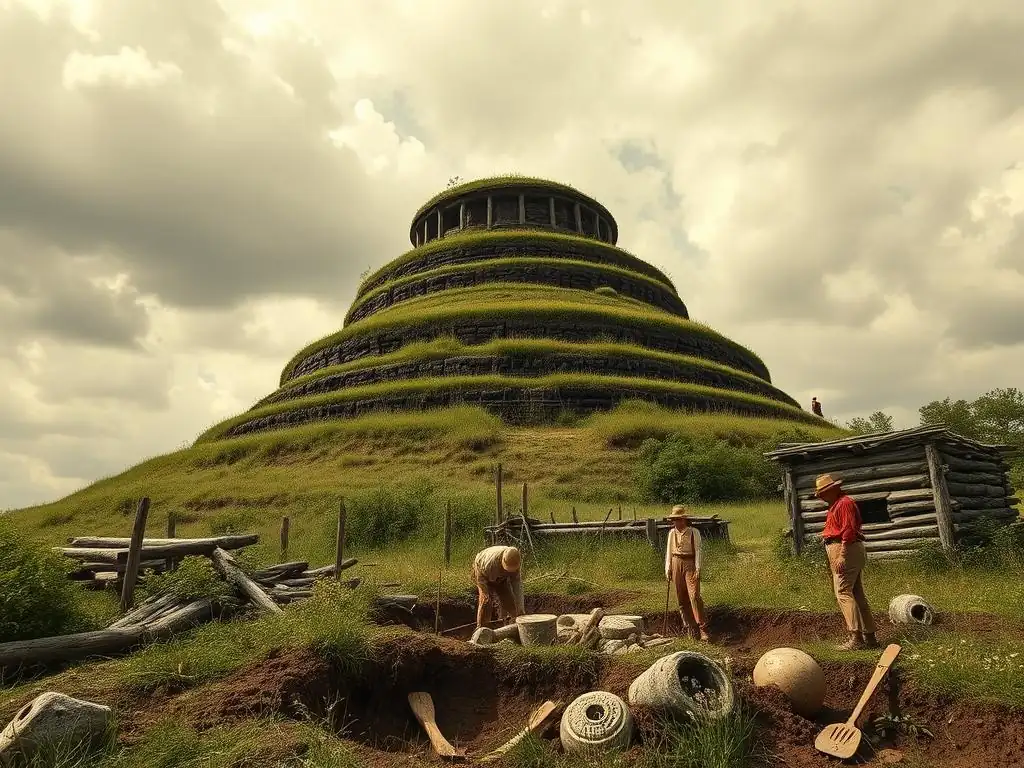
The architectural marvels of Cahokia, one of the most significant pre-Columbian societies in North America, represent a complex interplay of cultural significance and environmental adaptation. The preservation of Cahokia's architectural sites is crucial not only for understanding the past but also for appreciating the legacy that these structures have imparted to subsequent generations. The mounds, plazas, and sacred spaces embody the ingenuity and social organization of the Mississippian culture, emphasizing their agricultural prowess and elaborate trade networks. These remnants serve as vital links to indigenous identities and histories, influencing the cultural narratives of modern descendants.
Current State of Cahokia Sites and Their Preservation
Today, Cahokia Mounds State Historic Site, a UNESCO World Heritage site, is the primary location for the preservation of Cahokia architecture. Archaeological efforts have been ongoing since the 19th century, aimed at protecting the mounds and their surrounding landscapes from erosion, urban encroachment, and other forms of degradation. Various preservation strategies, including controlled archaeological excavations and public education programs, help maintain the integrity of these structures.
Despite these efforts, the site faces challenges such as climate change, which poses risks to the mounds through erosion and flooding. Active engagement with local communities and indigenous groups is essential to ensure that preservation efforts respect the cultural values associated with these historical sites. By fostering a sense of ownership and stewardship among these groups, the historical significance of Cahokia's architecture can be honored and maintained for future generations.
The Impact of Cahokia Architecture on Modern Indigenous Cultures
Cahokia's architectural accomplishments continue to inspire contemporary indigenous communities across North America. Elements of Cahokian design, such as the use of earthworks for ceremonial purposes and the integration of natural landscapes into urban planning, resonate in the cultural practices of many tribes today. The mounds serve as a reminder of the importance of place and memory in indigenous identity, influencing modern expressions of art, spirituality, and community organization.
Furthermore, the revival of traditional building techniques and the incorporation of indigenous philosophies into contemporary architecture reflect a broader movement among indigenous peoples to reclaim their heritage. By drawing upon the architectural legacy of Cahokia, modern indigenous cultures can foster a deeper understanding of their historical narratives while advocating for the protection of their cultural practices and landscapes.
Lessons Learned from Cahokia’s Architectural Heritage
Cahokia's architectural heritage offers valuable lessons in sustainability, community design, and cultural expression. The Mississippian builders demonstrated a profound understanding of their environment, utilizing local resources and adapting their structures to the landscape. Their ability to create complex urban systems that supported large populations reflects a sophisticated level of social organization and environmental stewardship.
Moreover, Cahokia exemplifies the importance of communal spaces in fostering social cohesion and cultural identity. The intentional design of plazas and ceremonial mounds highlights the role of architecture in shaping community interactions and cultural rituals. Contemporary planners and architects can draw from these principles to create spaces that promote inclusivity, ecological balance, and cultural relevance.
Conclusion: The Lasting Impact of Cahokia's Decorative Architecture
The decorative elements of Cahokia’s architecture extend beyond mere aesthetics; they encapsulate the cultural significance and identity of the Mississippian people. Through intricate designs and purposeful construction, these structures communicate a rich narrative of social structure, spiritual beliefs, and environmental harmony.
Summary of Cahokia's Architectural Cultural Significance
The architectural achievements of Cahokia are a testament to the ingenuity and resilience of indigenous cultures in the Americas. The mounds and associated structures not only served practical purposes but also held deep cultural meanings, reflecting the values and beliefs of the Cahokian society. The preservation of these sites is vital for understanding the complexities of indigenous histories and for fostering connections between past and present.
Reflection on the Importance of Understanding Indigenous Architectural Practices
Understanding the architectural practices of indigenous cultures, such as those of Cahokia, is essential for appreciating the diversity of human experience. It allows us to recognize the profound connections between culture, environment, and design. As we engage with these histories, we gain insights into sustainable practices, community resilience, and the importance of preserving cultural heritage in a rapidly changing world. By valuing and learning from indigenous architectural practices, we can contribute to a more inclusive narrative that honors the past while fostering a sustainable future.
References
The study of Cahokia architecture and its cultural significance has been enriched by various scholarly sources that provide insights into the intricate relationship between design, symbolism, and social structure within this ancient civilization. Below are key sources and further reading that delve into the architectural achievements of Cahokia and the broader context of indigenous civilizations in the Americas.
Key Sources on Cahokia Architecture and Cultural Significance
- "Cahokia: Ancient America’s Great City on the Mississippi" by Timothy R. Pauketat
- This book offers a comprehensive overview of Cahokia, examining its rise, urban development, and the cultural practices that shaped its architectural identity. Pauketat discusses the significance of mound construction and other structural elements in reflecting the society's values and beliefs.
- "The Archaeology of Cahokia Mounds" by Charles E. Orser Jr.
- Orser's work provides an archaeological perspective on the mounds and their construction, detailing how these structures served both functional and ceremonial purposes. The book highlights the role of architecture in social stratification and community organization.
- "Mound Builders: The Cahokians of the Mississippi River Valley" by David L. Browman
- This text explores the cultural and architectural innovations of the Cahokians, focusing on how their constructions were not merely utilitarian but deeply embedded with meaning. Browman discusses the artistic elements that adorned structures and their implications for understanding Cahokia's societal framework.
- "The Cahokia Atlas: A Historical Atlas of the Cahokia Culture" by William I. Woods
- This atlas combines maps, illustrations, and detailed descriptions of Cahokia's landscape and architecture, providing a visual context for understanding the cultural significance of various architectural features. It serves as a valuable resource for visualizing the spatial organization of Cahokia.
Further Reading on Indigenous Civilizations and Their Architectural Achievements
- "Indigenous Architecture: A Global Perspective" by C. R. H. Hargreaves
- This work broadens the discussion of indigenous architecture beyond the Americas, offering comparative insights into how different cultures have utilized architectural design to express their identities and values.
- "The Great Indigenous Architecture of the Americas" by A. M. Trevino
- Trevino presents a survey of significant architectural achievements across various indigenous cultures in the Americas, including the Ancestral Puebloans, Mississippians, and others. This book highlights the diversity of architectural expressions and their cultural meanings.
- "Ancient American Architecture: A Cultural Perspective" by J. K. Pendergast
- This book examines the architectural trends among ancient American societies, focusing on how these structures were influenced by environmental, social, and spiritual factors. Pendergast provides a cultural lens to understand the significance of architectural choices.
- "Building the Americas: Indigenous Structures and Their Legacy" by Lisa K. Baker
- Baker's work discusses the lasting impact of indigenous architecture on contemporary structures and urban planning, emphasizing the resilience and adaptability of traditional designs in modern contexts.
These references and further readings provide a robust framework for understanding the architectural innovations of Cahokia and the broader indigenous civilizations of the Americas, highlighting their cultural significance and enduring legacy.
- Introduction to Cahokia Architecture Cultural Significance
- Decorative Elements in Cahokia Architecture
- Cultural Significance of Architectural Decoration in Cahokia
- Comparisons with Other Indigenous Architectural Styles
- Preservation and Legacy of Cahokia Architecture
- Conclusion: The Lasting Impact of Cahokia's Decorative Architecture
- References
- What is Cahokia and why is it significant?
- What types of architectural elements are found in Cahokia?
- How did Cahokia's architecture impact indigenous cultures?
- What decorative elements were commonly used in Cahokia architecture?
- How does the study of Cahokia's architecture contribute to our understanding of indigenous civilizations?
Frequently Asked Questions
What is Cahokia and why is it significant?
Cahokia was a pre-Columbian Native American city located near modern-day St. Louis, known for its complex societal structures and monumental earthworks, showcasing the cultural significance of its architecture.
What types of architectural elements are found in Cahokia?
Cahokia features mounds, plazas, and woodhenges, each serving specific purposes, such as ceremonial functions or social gatherings, reflecting the artistic and cultural values of the society.
How did Cahokia's architecture impact indigenous cultures?
The design and layout of Cahokia influenced other indigenous communities by providing a model for urban planning and sociocultural organization, demonstrating the cultural significance of its architectural achievements.
What decorative elements were commonly used in Cahokia architecture?
Decorative elements included ceramic motifs, painted designs, and carved symbols which held spiritual and cultural meanings, representing the belief systems and identity of Cahokian society.
How does the study of Cahokia's architecture contribute to our understanding of indigenous civilizations?
Studying Cahokia's architecture helps illuminate the diverse practices and innovative designs of indigenous civilizations, emphasizing their artistic expression and the cultural significance of their built environments.
Final Reflection: The Enduring Legacy of Cahokia Architecture
Cahokia architecture serves as a profound testament to the cultural significance of its time, illustrating how decorative elements were not merely aesthetic choices but powerful symbols of identity and community. Today, as we navigate a world increasingly disconnected from its roots, the architectural marvels of Cahokia remind us of the importance of understanding our cultural heritage and the stories embedded within our built environments. The intricate designs and purposeful layouts of Cahokia's structures resonate with contemporary discussions about sustainability and cultural preservation, urging us to reflect on how we honor our past while shaping our future.
The influence of Cahokia's architectural legacy continues to permeate our cultural landscape, inspiring artists, architects, and historians alike to explore the connections between design and identity. The decorative elements found in Cahokia's structures serve as a bridge to understanding the values and beliefs of its people, fostering a sense of belonging and continuity. Architecture is the thoughtful making of space,
as Louis Kahn once said, and in Cahokia, this thoughtful making was imbued with cultural significance that transcends time, inviting us to appreciate the narratives woven into the very fabric of our environments.
As we conclude our exploration of Cahokia's architectural artistry, I invite you to reflect on your own surroundings and consider the stories they tell. What cultural elements do you see in your environment, and how do they shape your understanding of identity and community? Let the lessons from Cahokia inspire you to engage with your own cultural heritage, recognizing that every structure, every decorative detail, holds the potential to connect us to our past and guide us toward a more meaningful future.
Unveil the Secrets of Cahokia’s Architectural Beauty!
Thank you for exploring the fascinating world of Cahokia with us! You've uncovered the rich cultural significance behind its stunning decorative elements. Now, let's put that knowledge into action to deepen your understanding and appreciation.
- Dive deeper: Visit local museums or cultural centers to experience Cahokian art and architecture firsthand. Engage in workshops or lectures that enhance your knowledge.
- Share your passion: Discuss what you've learned with friends and family or on social media. Start a conversation about the importance of preserving Indigenous cultural heritage!
- Explore further: Read more about the broader impact of Indigenous architecture in various civilizations across the Americas. Consider writing about your insights or starting a blog to share your findings.
What new perspectives on Indigenous cultures have you discovered through their architectural artistry, and how can we promote greater awareness of their historical significance?