
Case Studies of Successful Indigenous Resource Management from Different Regions of the Americas

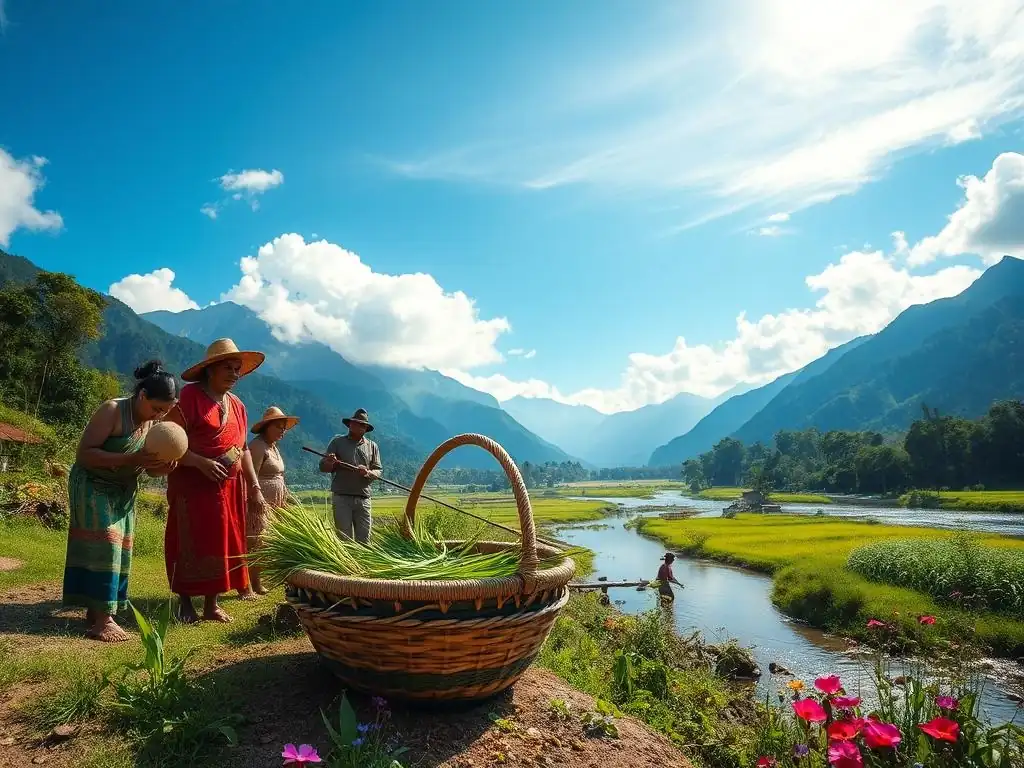
Welcome to Indigenous Civilizations of the Americas! Here, we invite you on an enlightening journey through the rich tapestry of indigenous cultures that flourished long before European colonization. Our focus today is on Indigenous resource management case studies, where you will discover remarkable examples of how these civilizations sustainably interacted with their environment, preserving and enhancing their natural resources for generations.
Prepare to be inspired as we delve into the intricate and innovative practices that not only shaped their societies but also hold valuable lessons for our contemporary world. Continue reading to uncover the profound wisdom of these vibrant cultures and their enduring legacy!
- Introduction to Indigenous Resource Management Case Studies
- Case Study 1: Traditional Ecological Knowledge of the Inuit
- Case Study 2: Agricultural Innovations of the Maya Civilization
- Case Study 3: Water Management by the Hopi Tribe
- Case Study 4: Forest Stewardship by the Amazonian Tribes
- Case Study 5: Fisheries Management by the Coast Salish Peoples
- Comparative Analysis of Indigenous Resource Management Practices
- Conclusion: The Lasting Impact of Indigenous Resource Management
- Frequently Asked Questions
- Final Reflection: Embracing Indigenous Wisdom for Sustainable Futures
- Unveil the Power of Indigenous Resource Management!
Introduction to Indigenous Resource Management Case Studies
Indigenous resource management has been a cornerstone of sustainable living for countless cultures across the Americas, predating European colonization by thousands of years. These civilizations developed intricate systems for managing their natural resources, which not only ensured their survival but also fostered a deep spiritual and cultural connection to the land.
This article delves into specific indigenous resource management case studies, highlighting the innovative practices employed by various indigenous groups and their lasting contributions to environmental stewardship. By examining these real-world examples, we can gain invaluable insights into sustainable practices that remain relevant today, showcasing the profound wisdom embedded in indigenous knowledge systems.
Overview of Indigenous Resource Management in the Americas
Indigenous peoples across the Americas have utilized diverse practices tailored to their unique environments, resulting in a rich tapestry of resource management techniques. Some key aspects include:
- Agricultural Practices: Many indigenous groups, such as the Inca and the Maya, developed advanced agricultural systems, including terrace farming and the milpa system, which promoted biodiversity and soil health.
- Water Management: The Hohokam people of the Southwestern United States created an extensive network of irrigation canals, allowing them to thrive in arid conditions by effectively managing water resources.
- Forest Stewardship: Indigenous tribes in the Amazon rainforest, such as the Yanomami, practice sustainable logging and agroforestry, ensuring the preservation of biodiversity while meeting their community needs.
These practices demonstrate a profound understanding of ecological balance, showcasing how indigenous resource management is not merely about exploitation but rather about maintaining harmony with nature.
Importance of Case Studies in Understanding Indigenous Practices
Studying these indigenous resource management case studies is crucial for several reasons:
- Preservation of Knowledge: Many indigenous practices are at risk of being lost due to modernization and climate change. Documenting these case studies helps preserve valuable ecological knowledge that can inform contemporary resource management.
- Sustainable Models: As global concerns about sustainability and environmental degradation grow, indigenous resource management systems offer innovative and time-tested models for sustainable living and environmental stewardship.
- Cultural Significance: These case studies also highlight the cultural connections indigenous peoples have with their land and resources, emphasizing the importance of indigenous rights and self-determination in resource management.
- Policy Implications: By understanding these practices, policymakers can create more inclusive and effective resource management strategies that respect indigenous rights and incorporate traditional ecological knowledge.
Through a comprehensive examination of these case studies, we can better appreciate the depth and complexity of indigenous resource management, ultimately fostering a more sustainable future for all.
Case Study 1: Traditional Ecological Knowledge of the Inuit

Context and Background of Inuit Resource Management
The Inuit, indigenous peoples of the Arctic regions of Canada, Greenland, and Alaska, have developed a unique system of resource management that has been honed over thousands of years. Their traditional ecological knowledge (TEK) encompasses a deep understanding of the land, sea, and wildlife, shaped by their environment and cultural practices. This knowledge is not merely academic; it is practical, passed down through generations, and integrates spiritual beliefs with everyday practices.
Historically, the Inuit relied on a diverse range of resources, from marine mammals like seals and whales to terrestrial animals such as caribou. Their survival was intricately tied to the seasonal cycles of these resources, leading to a management system that emphasized sustainability and respect for nature.
Key elements of Inuit resource management include:
- Community Involvement: Decisions regarding resource use are made collectively, ensuring that the wisdom of elders is respected and that younger generations learn from their predecessors.
- Adaptation to Environmental Change: The Inuit have demonstrated remarkable resilience and adaptability, adjusting their practices in response to changing climatic conditions and resource availability.
Key Strategies in Inuit Resource Management
Inuit resource management employs several key strategies that reflect their deep connection to the environment:
- Hunting and Fishing Practices: The Inuit utilize specific techniques tailored to their environment, such as the use of kayaks for seal hunting and communal hunting drives for caribou. These methods are designed to minimize waste and ensure that populations remain sustainable.
- Seasonal Migration: The practice of seasonal migration allows the Inuit to follow the movements of wildlife, ensuring that they utilize resources at the optimal time. This practice also facilitates recovery periods for ecosystems, as certain areas are left undisturbed at different times of the year.
- Knowledge Sharing and Education: The transmission of TEK is a vital part of Inuit culture. Storytelling, hands-on training, and community gatherings play critical roles in educating the youth about sustainable practices and the importance of respecting the land.
- Adaptive Management: The Inuit are skilled at modifying their resource management practices in response to environmental changes. This adaptability is crucial in the face of climate change, where traditional patterns may no longer hold.
Outcomes and Lessons Learned from Inuit Practices
The outcomes of Inuit resource management practices provide valuable insights for contemporary resource management strategies:
- Sustainability: The Inuit's emphasis on sustainability has allowed them to maintain their way of life for millennia. Their practices demonstrate that harmonious coexistence with nature is possible, offering a model for modern resource management efforts aimed at sustainability.
- Community Resilience: The collective nature of Inuit decision-making fosters community resilience. By involving all members in resource management decisions, communities are better equipped to face challenges, including those posed by climate change.
- Integration of Knowledge Systems: The success of Inuit resource management underscores the importance of integrating traditional ecological knowledge with scientific approaches. This fusion can lead to more effective and culturally relevant resource management strategies.
- Cultural Preservation: The practices of Inuit resource management are not only about resource use; they are deeply tied to cultural identity. Protecting these practices helps preserve Inuit culture and strengthens community bonds.
The Inuit's traditional ecological knowledge and resource management practices provide a compelling case study of how indigenous communities can effectively manage natural resources while preserving their cultural heritage. These lessons are increasingly relevant as societies worldwide seek sustainable solutions to contemporary environmental challenges.
Case Study 2: Agricultural Innovations of the Maya Civilization
Historical Context of Maya Resource Management
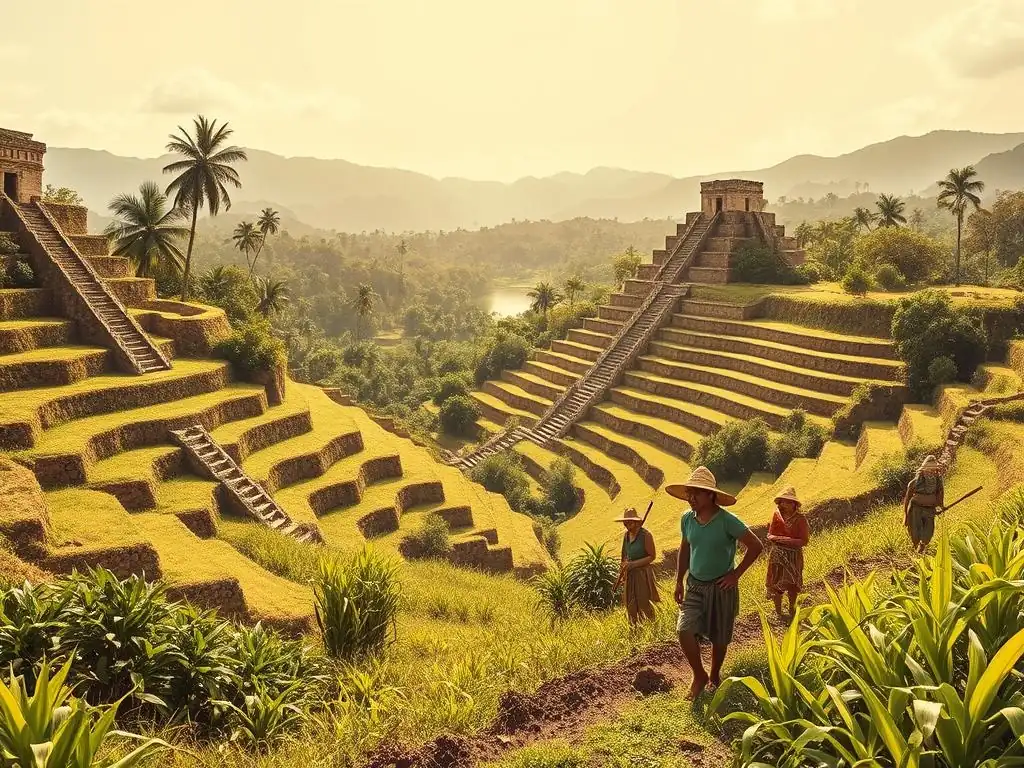
The Maya civilization, which flourished in Mesoamerica from approximately 2000 BCE to the arrival of Europeans in the 16th century, developed complex resource management systems that allowed them to thrive in diverse environments. The Mayan territory encompassed present-day Mexico, Guatemala, Belize, and parts of Honduras and El Salvador. This region is characterized by a variety of ecosystems, including tropical rainforests, highlands, and coastal areas.
The Maya adeptly adapted their agricultural practices to the challenges posed by their environment. They utilized techniques such as slash-and-burn agriculture, terracing, and raised-field farming to maximize yield while minimizing environmental degradation. A significant aspect of their resource management was the understanding of the interplay between agriculture, ecology, and social structures.
Key elements of Maya resource management included:
- Land Ownership and Community Cooperation: Land was often held communally, encouraging cooperative farming practices that fostered social ties and mutual support.
- Religious Practices: Agriculture was deeply intertwined with spiritual beliefs, with rituals and ceremonies aimed at ensuring bountiful harvests and honoring the deities associated with fertility and nature.
- Sophisticated Knowledge of Ecosystems: The Maya maintained a profound understanding of their local ecosystems, which informed their agricultural practices and crop choices.
Sustainable Agricultural Techniques Employed by the Maya
The Maya civilization is renowned for its innovative agricultural techniques, which exemplify sustainable resource management. Several of these techniques include:
- Slash-and-Burn Agriculture: This method involved cutting down vegetation and burning it to clear land for cultivation. The ash enriched the soil with nutrients, promoting crop growth.
- Terracing: In hilly regions, the Maya constructed terraces to create flat areas for farming. This technique reduced soil erosion and allowed for effective water management.
- Raised-Field Agriculture: In swampy areas, the Maya built raised fields to cultivate crops. These fields improved drainage and temperature regulation, enhancing productivity.
- Agroforestry: The Maya practiced agroforestry by intercropping various species, including maize, beans, and squash, which complemented each other and improved soil health.
The combination of these techniques not only ensured food security for the Maya but also contributed to the resilience of their agricultural systems in the face of environmental challenges.
Impact of Maya Resource Management on Biodiversity
The resource management practices of the Maya had a significant impact on biodiversity in their regions. By employing sustainable agricultural techniques, they maintained a balance between agricultural production and ecological health. Key impacts include:
- Crop Diversity: The Maya cultivated a variety of crops, which enhanced soil fertility and resilience against pests and diseases. This polyculture approach supported a rich diversity of plant species.
- Habitat Preservation: By integrating agriculture with forest conservation practices, the Maya preserved critical habitats for numerous species, contributing to biodiversity conservation.
- Water Management: The Maya developed sophisticated systems for managing water resources, including reservoirs and canals, that supported both agriculture and local ecosystems.
The agricultural innovations of the Maya civilization demonstrate a profound understanding of resource management that fostered biodiversity and ecological sustainability. Their practices stand as a testament to the intricate relationship between cultural practices and environmental stewardship, providing valuable lessons for contemporary resource management efforts.
Case Study 3: Water Management by the Hopi Tribe
Overview of Hopi Land and Water Resources
The Hopi Tribe, located in northeastern Arizona, is renowned for its intricate relationship with the arid environment in which it resides. The Hopi lands, part of the Colorado Plateau, encompass mesas, canyons, and semi-desert areas that present unique challenges for water management. The region receives limited rainfall, averaging about 12 to 18 inches annually, necessitating innovative approaches to water resource management.
The Hopi have historically relied on a combination of natural springs, runoff from seasonal rains, and traditional farming methods to sustain their communities. Their agricultural practices, primarily dryland farming, emphasize the cultivation of crops such as corn, beans, and squash, which are central to their dietary and cultural identity. The management of water resources is thus not only a matter of survival but also of cultural significance.
Innovative Water Conservation Techniques of the Hopi
The Hopi Tribe has developed several innovative water conservation techniques that exemplify their deep understanding of the environment. Key among these techniques are:
- Check Dams: Small earthen structures built across washes and arroyos to slow down water runoff, allowing it to percolate into the soil. This technique helps to recharge groundwater supplies and creates micro-habitats for local flora and fauna.
- Terracing: The Hopi have historically constructed terraces on sloped lands to minimize soil erosion and maximize water retention. This method allows for more effective irrigation and supports crop growth in harsh conditions.
- Traditional Farming Methods: The use of companion planting and crop rotation not only enhances soil fertility but also optimizes water use. The Hopi practice dry farming techniques that are adapted to local conditions, allowing them to grow food with minimal water requirements.
These methods have proven effective in sustaining the Hopi way of life while preserving the delicate balance of their ecosystem.
The Role of Community in Hopi Water Management
Community engagement is at the heart of Hopi water management practices. The Hopi Tribe emphasizes collective responsibility and traditional ecological knowledge in their approach to resource management. Key aspects include:
- Cultural Traditions: Water is viewed as a sacred resource essential to life, and its management is interwoven with Hopi spirituality. Rituals and ceremonies often accompany water-related activities, reinforcing the community's commitment to sustainable practices.
- Collaborative Decision-Making: The tribe employs a consensus-based approach to decision-making, ensuring that all community members have a voice in managing their water resources. This collaboration fosters a strong sense of ownership and accountability.
- Education and Knowledge Sharing: Elders play a crucial role in transmitting traditional knowledge about water management to younger generations. Workshops and community gatherings are organized to discuss best practices and share experiences, enhancing the tribe's adaptive capacity in the face of changing environmental conditions.
The Hopi Tribe's water management practices serve as a profound example of how indigenous resource management can be both innovative and culturally significant, demonstrating resilience in the face of environmental challenges.
Case Study 4: Forest Stewardship by the Amazonian Tribes
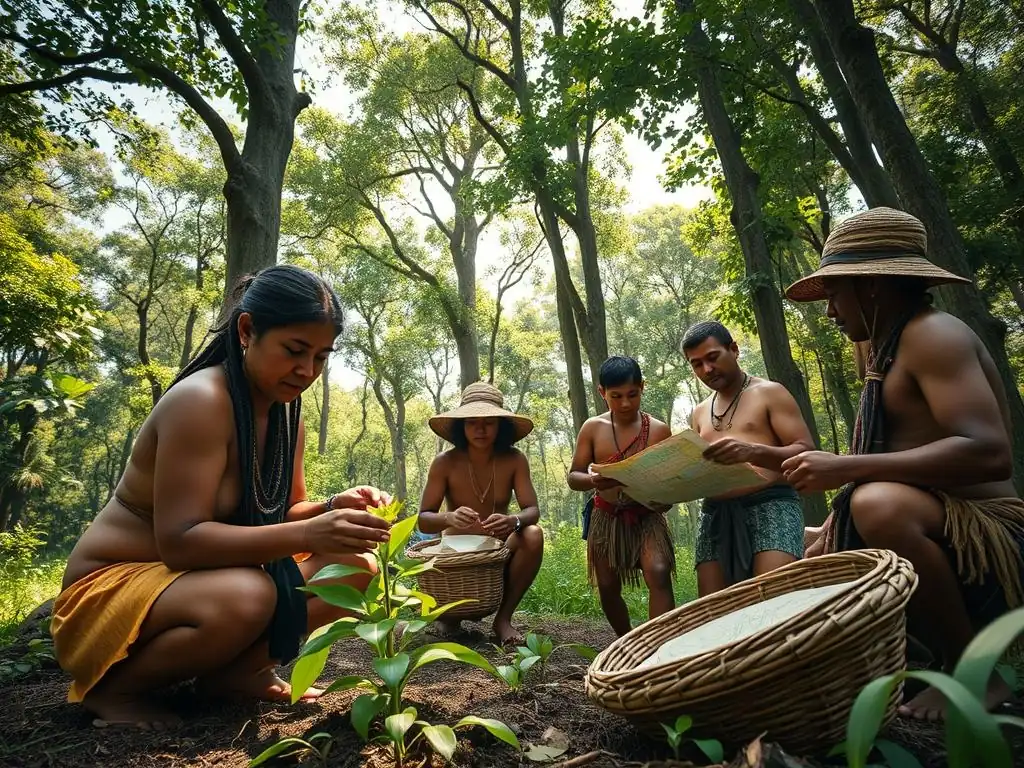
The Amazon rainforest, often referred to as the "lungs of the Earth," is not only a crucial ecological zone but also home to numerous indigenous tribes. These communities have developed sophisticated systems of forest stewardship that emphasize sustainability, biodiversity, and cultural heritage. This case study highlights the practices and outcomes of indigenous resource management in the Amazon, showcasing their importance in preserving both the environment and their cultural identity.
Cultural Significance of Forest Resources to Amazonian Communities
For Amazonian tribes, the forest is more than just a resource; it is an integral part of their identity and spirituality. Many indigenous cultures view the forest as a living entity, imbued with spirits and ancestral connections. This relationship fosters a deep respect for the natural world, influencing their resource management practices.
- Cultural Practices: Rituals, ceremonies, and storytelling often revolve around the forest, reinforcing the significance of maintaining its health and balance. For instance, the Yawanawá people celebrate the "Festival of the Forest," which emphasizes their connection to the land and its resources.
- Biodiversity: The forest provides not only food and medicine but also materials for housing, tools, and crafts. Indigenous knowledge of plant species and animal behaviors is extensive, enabling sustainable harvesting practices that ensure the availability of resources for future generations.
- Community Governance: Many tribes operate under collective land ownership systems, promoting cooperative decision-making regarding resource use. This governance structure fosters accountability and stewardship among community members, ensuring that forest resources are managed sustainably.
Practices of Sustainable Forest Management in the Amazon
Amazonian tribes employ various sustainable forest management practices that have been passed down through generations. These methods are tailored to their specific ecological contexts and demonstrate a profound understanding of their environment.
- Agroforestry:
- Combining agriculture with forestry, agroforestry practices allow for the cultivation of crops alongside tree species. This creates a biodiverse ecosystem that enhances soil fertility and reduces the need for chemical fertilizers.
- Example: The Kayapó people utilize agroforestry to grow staple crops while preserving the integrity of the forest, leading to increased resilience against climate change.
- Selective Logging:
- Rather than clear-cutting, indigenous communities practice selective logging, which involves the careful harvesting of specific trees. This method minimizes ecological disruption and maintains the forest's structure.
- By adhering to traditional guidelines about which trees to harvest, they ensure that timber extraction does not compromise forest regeneration.
- Fire Management:
- Controlled burning is used to clear underbrush and promote the growth of specific plant species. This practice, when done responsibly, can enhance biodiversity and reduce the risk of uncontrollable wildfires.
- The Huitoto tribe implements fire management techniques that align with seasonal patterns, ensuring that their use of fire does not harm the ecosystem.
- Community-led Conservation Initiatives:
- Many tribes establish protected areas to safeguard critical habitats. These initiatives often involve collaboration with NGOs and governmental bodies to secure land rights and promote conservation efforts.
- By engaging in ecotourism and sustainable harvesting, they create economic opportunities that reinforce the importance of maintaining the forest.
Case Studies of Successful Forest Stewardship Outcomes
The successful outcomes of indigenous resource management in the Amazon illustrate the effectiveness of traditional ecological knowledge combined with modern conservation practices. Here are some notable examples:
-
The Ashaninka Tribe:
The Ashaninka have implemented a community-led reforestation project that focuses on planting native species. This initiative has restored degraded areas of the forest, improving biodiversity and providing resources for community use. The project has also attracted funding from environmental organizations, enhancing the tribe's economic stability.
-
The Guarani People:
The Guarani have successfully negotiated for land rights that allow them to manage large tracts of forest sustainably. Through their stewardship, they have seen an increase in wildlife populations and a resurgence of traditional medicinal plants, demonstrating the effectiveness of their management practices.
-
The Shipibo-Conibo Community:
This community has engaged in sustainable fishing practices that protect aquatic ecosystems while ensuring food security. By monitoring fish populations and implementing seasonal fishing bans, they have successfully maintained fish stocks, balancing their cultural practices with environmental sustainability.
These case studies highlight the resilience and adaptability of indigenous resource management in the Amazon. By integrating traditional knowledge with contemporary conservation efforts, these tribes not only safeguard their cultural heritage but also contribute significantly to the global fight against deforestation and climate change. The lessons learned from their practices can serve as valuable models for sustainable development worldwide.
Case Study 5: Fisheries Management by the Coast Salish Peoples

Historical Context of Fisheries among the Coast Salish
The Coast Salish peoples, who inhabit the coastal regions of what is now British Columbia, Canada, and Washington State, USA, have a rich history of sustainable fisheries management that dates back thousands of years. Their culture is deeply intertwined with the marine environment, particularly salmon, which holds both ecological and spiritual significance. Historically, the Coast Salish utilized complex systems of fishing, including seasonal migrations to spawning grounds and the construction of weirs and traps to optimize their harvests.
Indigenous knowledge systems, passed down through generations, informed their understanding of fish behavior, migration patterns, and the importance of maintaining healthy aquatic ecosystems. The Coast Salish peoples practiced careful monitoring of fish populations and habitats, ensuring that fishing practices were aligned with the natural cycles of the environment. This historical context underscores the intricate relationship between the Coast Salish and their surrounding ecosystems, showcasing a model of resource management that prioritized sustainability and community well-being.
Sustainable Fishing Practices and Their Benefits
The sustainable fishing practices of the Coast Salish peoples encompass a variety of techniques aimed at preserving fish stocks and their habitats. Among these practices are:
- Selective Fishing: The Coast Salish employed selective fishing methods, targeting specific species at optimal times of the year to allow other species to thrive and regenerate.
- Use of Traditional Knowledge: Knowledge of fish spawning cycles, habitat preferences, and environmental indicators was integral to their fishing practices. This knowledge allowed them to harmonize their activities with the natural rhythms of the ecosystem.
- Fishery Stewardship: Community-led stewardship programs were established to monitor fish populations and habitats. This involved local governance structures that engaged community members in decision-making processes regarding fishing regulations.
The benefits of these practices extend beyond immediate fish harvests. By maintaining a balance within the ecosystem, the Coast Salish not only ensured that fish populations remained healthy but also supported the overall biodiversity of the region. This sustainable approach has significant economic implications as well, fostering resilient communities that can rely on their natural resources without depleting them.
Impacts of Indigenous Fisheries Management on Ecosystems
The impacts of Indigenous fisheries management by the Coast Salish peoples can be seen in both ecological and cultural dimensions.
- Biodiversity Preservation: The application of traditional ecological knowledge has helped maintain and enhance biodiversity in coastal waters. By avoiding overfishing and engaging in habitat restoration efforts, the Coast Salish have contributed to the resilience of marine ecosystems.
- Cultural Resilience: The management of fisheries is not solely an environmental issue; it is also a cultural one. The Coast Salish's practices are tied to their identity, traditions, and spiritual beliefs. The continued health of fish populations supports cultural practices, such as ceremonial fishing and the sharing of food within the community.
- Adaptive Management Strategies: The Coast Salish have demonstrated an ability to adapt their management strategies in response to environmental changes, such as climate change and over-exploitation from external forces. This adaptability is crucial in ensuring the sustainability of fish populations and their habitats over time.
The Indigenous resource management case studies exemplified by the Coast Salish peoples illustrate a sophisticated understanding of ecological balance, community involvement, and cultural significance, providing valuable lessons for contemporary resource management practices across the globe.
Comparative Analysis of Indigenous Resource Management Practices
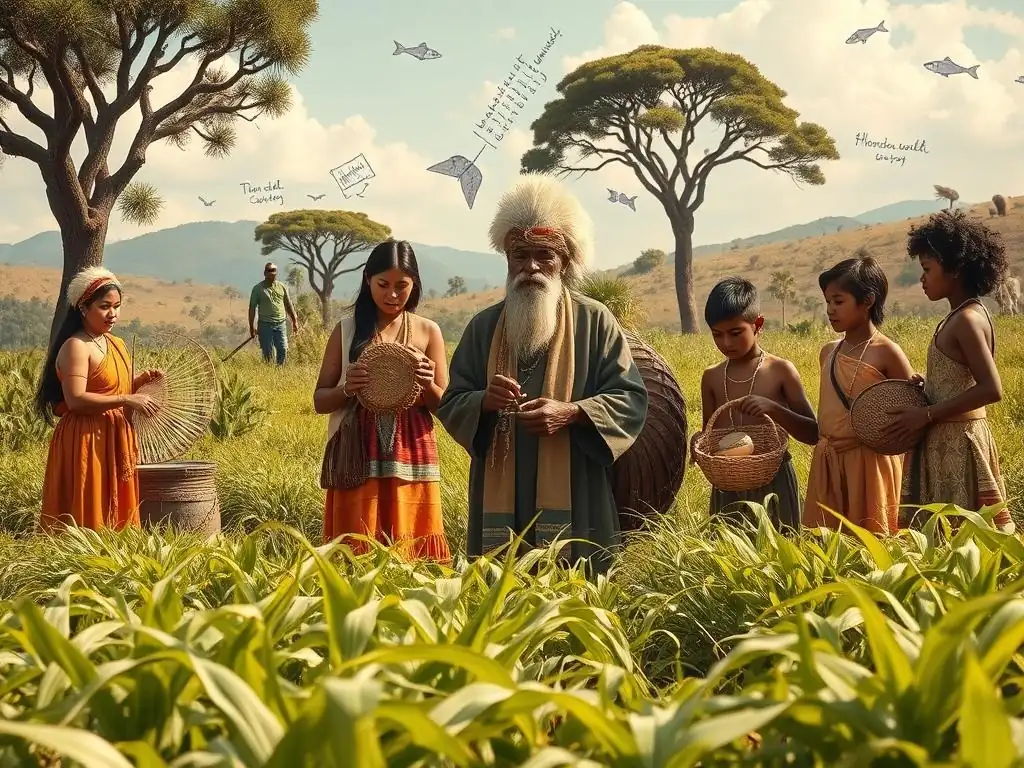
Indigenous resource management practices across the Americas exhibit a rich tapestry of strategies and philosophies that reflect deep ecological knowledge and cultural values. Through a comparative analysis of various case studies, we can identify both common themes and unique approaches that have emerged in response to the diverse environments and challenges faced by indigenous communities.
Common Themes in Successful Indigenous Management Case Studies
Across many indigenous cultures, several common themes emerge in successful resource management case studies:
- Sustainable Practices: Many indigenous communities prioritize sustainability, ensuring that resources are used in a manner that maintains ecological balance. For example, the Hupa Tribe of Northern California utilizes controlled burns to manage forest health, promoting biodiversity and reducing wildfire risks.
- Community Involvement: Resource management is often a collective effort, with decisions made through consensus. For instance, the Inuit in the Arctic regions employ traditional ecological knowledge in their hunting practices, integrating community insights to ensure the sustainability of marine mammal populations.
- Respect for Nature: Indigenous cultures frequently embody a spiritual connection to the land, viewing themselves as stewards rather than owners. This philosophy is evident in the Maya civilization, where sacred cenotes were treated with reverence, leading to careful management of water resources that continue to support local ecosystems.
- Adaptive Learning: Many indigenous practices demonstrate an ability to adapt to changing environmental conditions. The Navajo Nation's approach to sheep herding and land management has evolved significantly in response to drought conditions, showcasing their capacity to adjust practices while maintaining cultural integrity.
Unique Approaches Based on Region and Culture
While common themes exist, each indigenous culture has developed unique approaches to resource management shaped by regional characteristics:
- Andean Agriculture: The Inca Empire is renowned for its terracing techniques, which allowed for efficient agriculture in mountainous terrain. This method not only maximized arable land but also mitigated soil erosion, showcasing an ingenious adaptation to the harsh environment.
- Wetland Management: The Taino people of the Caribbean practiced advanced aquaculture in their wetlands, cultivating fish and plants together. This integrated system not only provided food security but also enhanced biodiversity and nurtured the aquatic ecosystem.
- Forest Stewardship: In the Amazon, various tribes, such as the Kayapo, utilize a complex system of agroforestry. By planting a variety of crops alongside trees, they create resilient ecosystems that support wildlife and provide diverse food sources.
- Fire Management: The Aboriginal Australians are notable for their use of fire as a land management tool. This practice, known as "cultural burning," promotes the growth of certain plant species while reducing the risk of larger, uncontrolled wildfires, demonstrating a profound understanding of fire ecology.
Reflection on the Effectiveness of Indigenous Practices
The effectiveness of indigenous resource management practices is evident in the resilience and sustainability of the ecosystems they foster. These practices often lead to:
- Biodiversity Conservation: Indigenous management strategies contribute significantly to the preservation of biodiversity. For instance, the Mapuche people's traditional agricultural methods have maintained diverse crop varieties, which are crucial for food security and ecosystem health.
- Cultural Preservation: Successful resource management is intertwined with cultural identity. By maintaining traditional practices, indigenous communities preserve their heritage and knowledge systems, which are essential for future generations.
- Economic Sustainability: Many indigenous resource management practices provide economic benefits without compromising ecological integrity. The use of non-timber forest products by the Kichwa people in Ecuador exemplifies how traditional knowledge can create sustainable livelihoods while conserving forests.
Indigenous resource management case studies reveal a wealth of knowledge and practices that offer valuable insights into sustainability and ecological stewardship. By examining these diverse approaches, we can learn important lessons that are applicable to contemporary resource management challenges faced globally.
Conclusion: The Lasting Impact of Indigenous Resource Management
Summary of Key Findings from Case Studies
The exploration of indigenous resource management case studies across the Americas reveals several key findings that underscore the sophistication and efficacy of these practices. Indigenous communities have historically utilized a variety of sustainable techniques tailored to their specific environments, which offer valuable lessons for contemporary resource management.
- Biodiversity Conservation: Many indigenous practices emphasize the importance of biodiversity. For instance, the traditional agricultural systems of the Maya and Andean cultures employed polyculture—growing multiple crops in the same area—which not only increased yield but also promoted ecological balance.
- Water Management: Indigenous peoples, such as the Hohokam in present-day Arizona, mastered intricate irrigation systems. These systems were designed to efficiently manage scarce water resources, showcasing an understanding of hydrology that remains relevant today.
- Forest Stewardship: The practices of the Amazonian tribes illustrate sustainable forest management techniques. These communities have implemented selective logging and rotational farming, which help preserve forest ecosystems while meeting their needs for resources.
- Cultural Significance: Resource management is deeply intertwined with cultural practices and spiritual beliefs. Indigenous practices often reflect a holistic worldview that respects the interconnection of humans and nature, fostering a sense of stewardship that is essential for sustainability.
Implications for Modern Resource Management Strategies
The insights gained from indigenous resource management case studies have profound implications for modern resource management strategies. By integrating traditional knowledge with contemporary scientific approaches, we can develop more effective and sustainable resource management practices.
- Community Engagement: Recognizing the role of local communities in resource management can lead to more equitable and effective strategies. Engaging indigenous knowledge holders as partners rather than just stakeholders can enhance decision-making processes.
- Sustainability Practices: Modern resource management strategies can benefit from indigenous practices that emphasize sustainability. Techniques such as controlled burns used by various tribes can reduce wildfire risks and promote healthy ecosystems.
- Policy Development: Policymakers should consider the inclusion of indigenous knowledge in environmental legislation. This integration can create a more holistic approach to conservation and resource management that respects cultural heritage and ecological integrity.
The application of these findings can lead to innovative solutions that address the pressing challenges of resource depletion and environmental degradation faced today.
Call to Action: Recognition and Support for Indigenous Practices
As we reflect on the lessons learned from indigenous resource management case studies, it is crucial to advocate for the recognition and support of indigenous practices.
- Promote Indigenous Rights: Supporting policies that recognize the land rights of indigenous peoples is essential. This recognition can empower communities to manage their resources sustainably and protect their cultural heritage.
- Invest in Education and Research: Funding research that explores indigenous resource management practices can yield insights applicable to contemporary issues. Educational programs should also incorporate indigenous knowledge systems to foster a deeper understanding of sustainable practices.
- Encourage Collaboration: Establishing partnerships between indigenous communities and governmental or non-governmental organizations can enhance resource management efforts. Collaborative projects can serve as a platform for sharing knowledge and achieving common goals in sustainability.
By taking these steps, we can ensure that the knowledge and practices of indigenous civilizations continue to inform and inspire modern resource management strategies, fostering a more sustainable future for all.
Frequently Asked Questions
What are indigenous resource management case studies?
Indigenous resource management case studies are real-world examples of how indigenous communities have effectively managed their natural resources, showcasing their traditional knowledge and sustainable practices.
Why are these case studies important?
These case studies are important because they highlight the successes of indigenous practices in resource management, offering valuable insights into sustainability and ecological conservation that can be applied globally.
How do these case studies demonstrate indigenous knowledge?
These case studies demonstrate indigenous knowledge through the strategies and techniques used by communities to manage their lands and resources, often integrating cultural beliefs with environmental stewardship.
What regions are covered in the case studies?
The case studies cover various regions across the Americas, showcasing the diverse approaches of indigenous peoples from North America to South America, reflecting their unique cultural contexts.
How can these case studies influence current resource management practices?
These case studies can influence current resource management practices by providing evidence-based examples of effective indigenous methods, advocating for their integration into modern conservation efforts and policies.
Final Reflection: Embracing Indigenous Wisdom for Sustainable Futures
Indigenous resource management case studies illuminate the profound connection between traditional ecological knowledge and contemporary environmental challenges. As we navigate an era marked by climate change and biodiversity loss, the insights gleaned from these case studies are not merely historical anecdotes; they are urgent calls to action. The wisdom embedded in Indigenous practices offers innovative solutions that are both sustainable and culturally resonant, reminding us that the past holds keys to a more harmonious future.
Cultural resilience and environmental stewardship are intricately linked in the stories of Indigenous communities across the Americas. These case studies reveal how Indigenous peoples have thrived by nurturing their lands and resources, often in stark contrast to modern exploitative practices. As we reflect on these narratives, we are reminded of the words of Chief Seattle: We do not inherit the earth from our ancestors; we borrow it from our children.
This quote encapsulates the responsibility we all share in preserving the planet for future generations, highlighting the ongoing relevance of Indigenous wisdom in our collective journey toward sustainability.
As you consider the lessons from these Indigenous resource management case studies, I invite you to reflect on your own relationship with the environment. How can you incorporate these teachings into your daily life? Whether it’s advocating for Indigenous rights, supporting sustainable practices, or simply deepening your understanding of local ecosystems, every action counts. Together, we can honor the legacy of Indigenous knowledge and work towards a future where both people and nature thrive in harmony.
Unveil the Power of Indigenous Resource Management!
Thank you for diving into our exploration of successful Indigenous resource management across the Americas! You've gained valuable insights into how traditional practices continue to thrive and provide sustainable solutions. Now, it's time to take what you've learned and put it into action.
Here are a few ways you can further engage with this important topic:
- Explore local Indigenous initiatives in your area and support their efforts.
- Share this article with friends and family to raise awareness about the remarkable practices of Indigenous communities.
- Connect with Indigenous organizations in your community to volunteer or learn how you can contribute to their mission.
What steps will you take today to become an ally and promote sustainable practices inspired by the wisdom of Indigenous cultures?