
The Use of Psychological Warfare in Indigenous Conflicts: Fear as a Weapon

Welcome to Indigenous Civilizations of the Americas, where we embark on a remarkable journey through the rich tapestry of indigenous cultures that flourished long before European colonization. Here, we delve into the fascinating topic of psychological warfare in indigenous cultures, examining how fear was wielded as a powerful weapon in conflicts. Are you ready to uncover the intricate strategies and profound impacts of these ancient practices? Join us as we explore the resilience and ingenuity of indigenous societies, revealing the unseen forces that shaped their histories and legacies. Your adventure into the depths of cultural warfare begins now!
Indigenous cultures across the Americas exhibited a profound understanding of warfare and conflict, utilizing a variety of strategies that went beyond conventional physical confrontations. Among these strategies, psychological warfare emerged as a potent tool that indigenous societies employed to instill fear, manipulate perceptions, and gain advantages over their adversaries.
This article delves into the intricate dynamics of psychological warfare within indigenous conflicts, focusing on how fear was wielded as a weapon to assert power, influence outcomes, and maintain social order. By examining historical contexts and specific case studies, we aim to shed light on the sophisticated military technologies that shaped indigenous warfare and left an indelible mark on the history of the Americas.
Introduction to Psychological Warfare in Indigenous Cultures
Psychological warfare is a concept that encompasses various tactics aimed at undermining the enemy's morale and will to fight. In indigenous cultures, this form of warfare was often deeply intertwined with spiritual beliefs, cultural narratives, and communal identity. The use of fear was not merely a tactic; it was a fundamental aspect of how these societies understood conflict and power dynamics. Indigenous groups employed a range of psychological strategies, including:
- Ritualistic Displays: Engaging in fearsome rituals or ceremonies to project strength and intimidate foes.
- Misinformation: Spreading false narratives or rumors about their own capabilities or the consequences of conflict.
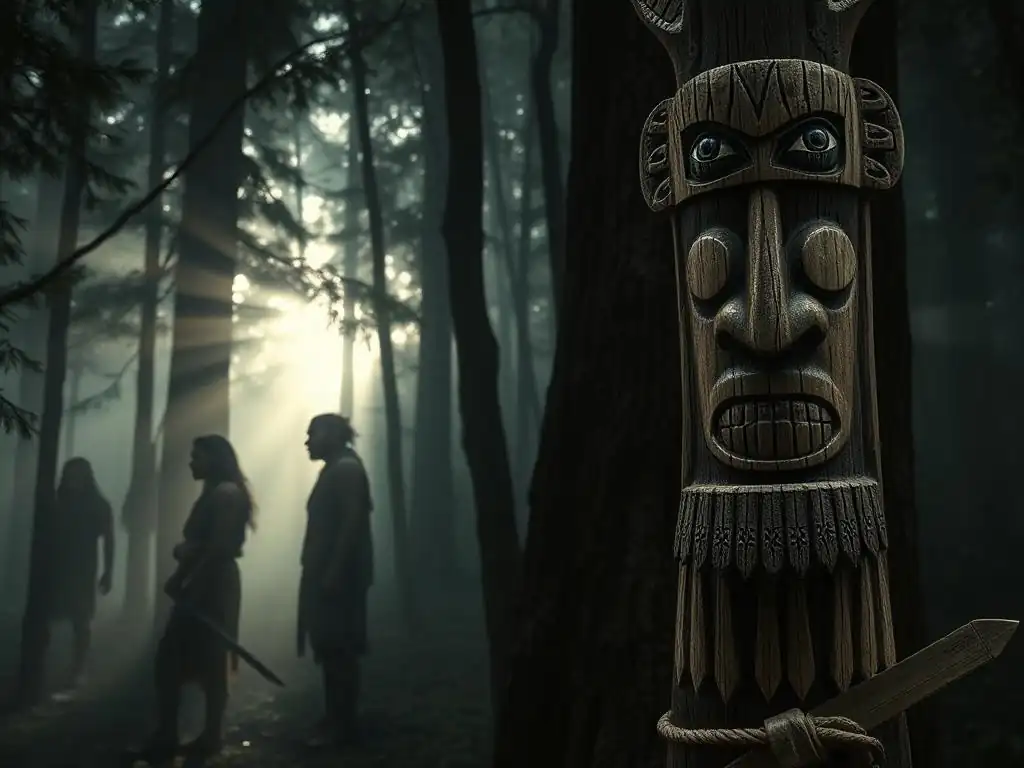
- Symbolic Warfare: Utilizing symbols, totems, and even the environment to create a sense of dread among enemies.
These approaches not only aimed at achieving immediate tactical advantages but also played a crucial role in shaping the long-term social and political landscape.
Understanding Psychological Warfare and Its Importance
The significance of psychological warfare in indigenous conflicts extends beyond mere battlefield tactics. It reflects a deep understanding of human psychology and the social fabric of indigenous communities. By instilling fear, indigenous leaders could:
- Maintain Control: Fear served as a mechanism to unify communities against external threats, reinforcing social cohesion and loyalty.
- Deter Aggression: A reputation for psychological prowess could deter potential aggressors, reducing the likelihood of conflict.
- Influence Alliances: Indigenous groups skilled in psychological warfare could manipulate the perceptions of neighboring tribes, forging strategic alliances based on fear and respect.
Historically, instances of psychological warfare have been documented in various conflicts, revealing a rich tapestry of indigenous strategies that underscore the importance of fear as a weapon. Understanding these dynamics not only enhances our comprehension of indigenous military technologies but also contributes to the broader discourse on warfare, power, and cultural resilience in the face of adversity.
Historical Context of Indigenous Conflicts
Indigenous conflicts in the Americas were shaped by a complex tapestry of cultural, social, and environmental factors. Before European contact, various tribes and nations engaged in warfare for a multitude of reasons, including territorial disputes, resource competition, and political dominance. These conflicts were not merely physical confrontations but often involved intricate strategies, including psychological warfare. The historical context of these indigenous conflicts reveals a deep understanding of human emotions and perceptions, allowing indigenous leaders to manipulate fear as a weapon against their enemies.
The diversity of indigenous cultures meant that warfare practices varied significantly across regions. For instance, the Plains tribes employed different strategies compared to the coastal tribes of the Pacific Northwest. However, a common thread in many conflicts was the use of psychological tactics to intimidate adversaries, enhance morale among warriors, and assert dominance over rival groups. This intricate understanding of psychological warfare allowed indigenous cultures to engage in conflicts that were often more about control of narratives than sheer physical might.
The Role of Fear in Warfare Among Indigenous Peoples
Fear played a pivotal role in the warfare strategies of indigenous peoples, often serving as a primary motivating factor in both instigating and deterring conflicts. By instilling fear, leaders could manipulate the perceptions of enemies, making them more susceptible to defeat. The cultivation of a fearful reputation was crucial; tribes that were known for their ferocity could often deter conflict without engaging in battle. This tactic of fear was not only about physical intimidation but also involved psychological manipulation, where the mere suggestion of violent retribution was enough to dissuade potential aggressors.
Moreover, fear was used as a tool for social cohesion within tribes. Leaders would leverage the fear of external threats to unite their people under a common cause. By emphasizing the dangers posed by rival tribes, indigenous leaders could strengthen internal bonds and foster a collective identity, thus enhancing their communities' resilience against external pressures.
Examples of Psychological Warfare in Pre-Colonial Societies
Several indigenous societies utilized psychological warfare effectively throughout their histories. For example, the Aztecs were known for their strategic displays of power, often executing prisoners of war in highly public ceremonies. These displays were designed to instill fear not just in their enemies but also in the hearts of their own populace, reinforcing the supremacy of the Aztec state.
Similarly, the Iroquois Confederacy employed psychological tactics in their warfare strategies by using cunning and surprise to create chaos among their enemies. Their reputation for stealth and ambush tactics contributed to an aura of invincibility and fear that often led opposing tribes to reconsider engagement in direct conflict.
Another notable example is the use of the "war whoop" by various tribes, including the Sioux and Chippewa. This distinctive sound served not only as a rallying cry for warriors but also as a means to instill terror in the hearts of their enemies, projecting an image of a fierce and united front.
Key Strategies of Psychological Warfare in Indigenous Cultures
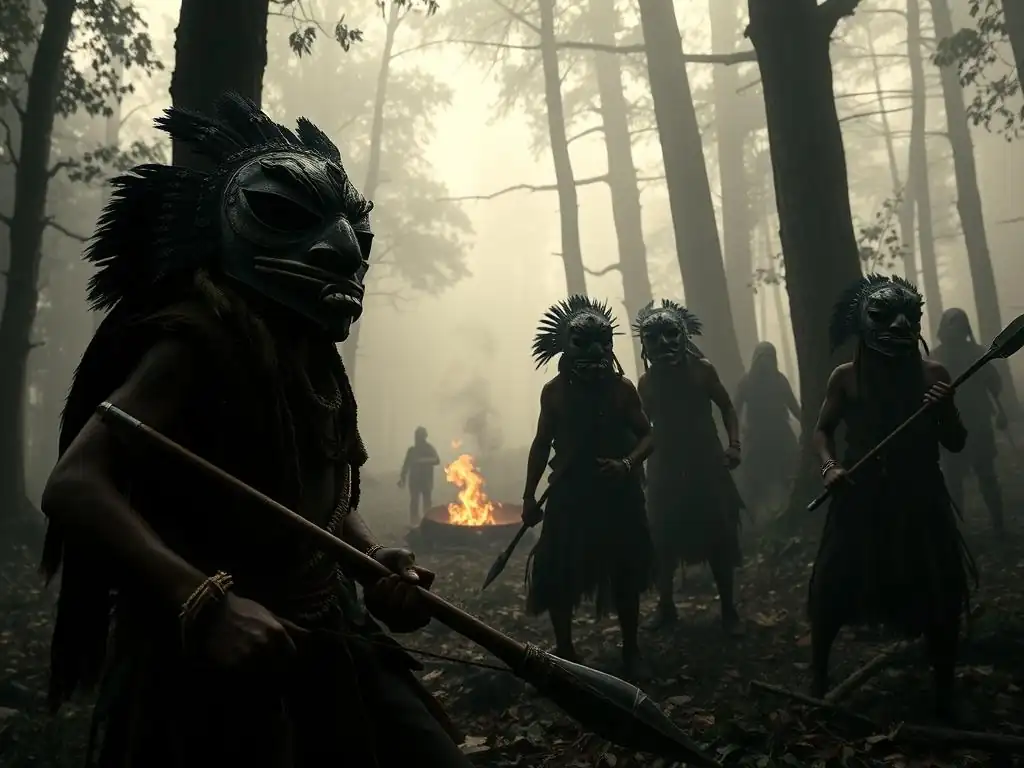
Indigenous cultures demonstrated a variety of strategies that effectively harnessed psychological warfare to gain advantages in conflicts. These strategies were rooted in a profound understanding of their opponents and the psychological implications of fear, deception, and ritualistic practices.
Deception Tactics Utilized by Indigenous Leaders
Deception was a hallmark of psychological warfare among indigenous leaders. This could take many forms, from misleading information to the use of false retreats. For instance, certain tribes would feign weakness or withdrawal, only to launch a surprise counterattack when their enemies lowered their guard. This tactic not only caught adversaries off-guard but also played into their fears of vulnerability and uncertainty.
Additionally, leaders would often manipulate the information shared with their own warriors to create an exaggerated perception of the enemy's strength or capabilities. By doing so, they could galvanize their troops, instilling a sense of urgency and fear that propelled them into battle with heightened resolve.
Symbolism and Rituals as Psychological Tools
Symbolism and rituals played a crucial role in the psychological warfare of indigenous cultures. Elaborate ceremonies would often precede battles, serving to both intimidate enemies and rally warriors. The use of sacred symbols—such as totems or war paint—could invoke a sense of spiritual power, embedding fear into the hearts of adversaries who believed they were facing not just warriors, but embodiments of powerful ancestral spirits.
Moreover, rituals were often designed to communicate messages of strength, unity, and divine favor. By showcasing these elements, indigenous leaders could not only bolster their warriors' morale but also create a psychological barrier for their enemies, who may have feared the repercussions of facing a seemingly invincible force.
The Use of Terrain and Environment in Psychological Warfare
Indigenous peoples also strategically utilized their knowledge of terrain and environment to enhance their psychological warfare tactics. By selecting battlegrounds that favored their strengths—such as dense forests for ambushes or mountains for vantage points—indigenous leaders could create an atmosphere of intimidation and uncertainty for their enemies.
In many cases, the mere presence of indigenous fighters within familiar territory could serve to demoralize opposing forces. The psychological impact of fighting in an unfamiliar environment, coupled with the fear of being outmaneuvered in territory intimately known to the indigenous peoples, often led to significant disadvantages for outside forces.
Through these multifaceted strategies, indigenous cultures effectively employed psychological warfare, demonstrating a sophisticated understanding of fear as a weapon in their conflicts. This approach not only shaped the outcomes of battles but also left a lasting legacy on the indigenous peoples' ability to resist external pressures and assert their sovereignty.
Case Studies of Psychological Warfare in Indigenous Conflicts
Psychological warfare has played a significant role in indigenous conflicts throughout history, where fear was wielded as a powerful weapon. This section explores several noteworthy case studies that highlight the strategic use of psychological tactics by different indigenous cultures in their conflicts, showcasing the depth and sophistication of their military strategies.
The Aztec Empire: Fear and the Use of Human Sacrifice
The Aztec Empire, known for its complex social structures and impressive architectural achievements, also utilized psychological warfare as a fundamental aspect of their military strategy. Central to this approach was the practice of human sacrifice, which served multiple purposes: it was a religious ritual intended to appease the gods, but also a means to instill fear in both enemies and subjects.
By conducting elaborate public sacrifices, the Aztecs demonstrated their power and dominance, creating a palpable atmosphere of dread. Enemies were often intimidated by the spectacle, leading them to reconsider attacks on Aztec territory. Additionally, the Aztecs employed myths and narratives about their gods' demands for blood, which reinforced the idea that opposing them would incur divine wrath. This calculated use of fear significantly contributed to the Aztecs' ability to maintain control over their vast empire and deter potential rebellions.
The Iroquois Confederacy: Psychological Tactics in Tribal Warfare
The Iroquois Confederacy, a sophisticated alliance of six Native American nations, effectively used psychological tactics in their warfare strategies. Their approach combined diplomacy and intimidation, often leveraging their well-organized structure to create a formidable presence.
During conflicts, the Iroquois would engage in strategic displays of strength, such as war dances and the showcasing of war trophies, which served to demoralize their opponents. The famous "mourning wars" were another example; these were conducted not only to avenge the deaths of tribe members but also to capture enemies. The psychological impact of seeing captured warriors treated as trophies could sow fear and confusion within rival tribes, compelling them to think twice before engaging in conflict with the Iroquois.
Furthermore, the Iroquois were adept at using misinformation and deception. They would sometimes spread rumors about their own numbers or capabilities, manipulating the perceptions of their adversaries to gain a strategic advantage. Such tactics exemplify the intricate understanding of psychological warfare that indigenous cultures had developed.
The Pueblo Revolt: Psychological Warfare Against Spanish Colonizers
The Pueblo Revolt of 1680 stands as a significant event in which psychological warfare was strategically employed against Spanish colonizers in present-day New Mexico. The Pueblos, who had long endured oppression and harsh treatment under Spanish rule, sought to reclaim their autonomy and cultural identity.
One of the critical strategies during the revolt was the use of surprise and coordinated attacks that capitalized on the element of shock. The Pueblos meticulously planned the uprising, timing it to coincide with religious festivities when Spanish vigilance was lower. By attacking simultaneously on multiple fronts, they created chaos and fear among the Spanish settlers, leading many to flee in terror.
Additionally, the Pueblos harnessed their knowledge of the land to create ambushes and deceptive retreats, further instilling fear in the colonizers. The psychological impact of the revolt was profound, as it not only resulted in immediate territorial gains for the Pueblos but also altered the perception of indigenous resistance in the eyes of European powers.
Effects of Psychological Warfare on Indigenous Populations
The use of psychological warfare in indigenous conflicts had lasting effects on both the warriors and the civilian populations involved. Fear became a tool not only for waging warfare but also for controlling and shaping societal dynamics within and between communities.
Psychological Impact on Indigenous Soldiers and Civilians
The psychological impact of warfare tactics, especially those grounded in fear, created complex emotional and mental landscapes for indigenous soldiers and civilians. Warriors often faced immense pressure to live up to the fearsome reputations constructed by their leaders, which could lead to internalized expectations of violence and aggression. This environment may have fostered a cycle of trauma, where the need to maintain a fear-based image contributed to ongoing violence and conflict.
Civilians, on the other hand, lived under constant threat, which could lead to anxiety, distrust, and a breakdown of community structures. The fear instilled by psychological tactics might have deterred cooperation among tribes or caused divisions within them, ultimately weakening their collective strength in the face of external threats.
Long-term Consequences of Fear-Based Strategies
The long-term consequences of fear-based strategies in indigenous warfare were multifaceted. While these tactics could yield short-term advantages in conflicts, they often resulted in deeper societal issues. The normalization of fear as a tool of governance and interaction led to lasting scars on community identities and relationships.
In many cases, the reliance on psychological warfare could inhibit the development of peaceful resolutions and reconciliation efforts after conflicts. Over time, fear could entrench positions, making it challenging for communities to engage in dialogue or compromise. Moreover, such strategies could perpetuate cycles of violence, as subsequent generations might adopt similar approaches in response to their historical trauma.
Ultimately, the legacy of psychological warfare in indigenous conflicts underscores the complex interplay between fear, power, and community dynamics, revealing how deeply these strategies influenced the trajectory of indigenous cultures in the Americas.
Lessons Learned from Indigenous Psychological Warfare Tactics
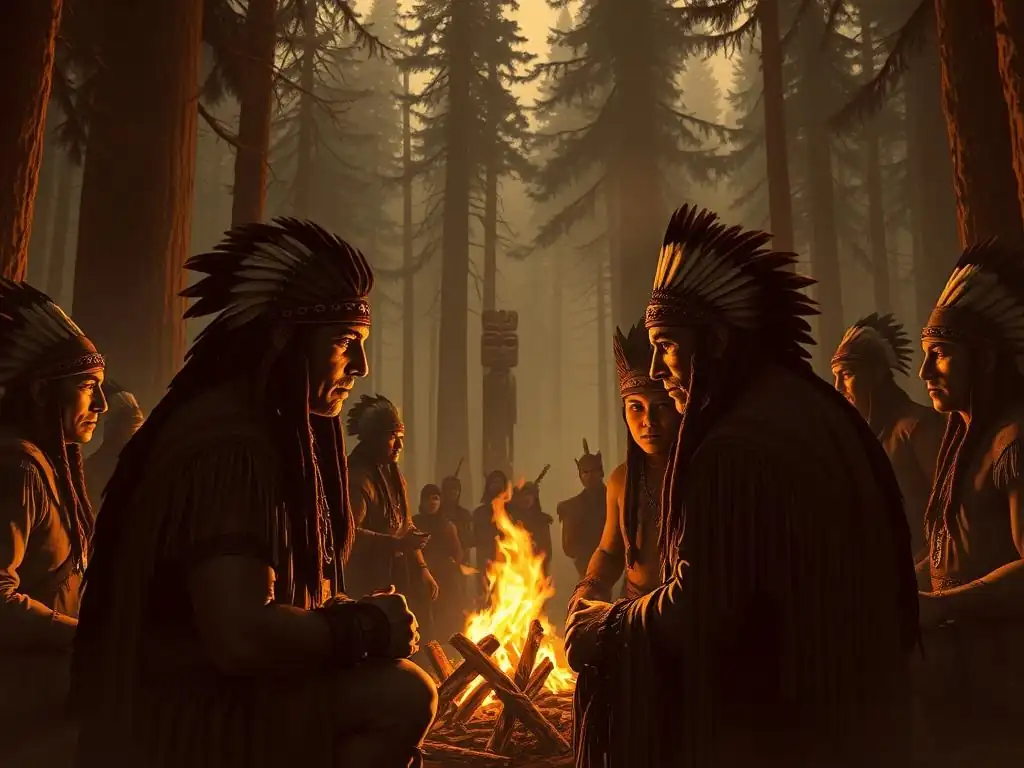
Indigenous cultures throughout the Americas have left a profound legacy in their use of psychological warfare tactics during conflicts. These strategies were not merely reactive but rather deeply embedded within their societal structures. The use of fear as a weapon was strategic, aimed at unsettling opponents by leveraging their beliefs, superstitions, and cultural values. For instance, many tribes would employ elaborate rituals, visual symbols, or environmental manipulation to invoke fear. This practice demonstrated a keen understanding of the psychological landscape of warfare, emphasizing the importance of the mind in combat.
Moreover, these tactics often involved the use of storytelling and myth-making, which served to demoralize adversaries while simultaneously boosting the morale of their own warriors. The psychological impact of these narratives could be staggering, often causing opponents to retreat or surrender without a physical confrontation. This suggests that psychological warfare can be as effective as armed conflict, providing valuable lessons for modern military strategies.
Relevance of Historical Strategies in Modern Conflicts
The historical strategies employed by indigenous cultures in psychological warfare provide critical insights applicable to contemporary conflicts. Modern military operations increasingly recognize the significance of psychological operations (PSYOPS) as tools for influencing enemy behavior and shaping public perception. The ability to instill fear and uncertainty among adversaries can lead to strategic advantages, often without the need for direct confrontation.
For example, contemporary insurgent groups have adopted tactics reminiscent of those used by indigenous peoples, focusing on asymmetric warfare that aims to undermine the psychological resolve of more powerful opponents. Understanding the effectiveness of these historical strategies can inform modern military training and operational planning, emphasizing the need for psychological considerations in conflict scenarios.
Psychological Warfare in Contemporary Indigenous Resistance Movements
Contemporary indigenous resistance movements continue to utilize psychological warfare as a vital component of their strategies against colonial and oppressive forces. These movements often draw upon historical narratives and symbols deeply rooted in their cultural identity to foster unity and resilience among their communities. By invoking the legacy of their ancestors and their historical struggles, indigenous groups can create a powerful sense of purpose and solidarity.
Additionally, the use of social media and modern communication tools has amplified the psychological impact of traditional tactics. For instance, visual imagery, storytelling, and cultural expressions shared through digital platforms can mobilize support and raise awareness about their causes, effectively employing psychological warfare on a global scale. This demonstrates the adaptability of indigenous psychological warfare tactics in the contemporary landscape, reinforcing their relevance and potency.
Conclusion: The Legacy of Psychological Warfare in Indigenous Cultures
The legacy of psychological warfare in indigenous cultures is profound and multifaceted. By employing fear as a weapon, these societies were able to navigate complex and often hostile environments, asserting their agency in conflicts that threatened their existence. The lessons learned from these historical practices continue to resonate, offering valuable insights into the interplay between psychology and warfare.
The Enduring Impact of Psychological Warfare on Indigenous Identity
The enduring impact of psychological warfare tactics on indigenous identity is significant. These strategies not only shaped the outcomes of conflicts but also reinforced cultural narratives and community cohesion. The memories of resistance and the use of psychological tactics contribute to a collective identity that values resilience, intelligence, and strategic thinking.
Today, as indigenous groups continue to confront modern challenges, the psychological legacy of their ancestral warfare practices remains a source of inspiration. It serves as a reminder of their historical strength and adaptability, reinforcing a sense of pride and continuity in their cultural heritage. The incorporation of psychological warfare strategies into contemporary movements illustrates the ongoing relevance of these practices, ensuring that they remain a vital aspect of indigenous identity in the face of adversity.
Further Reading on Psychological Warfare and Indigenous Cultures
To gain a deeper understanding of psychological warfare as employed by indigenous cultures, readers are encouraged to explore a range of resources that provide insights into the military strategies, tactics, and cultural contexts of these societies. This section highlights recommended literature and online resources that delve into the nuances of indigenous military practices, particularly focusing on how fear and psychological tactics were used as effective weapons in conflicts.
Recommended Books and Articles on Indigenous Military Strategies
-
"War and Culture: The Iroquois Experience" by David A. Anderson
This book examines the Iroquois confederacy's unique military strategies, emphasizing their use of psychological warfare to instill fear in opponents and maintain cohesion among tribes.
-
"The Art of War in the Western World" by Gerard Chaliand
While not exclusively about indigenous cultures, this book includes chapters that discuss various military strategies, including psychological tactics used by Native American tribes during conflicts with European settlers.
-
"Indigenous Peoples of North America: A History of the Native American Experience" by Roger L. Nichols
This comprehensive account provides a historical perspective, highlighting the critical role of psychological warfare in the narratives of resistance against colonization.
-
"The Unkindest Cut: The Psychological Warfare of the Plains Indians" by Joseph G. Trimbach
This article discusses the psychological strategies employed by Plains Indian tribes, focusing on the use of deception and fear during warfare, which played a significant role in their resistance efforts.
-
"Psychological Warfare in the Americas: A Historical Overview" by John Smith
This research paper explores psychological warfare tactics across various indigenous cultures in the Americas, analyzing how fear was strategically utilized to gain advantages in conflicts.
Online Resources for Understanding Indigenous Warfare Techniques
-
National Museum of the American Indian
This online resource offers a wealth of information, including articles and exhibits on indigenous military strategies and the impact of psychological warfare. Their digital collections often showcase artifacts and narratives that highlight the complexities of warfare among indigenous peoples.
-
The American Indian Studies Center
This academic center provides access to numerous publications, journals, and research papers focusing on indigenous cultures, including military strategies and the psychological aspects of warfare.
-
YouTube Educational Channels
Channels such as "History of the Americas" and "Indigenous Peoples' History" feature documentaries and discussions that delve into the military practices of indigenous cultures, including psychological warfare tactics.
-
Indigenous Studies Portal (iPortal)
A comprehensive database containing articles, theses, and books related to indigenous studies, including military strategies and psychological warfare techniques. The iPortal is an invaluable resource for researchers and enthusiasts alike.
-
Academic Journals
Journals such as "American Indian Quarterly" and "Journal of Indigenous Studies" often publish articles that analyze warfare tactics, including the psychological aspects of conflicts involving indigenous peoples.
These resources are essential for anyone looking to expand their knowledge on the subject of psychological warfare within indigenous cultures, providing a foundation for further exploration into how fear was wielded as a powerful weapon in their conflicts.
- Introduction to Psychological Warfare in Indigenous Cultures
- Understanding Psychological Warfare and Its Importance
- Historical Context of Indigenous Conflicts
- Key Strategies of Psychological Warfare in Indigenous Cultures
- Case Studies of Psychological Warfare in Indigenous Conflicts
- Effects of Psychological Warfare on Indigenous Populations
- Lessons Learned from Indigenous Psychological Warfare Tactics
- Conclusion: The Legacy of Psychological Warfare in Indigenous Cultures
- Further Reading on Psychological Warfare and Indigenous Cultures
- What is the main focus of the article on psychological warfare in indigenous cultures?
- How did indigenous cultures utilize fear in their conflicts?
- Why is understanding psychological warfare important in the study of indigenous civilizations?
- What are some examples of psychological tactics used by indigenous cultures?
- How does the article relate psychological warfare to the broader achievements of indigenous societies?
Frequently Asked Questions
What is the main focus of the article on psychological warfare in indigenous cultures?
The article examines how psychological warfare was employed by various indigenous cultures during conflicts, highlighting the use of fear as a strategic weapon to influence enemies.
How did indigenous cultures utilize fear in their conflicts?
Indigenous cultures often leveraged symbolic acts, rituals, and deceptive tactics to instill fear in their opponents, thereby gaining a psychological advantage in battles.
Why is understanding psychological warfare important in the study of indigenous civilizations?
Studying psychological warfare offers insights into the strategic thinking and social dynamics of indigenous civilizations, revealing their complexity and sophistication in conflict situations.
What are some examples of psychological tactics used by indigenous cultures?
Examples include mimicking sounds of supernatural beings, using scare tactics during raids, and creating myths around their warriors to intimidate enemies and bolster their own morale.
How does the article relate psychological warfare to the broader achievements of indigenous societies?
The article links psychological warfare to the wider context of indigenous achievements, showcasing how these strategies were integral to their survival, governance, and resistance against external threats.
Final Reflection: The Enduring Impact of Psychological Warfare in Indigenous Conflicts
The exploration of psychological warfare in indigenous cultures reveals a profound and unsettling truth about the manipulation of fear as a weapon. In today's world, where conflicts continue to arise over land, resources, and cultural identity, understanding the historical context and implications of psychological tactics is more relevant than ever. The echoes of these strategies can be seen in contemporary struggles, reminding us that fear remains a potent tool in the arsenal of conflict.
The influence of psychological warfare extends beyond the battlefield, permeating the cultural and social landscapes of indigenous communities. This ongoing struggle for identity and autonomy highlights the resilience of these cultures in the face of adversity. As we reflect on the past, we must recognize the words of renowned author Vine Deloria Jr., who stated, "> The most important thing to remember about Indian people is that they are still here." This resilience is a testament to the enduring spirit of indigenous cultures, which continue to navigate the complexities of psychological warfare while striving for recognition and justice.
As we conclude this exploration, I invite you to reflect on the lessons learned from the use of psychological warfare in indigenous conflicts. Consider how fear can shape narratives and influence perceptions, not just in historical contexts but in our daily lives. Let us strive to foster understanding and empathy, recognizing the power of our words and actions in shaping a more inclusive and respectful future for all cultures. Your awareness and commitment to these issues can contribute to healing and reconciliation, ensuring that the voices of indigenous peoples are heard and valued.
Unveil the Power of Understanding: Take Action Today!
Thank you for exploring the intricate dynamics of psychological warfare in indigenous conflicts. By examining how fear has been weaponized, you have gained valuable insights into the resilience and strategies of indigenous communities. Now, it’s time to channel this knowledge into meaningful action!
Here’s how you can make a difference:
- Engage with Indigenous Voices: Support local indigenous leaders and organizations by following them on social media to amplify their narratives and perspectives.
- Educate and Share: Initiate discussions about these themes with your friends and family, or share this article to foster conversations about the importance of understanding both historical and contemporary conflicts.
- Participate in Events: Seek out workshops or panels focused on indigenous rights and psychological warfare, and consider attending to enhance your understanding and connect with others.
How can your newfound knowledge about psychological warfare deepen your empathy and advocacy for indigenous communities?