
The Significance of the Native American Graves Protection and Repatriation Act

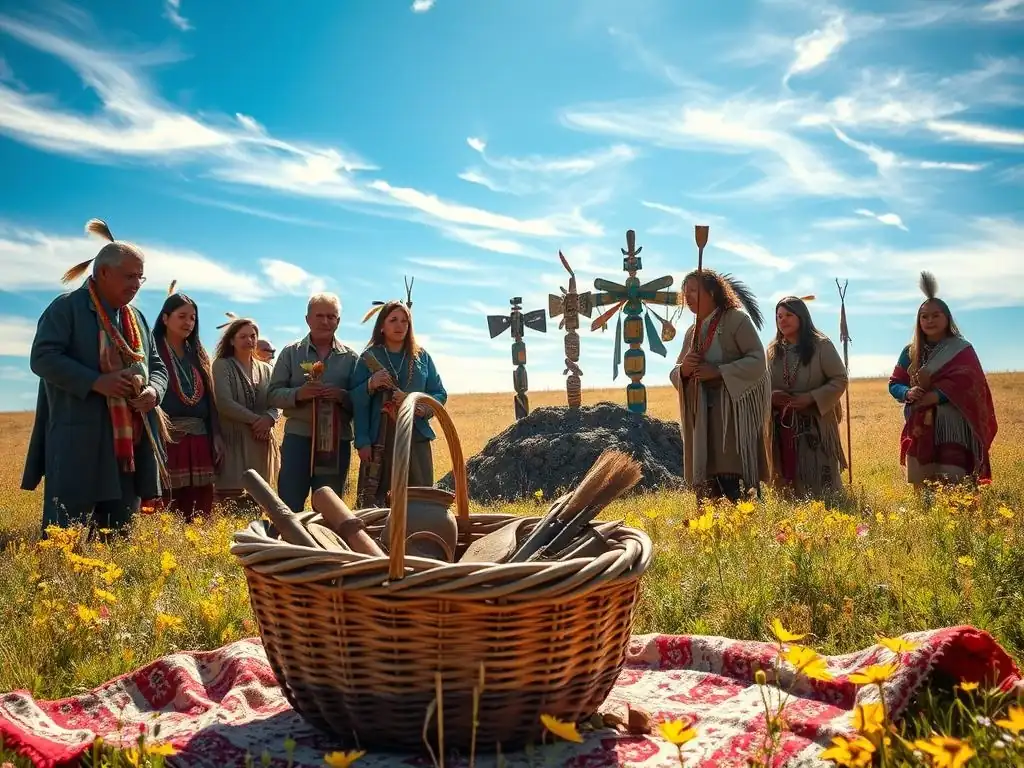
Welcome to Indigenous Civilizations of the Americas, where we embark on a fascinating journey through the rich tapestry of indigenous cultures that flourished long before the arrival of European settlers. Here, we delve into the profound achievements and intricate societies that shaped the Americas, celebrating their enduring legacy. In our featured article, "The Significance of the Native American Graves Protection and Repatriation Act," we explore the crucial efforts surrounding Native American cultural heritage protection.
Join us as we uncover the stories and initiatives that safeguard these vibrant traditions, inviting you to deepen your understanding and appreciation of this vital aspect of history. Your exploration starts now!
The Native American Graves Protection and Repatriation Act (NAGPRA) is a pivotal piece of legislation that plays a crucial role in preserving Native American cultural heritage. Enacted in 1990, NAGPRA aims to address the historical injustices faced by Indigenous peoples in the United States, particularly concerning the treatment of their ancestral remains and cultural artifacts.
This act not only provides a legal framework for the return of Native American cultural items to their rightful descendants but also acknowledges the profound connection between Indigenous peoples and their ancestral heritage. By fostering awareness and respect for Native American cultural heritage protection, NAGPRA serves as a cornerstone in the ongoing efforts to rectify past wrongs and promote cultural revitalization.
Understanding the Native American Graves Protection and Repatriation Act (NAGPRA)
Overview of NAGPRA and Its Purpose
NAGPRA was established to protect the graves of Native Americans and to ensure the return of ancestral remains and cultural items to their communities. The act applies to federal agencies and institutions that receive federal funding, mandating them to:
- Identify and inventory Native American human remains and cultural items.
- Notify and consult with the appropriate tribes.
- Repatriate human remains and cultural items to their respective tribes upon request.
This legal framework is essential for fostering respectful relationships between Indigenous communities and institutions, ensuring that the cultural heritage and dignity of Native Americans are upheld.
Historical Context of Native American Cultural Heritage Protection
The historical context surrounding NAGPRA highlights centuries of dispossession and neglect faced by Indigenous peoples. From the early colonial period through the 19th century, many Native American graves were disturbed, and cultural artifacts were appropriated without consent. The lack of legal protections allowed for widespread looting and exploitation of Indigenous heritage.
The passage of NAGPRA marked a significant shift in recognizing the rights of Native Americans over their cultural heritage. It came about as a culmination of advocacy efforts by Indigenous activists, anthropologists, and legal scholars who sought to address the long-standing injustices perpetrated against Native cultures. By establishing a legal basis for the protection and repatriation of Native American graves and artifacts, NAGPRA aims to rectify historical wrongs and promote healing within Indigenous communities.
The Importance of Protecting Native American Cultural Heritage
Cultural Significance of Native American Graves
Native American graves are not merely physical resting places; they are sacred sites that hold profound cultural, spiritual, and historical significance. These sites serve as a connection between the past and present, embodying the stories, traditions, and values of Indigenous peoples. Protecting these graves is essential for the preservation of cultural identity and continuity among Native communities.
The act of repatriating ancestral remains and cultural items is a vital step in honoring the deceased and restoring the dignity that was stripped away through colonial practices. It allows Indigenous peoples to engage in traditional mourning practices and to maintain their cultural heritage, reinforcing their identity and connection to their ancestors.
Impact of Colonial Practices on Indigenous Heritage
Colonial practices have had a devastating impact on Indigenous heritage, resulting in the loss of cultural knowledge, land, and community cohesion. The systematic removal of Native peoples from their ancestral lands, coupled with the appropriation of their cultural artifacts, has led to a disconnection from their heritage and identity.
NAGPRA stands as a response to these colonial injustices, providing a framework through which Indigenous communities can reclaim their cultural heritage. By facilitating the repatriation of remains and artifacts, NAGPRA not only addresses historical grievances but also fosters a renewed sense of identity and pride among Indigenous peoples. The act represents a vital step towards acknowledging the past and creating a more equitable future for Native American cultural heritage protection.
Key Provisions of NAGPRA
The Native American Graves Protection and Repatriation Act (NAGPRA), enacted in 1990, is a pivotal piece of legislation that addresses the rights of Native American tribes regarding their cultural heritage. The key provisions of NAGPRA revolve around the definition, protection, and repatriation of Native American cultural items, which include human remains, funerary objects, sacred objects, and objects of cultural patrimony.
Definition of Native American Cultural Items
NAGPRA specifies several categories of items that are considered Native American cultural items. These include:
- Human Remains: Any physical remains of a person who is recognized as Native American.
- Funerary Objects: Items that are associated with the burial or burial practices of Native American individuals.
- Sacred Objects: Items that are needed by traditional Native American religious leaders for the practice of traditional Native American religions.
- Objects of Cultural Patrimony: Items with ongoing historical, traditional, or cultural importance central to the Native American group or culture itself.
These definitions are critical to the implementation of NAGPRA, as they establish the framework for what is protected under the law.
Repatriation Process for Cultural Artifacts
The repatriation process outlined in NAGPRA involves several steps to ensure that Native American cultural items are returned to their rightful owners. The process typically includes:
- Inventory and Identification: Museums and federal agencies must inventory and identify items in their collections that fall under the NAGPRA definitions.
- Consultation: Institutions must consult with Native American tribes and organizations that may have a cultural connection to the items.
- Notification: Once a cultural item is identified, the institution must notify the appropriate tribes.
- Repatriation Requests: Tribes can submit requests for the return of items, which must be evaluated by the institutions.
- Return of Items: If the tribe is recognized as the rightful owner, the cultural items must be returned.
This structured process is essential for ensuring the respectful return of items and recognition of tribal sovereignty.
Role of Federal Agencies and Institutions
Federal agencies and institutions play a crucial role in the implementation of NAGPRA. They are responsible for:
- Compliance: Ensuring that they adhere to the requirements of NAGPRA regarding the inventory, consultation, and repatriation processes.
- Education and Training: Providing training for staff about the importance of Native American cultural heritage and the legal obligations under NAGPRA.
- Facilitating Communication: Acting as liaisons between Native American tribes and the broader community to foster understanding and cooperation.
By fulfilling these responsibilities, federal agencies and institutions help protect Native American cultural heritage and promote respectful relationships with Indigenous communities.
NAGPRA's Impact on Indigenous Communities
NAGPRA has had a profound impact on Indigenous communities, empowering them to reclaim their cultural heritage and reinforcing their rights over their ancestral items. The act has led to a resurgence in cultural practices and the preservation of traditional knowledge among tribes.
Empowerment Through Repatriation
The repatriation of cultural items under NAGPRA serves as a form of empowerment for Native American tribes. It allows them to reconnect with their heritage, restore traditional practices, and educate younger generations about their cultural identity. This empowerment is crucial for the revitalization of Indigenous cultures, as it fosters pride and promotes continuity in cultural practices.
Case Studies of Successful Repatriation Efforts
Several notable case studies exemplify the successful repatriation efforts facilitated by NAGPRA:
- The Kennewick Man: In a landmark case, the remains known as Kennewick Man were returned to the Confederated Tribes of the Umatilla Indian Reservation after a lengthy legal battle. This case underscored the importance of tribal sovereignty and cultural connection to ancestral remains.
- The Smithsonian Institution: Over the years, the Smithsonian Institution has returned numerous items to various tribes, including sacred objects and funerary items, as part of its commitment to comply with NAGPRA. These repatriation efforts have strengthened relationships between the institution and Native communities.
These successful cases highlight the ongoing impact of NAGPRA, demonstrating how the act not only protects Native American cultural heritage but also fosters healing and reconciliation between Indigenous peoples and institutions that hold their cultural artifacts.
Challenges in Implementing NAGPRA

The Native American Graves Protection and Repatriation Act (NAGPRA) was a significant step towards recognizing the rights of Native American tribes to reclaim their cultural heritage and ancestral remains. However, the implementation of NAGPRA has faced various challenges that hinder its effectiveness. These obstacles range from legal complexities to broader societal issues that affect the protection of Native American cultural heritage. Addressing these challenges is crucial for the successful enforcement of NAGPRA and the preservation of indigenous cultures in the Americas.
Legal and Bureaucratic Hurdles
One of the primary challenges in implementing NAGPRA lies in the legal and bureaucratic frameworks surrounding the act. The process of repatriation can be lengthy and complicated, often requiring extensive documentation and proof of lineage to establish relationships between tribes and their ancestral remains. Many tribal representatives report frustration with the bureaucratic red tape involved in filing claims and navigating federal and state regulations.
Additionally, institutions such as museums and universities may lack clear guidelines on how to comply with NAGPRA, leading to inconsistent interpretations of the law. Some institutions may resist returning artifacts or remains due to concerns about their own collections or the potential financial implications of repatriation. This can create a significant barrier for tribes seeking to reclaim their heritage, as they may face pushback from entities that view these items as valuable assets rather than sacred items of cultural significance.
Ongoing Issues in Cultural Heritage Protection
Beyond legal and bureaucratic hurdles, ongoing issues in cultural heritage protection continue to challenge the goals of NAGPRA. The act only applies to federal and tribal lands, which means that remains and artifacts found on private lands are not covered under its provisions. This gap leaves many culturally significant sites vulnerable to looting and desecration, undermining the very essence of cultural preservation.
Moreover, there is often a lack of public awareness and education regarding the importance of NAGPRA and the broader context of Native American cultural heritage. This can lead to misunderstandings and a lack of support for repatriation efforts, as well as perpetuating stereotypes and biases against indigenous peoples. Without widespread advocacy and understanding, the protections offered by NAGPRA may fall short of their intended purpose.
The Future of Native American Cultural Heritage Protection
Looking forward, the future of Native American cultural heritage protection will depend on several key factors, including advocacy efforts, technological advancements, and the ongoing engagement of both indigenous communities and the general public. Emphasizing these elements will be essential for addressing the challenges faced in the implementation of NAGPRA and enhancing the protection of Native American cultural heritage.
Advocacy and Education for Indigenous Rights
Advocacy plays a vital role in shaping public policy and raising awareness about the rights of Native American tribes under NAGPRA. Grassroots movements and partnerships between indigenous groups and non-profit organizations can help amplify tribal voices and promote educational initiatives aimed at informing the public about the significance of cultural heritage protection.
Efforts to educate both the general public and academic institutions about the importance of respecting Native American rights are crucial. Programs that facilitate dialogue between indigenous peoples and non-indigenous communities can foster greater understanding and support for repatriation efforts. Furthermore, integrating Native American history and cultural education into school curricula can raise awareness among younger generations, ensuring that the significance of cultural heritage protection is recognized and valued.
The Role of Technology in Repatriation Efforts
Technology has the potential to transform the landscape of cultural heritage protection and repatriation. Digital platforms can facilitate communication between tribes and institutions, streamline the repatriation process, and provide greater access to information regarding Native American artifacts and remains. For example, databases that catalog culturally significant items can help tribes track their heritage and advocate for repatriation efforts more effectively.
Moreover, advancements in 3D scanning and modeling technologies enable the documentation and preservation of artifacts, allowing for virtual exhibitions that honor indigenous cultures without compromising their integrity. Such innovations can help bridge the gap between cultural preservation and public education, providing opportunities for all to engage with and understand the rich heritage of Native American peoples.
While NAGPRA has made significant strides in protecting Native American cultural heritage, ongoing challenges necessitate continued advocacy, education, and the harnessing of technology to ensure that these vital efforts are sustained and enhanced in the future.
Conclusion
The Native American Graves Protection and Repatriation Act (NAGPRA) stands as a crucial legislative framework that acknowledges the cultural heritage and rights of Native American tribes in the United States. By facilitating the repatriation of ancestral remains and cultural items, NAGPRA not only aims to rectify historical injustices but also fosters a deeper understanding and respect for the diverse indigenous cultures that have shaped the Americas. This act serves as a significant step toward healing for many tribes, allowing them to reclaim their heritage and maintain cultural continuity.
Summary of NAGPRA's Significance
NAGPRA’s importance extends beyond the mere return of physical remains and artifacts; it embodies a broader commitment to the recognition and respect of Native American cultural heritage. The act establishes a legal framework for the protection of burial sites and ancestral remains, ensuring that Native American tribes have a say in the treatment and management of their cultural heritage. Key points of significance include:
- Restoration of Rights: NAGPRA empowers Native American tribes to reclaim items of cultural significance, thereby restoring their rights over their ancestral heritage.
- Cultural Preservation: The act promotes the preservation of Native American cultures by acknowledging their historical and spiritual connection to the land and its resources.
- Educational Impact: By raising awareness about Native American histories and rights, NAGPRA encourages educational institutions and the public to engage with indigenous narratives and perspectives.
- Collaborative Efforts: The act fosters collaboration between museums, federal agencies, and tribes, promoting respectful partnerships that can lead to shared knowledge and resources.
The implementation of NAGPRA highlights the ongoing struggle for indigenous rights and the necessity of legal protections in safeguarding Native American cultural heritage.
Call to Action for Continued Support of Native American Heritage Protection
As we reflect on the significance of NAGPRA, it is imperative to recognize that the work for Native American cultural heritage protection is far from complete. Active support from individuals, communities, and institutions is crucial in ensuring that the rights of Native Americans are upheld, and their cultural heritage is preserved for future generations. Here are some ways to contribute:
- Advocate for Policy Changes: Engage with local and national representatives to advocate for policies that strengthen protections for Native American heritage and support tribal sovereignty.
- Educate Yourself and Others: Take the initiative to learn about the histories, cultures, and ongoing challenges faced by Native American communities. Share this knowledge within your networks to foster greater awareness.
- Support Native American Organizations: Consider donating to or volunteering with organizations dedicated to the protection and promotion of Native American rights and cultural heritage.
- Participate in Cultural Events: Attend local Native American cultural events, workshops, and exhibitions to demonstrate solidarity and support while appreciating the richness of indigenous cultures.
By committing to these actions, we can collectively contribute to a future where Native American cultural heritage is not only protected but celebrated and respected. Together, we can honor the legacy of those who came before us and ensure that their stories continue to be told.
- Understanding the Native American Graves Protection and Repatriation Act (NAGPRA)
- The Importance of Protecting Native American Cultural Heritage
- Key Provisions of NAGPRA
- NAGPRA's Impact on Indigenous Communities
- Challenges in Implementing NAGPRA
- The Future of Native American Cultural Heritage Protection
- Conclusion
- What is the Native American Graves Protection and Repatriation Act (NAGPRA)?
- Why is NAGPRA important for Native American cultural heritage?
- How does NAGPRA affect museums and federal agencies?
- What challenges does NAGPRA face in implementation?
- How can individuals support Native American cultural heritage protection?
Frequently Asked Questions
What is the Native American Graves Protection and Repatriation Act (NAGPRA)?
NAGPRA is a federal law enacted in 1990 that mandates the protection and repatriation of Native American graves and cultural items to their respective tribes.
Why is NAGPRA important for Native American cultural heritage?
NAGPRA plays a crucial role in preserving Native American cultural heritage by ensuring that ancestral remains and sacred objects are returned to their communities, maintaining their cultural integrity.
How does NAGPRA affect museums and federal agencies?
Museums and federal agencies are required to identify and inventory Native American human remains and cultural items in their collections, facilitating their return to the rightful tribes.
What challenges does NAGPRA face in implementation?
The implementation of NAGPRA faces challenges such as disputes over tribal affiliations, lack of funding for compliance, and limited awareness among institutions about their responsibilities.
How can individuals support Native American cultural heritage protection?
Individuals can support protection efforts by advocating for legislation like NAGPRA, participating in awareness campaigns, and educating themselves about the importance of respecting Indigenous cultures and their heritage.
Final Reflection: The Enduring Legacy of Native American Cultural Heritage Protection
The significance of the Native American Graves Protection and Repatriation Act (NAGPRA) resonates profoundly in today's society, as it underscores the vital importance of preserving and respecting Indigenous cultural heritage. In a world increasingly aware of social justice and historical injustices, NAGPRA serves as a beacon of hope, reminding us that the reclamation of cultural identity is not merely a legal obligation but a moral imperative. The act not only facilitates the return of ancestral remains and sacred objects to Native communities but also fosters a deeper understanding of their rich histories and traditions.
The ongoing influence of NAGPRA is evident in the cultural landscape, where Indigenous voices are increasingly amplified and recognized. This act has paved the way for a broader dialogue about the rights of Native peoples and the importance of their cultural heritage. As we witness the resurgence of Indigenous activism and the reclamation of cultural narratives, we are reminded of the words of Vine Deloria Jr.: The most important thing is to keep the spirit of the people alive.
This spirit is nurtured through the recognition and protection of their cultural heritage, which is essential for the survival of their identities and communities.
As we reflect on the lessons of NAGPRA, let us commit to honoring and supporting Native American cultural heritage protection in our own lives. Consider how you can contribute to this vital cause—whether through education, advocacy, or simply by listening to and amplifying Indigenous voices. The journey toward justice and reconciliation is ongoing, and each of us has a role to play in ensuring that the cultural legacies of Native peoples are not only preserved but celebrated for generations to come.
Unveil the Sacred Heritage: Act for Justice Today!
Thank you for taking the time to explore the significance of the Native American Graves Protection and Repatriation Act (NAGPRA). Your interest demonstrates a commitment to acknowledging and respecting the cultural heritage of Indigenous communities. Together, we can make a meaningful impact by advocating for justice and supporting repatriation efforts.
Here are some powerful actions you can take right now:
- Stand Up for Repatriation: Write a letter to your local representatives advocating for the robust enforcement of NAGPRA. Your voice is important!
- Educate Yourself and Others: Share this article with friends and family to raise awareness about the importance of repatriation. Consider hosting a discussion or book club focused on Indigenous issues.
- Support Indigenous Voices: Follow organizations dedicated to Indigenous rights on social media and amplify their messages. Engage with their campaigns to help build a stronger community.
What steps will you take today to honor and protect Indigenous heritage? Share your thoughts and join the conversation!