
The Sacred Circle: Unraveling the Significance of Ceremonial Practices in Indigenous Cultures

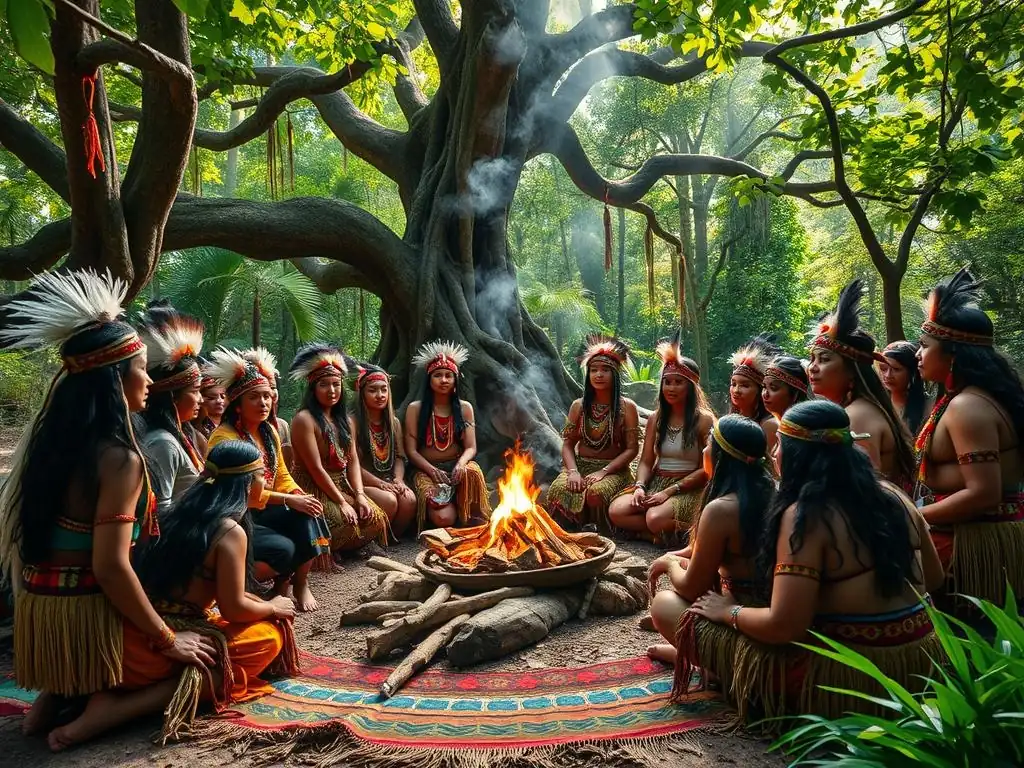
Welcome to Indigenous Civilizations of the Americas! Here, we invite you to embark on an enlightening journey through the rich tapestry of indigenous cultures that flourished across the Americas long before European colonization. Our featured article, "The Sacred Circle: Unraveling the Significance of Ceremonial Practices in Indigenous Cultures," delves deep into the profound meaning behind these ceremonial practices, revealing how they shaped societies and continue to resonate today. Prepare to uncover the layers of tradition, spirituality, and community that bind these remarkable civilizations, and let your curiosity guide you as you explore the enduring legacy of their achievements.
Ceremonial practices play a pivotal role in the rich tapestry of indigenous cultures across the Americas, serving as vital expressions of spirituality, community, and identity. These rituals, deeply rooted in the historical and cultural contexts of various tribes, reveal the interconnectedness of humans with nature, ancestors, and the cosmos.
By exploring the significance of indigenous ceremonial practices, we can gain insight into how these traditions not only foster a sense of belonging and continuity but also how they have shaped societal structures and cultural narratives over centuries. This article delves into the essence of these practices, examining their definitions, historical contexts, and the profound meanings they hold for indigenous communities.
Introduction to Indigenous Ceremonial Practices
Definition of Ceremonial Practices in Indigenous Cultures
Ceremonial practices in indigenous cultures are structured activities that encompass a wide range of rituals, performances, and celebrations, often imbued with spiritual significance. These practices typically honor key aspects of life, including birth, death, harvest, and seasonal changes, and are instrumental in transmitting cultural values and beliefs from one generation to the next. They often involve:
- Rituals: Specific actions performed with intention, often accompanied by prayers or chants.
- Symbols: Objects or images that hold special meaning within the culture, such as totems or sacred artifacts.
- Communal Participation: Engagement of the community, reinforcing social bonds and collective identity.
Overview of the Significance of Indigenous Ceremonial Practices
The significance of indigenous ceremonial practices extends beyond mere tradition; they are crucial to the identity and continuity of indigenous peoples. These practices serve multiple functions, including:
- Cultural Preservation: Maintaining language, stories, and traditions that define the community's identity.
- Spiritual Connection: Facilitating a relationship with the spiritual realm, ancestors, and the natural world.
- Social Cohesion: Strengthening communal ties and fostering a sense of belonging among participants.
- Healing and Renewal: Offering pathways for emotional and physical healing within the community.
Understanding these dimensions reveals how indigenous ceremonial practices are not static relics of the past but living traditions that adapt to contemporary challenges while retaining their core significance.
Historical Context of Ceremonial Practices
Origins of Ceremonial Practices Among Indigenous Peoples
The origins of ceremonial practices among indigenous peoples can be traced back thousands of years to the earliest societies in the Americas. These practices emerged as a response to the natural environment, societal needs, and existential questions about life and death. Many rituals were developed to ensure favorable conditions for hunting, farming, and community well-being. For instance, the Hopi people of the Southwest engage in complex ceremonial dances to invoke rain, reflecting their deep reliance on agriculture and respect for the elements.
Evolution of Ceremonial Practices Through Time
As indigenous societies evolved, so did their ceremonial practices. Factors such as migration, contact with other cultures, and changes in social structures influenced how these ceremonies were performed. Some key aspects of this evolution include:
- Adaptation to Change: Ceremonial practices often incorporated new elements while maintaining traditional roots, allowing for cultural resilience.
- Response to Colonization: Many indigenous communities adapted their rituals in response to colonization, using ceremonies as forms of resistance and expressions of identity.
- Modern Revitalization: In contemporary times, there has been a resurgence of interest in traditional ceremonies, with many indigenous groups working to reclaim and revitalize their cultural heritage.
By examining these historical contexts, we can appreciate the dynamic and enduring nature of ceremonial practices in indigenous cultures, highlighting their ongoing significance in the face of change and adversity.
Cultural Significance of Ceremonial Practices
Ceremonial practices hold profound cultural significance for indigenous communities across the Americas. They are not merely events but rather essential elements that weave together the fabric of social identity, spiritual beliefs, and cultural heritage. These practices serve as a means of preserving traditions, transmitting knowledge, and reinforcing communal bonds. For many indigenous groups, ceremonies mark important life transitions such as birth, puberty, marriage, and death, establishing a connection between the individual and the broader community.
Through these ceremonies, cultural narratives and values are passed down through generations. They often incorporate storytelling, music, and dance, allowing participants to engage with their ancestors' legacies actively. This engagement fosters a sense of belonging and continuity, reinforcing the idea that the past is an integral part of the present. Moreover, ceremonial practices can serve as a form of resistance against colonial narratives, affirming the vitality and resilience of indigenous cultures.
Role of Ceremonial Practices in Indigenous Identity
Ceremonial practices play a pivotal role in shaping and expressing indigenous identity. They embody the beliefs, values, and worldviews inherent to each culture, acting as a living expression of their unique heritage. For instance, the use of traditional clothing, songs, and rituals during ceremonies not only reflects cultural aesthetics but also reinforces a collective identity that distinguishes one group from another.
These practices are often tied to the land, reinforcing the connection between people and their environment. Many ceremonies are rooted in specific geographical locations, emphasizing the importance of place in indigenous identity. They celebrate relationships with nature, ancestors, and community, allowing individuals to experience their identity as part of a larger continuum.
Furthermore, ceremonial practices contribute to the resilience of indigenous cultures in the face of external challenges. By engaging in traditional ceremonies, communities assert their identity and maintain their cultural practices, ensuring that these traditions are not lost over time. This assertion of identity often serves as a form of empowerment, allowing indigenous peoples to reclaim their narratives and foster pride in their heritage.
Connection Between Ceremonial Practices and Community Cohesion
Ceremonial practices are fundamental to fostering community cohesion among indigenous groups. They create spaces for collective participation, promoting social bonding and mutual support. Through shared experiences during ceremonies, individuals reinforce their connections to one another, creating a sense of solidarity that strengthens the community's fabric.
In many cultures, ceremonies are communal events that invite participation from all members, regardless of age or status. This inclusivity fosters intergenerational dialogue and mentorship, where elders pass down knowledge and wisdom to younger generations. The act of coming together for ceremonies cultivates trust and a sense of responsibility towards one another, reinforcing social networks vital for community survival.
Moreover, the communal aspect of ceremonial practices often serves as a means of conflict resolution and healing. Ceremonies can provide opportunities for reconciliation, allowing individuals to address grievances and restore harmony within the community. This function underscores the importance of collective well-being, emphasizing that the health of the community is intrinsically linked to the health of its members.
Types of Ceremonial Practices
Indigenous cultures across the Americas engage in a diverse array of ceremonial practices, each reflecting unique cultural values and beliefs. While the specifics may vary widely from one community to another, these practices can generally be categorized into three main types: rituals, festivals, and spiritual ceremonies.
Rituals and Their Importance in Indigenous Cultures
Rituals are structured, often repetitive ceremonies that hold deep significance within indigenous cultures. They are typically associated with specific events or transitions in life, such as birth, initiation, marriage, or death. These rituals serve multiple purposes, including the marking of important life stages, the honoring of ancestors, and the cultivation of spiritual connections.
For instance, the Vision Quest is a significant ritual among many Native American tribes. During this transformative experience, individuals seek spiritual guidance and clarity by spending time alone in nature, often fasting and praying. Such rituals not only facilitate personal growth but also reinforce communal ties, as the outcomes of these quests are shared during subsequent ceremonies, fostering unity and understanding among participants.
Festivals and Celebrations: A Reflection of Cultural Heritage
Festivals and celebrations are vibrant expressions of indigenous cultural heritage, often characterized by music, dance, art, and communal feasting. These events typically commemorate seasonal changes, historical events, or significant cultural milestones, serving as a reminder of the community's shared history and values.
One prominent example is the Inti Raymi, or Festival of the Sun, celebrated by various Andean cultures. This festival honors the Inca sun god Inti and marks the winter solstice, symbolizing renewal and the return of light. During this celebration, participants engage in colorful processions, traditional dances, and offerings to the deities, reinforcing cultural identity and communal bonds.
Such festivals also provide opportunities for the broader community to engage with indigenous cultures, fostering cultural exchange and understanding. They serve as a platform for revitalization, as younger generations learn the significance of these traditions through active participation.
Spiritual Ceremonies: Connecting with the Divine
Spiritual ceremonies are integral to indigenous cultures, serving as a means of connecting with the divine and the spiritual realm. These ceremonies often involve rituals, prayers, and offerings aimed at invoking blessings, guidance, or healing from spiritual entities. They can take many forms, including sweat lodges, prayer circles, and healing ceremonies.
For example, the Sweat Lodge ceremony is a purification ritual practiced by many Native American tribes. Participants enter a small, enclosed space where heated stones are placed in a pit. Water is poured over the stones, creating steam that symbolizes spiritual cleansing and renewal. This ceremony not only promotes physical and emotional healing but also deepens participants' connections to their spirituality and community.
Spiritual ceremonies are also occasions for reflection and introspection, allowing individuals to seek guidance and clarity in their lives. Through these practices, participants often experience a profound sense of connection to the cosmos, ancestors, and each other, reinforcing the belief that spirituality is an integral aspect of everyday life.
The Symbolism Behind Indigenous Ceremonial Practices
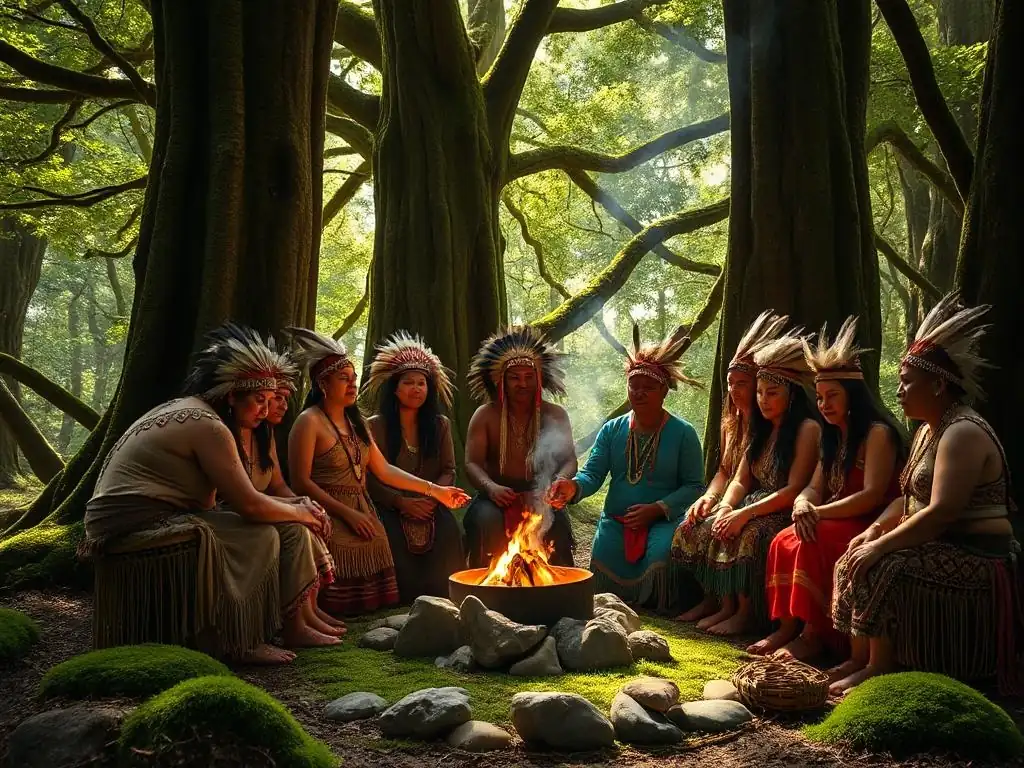
Indigenous ceremonial practices are rich with symbolism, often representing complex ideas about life, death, nature, and the universe. These symbols serve as a means of communication that transcends spoken language, allowing for the expression of profound spiritual beliefs and cultural narratives. For many indigenous cultures, ceremonies are not merely rituals but are deeply intertwined with their identity and worldview.
At the core of these practices is the concept of the sacred circle, which symbolizes unity, wholeness, and the interconnectedness of all beings. This circle is often reflected in various aspects of ceremonial life, from the arrangement of participants to the cyclical nature of rituals themselves. The use of natural elements—such as water, earth, fire, and air—further emphasizes the relationship between the people and the world around them, highlighting the belief that all aspects of life are interrelated.
Understanding Symbols Used in Ceremonial Practices
Symbols used in indigenous ceremonial practices can vary widely among different cultures but often carry similar meanings that resonate across various tribes. Common symbols include:
- The Circle: Represents life, continuity, and the cyclical nature of existence.
- The Four Directions: Associated with the four cardinal points, these directions often symbolize different elements, colors, and spiritual aspects, reflecting a holistic view of the world.
- Animals: Many indigenous cultures incorporate animal symbolism into their ceremonies, where each animal embodies specific traits, teachings, or spiritual significance. For instance, the eagle might symbolize freedom and connection to the creator.
- Colors: Different colors hold various meanings and are often used in ceremonial attire, decorations, and offerings. For example, red can represent the earth and life, while white may symbolize purity and the spiritual realm.
Understanding these symbols is essential for appreciating the depth and significance of indigenous ceremonial practices, as they reveal the values and beliefs that shape these cultures.
The Role of Art and Artifacts in Ceremonial Significance
Art and artifacts play a crucial role in indigenous ceremonial practices, serving both functional and symbolic purposes. These items, which may include masks, totems, pottery, and textiles, are often imbued with spiritual significance and are crafted with care and intention.
- Ceremonial Objects: Many artifacts are created specifically for use in rituals, embodying the stories and teachings of the community. For example, ceremonial masks may be used in dances to represent ancestral spirits or important cultural narratives.
- Art as Expression: The artistry involved in creating ceremonial items reflects the community's history, beliefs, and aesthetics. This artistic expression serves to connect individuals with their heritage and reinforce cultural identity.
- Preservation of Knowledge: Artifacts can also be vessels of knowledge, preserving the teachings and practices of past generations. Through these items, younger generations can learn about their culture and the significance of their ceremonies.
The interplay between art and ceremonial practices highlights the deep-rooted connection between creativity and spirituality in indigenous cultures.
Contemporary Relevance of Ceremonial Practices
In contemporary society, the significance of indigenous ceremonial practices remains vital, serving as a means of cultural preservation, identity affirmation, and community cohesion. These practices not only connect individuals to their history but also enable them to navigate the complexities of modern life while honoring their traditional values.
Revitalization of Ceremonial Practices in Modern Indigenous Communities
Many indigenous communities are actively revitalizing their ceremonial practices as a response to the historical injustices and cultural erasure they have faced. This revitalization often involves:
- Reclaiming Traditions: Communities are working to reclaim ceremonies that may have been suppressed or altered due to colonization. This process helps to restore cultural integrity and foster pride in indigenous identities.
- Intergenerational Knowledge Transfer: Elders play a crucial role in passing down knowledge about ceremonial practices to younger generations, ensuring that these traditions are not lost. Workshops, community gatherings, and storytelling sessions are common methods for sharing this knowledge.
- Adaptation and Innovation: While many ceremonies adhere to traditional forms, some communities embrace innovation, adapting practices to fit contemporary contexts while maintaining their core significance.
This revitalization is not only a means of cultural preservation but also a powerful assertion of identity and resilience in the face of ongoing challenges.
The Impact of Globalization on Indigenous Ceremonial Practices
Globalization has had a profound impact on indigenous ceremonial practices, presenting both challenges and opportunities. On one hand, the spread of global culture can lead to the dilution of traditional practices and the appropriation of sacred symbols. On the other hand, globalization also facilitates the sharing of indigenous stories and values on a broader scale.
- Cultural Exchange: Through globalization, indigenous communities can connect with one another, share experiences, and learn from different practices. This exchange can foster a sense of solidarity and mutual support among diverse groups.
- Awareness and Advocacy: The global stage provides indigenous communities with opportunities to raise awareness about their cultures, rights, and the significance of their ceremonial practices. This visibility can lead to increased advocacy for the protection of their heritage and the environment.
- Commercialization Concerns: The commercialization of indigenous symbols and practices poses significant challenges, as it can strip away their meaning and context. Many communities are actively working to combat this by promoting ethical engagement with their cultures and reinforcing the sacredness of their ceremonies.
As indigenous peoples navigate the complexities of globalization, their ceremonial practices continue to serve as a vital link to their past, present, and future, embodying resilience and cultural richness.
Challenges Faced by Indigenous Ceremonial Practices
Indigenous ceremonial practices, which are integral to the cultural identity and spirituality of many Native communities, face a multitude of challenges in the modern world. These challenges often stem from historical trauma, ongoing marginalization, and the effects of colonization that continue to impact Indigenous peoples today. A significant challenge is the loss of traditional knowledge, as younger generations may not have access to the same teachings or the opportunity to participate in important ceremonies. This disconnection can lead to a dilution of cultural practices and a weakening of communal bonds.
Furthermore, environmental changes and the exploitation of land have disrupted traditional ways of life, making it difficult for communities to hold ceremonies that are closely tied to the natural world. The commodification of Indigenous cultures and practices also poses a threat, as it can lead to the misrepresentation of sacred traditions. As such, these challenges not only jeopardize the continuity of ceremonial practices but also the very essence of Indigenous identity and community cohesion.
Cultural Appropriation and Its Effect on Ceremonial Significance
Cultural appropriation significantly undermines the significance of Indigenous ceremonial practices. When elements of these traditions are adopted by non-Indigenous peoples without understanding or respect for their meaning, it often results in a superficial representation. This not only trivializes the deep spiritual and cultural significance of ceremonies but can also distort their original intent.
For instance, when sacred symbols or rituals are used in commercial settings or as fashion statements, it commodifies what are often deeply personal and spiritual practices. This appropriation can lead to a sense of loss and anger within Indigenous communities, as their sacred traditions are stripped of their significance and used for entertainment or profit. The impact of cultural appropriation extends beyond the individual ceremonies; it contributes to a broader narrative of erasure and disrespect towards Indigenous cultures, reinforcing the need for genuine understanding and respect for these practices.
Legal and Social Barriers to Practicing Ceremonies
Legal and social barriers further complicate the continuation of Indigenous ceremonial practices. Many Indigenous communities struggle with restrictive laws that limit their ability to perform traditional ceremonies on ancestral lands. These laws often stem from historical treaties that were not honored or from ongoing bureaucratic obstacles that prioritize non-Indigenous interests over Indigenous rights.
Socially, Indigenous peoples frequently confront discrimination and misunderstanding regarding their cultural practices. Stereotypes and misconceptions can hinder community members from freely expressing their identity and practicing their ceremonies, leading to a climate of fear or reluctance to engage in traditional practices openly. This combination of legal and social barriers creates a challenging environment for the revitalization and maintenance of ceremonial traditions, impacting their significance within the community.
Conclusion: The Enduring Significance of Indigenous Ceremonial Practices
Despite the numerous challenges faced by Indigenous ceremonial practices, their significance remains profound and enduring. These ceremonies serve as a vital connection to cultural heritage, providing a sense of identity and community among Indigenous peoples. They are spaces for healing, storytelling, and the transmission of knowledge, reinforcing the values and beliefs that have been passed down through generations.
Ceremonial practices also play a crucial role in fostering resilience and resistance against the forces of colonialism and assimilation. By continuing to engage in these traditions, Indigenous communities assert their existence and reaffirm their place in the cultural landscape of the Americas. The ongoing significance of these practices is a testament to the strength and vitality of Indigenous cultures.
Reflection on the Importance of Preserving Ceremonial Traditions
Preserving Indigenous ceremonial traditions is essential not only for the communities themselves but for the broader society as well. These practices embody unique worldviews, philosophies, and ecological knowledge that can inform contemporary discussions about sustainability, community health, and social justice. By valuing and supporting these traditions, society can benefit from the rich tapestry of wisdom that Indigenous cultures offer.
Moreover, the preservation of ceremonial practices helps combat cultural erasure and promotes intergenerational knowledge transfer. It allows younger generations to connect with their heritage, fostering a sense of pride and belonging. In this light, the survival of these ceremonies is not merely about maintaining the past; it is about nurturing the future of Indigenous identity and culture.
Call to Action: Supporting Indigenous Ceremonial Practices and Cultures
To ensure the survival and thriving of Indigenous ceremonial practices, it is crucial for both Indigenous and non-Indigenous individuals to take action. This can include:
- Educating oneself about the significance of Indigenous cultures and the challenges they face.
- Advocating for legal reforms that protect the rights of Indigenous peoples to practice their ceremonies freely.
- Supporting Indigenous-led initiatives that focus on cultural revitalization and education.
- Respecting the boundaries set by Indigenous communities regarding their sacred practices, ensuring that cultural appropriation is actively challenged.
By taking these steps, individuals can contribute to a more respectful and equitable society that honors Indigenous ceremonial practices and recognizes their significance in the cultural heritage of the Americas. Together, we can build a future that celebrates and supports the diversity and resilience of Indigenous cultures.
- Introduction to Indigenous Ceremonial Practices
- Historical Context of Ceremonial Practices
- Cultural Significance of Ceremonial Practices
- Types of Ceremonial Practices
- The Symbolism Behind Indigenous Ceremonial Practices
- Contemporary Relevance of Ceremonial Practices
- Challenges Faced by Indigenous Ceremonial Practices
- Conclusion: The Enduring Significance of Indigenous Ceremonial Practices
- What are indigenous ceremonial practices?
- Why are these practices important to indigenous cultures?
- How do ceremonial practices vary among different indigenous cultures?
- What role do ceremonies play in the preservation of indigenous identity?
- How have indigenous ceremonial practices adapted over time?
Frequently Asked Questions
What are indigenous ceremonial practices?
Indigenous ceremonial practices encompass a variety of rituals, traditions, and gatherings that hold deep spiritual and cultural significance within indigenous communities.
Why are these practices important to indigenous cultures?
These practices serve to strengthen community bonds, pass down cultural knowledge, and connect participants with their spiritual beliefs and ancestral heritage.
How do ceremonial practices vary among different indigenous cultures?
Each indigenous culture has its own unique ceremonial practices influenced by their environment, history, and belief systems, resulting in a rich tapestry of traditions across the Americas.
What role do ceremonies play in the preservation of indigenous identity?
Ceremonies are crucial for maintaining cultural identity and promoting intergenerational knowledge transfer, ensuring that traditions and values endure within the community.
How have indigenous ceremonial practices adapted over time?
While many ceremonial practices have remained rooted in tradition, they have also evolved in response to external influences and contemporary issues, showcasing the resilience and adaptability of indigenous cultures.
Final Reflection: Embracing the Significance of Indigenous Ceremonial Practices
The significance of indigenous ceremonial practices resonates profoundly in today's world, as we navigate through a landscape increasingly marked by cultural disconnection and environmental crises. These rituals, steeped in history and meaning, remind us of our interconnectedness with nature and each other. In a time when many seek identity and belonging, the wisdom embedded in these practices offers a powerful antidote to the fragmentation of modern life.
Ceremonial practices serve as a bridge between the past and the present, shaping our understanding of community, spirituality, and the environment. The ongoing influence of these traditions is evident in the growing recognition of indigenous rights and the revival of cultural practices across the globe. As we witness a resurgence of interest in holistic approaches to well-being, we can draw inspiration from the words of Vine Deloria Jr.: The great challenge of the future is to create a world that is not only sustainable but also meaningful.
This perspective invites us to reflect on how we can integrate the values of indigenous cultures into our own lives and communities.
As we conclude our exploration of the sacred circle, I invite you to take a moment to reflect on the significance of these ceremonial practices in your own life. Consider how you might incorporate elements of mindfulness, gratitude, and connection into your daily routine. Let the lessons of indigenous cultures inspire you to foster a deeper relationship with the world around you, honoring the wisdom of those who have come before us while paving the way for a more harmonious future.
Embrace the Sacred: Take Action Today!
Thank you for immersing yourself in the rich tapestry of ceremonial practices in Indigenous cultures. Your interest helps keep these vital traditions alive and fosters understanding in a world that desperately needs it. Now, it's time to extend your engagement and deepen your connection.
Here’s how you can make a difference:
- Join a local cultural event or workshop. Experience these traditions firsthand and support Indigenous voices in your community.
- Share this knowledge. Pass along this article to friends or on social media to help spread awareness about the significance of these practices.
- Explore additional resources. Check out local libraries or online courses to broaden your understanding of Indigenous cultures and their ceremonial wisdom.
Which ceremonial practice resonates with you the most, and how do you plan to incorporate its teachings into your own life? Let’s start a conversation!