
Rituals and Ceremonies: How the Toltecs Expressed Culture Through Art

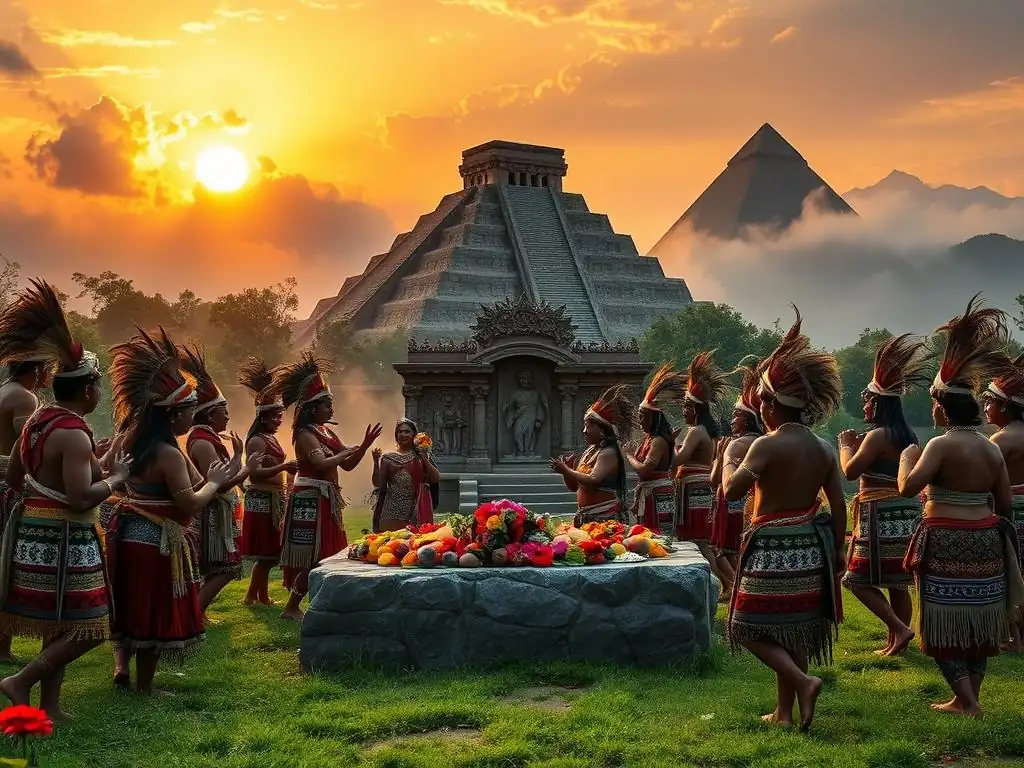
Welcome to Indigenous Civilizations of the Americas, where we invite you to journey through the remarkable tapestry of indigenous cultures that flourished long before European contact. In our featured article, "Rituals and Ceremonies: How the Toltecs Expressed Culture Through Art," we delve into the fascinating world of Toltec rituals and ceremonies. Discover how these ancient practices not only shaped their society but also left an indelible mark on the cultural landscape of the Americas.
Prepare to be intrigued as we uncover the artistry and spiritual significance behind the Toltecs’ vibrant expressions of life and belief. Your exploration begins here—dive in!
- Introduction to Toltec Rituals and Ceremonies
- Key Elements of Toltec Rituals and Ceremonies
- Types of Toltec Rituals
- Artistic Expressions in Toltec Rituals
- The Role of Shamans in Toltec Ceremonies
- The Impact of Toltec Rituals on Modern Indigenous Cultures
- Conclusion: The Legacy of Toltec Rituals and Ceremonies
- Frequently Asked Questions
- Final Reflection: The Enduring Legacy of Toltec Rituals and Ceremonies
- Unveil the Vibrant World of Toltec Art!
Introduction to Toltec Rituals and Ceremonies
The Toltecs, a remarkable civilization that emerged in central Mexico between the 10th and 12th centuries, left an indelible mark on the history and culture of the Americas. This article delves into the rich tapestry of Toltec rituals and ceremonies, highlighting how these practices were not just expressions of spirituality but also vital reflections of their society, art, and worldview. By examining the intricate relationship between their rituals and cultural identity, we can better understand the profound legacy of the Toltec civilization and its lasting impact on subsequent indigenous cultures.
Overview of Toltec Civilization
The Toltec civilization is often regarded as a precursor to the Aztec Empire, known for their significant contributions to Mesoamerican culture. Centered in the ancient city of Tula, the Toltecs excelled in various fields, including architecture, sculpture, and metallurgy. Their society was characterized by:
- Social Structure: The Toltecs had a hierarchical structure, with a ruling elite that governed alongside priests and warriors, reflecting a complex social organization.
- Art and Architecture: Renowned for their stunning stone carvings and monumental structures, the Toltec artistic style influenced many future civilizations.
- Religion: Their pantheon featured a variety of gods, with Quetzalcoatl, the feathered serpent deity, being one of the most significant figures, symbolizing wisdom and the arts.
The Toltecs achieved a high level of sophistication in their cultural practices, which were deeply intertwined with their daily lives and belief systems.
Importance of Rituals and Ceremonies in Toltec Culture
Rituals and ceremonies played a crucial role in Toltec society, serving as vital expressions of their religious beliefs, social cohesion, and cultural identity. These practices were not merely ceremonial; they were integral to maintaining harmony within the community and the cosmos. The significance of rituals and ceremonies in Toltec culture can be summarized as follows:
- Spiritual Connection: Toltec rituals were often conducted to honor the gods, seek blessings, and ensure the community's well-being. These ceremonies fostered a deep spiritual connection between the people and their deities.
- Cultural Preservation: Through rituals, the Toltecs transmitted their traditions, myths, and values from one generation to the next, ensuring the survival of their cultural heritage.
- Community Bonding: Ceremonies brought people together, reinforcing social ties and fostering a sense of belonging within the community. They were occasions for celebration, mourning, and reflection, which strengthened communal identity.
Through these rituals and ceremonies, the Toltecs not only expressed their cultural identity but also shaped their understanding of the world around them, thus leaving a lasting impact on future generations.
Key Elements of Toltec Rituals and Ceremonies
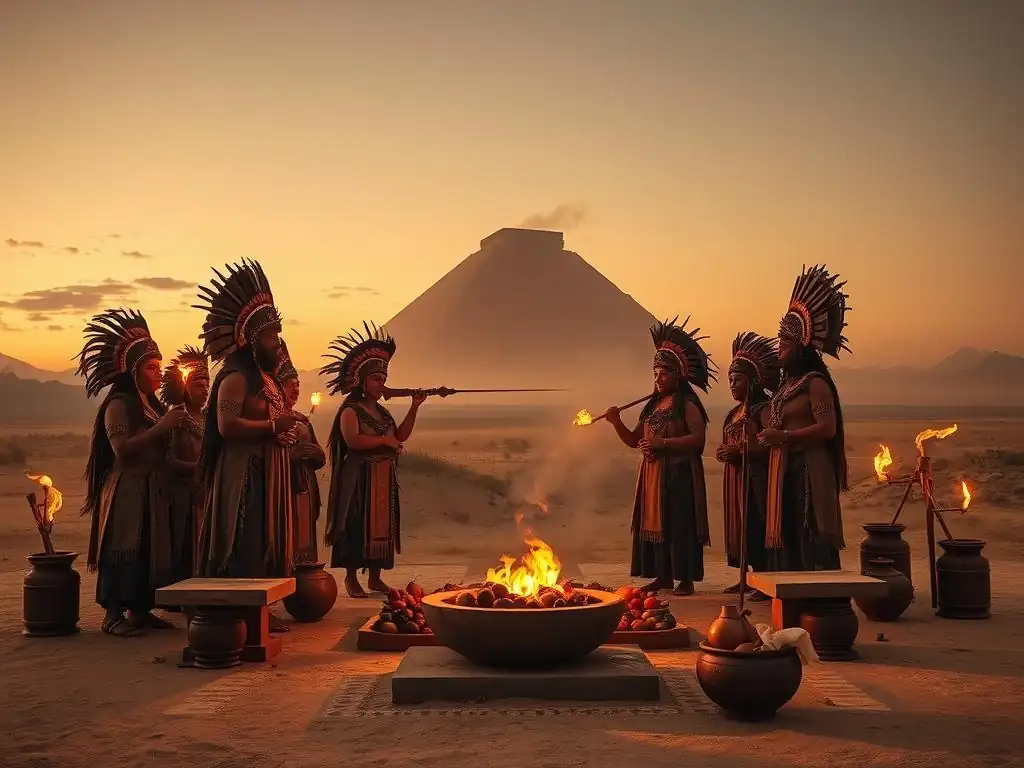
Toltec rituals and ceremonies were deeply intertwined with their spiritual beliefs, societal structures, and artistic expressions. These key elements not only reflect the unique characteristics of Toltec culture but also reveal how they conveyed their values, traditions, and connections to the divine. Central to understanding these rituals is the recognition of their multifaceted nature, encompassing religious, social, and artistic dimensions.
Spiritual Beliefs and Their Influence on Rituals
The spiritual beliefs of the Toltecs were predominantly polytheistic, involving a pantheon of gods that represented various natural and cosmic elements. Key deities such as Quetzalcoatl (the Feathered Serpent) and Tezcatlipoca (the Smoking Mirror) played significant roles in Toltec cosmology and were central figures in their rituals. The Toltecs believed that the world was governed by cycles of creation and destruction, which were reflected in their ceremonial practices.
Elements of Spiritual Beliefs:
- Duality: The Toltecs embraced the concept of duality, where opposing forces such as light and darkness, life and death, and creation and destruction coexisted. This belief was often represented in their rituals, emphasizing balance and harmony.
- Nature and the Divine: The Toltecs held a profound respect for nature, viewing it as a manifestation of the divine. Rituals often involved offerings to deities associated with agriculture, rain, and fertility, showcasing their connection to the earth and its cycles.
- Ancestral Reverence: Ancestors were honored through ceremonies that acknowledged their influence on the living. Rituals included the use of totems and altars, which served as focal points for prayers and offerings.
These spiritual beliefs shaped various aspects of Toltec life, influencing everything from architecture and urban planning to art and community gatherings. The integration of spirituality into daily practices underscored the importance of rituals in maintaining social cohesion and cultural continuity.
Common Themes in Toltec Ceremonies
Toltec ceremonies were rich with symbolism and often revolved around common themes that resonated with their worldview. These themes not only provided structure to their rituals but also reinforced their cultural identity and communal bonds.
Prominent Themes in Toltec Ceremonies:
- Renewal and Rebirth: Many ceremonies celebrated the cyclical nature of life, focusing on themes of renewal and rebirth. The agricultural calendar was marked by rituals that sought to ensure bountiful harvests and fertility of the land.
- Transition and Transformation: Rituals often marked significant life transitions, such as birth, marriage, and death. These ceremonies served as rites of passage, guiding individuals through different stages of existence and reinforcing societal roles.
- Communal Unity: Ceremonies were not only spiritual expressions but also communal gatherings that fostered unity among participants. Through dance, music, and shared rituals, the Toltecs reinforced their collective identity and cultural heritage.
In addition to these themes, Toltec ceremonies were characterized by elaborate artistic expressions, including intricate murals, pottery, and textiles that depicted mythological narratives and religious iconography. These artistic elements served as visual storytelling, enriching the ceremonial experience and preserving cultural memory.
Overall, Toltec rituals and ceremonies exemplify a complex interplay between spirituality, community, and artistic expression, reflecting the rich tapestry of their civilization and its enduring legacy in the Americas.
Types of Toltec Rituals
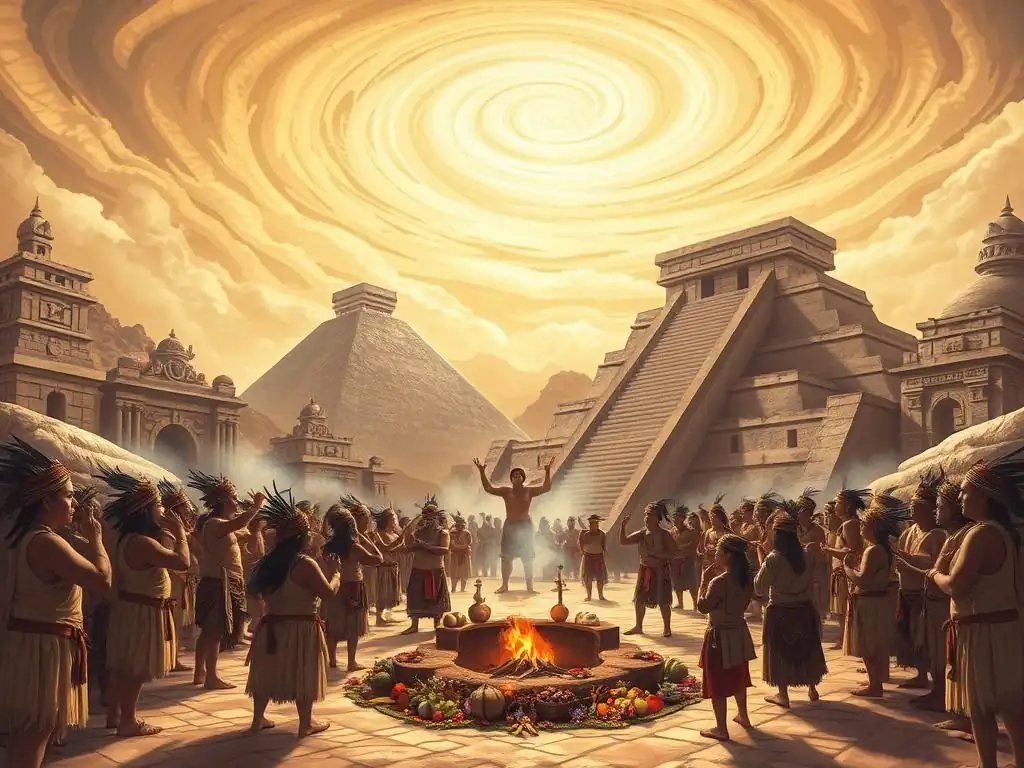
The Toltec civilization, known for its remarkable achievements in art and architecture, also expressed its cultural identity through a rich tapestry of rituals and ceremonies. These practices were integral to their society, serving not only spiritual purposes but also reinforcing community bonds and reflecting their connection to nature and the cosmos. Here, we explore the various types of Toltec rituals, focusing on religious and agricultural aspects that significantly influenced their way of life.
Religious Rituals: Connecting with the Divine
Toltec religious rituals were designed to honor their deities and foster a connection with the divine. These ceremonies were often elaborate, involving specific practices that conveyed reverence and gratitude.
Offerings and Sacrifices
Offerings and sacrifices were central to Toltec religious practices. These acts were seen as necessary to appease the gods and ensure harmony within the universe. The offerings varied in nature and could include:
- Food: Common items included maize, beans, and various fruits, which were often prepared in specific ways to enhance their spiritual significance.
- Animal Sacrifices: Animals such as birds and small mammals were sacrificed. The ceremonies surrounding these sacrifices were solemn, often accompanied by chants and music to invoke the presence of the gods.
- Material Goods: Items crafted by artisans, such as pottery and textiles, were also offered to deities, symbolizing the community's prosperity and creativity.
The act of sacrifice was not merely a ritualistic slaughter; it was a profound expression of devotion and a means to maintain the balance of life.
Prayer and Invocation Practices
Prayer and invocation were fundamental components of Toltec religious life. These practices allowed individuals and communities to communicate with their gods and seek guidance. Key elements included:
- Chants and Incantations: Specific phrases and songs were recited during ceremonies, believed to have the power to invoke divine favor or wisdom.
- Ritual Drumming and Music: Music played a significant role in setting the atmosphere for prayer. Drumming was particularly important, believed to mimic the heartbeat of the earth and connect the participants to the cosmos.
- Meditative Practices: Rituals often included periods of silence or meditation, allowing participants to reflect and attune their spirits to the divine will.
These practices were not only a means of worship but also served to instill a sense of community and shared purpose among the participants.
Agricultural Rituals: Celebrating the Cycle of Life
Agricultural rituals were deeply embedded in the Toltec way of life, reflecting their reliance on farming and the natural cycles of the earth. These ceremonies celebrated the connection between the community and the land, reinforcing the importance of agriculture in their culture.
Seasonal Ceremonies
Seasonal ceremonies were vital in the Toltec agricultural calendar, marking important transitions and events. These included:
- Spring Equinox Celebrations: The arrival of spring was celebrated with rituals to honor fertility and new life. Offerings were made to ensure a bountiful planting season.
- Summer Solstice Fests: During the summer solstice, ceremonies were held to give thanks for the sun’s warmth and light, essential for crop growth. Community feasts often accompanied these events, fostering unity and sharing.
- Winter Solstice Observances: The winter solstice marked a time of reflection and preparation for the coming year. Rituals included honoring ancestors and asking for guidance in the new planting season.
These ceremonies not only recognized the cycles of nature but also reinforced community ties and shared cultural identity.
Harvest Festivals
Harvest festivals were significant events in the Toltec calendar, celebrating the fruits of their labor and expressing gratitude for the earth's abundance. Key features included:
- Ritual Feasting: Communities gathered to share the harvest, with foods prepared and consumed in large communal gatherings. This practice reinforced social bonds and communal identity.
- Dance and Music: Festivities featured traditional dances and music, celebrating the successful harvest and invoking blessings for future crops. The rhythm and movements were often symbolic of agricultural cycles.
- Rituals of Thankfulness: Specific rituals were performed to thank the deities for the harvest, ensuring their favor for future planting seasons. These often included offerings of the first fruits collected.
Through these celebrations, the Toltecs affirmed their connection to the land and the vital role agriculture played in their survival and culture.
Toltec rituals and ceremonies were a profound expression of their culture, deeply interwoven with their spirituality and agricultural practices. By honoring their gods and celebrating the cycles of life, the Toltecs maintained a harmonious relationship with the world around them, leaving a lasting impact on their civilization.
Ceremonial Dances: Expressing Identity and Community
Ceremonial dances played an integral role in Toltec culture, serving as a vibrant expression of identity, community, and spirituality. These dances were not merely forms of entertainment; they were deeply woven into the fabric of Toltec society, reflecting their beliefs, values, and social structures. Through rhythmic movement and intricate choreography, the Toltecs conveyed stories of their gods, the natural world, and their own communal experiences.
Dances were often performed during significant events, such as agricultural cycles, religious festivals, and rites of passage. They fostered a sense of belonging among participants and reinforced social bonds. The communal aspect of these dances encouraged cooperation and unity, strengthening the ties within the community and honoring the collective heritage of the Toltec people.
Significance of Dance in Toltec Culture
Dance among the Toltecs transcended mere physical movement; it was a sacred act of communication with the divine. Each dance was imbued with meaning, serving various purposes, including:
- Spiritual Connection: Dances were often performed to honor gods and seek their favor. They were believed to facilitate communication between the human and spiritual realms, allowing participants to express gratitude and request blessings.
- Cultural Preservation: Through dance, the Toltecs transmitted their history, myths, and cultural narratives to future generations. The choreography and accompanying music encapsulated the essence of their identity, ensuring that their rich traditions were maintained.
- Ritualistic Cleansing: Many dances incorporated elements of purification, intended to cleanse participants both physically and spiritually. This cleansing process symbolized renewal and readiness to engage with the world around them.
- Social Cohesion: Group participation in dance fostered a sense of community and belonging. It strengthened social structures and reinforced the collective identity of the Toltec civilization, promoting harmony among its members.
Notable Ceremonial Dances
Several ceremonial dances stand out within Toltec tradition, each distinct in its purpose and execution. Some notable examples include:
- The Dance of the Serpent: This dance paid homage to Quetzalcoatl, the feathered serpent god, and symbolized the duality of creation and destruction. Participants often donned elaborate serpent costumes, emulating the movements associated with this deity.
- The Rain Dance: Performed during drought seasons, this dance aimed to invoke the rain gods. It involved intricate footwork and vibrant movements, with participants often using colorful attire and props to enhance the visual spectacle.
- The Harvest Dance: Celebrated at the end of the agricultural cycle, this dance expressed gratitude for the bountiful harvest. It was characterized by joyful movements and communal feasting, reinforcing the connection between the land and the people.
- The Warrior Dance: This dance demonstrated the martial prowess of the Toltec warriors. It was often performed during ceremonies to honor victories in battle, showcasing strength and bravery through vigorous movements and rhythmic drumming.
Through these dances, the Toltecs not only celebrated their achievements but also reinforced their cultural identity, ensuring that their practices and beliefs resonated through time.
Artistic Expressions in Toltec Rituals
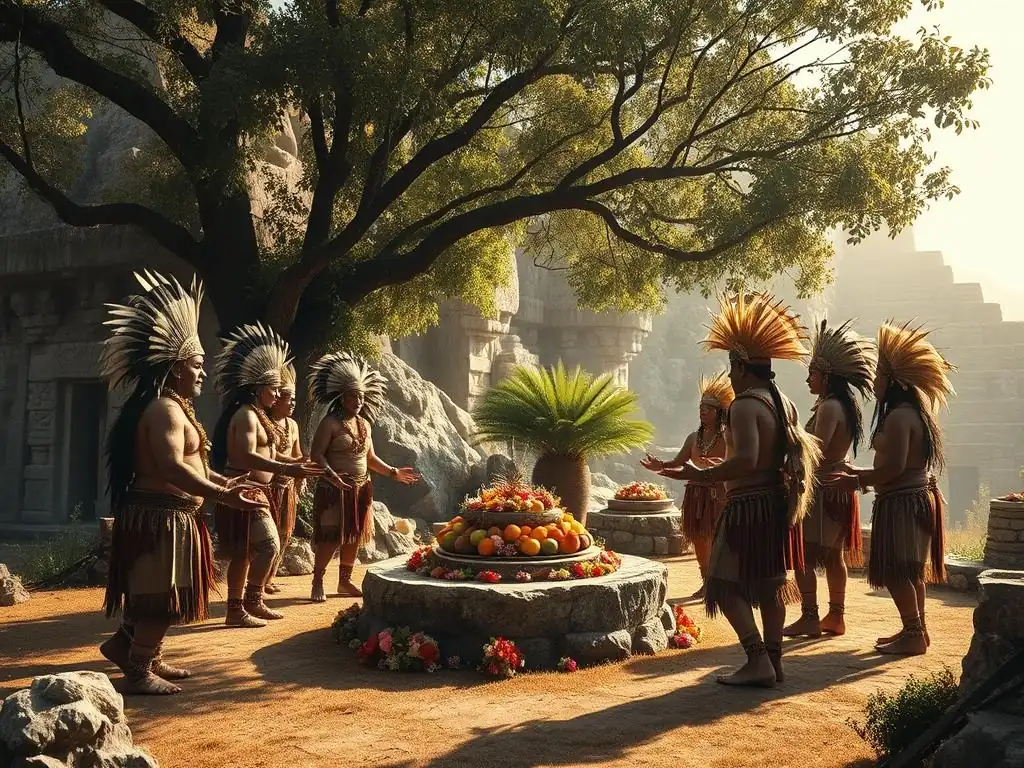
The Toltecs, a prominent civilization in Mesoamerica, expressed their rich cultural identity through a variety of artistic forms, particularly in their rituals and ceremonies. These artistic expressions were not merely decorative; they were deeply tied to their beliefs, practices, and social structures. The intricate designs and significant symbols found in Toltec art served as a medium through which they communicated their spiritual and cultural narratives.
The rituals conducted by the Toltecs often involved elaborate ceremonies that integrated music, dance, and visual arts, creating a multifaceted experience that resonated with participants and observers alike. This holistic approach allowed them to express their connection to the cosmos, their ancestors, and the natural world. The aesthetic components of these rituals provided a sense of identity and continuity within their communities, reinforcing social cohesion and cultural heritage.
Symbolism in Toltec Art and Iconography
Toltec art is characterized by its rich symbolism, which conveys complex ideas and beliefs. The use of specific motifs and iconography in their artistic creations reflects their worldview, religion, and societal values.
- Deities and Mythological Figures: Many Toltec artworks depict gods, such as Quetzalcoatl, the feathered serpent, symbolizing creation, wind, and learning. These representations often served as focal points during rituals, emphasizing the connection between the divine and the earthly realm.
- Duality and Balance: The Toltecs believed in the concept of duality, often represented through complementary symbols in their art. For instance, the pairing of the jaguar and the eagle can be seen in various sculptures and carvings, symbolizing strength and spirituality, respectively.
- Nature and the Cosmos: Elements from nature, such as the sun, moon, and various animals, were frequently incorporated into Toltec art. These motifs not only illustrated their reverence for nature but also highlighted the cyclical relationship between humanity and the cosmos.
Through these symbols, the Toltecs conveyed their understanding of the world, encapsulating their beliefs and practices in a form that was both visually striking and deeply meaningful.
Use of Material Culture in Ceremonies
Material culture played a crucial role in Toltec rituals and ceremonies, providing tangible expressions of their beliefs and social practices. The careful selection and use of materials reflected the significance of the events being celebrated or observed.
Pottery and Sculpture
Pottery and sculpture were integral to Toltec artistic expression, often used in ceremonial contexts.
- Ceremonial Pottery: The Toltecs crafted pottery that was not only functional but also adorned with intricate designs and motifs. These vessels were often used in rituals involving food offerings or liquid libations to deities. Their designs included symbolic elements that represented fertility, abundance, and the connection to the divine.
- Sculptural Works: The Toltec civilization is renowned for its monumental sculptures, such as the colossal heads and stone carvings found at Tula. These sculptures were often created to honor gods, commemorate significant events, or serve as markers of territory. The artistry involved in these works highlighted the skill and cultural significance attributed to these creations.
Textiles and Costumes
Textiles and costumes were another vital aspect of Toltec material culture, contributing to the visual spectacle of rituals.
- Textile Production: The Toltecs were skilled weavers, creating textiles that were used in ceremonial attire. These garments often featured vivid colors and intricate patterns, symbolizing status and identity within the community. The textiles were not only functional but also played a role in the overall aesthetic of the ceremonies.
- Costume Symbolism: During rituals, specific costumes were worn to represent various deities or societal roles. The use of feathers, beads, and other embellishments added layers of meaning, making the wearers embodiments of the spiritual and social narratives of the Toltec civilization.
The artistic expressions found in Toltec rituals and ceremonies offer a profound insight into their culture. Through symbolism in art, the use of material culture, and the integration of various artistic forms, the Toltecs conveyed their beliefs, values, and social identities, leaving a lasting impact on the cultural landscape of the Americas.
The Role of Shamans in Toltec Ceremonies
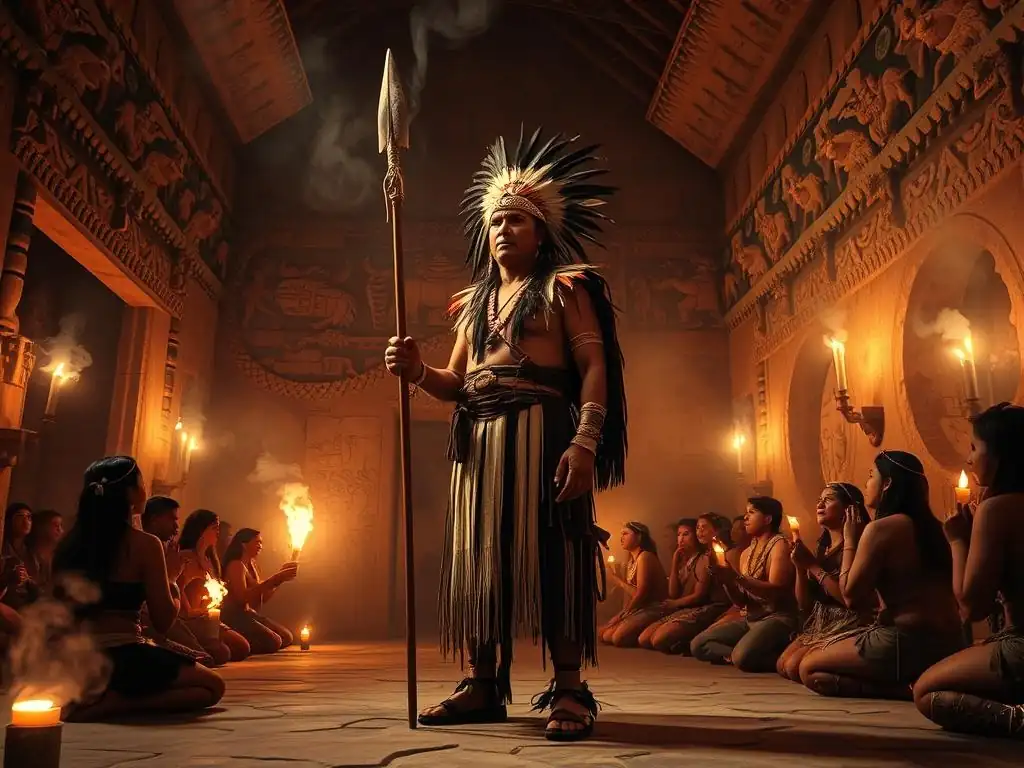
The role of shamans in Toltec ceremonies was pivotal, intertwining spiritual practices with the cultural fabric of Toltec society. These spiritual leaders acted as mediators between the physical and the spiritual realms, guiding their communities through various rituals and ceremonies that were essential for societal cohesion and cultural identity.
Shamans as Cultural Leaders
Shamans in Toltec civilization were not just healers; they were also revered leaders who held significant influence within their communities. They were responsible for conducting important rituals that marked significant life events, including births, marriages, and funerals. Their deep connection with the spiritual world allowed them to perform ceremonies that invoked the favor of the gods, ensuring the prosperity and well-being of the community.
- Responsibilities of Shamans:
- Ritual Performances: Conducting ceremonies that emphasized the importance of nature and the cosmos.
- Spiritual Guidance: Offering counsel to individuals and families, helping them navigate life's challenges.
- Cultural Preservation: Teaching the younger generations about traditional beliefs, practices, and the history of the Toltec people.
The shamans utilized a variety of tools and symbols during their rituals, such as sacred objects, music, and dance, which were integral to the ceremonies. They often wore specific garments and body paint that represented their status and the spiritual connections they wielded.
Healing Rituals and Their Significance
Healing rituals were a crucial aspect of Toltec ceremonies, reflecting their holistic understanding of health that encompassed physical, emotional, and spiritual well-being. These rituals served multiple purposes:
- Restoration of Balance: The Toltecs believed that illness could result from a disruption in the balance between the individual and the spiritual world. Shamans played a key role in restoring this balance through rituals that included:
- Cleansing: Using smoke, herbs, and water to purify individuals from negative energies.
- Invocations: Calling upon deities or ancestral spirits to intervene and aid in the healing process.
- Community Healing: Many healing rituals were communal events that fostered a sense of unity and shared purpose among participants. These gatherings often included:
- Collective Prayers: Invoking the support of the community for those in need.
- Dance and Music: Engaging in traditional dances and music as a form of collective expression that reinforced cultural identity.
The significance of these healing rituals extended beyond the individual; they reinforced social bonds and collective identity, helping to forge a resilient community in the face of challenges.
Shamans were integral to the practice of Toltec rituals and ceremonies, serving as both healers and cultural leaders. Their work not only facilitated individual healing but also reinforced the communal ties that were essential for the survival and flourishing of Toltec civilization.
The Impact of Toltec Rituals on Modern Indigenous Cultures
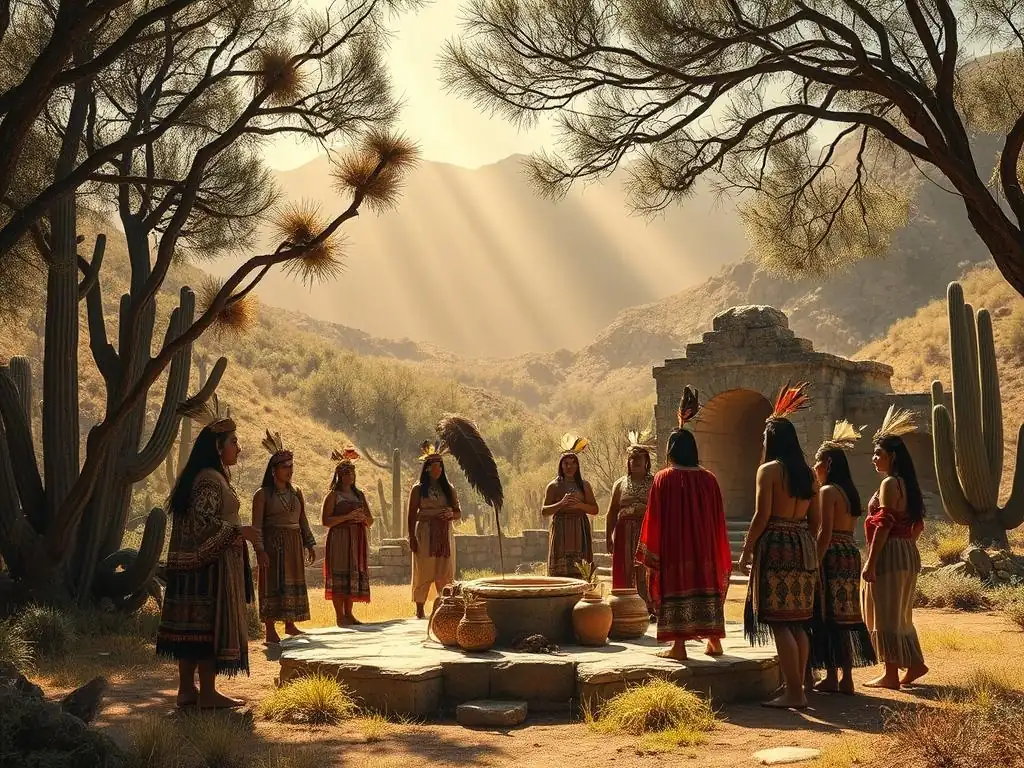
Continuity and Adaptation of Toltec Practices
The Toltec civilization, flourishing between the 10th and 12th centuries in central Mexico, left a profound legacy through its rituals and ceremonies, many of which have endured and adapted within modern Indigenous cultures. These practices were deeply woven into the fabric of Toltec society, encompassing religion, agriculture, and community bonding.
Aspects of Toltec rituals can still be observed today, particularly in the ceremonies of various Indigenous groups in Mexico and beyond. For instance, the reverence for natural elements, such as water and corn, remains central to many contemporary rituals. These elements, which were revered by the Toltecs as life-giving forces, continue to be celebrated in agricultural festivals and spiritual ceremonies across numerous Indigenous cultures.
Furthermore, many Indigenous communities have skillfully integrated Toltec practices into their own cultural expressions. This process of cultural continuity and adaptation highlights a dynamic interplay between ancient traditions and modern identities. For example, elements of Toltec dance and music can be seen in traditional celebrations, showcasing how these rituals evolve while retaining their original significance.
Influence on Contemporary Indigenous Art and Ceremonies
The artistic expressions that characterized Toltec rituals—such as intricate carvings, murals, and ceremonial artifacts—have left a lasting influence on contemporary Indigenous art. The symbolism and aesthetic of Toltec artistry continue to inspire modern artists, who draw upon these rich cultural roots to create works that resonate with both historical and contemporary themes.
In contemporary ceremonies, the use of masks, feathers, and textiles—elements that were prominent in Toltec rituals—can be observed. These items not only serve aesthetic purposes but are also imbued with spiritual significance, reflecting the beliefs and values inherited from Toltec ancestors. For instance, many modern Indigenous groups incorporate traditional Toltec designs into their regalia during ceremonial events, reinforcing a sense of identity and connection to their heritage.
The influence of Toltec rituals can also be seen in the way modern Indigenous communities celebrate the changing seasons and life cycles. Ceremonies that honor the earth's cycles, such as planting and harvest festivals, often incorporate ritualistic elements that echo Toltec practices. This connection underscores the resilience of Toltec cultural expressions and their vital role in the ongoing narrative of Indigenous identity in the Americas.
The impact of Toltec rituals and ceremonies continues to resonate within modern Indigenous cultures. Through the continuity and adaptation of these practices, as well as their influence on contemporary art and ceremonies, the legacy of the Toltecs remains a vital part of the cultural landscape in the Americas today.
Conclusion: The Legacy of Toltec Rituals and Ceremonies
Summary of Key Points
The rituals and ceremonies of the Toltec civilization were an intricate tapestry that highlighted their deep spiritual beliefs, societal structure, and artistic expression. Through various ceremonies, the Toltecs celebrated agricultural cycles, honored their deities, and marked significant life events. Key aspects of Toltec rituals include:
- Sacred Offerings: The Toltecs would often present offerings to their gods, which could include food, art, and even human sacrifices, reflecting their reverence and desire for favor from the divine.
- Artistic Expression: Rituals were closely tied to artistic creation, seen in their elaborate stone carvings and murals that depicted gods, mythical creatures, and ceremonial activities.
- Dance and Music: Ceremonial gatherings involved music and dance, which were vital in conveying cultural narratives and communal identity.
These elements not only served religious purposes but also reinforced social cohesion and cultural identity among the Toltec people.
The Lasting Cultural Impact of Toltec Traditions
The influence of Toltec rituals and ceremonies extends far beyond their time, leaving a profound legacy that can still be observed in contemporary indigenous cultures. This impact can be categorized into several key areas:
- Cultural Syncretism: The blending of Toltec traditions with those of other Mesoamerican civilizations, such as the Aztecs, resulted in a rich cultural amalgamation. Many rituals were adapted and transformed, ensuring their survival and relevance in later societies.
- Artistic Continuity: The artistic conventions established by the Toltecs have persisted through generations, influencing modern Mexican art and architecture. Elements such as symbolic motifs and iconography can be traced back to Toltec origins.
- Spiritual Practices: Many contemporary indigenous communities still engage in rituals that echo Toltec traditions. These practices are vital for maintaining cultural heritage and identity, often serving as a reminder of ancestral wisdom and teachings.
- Educational Frameworks: The knowledge embedded within Toltec ceremonies regarding agriculture, astronomy, and medicine continues to inform traditional ecological practices. This wisdom highlights the importance of sustainable living and respect for nature, concepts that are increasingly relevant today.
The legacy of Toltec rituals and ceremonies not only showcases their rich cultural heritage but also emphasizes the importance of preserving these traditions for future generations. The Toltecs’ approach to art, spirituality, and community life remains a testament to their enduring influence on the cultural landscape of the Americas.
Frequently Asked Questions
What are the main Toltec rituals and ceremonies discussed in the article?
The article highlights various ceremonies such as agricultural festivals, initiation rites, and religious offerings, which were essential to Toltec culture and community life.
How did art play a role in Toltec ceremonies?
Art was a vital element in Toltec rituals, as it served both religious and cultural purposes, helping to express their beliefs and values through sculptures, murals, and pottery.
What is the significance of rituals in Toltec society?
Rituals were crucial in Toltec society for reinforcing social bonds, honoring deities, and ensuring community cooperation in agricultural practices and other important activities.
How did the Toltecs influence other indigenous cultures?
The Toltecs left a lasting impact on subsequent Mesoamerican cultures, particularly through their artistic styles and religious practices, which were adopted and adapted by later civilizations like the Aztecs.
Are Toltec rituals still practiced today?
While many Toltec rituals have faded over time, some indigenous groups in the region continue to honor these traditions, preserving elements of Toltec culture in their modern ceremonial practices.
Final Reflection: The Enduring Legacy of Toltec Rituals and Ceremonies
The exploration of Toltec rituals and ceremonies reveals their profound significance in shaping cultural identity and artistic expression. In today's world, where globalization often dilutes unique cultural narratives, the Toltec legacy serves as a powerful reminder of the importance of preserving and celebrating our roots. The intricate rituals and ceremonies of the Toltecs not only reflect their spiritual beliefs but also offer a lens through which we can understand the interconnectedness of art, culture, and community.
The influence of Toltec rituals continues to resonate in contemporary society, inspiring artists, scholars, and spiritual seekers alike. These ancient practices encourage us to reconnect with our own cultural heritage and to honor the traditions that shape our identities. As we navigate a rapidly changing world, the wisdom embedded in these ceremonies invites us to reflect on our values and the stories we choose to tell. Art is the most beautiful of all lies.
— Pablo Picasso. This quote encapsulates the essence of how art, through the lens of rituals, can convey deeper truths about human experience.
As we conclude this exploration of Toltec rituals and ceremonies, I invite you to reflect on your own cultural practices and the rituals that hold meaning in your life. Consider how you can incorporate elements of these ancient traditions into your daily existence, fostering a deeper connection to your heritage and community. Embrace the opportunity to celebrate your own rituals, allowing them to enrich your life and the lives of those around you. In doing so, we honor not only the past but also pave the way for a more vibrant and culturally aware future.
Unveil the Vibrant World of Toltec Art!
Thank you for diving into the fascinating realm of Toltec culture! You’ve discovered how art serves as a powerful expression of their rich traditions and beliefs. Now, it's time to take the next step in your journey of understanding and appreciation.
Here are a few engaging actions you can take:
- Explore Local Exhibitions: Seek out museums or cultural centers that showcase indigenous art to witness the beauty of these expressions firsthand.
- Share Your Insights: Discuss your newfound knowledge with friends or family. Initiate a conversation about the significance of rituals across various cultures!
- Join a Community: Participate in online forums or local groups focused on indigenous history to enhance your understanding and connect with fellow enthusiasts.
What aspect of Toltec art has inspired you the most to learn more?