
Preserving Indigenous Artifacts: Best Practices for Collectors

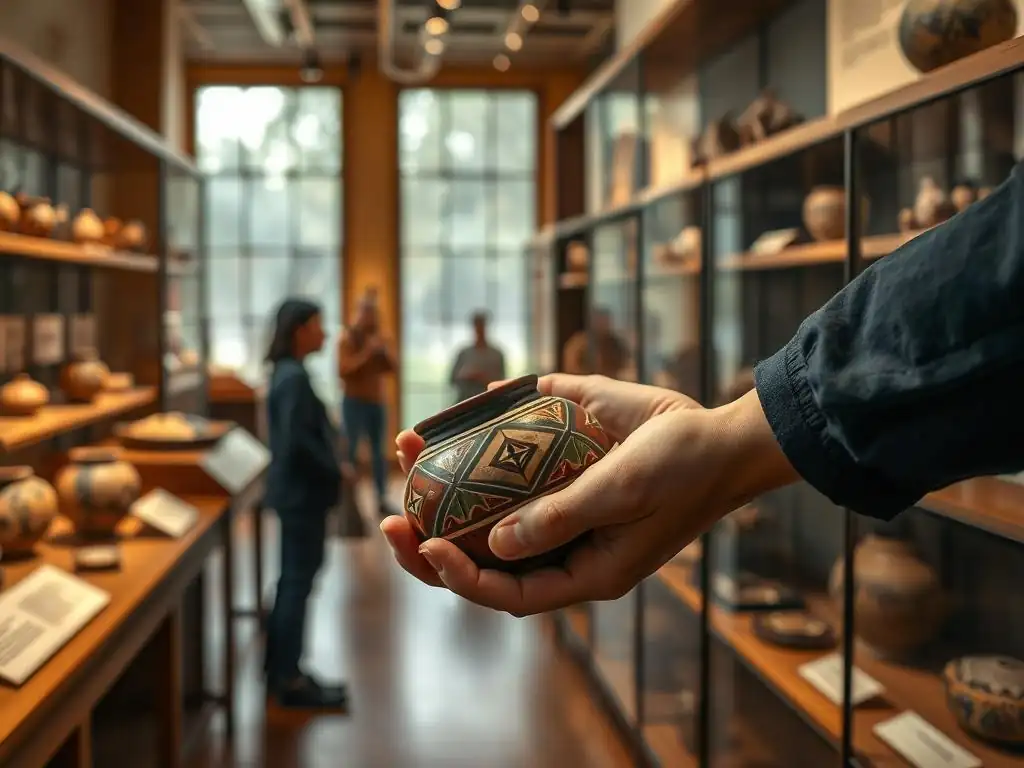
Welcome to Indigenous Civilizations of the Americas, where we embark on a journey through the rich tapestry of indigenous cultures that flourished long before European contact. In our featured article, "Preserving Indigenous Artifacts: Best Practices for Collectors," we delve into the essential methods and ethical considerations for caring for the precious remnants of these vibrant societies.
Discover how these practices not only honor the legacy of indigenous peoples but also contribute to a deeper understanding of their remarkable achievements and enduring influence. Join us as we unveil the wisdom and stories behind these artifacts, inviting you to explore and appreciate the profound significance they hold.
- Introduction to Best Practices for Indigenous Artifacts
- Understanding Indigenous Artifacts
- Best Practices for Collecting Indigenous Artifacts
- Caring for Indigenous Artifacts
- Displaying Indigenous Artifacts
- Collaborating with Indigenous Communities
- Conclusion: The Responsibility of Collectors
-
Frequently Asked Questions
- What are the best practices for preserving indigenous artifacts?
- Why is it important to preserve indigenous artifacts?
- How can collectors ensure they are ethically sourcing indigenous artifacts?
- What role do museums play in preserving indigenous artifacts?
- Are there specific guidelines for displaying indigenous artifacts?
- Final Reflection: Honoring Heritage through Best Practices for Indigenous Artifacts
- Embrace and Protect Indigenous Heritage Today!
Introduction to Best Practices for Indigenous Artifacts
The preservation of indigenous artifacts is crucial not only for collectors but also for understanding the rich tapestry of cultures that existed in the Americas long before European colonization. This article aims to provide a comprehensive guide on the best practices for indigenous artifacts, ensuring that collectors can appreciate, respect, and maintain these significant pieces of history. By adopting proper preservation methods, collectors can help safeguard the stories and traditions encapsulated in these artifacts, thereby fostering a greater appreciation for indigenous cultures.
Importance of Preserving Indigenous Artifacts
Preserving indigenous artifacts is essential for several reasons:
- Cultural Heritage: Artifacts serve as tangible links to the histories, traditions, and identities of indigenous peoples. They reflect the values, beliefs, and practices that have been passed down through generations.
- Educational Value: These items are invaluable for educational purposes, providing insight into the sophisticated societies that existed in the Americas. They can be used to teach future generations about the diversity and complexity of indigenous cultures.
- Ethical Responsibility: Collectors have an ethical duty to ensure that artifacts are treated with the respect they deserve. Proper preservation practices help prevent deterioration and loss, honoring the cultural significance of these items.
- Legal Considerations: Many indigenous artifacts are protected under various laws and regulations. Understanding the legal framework surrounding these items is crucial for collectors to ensure they are acquiring and maintaining them responsibly.
By recognizing the importance of preservation, collectors can contribute positively to the legacy of indigenous cultures and promote a deeper understanding of their histories.
Overview of Indigenous Cultures and Their Artifacts
Indigenous cultures in the Americas are incredibly diverse, comprising numerous tribes and nations, each with their unique artifacts that reflect their environments, beliefs, and lifestyles. Here are some key aspects of indigenous cultures and their artifacts:
- Variety of Artifacts: Indigenous artifacts range from pottery, textiles, and tools to ceremonial items and artwork. Each artifact tells a story about the people who created it, their daily lives, and their spiritual beliefs.
- Regional Differences: The types of artifacts vary significantly across regions. For example:
- Mesoamerica: Known for intricate pottery and stone carvings, reflecting complex religious beliefs.
- Northwest Coast: Renowned for totem poles and weaving, showcasing the rich cultural narratives of tribes like the Haida and Tlingit.
- Great Plains: Famous for beadwork and hide paintings, which illustrate the nomadic lifestyle and spiritual practices of tribes such as the Lakota and Cheyenne.
- Symbolism and Meaning: Many artifacts hold deep spiritual significance and are often used in rituals and ceremonies. Understanding this symbolism is crucial for collectors who wish to honor the cultural contexts of the items they acquire.
By gaining insight into the diverse indigenous cultures and their artifacts, collectors can cultivate a profound respect for these items, leading to more informed and ethical collecting practices.
Understanding Indigenous Artifacts
Definition and Types of Indigenous Artifacts
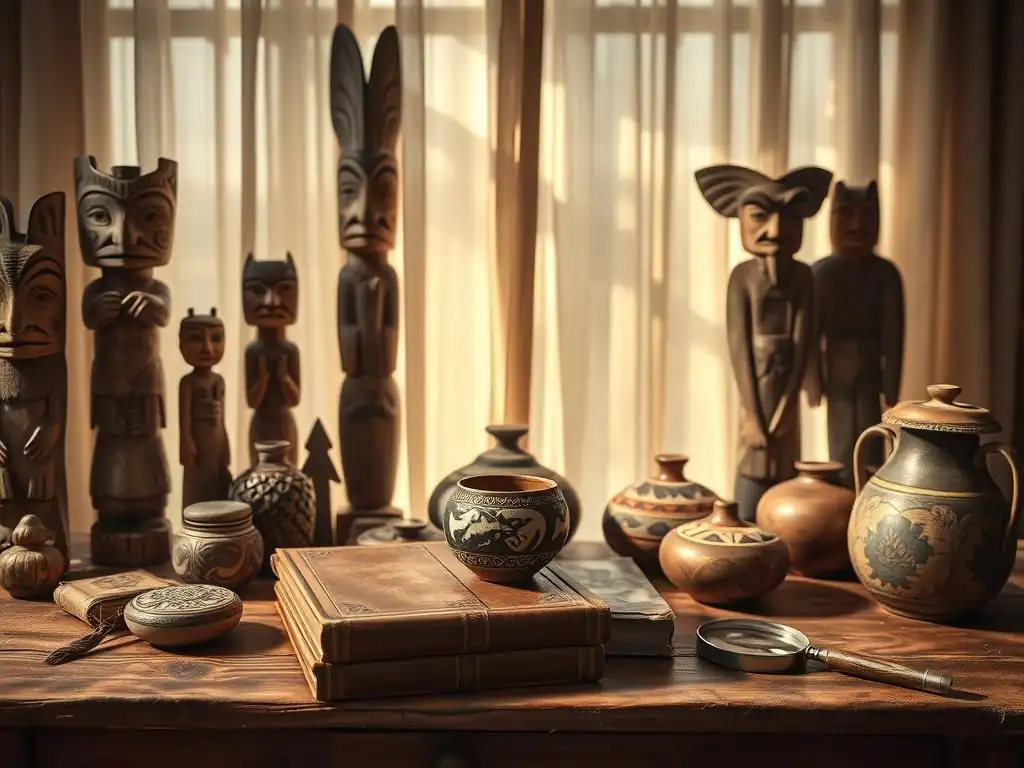
Indigenous artifacts are objects created by the original inhabitants of the Americas, reflecting their cultural, historical, and artistic expressions. These artifacts can range widely in form and function, encompassing items such as:
- Tools and Weapons: Items like arrowheads, knives, and fishing gear used for survival and hunting.
- Ceramics: Pottery that showcases the artistic skills and daily life of various indigenous cultures.
- Textiles: Woven materials that often carry cultural significance, such as blankets and clothing.
- Jewelry: Adornments made from natural materials that hold personal and cultural meanings.
- Artworks: Sculptures, carvings, and paintings that reflect spiritual beliefs and storytelling traditions.
Understanding the diverse types of indigenous artifacts is essential for collectors, as it aids in recognizing their cultural contexts and appreciating their significance.
The Cultural Significance of Indigenous Artifacts
Indigenous artifacts are not merely objects; they serve as vital links to the histories, beliefs, and practices of indigenous peoples. Each artifact carries stories and meanings that can provide insights into the social structures, spirituality, and daily lives of these cultures. For example:
- Ceremonial Items: Many artifacts are used in rituals and ceremonies, representing the spiritual beliefs of a community.
- Functional Objects: Tools and everyday items illustrate the ingenuity and adaptation of indigenous societies to their environments.
- Symbolic Art: Artistic expressions often incorporate symbols that have deep cultural significance, serving as a means of communication and storytelling.
By understanding the cultural significance of indigenous artifacts, collectors can foster a deeper appreciation for the heritage they represent and support efforts to preserve these vital connections to the past.
Legal and Ethical Considerations in Collecting
When it comes to collecting indigenous artifacts, legal and ethical considerations are paramount. Collectors must be aware of the following:
- Ownership and Provenance: Understanding the history and ownership of an artifact is crucial. Collectors should seek items with clear provenance to avoid purchasing stolen or illegally obtained artifacts.
- Cultural Sensitivity: Engaging with indigenous communities is important. Respecting their perspectives on artifacts and their significance fosters positive relationships and understanding.
- Legal Regulations: Different countries have laws governing the collection and trade of indigenous artifacts. Familiarizing oneself with these regulations is essential to ensure compliance and ethical practice.
Engaging in ethical collecting not only honors the cultures and histories represented by artifacts but also contributes to their preservation for future generations. Collectors can adopt best practices for indigenous artifacts by prioritizing ethical sourcing, respecting cultural heritage, and supporting indigenous communities in their preservation efforts.
Best Practices for Collecting Indigenous Artifacts
Research and Education: The Foundation of Responsible Collecting
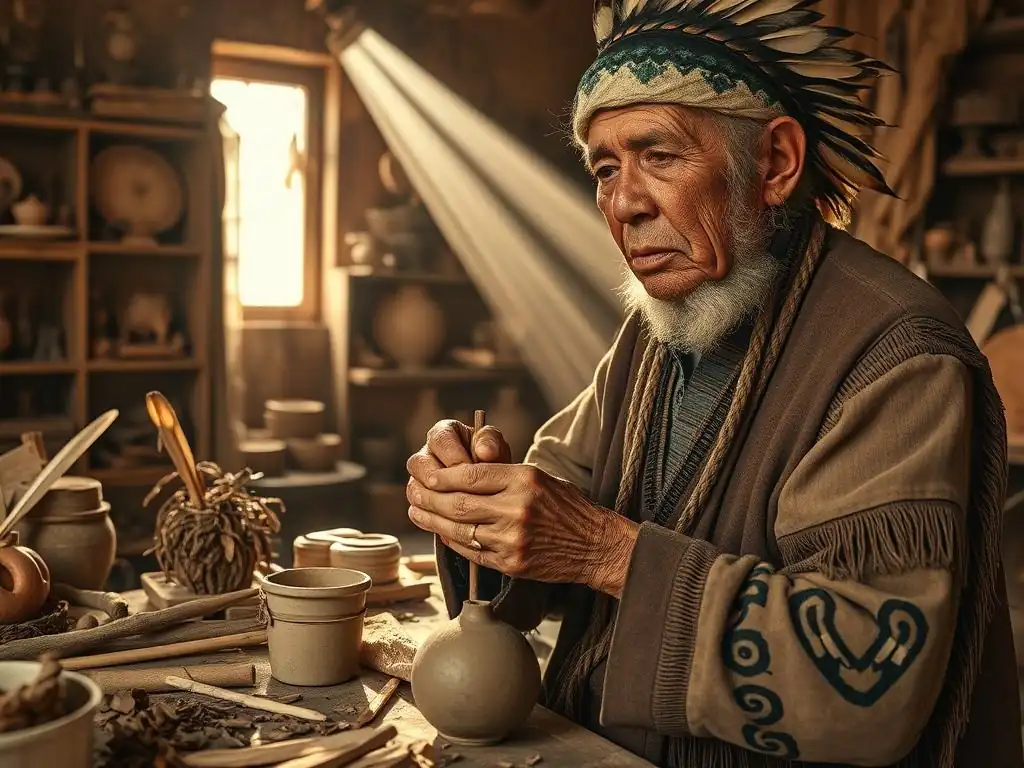
Collecting indigenous artifacts is a significant and often sensitive endeavor that requires a thorough understanding of the cultural, historical, and ethical implications involved. Research and education form the bedrock of responsible collecting, ensuring that collectors respect the cultures from which these artifacts originate. Engaging deeply with the histories, traditions, and contemporary issues facing indigenous peoples is essential for collectors who wish to honor these cultures rather than exploit them.
To facilitate this understanding, collectors should immerse themselves in the rich narratives of indigenous communities. This involves studying their art forms, societal structures, and spiritual beliefs. By gaining insight into the meanings and contexts of artifacts, collectors can appreciate their significance beyond mere aesthetic value.
Recommended Resources for Learning About Indigenous Cultures
- Documentaries and Films: Visual storytelling can be a powerful tool for understanding indigenous cultures. Films like Rumble: The Indians Who Rocked the World or documentaries by the National Geographic Society provide valuable insights.
- Academic Journals: Publications such as the Journal of American Folklore and Museum Anthropology offer peer-reviewed articles on various aspects of indigenous cultures and artifacts. These resources can provide in-depth analysis and research findings.
- Workshops and Conferences: Participating in events focused on indigenous studies can enhance knowledge and foster connections with experts and community members.
Key Websites and Books on Indigenous Artifacts
- Books:
- Native American Art by David W. Penney: This book provides an overview of the diversity of native art forms across the Americas.
- The Art of Native America: The Charles and Valerie Diker Collection by Ellen D. H. McCulloch: A comprehensive exploration of native artifacts with contextual background.
- Websites:
- Smithsonian National Museum of the American Indian: Offers extensive resources on indigenous cultures and artifacts.
- American Indian Art Magazine: A publication dedicated to indigenous art and culture, featuring articles, interviews, and exhibitions.
Establishing Provenance: Understanding the History of Artifacts
Provenance refers to the documented history of an artifact, including its origins, ownership, and the circumstances surrounding its acquisition. Establishing provenance is crucial in ethical collecting, as it provides insight into the artifact's journey and ensures that it has not been obtained through illegal or unethical means. Understanding provenance is not just about verifying authenticity; it is also about recognizing the cultural significance and respecting the communities from which these objects originate.
Importance of Provenance in Ethical Collecting
The significance of provenance lies in its role in safeguarding cultural heritage. Artifacts without documented provenance can be linked to illicit trade, cultural appropriation, or exploitation. By prioritizing artifacts with clear histories, collectors can:
- Support Indigenous Rights: Respecting the ownership and rights of indigenous communities fosters a sense of responsibility among collectors.
- Preserve Cultural Heritage: Understanding the context of artifacts helps ensure their stories and significance are not lost.
Tools for Verifying Provenance
Collecting artifacts responsibly requires access to various tools and resources that aid in verifying provenance. Here are some effective methods:
- Documentation: Request and maintain all available documentation related to the artifact, including previous ownership records, auction catalogs, and appraisals.
- Expert Consultation: Engaging with experts such as archaeologists, anthropologists, or museum professionals can provide valuable insights and verification.
- Provenance Databases: Utilize online databases, such as the International Council of Museums (ICOM), which offer resources for tracking the ownership and history of artifacts.
- Legal Frameworks: Familiarize yourself with international treaties and national laws regarding cultural property, such as the UNESCO Convention, to ensure compliance with ethical collecting practices.
By integrating these best practices for indigenous artifacts, collectors can contribute positively to the preservation of indigenous cultures and histories, ensuring that their collections celebrate and respect the rich heritage of the Americas.
Caring for Indigenous Artifacts
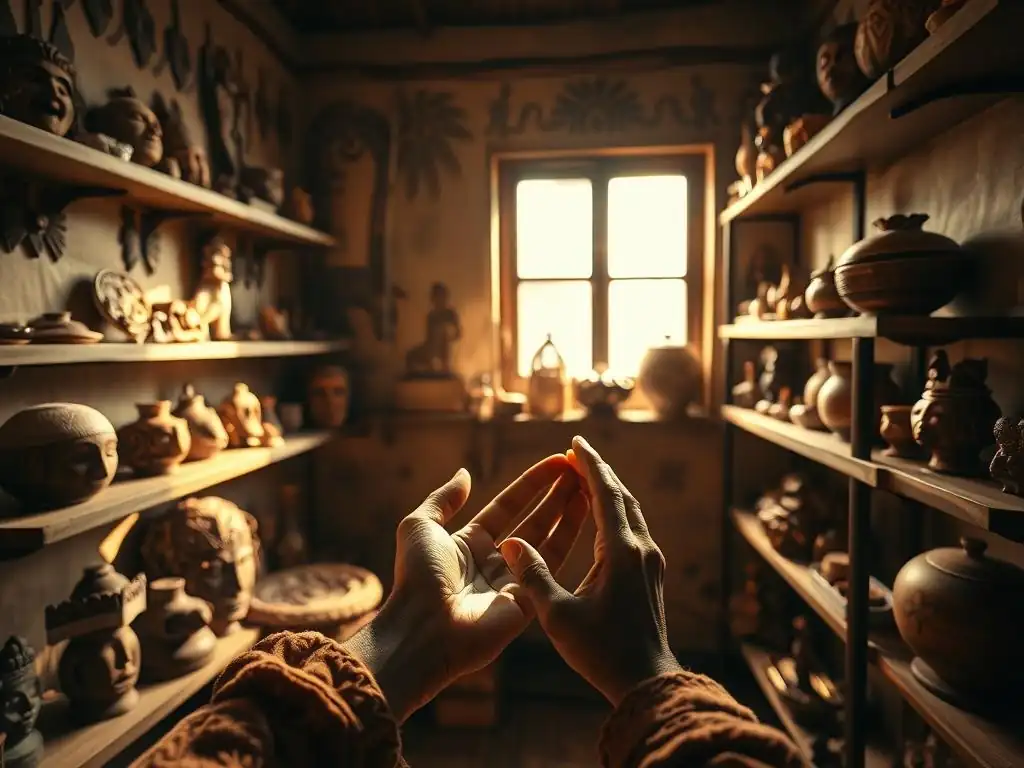
Caring for indigenous artifacts is essential for preserving the rich history and cultural significance they embody. Proper care not only protects the physical integrity of these items but also supports the ongoing appreciation and understanding of indigenous cultures. This section outlines best practices for handling, cleaning, and maintaining indigenous artifacts, ensuring they remain preserved for future generations.
Proper Handling Techniques for Artifacts
Proper handling techniques are crucial when dealing with indigenous artifacts to prevent damage and deterioration. Here are some key practices to follow:
- Always Wash Your Hands: Before handling any artifact, ensure your hands are clean and free from oils, dirt, or residue. Consider wearing cotton gloves to provide an additional layer of protection.
- Support Weights: When lifting artifacts, particularly larger pieces or those made of fragile materials, always support the weight evenly. Use both hands and avoid lifting by the edges, which can cause stress fractures.
- Use Appropriate Tools: For very delicate items, consider using tools such as tweezers or spatulas made of non-reactive materials like plastic or bamboo to avoid direct contact.
- Work in a Controlled Environment: Ensure you’re in a stable environment where temperature, humidity, and lighting are controlled. Sudden changes can harm artifacts, especially those made from organic materials.
- Avoid Direct Sunlight: Prolonged exposure to sunlight can fade and damage artifacts. Store or display items in shaded areas or use UV-filtering glass for display cases.
Recommended Supplies for Safe Handling
To ensure the safe handling of indigenous artifacts, consider investing in the following supplies:
| Supply | Purpose |
|---|---|
| Cotton gloves | Protects artifacts from oils and dirt on hands |
| Acid-free tissue paper | Provides cushioning and prevents scratches |
| Non-reactive tweezers | Allows for safe manipulation of delicate items |
| Storage containers | Protects artifacts from dust and physical damage |
| Temperature and humidity monitors | Ensures a stable environment for preservation |
Cleaning and Maintenance: Best Practices for Preservation
Regular cleaning and maintenance are vital for the preservation of indigenous artifacts. Following specific guidelines can help ensure that these items retain their integrity while being cleaned.
Guidelines for Cleaning Different Types of Materials
Different materials require various cleaning techniques. Here are some best practices based on common artifact materials:
- Stone: Use a soft brush or a lint-free cloth to remove dust. Avoid using water or cleaning solutions, as they can affect the stone's integrity.
- Wood: Dust with a soft, dry cloth and consider applying a wax-based product designed specifically for wood to maintain moisture and prevent cracking.
- Textiles: Gently vacuum using a low-suction setting and a mesh screen to protect fibers. For stains, consult a textile conservator before attempting any cleaning.
- Metal: Use a soft brush to remove dust and dirt. For tarnished metals, consider using a specialized metal cleaner, but avoid abrasive materials that can scratch the surface.
Recommended Products for Artifact Care
Using the right products is essential for maintaining the condition of indigenous artifacts. Here are some recommended items:
| Product | Use |
|---|---|
| pH-neutral soap | Safe for cleaning various materials |
| Microfiber cloth | Ideal for dusting without scratching |
| Soft-bristled brushes | Gentle cleaning for delicate surfaces |
| Conservation-grade wax | Protects wooden artifacts from moisture |
| Textile conservation spray | Provides protection for fabric artifacts |
By adhering to these best practices for indigenous artifacts, collectors can play a vital role in preserving the cultural heritage and historical significance of these unique items. Taking careful steps in handling, cleaning, and maintaining artifacts ensures they can be appreciated for years to come.
Displaying Indigenous Artifacts
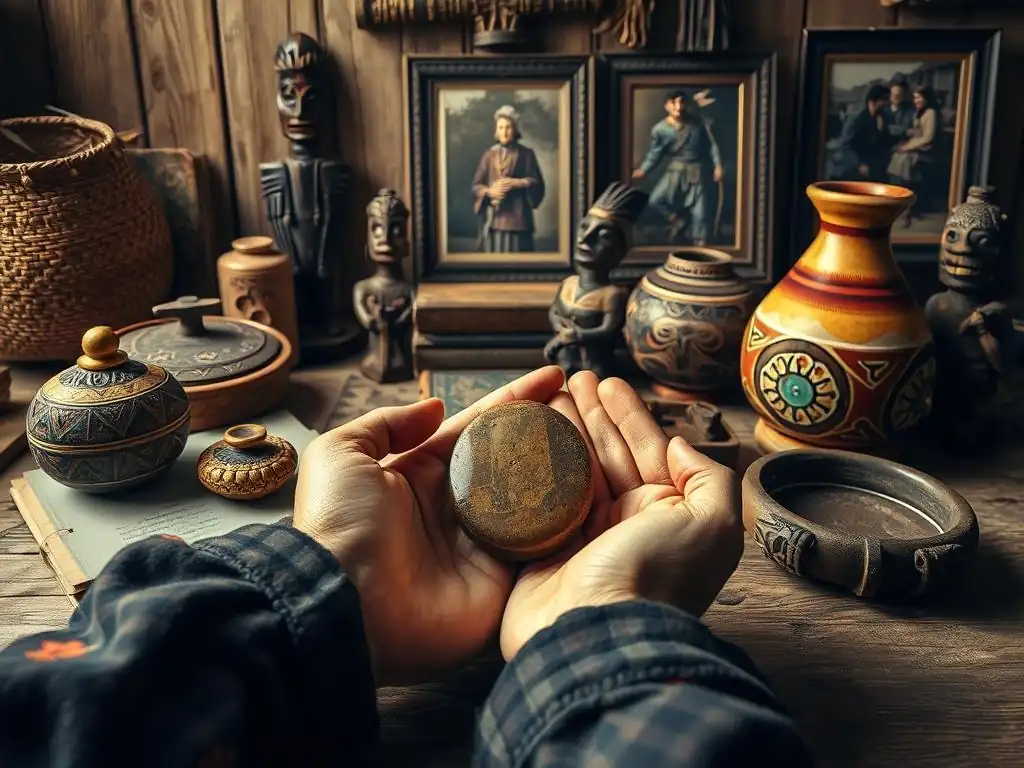
Displaying indigenous artifacts requires careful consideration to honor their cultural significance while ensuring their preservation. Proper display techniques not only enhance the aesthetic appeal of the artifacts but also contribute to their longevity. Below are some best practices for displaying indigenous artifacts that collectors and institutions should follow.
Best Practices for Displaying Artifacts
When it comes to displaying indigenous artifacts, several best practices can help maintain their integrity and educate the public about their cultural heritage.
Choosing Appropriate Display Cases
Selecting the right display case is crucial for the protection and presentation of indigenous artifacts. Here are some key points to consider:
- Material Selection:
- Use archival-quality materials that are acid-free to prevent degradation.
- Ensure the glass is UV-filtering to protect against light damage.
- Size and Fit:
- The case should be appropriately sized to allow airflow while preventing dust accumulation.
- Avoid overcrowding; each artifact should have enough space to be appreciated without obstruction.
- Accessibility:
- Design cases for both viewing and educational purposes, allowing easy access for information plaques or interactive displays.
- Secure Mounting:
- Use non-invasive mounting techniques to avoid damage to the artifacts. For instance, use soft padding or transparent supports to stabilize items without direct contact.
Tips for Lighting and Environmental Control
Lighting and environmental conditions play a significant role in the preservation of indigenous artifacts:
- Lighting:
- Use LED lights, as they emit less heat and UV radiation compared to traditional bulbs. Aim for a maximum intensity of 50 lux for sensitive materials.
- Implement dimmers to adjust lighting according to the time of day or specific display needs.
- Environmental Control:
- Maintain a consistent temperature and humidity level, ideally around 20°C (68°F) and 40-50% relative humidity.
- Use dehumidifiers or humidifiers to control moisture levels in display areas.
Ethical Considerations in Public Display
When displaying indigenous artifacts, it is vital to consider the ethical implications of such practices:
Engaging with Indigenous Communities in Display Practices
Engagement with indigenous communities is essential in creating respectful and accurate representations of their heritage:
- Collaboration:
- Work alongside indigenous representatives to ensure artifacts are displayed in a culturally appropriate manner. This includes consulting on interpretative materials and display techniques that reflect their traditions.
- Cultural Sensitivity:
- Recognize the significance of the artifacts to their originating cultures. Avoid commodifying or misrepresenting items through commercial exhibition practices.
- Education and Awareness:
- Include educational materials that provide context about the artifacts, their creators, and their cultural importance. This can foster a deeper understanding among viewers regarding indigenous histories and practices.
- Feedback Mechanisms:
- Establish channels for ongoing dialogue with indigenous communities. This can involve feedback on display practices and addressing community concerns regarding the representation of their cultural heritage.
By adhering to these best practices and ethical considerations, collectors and institutions can contribute to the meaningful preservation and presentation of indigenous artifacts, ensuring that they are appreciated for their historical and cultural significance.
Collaborating with Indigenous Communities
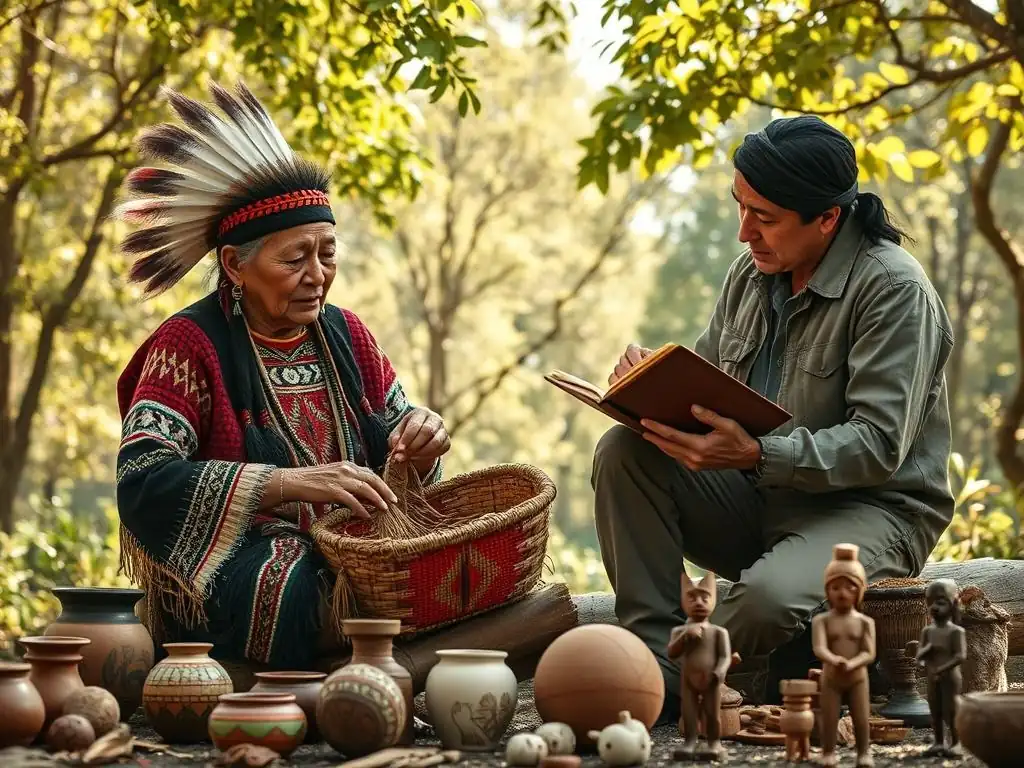
Engaging with Indigenous communities is not only a best practice for collectors of indigenous artifacts, but it also contributes to the preservation and appreciation of these rich cultural heritages. By fostering collaboration and respect, collectors can ensure that their practices honor the traditions and histories of the cultures from which these artifacts originate.
Building Relationships with Indigenous Cultures
Establishing meaningful relationships with Indigenous cultures is vital for responsible artifact collection. This process involves a deep understanding of the cultural significance of the artifacts and the contexts in which they were created. Here are key aspects to consider when building these relationships:
- Respectful Communication:
- Approach Indigenous communities with humility and openness.
- Use culturally appropriate language and gestures to show respect.
- Participatory Engagement:
- Involve community members in discussions about artifact collection and preservation.
- Seek input from Indigenous knowledge keepers to integrate their perspectives into collection practices.
- Cultural Sensitivity:
- Acknowledge the historical and ongoing impacts of colonization on Indigenous communities.
- Be aware of the spiritual and cultural significance of artifacts, which may vary from community to community.
Engaging with Indigenous cultures not only enriches the collector's understanding but also strengthens community ties, fostering a spirit of collaboration and mutual respect.
Best Practices for Engaging Indigenous Knowledge Keepers
Engaging Indigenous knowledge keepers is crucial for a holistic understanding of artifacts. Here are some best practices:
- Build Trust: Establish long-term relationships based on trust and respect. This is essential for creating a safe space where knowledge keepers feel valued and respected.
- Compensate for Knowledge: Recognize that Indigenous knowledge is a valuable asset. Providing appropriate compensation for sharing knowledge reinforces the value of their expertise.
- Facilitate Knowledge Sharing: Create opportunities for knowledge keepers to share their stories, traditions, and histories related to the artifacts. This can be through workshops, exhibitions, or community events.
- Document Collaborations: Keep records of your engagements and the knowledge shared. This documentation can serve as an educational resource for future collectors and help preserve Indigenous narratives.
By following these practices, collectors can ensure that they engage respectfully and meaningfully with Indigenous knowledge keepers, contributing to the preservation of these cultures.
Supporting Indigenous Artists and Artisans
Supporting Indigenous artists and artisans is a crucial aspect of preserving indigenous artifacts. By promoting their work and ensuring they receive fair compensation, collectors can help sustain cultural practices and traditions. Here are important considerations for collectors:
- Promote Authenticity:
- Seek out authentic Indigenous art and crafts directly from the artists or through reputable galleries that prioritize Indigenous representation.
- Verify the artist's background and ensure that their work reflects their cultural heritage.
- Encourage Fair Trade:
- Support fair trade initiatives that ensure artisans receive equitable compensation for their work.
- Engage directly with artists to understand their pricing and the labor involved in creating their pieces.
- Invest in Community Projects:
- Participate in or support community-led projects that promote Indigenous art and culture.
- This may include funding art programs, workshops, or exhibitions that highlight Indigenous creativity.
By actively supporting Indigenous artists and artisans, collectors not only enrich their own collections but also play a part in the revitalization of Indigenous cultures.
Highlighting Ethical Art and Craft Initiatives
Highlighting ethical art and craft initiatives is vital for promoting responsible collecting practices. Collectors should be aware of initiatives that focus on ethical sourcing and cultural preservation. Here are some noteworthy initiatives and practices to consider:
- Cultural Revitalization Programs:
- Many Indigenous communities run programs aimed at revitalizing traditional art forms and practices. Supporting these initiatives helps keep cultural traditions alive.
- Artisans Cooperatives:
- Cooperatives that bring together Indigenous artists can create sustainable livelihoods while promoting ethical practices. These groups often focus on fair wages and culturally appropriate practices.
- Educational Workshops:
- Participating in or sponsoring workshops that teach Indigenous art techniques can help raise awareness and appreciation for these cultural practices.
- Certification Programs:
- Look for certification programs that ensure the authenticity and ethical sourcing of Indigenous art and artifacts. Such programs help consumers make informed decisions.
By highlighting and engaging with these ethical art and craft initiatives, collectors can ensure their practices contribute positively to Indigenous communities and cultures.
Conclusion: The Responsibility of Collectors
Collecting indigenous artifacts is not merely a hobby; it carries a profound responsibility to honor and preserve the history and culture of indigenous peoples. As custodians of these items, collectors must recognize their role in safeguarding the stories and traditions embedded within these artifacts. This conclusion aims to encapsulate the importance of ethical practices in collecting, emphasizing the need for respect and understanding of indigenous heritage.
Summary of Best Practices for Indigenous Artifacts
When engaging in the collection of indigenous artifacts, it is essential to adhere to the following best practices:
- Research and Education
- Understand the cultural context of the artifacts.
- Seek out reputable sources and literature on indigenous cultures.
- Attend workshops and seminars focused on indigenous history.
- Provenance and Legality
- Ensure that artifacts have a clear provenance.
- Verify the legality of obtaining each item.
- Avoid purchasing artifacts that may have been looted or unethically acquired.
- Cultural Sensitivity
- Acknowledge the significance of artifacts to indigenous communities.
- Engage with indigenous voices and perspectives when possible.
- Be mindful of the cultural protocols associated with specific items.
- Conservation and Preservation
- Implement appropriate storage conditions to prevent deterioration.
- Use conservation-grade materials for handling and displaying artifacts.
- Regularly monitor the condition of the collection.
- Collaboration and Sharing
- Consider partnering with indigenous communities for knowledge sharing.
- Support indigenous-led initiatives aimed at cultural preservation.
- Be open to donating or lending artifacts to museums or cultural centers for educational purposes.
By following these practices, collectors can contribute positively to the preservation of indigenous heritage and promote a deeper understanding of the cultures from which these artifacts originate.
Encouraging Respect and Understanding of Indigenous Heritage
It is crucial for collectors to foster an environment of respect and understanding towards indigenous heritage. This can be achieved through several approaches:
- Promoting Dialogue: Engage in conversations with indigenous peoples about their perspectives on artifacts and collections. This dialogue can enhance understanding and ensure that collectors are aware of the cultural significance of their items.
- Advocating for Education: Encourage educational programs that inform the public about indigenous histories and the importance of ethical collecting practices. This can help to dismantle stereotypes and foster appreciation for indigenous cultures.
- Supporting Indigenous Rights: Stand in solidarity with indigenous communities in their efforts to reclaim artifacts and protect their cultural heritage. This includes advocating for legal measures that support the return of looted items.
- Celebrating Indigenous Art: Highlight the artistic achievements of indigenous peoples through exhibitions, publications, and community events. This recognition can help to celebrate and validate the creativity and contributions of these cultures.
Collectors of indigenous artifacts have a profound responsibility to engage in practices that respect and honor indigenous heritage. By adhering to best practices and promoting understanding, collectors can play a crucial role in preserving the rich tapestry of indigenous cultures in the Americas.
Frequently Asked Questions
What are the best practices for preserving indigenous artifacts?
The best practices include maintaining proper storage conditions, handling artifacts with care, and using archival materials to prevent damage.
Why is it important to preserve indigenous artifacts?
Preserving these artifacts is crucial for cultural heritage, as they represent the history, identity, and achievements of indigenous peoples.
How can collectors ensure they are ethically sourcing indigenous artifacts?
Collectors should seek provenance information to verify the legal and ethical acquisition of artifacts, ensuring they respect the rights of indigenous communities.
What role do museums play in preserving indigenous artifacts?
Museums serve as guardians of indigenous artifacts, providing research, conservation, and education about the cultures they represent.
Are there specific guidelines for displaying indigenous artifacts?
Yes, when displaying artifacts, collectors should follow conservation guidelines such as controlling light exposure, humidity, and temperature to ensure the artifacts' longevity.
Final Reflection: Honoring Heritage through Best Practices for Indigenous Artifacts
In an age where cultural appreciation and preservation are more crucial than ever, the best practices for indigenous artifacts serve as a vital framework for collectors and enthusiasts alike. Today, as we navigate the complexities of cultural representation and ownership, the importance of ethical stewardship cannot be overstated. Collectors have a unique responsibility to ensure that the artifacts they acquire are treated with the respect and dignity they deserve, fostering a deeper understanding of the cultures they represent.
The influence of indigenous artifacts on our cultural landscape is profound and ongoing. These artifacts are not mere objects; they are living narratives that connect us to the histories and traditions of indigenous peoples. By adhering to best practices, collectors can help safeguard these stories for future generations. As the renowned anthropologist Edward Said once said, The past is never dead. It's not even past.
This quote resonates deeply as it reminds us that our actions today shape the legacy of these artifacts and the cultures they embody.
As we reflect on the significance of preserving indigenous artifacts, I invite you to consider your role in this important endeavor. Take a moment to evaluate how you can contribute to the respectful collection and preservation of cultural heritage. Whether you are a collector, an enthusiast, or simply someone who values the richness of diverse cultures, your actions can make a difference. Embrace the responsibility to learn, advocate, and support best practices that honor the voices and histories of indigenous communities. Together, we can ensure that these invaluable artifacts continue to inspire and educate for generations to come.
Embrace and Protect Indigenous Heritage Today!
Thank you for diving deep into the world of Indigenous artifacts! Your commitment to understanding and preserving these treasures is invaluable. Now, let’s channel that passion into concrete actions that can make a real difference.
- Start a Cultural Conversation: Invite friends or community members to join you in discussing the significance of Indigenous artifacts. Share your insights and inspire others to appreciate and respect these cultural treasures.
- Become a Responsible Collector: If you’re passionate about collecting, prioritize ethical sourcing. Join responsible collector groups or workshops to ensure your practices honor Indigenous communities and their heritage.
- Support Indigenous Artists & Initiatives: Explore and purchase works directly from Indigenous artists. Engage with local exhibitions or online platforms that celebrate Indigenous culture and artistry.
What will be your first step in contributing to the appreciation and protection of Indigenous heritage?