
From Corn to Squash: Understanding the Sacred Triad of Native American Cooking

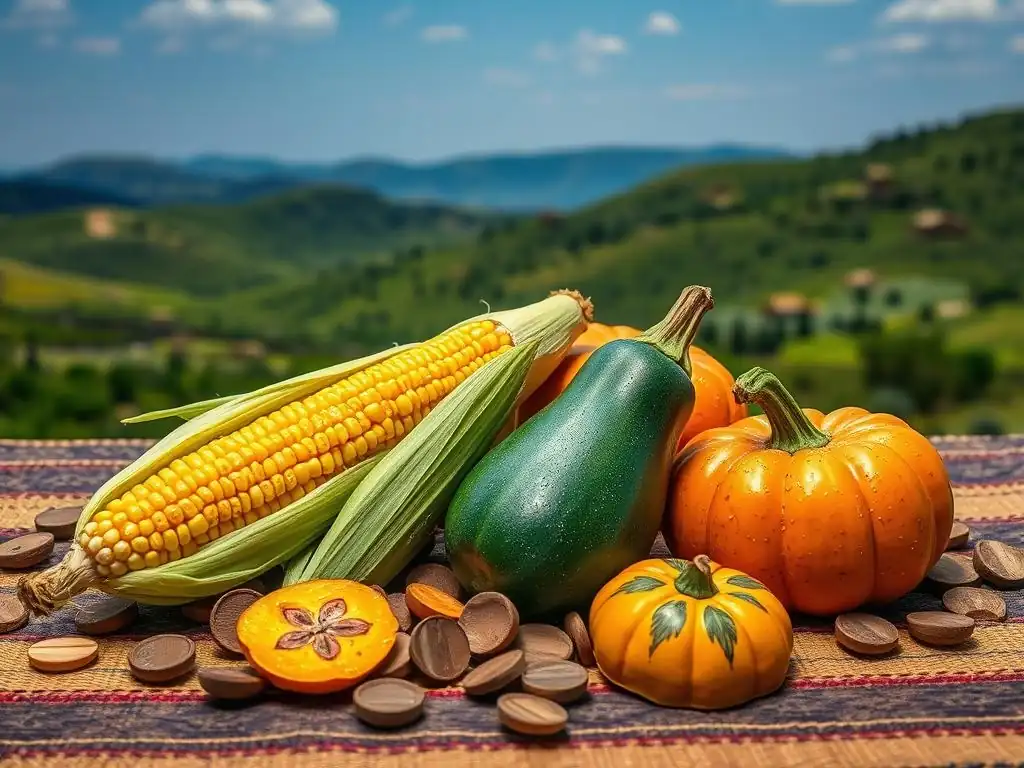
Welcome to Indigenous Civilizations of the Americas, where we delve into the rich tapestry of indigenous cultures that flourished long before European contact. In our featured article, “From Corn to Squash: Understanding the Sacred Triad of Native American Cooking,” we invite you to discover the profound significance of these staple ingredients—corn, beans, and squash—that not only nourished communities but also shaped their culinary traditions and worldviews. Join us on this journey to uncover the stories behind these foundational foods and their enduring legacy in the culinary landscape. The secrets of the sacred triad await you—let's explore together!
Introduction to the Sacred Triad in Native American Cooking
The sacred triad of Native American cooking—comprising corn, beans, and squash—holds profound significance in the culinary traditions of many Indigenous cultures across the Americas. These three staples, often referred to as the "Three Sisters," are more than just essential food sources; they are deeply intertwined with the cultural, spiritual, and agricultural practices of Native peoples. Each component of this triad plays a vital role not only in sustenance but also in the social and ceremonial life of various communities.
Why is it Sacred?
The term "sacred" reflects the reverence that Indigenous peoples have for these crops. They are often planted together in a symbiotic relationship, demonstrating a harmonious approach to agriculture. Corn provides a sturdy stalk for beans to climb, beans fix nitrogen in the soil to nourish the corn and squash, while squash leaves help suppress weeds and retain moisture. This intricate relationship symbolizes the interconnectedness of life and the importance of sustainable practices.
In many Indigenous narratives, the Three Sisters are celebrated in stories and rituals, underscoring their significance beyond mere nutrition. They are often seen as gifts from the Creator, integral to the identity and survival of Native American communities.
The Historical Significance of the Sacred Triad
The historical importance of the sacred triad cannot be overstated. These crops were cultivated by Native Americans for thousands of years, playing a crucial role in their societies long before European contact. Archaeological evidence suggests that corn was domesticated in Mesoamerica around 9,000 years ago, while beans and squash followed closely. The cultivation of these crops enabled the development of complex societies, supporting larger populations and fostering trade networks.
Nutritional and Cultural Benefits
- Nutritional Value: The combination of corn, beans, and squash provides a complete protein source, essential vitamins, and minerals. This nutritional synergy helped sustain Indigenous populations and contributed to their resilience.
- Cultural Practices: The planting, harvesting, and preparation of these crops are steeped in cultural traditions. Festivals celebrating the harvest, such as the Green Corn Festival among various tribes, highlight the importance of these foods in social and spiritual contexts.
- Agricultural Innovations: Native American farmers developed sophisticated agricultural techniques, such as companion planting and crop rotation, which maximized yield while preserving the environment. These practices reflect a deep understanding of the ecosystem and a commitment to sustainability.
The sacred triad of corn, beans, and squash is a cornerstone of Native American culinary traditions, symbolizing a rich heritage that continues to impact contemporary practices. Understanding the historical significance of these crops sheds light on their enduring importance in Indigenous cultures and the broader narrative of American history.
Understanding the Sacred Triad: Features and Benefits
The "sacred triad" of Native American cooking refers to the essential trio of corn, beans, and squash, which together form a cornerstone of many indigenous diets across the Americas. This triad is not only a testament to the agricultural ingenuity of Native American cultures but also reflects a sophisticated understanding of nutrition and sustainability. Each component of the triad offers unique features and benefits, contributing to a balanced diet and community resilience.
-
Ecological Synergy:
The planting of corn, beans, and squash together—often referred to as the "Three Sisters"—creates a mutually beneficial ecosystem. Corn provides a tall structure for beans to climb, while beans fix nitrogen in the soil, enriching it for the other plants. Squash, with its broad leaves, helps to shade the soil, reducing weeds and retaining moisture, making this agricultural practice both efficient and sustainable.
-
Nutritional Balance:
The combination of these three foods provides a complete protein profile, essential vitamins, and minerals. Each plant contributes to a well-rounded diet, ensuring that communities relying on these crops can meet their dietary needs without needing additional protein sources.
-
Cultural Significance:
Beyond their nutritional and ecological benefits, the sacred triad holds deep cultural significance. These crops were often woven into the social, spiritual, and ceremonial practices of many Native American tribes, symbolizing interconnectedness and the importance of community.
The Nutritional Power of Corn
Corn, or maize, stands as a foundational crop in Native American cuisine and holds significant nutritional value. Rich in carbohydrates, corn serves as a primary energy source, making it a staple in the diets of many indigenous peoples.
- Vitamins and Minerals: Corn is a good source of vitamins B6, C, and folate, as well as minerals like magnesium and phosphorus. These nutrients play critical roles in various bodily functions, including metabolism and immune health.
- Fiber Content: High in dietary fiber, corn aids in digestion and contributes to heart health by helping to lower cholesterol levels. The fiber content also promotes satiety, making it an excellent food choice for maintaining healthy weight.
- Culinary Flexibility: Corn can be transformed into a variety of dishes, from tortillas and tamales to polenta and cornbread, showcasing its versatility in Native American cooking.
The Versatility of Beans
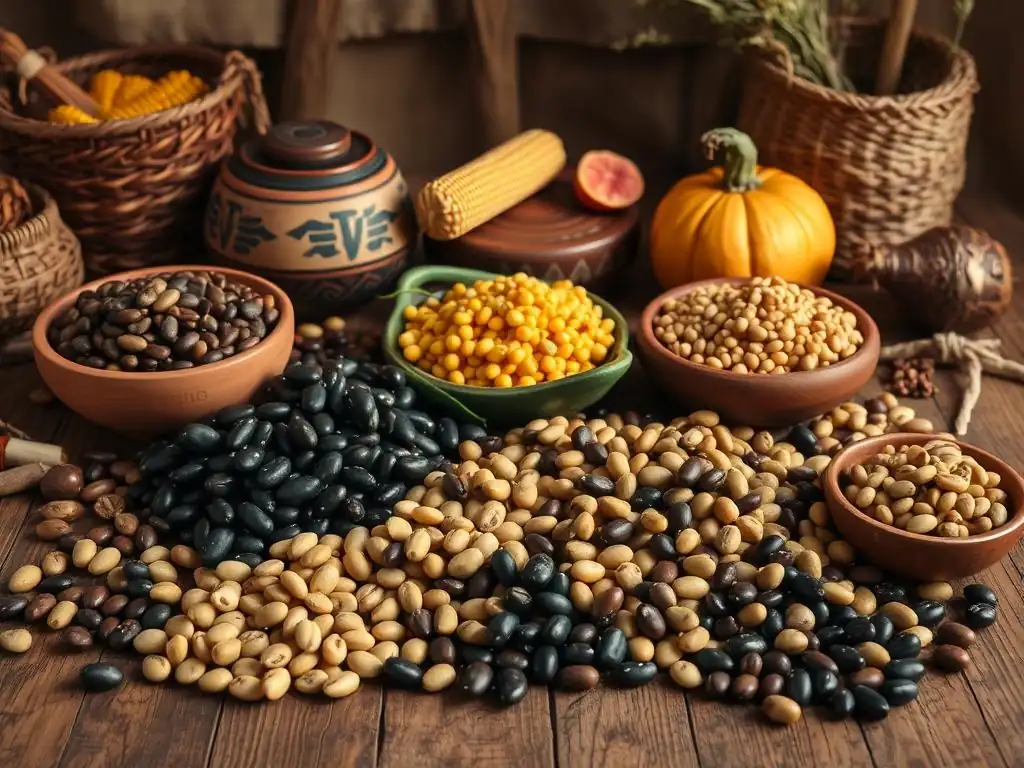
Beans are another vital component of the sacred triad, valued for their versatility and rich nutritional profile. They are a significant source of plant-based protein and are often used in a variety of traditional dishes.
- Protein Powerhouse: Beans are an excellent source of protein, making them a crucial component in vegetarian diets. They provide essential amino acids, particularly when combined with corn, creating a complete protein source.
- Rich in Nutrients: Beans are high in fiber, iron, potassium, and magnesium, which contribute to heart health, regulate blood pressure, and promote overall well-being. Their low glycemic index also makes them a great option for managing blood sugar levels.
- Culinary Applications: Different varieties of beans, such as black beans, pinto beans, and kidney beans, offer diverse flavors and textures, allowing them to be incorporated in stews, salads, and side dishes, as well as being a staple in many traditional recipes.
The Richness of Squash
Squash, including varieties such as zucchini, pumpkin, and butternut squash, completes the sacred triad with its rich flavors and numerous health benefits.
- Vitamins and Antioxidants: Squash is a significant source of vitamins A and C, both of which are antioxidants that support immune function and skin health. These vitamins also contribute to eye health, particularly in the case of orange and yellow varieties, which are rich in beta-carotene.
- Hydration and Low Calories: Squash has a high water content and is low in calories, making it an excellent choice for hydration and weight management. Its versatility allows for various cooking methods, including roasting, steaming, and pureeing.
- Culinary Diversity: Squash can be used in both savory and sweet dishes, from soups and stews to pies and breads, reflecting the adaptability of Native American cooking traditions.
Preparing Dishes with the Sacred Triad
The sacred triad can be prepared in numerous ways, reflecting both traditional practices and modern interpretations. Each dish embodies the cultural heritage and agricultural wisdom of Native American communities.
Traditional Recipes Featuring the Sacred Triad
Traditional recipes often highlight the harmonious interplay of corn, beans, and squash. One classic dish is Three Sisters Stew, which combines all three ingredients in a hearty, nourishing stew. This dish not only showcases the flavors of the triad but also serves as a representation of communal cooking, where families gather to share and celebrate their agricultural bounty.
Another example is Corn and Bean Succotash, which blends corn, beans, and squash (often included as zucchini) seasoned with herbs. This dish encapsulates the essence of Native American cooking, emphasizing the importance of seasonal and locally sourced ingredients.
Modern Interpretations of Sacred Triad Dishes
Modern culinary practices have embraced the sacred triad, leading to innovative interpretations that respect traditional flavors while adapting to contemporary tastes. For instance, chefs might create a Quinoa Salad with Roasted Corn, Black Beans, and Butternut Squash, drizzled with a zesty lime dressing.
Alternatively, Stuffed Acorn Squash with a filling of quinoa, beans, and spices reflects a fusion of traditional ingredients with modern dietary preferences, such as vegetarian or gluten-free options. These modern dishes not only keep the legacy of the sacred triad alive but also introduce its flavors to new audiences, ensuring the continuation of indigenous culinary traditions.
The Sacred Triad's Role in Sustainable Agriculture
The Sacred Triad of Native American cooking, consisting of corn, beans, and squash, not only holds culinary importance but also plays a crucial role in sustainable agriculture. This trio, often referred to as the "Three Sisters," exemplifies a symbiotic planting method that enhances soil fertility and maximizes land use.
1. Symbiotic Relationships:
- Corn serves as a natural pole for the beans to climb, reducing the need for trellises and facilitating efficient use of vertical space.
- Beans fix nitrogen in the soil, which is essential for plant growth and replenishing nutrient levels that may be depleted by successive crops.
- Squash grows low to the ground, with broad leaves that provide shade, helping to retain moisture in the soil and suppressing weeds.
2. Nutritional Benefits:
- Together, the Three Sisters offer a balanced diet rich in protein, carbohydrates, and essential vitamins. This combination provides a complete protein source, which is particularly beneficial in regions where meat is scarce.
3. Cultural Significance:
- Beyond their agricultural benefits, the Three Sisters are deeply embedded in Native American culture and spirituality. They are often celebrated in ceremonies and are integral to the cultural identity of many tribes, symbolizing cooperation, harmony, and the interconnectedness of all living things.
Resources for Exploring Native American Culinary Traditions
Delving into the culinary traditions of Native American cultures offers a rich tapestry of flavors, techniques, and historical insights. Numerous resources are available for those interested in exploring the diverse aspects of these traditions.
Books and Cookbooks on Native American Cooking
Books dedicated to Native American cooking not only provide recipes but also offer context regarding the ingredients and traditional methods used by various tribes. Here are some notable examples:
- "The Sioux Chef's Indigenous Kitchen" by Sean Sherman: This book focuses on the culinary heritage of the Dakota and introduces readers to traditional ingredients and techniques.
- "Cooking with the Three Sisters": This cookbook features recipes highlighting the Sacred Triad, providing an array of dishes that celebrate these foundational crops.
- "Foods of the Americas: Native Recipes and Traditions" by Patricia A. L. Albers: This comprehensive guide explores the diverse food practices of Native American tribes across North America.
These resources serve as valuable tools for anyone looking to deepen their understanding of Native American culinary arts.
Online Courses and Workshops
In addition to books, several online courses and workshops focus on Native American cooking, offering interactive and engaging learning experiences. These platforms provide hands-on opportunities to learn traditional cooking methods and recipes directly from knowledgeable instructors.
- Native American Culinary Traditions Course: Offered by various organizations, this course covers essential cooking techniques, ingredient sourcing, and the cultural significance of Native American foods.
- Cooking Workshops with Indigenous Chefs: Many indigenous chefs now host online workshops that teach participants how to prepare traditional dishes, often using ingredients sourced from local communities.
- Virtual Cooking Classes: Platforms like Skillshare and Coursera sometimes feature courses on indigenous cooking, allowing participants to engage with the material in a practical, immersive way.
These resources are invaluable for those looking to revive and appreciate the flavors and traditions of Native American cooking, ensuring that these culinary practices are preserved and celebrated for future generations.
Conclusion: Reviving the Sacred Triad for Future Generations
The sacred triad of Native American cooking—corn, beans, and squash—represents more than just staple foods; it embodies a rich cultural heritage and sustainable agricultural practices that have sustained Indigenous communities for centuries. As we move towards a more globally connected world, the revival and incorporation of these ingredients into modern culinary practices not only honors the traditions of Indigenous peoples but also promotes biodiversity and environmental sustainability.
Reviving the sacred triad can enrich contemporary diets and offer a deeper understanding of the interconnectivity of food systems. By practicing traditional growing methods, such as companion planting, new generations can appreciate the ecological wisdom inherent in these ancient practices. Engaging with Indigenous farmers and chefs helps preserve these culinary traditions while fostering a respect for the land and its resources, emphasizing the importance of maintaining a symbiotic relationship with nature.
Furthermore, incorporating these ingredients into everyday cooking can help bridge gaps between cultures, inviting people from all backgrounds to explore and appreciate Native American culinary traditions. This practice not only enhances our palates but also allows us to connect with the stories and histories that accompany these foods.
Call to Action
As we strive to keep the legacy of Native American cooking alive, we invite you to explore the flavors and techniques of the sacred triad in your own kitchen. Here are a few ways to get started:
- Try Cooking with the Triad: Experiment with recipes that highlight corn, beans, and squash. From traditional dishes like succotash to modern interpretations, there’s a world of taste waiting to be discovered.
- Support Indigenous Farmers: Look for local farmers' markets that feature Indigenous produce or seek out products from Indigenous-led food businesses. This support is crucial in preserving these traditions and promoting sustainable agriculture.
- Educate Yourself and Others: Share what you learn about the sacred triad with friends and family. Hosting a dinner party featuring dishes made from these ingredients can be a fun way to spark conversation and raise awareness about Indigenous cultures.
- Explore Local Workshops: Participate in cooking classes or workshops led by Indigenous chefs who can provide authentic insights into traditional methods and recipes.
By embracing the sacred triad in our kitchens and communities, we contribute to the preservation of Indigenous culinary heritage while fostering a deeper appreciation for the diverse cultures that enrich the Americas. Let's celebrate and honor these traditions for generations to come!
- Introduction to the Sacred Triad in Native American Cooking
- The Historical Significance of the Sacred Triad
- Understanding the Sacred Triad: Features and Benefits
- The Nutritional Power of Corn
- The Versatility of Beans
- The Richness of Squash
- Preparing Dishes with the Sacred Triad
- The Sacred Triad's Role in Sustainable Agriculture
- Resources for Exploring Native American Culinary Traditions
- Conclusion: Reviving the Sacred Triad for Future Generations
- Call to Action
Frequently Asked Questions
What is the sacred triad in Native American cooking?
The sacred triad refers to the three staple crops: corn, beans, and squash. These crops were essential to many Indigenous communities and were often grown together in a sustainable agricultural practice.
How did the sacred triad influence Indigenous societies?
The sacred triad provided not only nutritional sustenance but also played a significant role in cultural rituals and social structures, fostering community connections and agricultural innovation.
What are the nutritional benefits of the sacred triad?
The combination of corn, beans, and squash offers a complete source of protein and essential nutrients, making it a highly efficient and sustainable food source for Indigenous peoples.
How did Native Americans practice agriculture with the sacred triad?
Native Americans utilized methods like intercropping, where the crops were planted together, allowing them to support each other in growth and maximize land use, which was vital for their communities.
What is the lasting impact of the sacred triad on modern cuisine?
The sacred triad continues to influence modern diets and sustainable farming practices, reminding us of Indigenous agricultural knowledge and its relevance in today’s food systems.
Final Reflection: Embracing the Sacred Triad of Native American Cooking
The essence of the sacred triad—corn, beans, and squash—remains profoundly relevant today as we seek to reconnect with sustainable practices and cultural heritage. In a world increasingly dominated by fast food and industrial agriculture, understanding the significance of these three staples offers a powerful reminder of the wisdom embedded in Indigenous culinary traditions. The sacred triad is not just a dietary choice; it symbolizes a holistic approach to food that nurtures both body and spirit, fostering a deeper connection to the land and community.
Culturally, the sacred triad continues to influence our culinary landscape, reminding us of the importance of biodiversity and respect for nature. As we witness a resurgence of interest in traditional foods and sustainable agriculture, the teachings of Native American cooking resonate more than ever. Food is not just what we eat; it is a reflection of who we are.
This quote encapsulates the ongoing journey of rediscovering our roots and the profound impact that these ancient practices have on our identity and well-being.
As you reflect on the lessons of the sacred triad, consider how you can incorporate these principles into your own life. Embrace the values of sustainability, community, and respect for nature in your cooking and eating habits. Take a moment to explore local ingredients, support Indigenous farmers, or even try your hand at growing your own corn, beans, and squash. By doing so, you not only honor the rich heritage of Native American cooking but also contribute to a more sustainable and connected future.
Embrace the Sacred Triad and Transform Your Cooking!
Thank you for joining us in exploring the rich culinary heritage of Native American cooking! We hope you’re inspired by the deep connections and flavors within the sacred triad of **corn, beans, and squash**. Now it’s time to put this wisdom into practice and savor the experience.
Here’s how you can take the next step in your culinary journey:
- Create a dish using the sacred triad: Choose a recipe that prominently features corn, beans, or squash to bring the flavors of Native American traditions into your kitchen.
- Share your creation: Post a picture of your dish on social media and tag us! Show your friends how easy and delicious it can be to incorporate these ingredients.
- Explore local farmers’ markets: Look for fresh, local produce to connect with your community while supporting sustainable practices.
What unique twist will you add to the sacred triad to make it your own? We’d love to hear your ideas in the comments below!