
The Influence of Aztec Agriculture on Today's FarmtoTable Movement


Welcome to Indigenous Civilizations of the Americas, where we embark on a fascinating journey through the rich tapestry of pre-colonial cultures that flourished across the continent. Our deep dive into the influence of Aztec agriculture reveals not only the ingenuity of these ancient societies but also their enduring legacy in today’s Farm-to-Table movement. Discover how the sophisticated agricultural practices of the Aztecs continue to shape modern culinary traditions and inspire sustainable farming methods.
As you explore our insights, you'll find yourself asking: How do the seeds of the past still grow in our plates today? Let’s uncover the answers together!
The legacy of Aztec agriculture is not merely a relic of history; it is a vital influence that continues to shape contemporary culinary practices, especially within the farm-to-table movement. This article delves into the remarkable agricultural techniques employed by the Aztecs and explores how these ancient methods resonate in today's culinary landscape.
By understanding the innovations and sustainable practices that characterized Aztec farming, we gain insights into their enduring impact on modern agriculture, food systems, and culinary traditions. As we uncover the connections between past and present, it becomes evident that the principles of Aztec agriculture—such as biodiversity, sustainability, and community focus—are increasingly relevant in our quest for responsible consumption and authentic dining experiences.
Introduction to Aztec Agriculture and Its Legacy
The Aztecs cultivated a rich tapestry of agricultural practices that were deeply intertwined with their culture, spirituality, and societal organization. They developed sophisticated techniques that maximized the fertility of their land, such as:
- Chinampas: Often referred to as "floating gardens," these man-made islands in lake areas provided a highly productive farming environment.
- Crop Rotation: The Aztecs understood the importance of rotating crops to maintain soil health and maximize yields.
- Diverse Cropping: They cultivated a variety of crops, including maize (corn), beans, squash, and chilies, which not only provided a balanced diet but also supported ecological resilience.
This innovative approach not only sustained their civilization but also laid foundational principles for sustainable agriculture that resonate today.
Understanding Aztec Agriculture Impact Today
The influence of Aztec agricultural practices is evident in the modern farm-to-table movement, which emphasizes local sourcing, sustainability, and a connection to the land. Here are some key areas where the impact of Aztec agriculture is felt today:
- Sustainable Farming Practices:
- Many modern farmers are adopting techniques similar to the Aztecs, such as crop diversity and organic farming methods, to enhance soil health and reduce dependency on chemical fertilizers.
- Local Sourcing:
- The farm-to-table movement advocates for the use of local produce, echoing the Aztec emphasis on seasonal and locally grown foods, which were integral to their diet and culture.
- Culinary Innovation:
- Contemporary chefs draw inspiration from Aztec ingredients and cooking methods, integrating ancient flavors into modern dishes, thereby preserving and celebrating indigenous culinary traditions.
- Cultural Awareness:
- There is a growing recognition of the importance of ancestral knowledge in agriculture, prompting a resurgence of interest in indigenous farming techniques and their benefits for today's food systems.
The principles established by the Aztecs not only contribute to a more sustainable future but also enrich our culinary heritage, demonstrating that the past can inform and enhance our present practices. As we explore these connections, we can appreciate the profound impact of Aztec agriculture on our food culture today.
Key Aztec Agricultural Techniques Influencing Modern Practices
The Aztecs were pioneers in agricultural innovation, employing various techniques that have left a lasting legacy on modern farming practices. Among these techniques, chinampas, crop rotation, and companion planting are particularly significant. Their methods emphasized sustainability, efficiency, and ecological balance, aspects that resonate strongly with contemporary agricultural movements, especially the farm-to-table philosophy. Understanding these techniques not only sheds light on the ingenuity of Aztec civilization but also highlights the relevance of their practices in today's agricultural discourse.
Chinampas: The Floating Gardens
One of the most remarkable achievements of Aztec agriculture is the chinampa system, often referred to as "floating gardens." Developed in the marshy areas of Lake Texcoco, chinampas are man-made islands created by piling up mud and decaying vegetation. This innovative technique allowed the Aztecs to cultivate crops intensively, maximizing limited arable land.
Chinampas offered several advantages:
- High Productivity: The nutrient-rich soil and optimal water access enabled year-round farming, yielding crops like maize, beans, and squash.
- Biodiversity: The floating gardens supported diverse plant species, contributing to a resilient ecosystem.
- Water Management: Chinampas facilitated effective irrigation, utilizing the surrounding water bodies and maintaining moisture levels.
Today, the principles of chinampas are being revisited by modern farmers looking to enhance sustainability and biodiversity in their practices. Urban agriculture initiatives, in particular, are drawing inspiration from this ancient technique, creating small-scale, productive gardens that utilize available water resources efficiently.
Crop Rotation and Companion Planting
Crop rotation and companion planting were integral parts of Aztec agricultural strategy, promoting soil health and efficient resource use. The Aztecs understood that planting the same crops in succession could deplete soil nutrients, leading to diminished yields. By rotating different crops, they restored soil fertility and reduced pest populations.
Companion planting, where specific plants are grown together for mutual benefit, was also practiced. For instance, the famous "Three Sisters" method involved planting maize, beans, and squash together. This arrangement provided several benefits:
- Support: The maize stalks served as support for climbing beans.
- Nutrient Exchange: Beans fixed nitrogen in the soil, benefiting the maize and squash.
- Pest Deterrence: The combination of plants helped repel pests and attract beneficial insects.
In contemporary agriculture, these practices have regained popularity as farmers seek organic and sustainable methods. Crop rotation and companion planting are now staples in organic farming, emphasizing reduced chemical inputs and enhanced soil health.
The Farm-to-Table Movement: A Rebirth of Indigenous Practices
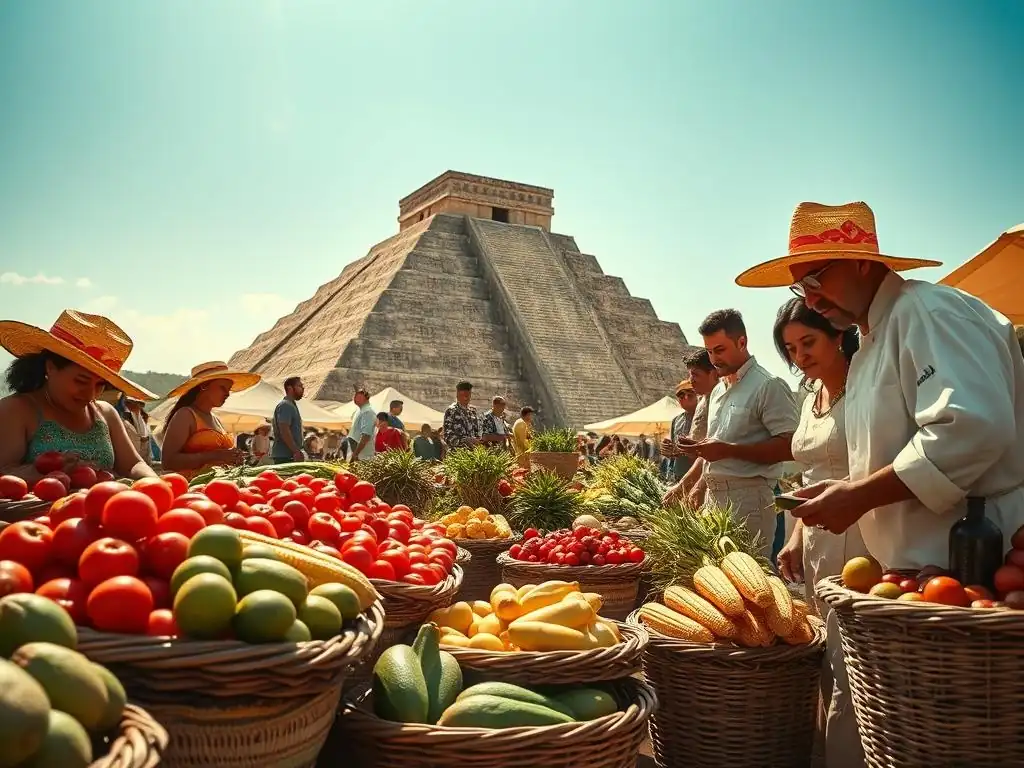
The farm-to-table movement has gained momentum in recent years, emphasizing local sourcing, sustainability, and the connection between consumers and food producers. This movement echoes many ancient agricultural practices, including those of the Aztecs, who cultivated their food within their environment and utilized local resources.
Principles of Farm-to-Table Inspired by Aztec Agriculture
Key principles of the farm-to-table movement that align with Aztec agricultural practices include:
- Sustainability: The Aztecs practiced resource conservation and ecological balance, principles that modern farm-to-table advocates uphold by promoting sustainable farming techniques.
- Local Sourcing: Just as the Aztecs relied on local ingredients, the farm-to-table movement emphasizes the importance of sourcing food from local farmers, reducing carbon footprints, and supporting community economies.
- Seasonality: The Aztecs grew crops based on seasonal rhythms, a practice mirrored in the farm-to-table ethos, which encourages consumers to eat foods that are in season and locally available.
By integrating these principles, the farm-to-table movement not only honors indigenous practices but also fosters a more sustainable food system.
Restaurants Embracing Aztec-Inspired Dishes
Numerous restaurants across the globe are drawing inspiration from Aztec agriculture to create unique dishes that celebrate indigenous flavors and ingredients. These establishments often focus on sourcing local and organic produce, aligning their culinary practices with the essence of the farm-to-table movement.
Some notable examples include:
- Tacos with Local Ingredients: Many restaurants are crafting tacos featuring heirloom corn tortillas filled with seasonal vegetables, beans, and herbs that reflect the Aztec agricultural tradition.
- Chinampa-Inspired Dishes: Some chefs are incorporating ingredients that mirror the biodiversity of chinampas, using various herbs and vegetables that flourish in similar ecological settings.
- Farm-to-Table Menus: Restaurants committed to sustainability highlight dishes that honor the principles of Aztec agriculture, showcasing locally sourced ingredients and traditional cooking methods.
These culinary innovations not only pay homage to the rich agricultural heritage of the Aztecs but also contribute to a broader understanding of the importance of indigenous practices in contemporary food culture. By revisiting these techniques, chefs and restaurateurs are fostering a deeper connection between consumers and the land, ensuring that the influence of Aztec agriculture endures in the modern culinary landscape.
The Impact of Aztec Agriculture on Modern Ingredients
The agricultural practices developed by the Aztecs have left a profound impact on modern cuisine, particularly in the context of the farm-to-table movement. By cultivating a diverse range of crops and utilizing innovative farming techniques, the Aztecs set the foundation for sustainable agricultural practices that resonate with contemporary values. Their emphasis on biodiversity and local sourcing aligns perfectly with the ethos of the farm-to-table movement, which champions the use of seasonal, locally grown ingredients.
Aztec agriculture introduced an array of fruits, vegetables, and herbs that remain staples in today’s kitchens. The cultivation of crops such as maize, beans, and squash—commonly referred to as the "Three Sisters"—not only provided a balanced diet for the Aztecs but also established a model for companion planting, which enhances soil health and pest resistance. These practices have since influenced modern organic farming and permaculture, emphasizing the importance of ecological balance and sustainable food systems.
Essential Ingredients Derived from Aztec Farming
The Aztecs cultivated numerous ingredients that continue to play a vital role in contemporary cooking. Some of the essential ingredients derived from Aztec farming include:
- Maize (Corn): Central to Aztec diet and culture, maize is now a key ingredient in many dishes worldwide. Its versatility allows it to be used in tortillas, tamales, and various baked goods.
- Beans: A vital protein source for the Aztecs, beans are still celebrated for their nutritional benefits and are a staple in vegetarian and vegan diets today.
- Squash: This versatile vegetable, which includes varieties like zucchini and pumpkin, was widely grown by the Aztecs and is now a popular ingredient in many cuisines.
- Chili Peppers: Integral to Aztec cooking, chili peppers add flavor and heat to countless dishes. They are now a cornerstone of many culinary traditions, particularly in Latin America.
- Tomatoes: Originally cultivated by the Aztecs, tomatoes are now one of the most widely used fruits in the world, found in everything from sauces to salads.
These ingredients not only enrich modern culinary practices but also serve as a reminder of the sophisticated agricultural systems established by the Aztecs, reflecting their deep connection to the land.
Health Benefits of Traditional Aztec Foods

Traditional Aztec foods offer a multitude of health benefits that are increasingly recognized in today’s nutrition-conscious society. Their diet, rich in whole foods and plant-based ingredients, promotes overall well-being. Key health benefits include:
- High Nutritional Value: Aztec staples such as beans, maize, and squash provide essential vitamins, minerals, and fiber, contributing to a balanced diet.
- Plant-Based Proteins: The inclusion of legumes and grains offers plant-based protein options, which are vital for those seeking to reduce meat consumption without sacrificing nutritional needs.
- Antioxidant Properties: Ingredients like tomatoes and chili peppers are rich in antioxidants, which help combat oxidative stress and reduce the risk of chronic diseases.
- Culinary Diversity: The variety of foods in the Aztec diet promotes a diverse intake of nutrients, supporting gut health and overall digestion.
As modern consumers increasingly seek to incorporate healthful, whole foods into their diets, the traditional practices of Aztec agriculture provide a valuable blueprint for nutritional wellness.
Conclusion: Embracing the Wisdom of the Ancients
The influence of Aztec agriculture on today's farm-to-table movement is a testament to the enduring legacy of indigenous practices. By prioritizing sustainability, biodiversity, and health, contemporary chefs and consumers alike can draw inspiration from the ancient wisdom of the Aztecs. As we embrace these time-honored agricultural techniques and ingredients, we not only preserve cultural heritage but also enhance our culinary experiences and promote healthier eating habits.
The integration of Aztec-inspired ingredients into modern dishes showcases the remarkable adaptability of these ancient practices, ensuring that their impact continues to resonate in our kitchens today. By honoring and incorporating the principles of Aztec agriculture, we foster a deeper connection to our food sources and the land, paving the way for a more sustainable culinary future.
Further Reading and Resources
For those interested in delving deeper into the rich history and impact of Aztec agriculture on contemporary practices, a variety of resources are available. These materials encompass academic texts, documentaries, and online platforms that offer comprehensive insights into Aztec agricultural techniques, their sustainable practices, and their relevance in today's farm-to-table movement.
Books
-
"The Aztec Economy" by Arthur A. Demarest
This book provides an in-depth analysis of the economic structures of the Aztec civilization, including their agricultural practices and how these systems contributed to societal stability and growth. It highlights the role of agriculture in urban planning and social organization.
-
"Food and the Status Quest: An Interdisciplinary Perspective on Food and Society" by Brian Wansink and others
This interdisciplinary work explores the sociocultural dimensions of food, linking historical practices, such as those of the Aztecs, with modern culinary trends, including the farm-to-table movement.
Documentaries
-
"The Last Days of the Aztecs"
This documentary provides a vivid portrayal of the Aztec civilization, focusing on their agricultural innovations and how these practices sustained their vast empire. It also discusses how these ancient methods are being revived in modern agriculture.
-
"The Secrets of the Maya"
While primarily focused on the Maya civilization, this documentary offers insights into Mesoamerican agricultural practices, including techniques that were also adopted by the Aztecs, emphasizing the importance of crop diversity and sustainable farming.
Online Resources
-
The Aztec Agriculture and Food Systems (Online Course)
This educational course, available through various platforms, covers the agricultural systems of the Aztecs, including their crop varieties, farming methods, and the societal implications of their food systems.
-
Culinary Traditions of Indigenous Peoples (Website)
This resource provides articles, recipes, and videos that explore traditional indigenous foods, including those of the Aztecs, and their influence on contemporary culinary practices, particularly within the farm-to-table movement.
Academic Journals
-
Journal of Ethnobiology
Articles in this journal often focus on traditional agricultural practices among indigenous cultures, including the Aztecs, examining their relevance for sustainable agriculture today.
-
Agricultural History
This journal publishes papers that explore historical agricultural practices, including those of the Aztecs, and analyzes their lasting impact on modern agricultural techniques.
By exploring these resources, readers can gain a deeper understanding of how Aztec agricultural practices not only shaped their society but continue to influence current sustainable farming initiatives and the broader farm-to-table movement.
- Introduction to Aztec Agriculture and Its Legacy
- Understanding Aztec Agriculture Impact Today
- Key Aztec Agricultural Techniques Influencing Modern Practices
- The Farm-to-Table Movement: A Rebirth of Indigenous Practices
- The Impact of Aztec Agriculture on Modern Ingredients
- Essential Ingredients Derived from Aztec Farming
- Health Benefits of Traditional Aztec Foods
- Conclusion: Embracing the Wisdom of the Ancients
- Further Reading and Resources
Frequently Asked Questions
What was the significance of Aztec agriculture?
Aztec agriculture introduced innovative farming techniques such as chinampas, which allowed for highly productive farming in limited spaces, significantly impacting sustainable practices today.
How did Aztec agricultural practices influence modern farming?
The Aztecs employed crop rotation and intercropping, principles that are now foundational in organic farming and the farm-to-table movement, promoting ecological balance and food diversity.
What are chinampas and their relevance today?
Chinampas are floating gardens created by the Aztecs, which are being studied for their potential to create sustainable urban agriculture in modern cities facing food scarcity.
How does the farm-to-table movement relate to Aztec agriculture?
The farm-to-table movement emphasizes fresh, local produce, echoing Aztec practices of sourcing food from nearby farms, thus reinforcing the importance of community-supported agriculture.
What lasting impacts did Aztec agriculture have on contemporary diets?
Aztec agriculture introduced staples like corn, beans, and squash, which remain essential components of many diets, influencing nutritional choices and agricultural diversity today.
Final Reflection: The Enduring Legacy of Aztec Agriculture in Today's Farm-to-Table Movement
The principles of Aztec agriculture resonate profoundly in our contemporary food systems, highlighting the importance of sustainability and local sourcing. As we navigate the complexities of modern agriculture, the wisdom of ancient practices reminds us that our relationship with food is not just about consumption but also about stewardship of the land and community. The impact of Aztec agriculture today is a testament to the enduring relevance of these time-honored techniques, which continue to inspire the farm-to-table movement.
The influence of Aztec agricultural practices can be seen in the growing emphasis on biodiversity, permaculture, and sustainable farming methods that prioritize the health of our ecosystems. These ancient techniques, such as the use of chinampas, have paved the way for innovative approaches to farming that are both environmentally friendly and culturally significant.
As we embrace these practices, we are reminded of the words of food activist Alice Waters: > “The best way to connect with the earth is to grow your own food.” This connection fosters a deeper appreciation for the origins of our meals and the communities that cultivate them.
As we reflect on the lessons from Aztec agriculture, let us commit to nurturing our own relationships with food and the environment. Consider how you can integrate these principles into your life—whether by supporting local farmers, growing your own herbs, or simply being more mindful of where your food comes from. The journey towards a more sustainable and connected food system begins with each of us, and by honoring the legacy of Aztec agriculture, we can cultivate a future that respects both our heritage and the planet.
Embrace the Roots of Farm-to-Table: Act Now!
Thank you for taking the time to explore the fascinating connections between ancient agricultural practices and today's farm-to-table movement. You've uncovered the richness of historical methods and their relevance in our modern approach to food. Now, it’s time to put that knowledge into action!
Here’s how you can dive deeper and contribute to a sustainable future:
- Start sourcing local produce: Visit your local farmers’ market or farm co-op to find fresh, seasonal ingredients. This not only supports local agriculture but also helps reduce your carbon footprint.
- Explore traditional dishes: Incorporate unique ingredients, such as amaranth, chia, or nopales, into your meals for a delicious and culturally enriching experience.
- Spread the word: Share your insights and favorite local farms on social media, or discuss them with friends and family to inspire others to join the farm-to-table movement.
What new ingredient or local farm will you explore next to connect with the rich traditions of our ancestors?