
Spiritual Practitioners: The Diverse Roles of Religion in Daily Life

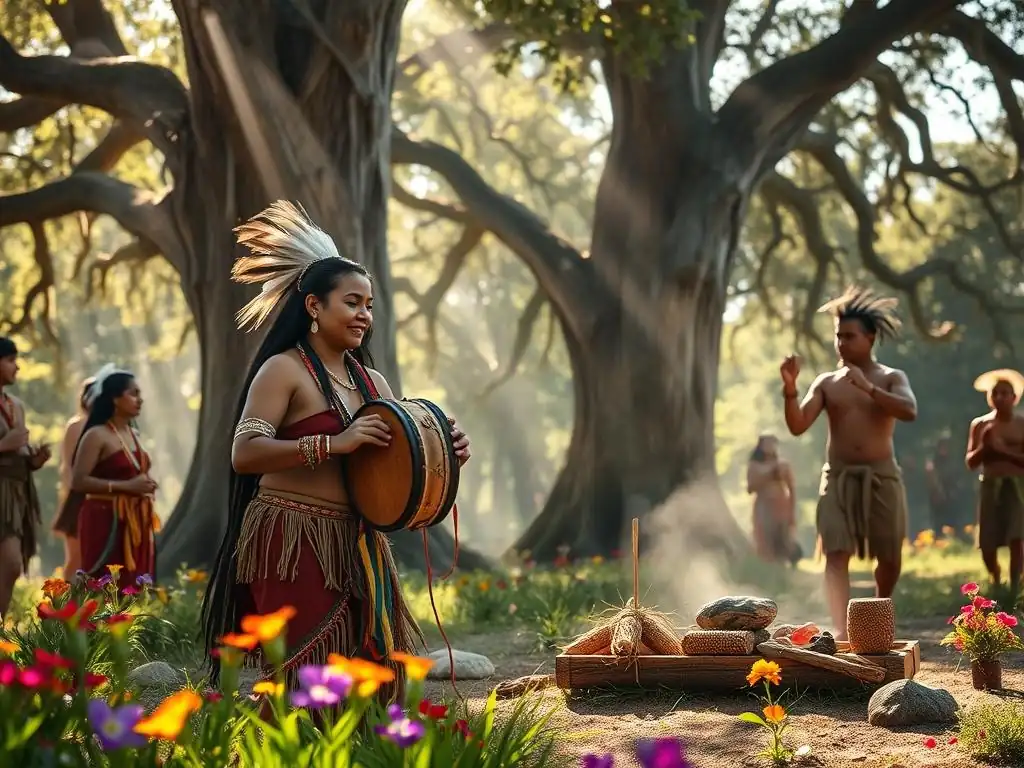
Welcome to Indigenous Civilizations of the Americas, where we invite you to journey through the rich tapestry of cultures that flourished long before European contact. In our featured article, "Spiritual Practitioners: The Diverse Roles of Religion in Daily Life," we delve into the profound significance of indigenous spiritual practices in the Americas. Discover how these beliefs shaped daily existence, influenced community structures, and continue to resonate in contemporary societies. Prepare to be captivated by the stories of resilience and wisdom that echo through time—your exploration of this vibrant heritage begins here!
Introduction to Indigenous Spiritual Practices in the Americas
The spiritual practices of indigenous peoples in the Americas are rich tapestries woven from centuries of tradition, belief, and cultural expression. Long before European colonization, these diverse cultures developed intricate systems of spirituality that permeated every aspect of daily life. From the revered connection to the land and nature to the honoring of ancestors, indigenous spiritual practices served as guidelines for social behavior, community cohesion, and personal identity. Understanding these practices is crucial not only for appreciating the depth of indigenous cultures but also for recognizing their lasting impact on contemporary society.
Importance of Spirituality in Indigenous Cultures
Indigenous spirituality in the Americas is often characterized by its profound connection to the environment and the universe. Spiritual beliefs are not merely abstract concepts but are deeply interwoven with the natural world. This symbiotic relationship fosters a sense of responsibility toward the earth and its resources.
- Holistic Approach: Indigenous cultures view spirituality as an integral part of life, influencing everything from governance to agriculture.
- Community and Identity: Spiritual practices strengthen community bonds and provide a shared sense of identity among members.
- Rituals and Ceremonies: Regular rituals and ceremonies mark important life transitions and seasonal changes, reinforcing cultural values and traditions.
Overview of the Role of Religion in Daily Life
Religion among indigenous peoples is not confined to formal worship; it is a daily practice that shapes interactions, decisions, and lifestyles.
- Guiding Principles: Spiritual beliefs often dictate ethical norms and social responsibilities, guiding individuals in their relationships with others and the environment.
- Healing Practices: Many indigenous cultures incorporate spiritual healing practices, where shamans or spiritual leaders play vital roles in health and wellness.
- Cultural Expression: Art, music, and storytelling serve as mediums to convey spiritual teachings and preserve cultural heritage.
Historical Context of Indigenous Spiritual Practices
To fully appreciate the role of spirituality in indigenous life, it is essential to explore the historical contexts that shaped these practices.
Pre-Colonial Religious Systems
Prior to European contact, indigenous groups across the Americas developed complex religious systems that were unique to their environments and lifestyles.
- Polytheism and Ancestor Worship: Many cultures practiced polytheism, worshipping a pantheon of gods associated with natural elements, agriculture, and daily survival.
- Rituals and Festivals: Seasonal festivals celebrated agricultural cycles and honored deities, often involving communal participation and elaborate rituals.
Influence of Nature and Environment on Spiritual Beliefs
The natural world profoundly influenced indigenous spiritual beliefs and practices.
- Sacred Landscapes: Many indigenous cultures regarded certain landscapes, rivers, mountains, and animals as sacred, integral to their spiritual identity.
- Sustainability and Respect: Spiritual beliefs often encompassed a deep respect for nature, emphasizing the interconnectedness of all living beings, which fostered sustainable practices.
In examining these multifaceted aspects of indigenous spiritual practices, we gain insight into how deeply intertwined these beliefs are with the identity, culture, and daily lives of indigenous peoples in the Americas. As we delve further into this topic, we will uncover specific examples and practices that illustrate the vibrant spiritual landscapes that existed long before colonization.
Types of Indigenous Spiritual Practitioners
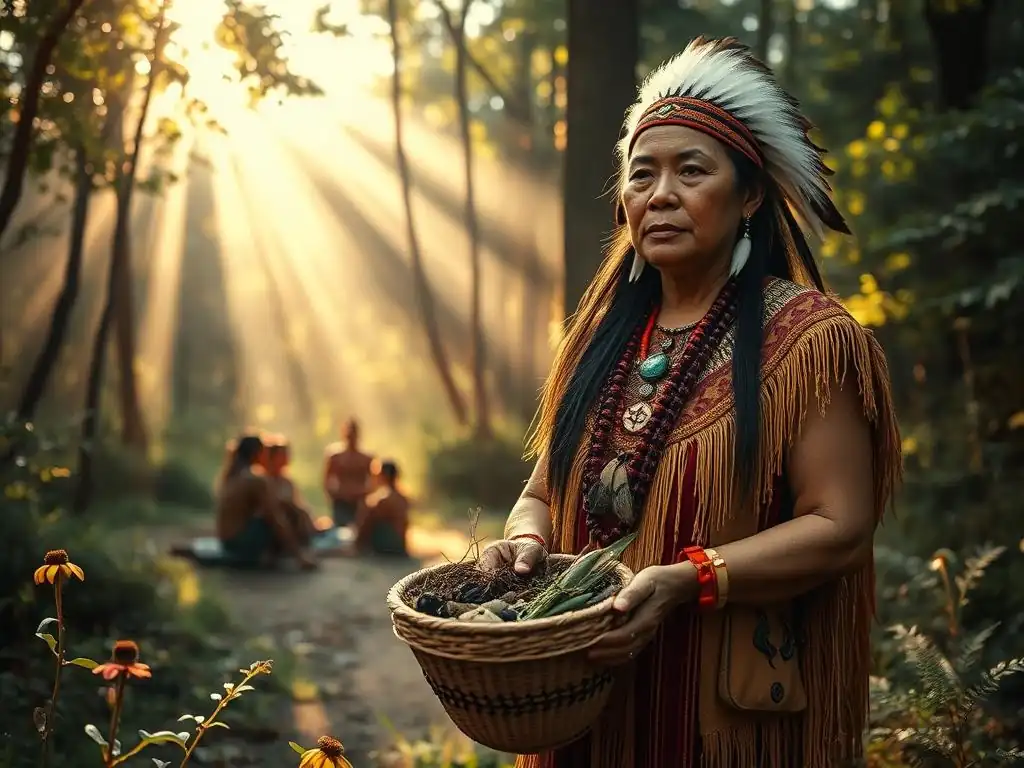
Indigenous spiritual practices in the Americas are deeply intertwined with the daily lives of various communities, manifesting through a range of practitioners who fulfill essential roles in maintaining cultural traditions and spiritual beliefs. These practitioners often serve as mediators between the physical and spiritual worlds, guiding their communities through rituals, healing, and teachings. The primary types of spiritual practitioners include shamans, priests, and elders, each with unique responsibilities and significance within their societies.
Shamans and Their Healing Roles
Shamans hold a pivotal position in many indigenous cultures across the Americas, often regarded as healers and spiritual intermediaries. Their roles extend beyond mere medical practices; they engage in spiritual healing, which encompasses the mind, body, and spirit. Through rituals, shamans diagnose ailments believed to arise from spiritual imbalances or malevolent forces. They utilize a combination of herbal remedies, sacred chants, and trance-inducing techniques to connect with the spirit world.
Shamanic practices can vary widely among different cultures. For instance, the Inuits may employ drum rhythms to enter altered states of consciousness, while the Amazonian tribes might use ayahuasca—a psychoactive brew—to facilitate healing and gain insights. These healing sessions are not only about restoring health but also about reinforcing community bonds and cultural identity, as they often involve communal participation and collective healing processes.
Priests and Ceremonial Leaders
Priests and ceremonial leaders serve as the custodians of religious rituals and ceremonies within indigenous communities. They are often responsible for overseeing significant events such as harvest festivals, initiation rites, and seasonal celebrations. These leaders are typically chosen for their knowledge of rituals, oral traditions, and their ability to communicate with the divine.
In many cultures, priests perform specific rites that honor ancestral spirits or natural elements, such as the sun, moon, and earth. For example, among the Maya, priests would conduct elaborate ceremonies involving offerings and sacrifices to ensure agricultural fertility and social harmony. The role of the priest is not only to lead rituals but also to educate community members about the spiritual significance of these practices, reinforcing cultural continuity.
Elders as Spiritual Guides
Elders occupy a revered position in many indigenous societies, serving as spiritual guides and repositories of traditional knowledge. Their life experiences and wisdom make them invaluable in teaching younger generations about cultural values, spiritual beliefs, and the importance of maintaining a connection to their heritage. Elders often play a crucial role in decision-making processes, ensuring that the community adheres to its spiritual and ethical principles.
In addition to imparting knowledge, elders frequently facilitate rituals and ceremonies, sharing stories that illustrate moral lessons and the interconnectedness of life. They help foster a sense of identity and belonging within the community, as their teachings often emphasize respect for nature, ancestors, and the spirit world.
Rituals and Practices in Daily Life
Rituals and spiritual practices play an integral role in the daily lives of indigenous peoples across the Americas. These activities not only serve religious purposes but also strengthen community ties, instill a sense of identity, and connect individuals with their cultural heritage. The rituals can range from daily routines to elaborate seasonal celebrations, highlighting the diverse ways in which spirituality is woven into everyday life.
Daily Spiritual Routines Among Indigenous Peoples
For many indigenous communities, daily spiritual routines are essential for maintaining balance and harmony. These routines often include morning prayers, offerings to the spirits, or rituals that acknowledge the natural world. For instance, some tribes may begin each day with a ritualistic greeting to the sun, expressing gratitude for its life-giving energy.
These practices can also involve mindfulness activities, such as engaging with nature, practicing meditation, or performing small acts of kindness that reflect spiritual beliefs. Such daily rituals serve as reminders of the interconnectedness of all life and reinforce the values of respect and gratitude within the community.
Seasonal Ceremonies and Their Significance
Seasonal ceremonies are pivotal events that mark the changing cycles of nature and are often linked to agricultural practices, hunting, or fishing. These ceremonies serve multiple purposes, including celebrating harvests, honoring the spirits of the land, and reinforcing social bonds among community members.
For instance, the Powwow—a gathering of indigenous peoples across North America—features dances, music, and rituals that celebrate culture and heritage, often coinciding with seasonal changes. Similarly, the Pueblo tribes conduct ceremonies like the Corn Dance, which aligns with planting and harvesting cycles, reflecting their deep connection to the land and its rhythms.
The Role of Music and Dance in Spiritual Expression
Music and dance are vital forms of spiritual expression among indigenous peoples, acting as key components of rituals and ceremonies. These art forms serve not only as a means of communication with the spiritual realm but also as a way to convey stories, teachings, and cultural values.
Drumming, singing, and dancing are often integral to ceremonies, with specific rhythms and movements believed to invoke the presence of spirits or ancestors. For example, the Inuit use throat singing as a form of spiritual expression and connection to their heritage. Similarly, in many Native American cultures, dance is viewed as a way to honor the earth and the forces of nature, embodying the spiritual beliefs that permeate their daily lives.
Through these rituals, music, and dance, indigenous peoples articulate their spirituality, cultural identity, and community cohesion, ensuring that their traditions are preserved and celebrated across generations.
Indigenous spiritual practices have historically played a crucial role in shaping the community and social structures of various tribes across the Americas. Spirituality is interwoven with the cultural fabric, influencing relationships, social hierarchies, and community responsibilities. The teachings, rituals, and beliefs of indigenous spirituality promote a sense of belonging and identity, fostering unity among members. The shared experiences of ceremonies, festivals, and communal gatherings reinforce social bonds and nurture a collective consciousness that values cooperation and mutual support.
In many indigenous societies, spirituality is not merely a personal affair; it is a communal asset. Elders, shamans, and spiritual leaders often serve as custodians of knowledge, guiding the community through teachings that emphasize interconnectedness with nature, ancestors, and each other. This communal aspect of spirituality helps maintain social order and encourages individuals to contribute positively to the group, ensuring that the welfare of the community is prioritized over individual desires.
How Indigenous Spiritual Practices Foster Community Cohesion
Indigenous spiritual practices often serve as a foundation for community cohesion by promoting shared values and collective identity. Ceremonies such as potlatches, vision quests, and seasonal festivals not only celebrate cultural heritage but also reinforce social ties among participants. These practices create opportunities for members to engage with one another, fostering relationships that transcend familial or kinship lines.
Moreover, rituals that honor the earth, ancestors, and the spiritual world reinforce a sense of responsibility toward the community and the environment. For instance, the teachings of the Lakota people emphasize the interconnectedness of all beings, promoting respect and care for both human and non-human relatives. This holistic worldview encourages cooperation and shared stewardship of resources, which is crucial for the sustainability of the community.
Spirituality as a Tool for Conflict Resolution
Indigenous spiritual practices often include mechanisms for conflict resolution that prioritize harmony and understanding over punishment. Mediation by spiritual leaders or elders can facilitate dialogue, allowing conflicting parties to express their grievances within a sacred context. This approach emphasizes the importance of maintaining relationships and restoring balance, rather than seeking retribution.
For example, many indigenous cultures employ rituals that promote forgiveness and healing, allowing individuals to move beyond their grievances while fostering community solidarity. The use of storytelling and traditional teachings during these processes helps contextualize disputes and encourages a collective effort toward resolution, reinforcing the community's commitment to unity and peace.
The Role of Spirituality in Leadership and Governance
Spirituality significantly influences leadership and governance structures within indigenous communities. Leaders are often expected to embody the spiritual values of their people, serving as both political figures and spiritual guides. This dual role ensures that governance aligns with the community’s spiritual beliefs, fostering a sense of legitimacy and trust.
In many cultures, leaders are chosen based on their spiritual insight and ability to connect with the community on a deeper level. This integration of spirituality into leadership promotes a governance model that prioritizes consensus and communal well-being. Traditional councils, often comprised of elders and spiritual leaders, make decisions that reflect the collective will and spiritual teachings of the community, ensuring that governance remains rooted in indigenous values.
Adaptation and Resilience of Indigenous Spiritual Practices
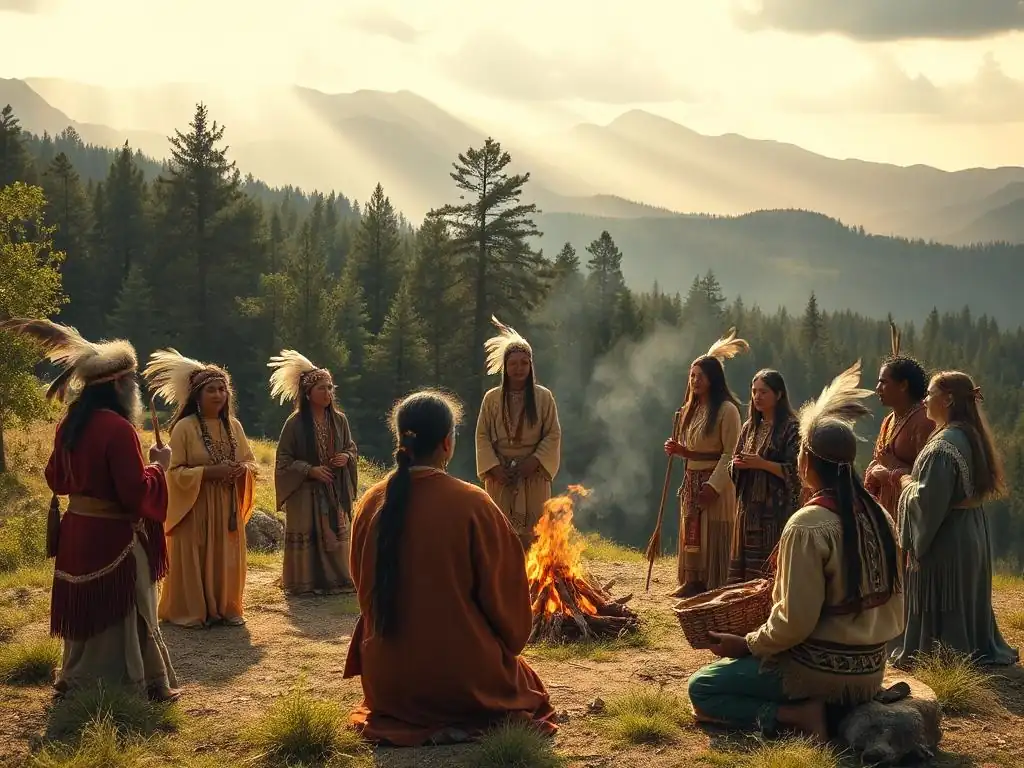
Indigenous spiritual practices have shown remarkable adaptability and resilience in the face of numerous challenges, including colonization, cultural assimilation, and globalization. This flexibility has allowed these traditions to evolve while retaining their core values and teachings.
Responses to Colonization and Cultural Change
In response to colonization, many indigenous communities adapted their spiritual practices to resist cultural erosion. This often involved integrating elements of Christianity or other imposed religions with traditional beliefs, creating hybrid forms of spirituality that allowed for survival while maintaining a connection to ancestral wisdom.
Additionally, many indigenous groups engaged in revitalization movements that sought to reclaim and reassert traditional spiritual practices. These movements often emphasize the importance of teaching younger generations about their cultural heritage and spiritual responsibilities, ensuring that indigenous knowledge continues to thrive despite external pressures.
Preservation of Traditional Spiritual Practices Today
Today, efforts to preserve traditional spiritual practices are ongoing. Many indigenous communities actively work to revitalize ceremonies, languages, and rituals that are at risk of being forgotten. This preservation is crucial not only for cultural identity but also for the spiritual health of the community.
Cultural centers, educational programs, and festivals celebrating indigenous spirituality are becoming more common, providing platforms for sharing and learning. These initiatives foster an environment where traditional practices can flourish and inspire younger generations to engage with their heritage meaningfully.
The Interplay Between Indigenous Spirituality and Modernity
The relationship between indigenous spirituality and modernity is complex, as many indigenous peoples navigate the challenges and opportunities presented by contemporary society. While globalization poses threats to traditional practices, it also offers avenues for revitalization and expression.
Social media and digital platforms enable indigenous communities to share their spiritual practices and stories with a broader audience, promoting awareness and appreciation of their rich cultural heritage. Furthermore, this visibility can empower indigenous peoples to advocate for their rights and the protection of their spiritual sites.
In this dynamic interplay, many indigenous communities are finding ways to blend traditional beliefs with modern practices, creating a unique synthesis that honors their past while engaging with the present. This resilience reflects the enduring significance of indigenous spiritual practices in the lives of many people across the Americas, ensuring that these traditions continue to thrive in a rapidly changing world.
Case Studies of Indigenous Spiritual Practitioners
Understanding the diverse roles of spiritual practitioners within indigenous cultures is essential to grasping how religion intertwined with daily life in the Americas. These practitioners not only served as religious leaders but also as healers, counselors, and community mediators. The following case studies highlight the unique approaches to spirituality among different indigenous groups and illustrate how these practices continue to shape identities and communities.
Case Study 1: The Navajo Nation and Their Healing Ceremonies
The Navajo Nation, located in the southwestern United States, showcases how spiritual practices are integral to cultural identity and community health. Central to Navajo spirituality are the Blessingway ceremonies, which are performed to promote health, harmony, and balance in life. These ceremonies often involve intricate rituals, including prayers, songs, and the use of sacred objects like sand paintings and corn pollen.
Navajo healers, known as singers, play a critical role in these ceremonies. They are tasked with invoking the powers of the Holy People, spiritual beings who guide and protect the Navajo. Healing ceremonies are employed not only for physical ailments but also to mend the spiritual and emotional wounds caused by life events, such as illness or loss.
This holistic approach to healing reflects the Navajo belief that wellness is a state of balance between the individual, their community, and the natural world. The ongoing practice of these ceremonies underscores the resilience of Navajo culture and spirituality, even amidst modern challenges.
Case Study 2: The Role of Spirituality in the Urban Indigenous Community of Toronto
In urban settings such as Toronto, indigenous spiritual practices have adapted to contemporary challenges while maintaining their core values. The urban indigenous community faces unique circumstances, including displacement and cultural fragmentation, yet spirituality remains a vital component of identity and community cohesion.
Ceremonies like sweat lodges and smudging rituals are commonly practiced among urban indigenous peoples. These practices provide spiritual cleansing and a sense of belonging. Moreover, organizations such as the Native Canadian Centre of Toronto offer spaces for cultural activities, including traditional storytelling, drum circles, and workshops that emphasize the importance of indigenous spirituality.
The blending of traditional beliefs with urban realities fosters a vibrant spiritual community that empowers individuals to reclaim their cultural identity. It highlights how spirituality can serve as a source of resilience, bridging the gap between past and present, and fostering connections among diverse indigenous groups in urban environments.
Conclusion: The Lasting Influence of Indigenous Spiritual Practices
Indigenous spiritual practices have profoundly influenced the cultural landscape of the Americas, shaping not only individual identities but also community dynamics. These practices reflect a deep connection to the land, ancestors, and the cosmos, offering frameworks for understanding one's place in the world.
Reflection on the Importance of Spirituality in Indigenous Identity
Spirituality is often seen as the backbone of indigenous identity. For many indigenous peoples, spiritual beliefs and practices are interwoven with their languages, traditions, and histories. They provide frameworks for understanding life events, instilling a sense of purpose and belonging in a rapidly changing world. The resilience of these practices underscores their importance in maintaining cultural continuity and fostering intergenerational connections.
Future of Indigenous Spiritual Practices in a Changing World
As indigenous communities navigate the complexities of modern life, the future of spiritual practices lies in their adaptability. Many practitioners innovate ways to incorporate traditional beliefs into contemporary contexts, ensuring that these practices remain relevant to younger generations. Efforts to revitalize indigenous languages, storytelling, and rituals are vital for preserving spiritual heritage.
In a world increasingly marked by globalization and cultural exchange, indigenous spiritual practices offer valuable insights into sustainable living and community well-being. Their continued evolution reflects not just survival but a thriving assertion of identity and resilience against the backdrop of colonization and modernization. By fostering understanding and respect for these practices, society can contribute to a more inclusive and harmonious future.
- Introduction to Indigenous Spiritual Practices in the Americas
- Importance of Spirituality in Indigenous Cultures
- Overview of the Role of Religion in Daily Life
- Historical Context of Indigenous Spiritual Practices
- Types of Indigenous Spiritual Practitioners
- Rituals and Practices in Daily Life
- The Impact of Spirituality on Community and Social Structure
- Adaptation and Resilience of Indigenous Spiritual Practices
- Case Studies of Indigenous Spiritual Practitioners
- Conclusion: The Lasting Influence of Indigenous Spiritual Practices
- What is the focus of the article "Spiritual Practitioners: The Diverse Roles of Religion in Daily Life"?
- How did indigenous spiritual practices affect community life in the Americas?
- What are some key achievements of indigenous civilizations before European colonization?
- How did these spiritual practices contribute to the identity of indigenous cultures?
- What lasting impacts do indigenous spiritual practices have today?
Frequently Asked Questions
What is the focus of the article "Spiritual Practitioners: The Diverse Roles of Religion in Daily Life"?
The article explores the varied roles of religion in the daily lives of indigenous communities, highlighting how spiritual practices influenced their social structures and cultural identities.
How did indigenous spiritual practices affect community life in the Americas?
Indigenous spiritual practices were integral to community life, shaping rituals, traditions, and social interactions that fostered cohesion and a shared sense of purpose among members.
What are some key achievements of indigenous civilizations before European colonization?
Indigenous civilizations achieved remarkable advancements in areas such as agriculture, architecture, and art, which were often intertwined with their spiritual beliefs and practices.
How did these spiritual practices contribute to the identity of indigenous cultures?
Spiritual practices were central to shaping the identity of indigenous cultures, providing frameworks for understanding the world, establishing moral codes, and reinforcing community bonds.
What lasting impacts do indigenous spiritual practices have today?
Today, many indigenous communities continue to honor their spiritual practices, which promote cultural heritage and influence contemporary discussions on identity, environmental stewardship, and social justice.
Final Reflection: Embracing the Diversity of Indigenous Spiritual Practices
The exploration of indigenous spiritual practices in the Americas reveals a profound connection between culture, identity, and daily life. Today, as we navigate an increasingly globalized world, the importance of recognizing and respecting these diverse spiritual traditions cannot be overstated. They serve as vital threads in the fabric of human experience, reminding us that spirituality is not a one-size-fits-all journey but a rich tapestry woven from countless beliefs and practices.
Cultural and social landscapes are continually shaped by the spiritual practices we embrace. Indigenous spiritualities, with their deep-rooted connections to nature and community, challenge us to rethink our relationship with the world around us. They invite us to honor the wisdom of the past while fostering a sense of belonging in the present. As the renowned author and activist Vine Deloria Jr. once said, The only thing that can save us is our own understanding of the world.
This understanding is enriched by the diverse spiritual practices that have thrived across the Americas, offering insights into sustainable living, communal harmony, and respect for the earth.
As we reflect on the lessons embedded in these indigenous spiritual practices, let us take a moment to consider how we can integrate these teachings into our own lives. I invite you to explore your spiritual path with an open heart and mind, embracing the diversity that surrounds you.
Whether through mindfulness, connection with nature, or community engagement, each of us has the power to cultivate a deeper understanding of our place in the world. By honoring and learning from the rich traditions of indigenous peoples, we can foster a more inclusive and compassionate society that celebrates the myriad ways in which spirituality enriches our daily lives.
Embrace Your Spiritual Journey Today!
Thank you for taking the time to explore the diverse roles that religion plays in daily life for spiritual practitioners. We hope you found valuable insights that resonate with your own spiritual path. Now, it’s time to take that inspiration and put it into action!
Here are some ways you can deepen your spiritual practice and connect with your community:
- Join a local spiritual group or workshop to expand your understanding and meet like-minded individuals.
- Engage in meaningful discussions with friends or family about spirituality and the practices that enrich your life.
- Discover an unfamiliar tradition by reading literature or attending events that introduce you to various spiritual practices from different cultures.
What is one new spiritual practice you're excited to incorporate into your daily routine? We invite you to share your thoughts with us below!