
Building Bridges: Collaborations Between Indigenous and NonIndigenous Communities

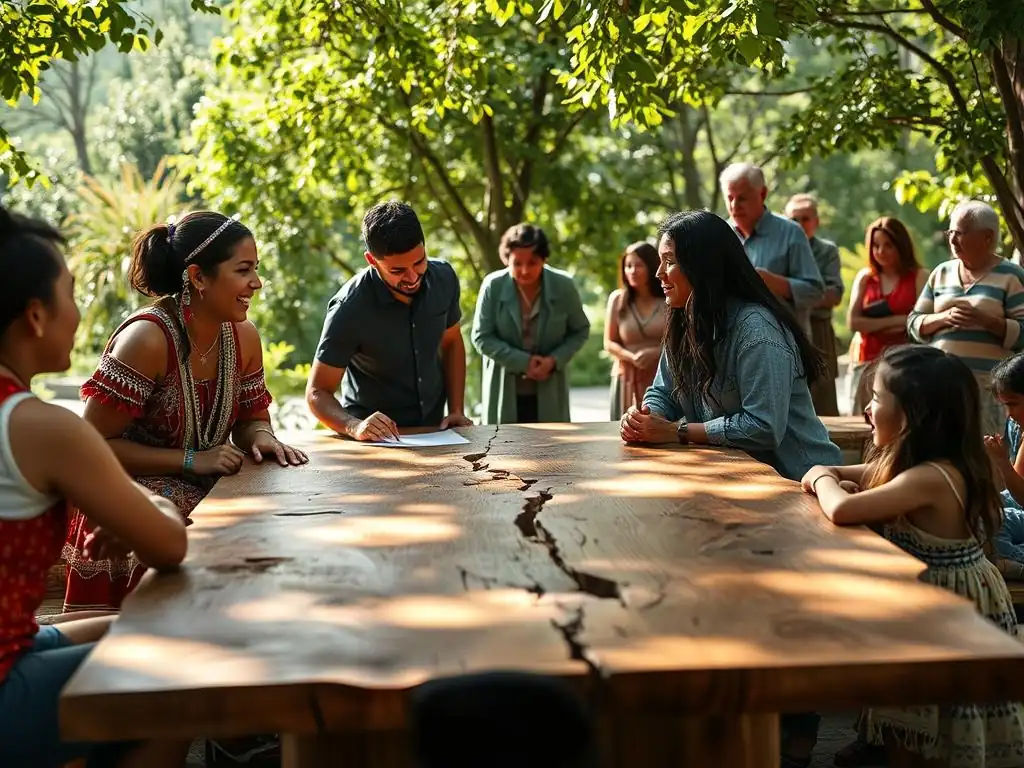
Welcome to Indigenous Civilizations of the Americas! Here, we invite you to embark on a profound journey into the rich tapestry of cultures that flourished across the Americas long before the arrival of Europeans. In our featured article, "Building Bridges: Collaborations Between Indigenous and Non-Indigenous Communities," we delve into the transformative partnerships that continue to shape our understanding of history and culture.
Discover how these collaborations not only honor the legacy of indigenous societies but also pave the way for a more inclusive future. Are you ready to explore the powerful stories of resilience and unity that echo through time? Your adventure begins now!
- Introduction to Indigenous Non-Indigenous Collaborations
- Historical Context of Indigenous Non-Indigenous Collaborations
- Current Collaborations: Indigenous and Non-Indigenous Communities
- Benefits of Indigenous Non-Indigenous Collaborations
- Challenges Faced in Collaborative Efforts
- Strategies for Successful Indigenous Non-Indigenous Collaborations
- Future Directions for Indigenous Non-Indigenous Collaborations
- Conclusion: The Path Forward for Indigenous Non-Indigenous Collaborations
- Additional Resources on Indigenous Non-Indigenous Collaborations
-
Frequently Asked Questions
- What are the main focuses of the website "Indigenous Civilizations of the Americas"?
- How do Indigenous and non-Indigenous collaborations benefit communities?
- Why is it important to explore Indigenous cultures before colonization?
- What types of collaborations are highlighted on the website?
- How can individuals support Indigenous and non-Indigenous collaborations?
- Final Reflection: The Power of Indigenous Non-Indigenous Collaborations
- Forge New Connections Today!
Introduction to Indigenous Non-Indigenous Collaborations
In recent years, the recognition of Indigenous non-Indigenous collaborations has gained momentum as a pivotal approach for fostering understanding, respect, and shared goals between diverse communities. These collaborations not only highlight the rich history and cultural heritage of Indigenous peoples but also emphasize the importance of working together to address common challenges.
By building bridges between Indigenous and non-Indigenous communities, we can create pathways for dialogue, exchange, and mutual support, ultimately leading to a more inclusive society. This article delves into the dynamics of these collaborations, exploring their significance in preserving Indigenous cultures and promoting community initiatives that honor and respect the contributions of all stakeholders involved.
Overview of Indigenous and Non-Indigenous Relationships
The relationships between Indigenous and non-Indigenous communities have been complex and often fraught with historical tensions. For centuries, colonization has significantly impacted Indigenous societies, leading to loss of land, resources, and cultural practices. However, in recent decades, there has been a growing movement toward reconciliation and partnerships, driven by a desire for equitable and respectful relationships.
Key Historical Context
- Colonial Impact: The arrival of European settlers disrupted Indigenous ways of life, resulting in displacement and cultural erosion.
- Modern Reconciliation: Initiatives aimed at acknowledging historical injustices have emerged, fostering dialogue and collaboration.
- Shared Goals: Many contemporary efforts focus on issues such as environmental conservation, cultural preservation, and social justice, which resonate with both Indigenous and non-Indigenous communities.
Through these collaborations, both communities can learn from each other’s experiences and knowledge systems, creating a more robust framework for addressing contemporary challenges.
The Importance of Collaborative Efforts in Community Preservation
Collaborative efforts between Indigenous and non-Indigenous communities are crucial for several reasons, particularly in the context of community preservation. These initiatives serve as a platform for sharing knowledge, resources, and cultural practices, ultimately benefiting both parties involved.
Benefits of Collaboration
- Cultural Exchange: Joint efforts allow for the exchange of traditions and practices, enriching the cultural tapestry of both communities.
- Shared Resources: By pooling resources, communities can undertake larger projects that may not be feasible individually, such as land restoration or educational programs.
- Empowerment: Collaborative initiatives often empower Indigenous voices, ensuring they are central to discussions and decisions that affect their communities.
- Building Trust: These partnerships foster trust and understanding, crucial for long-term relationships and community resilience.
The importance of Indigenous non-Indigenous collaborations cannot be overstated. By working together, communities can not only address contemporary issues but also honor and preserve the rich heritage of Indigenous cultures for future generations.
Historical Context of Indigenous Non-Indigenous Collaborations
Early Interactions Between Indigenous Communities and Settlers
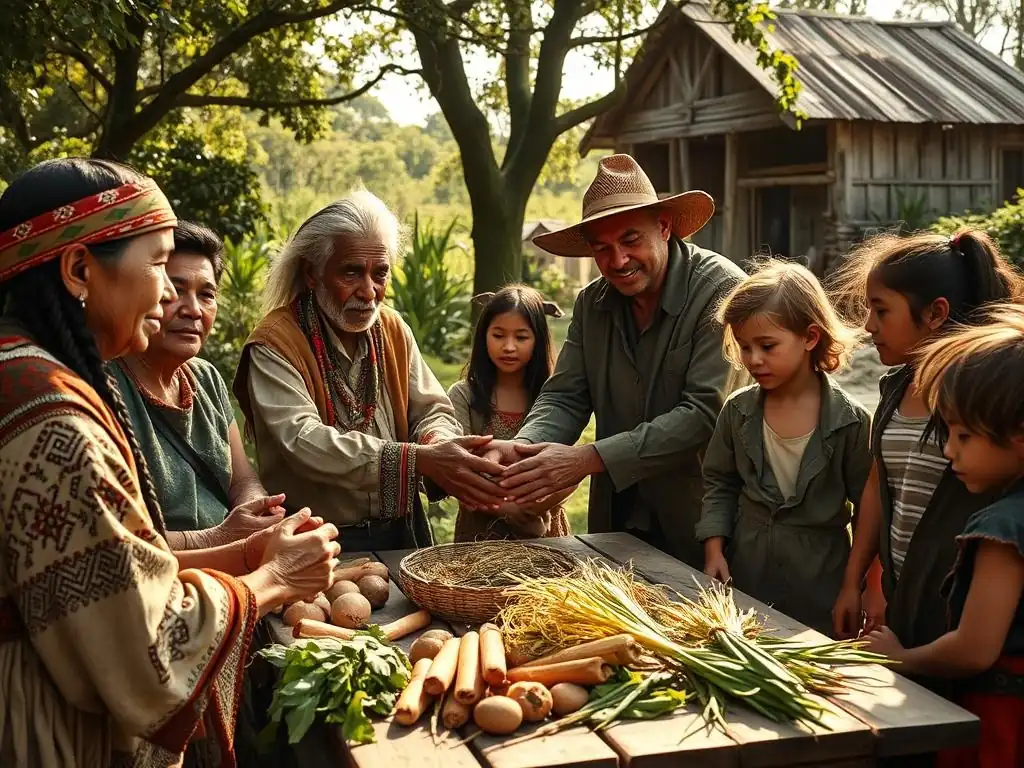
The history of Indigenous non-Indigenous collaborations dates back to the initial encounters between Indigenous communities and European settlers. These interactions were complex and varied, often characterized by a mixture of cooperation, misunderstanding, and conflict. Understanding these early interactions is crucial as they laid the groundwork for future collaborations and shaped the dynamics of Indigenous and non-Indigenous relationships.
- Trade and Exchange: One of the earliest forms of collaboration was through trade. Indigenous peoples had established extensive trade networks long before the arrival of Europeans. When settlers arrived, they sought access to local resources, leading to the exchange of goods such as furs, metals, and agricultural products. This exchange was mutually beneficial; Indigenous communities gained access to European technologies and goods, while settlers relied on Indigenous knowledge of the land.
- Cultural Exchange: These initial encounters also fostered a cultural exchange. Indigenous knowledge about local flora and fauna significantly contributed to the survival of settlers in unfamiliar environments. For instance, the introduction of maize and other crops from Indigenous agriculture to European diets has had lasting effects on global food systems.
- Alliances and Conflicts: While some early interactions were cooperative, they were often fraught with tension. Indigenous groups sometimes formed alliances with European powers to strengthen their positions against rival tribes. However, these alliances could lead to conflicts over land and resources, altering the traditional ways of life for many Indigenous communities.
Notable Historical Collaborations and Their Impact
Throughout history, there have been several notable collaborations between Indigenous and non-Indigenous communities that have had lasting impacts on society, culture, and policy.
- The Iroquois Confederacy and European Diplomacy: The Iroquois Confederacy, with its sophisticated governance system, played a pivotal role in shaping early American diplomacy. Their political framework influenced both British and American leaders. The Iroquois were able to negotiate treaties that recognized their sovereignty, setting a precedent for future Indigenous-non-Indigenous relations.
- Missionary Work and Education: In the 19th century, various missionary groups aimed to convert Indigenous peoples to Christianity. While this often led to cultural assimilation, some missions also established schools that educated Indigenous youth. These institutions sometimes provided access to literacy and new skills, enabling Indigenous individuals to engage more effectively in both Indigenous and non-Indigenous spheres.
- Land Treaties and Land Use: Agreements such as the Treaty of Fort Laramie in 1851 exemplified early formal collaborations. While many treaties were subsequently violated, they initially represented a legal acknowledgment of Indigenous land rights. The ongoing discussions about land use and rights continue to influence modern collaborations, as Indigenous communities advocate for the respect and enforcement of these historical agreements.
- Environmental Stewardship Initiatives: In contemporary times, there has been a resurgence of collaboration focused on environmental preservation. Indigenous ecological knowledge is increasingly recognized for its value in managing natural resources sustainably. Initiatives that combine traditional practices with modern conservation efforts have shown promise in addressing issues such as climate change and biodiversity loss.
The historical context of Indigenous non-Indigenous collaborations provides critical insights into the complexities of these relationships. By acknowledging both the challenges and successes of past interactions, communities today can work towards building respectful and equitable partnerships that honor the contributions of Indigenous cultures.
Current Collaborations: Indigenous and Non-Indigenous Communities
The landscape of Indigenous non-Indigenous collaborations has evolved significantly over the past few decades, highlighting the importance of mutual respect and shared goals between these communities. Current collaborations focus on addressing historical injustices, promoting sustainability, and enhancing cultural understanding. These partnerships recognize the unique perspectives and knowledge systems of Indigenous peoples, ensuring that their voices are integral to decision-making processes.
As we delve into these collaborations, it's essential to recognize their impact on fostering resilience, building trust, and creating pathways for dialogue. The following sections explore exemplary initiatives that showcase the power of collaboration across diverse regions.
Examples of Successful Collaborations in Various Regions
- North America: The Blackfeet Nation and Conservation Organizations
- The Blackfeet Nation in Montana has partnered with various conservation organizations to restore and manage the land surrounding Glacier National Park. These collaborations focus on preserving traditional ecological knowledge while implementing modern conservation practices.
- South America: The Ashaninka and NGOs
- In the Amazon, the Ashaninka people have worked with non-governmental organizations to combat deforestation and promote sustainable agriculture. This partnership has led to the establishment of agroforestry systems that benefit both the community and the environment.
- Australia: Aboriginal Land Councils and Government Agencies
- Indigenous land councils in Australia have collaborated with government agencies to develop land management plans that incorporate traditional land stewardship practices. This approach not only respects Indigenous rights but also enhances biodiversity conservation efforts.
- Canada: Inuit Communities and Scientific Research
- Inuit communities have engaged with scientists to study climate change's effects on the Arctic. These collaborations ensure that Indigenous knowledge informs research, leading to more effective adaptation strategies.
Key Areas of Focus in Collaborative Projects
Environmental Conservation Initiatives
Environmental conservation initiatives form a cornerstone of many Indigenous non-Indigenous collaborations. These projects often prioritize sustainable land management practices that draw on the traditional ecological knowledge of Indigenous peoples. Key aspects include:
- Biodiversity Preservation: Collaborations often focus on protecting endangered species and their habitats by integrating Indigenous knowledge systems into conservation strategies.
- Restoration Projects: Communities work together on initiatives that restore ecosystems, such as reforestation and wetland rehabilitation, using culturally relevant practices.
- Climate Resilience: Many projects aim to enhance resilience to climate change by combining scientific research with Indigenous practices, leading to innovative solutions tailored to local contexts.
Cultural Exchange Programs
Cultural exchange programs play a vital role in fostering understanding and respect between Indigenous and non-Indigenous communities. These initiatives often include:
- Art and Language Workshops: Programs that promote Indigenous art forms and languages help preserve cultural heritage while educating non-Indigenous participants about Indigenous histories and perspectives.
- Storytelling and Oral Histories: Collaborative storytelling projects allow Indigenous elders to share their narratives, enriching the cultural fabric of the community and fostering intergenerational dialogue.
- Festivals and Celebrations: Joint cultural events celebrate Indigenous traditions and invite non-Indigenous communities to participate, creating opportunities for shared experiences and learning.
Economic Development Partnerships
Economic development partnerships are crucial for empowering Indigenous communities while fostering mutual benefit. Key elements include:
- Joint Ventures: Collaborations that create businesses, such as eco-tourism or crafts, enable Indigenous communities to generate income while promoting their cultural heritage.
- Capacity Building: Many initiatives focus on providing training and resources to enhance the skills of Indigenous community members, ensuring they can actively participate in economic opportunities.
- Land Use Agreements: Collaborations often result in agreements that allow Indigenous peoples to manage resources sustainably while sharing profits with non-Indigenous partners, benefiting both parties.
These collaborations exemplify the potential for building bridges between Indigenous and non-Indigenous communities, fostering mutual respect and understanding while addressing pressing social and environmental challenges. Through shared initiatives, these partnerships not only honor Indigenous heritage but also pave the way for a more inclusive and equitable future.
Benefits of Indigenous Non-Indigenous Collaborations
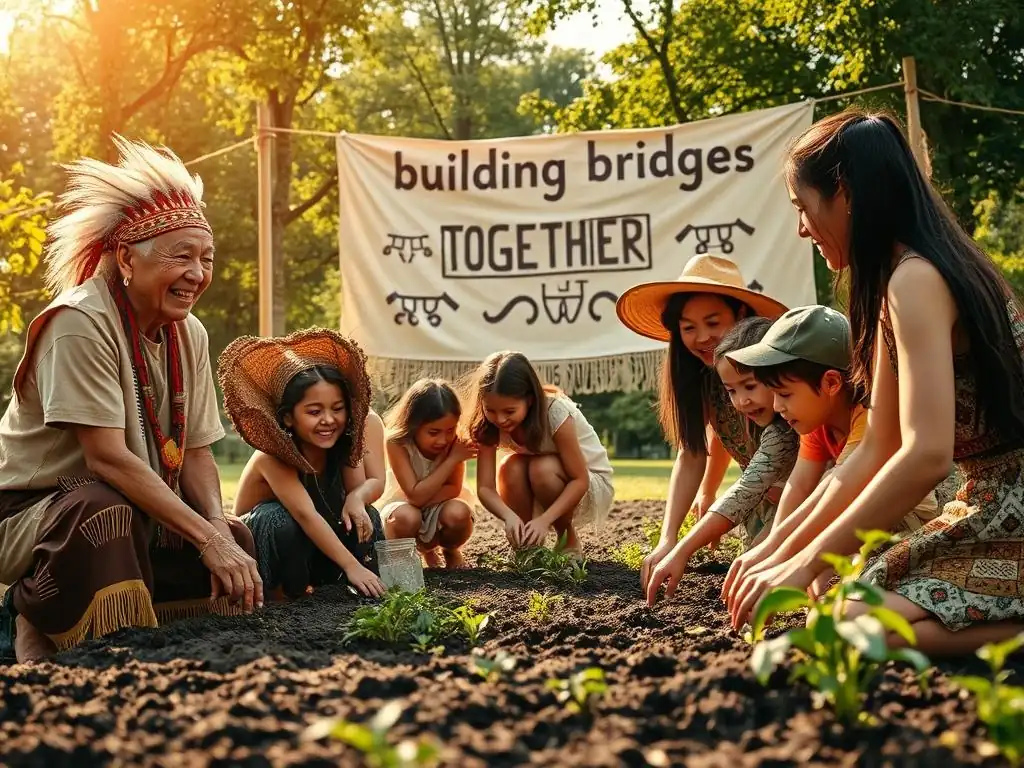
Indigenous non-Indigenous collaborations represent a vital avenue for fostering mutual respect, understanding, and support between diverse cultural groups. These partnerships not only aim to address historical injustices but also create a platform for meaningful dialogue and shared growth. Below, we explore the multifaceted benefits of these collaborations.
Strengthening Community Bonds
One of the most significant benefits of Indigenous non-Indigenous collaborations is the enhancement of community bonds. By working together on shared goals, both groups can develop a deeper sense of trust and camaraderie.
- Trust Building: Active engagement in projects promotes transparency and accountability, allowing each community to see the other's commitment to shared objectives.
- Community Engagement: Collaborative initiatives often lead to increased participation from both Indigenous and non-Indigenous individuals, fostering a sense of belonging and community pride.
- Shared Celebrations: Joint events, such as cultural festivals or community service days, can create opportunities for bonding and celebrating the unique contributions of each culture.
Collaborative efforts in community-building activities can result in stronger, more resilient communities that are well-equipped to face challenges together.
Indigenous non-Indigenous collaborations facilitate the exchange of valuable knowledge and resources, which can lead to innovative solutions to common challenges.
- Cultural Exchange: Indigenous communities often have deep-rooted knowledge of local ecosystems, traditional practices, and sustainable methods. When shared with non-Indigenous partners, this knowledge can enhance environmental stewardship and sustainability efforts.
- Resource Sharing: Collaborations can lead to the pooling of resources, such as funding, training, and facilities, which can amplify the impact of community initiatives. For instance, educational programs can benefit from the expertise of both Indigenous elders and non-Indigenous educators.
- Skill Development: Through workshops and joint projects, members of both communities can learn from one another, gaining new skills that enhance their personal and professional development.
The sharing of knowledge and resources strengthens both communities, fostering an environment where innovation thrives.
Promoting Cultural Understanding and Respect
At the heart of Indigenous non-Indigenous collaborations lies the opportunity to promote cultural understanding and respect.
- Awareness Programs: Educational initiatives can be implemented to inform non-Indigenous individuals about Indigenous history, traditions, and contemporary issues, thus fostering empathy and respect.
- Cultural Competency Training: Collaborations often involve training sessions that educate participants on cultural sensitivities, helping to dismantle stereotypes and biases.
- Celebrating Diversity: Joint initiatives can include cultural showcases where both communities celebrate their heritage, allowing for greater appreciation and recognition of diversity.
Such efforts not only enhance mutual understanding but also contribute to the healing of historical wounds, paving the way for a more inclusive future.
Indigenous non-Indigenous collaborations are essential for building strong, resilient communities. Through strengthening bonds, sharing knowledge and resources, and promoting cultural understanding, these partnerships create a foundation for lasting change and mutual respect.
Challenges Faced in Collaborative Efforts
Misunderstandings and Stereotypes
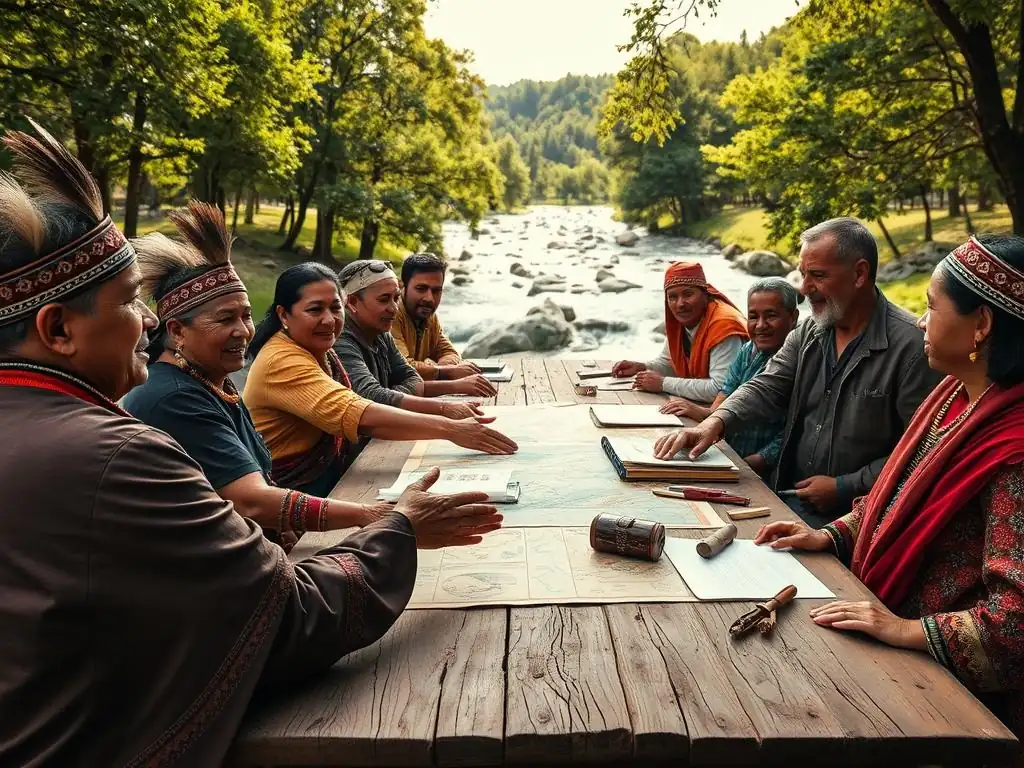
Collaborations between Indigenous and non-Indigenous communities can often be hindered by misunderstandings and stereotypes that persist within society. These misconceptions can stem from historical narratives that portray Indigenous peoples in a monolithic light, ignoring the rich diversity of cultures, languages, and traditions that exist among them. For instance, many non-Indigenous individuals may hold outdated views of Indigenous peoples as being solely defined by their past, failing to recognize their contemporary contributions and ongoing resilience.
In many cases, these stereotypes lead to oversimplified views of Indigenous cultures, which can manifest in the following ways:
- Cultural Appropriation: Non-Indigenous individuals or organizations may inadvertently appropriate Indigenous symbols, practices, or art forms without a proper understanding of their significance, leading to feelings of disrespect and alienation among Indigenous community members.
- Tokenism: Collaborations may often include Indigenous voices in name only, with non-Indigenous parties failing to genuinely engage with or empower their Indigenous counterparts. This can result in a lack of trust and a sense that Indigenous contributions are undervalued.
- Assumptions of Homogeneity: Many people assume that all Indigenous communities share the same beliefs or practices, which can overlook the unique identities and needs of different tribes or nations.
To effectively address these misunderstandings, it is crucial for both communities to prioritize open dialogue and education, focusing on building mutual respect and understanding.
Legal and Political Barriers
Legal and political barriers can significantly impact the potential for successful Indigenous non-Indigenous collaborations. These barriers may arise from historical treaties, land disputes, and governmental regulations that often place Indigenous communities at a disadvantage. For instance:
- Land Rights Issues: Many Indigenous communities continue to fight for recognition of their land rights, which can complicate collaborative efforts. Non-Indigenous organizations interested in working with these communities must navigate complex legal landscapes to ensure they respect Indigenous sovereignty and land claims.
- Bureaucratic Challenges: Navigating through governmental policies and regulations can be particularly challenging for Indigenous communities, often leading to delays or complications in establishing collaborative projects. This can be exacerbated by a lack of representation in decision-making bodies.
- Funding Limitations: Accessing funding for collaborative initiatives can pose significant challenges. Often, non-Indigenous organizations may have more experience with grant applications and funding processes, putting Indigenous communities at a disadvantage in securing resources.
To overcome these legal and political barriers, both Indigenous and non-Indigenous groups must work together to advocate for policy changes and ensure equitable representation in decision-making processes.
Balancing Power Dynamics Between Communities
One of the most critical aspects of successful Indigenous non-Indigenous collaborations is the need to balance power dynamics between the two communities. Historically, colonial practices have created imbalances that persist today, affecting the way partnerships are formed and maintained. Key considerations include:
- Equitable Participation: It is essential that Indigenous voices are not only heard but are integral to the decision-making process. Non-Indigenous collaborators should actively seek to empower Indigenous community members, ensuring that they have an equal say in projects that affect their lives.
- Shared Leadership: Establishing shared leadership structures can help mitigate power imbalances. This approach encourages collaborative decision-making and fosters a sense of ownership among all parties involved.
- Cultural Sensitivity Training: Non-Indigenous partners should engage in cultural sensitivity training to better understand the historical context and contemporary realities of Indigenous communities, allowing for more respectful and informed interactions.
By addressing these power dynamics thoughtfully, collaborations can evolve into mutually beneficial partnerships that honor the unique contributions of both Indigenous and non-Indigenous communities.
Strategies for Successful Indigenous Non-Indigenous Collaborations
Building Trust Through Open Communication
Building trust is paramount in any collaboration, especially between Indigenous and non-Indigenous communities. Open communication serves as the foundation for this trust, enabling both sides to engage meaningfully and respectfully. Effective communication strategies should include:
- Active Listening: Ensuring that all voices are heard and valued promotes understanding. Active listening involves not just hearing words but also understanding the context and emotions behind them.
- Cultural Sensitivity: Recognizing and respecting cultural differences is essential. This includes being aware of communication styles that may vary across cultures. For instance, some Indigenous cultures may prioritize collective decision-making over individual opinions.
- Regular Meetings: Scheduling consistent meetings fosters ongoing dialogue. These gatherings can be informal and should provide a space for community members to express concerns, share updates, and celebrate successes.
Trust is built when we listen to each other’s stories.
– Anonymous
By emphasizing open lines of communication, communities can create an environment where trust flourishes, paving the way for effective collaboration.
Collaboration between Indigenous and non-Indigenous communities thrives on the establishment of shared goals and objectives. This alignment ensures that both parties are working toward a common purpose. Key strategies include:
- Visioning Sessions: Facilitating workshops where community members can collectively articulate their needs, aspirations, and visions for the future. This process can help uncover overlapping interests and desires.
- Clear Documentation: Writing down shared goals and objectives is essential. This documentation serves as a reference point and accountability tool throughout the collaboration, allowing both parties to track progress.
- Flexibility and Adaptability: While shared goals are important, it's equally vital to remain flexible. As the collaboration evolves, so too may the goals. Communities should be prepared to revisit and revise objectives as necessary.
| Goal | Indigenous Perspective | Non-Indigenous Perspective |
|---|---|---|
| Environmental Stewardship | Protecting sacred lands and resources | Sustainable development practices |
| Cultural Preservation | Revitalizing traditional practices | Promoting cultural diversity |
| Economic Development | Creating opportunities for Indigenous businesses | Supporting fair trade and ethical practices |
Establishing and maintaining shared goals fosters unity and purpose, reinforcing the collaborative effort.
Involving Community Leaders and Stakeholders
The involvement of community leaders and stakeholders is crucial for the success of Indigenous non-Indigenous collaborations. These individuals can serve as bridges between their respective communities, facilitating understanding and cooperation. Important considerations include:
- Identifying Key Leaders: Recognizing and engaging influential leaders from both communities can enhance credibility and support. Leaders often have the trust of their communities and can facilitate dialogue.
- Empowerment through Inclusion: Ensuring that leaders and stakeholders are actively involved in decision-making processes empowers them and validates their roles. Their insights can guide the collaboration toward culturally appropriate solutions.
- Building Capacity: Providing training and resources for community leaders can strengthen their ability to advocate for their communities. This might include workshops on negotiation, project management, or grant writing.
Leadership is not about being in charge. It’s about taking care of those in your charge.
– Simon Sinek
By actively involving community leaders and stakeholders, collaborations become more inclusive and representative, enhancing the likelihood of success.
Future Directions for Indigenous Non-Indigenous Collaborations
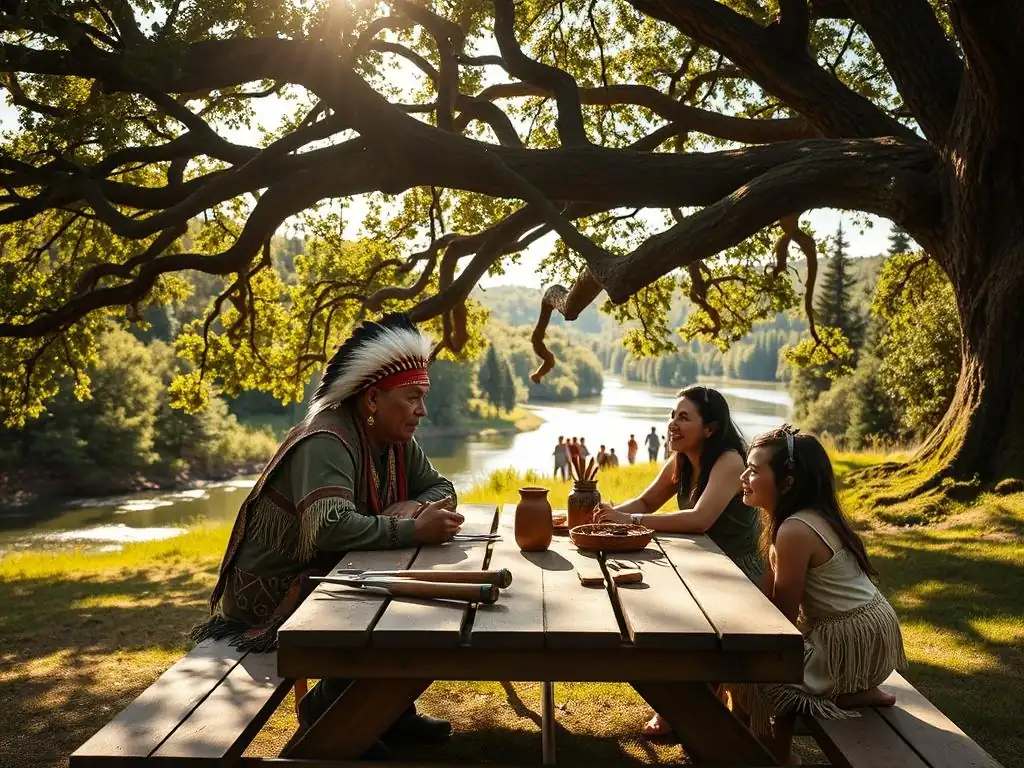
The future of Indigenous non-Indigenous collaborations holds great potential for fostering mutual respect, understanding, and sustainable development. As communities increasingly recognize the value of diverse perspectives, innovative approaches are emerging that aim to bridge cultural gaps and enhance cooperative efforts. This section explores emerging trends, the role of technology, and a long-term vision for sustainable partnerships.
Emerging Trends and Innovations
Recent years have witnessed a surge in collaborative initiatives that emphasize the sharing of knowledge and resources between Indigenous and non-Indigenous communities. Some notable trends include:
- Co-Creation of Cultural Projects: Collaborations are increasingly focusing on co-creating cultural projects that honor Indigenous traditions while incorporating contemporary artistic expressions. For example, joint art exhibitions and performances showcase the richness of Indigenous heritage alongside modern influences.
- Community-Led Research: Indigenous communities are taking the lead in research initiatives, ensuring that their voices and perspectives shape the narrative. This trend empowers Indigenous knowledge systems and prioritizes the needs and priorities of Indigenous peoples.
- Education and Awareness Programs: Collaborative efforts are expanding to include educational initiatives aimed at raising awareness about Indigenous cultures. Workshops, seminars, and cultural exchanges are becoming common, fostering a deeper understanding of Indigenous histories and contributions.
- Environmental Stewardship: Partnerships are increasingly focused on joint environmental conservation efforts. Indigenous ecological knowledge plays a vital role in sustainable land management practices, and collaborations are emerging to address climate change and biodiversity loss.
The Role of Technology in Facilitating Collaborations
Technology plays a crucial role in enhancing Indigenous non-Indigenous collaborations by providing platforms for communication, education, and resource sharing. Key aspects include:
- Digital Storytelling: Indigenous communities are utilizing digital platforms to share their stories, traditions, and histories. This not only preserves cultural heritage but also allows non-Indigenous audiences to engage with and learn from these narratives.
- Online Collaboration Tools: Various online tools and software facilitate real-time communication and project management between communities. These resources enable collaborative planning, decision-making, and the sharing of best practices across geographical boundaries.
- Social Media Engagement: Social media platforms serve as powerful tools for raising awareness and mobilizing support for Indigenous initiatives. They enable Indigenous voices to reach broader audiences, fostering solidarity and encouraging participation in collaborative projects.
- Virtual Learning Environments: Technology also supports the creation of virtual learning environments, where both Indigenous and non-Indigenous participants can engage in cultural exchange and education. Online workshops, webinars, and courses promote shared understanding and collaboration.
Long-Term Vision for Sustainable Partnerships
For Indigenous non-Indigenous collaborations to be truly effective and sustainable, they must be rooted in mutual respect, equity, and long-term commitment. The vision for these partnerships includes several key elements:
- Building Trust: Establishing trust is essential for successful collaborations. This involves acknowledging historical injustices, recognizing the value of Indigenous knowledge, and committing to transparent communication.
- Shared Governance and Decision-Making: Collaborative initiatives should incorporate shared governance structures that allow Indigenous communities to have a significant role in decision-making processes. This ensures that their rights, interests, and perspectives are prioritized.
- Investment in Capacity Building: Long-term partnerships should focus on building the capacities of both Indigenous and non-Indigenous communities. Training programs, mentorship opportunities, and resource-sharing initiatives can empower communities to take initiative in their collaborative efforts.
- Sustainability and Resilience: Collaborations must prioritize sustainability, not only in environmental terms but also in terms of community resilience. This includes supporting economic development initiatives that honor Indigenous traditions while addressing contemporary challenges.
The future of Indigenous non-Indigenous collaborations is shaped by emerging trends, technological advancements, and a commitment to sustainable partnerships. By fostering understanding, respect, and shared goals, these collaborations hold the promise of creating lasting positive impacts for both Indigenous and non-Indigenous communities alike.
Conclusion: The Path Forward for Indigenous Non-Indigenous Collaborations
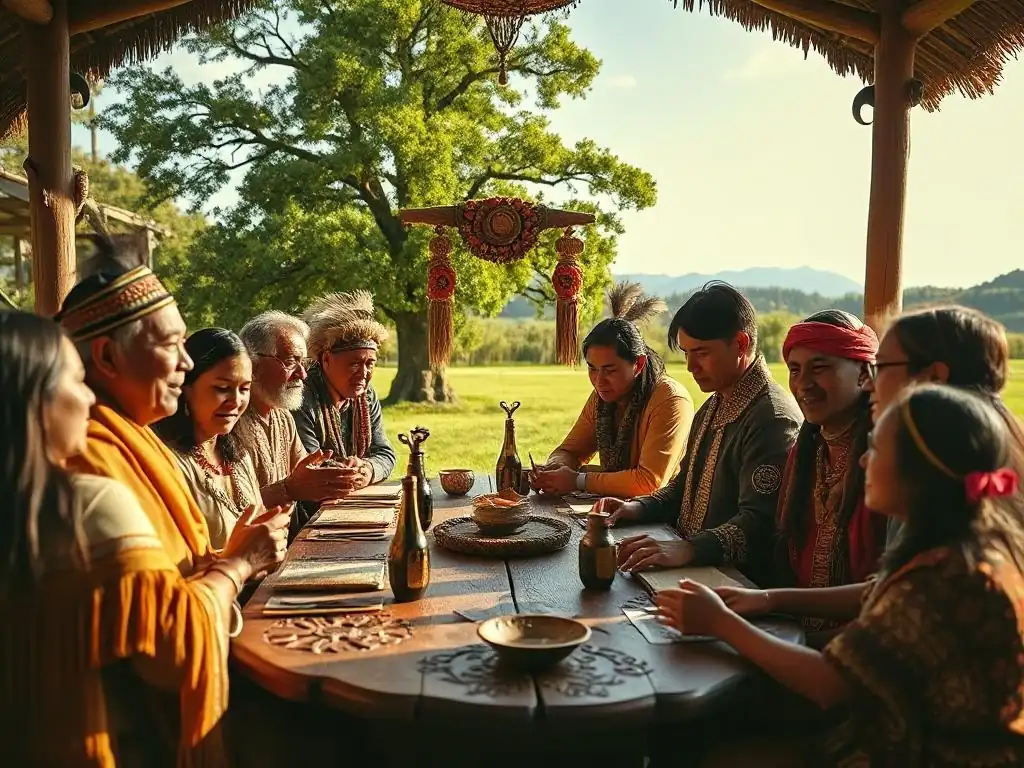
Recap of the Importance of Collaborative Efforts
In recent years, the significance of Indigenous non-Indigenous collaborations has gained widespread recognition. These partnerships not only foster mutual understanding but also promote the preservation of cultures, languages, and traditional knowledge. By bringing together diverse perspectives and expertise, both Indigenous and non-Indigenous communities can address common goals, such as environmental stewardship, cultural revitalization, and social equity.
The collaborative efforts often focus on:
- Cultural Exchange: Sharing traditions, art, and practices enriches both communities, fostering respect and appreciation.
- Education and Awareness: Through joint initiatives, communities can educate the broader public about Indigenous histories and contributions, dispelling stereotypes and misinformation.
- Sustainable Development: By integrating Indigenous knowledge systems into environmental management and resource conservation, these collaborations can lead to innovative and sustainable solutions.
For instance, projects aimed at revitalizing traditional ecological practices have shown promise in areas such as agriculture and biodiversity conservation. This synergy not only enhances local ecosystems but also provides economic opportunities for Indigenous peoples.
Call to Action for Communities to Engage in Partnerships
To effectively build bridges between Indigenous and non-Indigenous communities, it is essential for both sides to actively engage in partnerships. Here are some actionable steps communities can take:
- Initiate Dialogues: Open lines of communication to discuss shared interests and concerns. This can be facilitated through community forums, workshops, or cultural events.
- Establish Collaborative Projects: Identify specific areas where collaboration can yield tangible benefits, such as community gardens, cultural festivals, or environmental monitoring initiatives.
- Support Indigenous Voices: Ensure that Indigenous perspectives are at the forefront of decision-making processes. This includes funding for community-led projects and prioritizing Indigenous knowledge in research.
- Promote Education: Encourage educational programs that highlight the importance of Indigenous cultures and histories, not just within Indigenous communities but across broader society.
- Celebrate Successes: Recognize and celebrate successful collaborations to inspire others. Sharing stories of positive outcomes can motivate additional partnerships and inform best practices.
By taking these steps, communities can pave the way for meaningful Indigenous non-Indigenous collaborations that honor traditions, foster respect, and create lasting positive impacts for future generations. The path forward is one of shared responsibility and collective action, where both Indigenous and non-Indigenous peoples work together to create a more equitable and sustainable future.
Additional Resources on Indigenous Non-Indigenous Collaborations
Recommended Readings and Case Studies
Exploring the theme of Indigenous non-Indigenous collaborations can be greatly enriched through various readings and case studies that highlight successful partnerships and the lessons learned from these initiatives. Here are some recommended resources:
-
Books:
-
"The Art of Community: Seven Principles for Belonging" by Charles Vogl
This book delves into the principles that foster community building, providing insights applicable to both Indigenous and non-Indigenous groups aiming to collaborate effectively.
-
"Braiding Sweetgrass: Indigenous Wisdom, Scientific Knowledge, and the Teachings of Plants" by Robin Wall Kimmerer
Kimmerer weaves together Indigenous knowledge and scientific understanding, offering a profound perspective on how both can coexist and inform collaborative efforts.
-
-
Research Articles:
-
"Indigenous and Non-Indigenous Partnerships in Conservation: A Review of the Literature"
This comprehensive review discusses various models of collaboration in conservation efforts, providing a framework for understanding the dynamics involved.
-
"Collaborating with Indigenous Peoples: A Guide for Non-Indigenous Researchers"
This guide outlines the ethical considerations and best practices for non-Indigenous researchers engaging with Indigenous communities.
-
-
Case Studies:
-
The Kānaka Maoli and Non-Indigenous Collaborations in Hawaii
This case study highlights how local Indigenous Hawaiian groups and non-Indigenous partners have worked together to restore native ecosystems and preserve cultural heritage.
-
The Mi’kmaq and Non-Indigenous Partnerships in Atlantic Canada
Focusing on sustainable fishing practices, this collaboration illustrates the mutual benefits of shared knowledge and resources.
-
Organizations Supporting Collaborative Efforts
Numerous organizations are dedicated to fostering Indigenous non-Indigenous collaborations, focusing on cultural preservation, environmental sustainability, and social justice. Here are some key players in this field:
| Organization Name | Focus Area | Website |
|---|---|---|
| Indigenous Environmental Network | Environmental justice and Indigenous rights | ienearth.org |
| First Nations Development Institute | Economic development and advocacy for Indigenous communities | firstnations.org |
| Native American Rights Fund | Legal assistance and advocacy for Indigenous rights | narf.org |
| Cultural Survival | Supporting Indigenous cultures and rights globally | culturalsurvival.org |
| The Tribal Council | Local initiatives for community empowerment and collaboration | [specific information pending] |
Initiatives by Organizations
- Collaborative Land Management Programs: Many organizations engage in land management projects that incorporate traditional ecological knowledge alongside scientific approaches, creating a holistic method to land stewardship.
- Cultural Exchange Programs: Various initiatives promote cultural exchange between Indigenous and non-Indigenous communities, fostering understanding and respect through shared experiences.
These resources and organizations collectively demonstrate the potential for successful Indigenous non-Indigenous collaborations. By learning from past experiences and leveraging diverse expertise, communities can build bridges that honor both Indigenous traditions and modern practices, leading to sustainable futures.
Frequently Asked Questions
What are the main focuses of the website "Indigenous Civilizations of the Americas"?
The website emphasizes the diverse indigenous cultures that existed prior to European colonization, highlighting their achievements, societies, and the lasting impact they have today.
How do Indigenous and non-Indigenous collaborations benefit communities?
Collaborations between Indigenous and non-Indigenous communities foster cultural exchange, promote understanding, and lead to shared initiatives that support both groups' goals and values.
Why is it important to explore Indigenous cultures before colonization?
Understanding Indigenous cultures before colonization helps to appreciate their rich histories, contributions, and the challenges they faced, which is crucial for building respectful and informed partnerships today.
What types of collaborations are highlighted on the website?
The website showcases various types of collaborations, including educational programs, cultural exchanges, and community development projects that aim to strengthen ties and mutual respect between communities.
How can individuals support Indigenous and non-Indigenous collaborations?
Individuals can support these collaborations by educating themselves about Indigenous issues, participating in community events, and advocating for policies that promote equity and inclusion in their local areas.
Final Reflection: The Power of Indigenous Non-Indigenous Collaborations
In an era where divisions often overshadow unity, the theme of Indigenous non-Indigenous collaborations resonates profoundly. These partnerships not only foster understanding and respect but also pave the way for shared growth and healing. As we navigate the complexities of our modern world, the importance of these collaborations becomes increasingly evident, reminding us that together, we can build bridges that transcend cultural divides.
Collaborations between Indigenous and non-Indigenous communities have the potential to reshape our cultural and social landscape. The ongoing dialogue and mutual respect fostered through these partnerships can lead to transformative change, not just for the communities involved, but for society as a whole. As we witness the resurgence of Indigenous voices and knowledge, it becomes clear that “collaboration is not just about working together; it’s about learning from one another.” > This quote encapsulates the essence of what these partnerships can achieve, highlighting the importance of shared wisdom and collective action.
As we reflect on the lessons learned from Indigenous non-Indigenous collaborations, I invite you to consider how you can contribute to this movement in your own life. Engage with your local Indigenous communities, seek to understand their perspectives, and advocate for inclusive practices that honor their contributions. By taking these steps, you not only enrich your own understanding but also become a vital part of a larger narrative that champions unity, respect, and collaboration. Together, we can continue to build bridges that foster a more inclusive and harmonious future for all.
Forge New Connections Today!
Thank you for taking the time to explore the importance of collaboration between Indigenous and Non-Indigenous communities. Your interest in fostering understanding and respect is invaluable! Now that you've gained insights into these essential relationships, here are some actionable steps you can take to contribute further:
- Participate in local events or workshops that promote Indigenous culture and dialogue.
- Share this article with friends and family to raise awareness about the significance of these collaborations.
- Explore further: Connect with local Indigenous-led organizations to learn about their initiatives and ways you can support them.
How will you contribute to building bridges in your own community? **We invite you to share your thoughts and ideas below! **