
Tiahuanaco's Influence on Neighboring Cultures: A CrossCultural Examination

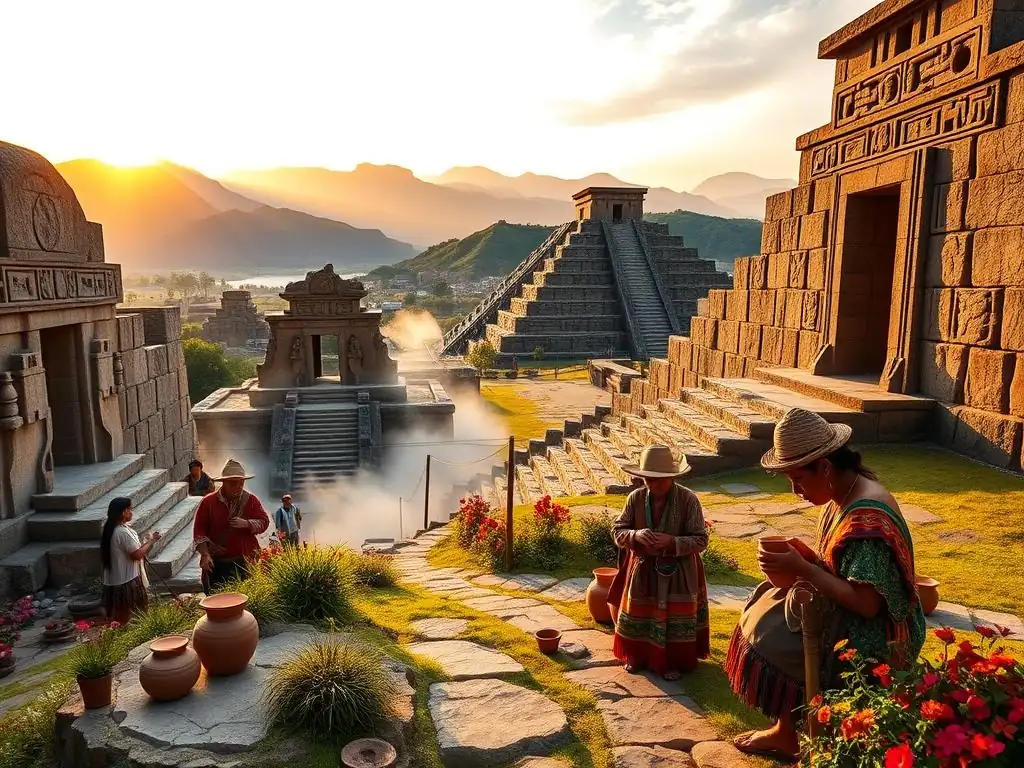
Welcome to Indigenous Civilizations of the Americas, where we invite you to embark on a journey through the rich tapestry of cultures that flourished long before European contact. In our featured article, “Tiahuanaco's Influence on Neighboring Cultures: A Cross-Cultural Examination,” we delve into the profound Tiahuanaco cultural influence that shaped the societies across the Americas. As you explore the achievements and legacies of these indigenous peoples, prepare to uncover the intricate connections that bind their histories together. Join us in celebrating the vibrant heritage that continues to resonate today—your adventure into the past starts here!
Introduction to Tiahuanaco Cultural Influence in the Americas
The Tiahuanaco civilization, thriving between approximately 200 AD and 1000 AD in the highlands of present-day Bolivia, presents a remarkable example of cultural influence that resonated throughout the Americas. This article delves into the multifaceted impact of Tiahuanaco on neighboring cultures, examining how its achievements, architectural innovations, and societal structures shaped the broader indigenous landscape of the region. By exploring the Tiahuanaco cultural influence in the Americas, we uncover the intricate web of interactions that defined pre-Columbian societies and contributed to a rich tapestry of shared heritage.
Overview of Tiahuanaco Culture
Tiahuanaco was not merely a city but a vibrant civilization characterized by its advanced agricultural techniques, monumental architecture, and a complex social structure. The city itself is renowned for its impressive stone constructions, including the Akapana pyramid and the Gateway of the Sun, which exhibit an extraordinary understanding of engineering and artistry. Tiahuanaco's people practiced a form of agriculture that utilized raised-field farming, allowing them to thrive in the challenging high-altitude environment. This agricultural innovation not only secured food resources for their population but also influenced agricultural practices among neighboring cultures.
The cultural legacy of Tiahuanaco extends beyond its physical structures. The civilization fostered a rich spiritual life, with religious practices centered on the worship of deities linked to the natural world. The integration of these beliefs permeated surrounding communities, illustrating a profound cultural exchange that reshaped the spiritual landscape of the Andes.
Importance of Cross-Cultural Examination in Indigenous Studies
Understanding Tiahuanaco's influence through a cross-cultural lens is vital to comprehending the interconnectedness of indigenous civilizations in the Americas. By examining how Tiahuanaco interacted with and influenced its neighbors, we gain insights into the dynamic nature of cultural exchange, adaptation, and resilience. This approach allows for a more nuanced appreciation of the diverse societies that existed prior to European contact, emphasizing the significance of indigenous agency in shaping their own histories.
Cross-cultural examination also challenges the often Eurocentric narratives that dominate historical discourse. By recognizing the relationships and exchanges between different indigenous cultures, we acknowledge the complexity of their social structures and the innovations that arose from collaboration and interaction. This perspective is essential for honoring the legacies of indigenous peoples and understanding their contributions to the broader historical context of the Americas.
Historical Context of Tiahuanaco
Geographical Location and Timeline of Tiahuanaco
Tiahuanaco is strategically located near the southern shore of Lake Titicaca, at an altitude of about 3,850 meters (12,600 feet), making it one of the highest urban centers in the world. This geographic positioning not only provided access to vital resources such as fish and waterfowl but also facilitated trade with neighboring regions. The civilization flourished from around 200 AD until its decline around 1000 AD, during which it became a significant hub for cultural and commercial exchange in the Andes.
The timeline of Tiahuanaco's rise and fall is marked by various phases of development, including the Early Formative (200–400 AD), Middle Formative (400–800 AD), and Late Formative (800–1000 AD) periods. Each phase is characterized by advancements in architecture, social organization, and agricultural practices, establishing Tiahuanaco as a key player in the pre-Columbian world.
Major Achievements of Tiahuanaco Civilization
The achievements of Tiahuanaco are extensive and varied, reflecting a sophisticated understanding of engineering, agriculture, and society. Some of the civilization's most notable accomplishments include:
- Architectural Innovations: The construction of large-scale stone structures, including temples and monuments, utilizing precisely cut stones without mortar, showcasing advanced engineering techniques.
- Agricultural Practices: The development of raised-field agriculture that maximized arable land and allowed for the cultivation of diverse crops, providing sustenance for a growing population.
- Artistic Expression: The creation of intricate pottery, textiles, and sculptures that reveal a rich cultural identity and artistic tradition.
- Religious and Social Organization: The establishment of a complex religious framework that integrated astronomy, agriculture, and community life, influencing neighboring cultures' belief systems.
These achievements not only underscore Tiahuanaco's significance but also illustrate its role as a catalyst for cultural diffusion across the Andes, shaping the histories of various indigenous peoples in the Americas.
Key Aspects of Tiahuanaco Cultural Influence
Tiahuanaco, located near the southern shores of Lake Titicaca in present-day Bolivia, was a significant civilization that emerged around 400 AD. The cultural influence of Tiahuanaco stretched far beyond its geographic boundaries, impacting various aspects of neighboring societies. Key aspects of this influence can be categorized into architectural innovations, religious and spiritual beliefs, and agricultural practices. These components not only shaped the immediate region but also contributed to the broader cultural landscape of the Americas. By examining these elements, we can better understand the depth of Tiahuanaco's legacy and its role in facilitating cross-cultural interactions among pre-Columbian societies.
Architectural Innovations and Their Impact on Neighboring Cultures
Tiahuanaco is renowned for its remarkable architectural achievements, including the construction of monumental structures such as the Temple of the Sun and the Gateway of the Sun. These structures exemplified advanced engineering techniques, including the use of massive stone blocks fitted with remarkable precision. The architectural style and techniques developed in Tiahuanaco had a profound impact on surrounding cultures.
Neighboring societies, particularly the Aymara and the early Inca, adopted and adapted these architectural innovations in their own constructions. The monumental stonework and urban planning seen in Tiahuanaco inspired similar developments in other regions, leading to the establishment of large ceremonial centers and urban layouts. Moreover, the introduction of raised agricultural fields and terracing techniques allowed for more efficient land use, influencing agricultural practices in the Andean region.
Religious and Spiritual Influence of Tiahuanaco
The religious practices of Tiahuanaco were rich and complex, centered around a pantheon of deities and elaborate ceremonial rituals. These beliefs emphasized the connection between the natural world and the spiritual realm, a theme that resonated deeply with neighboring cultures. The veneration of ancestral spirits and the importance of water and fertility in agricultural societies were particularly significant.
As Tiahuanaco interacted with other cultures, its religious practices began to permeate the spiritual frameworks of the Aymara and the Inca. The incorporation of Tiahuanaco deities and rituals into their own belief systems exemplifies the fluidity of religious expression in the region. The influence of Tiahuanaco's spiritual practices can still be observed today in various indigenous ceremonies and festivals, showcasing the enduring legacy of this ancient civilization.
Agricultural Techniques and Shared Practices
Tiahuanaco's agricultural innovations were pivotal in shaping the agricultural landscape of the Andean region. The civilization developed advanced techniques such as raised field agriculture, which not only maximized arable land but also improved drainage and soil fertility. This method allowed communities to sustain large populations in a challenging high-altitude environment.
Neighboring cultures, particularly the Aymara and Inca, adopted these agricultural techniques, leading to increased food production and the ability to support larger urban centers. The emphasis on crop diversification and the cultivation of staple crops like potatoes and quinoa became widespread due to Tiahuanaco's influence. These shared practices laid the groundwork for more sustainable agricultural systems across the Andes, marking a significant advancement in pre-Columbian agricultural practices.
Neighboring Cultures Affected by Tiahuanaco
Tiahuanaco's cultural influence reached several neighboring societies, each of which absorbed elements of Tiahuanaco's achievements and adapted them to their contexts. The interactions between Tiahuanaco and these cultures facilitated a rich exchange of ideas, beliefs, and practices that contributed to the development of a vibrant and diverse cultural tapestry in the region.
The Aymara: Cultural Exchange and Adaptation
The Aymara people, who inhabited the regions surrounding Lake Titicaca, were significantly influenced by Tiahuanaco. As contemporaries, they engaged in a dynamic cultural exchange that saw the adoption of Tiahuanaco's architectural styles, agricultural practices, and religious beliefs. The Aymara integrated Tiahuanaco’s sophisticated agricultural techniques, particularly raised field farming, into their own systems, enhancing food security and community resilience.
Additionally, the Aymara adopted certain religious practices and deities from Tiahuanaco, which enriched their spiritual traditions. This cultural exchange established a strong foundation for the development of Aymara identity, weaving Tiahuanaco's legacy into the fabric of their society.
The Inca: Integration of Tiahuanaco Influences
The Inca Empire, which rose to prominence in the 15th century, significantly integrated Tiahuanaco influences into its own cultural framework. The Inca admired the architectural prowess of Tiahuanaco and incorporated similar stone construction techniques into their own monumental buildings, such as the famous Machu Picchu.
Moreover, the Inca adopted Tiahuanaco's agricultural innovations, particularly in highland farming. The integration of these practices allowed the Inca to expand their agricultural output, facilitating their empire's growth. Religious elements from Tiahuanaco, especially those associated with the veneration of the earth and water, also found their way into Inca spirituality, blending with their own pantheon of gods.
Other Indigenous Cultures: Interactions and Influences
Beyond the Aymara and Inca, several other indigenous cultures were influenced by Tiahuanaco. Cultures such as the Tiwanaku-affiliated groups and those in the broader Andean region interacted with Tiahuanaco through trade, migration, and cultural exchange. These interactions led to the dissemination of Tiahuanaco's agricultural methods, architectural styles, and religious beliefs.
The impact of Tiahuanaco can be seen in regional ceremonial practices, agricultural festivals, and social organization among various indigenous communities. The legacy of Tiahuanaco not only shaped its immediate neighbors but also contributed to the rich mosaic of cultures that characterized pre-Columbian South America, leaving an indelible mark on the history of the Americas.
Comparative Analysis of Tiahuanaco and Neighboring Cultures
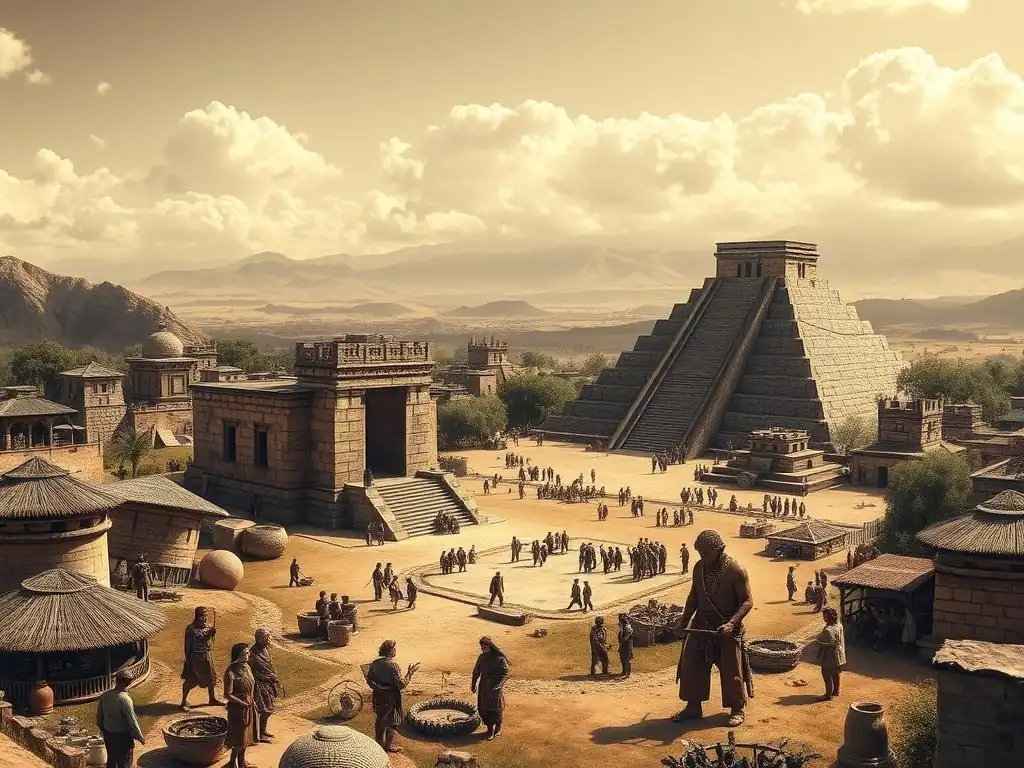
The Tiahuanaco civilization, which flourished around Lake Titicaca from approximately 500 to 1000 CE, was a significant player in the cultural landscape of the Andes. Its influence extended to several neighboring cultures, such as the Aymara, the Inca, and other groups throughout the highlands of Bolivia and Peru. Understanding the comparative aspects of Tiahuanaco and its neighbors reveals both the interconnectedness of these societies and the unique characteristics that define their cultural identities.
Similarities in Social Structures and Governance
Tiahuanaco and its neighboring cultures shared several similarities in their social structures and governance. Both the Tiahuanaco and the Aymara societies exhibited hierarchical structures, where leadership roles were often held by elite classes, including priests and nobles. This social stratification was evident in the construction of monumental architecture, which served as a symbol of authority and religious significance.
The governance in these societies was often centralized, with a strong emphasis on communal decision-making. In Tiahuanaco, the ruling class likely maintained power through religious authority, supported by a complex administrative system that facilitated trade and resource distribution. Neighboring cultures, especially the Inca, adopted similar administrative practices, creating an extensive network of roads and communication that enhanced regional integration.
Differences in Religious Practices and Beliefs
While Tiahuanaco and neighboring cultures shared some religious practices, there were notable differences in their beliefs. Tiahuanaco's cosmology revolved around a complex pantheon of deities associated with agriculture, weather, and the cosmos. The site itself is adorned with intricate stone carvings and altars that reflect their spiritual beliefs, particularly the worship of the Earth and Water deities.
In contrast, neighboring cultures such as the Inca developed their religious practices into a more structured state religion, which included the veneration of the Sun god, Inti. This difference in religious focus is indicative of Tiahuanaco's more localized and nature-based worship compared to the Inca's expansive imperial ideology that sought to integrate diverse beliefs across their vast territory.
Artistic Expressions: Tiahuanaco vs. Neighboring Cultures
Artistic expression in Tiahuanaco was characterized by its unique architectural style, intricate stonework, and symbolic motifs. The use of large, precisely cut stones in constructions like the Temple of the Sun and the Akapana pyramid exemplifies their advanced engineering skills and aesthetic sensibilities. These artistic elements often conveyed cultural narratives, religious significance, and social status.
In comparison, neighboring cultures exhibited their own distinctive artistic styles. The Inca, for example, are known for their textiles and metalwork, which showcased vibrant colors and intricate designs. While Tiahuanaco's art was more focused on monumental architecture and stone sculptures, the Inca and Aymara incorporated a wider variety of media, including textiles and ceramics, reflecting their cultural priorities and available resources. This diversity in artistic expression highlights the rich tapestry of Andean culture and the unique contributions of each civilization.
Lasting Legacy of Tiahuanaco Cultural Influence
The cultural influence of Tiahuanaco extends beyond its immediate geographical boundaries, leaving a lasting legacy that continues to resonate in modern indigenous identity and practices across the Americas. The achievements of Tiahuanaco have shaped the historical narrative of the Andes and contributed to the cultural tapestry of the region.
Contributions to Modern Indigenous Identity in the Americas
Contemporary indigenous communities in the Andes often draw upon the cultural heritage of Tiahuanaco as a source of identity and pride. The agricultural practices, communal governance, and spiritual beliefs of Tiahuanaco have influenced modern agricultural systems and community organization among indigenous peoples. Festivals and rituals that reflect Tiahuanaco traditions continue to be celebrated, preserving the connection to ancestral practices and reinforcing cultural identity in the face of globalization.
Additionally, the revival of interest in Tiahuanaco's achievements has led to a greater recognition of the contributions of indigenous cultures to the broader history of the Americas. This acknowledgment fosters a sense of continuity and resilience among contemporary indigenous populations, empowering them to reclaim and redefine their cultural narratives.
Preservation of Tiahuanaco Heritage in Contemporary Society
Efforts to preserve Tiahuanaco's heritage are evident in various aspects of contemporary society. Archaeological research and conservation projects aim to protect the ruins and artifacts that exemplify Tiahuanaco's cultural legacy. Museums and cultural institutions feature exhibitions that educate the public about Tiahuanaco's contributions to civilization in the Americas, promoting a deeper understanding of indigenous history.
Moreover, initiatives led by indigenous communities seek to integrate Tiahuanaco's principles into modern practices, such as sustainable agriculture and resource management. By drawing on the wisdom of their ancestors, contemporary indigenous peoples not only honor their heritage but also contribute to environmental stewardship and cultural resilience in today's world. This ongoing relationship with Tiahuanaco's legacy exemplifies the enduring impact of its cultural influence on the Americas.
Conclusion: The Enduring Impact of Tiahuanaco on the Americas
The Tiahuanaco civilization, flourishing in the highlands of modern-day Bolivia, represents a monumental chapter in the narrative of indigenous cultures in the Americas. Its influence extended far beyond its geographical boundaries, shaping the cultural, architectural, and agricultural practices of neighboring societies. The legacy of Tiahuanaco can be seen in the advanced agricultural techniques they developed, notably their innovative use of raised field farming, which allowed for sustainable food production in a challenging environment. Additionally, their architectural prowess, exemplified by the impressive stone structures and ceremonial centers, served as a model for subsequent cultures, including the Aymara and Inca.
The interplay of Tiahuanaco with neighboring cultures highlights the importance of cross-cultural exchange in pre-Columbian America. Through trade, migration, and shared religious practices, Tiahuanaco not only influenced local traditions but also contributed to a broader cultural tapestry that characterized the Andes region. This enduring impact is evident in the ways subsequent civilizations adopted and adapted Tiahuanaco innovations, ensuring that its legacy would persist long after its decline.
Summary of Key Findings
- Cultural Exchange: Tiahuanaco served as a hub for cultural exchange, influencing various neighboring groups through trade and migration.
- Architectural Innovations: The architectural techniques developed by Tiahuanaco set a precedent for future civilizations, particularly in stone construction and urban planning.
- Agricultural Practices: The civilization's mastery of raised field agriculture not only supported its population but also provided a template for sustainable farming in the region.
- Religious Influence: Tiahuanaco’s religious practices and cosmology left a lasting mark on the spiritual traditions of surrounding cultures, particularly in the integration of deities and rituals.
Future Research Directions on Tiahuanaco Cultural Influence
Future research on Tiahuanaco's cultural influence should focus on several key areas:
- Archaeological Investigations: Continued excavation and analysis of Tiahuanaco sites can yield new insights into its socio-political structure and interactions with neighboring cultures.
- Comparative Studies: Research comparing Tiahuanaco with other contemporary civilizations, such as the Moche and Inca, can help elucidate patterns of influence and adaptation.
- Technological Advancements: Investigating the technological innovations of Tiahuanaco, particularly in agriculture and construction, can inform contemporary sustainable practices.
- Cultural Memory: Exploring how modern indigenous communities in the Andes remember and interpret Tiahuanaco can provide valuable perspectives on its ongoing legacy.
References and Further Reading on Tiahuanaco Influence
Suggested Books and Articles
- "Tiahuanaco: The Cradle of American Civilization": by Arthur Posnansky: This seminal work explores the origins and significance of Tiahuanaco within the context of Andean history.
- "The Archaeology of Tiahuanaco: A Study of the Pre-Columbian Cultures of the Andes": by David A. Palmer: Palmer offers a detailed examination of the archaeological findings at Tiahuanaco and their implications for understanding Andean cultures.
- "Tiahuanaco and Its Influence on the Development of the Inca Empire" by Susan E. Ramirez: This article discusses the direct impact of Tiahuanaco on the Inca civilization, highlighting architectural and cultural continuities.
Online Resources for Continued Exploration
- The Tiahuanaco Project: An online database that compiles various research articles, archaeological findings, and multimedia resources related to Tiahuanaco.
- Andean Archaeology Blog: A platform where scholars share insights and updates about ongoing research in the Andes, including studies on Tiahuanaco.
- Virtual Museum of Tiahuanaco: A digital museum offering interactive exhibits and educational resources about Tiahuanaco’s history, culture, and influence on the Americas.
Tiahuanaco's cultural influence in the Americas is profound and multifaceted, warranting continued exploration and appreciation in both academic and public spheres.
- Introduction to Tiahuanaco Cultural Influence in the Americas
- Historical Context of Tiahuanaco
- Key Aspects of Tiahuanaco Cultural Influence
- Neighboring Cultures Affected by Tiahuanaco
- Comparative Analysis of Tiahuanaco and Neighboring Cultures
- Lasting Legacy of Tiahuanaco Cultural Influence
- Conclusion: The Enduring Impact of Tiahuanaco on the Americas
- References and Further Reading on Tiahuanaco Influence
- What is the Tiahuanaco culture known for?
- How did Tiahuanaco influence other civilizations in the Americas?
- What are some key achievements of the Tiahuanaco civilization?
- How did Tiahuanaco's religious practices affect its neighbors?
- What is the significance of Tiahuanaco in the broader context of indigenous civilizations?
Frequently Asked Questions
What is the Tiahuanaco culture known for?
The Tiahuanaco culture is renowned for its advanced architecture, intricate pottery, and agricultural innovations that significantly impacted neighboring societies in the Andes region.
How did Tiahuanaco influence other civilizations in the Americas?
Tiahuanaco's cultural influence extended through trade, religious practices, and technological advancements, which were adopted and adapted by cultures such as the Inca and others in the Lake Titicaca area.
What are some key achievements of the Tiahuanaco civilization?
Notable achievements include the construction of the Puma Punku and the Akapana pyramid, as well as their unique agricultural techniques like raised field farming, showcasing their engineering prowess.
How did Tiahuanaco's religious practices affect its neighbors?
The religious practices of Tiahuanaco, characterized by rituals and monumental architecture, influenced the spiritual beliefs and ceremonial practices of surrounding cultures, fostering a shared cultural identity.
What is the significance of Tiahuanaco in the broader context of indigenous civilizations?
Tiahuanaco serves as a key example of cultural complexity in pre-Columbian societies, demonstrating how interactions among indigenous civilizations shaped the cultural landscape of the Americas before European contact.
Final Reflection: Embracing the Legacy of Tiahuanaco's Cultural Influence
The profound impact of Tiahuanaco on neighboring cultures in the Americas cannot be overstated; it serves as a testament to the interconnectedness of ancient civilizations. As we explore the intricate web of cultural exchange that Tiahuanaco fostered, we realize that its influence is not merely a relic of the past but a vibrant thread woven into the fabric of contemporary society. The echoes of Tiahuanaco's innovations and philosophies resonate through time, reminding us of the importance of cultural dialogue in shaping our identities.
Culture is a living entity, continuously evolving and influencing the world around us. The legacy of Tiahuanaco has left an indelible mark on the social and cultural landscapes of the Americas, inspiring countless generations to appreciate the richness of their heritage. As we reflect on this influence, we are reminded of the words of historian Alfred W. Crosby: History is a vast early warning system.
This quote encapsulates the essence of understanding our past, as it provides valuable insights into our present and future. Tiahuanaco's cultural contributions have not only enriched the lives of those who came after but have also laid the groundwork for the diverse tapestry of cultures we see today.
As we conclude our exploration of Tiahuanaco's cultural influence, I invite you to reflect on your own connection to the past and consider how the lessons learned from ancient civilizations can inform our actions today. Embrace the spirit of cultural appreciation and dialogue, allowing the legacy of Tiahuanaco to inspire you in your journey. By recognizing the importance of our shared history, we can cultivate a deeper understanding of ourselves and our place within the broader narrative of humanity. Let us honor the past while actively participating in the creation of a more interconnected and culturally rich future.
Unveil the Secrets of Tiahuanaco’s Legacy!
Thank you for diving into the fascinating world of Tiahuanaco and its profound influence on neighboring cultures. Your journey has uncovered the intricate connections that shaped Indigenous civilizations across the Americas! Now, let’s take the next step to deepen your understanding and appreciation of this rich history.
- Explore the landscapes and archaeological sites related to Tiahuanaco by planning a visit or virtual tour to these significant locations.
- Share your newfound insights with friends or on social media to spark discussions about the importance of cultural exchange among Indigenous peoples.
- Join an online forum or local community group dedicated to Indigenous cultures—exchange ideas and engage with others who share your passion!
How do you think the legacy of Tiahuanaco can inspire contemporary cultural initiatives today?