
The Builders' Legacy: Architects and Their Influence on Community Structure

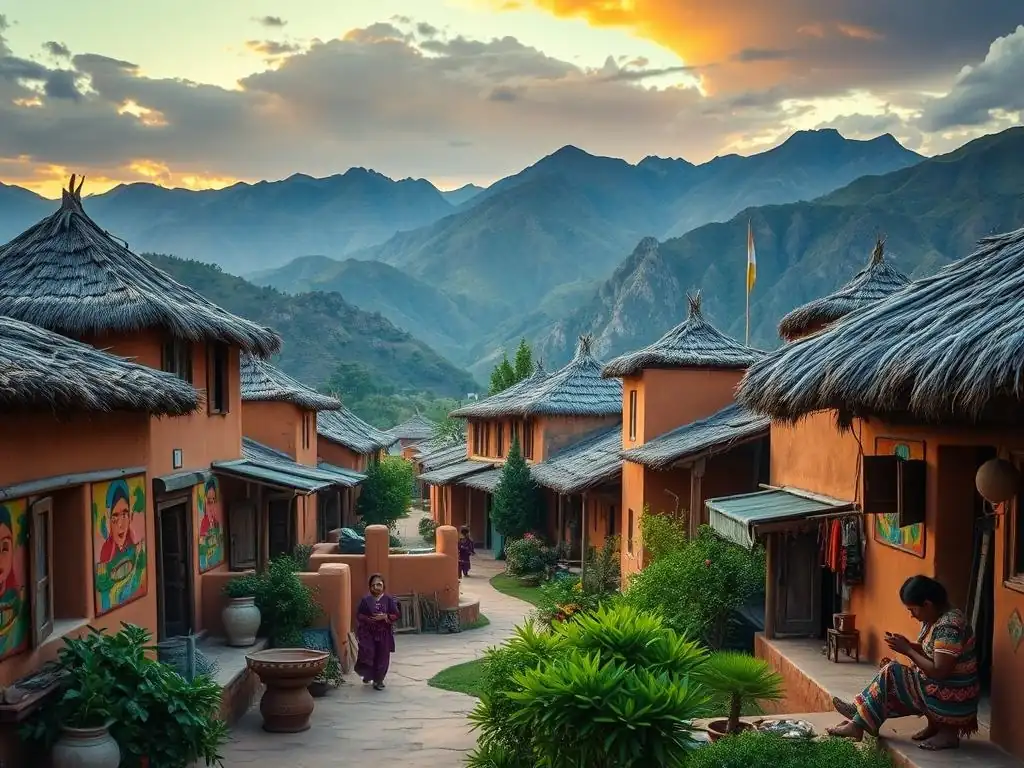
Welcome to Indigenous Civilizations of the Americas, where we invite you to embark on a fascinating journey through the rich tapestry of pre-colonial cultures that shaped the Americas. In our featured article, "The Builders' Legacy: Architects and Their Influence on Community Structure," we delve into the innovative indigenous architecture in the Americas—a testament to the ingenuity and resilience of diverse societies.
Discover how these remarkable structures not only reflect the aesthetic values of their creators but also played a crucial role in the social fabric of their communities. Join us as we uncover the profound legacies that continue to resonate today, and ignite your curiosity about the vibrant histories that await your exploration!
- Introduction to Indigenous Architecture in the Americas
- Historical Overview of Indigenous Architecture in the Americas
- The Role of Architects in Indigenous Communities
- Influences of Indigenous Architecture on Community Structure
- Case Studies of Indigenous Architectural Impact
- Contemporary Relevance of Indigenous Architecture
- Conclusion: The Lasting Legacy of Indigenous Architecture in the Americas
-
Frequently Asked Questions
- What is the primary focus of the article "The Builders' Legacy: Architects and Their Influence on Community Structure"?
- How did indigenous architecture influence community structure?
- What are some key achievements of indigenous architects mentioned in the article?
- How does the article address the impact of indigenous architecture today?
- Why is the study of indigenous architecture important?
- Final Reflection: The Enduring Influence of Indigenous Architecture on Community Identity
- Unveil the Impact of Architecture in Your Community
Introduction to Indigenous Architecture in the Americas
Indigenous architecture in the Americas is a rich tapestry woven from the diverse cultures, environments, and historical contexts of the continent's first peoples. Before European colonization, indigenous communities developed unique architectural practices that not only served practical purposes but also reflected their spiritual beliefs, social structures, and environmental adaptations.
This article delves into the legacy of these early builders, examining how their architectural innovations shaped community structures and influenced the societies that emerged from them. By exploring the significance of indigenous architecture, we gain a deeper understanding of its role in the cultural heritage of the Americas and its enduring impact on contemporary design and community identity.
Defining Indigenous Architecture
Indigenous architecture refers to the various styles, techniques, and materials used by the native peoples of the Americas to construct their dwellings, ceremonial spaces, and community structures. This architecture is characterized by a deep connection to the land and the environment, often reflecting the geographical diversity of the continent.
Some key features include:
- Material Use: Indigenous architects utilized locally sourced materials such as wood, stone, mud, and grasses, allowing their structures to harmonize with the surrounding landscape.
- Sustainable Practices: Many indigenous architectural practices emphasize sustainability, using methods that ensure minimal disruption to the ecosystem.
- Cultural Significance: Buildings often served ceremonial purposes and were imbued with spiritual meaning, reflecting the beliefs and values of the community.
- Adaptation to Environment: The design of structures varied widely based on climate and geography, from the adobe homes of the Southwest to the longhouses of the Northeastern Woodlands.
Importance of Architecture in Indigenous Cultures
Architecture in indigenous cultures is not merely about physical structures; it is a vital expression of identity and community cohesion. The design and layout of spaces often facilitate social interactions and community gatherings, reinforcing cultural ties.
The significance can be seen in several aspects:
- Cultural Identity: Architectural styles are emblematic of specific cultures, serving as a means of preserving and expressing cultural heritage.
- Social Organization: The arrangement of community spaces often reflects social hierarchies and roles within the society, influencing how individuals interact with one another.
- Spiritual Connection: Many indigenous buildings are designed to honor spiritual beliefs, with orientations and designs that align with celestial events or sacred landscapes.
- Historical Legacy: The architectural achievements of indigenous peoples continue to influence modern design, inspiring contemporary architects to integrate traditional principles of sustainability and community into their work.
Indigenous architecture in the Americas is a profound reflection of the societies that created it, embodying their values, beliefs, and interactions with the environment. Understanding this legacy is essential to appreciating the rich cultural mosaic of the Americas before European contact.
Historical Overview of Indigenous Architecture in the Americas
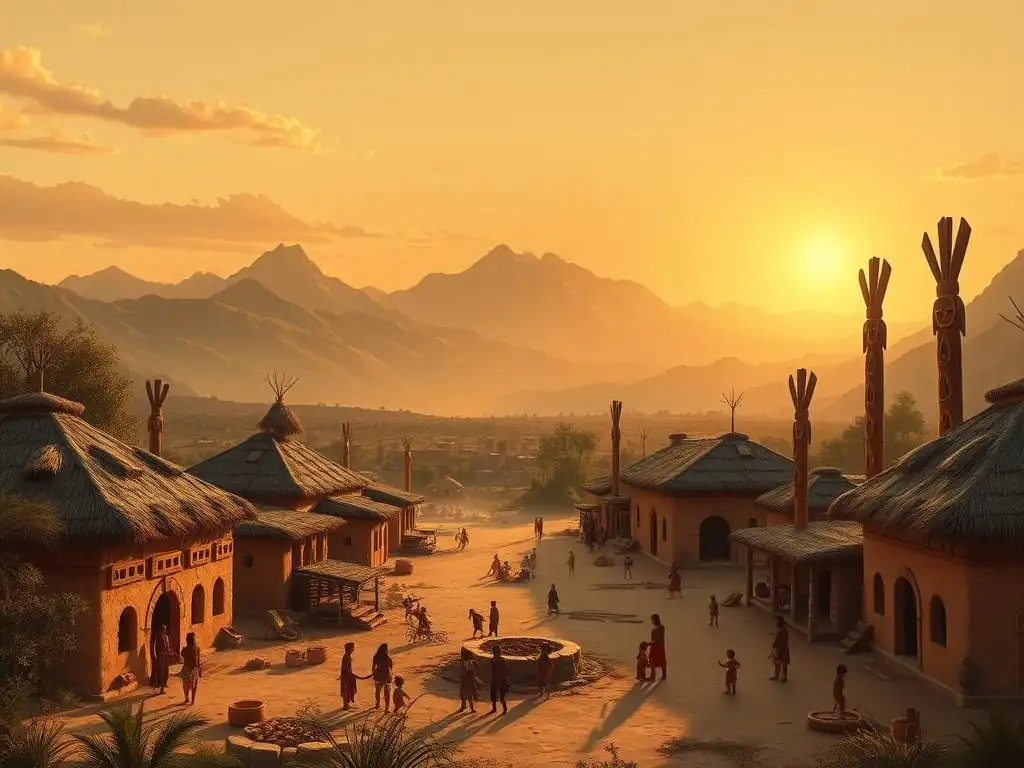
The architectural landscape of the Americas before European contact was characterized by a rich tapestry of styles and techniques, deeply rooted in the diverse cultures that inhabited the continent. Indigenous architecture in the Americas reflects a profound connection between the people and their environment, showcasing not only the ingenuity of these societies but also their social, spiritual, and economic structures.
This historical overview highlights the significant architectural achievements of various indigenous groups, underscoring the legacy they left behind. From the monumental earthworks of the Mound Builders to the intricate adobe structures of the Pueblo peoples, each architectural style tells a unique story of adaptation and innovation. These structures were not only functional but also served as cultural symbols, reinforcing community identity and cohesion.
Pre-Columbian Architectural Achievements
Indigenous architecture in the Americas is marked by remarkable achievements that varied significantly across regions. For instance:
- Urban Planning: Many societies, such as the Aztecs and the Incas, developed complex urban centers that featured well-planned layouts, including residential areas, temples, and marketplaces. The city of Tenochtitlan, built on an island in Lake Texcoco, exemplified advanced engineering with its causeways and canals.
- Monumental Structures: The construction of monumental structures, such as the pyramids of Teotihuacan and the temples of the Maya, illustrated sophisticated engineering skills. These structures often served religious purposes and were central to community life.
- Sustainable Practices: Indigenous architects incorporated local materials and sustainable practices into their designs, ensuring that their buildings harmonized with their environment. For example, the use of adobe in arid regions helped regulate temperature and provided durability.
Overall, these achievements reflect a deep understanding of the landscape, climate, and available resources, showcasing the ingenuity of indigenous architects.
Major Indigenous Architectural Styles
The architectural styles of indigenous cultures in the Americas can be categorized into several major types, each with distinctive characteristics and cultural significance.
Mound Builders and Their Structures
The Mound Builders, a term used to describe various indigenous groups in North America, are known for their construction of large earthen mounds. These mounds served various purposes, including:
- Burial Sites: Many mounds were constructed as burial sites for important leaders and community members, often adorned with grave goods that reflected the deceased's status.
- Ceremonial Centers: Some mounds functioned as platforms for ceremonial activities, reinforcing social hierarchies and community cohesion.
- Geometric Earthworks: In addition to mounds, intricate geometric earthworks, such as those found in Ohio, demonstrate sophisticated planning and communal effort.
The most famous example is Cahokia, located near present-day St. Louis, Missouri, where massive earthen mounds served as the focal point of a thriving urban center.
Pueblo Architecture and Its Significance
Pueblo architecture, primarily associated with the Ancestral Puebloans (formerly known as the Anasazi), is characterized by multi-storied buildings made from adobe and stone. Key features include:
- Cliff Dwellings: Many Pueblo communities built their homes into cliffs, providing natural protection and utilizing the rock for structural support.
- Kivas: These underground ceremonial structures were integral to Pueblo culture, serving as places for rituals and community gatherings. Kivas are often circular and feature a ventilation system and a fire pit at the center.
- Community Layout: Pueblo architecture emphasizes communal living, as many structures were built in close proximity to one another, promoting social interaction and collaboration.
The significance of Pueblo architecture lies not only in its aesthetic appeal but also in its reflection of the communal values and spiritual beliefs of the Pueblo peoples.
Mississippian Architecture: A Cultural Nexus
The Mississippian culture, which thrived from approximately 800 CE to 1600 CE, is known for its complex societies and impressive architectural achievements. Key aspects of Mississippian architecture include:
- Platform Mounds: Central to Mississippian cities, these mounds served as foundations for important structures, such as temples and the homes of elites. The largest, Cahokia's Monks Mound, stands as a testament to their engineering prowess.
- Urban Centers: Mississippian societies established urban centers that facilitated trade and cultural exchange, with strategically placed mounds serving as landmarks for navigation and community identity.
- Artistic Expression: The architecture of the Mississippian culture often included intricate carvings and earthworks that were rich in symbolism, reflecting their beliefs and social structure.
Mississippian architecture represents a cultural nexus, linking various communities through shared practices, trade networks, and religious beliefs, while also showcasing their unique identities.
The exploration of indigenous architecture in the Americas reveals a profound understanding of the environment and a rich cultural heritage that continues to influence contemporary architecture and community planning. Through their remarkable achievements, these indigenous groups have left an indelible mark on the history of architectural development in the Americas.
The Role of Architects in Indigenous Communities
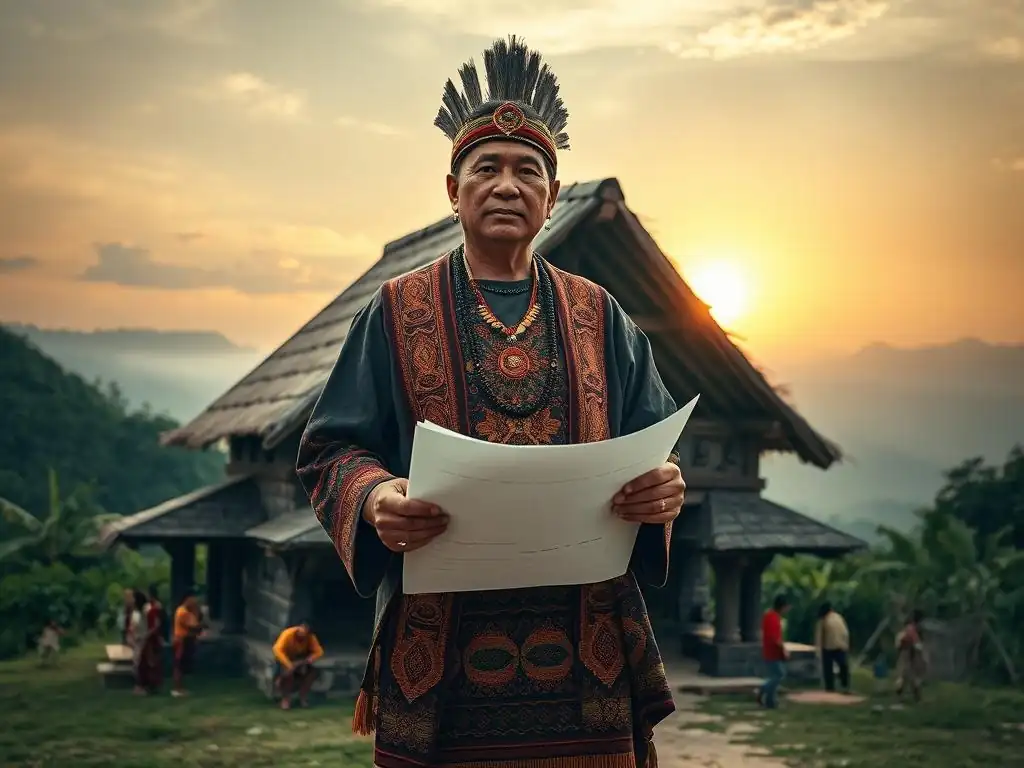
The Architect as a Cultural Leader
In many indigenous communities across the Americas, architects are not merely builders but are regarded as cultural leaders. They hold a significant position within their societies, often intertwined with spiritual beliefs and communal values. Their role extends beyond technical construction; they are custodians of cultural heritage, interpreting traditions through their designs.
Indigenous architects often draw inspiration from nature, using local materials and traditional techniques that reflect the community's relationship with the land. This practice not only preserves the environment but also reinforces social bonds, as buildings become focal points for gatherings, ceremonies, and rituals. For instance, in the Pueblo cultures of the Southwest, adobe structures symbolize resilience and adaptability, reflecting the community's connection to their arid surroundings.
Furthermore, the architect's leadership is evident in their ability to mediate between community members, ensuring that the voices of elders and various stakeholders are incorporated into the design process. This collaborative approach fosters a sense of ownership and pride, as the community actively engages in the creation of spaces that represent their identity.
Skills and Knowledge of Indigenous Architects
Indigenous architects possess a unique blend of skills and knowledge that is deeply rooted in their cultural practices. These skills encompass a wide array of competencies, including:
- Material Sourcing: Knowledge of local materials, such as wood, stone, and clay, allows architects to create structures that harmonize with their surroundings.
- Building Techniques: Mastery of traditional construction methods, such as thatching, adobe making, and timber framing, showcases their understanding of sustainable practices.
- Cultural Symbolism: Architects integrate cultural motifs and symbols into their designs, ensuring that structures convey meaningful narratives and reflect the community's history.
This skill set is often passed down through generations, with mentorship playing a crucial role in preserving indigenous architectural knowledge. For example, the Inca civilization is renowned for its stone masonry, with techniques that have stood the test of time, exemplifying the sophisticated understanding of geology and engineering among indigenous builders.
Moreover, the knowledge of landscapes and climate is vital for successful architectural practices. Indigenous architects often employ strategies that mitigate environmental challenges, such as using elevated platforms in flood-prone areas or orienting structures to maximize natural light and ventilation.
Collaborative Design Practices in Indigenous Societies
Collaboration is a cornerstone of indigenous architectural practices. In many societies, the design and construction of structures are collective efforts that involve various community members, each contributing their expertise and perspective. This collaborative spirit fosters a sense of unity and shared purpose.
- Community Engagement: Architects often hold meetings and discussions with community members to gather input and feedback. This ensures that the final design reflects the collective vision of the community.
- Interdisciplinary Approaches: Indigenous architects frequently collaborate with artists, storytellers, and elders, weaving together diverse forms of knowledge to create spaces that honor their cultural narratives.
- Adaptation and Innovation: The collaborative nature of indigenous design allows for adaptability in architectural practices, enabling communities to innovate while respecting traditional values.
An example of this can be seen in the longhouses of the Haudenosaunee (Iroquois) people, where multiple families come together to build a single structure, symbolizing their interconnectedness. Such practices not only strengthen community ties but also ensure that architectural decisions are made with the well-being of the entire group in mind.
Indigenous architecture in the Americas embodies the profound relationship between culture, community, and the built environment. Architects play a pivotal role in shaping spaces that reflect their societies' identities, values, and aspirations, leaving a lasting legacy that continues to inspire future generations.
Influences of Indigenous Architecture on Community Structure
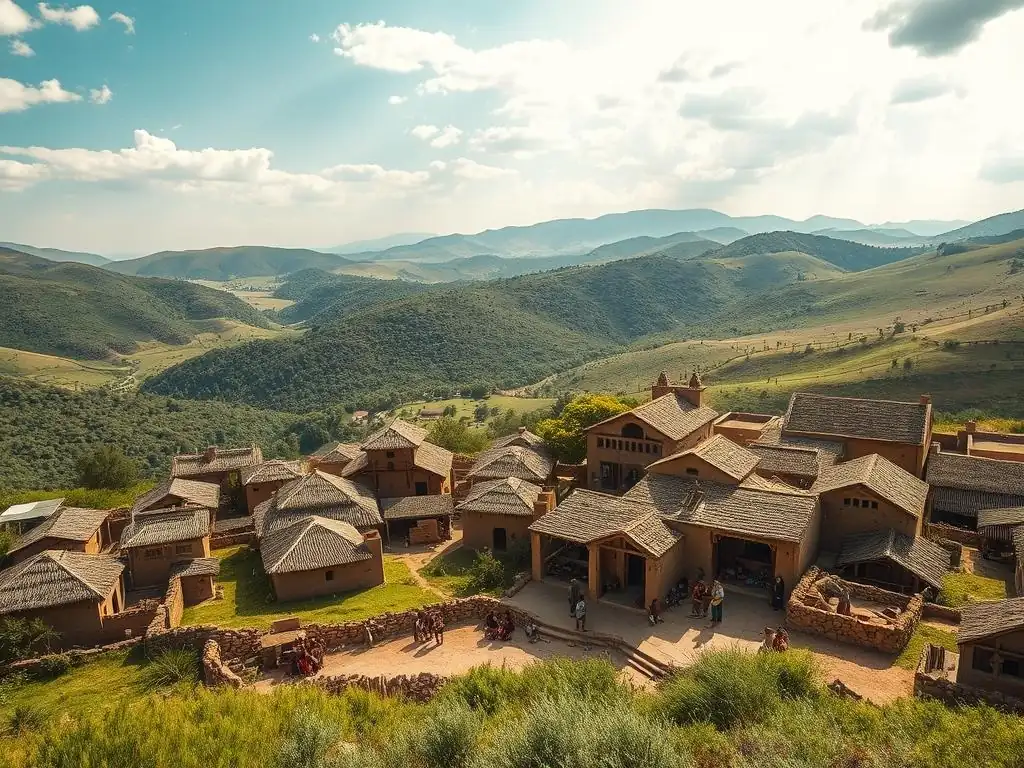
Architectural Elements that Shape Community Life
Indigenous architecture in the Americas is characterized by its deep connection to the natural environment and the social structures of the communities that built it. Various architectural elements not only reflect the aesthetic values of these cultures but also serve functional roles that shape community life.
- Materials: Indigenous builders utilized locally sourced materials such as wood, stone, clay, and straw, which ensured that their structures were both sustainable and in harmony with their surroundings. For instance, the adobe structures of the Pueblo peoples in the Southwest are an excellent example of using clay and earth materials to create homes that are both resilient and energy-efficient.
- Design: Architectural designs often incorporated symbolism and functionality. The circular layouts of certain Indigenous homes, like the tipi or wigwam, facilitated communal living and fostered a sense of unity among inhabitants. Similarly, the use of open spaces within these designs encouraged interaction and cooperation among community members.
- Orientation and Placement: The positioning of buildings and communal areas was often aligned with natural features or celestial bodies, reflecting the spiritual beliefs of the communities. For example, many Mesoamerican sites, such as those of the Maya, were oriented to align with solar events, reinforcing the connection between architecture and the environment.
Use of Space in Indigenous Architecture
The utilization of space in indigenous architecture was meticulously planned to enhance community interaction and functionality.
- Private vs. Communal Spaces: Indigenous dwellings often featured a balance between private and communal areas. For example, the longhouses of the Iroquois were designed to accommodate multiple families, promoting shared resources and social cohesion.
- Flexibility and Adaptability: Many structures allowed for easy reconfiguration to suit different community needs. The tipi could be easily assembled or dismantled, making it ideal for nomadic lifestyles and fostering adaptability in resource use.
- Cultural Significance of Space: Certain areas within communities were designated for specific cultural practices, such as ceremonial grounds or agricultural plots, reinforcing the importance of space in daily life.
Community Gatherings and Public Spaces
Public spaces within indigenous communities were crucial for social interaction, cultural exchange, and governance.
- Gathering Places: Structures like the kiva, used by Puebloan peoples, served as ceremonial spaces that were central to community life. These underground chambers were not only architectural feats but also sites for spiritual and communal gatherings, enhancing social bonds.
- Trade and Exchange Venues: Markets and plazas in various indigenous societies served as hubs for trade and social events. The layout of these spaces facilitated communication and interaction, vital for maintaining economic and social networks.
- Ritual and Ceremony: Public spaces were often designed with cultural rituals in mind, ensuring that community practices were integrated into the physical environment. For instance, the Great Plains tribes would gather in open areas for seasonal gatherings, reinforcing cultural identity and community ties.
Environmental Considerations in Indigenous Building Practices
Environmental stewardship is a hallmark of indigenous architecture in the Americas, reflecting a profound understanding of local ecosystems.
- Sustainable Practices: Indigenous peoples historically practiced sustainable building methods, using materials that minimized environmental impact. Techniques like rammed earth construction and thatching with local grasses demonstrate a commitment to ecological balance.
- Climate Adaptation: Architectural designs were often tailored to local climates. For example, the igloos of the Arctic peoples provided insulation against extreme cold, while the highland homes of the Andean civilizations were constructed to withstand seismic activities, showcasing adaptability to environmental challenges.
- Water Management: Many indigenous communities developed sophisticated systems for managing water resources. The terraced agricultural practices of the Inca not only maximized arable land but also controlled water flow, demonstrating an intricate relationship between architecture, agriculture, and environmental conservation.
Through these intricate elements, indigenous architecture in the Americas not only reflects the cultural values and social structures of its builders but also illustrates a profound respect for the environment, shaping community life in enduring ways.
Case Studies of Indigenous Architectural Impact
The Role of the Chaco Canyon in Community Organization
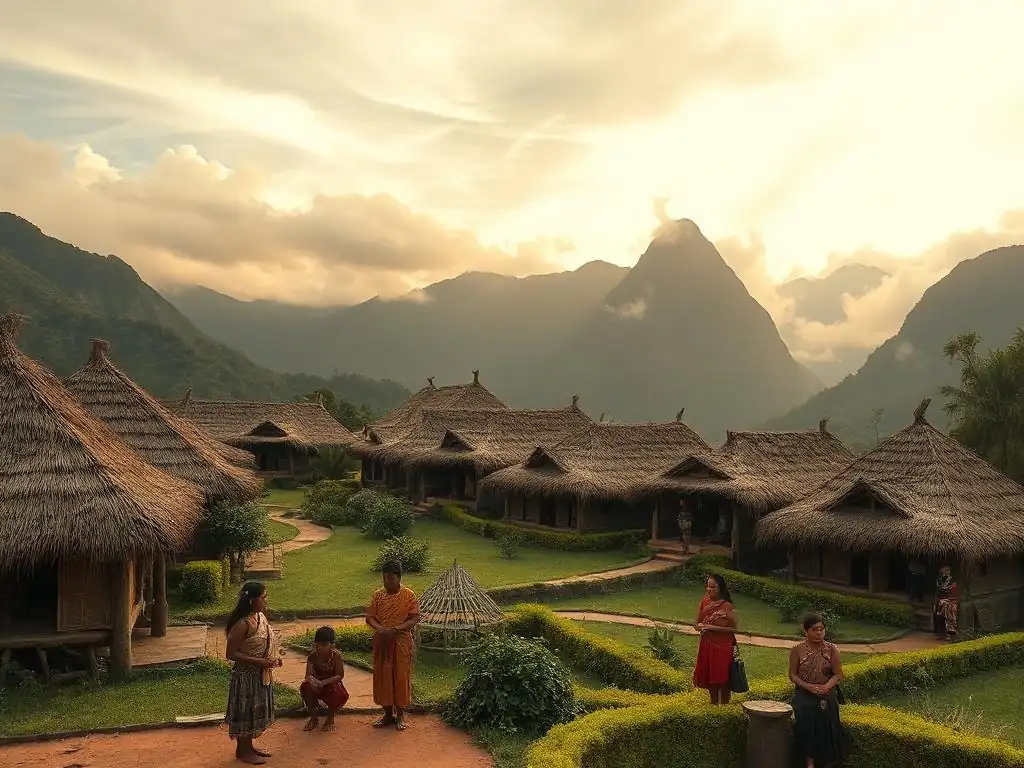
Chaco Canyon, located in northwestern New Mexico, serves as a remarkable example of indigenous architecture and its profound influence on community organization within the Ancestral Puebloan culture. The site, which flourished between AD 900 and 1150, is characterized by its monumental public buildings known as great houses. These structures, often multi-storied and constructed with carefully shaped stone, were not only architectural feats but also served as focal points for social, political, and religious activities.
Community Layout and Planning
The layout of Chaco Canyon reflects sophisticated urban planning. The great houses, such as Pueblo Bonito and Chetro Ketl, were strategically positioned to facilitate communal gatherings and ceremonies. These buildings often included kivas—circular, underground chambers used for religious rituals—highlighting the integration of spirituality and architecture.
- Key Features of Chaco’s Architecture:
- Great Houses: Large, multi-room structures that accommodated extended families and served as community centers.
- Road Systems: An extensive network of roads connected Chaco Canyon to other communities, facilitating trade and cultural exchange.
- Astronomical Alignments: Many structures were aligned with celestial events, demonstrating the importance of astronomy in their cultural practices.
How the Inca Empire Utilized Architecture for Cohesion
The Inca Empire, which reigned over a vast territory in South America from the early 15th century until the Spanish conquest in the 16th century, exemplifies how indigenous architecture was harnessed to foster social cohesion and political control. The Incas employed architectural techniques that not only symbolized their power but also unified diverse cultures within their empire.
Infrastructure and Connectivity
The Incas developed an extensive and sophisticated infrastructure, including roads and bridges that connected remote regions to the capital city of Cusco. This network facilitated the movement of armies, resources, and information, which was crucial for maintaining control over their expansive territory.
- Architectural Highlights:
- Sacsayhuamán: A ceremonial complex built with massive stone walls, showcasing advanced engineering techniques and serving as a symbol of Incan authority.
- Terracing: Agricultural terraces not only maximized arable land in mountainous regions but also demonstrated the Incas' ingenuity in adapting their architecture to the landscape.
- Qhapaq Ñan: The Inca road system, recognized as a UNESCO World Heritage site, was vital for trade and communication, strengthening the ties between different communities.
The Significance of Longhouses in Haudenosaunee Culture
Longhouses were a central aspect of the Haudenosaunee (Iroquois) culture, serving as both residential spaces and community hubs. Constructed primarily from wood and bark, these structures embodied the principles of communal living and reflected the social organization of the Haudenosaunee people.
Design and Functionality
The design of longhouses was not just practical; it was deeply symbolic, representing the kinship ties and cooperative spirit of the Haudenosaunee. Each longhouse could house multiple families, fostering a sense of unity and shared responsibility.
- Characteristics of Longhouses:
- Size and Structure: Typically ranging from 60 to 100 feet in length, longhouses were built to accommodate extended families, with individual sections for each family unit.
- Cultural Significance: The longhouse is often seen as a metaphor for the Haudenosaunee Confederacy, emphasizing the importance of collaboration among the member nations.
- Social Gatherings: These structures served as venues for important meetings, ceremonies, and communal decision-making, reinforcing social bonds and governance.
The architectural practices of indigenous civilizations in the Americas reveal their deep understanding of community needs and social structures. From the grand designs of Chaco Canyon to the cohesive infrastructure of the Inca Empire and the communal longhouses of the Haudenosaunee, these architectural legacies continue to impact our understanding of indigenous cultures and their innovative solutions to societal organization.
Contemporary Relevance of Indigenous Architecture
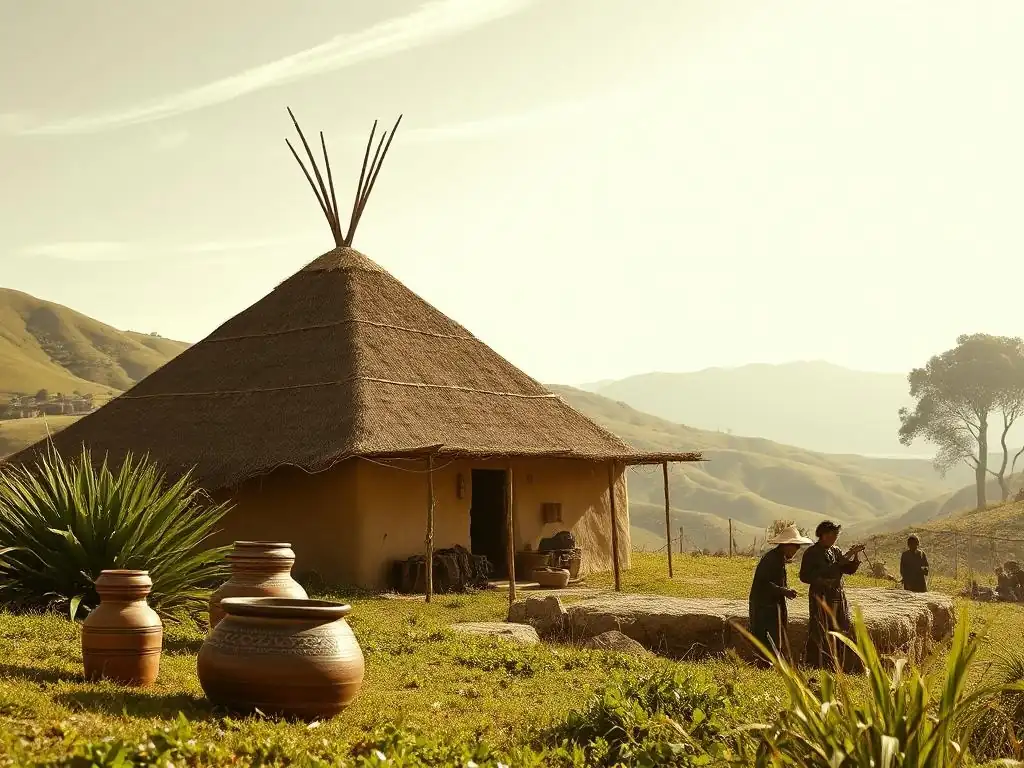
Indigenous architecture in the Americas is not merely a relic of the past; it holds contemporary relevance that continues to shape both community structures and sustainable practices today. The architectural principles and designs derived from indigenous cultures are increasingly recognized for their ecological wisdom and community-centered approaches. As modern architects and planners seek sustainable solutions to urban challenges, the revival of indigenous architectural practices offers invaluable insights that resonate with contemporary needs.
Reviving Traditional Techniques in Modern Architecture
The revival of traditional indigenous techniques in modern architecture is gaining momentum as architects strive to create structures that honor cultural heritage while addressing modern needs. These techniques, which have been refined over centuries, provide unique solutions to environmental and social challenges.
- Natural Materials: Indigenous builders historically utilized locally sourced materials, such as adobe, stone, and timber. Modern architects are now embracing these materials to reduce carbon footprints and enhance building sustainability. For instance, the use of rammed earth, an ancient technique, has seen a resurgence in eco-friendly projects.
- Passive Design: Many indigenous structures were designed with an acute awareness of their environments, utilizing natural ventilation, temperature control, and the sun's path to optimize energy use. Contemporary architects are integrating these passive design principles to create energy-efficient homes that blend seamlessly with their surroundings.
- Cultural Significance: Reviving traditional techniques also involves acknowledging the cultural narratives embedded in indigenous architecture. For example, the design of structures like the Longhouse among the Haudenosaunee or the adobe homes of the Pueblo peoples are not just functional; they symbolize community and identity. Modern adaptations of these designs can foster a sense of belonging and cultural continuity within urban settings.
The Influence of Indigenous Design on Sustainable Practices
Indigenous architecture has profoundly influenced sustainable practices in contemporary design, offering innovative solutions that address pressing environmental issues.
- Ecological Wisdom: Indigenous communities have long practiced sustainable land stewardship, understanding the importance of balance within ecosystems. This wisdom informs sustainable architecture by emphasizing harmony with nature. Techniques such as companion planting and resource conservation are being integrated into landscape design, promoting biodiversity and ecological health.
- Community-Centric Development: Indigenous architecture often prioritizes communal spaces that foster social interaction and community resilience. This focus on collective well-being is increasingly relevant in today’s urban environments, where isolation can be a challenge. Modern architects are incorporating communal gathering spaces and shared resources, inspired by indigenous designs, to enhance social cohesion.
- Climate Adaptation: As climate change poses new challenges, indigenous architectural practices provide insights into building resilience. For instance, the elevated structures of coastal tribes in response to rising sea levels illustrate adaptive design strategies that modern architects can learn from. By studying these approaches, contemporary builders can develop more resilient infrastructure that aligns with environmental changes.
The contemporary relevance of indigenous architecture in the Americas is evident in the revival of traditional techniques and the influence of indigenous design on sustainable practices. By integrating these elements, modern architecture can honor the legacy of indigenous builders while addressing the pressing challenges of today’s society.
Conclusion: The Lasting Legacy of Indigenous Architecture in the Americas
Indigenous architecture in the Americas is a profound testament to the ingenuity and adaptability of various cultures that flourished long before European colonization. This architectural legacy not only reflects the practical needs of these communities but also embodies their socio-political structures, spiritual beliefs, and environmental interactions. The intricate designs, materials, and techniques employed reveal a deep understanding of local resources and climatic conditions, showcasing the remarkable skillset of indigenous architects.
From the monumental earthworks of the Mississippian culture to the intricate stone masonry of the Inca, indigenous architecture served as a canvas for the expression of cultural identity and community values. Structures such as the adobe pueblos of the Southwest and the longhouses of the Iroquois represent not just shelter but also the social organization and communal living practices of these societies. Each architectural form tells a story, a narrative intertwined with the people who built them and the landscapes they inhabited.
Reflecting on the Influence of Architects on Community Structure
The role of architects in indigenous societies extended beyond mere construction; they were pivotal in shaping community structure and social dynamics. Architects often held esteemed positions within their societies, acting as custodians of knowledge and cultural traditions. Their designs were deeply embedded with symbolism and purpose, reflecting the community's values, beliefs, and aspirations.
- Community Centers and Gathering Spaces: Many indigenous structures, such as the Great Houses of the Ancestral Puebloans or the ceremonial mounds of the Mississippians, were designed not only for habitation but also as centers for social interaction, trade, and governance. These spaces fostered communal ties and facilitated the sharing of resources and cultural practices.
- Spatial Organization and Social Hierarchy: The layout of settlements often mirrored the social hierarchies within them. For instance, in the Aztec capital of Tenochtitlán, the placement of temples and palaces reflected the power dynamics and religious importance of various structures. This architectural intentionality helped reinforce the societal framework and collective identity of the community.
- Environmental Adaptation: Indigenous architects were masters of their environments, designing structures that harmonized with the landscape. For example, the use of local materials like thatch and stone not only provided durability but also established a sense of place and belonging. This adaptability ensured the sustainability of communities, allowing them to thrive in diverse ecological settings.
Encouraging Future Generations to Embrace Indigenous Architectural Heritage
As we reflect on the profound impact of indigenous architecture in the Americas, it is crucial to encourage future generations to recognize and embrace this rich heritage. Preserving architectural knowledge and traditions is vital for fostering a deeper understanding of indigenous cultures and their contributions to society.
- Educational Initiatives: Integrating indigenous architectural studies into educational curricula can inspire a new generation of architects and builders. By learning about traditional techniques and the philosophies behind indigenous designs, students can cultivate respect for cultural diversity and historical awareness.
- Community Engagement: Encouraging collaborations between indigenous architects and contemporary designers can lead to innovative approaches that honor traditional practices while addressing modern needs. This dialogue can enrich current architectural practices and promote sustainable development.
- Cultural Preservation: Supporting initiatives that aim to preserve and restore indigenous structures is critical. These efforts not only protect historical sites but also celebrate the stories and traditions they represent. Engaging indigenous communities in these projects ensures that their voices and knowledge are respected and prioritized.
The legacy of indigenous architecture in the Americas is a vital part of cultural history that deserves recognition and celebration. By understanding and valuing these architectural contributions, we pave the way for a more inclusive and respectful approach to our shared cultural heritage. Embracing indigenous architectural principles not only enriches our built environments but also fosters a deeper appreciation for the diverse narratives that shape our world.
Frequently Asked Questions
What is the primary focus of the article "The Builders' Legacy: Architects and Their Influence on Community Structure"?
The article explores indigenous architecture in the Americas, highlighting the achievements and societal structures of various indigenous cultures prior to European colonization.
How did indigenous architecture influence community structure?
Indigenous architecture was integral to community organization, reflecting the values and social hierarchies of different cultures, which shaped their interactions and daily lives.
What are some key achievements of indigenous architects mentioned in the article?
The article details several innovative construction techniques and sustainable practices used by indigenous architects, showcasing their ability to adapt to diverse environments and resources.
How does the article address the impact of indigenous architecture today?
It emphasizes the lasting impact of indigenous architectural practices, which continue to influence modern design and urban planning, promoting a deeper understanding of cultural heritage.
Why is the study of indigenous architecture important?
Studying indigenous architecture is crucial for recognizing the rich cultural histories of the Americas and appreciating the sophisticated societies that existed prior to European contact.
Final Reflection: The Enduring Influence of Indigenous Architecture on Community Identity
In an era where urbanization and globalization often overshadow local traditions, the legacy of indigenous architecture in the Americas remains a powerful testament to the resilience and ingenuity of communities. This article has explored how architects, both historical and contemporary, have shaped not only the physical landscape but also the cultural identity of their communities. As we navigate the complexities of modern society, it is crucial to recognize the profound impact that these architectural practices have on our sense of belonging and community cohesion.
The influence of indigenous architecture extends far beyond mere aesthetics; it embodies a way of life that prioritizes harmony with nature and social connectivity. This connection to the land and community underscores the importance of preserving these architectural traditions. As we witness a resurgence of interest in sustainable design and culturally responsive architecture, we are reminded of the words of architect David Adjaye: Architecture is a way of thinking about how we live, how we connect, and how we belong.
This perspective invites us to reflect on how the principles of indigenous architecture can inform our modern practices and foster a deeper understanding of our shared heritage.
As we conclude this exploration, I invite you to reflect on your own surroundings and consider how architecture shapes your community's identity. How can you engage with and honor the architectural legacies that have come before you? Whether through supporting local artisans, advocating for sustainable practices, or simply appreciating the stories embedded in the structures around you, each of us has a role to play in preserving and celebrating the rich tapestry of our architectural heritage. Let us carry forward the lessons of the past as we build a more inclusive and connected future.
Unveil the Impact of Architecture in Your Community
Thank you for exploring the fascinating connection between architects and community structure! Your engagement helps shed light on how design shapes our environments and influences our lives. To take your newfound insights to the next level, consider these actionable steps:
- Volunteer for a local community project focused on urban design or revitalization. Your hands-on involvement can foster positive change and nurture meaningful connections.
- Start a discussion group to explore local architectural styles and their relevance today. Sharing knowledge will inspire new ideas and deepen appreciation for cultural heritage.
- Document your findings! Create a blog or social media post about community structures you admire, highlighting the architects who contributed to their design and significance.
What unique architectural feature in your community do you believe reflects its cultural identity? Share your thoughts below!