
The Tiahuanaco Calendar: Understanding Timekeeping in an Ancient Society

Welcome to Indigenous Civilizations of the Americas, where we delve into the rich tapestry of cultures that flourished long before European contact. Here, you will uncover the remarkable achievements and complex societies of the indigenous peoples, each with their own unique stories and innovations. In our featured article, “The Tiahuanaco Calendar: Understanding Timekeeping in an Ancient Society,” we invite you to explore the sophisticated timekeeping system of Tiahuanaco—a civilization that mastered the art of measuring time in ways that still intrigue scholars today.
Prepare to embark on a journey that not only illuminates the past but also reveals the enduring legacy of these vibrant cultures. Your exploration begins now!
The Tiahuanaco civilization, flourishing around Lake Titicaca in present-day Bolivia, presents a fascinating lens through which we can explore the intricate relationship between indigenous cultures and their understanding of time. The Tiahuanaco ancient timekeeping system not only reflects the society's advanced astronomical knowledge but also showcases how their perception of time influenced their agricultural practices, religious ceremonies, and social organization.
This article delves into the complexities of the Tiahuanaco calendar, revealing how it served as a vital tool for navigation through both the cosmos and daily life, ultimately shaping the cultural identity of the Tiahuanaco people. Through an examination of archaeological findings and historical interpretations, we will uncover the significance of this ancient calendar and its enduring legacy within the broader narrative of indigenous civilizations in the Americas.
The Significance of Timekeeping in Tiahuanaco Society
Timekeeping played a pivotal role in the Tiahuanaco civilization, influencing agricultural cycles, religious events, and social structures. Understanding how the Tiahuanaco people perceived and measured time is crucial for grasping their societal organization and cultural practices.
- Agricultural Impact: The Tiahuanaco calendar was intricately tied to agricultural cycles. By accurately tracking celestial events, the Tiahuanaco people could determine the optimal times for planting and harvesting crops, essential for their sustenance.
- Religious Observances: Significant religious events were often synchronized with the calendar, ensuring that ceremonies aligned with celestial occurrences such as solstices and equinoxes. These events reinforced societal cohesion and cultural identity.
- Social Organization: The structured nature of timekeeping helped in coordinating communal activities, from festivals to labor distribution, fostering a sense of unity among the Tiahuanaco people.
The Mechanics of the Tiahuanaco Calendar
Examining the mechanics behind the Tiahuanaco ancient timekeeping system reveals a sophisticated understanding of astronomy and mathematics.
- Lunar and Solar Cycles: The calendar was based on both lunar and solar cycles, allowing the Tiahuanaco to create a dual framework for tracking time.
- Calibration Techniques: Archaeological evidence suggests that the Tiahuanaco utilized various calibration techniques, such as observing the movements of stars and the sun, to ensure the accuracy of their calendar.
- Monumental Structures: Sites like the Sun Gate and Akapana Pyramid serve as astronomical observatories, demonstrating how architecture played a role in their timekeeping practices.
Lasting Legacy of the Tiahuanaco Calendar
The Tiahuanaco ancient timekeeping system has left a profound impact not only on subsequent civilizations but also in contemporary indigenous practices.
- Cultural Continuity: Many indigenous communities in the Andes today continue to utilize similar celestial observations in their agricultural practices, showcasing the enduring legacy of this ancient knowledge.
- Historical Influence: The Tiahuanaco calendar influenced later cultures in the region, such as the Inca, who adapted and expanded upon these timekeeping methods.
- Modern Recognition: Contemporary researchers and indigenous groups alike are recognizing the importance of Tiahuanaco timekeeping in understanding historical agricultural techniques and cultural practices.
In this article, we will further explore these aspects of the Tiahuanaco calendar, highlighting its significance within the broader context of indigenous civilizations in the Americas and providing insights into how ancient timekeeping systems shaped their societies.
- The Significance of Timekeeping in Tiahuanaco Society
- The Mechanics of the Tiahuanaco Calendar
- Lasting Legacy of the Tiahuanaco Calendar
Introduction to the Tiahuanaco Culture
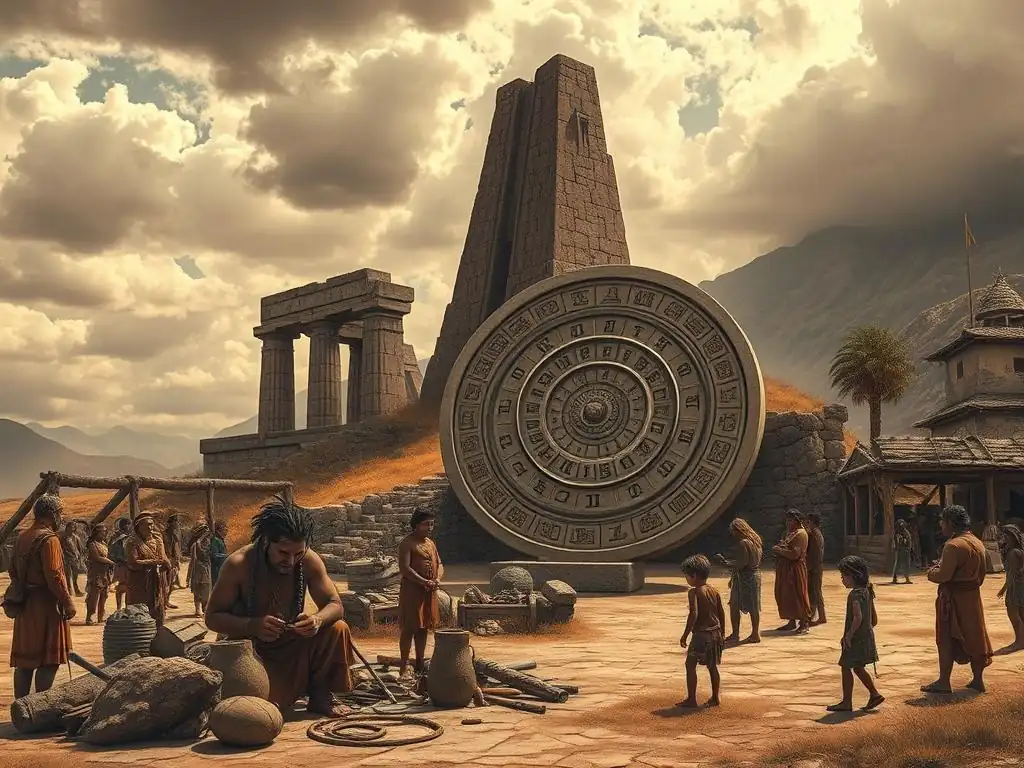
The Tiahuanaco culture, which flourished between approximately 300 AD and 1000 AD in the Andean highlands of Bolivia, is renowned for its advanced architectural, agricultural, and astronomical achievements. This civilization is particularly noted for its remarkable urban planning and monumental structures, which continue to captivate researchers and visitors alike.
Central to the Tiahuanaco way of life was their intricate understanding of timekeeping, reflected in their ceremonial calendars and agricultural practices. This section will delve into the Tiahuanaco ancient timekeeping system, exploring its relevance not only to the civilization itself but also to the broader context of ancient societies in the Americas.
Overview of Tiahuanaco Civilization
The Tiahuanaco civilization emerged as a significant cultural and political entity in the Andes, with its epicenter located near Lake Titicaca. Archaeological evidence suggests that Tiahuanaco was a bustling urban center, characterized by sophisticated engineering and architectural feats, including the Pumapunku and Kalasasaya temples. These structures, made of large stone blocks, showcase the civilization’s advanced knowledge in stone masonry and construction techniques.
Key features of Tiahuanaco civilization include:
- Agricultural Innovation: The Tiahuanaco people developed advanced agricultural techniques, including raised-field farming, which allowed them to cultivate crops efficiently in the high-altitude environment. This innovation played a crucial role in sustaining their population and supporting urban growth.
- Astronomical Knowledge: The Tiahuanaco were skilled astronomers, with their timekeeping system closely linked to celestial events. They constructed observatories and aligned their structures with solar and lunar cycles, indicating a sophisticated understanding of astronomy.
- Cultural Synthesis: Tiahuanaco served as a cultural hub, influencing and interacting with neighboring societies such as the Aymara and the Inca. Its artistic styles, religious practices, and technologies spread throughout the region, leaving a lasting impact on Andean culture.
The Tiahuanaco civilization's achievements in architecture, agriculture, and astronomy underscore their advanced societal organization and highlight the complexity of pre-Columbian cultures in the Americas.
Significance of Timekeeping in Ancient Societies
Timekeeping in ancient societies was not merely a practical necessity but a vital aspect of cultural identity, agricultural planning, and religious practices. For the Tiahuanaco, their ancient timekeeping system was intricately woven into the fabric of daily life and served several key functions:
- Agricultural Cycles: The Tiahuanaco calendar was essential for determining agricultural cycles. By observing celestial events, they could predict seasonal changes, facilitating the timing of planting and harvesting. This connection between timekeeping and agriculture underscores the importance of a stable food supply for societal sustainability.
- Ceremonial Practices: Timekeeping also played a significant role in the Tiahuanaco's religious and ceremonial life. The alignment of their structures with celestial bodies suggests that they held religious ceremonies during solstices and equinoxes, marking important seasonal transitions. These events were likely tied to agricultural rituals and community gatherings.
- Social Organization: The ability to accurately track time and celestial events contributed to the social organization within Tiahuanaco society. It allowed for the coordination of communal activities, governance, and resource management, reflecting a level of complexity indicative of advanced societal structures.
- Cultural Identity: Timekeeping systems also fostered a sense of cultural identity and continuity. The Tiahuanaco ancient timekeeping system encapsulated their worldview, connecting them to their ancestors and the cosmos. This shared understanding of time reinforced community bonds and cultural heritage.
The Tiahuanaco ancient timekeeping system was integral to the civilization's agricultural, ceremonial, and social frameworks. By exploring these practices, we gain insight into the sophisticated nature of Tiahuanaco society and its lasting influence on subsequent cultures in the Andes.
The Tiahuanaco Ancient Timekeeping System
Definition of the Tiahuanaco Timekeeping System
The Tiahuanaco ancient timekeeping system was a sophisticated method employed by the Tiahuanaco civilization, which thrived in the Andean highlands of present-day Bolivia from around 400 AD to 1000 AD. This system was integral to their societal structure, agricultural practices, and ceremonial life.
At its core, the Tiahuanaco calendar was a lunisolar system, meaning it was based on both the lunar phases and the solar year. This duality allowed the Tiahuanaco people to synchronize their agricultural cycles with the changing seasons, which was vital for their survival in the challenging highland environment. The calendar consisted of distinct periods that were meticulously calculated and observed, reflecting a deep understanding of astronomical phenomena.
The Tiahuanaco calendar is believed to have been organized around a 12-month cycle, with each month consisting of 30 days. This structure not only facilitated the planning of agricultural activities but also governed social events, religious festivals, and other communal gatherings. The precision of this ancient timekeeping system attests to the Tiahuanaco's advanced knowledge of astronomy and mathematics.
Key Features of the Tiahuanaco Calendar
The Tiahuanaco calendar exhibited several key features that distinguished it from other ancient timekeeping systems:
- Lunisolar Basis:
- The calendar was rooted in both lunar cycles (phases of the moon) and solar cycles (seasons), allowing the Tiahuanaco people to track time accurately throughout the year.
- 12-Month Structure:
- The year was divided into 12 months, each consisting of 30 days, culminating in a total of 360 days. This structure reflects a remarkable understanding of time and cycles.
- Intercalary Days:
- To align the lunar calendar with the solar year, the Tiahuanaco civilization likely included intercalary days or adjustments, although the exact method remains a subject of research.
- Agricultural Alignment:
- The calendar was closely tied to agricultural activities, with specific months designated for planting, harvesting, and other seasonal tasks. This alignment was crucial for maximizing crop yields.
- Ceremonial Significance:
- Certain dates held particular importance for religious and cultural ceremonies, highlighting the calendar's role in the social and spiritual life of the Tiahuanaco people.
- Astronomical Observations:
- The Tiahuanaco civilization constructed impressive structures, such as the Akapana pyramid and the Kalasasaya temple, which were likely used for astronomical observations to refine their calendar.
- Legacy and Influence:
- The Tiahuanaco timekeeping system influenced subsequent Andean cultures, including the Inca, who adopted and adapted elements of this ancient calendar in their own timekeeping practices.
The Tiahuanaco ancient timekeeping system was a complex and integral aspect of Tiahuanaco society, reflecting their deep connection with the cosmos and the natural world. Its careful construction allowed for effective agricultural planning and reinforced the cultural identity of the Tiahuanaco people.
Historical Context of Tiahuanaco Timekeeping
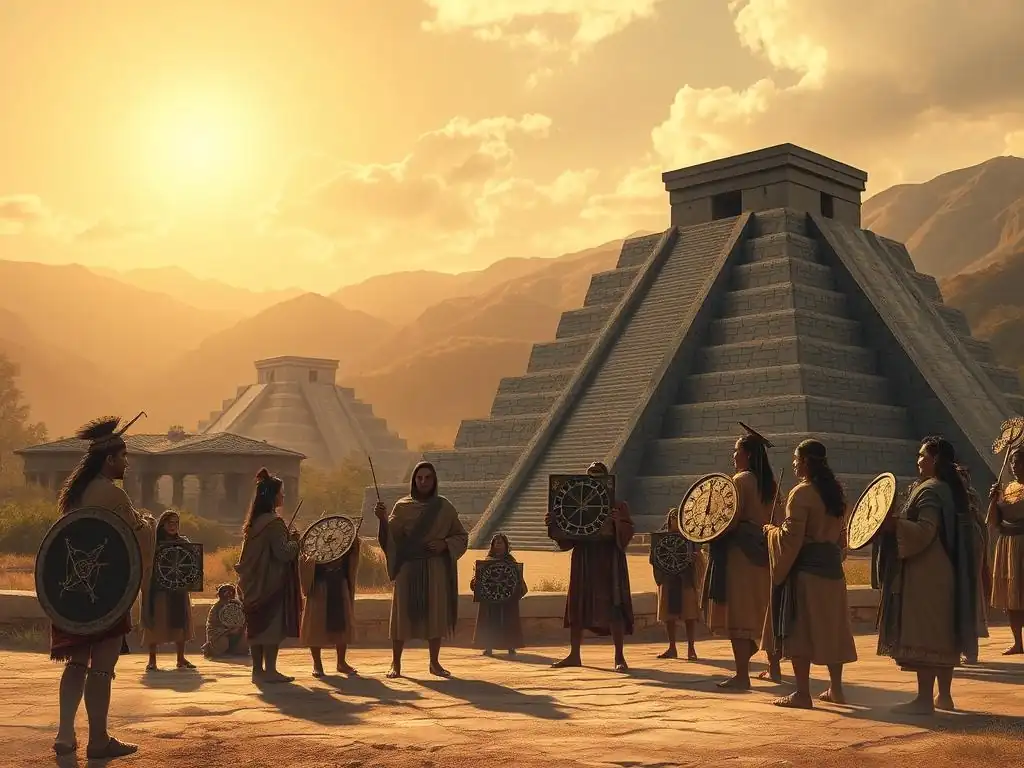
The Tiahuanaco ancient timekeeping system is deeply rooted in the historical context of the Tiahuanaco civilization, which flourished in the Andean highlands of present-day Bolivia between approximately 300 AD and 1000 AD. This society is renowned for its advanced agricultural techniques, monumental architecture, and intricate social structures. Central to their culture was a sophisticated understanding of time, which was essential for agricultural cycles, religious ceremonies, and social organization.
The Tiahuanaco people developed a calendar system that was likely influenced by their observations of celestial bodies. Their timekeeping practices were crucial for aligning agricultural activities with seasonal changes, enabling them to maximize crop yields in the harsh highland environment. This ancient civilization's calendar was not merely a tool for tracking days but a vital component of their cosmology and worldview.
Archaeological findings have significantly enhanced our understanding of the Tiahuanaco ancient timekeeping system. Key sites, such as the Temple of the Sun and the Gateway of the Sun, exhibit architectural features that highlight the importance of astronomical alignments in their calendar practices.
- The Temple of the Sun: This structure is aligned with the sun's rays during solstices, suggesting that it played a role in their solar calendar. The precise orientation indicates that the Tiahuanaco people were adept at using the sun's position to mark time.
- The Gateway of the Sun: This iconic monument is adorned with intricate carvings, including figures that may represent celestial deities. Scholars believe that the carvings serve not only a decorative purpose but also functioned as a mnemonic device for tracking time and seasons.
Additionally, researchers have uncovered artifacts like ceramic vessels and stone tablets inscribed with what may be calendar notations. These artifacts provide crucial insights into the Tiahuanaco calendar, suggesting a complex system that integrated both lunar and solar cycles.
| Artifact Type | Description | Significance |
|---|---|---|
| Ceramic Vessels | Often feature symbols that may correlate with lunar phases | Indicate the importance of lunar cycles in agriculture |
| Stone Tablets | Inscribed with potential calendar markings | Suggest a sophisticated understanding of time |
The combination of these archaeological discoveries underscores the advanced nature of Tiahuanaco society and its reliance on a structured timekeeping system.
Influence of Geography on Tiahuanaco Timekeeping Practices
The geographical setting of Tiahuanaco significantly shaped its ancient timekeeping practices. Located at an altitude of over 3,800 meters (12,500 feet) in the Andes, the region's climate and topography impacted agricultural cycles and, consequently, the calendar system.
- Highland Agriculture: The Tiahuanaco civilization was primarily agrarian, relying on crops such as potatoes and quinoa. The variations in altitude and climate meant that they had to develop a calendar that could account for microclimates and seasonal rainfall patterns. This necessitated a keen observation of natural cycles, particularly the Andean rainy season, which impacted planting and harvesting times.
- Astronomical Observations: The clear skies of the Andes provided an excellent vantage point for observing celestial movements. The Tiahuanaco people likely tracked the movements of stars and planets to inform their calendar. For instance, the appearance of certain constellations could signal the onset of planting seasons or the timing of festivals.
- Cultural Significance: The interplay between geography and timekeeping also influenced the cultural rituals of the Tiahuanaco civilization. Events such as solstices and equinoxes were not only agricultural markers but also held spiritual significance, reflecting the community's deep connection to the land and the cosmos.
By harmonizing their timekeeping practices with their geographical environment, the Tiahuanaco civilization demonstrated a remarkable understanding of the natural world, which played a critical role in their survival and cultural identity.
Components of the Tiahuanaco Calendar
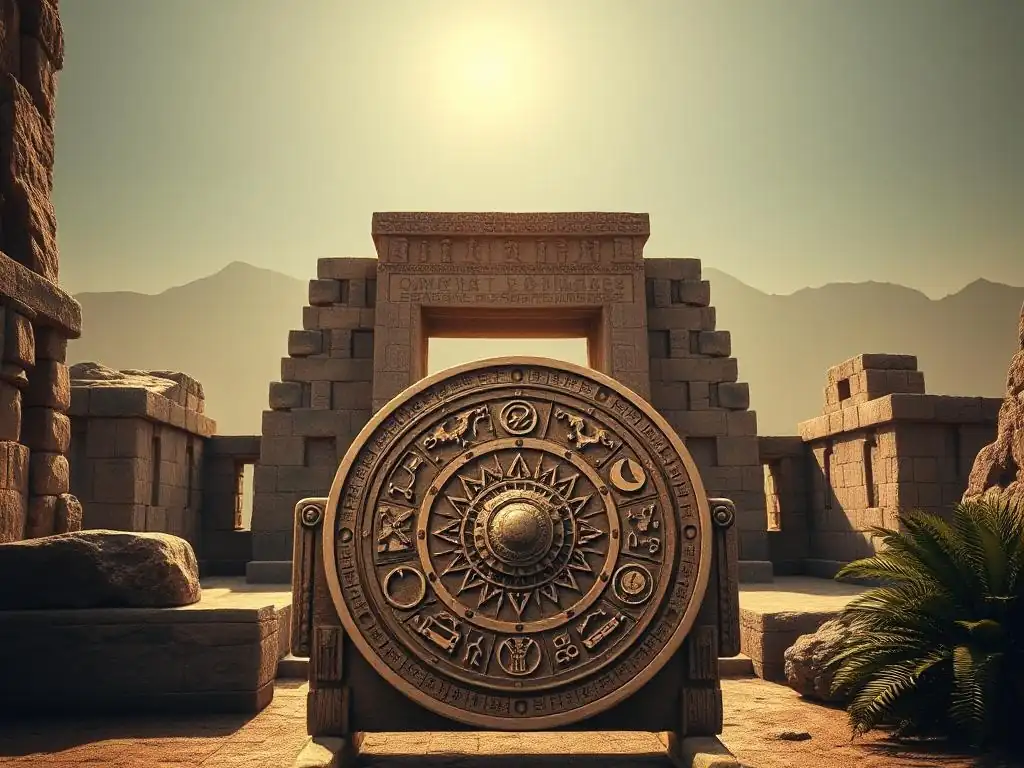
The Tiahuanaco ancient timekeeping system is a remarkable achievement that not only reflects the society's understanding of astronomy but also its deep connection to the agricultural cycles and spiritual beliefs. This calendar, intricately woven into the fabric of Tiahuanaco civilization, combines solar and lunar elements to create a sophisticated framework for tracking time.
Solar and Lunar Elements in the Tiahuanaco Calendar
The Tiahuanaco calendar is primarily based on the solar year, which consists of approximately 365 days. The people of Tiahuanaco observed the sun's position and its movements throughout the year, marking significant solar events. For instance, they closely monitored the solstices and equinoxes, which were vital for agricultural planning and rituals.
- Solar Year: The Tiahuanaco calendar recognized a solar year of 365 days, divided into 12 months. Each month typically consisted of 30 days, with an additional 5 days added to complete the year.
- Lunar Cycle: While the solar calendar was dominant, lunar cycles also played a critical role. The lunar month, approximately 29.5 days, influenced certain rituals and agricultural activities. The synchronization between the solar and lunar calendars was crucial for maintaining harmony in their timekeeping system.
The Tiahuanaco civilization developed a unique method to align these two systems, allowing them to predict solar and lunar events effectively. Researchers have discovered that the Pumapunku temple complex features architectural alignments that correspond to solar events, indicating their advanced understanding of celestial movements.
Rituals and Festivals Linked to the Calendar
The Tiahuanaco calendar was not merely a tool for measuring time; it was deeply intertwined with the society's religious and agricultural practices. Various rituals and festivals were celebrated throughout the year, often aligned with significant solar and lunar events.
- The Harvest Festival: Celebrated during the summer solstice, this festival marked the peak of the agricultural cycle. The Tiahuanaco people performed rituals to honor the sun and ensure a bountiful harvest in the coming year. Offerings, such as crops and textiles, were made to deities associated with fertility and agriculture.
- Winter Solstice Ceremonies: The winter solstice was another significant event in the Tiahuanaco calendar. It symbolized the return of longer days and was celebrated with ceremonies that included music, dance, and rituals aimed at invoking the sun's strength. The people believed that honoring the sun during this time would ensure its re-emergence and the continuation of life.
- Lunar Festivals: The Tiahuanaco civilization also observed lunar festivals, which coincided with the new moon and full moon phases. These gatherings were characterized by communal feasting, storytelling, and rituals aimed at connecting the community with celestial forces. They believed that the moon had a direct influence on agricultural cycles, including planting and harvesting.
The intricate relationship between their calendar and these rituals highlights the profound understanding of timekeeping in Tiahuanaco society. This ancient timekeeping system not only served practical purposes but also reinforced social cohesion and spiritual beliefs, showcasing the civilization's rich cultural heritage.
Methods of Time Measurement in Tiahuanaco Society
The Tiahuanaco civilization, flourishing between 400 AD and 1000 AD in the Andean region of modern-day Bolivia, developed a sophisticated understanding of time that was intricately linked to their agricultural practices, religious beliefs, and social organization. Their methods of time measurement were influenced by their surroundings, particularly the celestial bodies, which played a crucial role in their calendar systems.
Tools Used for Timekeeping in Tiahuanaco
The Tiahuanaco people utilized various tools and structures to measure time effectively. Some of the prominent tools included:
- Stone Monuments: The Tiahuanaco site is home to numerous stone structures, such as the Pumapunku and the Akapana Pyramid, which are believed to have been aligned with celestial events. These monuments likely served both as ritual sites and as observatories, helping the Tiahuanaco people track the movements of the sun and stars.
- Horizon Calendars: The civilization employed horizon calendars that relied on the position of the sun at sunrise and sunset. By observing solar alignments with specific geographic features, they could mark the solstices and equinoxes, which were essential for agricultural planning.
- Shadow-Casting Devices: Simple gnomons or shadow-casting devices, possibly made from wood or stone, were likely used to indicate the passage of time throughout the day. The length and direction of shadows would help determine the time of day and the changing seasons.
Techniques for Observing Celestial Events
The Tiahuanaco society had advanced techniques for observing celestial events, which were integral to their timekeeping system. These techniques included:
- Astronomical Alignments: The alignment of significant structures with astronomical phenomena was a key aspect of Tiahuanaco's timekeeping methods. For instance, certain buildings were oriented to capture the first rays of the sun during the solstices, marking important agricultural and ceremonial dates.
- Lunar Observations: The phases of the moon were also crucial for the Tiahuanaco people. They may have used cycles of the moon to plan agricultural activities, as lunar cycles often influenced crop planting and harvesting times.
- Star Clusters and Constellations: The Tiahuanaco civilization likely observed specific star clusters and constellations to guide their agricultural calendar. For example, the appearance of certain stars in the night sky could signal the changing of seasons, prompting timely agricultural activities.
The Tiahuanaco ancient timekeeping system was a complex integration of tools and techniques that reflected a profound understanding of their environment and the cosmos. This sophisticated approach to time measurement not only facilitated agricultural success but also reinforced the cultural and spiritual practices of this remarkable civilization.
The Role of the Tiahuanaco Calendar in Society
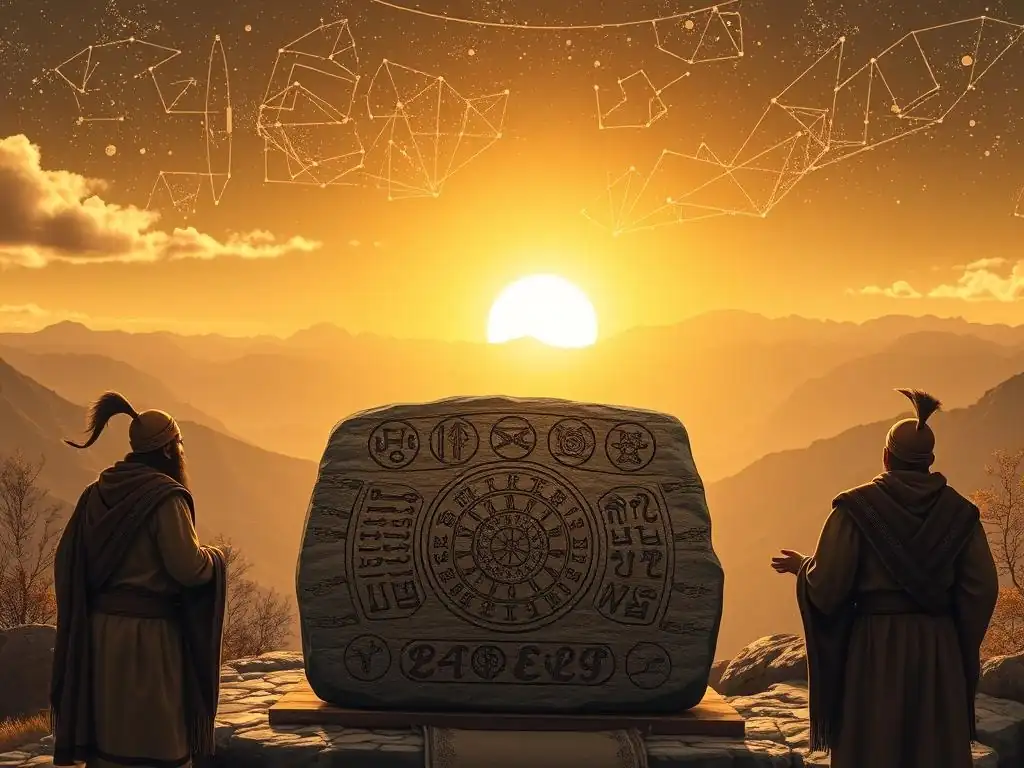
The Tiahuanaco civilization, located near the southern shores of Lake Titicaca in present-day Bolivia, developed an intricate calendar system that served various vital functions in their society. This ancient timekeeping system not only governed daily activities but also played a significant role in the spiritual and agricultural spheres of Tiahuanaco life. Understanding its societal implications sheds light on how time was perceived and utilized by this remarkable civilization.
Societal Functions of the Tiahuanaco Timekeeping System
The Tiahuanaco ancient timekeeping system was multifaceted, encompassing various societal functions that were integral to the civilization's organization and cultural practices.
- Religious Ceremonies: Timekeeping was closely linked to the spiritual beliefs of the Tiahuanaco people. Festivals and rituals were often scheduled according to the calendar, reflecting the community’s reverence for celestial events and seasonal changes. Major ceremonies, such as the solstices and equinoxes, were marked with elaborate celebrations that reinforced their cosmological beliefs.
- Social Structure: The calendar served as a tool for governance and social order. Leaders and priests likely used it to coordinate community activities, manage resources, and plan public works. By organizing events around the calendar, the Tiahuanaco society maintained cohesion and structure, ensuring that all community members participated in significant cultural practices.
- Trade and Communication: The timekeeping system facilitated trade interactions with neighboring cultures. Knowledge of seasonal cycles allowed merchants to plan their trading expeditions effectively, aligning them with optimal weather conditions and agricultural harvests. This synchronization helped to establish timely communication and exchange relationships among different groups.
- Astronomical Observations: The Tiahuanaco calendar was not merely a method of tracking time but was also deeply tied to astronomical observations. The civilization is known for its impressive stone constructions, such as the Kalasasaya Temple, which align with celestial bodies. These structures served as observatories, allowing the Tiahuanaco people to refine their calendar based on astronomical phenomena.
Impact on Agriculture and Daily Life
The agricultural practices of the Tiahuanaco civilization were profoundly influenced by their timekeeping system, which was essential for the sustenance of their society.
- Agricultural Planning: The calendar played a crucial role in determining the best times for planting and harvesting crops. By observing the cycles of the moon and sun, the Tiahuanaco people could predict seasonal weather patterns, ensuring that agricultural activities coincided with optimal growing conditions. This knowledge was vital for crops like potatoes and quinoa, which were staples of their diet.
- Irrigation Management: The Tiahuanaco civilization developed sophisticated irrigation systems to support their agriculture, especially in the challenging high-altitude environment. The calendar allowed them to schedule maintenance and management of these systems effectively, ensuring the efficient use of water resources during critical farming periods.
- Daily Routines: Beyond agriculture, the Tiahuanaco calendar influenced daily life by structuring the rhythm of work and community engagements. Specific days may have been designated for communal labor, family gatherings, or rest, fostering a sense of community and shared responsibility among the inhabitants.
- Cultural Identity: The calendar was a key component of Tiahuanaco cultural identity. The observances tied to the calendar reinforced community bonds and a collective understanding of their place in the universe. This shared temporal framework helped to unify individuals within the society, allowing for a cohesive cultural expression that persisted through generations.
The Tiahuanaco ancient timekeeping system was not simply a means of measuring time but a fundamental aspect of the civilization’s societal functions and agricultural practices. Its impact on religious ceremonies, social organization, trade, and daily life illustrates the sophisticated understanding of time that the Tiahuanaco people possessed, which ultimately contributed to their enduring legacy in the Americas.
Comparisons with Other Indigenous Timekeeping Systems
Similarities Between Tiahuanaco and Other Ancient Calendars
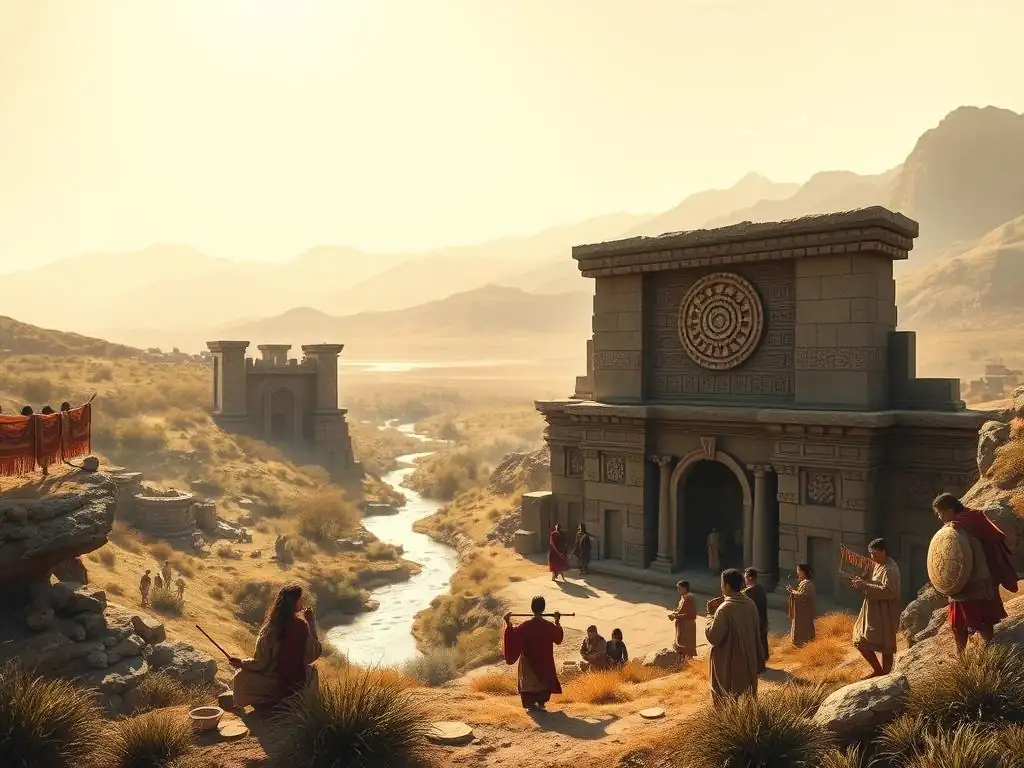
The Tiahuanaco ancient timekeeping system shares several similarities with other indigenous calendars across the Americas, reflecting a common cultural and astronomical understanding among ancient civilizations.
- Lunar and Solar Cycles: Like many Mesoamerican cultures, the Tiahuanaco civilization incorporated both lunar and solar cycles into their calendar system. For instance, the Maya calendar also features a complex interplay between solar years and lunar months, which facilitated agricultural and ceremonial planning.
- Agricultural Significance: The Tiahuanaco calendar, much like the calendars of the Inca and other Andean cultures, was primarily designed to align agricultural activities with seasonal changes. This reliance on celestial events was crucial for determining planting and harvesting times, ensuring food security for the population.
- Cyclical Nature: The understanding of time as cyclical rather than linear is a shared characteristic among various indigenous cultures. The Tiahuanaco timekeeping system, akin to the Aztec calendar, emphasized the recurrence of seasons and significant rituals, marking time in relation to the natural world and its rhythms.
- Use of Rituals: Tiahuanaco and other indigenous societies, such as the Hopi, utilized their calendars to schedule important rituals and festivals. These events were often tied to astronomical phenomena, like solstices and equinoxes, underscoring the cultural significance of celestial events.
Unique Aspects of the Tiahuanaco Timekeeping Approach
While the Tiahuanaco ancient timekeeping system shares common elements with other indigenous calendars, it also exhibits unique features that reflect the distinct cultural and environmental context of the Tiahuanaco civilization.
- Complex Calendar System: The Tiahuanaco calendar consisted of multiple interlocking cycles, including a solar year of approximately 365 days and a ritual calendar of 360 days. This complexity allowed for a nuanced understanding of time that was highly specialized and tailored to their specific agricultural needs.
- Astronomical Alignments: The Tiahuanaco people placed a significant emphasis on astronomical observation, particularly regarding the positioning of celestial bodies. Structures like the Gateway of the Sun are thought to have been aligned with solar events, such as the solstices, indicating a sophisticated understanding of astronomy that influenced their timekeeping practices.
- Integration of Geography: The Tiahuanaco civilization was located in the high-altitude region of the Andes, which influenced their timekeeping. The unique geography, climate, and ecological conditions necessitated a calendar that considered local weather patterns, such as the rainy and dry seasons, further distinguishing their system from others.
- Symbolic Representations: The Tiahuanaco calendar incorporated unique symbols and imagery that reflected their mythology and cosmology. These representations served not only as time markers but also as a means of communicating cultural values and beliefs, which were deeply intertwined with their understanding of time.
The Tiahuanaco ancient timekeeping system is characterized by its similarities to other indigenous calendars, particularly in its agricultural and astronomical aspects. However, its complexity, geographic integration, and symbolic significance set it apart, showcasing the distinctiveness of Tiahuanaco culture.
Conclusion: The Legacy of the Tiahuanaco Calendar
The Tiahuanaco Calendar stands as a remarkable testament to the ingenuity and sophistication of ancient civilizations in the Americas. This ancient timekeeping system not only reflects the astronomical knowledge of the Tiahuanaco people but also provides insight into their agricultural practices, religious beliefs, and social organization. The calendar's intricate structure demonstrates how the Tiahuanaco civilization adeptly understood and utilized the cycles of nature, allowing them to thrive in the challenging environment of the Andes.
Lasting Influence on Indigenous Timekeeping Practices
The Tiahuanaco ancient timekeeping system has had a profound and lasting influence on subsequent indigenous cultures in the Andean region. Its emphasis on solar and lunar cycles became foundational for later societies, including the Inca, who further refined and adapted these practices to create their own sophisticated calendars.
-
Integration with Agriculture
The Tiahuanaco calendar was closely linked to agricultural cycles, determining the optimal times for planting and harvesting crops. This practice was inherited by later cultures, ensuring food security and sustainability.
-
Cultural Significance
The Tiahuanaco people also embedded their timekeeping system within their spiritual and ceremonial life. Festivals and rituals were timed according to the calendar, and this tradition continued to influence indigenous practices even after the decline of Tiahuanaco.
-
Regional Variations
As this timekeeping knowledge spread, it adapted to local conditions. Various indigenous groups developed their unique interpretations and systems, showcasing the versatility and resilience of Tiahuanaco's original framework.
The Tiahuanaco calendar not only marked time but also shaped the very fabric of social and agricultural life in the Andes.
Relevance to Modern Understanding of Ancient Societies
Understanding the Tiahuanaco ancient timekeeping system enhances modern perspectives on pre-Columbian societies. By examining how the Tiahuanaco civilization approached time, researchers gain valuable insights into their daily lives, governance, and social structures.
-
Astronomical Knowledge
The calendar reflects an advanced understanding of astronomy, indicating that the Tiahuanaco people were keen observers of celestial movements. This knowledge not only showcases their scientific achievements but also emphasizes the importance they placed on aligning their lives with the cosmos.
-
Social Organization
The ability to accurately measure time and predict seasonal changes suggests a complex social organization capable of planning and executing large-scale agricultural projects. This challenges the notion of primitive societies, illustrating that the Tiahuanaco civilization had developed sophisticated systems of governance and resource management.
-
Cultural Heritage
The legacy of the Tiahuanaco calendar continues to resonate today, as descendants of these ancient peoples still honor and celebrate their ancestral knowledge. This connection fosters a deeper appreciation for the rich cultural heritage of the Andes and the ongoing influence of ancient civilizations on modern indigenous identities.
The Tiahuanaco ancient timekeeping system is a crucial element in understanding the achievements and complexities of pre-Columbian societies. Its legacy lives on through the practices and beliefs of contemporary indigenous cultures, reminding us of the profound connections between time, nature, and human life.
Frequently Asked Questions
What is the Tiahuanaco ancient timekeeping system?
The Tiahuanaco ancient timekeeping system was a sophisticated method used by the Tiahuanaco civilization to track time and seasonal changes, reflecting their deep understanding of astronomy.
How did the Tiahuanaco civilization contribute to timekeeping?
The Tiahuanaco civilization developed intricate calendars based on solar and lunar cycles, allowing them to effectively plan agricultural activities and religious ceremonies.
What are the key features of the Tiahuanaco calendar?
The Tiahuanaco calendar included unique elements such as solar alignments, rituals tied to celestial events, and a complex system of months and days used for both agriculture and societal governance.
How did the Tiahuanaco calendar influence other cultures?
The Tiahuanaco calendar had a significant impact on neighboring civilizations, spreading knowledge of timekeeping practices that influenced their agricultural and social structures.
Why is the study of the Tiahuanaco timekeeping system important today?
Studying the Tiahuanaco timekeeping system helps us understand the advanced knowledge and cultural significance of indigenous civilizations in the Americas, highlighting their contributions to human history.
Final Reflection: The Enduring Legacy of Tiahuanaco's Ancient Timekeeping
The Tiahuanaco ancient timekeeping system serves as a remarkable testament to the ingenuity of human civilization. In an era where the measurement of time was crucial for agricultural practices and societal organization, the Tiahuanaco people developed a sophisticated calendar that not only reflected their understanding of celestial movements but also shaped their cultural identity. Today, as we navigate our fast-paced lives, the significance of such ancient wisdom resonates more than ever, reminding us of the intricate relationship between time, nature, and community.
The influence of the Tiahuanaco calendar extends beyond mere historical curiosity; it invites us to reflect on how ancient societies approached time and its implications for their daily lives. The precision of their timekeeping system underscores a profound respect for the natural world and an understanding of cycles that many modern cultures have lost sight of. As the historian John H. Rowe once said, The calendar is a mirror of the society that created it.
This insight encourages us to consider how our own systems of timekeeping reflect our values and priorities in contemporary society.
As we conclude our exploration of the Tiahuanaco calendar, I invite you to reflect on your own relationship with time. How do you measure your days, and what significance do you assign to the cycles of nature around you? Embrace the lessons of the past by integrating mindfulness into your daily routine, allowing the wisdom of ancient timekeeping to inspire a more harmonious existence. In doing so, we honor the legacy of the Tiahuanaco people and cultivate a deeper appreciation for the rhythms of life that connect us all.
Unveil the Secrets of Tiahuanaco Timekeeping!
Thank you for diving into the fascinating world of the Tiahuanaco calendar! You’ve uncovered the rich heritage and innovative timekeeping methods of an ancient society that shaped the cosmos in their own unique way. Now, it's time to take that knowledge and put it into action!
Here are a few steps you can explore to deepen your understanding and appreciation of Indigenous timekeeping practices:
- Engage with Local Histories: Visit a museum or cultural center that showcases Indigenous artifacts and narratives to gain a broader context of their timekeeping methods.
- Share Your Insights: Discuss your findings with friends or on social media to spread awareness of Tiahuanaco’s intricate calendar systems.
- Explore Further: Investigate additional Indigenous civilizations and examine how their perception of time influenced their cultural practices.
What new perspectives have you gained about the way ancient societies understood time, and how can these insights inspire our modern lives?