
The Role of Indigenous Women in Preserving Culinary Heritage

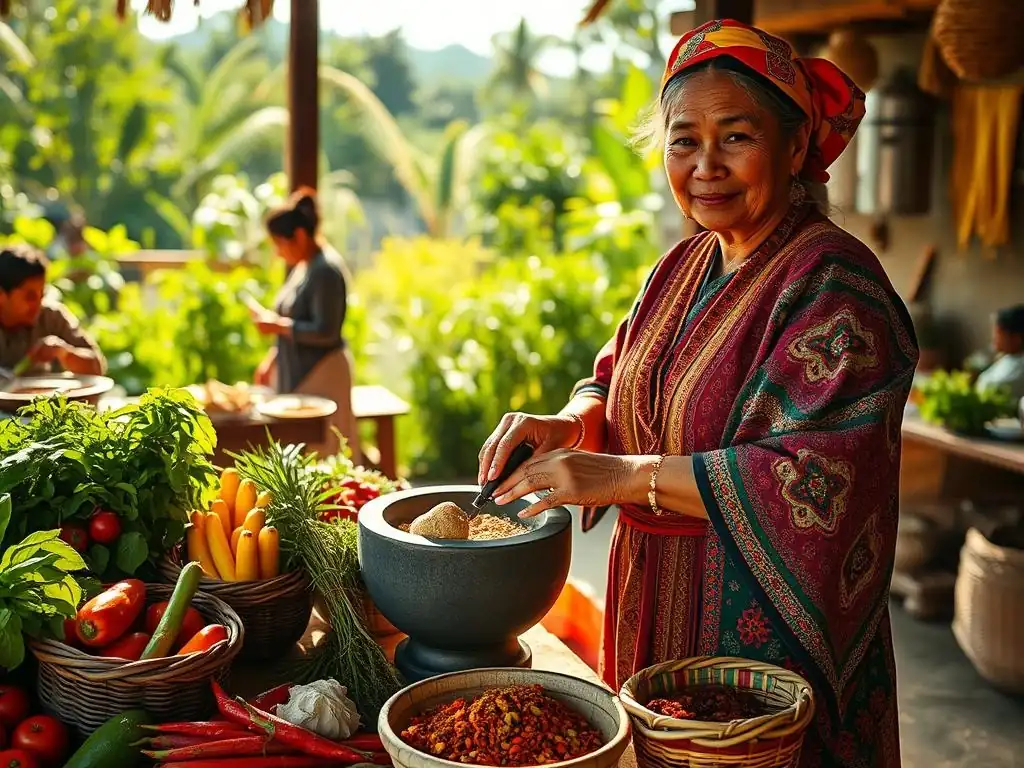
Welcome to Indigenous Civilizations of the Americas, where we invite you to embark on an enlightening journey through the rich tapestry of indigenous cultures that flourished across the Americas long before European contact. In our featured article, The Role of Indigenous Women in Preserving Culinary Heritage, we delve into the vital contributions of Indigenous women in shaping culinary traditions that not only reflect their diverse societies but also preserve their legacies.
Discover how these remarkable women have safeguarded their ancestral recipes and food practices, ensuring that their rich heritage continues to nourish both body and spirit. Join us as we explore this fascinating intersection of culture and cuisine, and uncover the stories that have shaped the culinary landscape of the Americas.
Introduction to Indigenous Women's Culinary Heritage
Indigenous women have played a vital role in the preservation and transmission of culinary heritage across the Americas. Their contributions extend far beyond the kitchen, encompassing a rich tapestry of cultural practices, knowledge, and traditions that have shaped not only their communities but also the broader tapestry of global cuisine.
This article explores the significant impact of Indigenous women's culinary heritage, emphasizing their crucial role in safeguarding recipes, techniques, and food-related rituals that reflect their identities and histories. By rediscovering these culinary traditions, we gain valuable insights into the resilience and creativity of Indigenous cultures and their profound connection to the land.
Historical Context of Indigenous Women's Culinary Contributions
The historical context of Indigenous women's roles in culinary practices reveals a deep-rooted connection between food and community. Before European colonization, women were primarily responsible for food cultivation, gathering, and preparation. They served as the backbone of their societies, ensuring that nutritional needs were met while also fostering community bonds through food sharing and celebrations.
- Culinary Knowledge: Indigenous women held extensive knowledge of local flora and fauna, utilizing plants, herbs, and animals in ways that aligned with natural cycles, ensuring sustainable practices.
- Cultural Significance: The culinary practices of Indigenous women were intertwined with cultural rituals and spiritual beliefs, showcasing the intrinsic value of food in their societies.
Traditional Roles of Indigenous Women in Food Preparation
Indigenous women traditionally held significant roles in food preparation, serving as custodians of culinary knowledge. Their tasks often included:
- Farming and Gathering: Women were responsible for cultivating staple crops such as maize, beans, and squash, often referred to as the "Three Sisters." They also gathered wild plants and herbs, enriching their diets and culinary practices.
- Cooking Techniques: Mastery of various cooking techniques, such as roasting, steaming, and fermentation, allowed women to create diverse and flavorful dishes. These methods were often passed down through generations, ensuring the survival of traditional recipes.
The intricacies of their culinary contributions not only provided sustenance but also played a pivotal role in maintaining cultural identity.
Indigenous Culinary Heritage Through Generations
The transmission of culinary heritage through generations is a testament to the resilience of Indigenous cultures. Women have been instrumental in this process, sharing knowledge and skills with younger generations through storytelling, cooking together, and participating in communal food preparation.
- Storytelling and Recipes: Each dish carries a story, often linked to family history, cultural traditions, and seasonal cycles. This oral tradition ensures that culinary knowledge remains alive and relevant.
- Revival and Adaptation: In contemporary times, Indigenous women are at the forefront of reviving traditional recipes, often incorporating them into modern culinary practices while preserving their core essence. This blending of old and new reflects a dynamic approach to culinary heritage, fostering pride and identity within Indigenous communities.
By exploring the role of Indigenous women in preserving culinary heritage, we gain a deeper appreciation for the rich history and ongoing contributions that continue to shape the culinary landscape today.
Key Ingredients in Indigenous Women's Culinary Heritage
Indigenous women's culinary heritage is deeply intertwined with the natural environment, utilizing key ingredients that have been cultivated, foraged, and revered for generations. This culinary heritage reflects a profound understanding of local ecosystems and the vital role that food plays in cultural identity. Key ingredients often include a variety of native plants, grains, seeds, and proteins that are not only significant for their nutritional value but also for their cultural symbolism.
Native Plants and Their Significance
Native plants are at the heart of Indigenous women's culinary practices, serving both practical and spiritual roles. These plants, such as maize, beans, squash, wild rice, and various herbs, are not just staples; they represent the foundation of Indigenous diets across various regions in the Americas.
- Maize: Revered as a sacred crop, maize is central to many Indigenous cultures, symbolizing sustenance and community. Women traditionally played a key role in its cultivation and preparation.
- Beans: Often grown alongside maize in a practice known as companion planting, beans enrich the soil and provide essential proteins, highlighting the interconnectedness of Indigenous agricultural practices.
- Squash: This versatile vegetable is often used in a variety of dishes and signifies the importance of seasonal cycles and harvests.
Through the knowledge passed down through generations, these plants are often used in traditional recipes that are integral to ceremonies and gatherings, reinforcing community bonds and cultural identity.
Foraging and Sustainable Practices
Foraging has long been a vital practice among Indigenous women, allowing them to source ingredients from their surroundings sustainably. This method not only ensures a diverse diet but also fosters a deep connection with the land.
- Seasonal Foraging: Women gather wild edible plants, nuts, and berries, adapting their culinary practices to the seasons. This practice promotes biodiversity and the preservation of native species.
- Sustainable Harvesting: Indigenous women often employ sustainable harvesting techniques, ensuring that plant populations remain healthy for future generations. This is critical in maintaining ecological balance and protecting traditional food sources.
The knowledge and skills related to foraging are often passed down within families, emphasizing the role of women as custodians of culinary traditions and environmental stewardship.
Preserving Culinary Heritage: Methods and Challenges
Preserving Indigenous women's culinary heritage involves various methods, including oral traditions, community practices, and the adaptation of recipes to contemporary contexts. However, challenges persist in maintaining these traditions in the face of modernization and cultural assimilation.
Community Initiatives and Women-led Projects
Many Indigenous communities have initiated programs that focus on reclaiming and revitalizing traditional culinary practices. Women often lead these projects, emphasizing the importance of sharing knowledge and skills with younger generations.
- Culinary Workshops: These workshops provide opportunities for women to teach traditional cooking techniques and the significance of key ingredients. Participants learn not only how to prepare traditional dishes but also the cultural stories and practices associated with them.
- Cultural Festivals: Community events that celebrate Indigenous cuisines allow women to showcase their culinary heritage, fostering pride and awareness within the community and beyond. These gatherings also serve as platforms for storytelling and cultural exchange.
These initiatives not only preserve culinary knowledge but also empower Indigenous women by recognizing their roles as bearers of cultural heritage.
Challenges Faced in Culinary Heritage Preservation
Despite the efforts to preserve Indigenous women's culinary heritage, several challenges hinder these initiatives.
- Loss of Traditional Knowledge: As younger generations become more influenced by modern diets and lifestyles, there is a risk of losing traditional culinary practices and the knowledge associated with them.
- Environmental Changes: Climate change and habitat destruction threaten the availability of native plants and traditional food sources, making it difficult for women to access the ingredients necessary for their culinary heritage.
- Economic Barriers: Limited resources and economic opportunities can impede community initiatives aimed at preserving culinary traditions, making it challenging to sustain these efforts over time.
Addressing these challenges requires a multifaceted approach that combines community engagement, education, and environmental stewardship, ensuring that Indigenous women's culinary heritage continues to thrive for future generations.
Celebrating Indigenous Women's Culinary Heritage Today
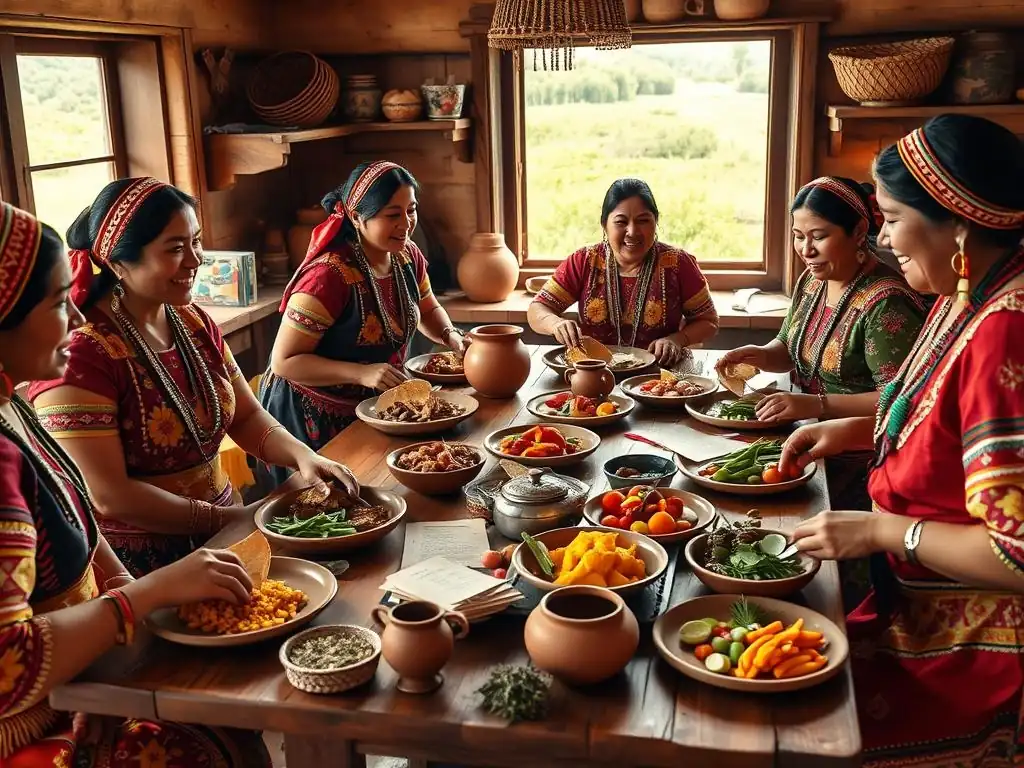
Indigenous women have long been the backbone of culinary traditions within their communities, serving as custodians of knowledge passed down through generations. Today, there is a renewed appreciation for Indigenous women's culinary heritage, with efforts to celebrate and revive traditional practices that were once at risk of being forgotten. This resurgence is not just about food; it encompasses cultural identity, community cohesion, and environmental stewardship.
Festivals and events dedicated to Indigenous cuisine are becoming more prevalent, where traditional dishes are showcased, and stories are shared. These gatherings not only honor the culinary skills of Indigenous women but also educate broader audiences about the significance of these practices. Furthermore, social media platforms have provided a unique space for Indigenous women chefs and home cooks to share their recipes, cooking techniques, and cultural narratives, allowing their culinary heritage to reach a global audience.
Modern Indigenous Chefs and Culinary Innovations
The contemporary culinary landscape has seen the emergence of numerous Indigenous chefs who are redefining traditional cooking practices while incorporating modern techniques and ingredients. These chefs are not only preserving age-old recipes but also innovating them to create new dishes that resonate with both Indigenous and non-Indigenous palates.
For instance, Chef Nephi Craig, a member of the Navajo Nation, has gained recognition for his work in promoting Indigenous food sovereignty. His culinary creations often feature native ingredients like corn, beans, and squash, combined with contemporary cooking methods. Similarly, Chef Crystal Wahpepah, an enrolled citizen of the Kickapoo Tribe of Oklahoma, blends traditional Indigenous flavors with modern culinary trends, emphasizing the importance of sustainability and local sourcing in her dishes.
Through their innovative approaches, these chefs are highlighting the richness of Indigenous women's culinary heritage while addressing contemporary issues such as food insecurity and environmental sustainability. They are also creating spaces for young Indigenous cooks to learn and thrive, ensuring that these culinary traditions continue to evolve.
Impact of Culinary Heritage on Indigenous Identity
Culinary heritage plays a crucial role in shaping Indigenous identity and community cohesion. The act of cooking and sharing food fosters connections among family members and the wider community, reinforcing cultural bonds and shared histories. Indigenous women's culinary practices often serve as a medium for storytelling, where recipes carry the narratives of ancestors, traditions, and the land.
Moreover, the preservation and promotion of culinary heritage enable Indigenous communities to assert their identity amidst ongoing challenges posed by colonization and globalization. By reclaiming and celebrating their food traditions, Indigenous women empower themselves and future generations to take pride in their cultural heritage. This reclamation is not just about food; it is a statement of resilience and a means of resistance against cultural erasure.
The impact of culinary heritage also extends beyond the kitchen. It influences art, music, and education within Indigenous communities, fostering a holistic understanding of culture that is interconnected with the land and its resources. As Indigenous women continue to lead efforts in preserving these culinary traditions, they strengthen the cultural fabric of their communities and contribute to a broader understanding of Indigenous identity.
Conclusion: The Future of Indigenous Women's Culinary Heritage
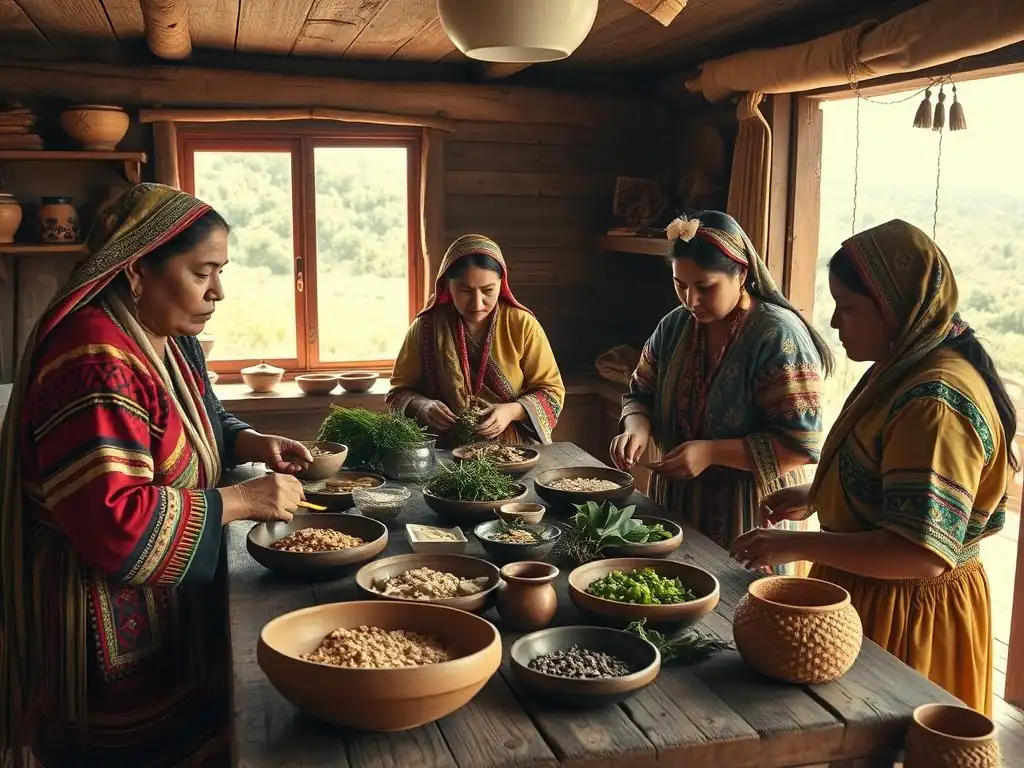
The future of Indigenous women's culinary heritage looks promising as more people recognize its value and significance. As the culinary world becomes increasingly focused on sustainability and local sourcing, Indigenous women, with their deep-rooted knowledge of traditional ingredients and ecological practices, are well-positioned to lead these conversations.
Efforts to document and share Indigenous recipes through cookbooks, online platforms, and community workshops are vital in ensuring that this heritage is preserved for future generations. Additionally, the collaboration between Indigenous and non-Indigenous chefs can foster a greater appreciation for the richness of Indigenous culinary traditions, paving the way for a more inclusive culinary landscape.
As we celebrate Indigenous women's culinary heritage today, it is essential to acknowledge the ongoing challenges they face, including access to resources and representation in the culinary industry. By supporting Indigenous women in their culinary endeavors, we not only honor their contributions but also help sustain and enrich the diverse tapestry of global culinary traditions. The path forward is one of collaboration, education, and respect for the land and its bounty, ensuring that Indigenous women's culinary heritage continues to thrive.
Resources for Exploring Indigenous Women's Culinary Heritage
Indigenous women's culinary heritage represents a rich tapestry of flavors, techniques, and traditions that have been passed down through generations. To truly appreciate and understand this heritage, various resources can be explored. Here are some key categories of resources that highlight and celebrate the contributions of Indigenous women in culinary practices:
Books and Cookbooks
-
"The Cooking of the Americas" by Indigenous Chefs
This cookbook features recipes collected from various Indigenous cultures across the Americas, emphasizing the traditional methods and ingredients used by women in these communities. Through this book, readers can learn not only about the dishes but also the stories behind them.
-
"Fry Bread: A Native American Family Story" by Kevin Noble Maillard
This beautifully illustrated children's book tells the story of fry bread, a dish that has become a symbol of Native American culture. It highlights the connections between food, family, and Indigenous identity, providing an engaging entry point for all ages.
-
"Gathering Native American Cuisine" by various authors
This compilation of essays and recipes from Native American women chefs explores the cultural significance of food in Indigenous communities. It includes personal stories and traditional recipes that reflect the deep connection between women and culinary practices.
Documentaries and Films
-
"Lydia's Recipe"
This documentary follows Lydia, a Native American woman, as she prepares traditional dishes while sharing her culinary heritage. The film illustrates the importance of food in maintaining cultural identity and community bonds.
-
"Gather"
This documentary showcases the journey of Indigenous chefs and food activists who are reclaiming traditional practices and ingredients. It emphasizes the pivotal role of women in these movements and their efforts to preserve culinary heritage.
Online Platforms and Websites
-
Indigenous Food Network
This online platform offers a wealth of information on Indigenous food systems, including recipes, cooking techniques, and resources highlighting the contributions of Indigenous women. It serves as a community hub for sharing knowledge and preserving culinary traditions.
-
Native American Culinary Association
This organization promotes Indigenous culinary heritage through workshops, events, and resources. Their website features profiles of Indigenous women chefs and their contributions to the culinary world, fostering recognition and appreciation for their work.
Community Workshops and Events
-
Local Indigenous Cooking Classes
Many Indigenous communities offer cooking classes led by women who share their culinary knowledge and skills. Participating in these workshops provides a hands-on experience and a deeper understanding of traditional cooking techniques.
-
Food Festivals Celebrating Indigenous Cuisine
Events such as the Indigenous Food Festival bring together chefs, food lovers, and community members to celebrate Indigenous culinary heritage. These festivals often highlight the roles women play in preserving and innovating traditional recipes.
Academic Research and Articles
-
Scholarly Journals on Indigenous Studies
Many academic journals publish research on Indigenous culinary practices, with a focus on women's contributions. Articles often explore the intersections of food, culture, and gender, providing valuable insights into the significance of culinary heritage.
-
Theses and Dissertations
Graduate research often delves into the role of Indigenous women in culinary practices, offering in-depth studies that can serve as rich resources for understanding their impact on culinary heritage.
Conclusion
The exploration of Indigenous women's culinary heritage is supported by a diverse range of resources, from books and documentaries to community events and academic research. By engaging with these materials, individuals can gain a greater appreciation for the vital role that Indigenous women have played in preserving and enriching culinary traditions across the Americas. Their contributions not only reflect the resilience of their cultures but also offer valuable lessons for future generations in the art of cooking and community building.
- Introduction to Indigenous Women's Culinary Heritage
- Historical Context of Indigenous Women's Culinary Contributions
- Key Ingredients in Indigenous Women's Culinary Heritage
- Preserving Culinary Heritage: Methods and Challenges
- Celebrating Indigenous Women's Culinary Heritage Today
- Modern Indigenous Chefs and Culinary Innovations
- Impact of Culinary Heritage on Indigenous Identity
- Conclusion: The Future of Indigenous Women's Culinary Heritage
- Resources for Exploring Indigenous Women's Culinary Heritage
- Conclusion
- What is the significance of Indigenous women's culinary heritage?
- How did Indigenous women contribute to food sovereignty?
- What are some traditional dishes associated with Indigenous women?
- How does the loss of culinary heritage impact Indigenous communities?
- What initiatives support Indigenous women's roles in culinary heritage today?
Frequently Asked Questions
What is the significance of Indigenous women's culinary heritage?
Indigenous women's culinary heritage plays a crucial role in preserving traditional food practices, showcasing cultural identity and community resilience through generations.
How did Indigenous women contribute to food sovereignty?
Indigenous women have historically been the primary caregivers and food producers, ensuring the sustainability of local ecosystems and promoting self-sufficiency in their communities.
What are some traditional dishes associated with Indigenous women?
Traditional dishes often include locally sourced ingredients such as corn, beans, and squash, reflecting the deep connection between cuisine and land stewardship practiced by Indigenous women.
How does the loss of culinary heritage impact Indigenous communities?
The loss of culinary heritage can lead to a disconnection from cultural practices, diminished community cohesion, and the erosion of traditional knowledge that has been passed down through generations.
What initiatives support Indigenous women's roles in culinary heritage today?
Various programs and organizations are dedicated to empowering Indigenous women through culinary arts, promoting education, sustainability, and the preservation of traditional recipes and practices.
Final Reflection: Celebrating Indigenous Women's Culinary Heritage
The preservation of culinary heritage is not just about food; it is about identity, culture, and resilience. Today, as we navigate a world increasingly dominated by globalization and homogenization, the role of Indigenous women in maintaining and revitalizing their culinary traditions has never been more crucial. Their contributions serve as a powerful reminder of the importance of cultural diversity and the stories that food can tell. In a time where many are searching for authenticity and connection, Indigenous women's culinary heritage stands as a beacon of hope and a call to honor our roots.
The influence of Indigenous women's culinary practices extends far beyond the kitchen; it shapes our cultural landscape and fosters a deeper understanding of sustainability and community. Their knowledge, passed down through generations, is a treasure trove that not only nourishes the body but also enriches the soul. Food is our common ground, a universal experience.
This quote encapsulates the essence of how food connects us all, transcending boundaries and inviting us to appreciate the rich tapestry of culinary traditions that Indigenous women have safeguarded through their tireless efforts.
As we reflect on the vital role of Indigenous women in preserving culinary heritage, let us take a moment to consider how we can incorporate these lessons into our own lives. I invite you to explore the stories behind the foods you consume, to seek out and support Indigenous culinary practices, and to honor the women who have dedicated their lives to this important work. By doing so, we not only celebrate their heritage but also contribute to a more inclusive and diverse culinary future for generations to come.
Celebrate and Support Indigenous Culinary Heritage!
Thank you for exploring the vital role of Indigenous women in preserving culinary traditions. Your interest highlights the importance of cultural heritage and encourages a deeper understanding of these rich histories. Now, it’s time to take actionable steps to support and celebrate this heritage in our daily lives.
Here are a few ways you can contribute:
- Dive into local Indigenous cuisine: Visit a nearby restaurant that features Indigenous dishes or try cooking a traditional recipe at home. **Embrace** the unique flavors and stories behind each dish!
- Share your new knowledge: Discuss the significance of Indigenous culinary practices on your social media or within your community. Your voice can inspire others to appreciate and respect these invaluable traditions.
- Engage with Indigenous artisans: Attend workshops, cooking classes, or events led by Indigenous chefs. **Building connections with these talented women** will enrich your understanding and celebrate their expertise.
What dish or culinary tradition do you feel inspired to explore next, and how will you share it with others?