
Ancestors and Spirits: The Role of the Supernatural in Indigenous Ceremonial Life

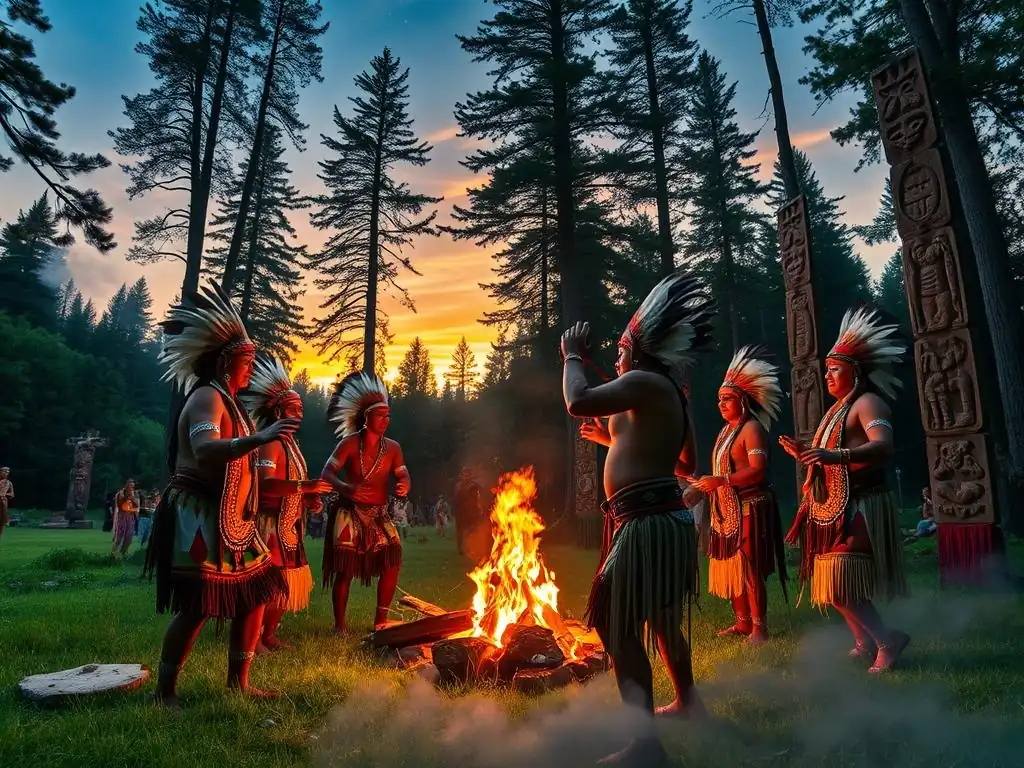
Welcome to Indigenous Civilizations of the Americas, where we invite you to embark on a journey through the rich tapestry of indigenous cultures that flourished long before European contact. Here, you will uncover the profound significance of Indigenous ceremonial life beliefs, delving deep into the intricate relationship between the spiritual and the earthly.
Our featured article, "Ancestors and Spirits: The Role of the Supernatural in Indigenous Ceremonial Life," reveals how these beliefs shaped societies and continue to resonate today. Prepare to be captivated as you explore the vibrant traditions and enduring legacies of these remarkable civilizations—your adventure into the heart of their world starts now!
- Introduction to Indigenous Ceremonial Life Beliefs
- Understanding the Role of Ancestors in Ceremonial Life
- The Influence of Spirits in Indigenous Beliefs
- Ceremonial Practices Involving Ancestors and Spirits
- The Interconnection Between Ancestors, Spirits, and Community
- Contemporary Relevance of Traditional Ceremonial Beliefs
- Conclusion: The Enduring Legacy of Ancestors and Spirits in Indigenous Ceremonial Life
-
Frequently Asked Questions
- What is the significance of ancestors in Indigenous ceremonial life?
- How do spirits influence Indigenous ceremonies?
- What are some common ceremonial practices found among Indigenous cultures?
- How do beliefs about the supernatural shape Indigenous societies?
- Why is understanding Indigenous ceremonial life beliefs important today?
- Final Reflection: Embracing the Spirit of Indigenous Ceremonial Life
- Embrace Your Spiritual Journey Today!
Introduction to Indigenous Ceremonial Life Beliefs
Indigenous ceremonial life beliefs are central to understanding the rich tapestry of cultures that flourished across the Americas prior to European colonization. These beliefs are deeply intertwined with the spiritual and communal practices of indigenous peoples, serving as a vital link between the physical and metaphysical realms. Ceremonial life encompasses a wide array of rituals, traditions, and practices that honor ancestors, spirits, and the natural world, reflecting a profound respect for the interconnectedness of all life.
This article delves into the intricate role that ancestors and spirits play in indigenous ceremonial life, exploring how these elements shape community identity, cultural continuity, and the transmission of knowledge through generations. By examining the significance of these beliefs, we gain insights into the values and worldviews that have sustained indigenous cultures over centuries, despite the challenges posed by colonization and modernization.
Overview of Indigenous Ceremonial Practices
Indigenous ceremonial practices are diverse and vary significantly among different tribes and regions. However, common themes often emerge, highlighting a shared reverence for the spiritual world. Key aspects of these practices include:
- Rituals and Offerings: Many indigenous cultures engage in rituals that involve offerings to spirits or ancestors, such as food, flowers, or other items of significance. These acts are intended to honor the deceased and seek their guidance or blessings.
- Seasonal Ceremonies: Ceremonies often align with seasonal changes, agricultural cycles, or significant life events. For example, harvest festivals celebrate the bounty of the earth, while initiation rites mark the transition from childhood to adulthood.
- Dance and Music: Dance and music are integral components of many ceremonies. They serve not only as expressions of cultural identity but also as means of communicating with the spirit world. Instruments, songs, and movements often carry deep spiritual significance.
- Storytelling: Oral traditions play a crucial role in ceremonial life, with stories passed down through generations. These narratives often feature ancestors, spirits, and creation myths, providing a framework for understanding the world and one's place within it.
Importance of Ancestors and Spirits in Indigenous Cultures
The reverence for ancestors and spirits is foundational to indigenous ceremonial life beliefs. Ancestors are viewed as guides and protectors, their wisdom and experiences shaping the present and future of their descendants. The following points illustrate their importance:
- Cultural Identity: Ancestors provide a sense of belonging and identity within a community. By honoring their lineage, individuals connect with their heritage and maintain a sense of continuity.
- Spiritual Guidance: Many indigenous cultures believe that ancestors watch over the living, offering guidance and support during challenging times. Ceremonies that honor these spirits are seen as essential for ensuring harmony and balance within the community.
- Rituals of Remembrance: Ceremonial practices often include rituals that commemorate the deceased, reinforcing the bond between the living and those who have passed. These acts of remembrance are vital for preserving the stories and teachings of ancestors.
- Interconnectedness of Life: The belief in spirits emphasizes the interconnectedness of all beings. This worldview fosters a deep respect for nature and the environment, as many indigenous cultures see themselves as part of a larger ecological system.
Through these insights, we can appreciate the profound role that ancestors and spirits play in indigenous ceremonial life beliefs, highlighting their significance in shaping cultural practices and community life.
Understanding the Role of Ancestors in Ceremonial Life
Significance of Ancestral Reverence
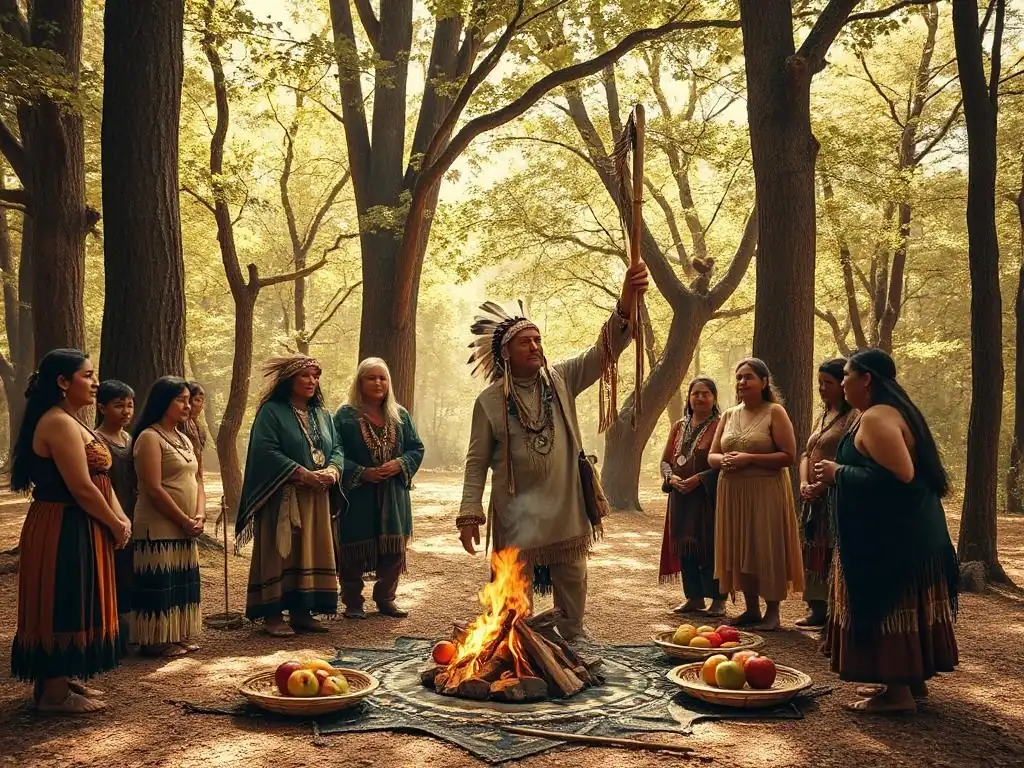
Ancestral reverence is a cornerstone of Indigenous ceremonial life beliefs, deeply embedded in the social and spiritual fabric of many indigenous cultures across the Americas. This practice is not merely a tradition but a vital aspect of identity and continuity, reflecting the profound respect and acknowledgment of those who came before. Ancestors are often viewed as guides, protectors, and sources of wisdom, and their presence is felt in various aspects of daily life and ceremonial practices.
Indigenous communities believe that ancestors play an active role in the lives of the living. This belief fosters a sense of connection that transcends time, establishing a lineage that upholds cultural values and traditions. Through rituals and ceremonies, individuals and communities express gratitude, seek guidance, and maintain harmony with the spiritual world. For many, the act of honoring ancestors reinforces a collective memory that is crucial for cultural survival.
The significance of this reverence can be illustrated through various practices and beliefs, such as:
- Communication with Ancestors: Through prayers, offerings, and rituals, practitioners believe they can communicate directly with their ancestors, receiving guidance and blessings.
- Cultural Continuity: Ancestral reverence helps to preserve languages, stories, and traditions, ensuring that cultural knowledge is passed down through generations.
- Healing and Protection: Many communities believe that honoring their ancestors can bring healing and protection from misfortunes, as ancestors are seen as guardians who watch over their descendants.
Rituals and Practices Honoring Ancestors
Rituals dedicated to honoring ancestors are diverse and vary significantly among different indigenous cultures. These practices often involve symbolic actions, specific offerings, and communal participation that emphasize the importance of the ancestral connection. Some notable rituals include:
- Feast of the Dead: In various cultures, ceremonies are held to celebrate the lives of deceased ancestors, where families gather to share food, stories, and memories. This practice serves to strengthen community bonds and honor the legacy of ancestors.
- Offering Ceremonies: Many indigenous groups prepare specific offerings, such as food, flowers, or crafted items, which are placed on altars or at sacred sites. These offerings are believed to nourish the spirits of ancestors and invite their presence during ceremonies.
- Storytelling and Oral Traditions: The act of storytelling is a powerful ritual that serves to transmit ancestral wisdom. Elders often recount tales of ancestors to younger generations, teaching values and lessons while reinforcing cultural identity.
- Ritual Dances: Dance plays a significant role in ceremonies honoring ancestors. Through rhythm and movement, participants express their connection to the spiritual realm, inviting the presence of their ancestors and honoring their contributions to the community.
Ancestral Knowledge and Its Transmission
The transmission of ancestral knowledge is a critical aspect of Indigenous ceremonial life beliefs. This knowledge encompasses not only spiritual beliefs and practices but also practical skills related to agriculture, medicine, and environmental stewardship. The ways in which this knowledge is passed down can be categorized into several key methods:
- Mentorship and Apprenticeship: Younger generations often learn from elders through hands-on experiences, where they are guided in traditional practices, crafts, and ceremonies. This mentorship fosters deep respect for cultural heritage.
- Ceremonial Education: Many rituals serve as educational tools, where participants engage in learning about their culture, history, and spiritual beliefs. Ceremonies are often designed to teach important life lessons, reinforcing the values of the community.
- Cultural Revitalization Movements: In response to historical disruptions, many indigenous communities are actively working to revive and strengthen their ancestral practices. These movements emphasize the importance of reclaiming and maintaining traditional knowledge as a means of cultural resilience.
- Integration of Spirituality and Daily Life: Ancestral knowledge is often interwoven into daily activities, such as farming or crafting, where spiritual beliefs influence practical actions. This continuity reinforces the connection between the living and the ancestors, ensuring that their teachings remain relevant.
The role of ancestors in indigenous ceremonial life is profound and multifaceted. Through reverence, rituals, and the transmission of knowledge, indigenous cultures maintain a strong connection to their heritage, ensuring that the wisdom and guidance of their ancestors continue to shape their identities and communities.
The Influence of Spirits in Indigenous Beliefs
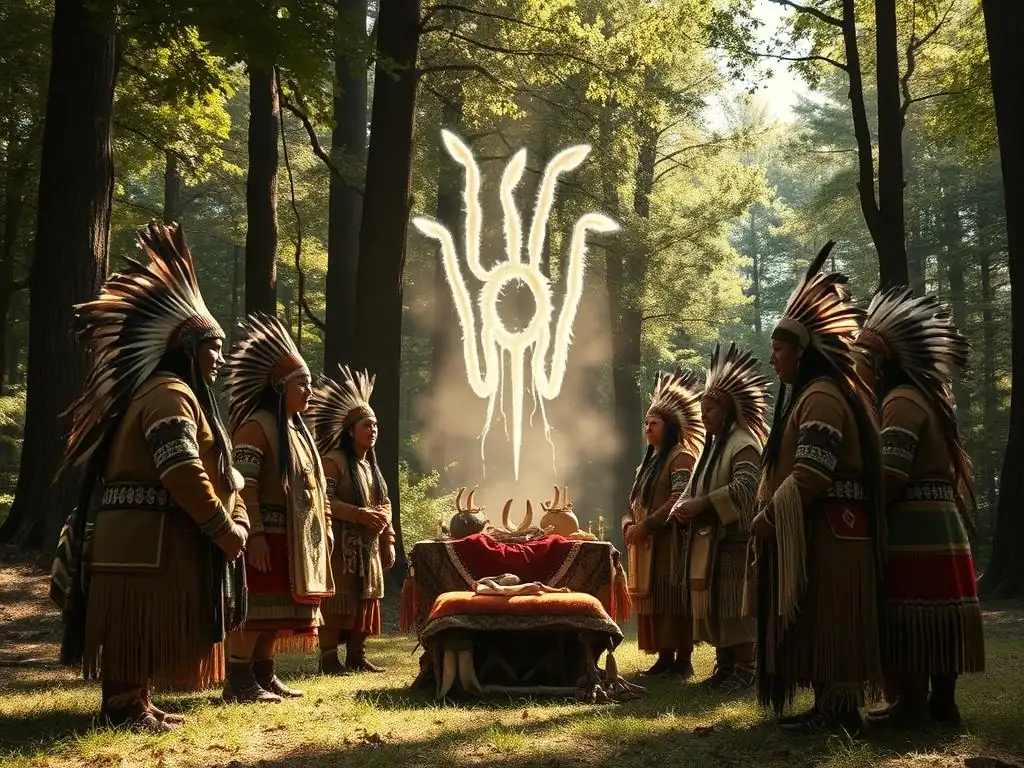
Indigenous ceremonial life beliefs are deeply intertwined with the supernatural, as spirits play a crucial role in shaping the cosmologies, practices, and traditions of various indigenous cultures. The understanding of spirits varies widely among different tribes and nations, yet common threads can be found across many indigenous belief systems. Spirits are often viewed as integral components of the natural world, influencing everyday life and the larger cosmos.
Indigenous peoples frequently perceive the world as populated by various spiritual entities, each with distinct characteristics, roles, and relationships with humans. These beliefs underscore the interconnectedness of all beings, reflecting a holistic worldview where humans, animals, plants, and spirits coexist. This section will explore the different types of spirits recognized in indigenous cosmology, the role of spirit guides during ceremonies, and the methods of communication with the spirit world during rituals.
Types of Spirits in Indigenous Cosmology
Indigenous cosmologies encompass a diverse array of spiritual beings, each categorized based on their characteristics and functions. Here are some notable types of spirits that are commonly recognized:
- Nature Spirits: These spirits are often associated with natural elements such as rivers, mountains, and forests. They may be seen as guardians of specific places, embodying the essence of nature.
- Ancestral Spirits: Revered for their wisdom and guidance, ancestral spirits are believed to be the spirits of deceased ancestors. They play a vital role in maintaining cultural continuity and are often invoked during ceremonies to seek their blessings.
- Animal Spirits: Many indigenous cultures believe in the existence of animal spirits, which may represent particular qualities or traits. These spirits often guide individuals, providing strength and insight.
- Elemental Spirits: These are spirits associated with fundamental elements such as earth, air, fire, and water. They are thought to influence the balance of nature and can be called upon during rituals to ensure harmony.
- Trickster Spirits: Present in various indigenous narratives, trickster spirits embody both mischief and wisdom. They often challenge norms and expectations, serving as catalysts for change and transformation.
The recognition of these diverse spirits reflects the rich tapestry of indigenous belief systems, each contributing to the understanding of the natural and spiritual worlds.
Spirit Guides and Their Function in Ceremonies
Spirit guides hold a special place in indigenous ceremonial life beliefs, serving as intermediaries between humans and the spirit world. Often perceived as wise and protective entities, these guides assist individuals in navigating spiritual journeys, offering insights and support during critical moments.
- Roles of Spirit Guides:
- Protectors: They provide safety and guidance during rituals, ensuring that participants remain connected to the spiritual realm.
- Teachers: Spirit guides impart knowledge and wisdom, helping individuals understand their place within the cosmos.
- Healers: Many indigenous cultures believe that spirit guides possess healing powers, facilitating physical and spiritual recovery during ceremonies.
- Methods of Connection: Indigenous peoples often use various techniques to connect with their spirit guides, such as:
- Drumming and Chanting: Rhythmic sounds can induce altered states of consciousness, allowing for deeper connections.
- Vision Quests: Individuals may embark on solitary journeys into nature to seek visions and guidance from their spirit guides.
- Ceremonial Offerings: Offering gifts or prayers to spirit guides is a common practice to honor their presence and seek their blessings.
Through these practices, spirit guides become integral to the spiritual experience, fostering a sense of community, continuity, and respect for ancestral wisdom.
Communication with the Spirit World During Rituals
Communication with the spirit world is a fundamental aspect of indigenous ceremonial life beliefs. Rituals are designed to facilitate interactions between humans and spirits, often employing various methods to convey messages and intentions.
- Ritual Elements:
- Sacred Spaces: Specific locations are often designated for ceremonies, believed to be imbued with spiritual significance. These spaces may include altars, sacred circles, or natural sites.
- Symbolic Objects: Tools such as feathers, stones, and ceremonial masks are often used to represent spiritual concepts or invoke specific spirits during rituals.
- Methods of Communication:
- Prayer and Invocation: Participants may recite prayers or chants to call upon spirits, requesting guidance or assistance.
- Dance and Movement: Dance is a powerful form of expression in many indigenous cultures, allowing participants to embody spiritual energies and connect with the spirit world.
- Meditation and Trance States: Inducing altered states of consciousness through meditation or trance can facilitate direct communication with spirits, allowing for profound insights and experiences.
The emphasis on communication during rituals reflects the belief that the spirit world is accessible and responsive to human intentions. By engaging with spirits, individuals and communities reaffirm their connection to their heritage, fostering a rich tapestry of indigenous ceremonial life beliefs that persist through generations.
Ceremonial Practices Involving Ancestors and Spirits
Key Ceremonies Celebrating Ancestors
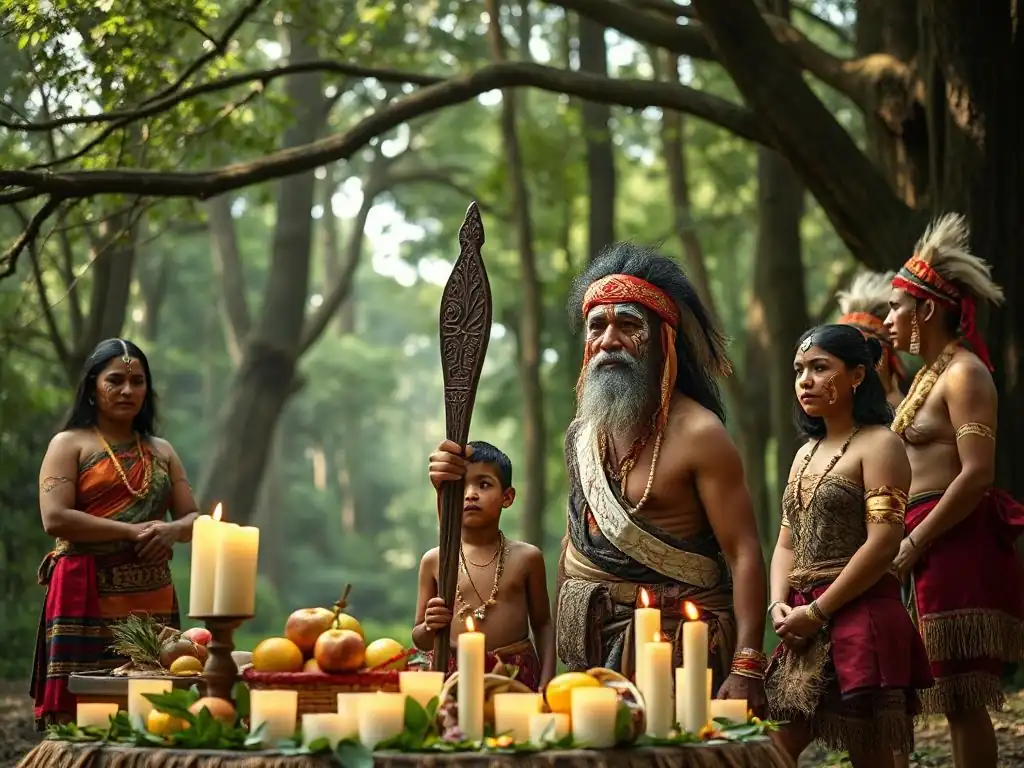
Indigenous ceremonial life beliefs often place a significant emphasis on the reverence and veneration of ancestors. The ceremonies designed to honor these forebears serve as crucial cultural touchstones, reinforcing community identity and continuity. Here are some key ceremonies that illustrate this deep-rooted respect:
- Day of the Dead (Día de los Muertos): Celebrated primarily in Mexico and among Mexican communities in the U.S., this holiday honors deceased loved ones. Families create ofrendas (altars) adorned with photographs, favorite foods, and personal items of the deceased. This celebration reflects a belief in the ongoing presence of ancestors, who are welcomed back to the world of the living.
- Potlatch Ceremonies: Among the Indigenous peoples of the Pacific Northwest, potlatch ceremonies involve the redistribution of wealth and the affirmation of social status. These gatherings often include the telling of ancestral stories, dancing, and the display of family lineage. The potlatch serves as a means of honoring ancestors while reinforcing social ties and responsibilities.
- WíiyóyankA (The Time of the Dead): Practiced among the Lakota, this ceremony involves offerings to ancestors during the winter months. Participants engage in prayer, storytelling, and sharing of food to connect with their lineage, reinforcing the belief that ancestors continue to influence the living.
Rituals Invoking Spirits for Guidance
In addition to honoring ancestors, many indigenous cultures incorporate rituals aimed at invoking spirits for guidance and support. These practices are rooted in the belief that spirits can provide wisdom, protection, and assistance in daily life. Below are some notable rituals:
- Vision Quests: Common among various Indigenous groups, vision quests typically involve a period of fasting and solitude in nature. Participants seek spiritual guidance through visions, often invoking the help of their personal spirit guides or ancestors. This rite of passage is not only a personal journey but also a way to connect with the collective spiritual heritage of the community.
- Sweat Lodge Ceremonies: Used by many Native American tribes, sweat lodges are sacred spaces for physical and spiritual cleansing. Participants enter the lodge, which is heated by stones heated in a fire, and engage in prayer and song to invite spirits for healing and guidance. This ritual emphasizes the interconnectedness of body, mind, and spirit.
- Smudging Rituals: Smudging involves burning sacred herbs (such as sage or sweetgrass) to cleanse a person or space of negative energies. Often performed before important ceremonies or events, this ritual creates a sacred atmosphere and invites positive spirits to guide participants. The act of smudging is a physical manifestation of the belief in the power of the spiritual realm.
Case Studies of Specific Indigenous Ceremonies
To better understand how indigenous ceremonial life beliefs manifest in practice, it is insightful to examine specific case studies of ceremonies from diverse cultures. Here are three notable examples:
| Indigenous Group | Ceremony | Description |
|---|---|---|
| Navajo | Enemy Way Ceremony | This healing ceremony, performed after a soldier returns from war, honors both ancestors and the spirits of the deceased. It involves songs, prayers, and the reenactment of traditional dances to promote healing and integration back into the community. |
| Maya | Rituals of the Popol Vuh | The Popol Vuh, a foundational text of Maya mythology, informs various rituals that honor creation and ancestral spirits. Ceremonies often include offerings, dances, and reenactments of mythological events, emphasizing the continuity between the past and present. |
| Ojibwe | Midewiwin Ceremony | This sacred healing and initiation ceremony involves the invocation of spirits through songs, drumming, and the sharing of teachings. Central to the ceremony is the belief in the power of ancestors and spirit helpers to provide guidance and healing. |
These ceremonies illustrate the profound connection that Indigenous cultures maintain with their ancestors and the spiritual world. The beliefs surrounding these practices not only shape individual identities but also reinforce communal bonds and cultural heritage. By engaging with these traditions, contemporary Indigenous communities continue to honor their past while navigating the challenges of modern life.
The Interconnection Between Ancestors, Spirits, and Community
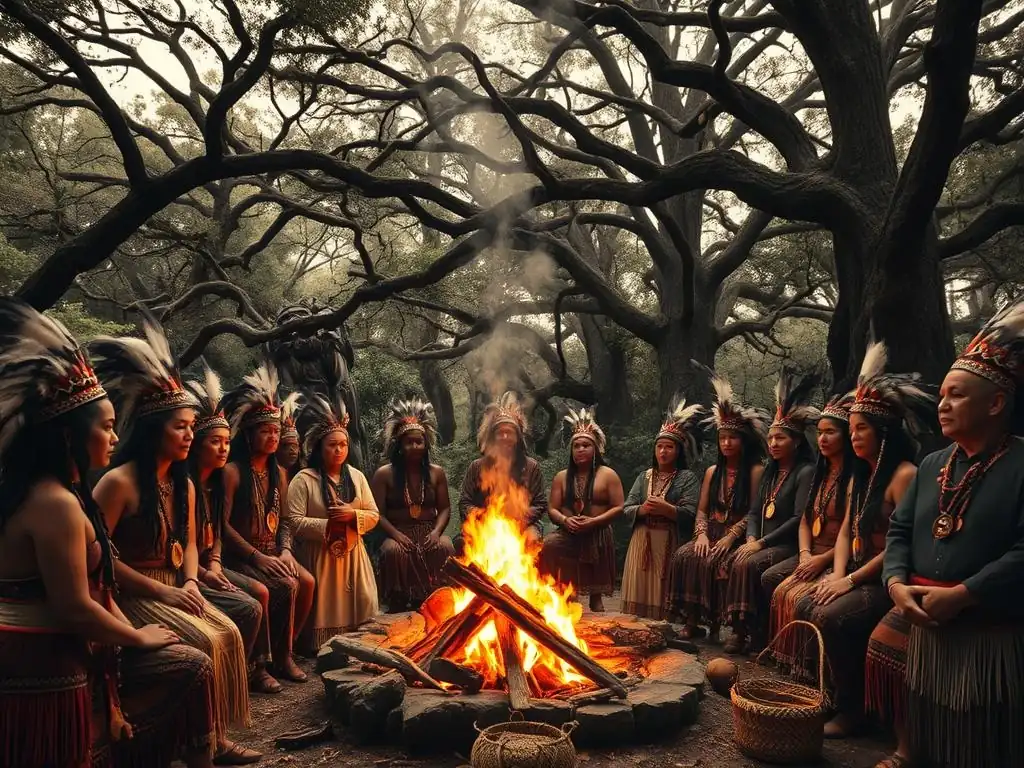
Indigenous ceremonial life beliefs are deeply rooted in the interconnection between ancestors, spirits, and the community. These beliefs form the bedrock of many indigenous cultures across the Americas, influencing various aspects of life, including rituals, social structures, and community dynamics.
Community Roles in Ceremonial Practices
In indigenous cultures, community members play crucial roles in ceremonial practices, with each individual often assigned specific tasks based on their skills, age, or social standing.
- Elders: Often regarded as the keepers of tradition, elders are pivotal in guiding ceremonial practices. They share stories of the ancestors, imparting wisdom and teachings that connect the community with its heritage.
- Shamans and Healers: These individuals are believed to have the ability to communicate with the spirit world. They conduct rituals that aim to heal the sick, protect the community, and maintain balance between the physical and spiritual realms.
- Youth Participation: Younger generations are encouraged to participate in ceremonies, fostering a sense of belonging and continuity. Through their involvement, they learn the importance of their cultural heritage and the responsibilities they hold within the community.
- Gender Roles: Many indigenous cultures have specific gender roles that dictate participation in ceremonies. For example, women may lead certain rituals focused on fertility and the earth, while men may oversee hunting and warrior ceremonies.
Through these roles, ceremonies become a collective effort, reinforcing social bonds and ensuring that the community remains connected to its ancestral roots.
The shared beliefs within indigenous cultures encapsulate a collective memory that is passed down through generations. This memory is often expressed through stories, songs, and dances that recount the deeds of ancestors and the lessons learned from them.
- Mythology and Cosmology: Many indigenous groups have rich mythological traditions that explain their origins and the natural world. These narratives often involve deities and spirits that embody various elements of life, guiding the community in their ceremonies.
- Rituals as Memory Keepers: Ceremonial practices serve as a means of preserving collective memory. For instance, harvest festivals not only celebrate the bounty of the earth but also honor the ancestral spirits believed to have blessed the community with fertility.
- Rites of Passage: Important life events, such as puberty, marriage, and death, are marked by specific ceremonies that reinforce community bonds. These rites serve to remind individuals of their place within the larger tapestry of their culture, connecting personal experiences to communal history.
Through these shared beliefs and collective memory, indigenous ceremonial life beliefs cultivate a sense of unity and purpose, vital for the survival of cultural identity.
The intersection of ancestors, spirits, and community within indigenous ceremonial life beliefs significantly impacts identity formation and social cohesion.
- Cultural Identity: Ceremonies affirm individual and collective identity, allowing members to express their cultural heritage. This is particularly important in the face of colonial pressures that seek to erase indigenous practices and beliefs.
- Social Cohesion: By participating in ceremonies, community members strengthen their bonds with one another. This shared experience fosters solidarity and resilience, as individuals unite in the face of common challenges, both historical and contemporary.
- Intergenerational Transmission: Ceremonial practices create opportunities for intergenerational dialogue, where knowledge and traditions are shared between older and younger community members. This transmission is essential for maintaining the vitality of cultural practices and beliefs.
The interconnection between ancestors, spirits, and community in indigenous ceremonial life beliefs is fundamental to understanding the values and structures that shape these cultures. The roles individuals play, the shared beliefs that unite them, and the impact on identity and social cohesion all contribute to a rich tapestry of traditions that continue to thrive today.
Contemporary Relevance of Traditional Ceremonial Beliefs
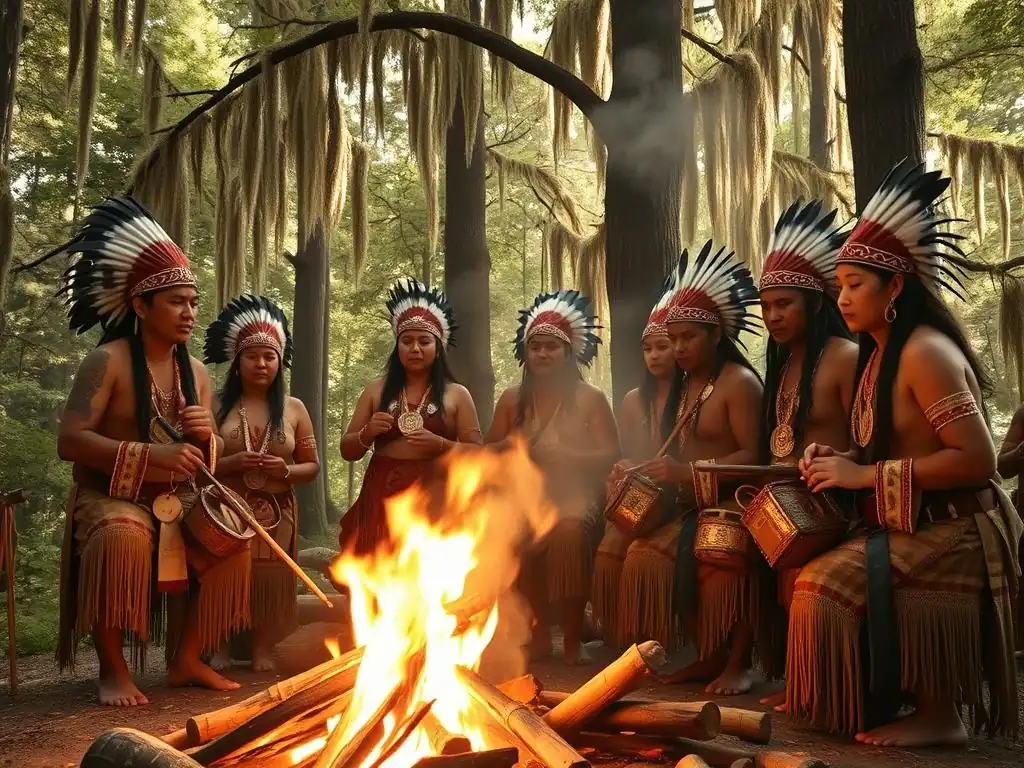
Resilience of Indigenous Ceremonial Life Today
Indigenous ceremonial life beliefs have demonstrated remarkable resilience in contemporary society, often serving as a source of identity, community cohesion, and cultural pride. Despite centuries of colonization and cultural suppression, many Indigenous communities continue to practice traditional ceremonies that connect them to their ancestors and the spiritual realm.
- Cultural Practices: Ceremonies such as powwows, rites of passage, and seasonal festivals remain vital in reinforcing community ties and cultural heritage.
- Spiritual Significance: These rituals often involve elements such as music, dance, and storytelling, which are not only expressions of cultural identity but also spiritual acts that honor ancestral spirits and the natural world.
For example, the Sun Dance of the Plains tribes serves as a powerful reminder of the interconnectedness of life, while the Day of the Dead celebrations in various Indigenous cultures across the Americas highlight the continuing relationship with deceased loved ones.
Modern Adaptations of Traditional Practices
As societies evolve, so too do the ceremonies rooted in Indigenous beliefs. Modern adaptations of traditional practices illustrate the dynamic nature of Indigenous ceremonial life.
- Integration with Contemporary Issues: Many ceremonies now address current social issues, such as environmental sustainability, social justice, and health, merging traditional beliefs with contemporary contexts. For instance, rituals may incorporate elements of climate activism, emphasizing the ancestral teachings about the land and its sacredness.
- Use of Technology: Digital platforms have enabled Indigenous communities to share their ceremonies with a wider audience. Live-streaming events or creating virtual gatherings allows for participation beyond geographical boundaries, fostering a sense of global Indigenous solidarity.
This adaptability not only helps preserve these practices but also makes them relevant to younger generations, ensuring the continuity of Indigenous ceremonial life beliefs.
The Role of Ceremonies in Cultural Revitalization
Ceremonies are pivotal in the broader movement of cultural revitalization among Indigenous communities. They serve as a means of reclaiming identity and heritage that may have been suppressed or lost over generations.
- Education and Awareness: Ceremonial practices often involve teaching younger members about their history, traditions, and the significance of their cultural heritage. This educational aspect fosters a deep sense of belonging and responsibility towards their culture.
- Community Engagement: Ceremonies also act as communal events that bring people together, strengthening relationships within the community. They provide a platform for collective healing and reflection, especially in contexts where trauma related to colonization and cultural loss persists.
- Revitalization Initiatives: Many Indigenous groups are actively engaging in cultural revitalization initiatives, where ceremonies play a key role. For example, language revitalization programs often incorporate traditional songs and prayers, reinforcing the connection between language, culture, and spirituality.
The enduring nature of Indigenous ceremonial life beliefs reflects a profound commitment to cultural preservation and adaptation. Through resilience, modern adaptations, and revitalization efforts, these ceremonies continue to play a crucial role in shaping Indigenous identity and community life today.
Conclusion: The Enduring Legacy of Ancestors and Spirits in Indigenous Ceremonial Life
In exploring the profound significance of ancestors and spirits in Indigenous ceremonial life, we uncover a rich tapestry of beliefs that have shaped the identities and practices of various Indigenous cultures across the Americas. These beliefs are not merely relics of the past; they continue to influence contemporary Indigenous societies, embedding a sense of continuity and resilience within their cultural frameworks.
Summary of Key Points
- Cultural Significance: Ancestors and spirits are central figures in Indigenous ceremonial life, serving as guides, protectors, and sources of wisdom. Ceremonies often revolve around honoring these entities, reinforcing community bonds and cultural heritage.
- Diverse Practices: The methods of connecting with ancestors and spirits vary widely among different Indigenous groups. From elaborate rituals and offerings to storytelling and dance, each practice reflects the unique worldview and cosmology of the culture it represents.
- Spiritual Interconnectedness: Many Indigenous beliefs emphasize a profound interconnectedness between the physical and spiritual realms. This perspective fosters a deep respect for nature, emphasizing that the natural world is imbued with spiritual significance.
- Adaptation and Resilience: Indigenous ceremonial practices have shown remarkable adaptability over time. Despite the impacts of colonization and cultural suppression, many communities have revitalized their ceremonial life, ensuring that their beliefs endure and evolve.
- Educational Importance: Understanding Indigenous ceremonial life beliefs is crucial for appreciating the complexities of these cultures. It challenges stereotypes and encourages a respectful engagement with Indigenous knowledge systems.
Future Directions for Understanding Indigenous Beliefs
As we move forward in our exploration of Indigenous ceremonial life beliefs, several key areas warrant further attention:
- Interdisciplinary Research: Collaborations between anthropologists, historians, and Indigenous scholars can illuminate the multifaceted nature of these beliefs, offering a holistic understanding that respects Indigenous voices.
- Preservation of Oral Traditions: Efforts to document and preserve oral histories and traditions are essential. Recognizing the importance of storytelling in transmitting cultural knowledge can aid in keeping these beliefs alive for future generations.
- Community Engagement: Supporting Indigenous communities in their efforts to reclaim and celebrate their ceremonial practices fosters empowerment and cultural pride. Engaging with these communities can provide valuable insights into their contemporary challenges and triumphs.
- Education and Awareness: Incorporating Indigenous perspectives into educational curricula can promote a broader understanding of Indigenous cultures and beliefs, fostering respect and appreciation among diverse audiences.
The role of ancestors and spirits in Indigenous ceremonial life is a testament to the resilience and richness of Indigenous cultures. By continuing to explore and honor these beliefs, we contribute to a greater understanding of their enduring legacy in the Americas.
Frequently Asked Questions
What is the significance of ancestors in Indigenous ceremonial life?
Ancestors hold a central role in many Indigenous cultures, often serving as guides and protectors in ceremonial practices, emphasizing the connection between the living and the spiritual world.
How do spirits influence Indigenous ceremonies?
Spirits are believed to interact with the living during ceremonies, providing wisdom, strength, and guidance, which is essential for maintaining the balance within the community.
What are some common ceremonial practices found among Indigenous cultures?
Indigenous ceremonial practices often include rituals, dances, and offerings, which are performed to honor the spiritual realm and reinforce cultural beliefs and values.
How do beliefs about the supernatural shape Indigenous societies?
Beliefs in the supernatural influence social structures, governance, and community interactions, as they often dictate moral codes and collective responsibilities within Indigenous societies.
Why is understanding Indigenous ceremonial life beliefs important today?
Understanding these ceremonial life beliefs helps in appreciating the rich cultural heritage of Indigenous peoples and fosters respect for their enduring traditions and contributions to human history.
Final Reflection: Embracing the Spirit of Indigenous Ceremonial Life
The exploration of Indigenous ceremonial life beliefs reveals a profound connection between the living and the spiritual realms. Today, as we navigate a world increasingly dominated by technology and disconnection, the importance of these beliefs stands out as a beacon of cultural resilience and spiritual depth. The rituals and ceremonies that honor ancestors and spirits not only serve to preserve traditions but also foster a sense of community and identity that is crucial in our rapidly changing society.
The impact of Indigenous ceremonial life beliefs extends far beyond the ceremonies themselves; they shape cultural narratives and social structures that resonate with many today. These practices invite us to reflect on our own relationships with the past and the unseen forces that influence our lives.
As noted by Indigenous scholar Vine Deloria Jr., “We are not human beings having a spiritual experience; we are spiritual beings having a human experience.” This perspective encourages us to recognize the significance of the supernatural in our daily lives and the ways it can guide us toward greater understanding and respect for one another.
As you reflect on the themes presented in this article, I invite you to consider how you can incorporate the lessons of Indigenous ceremonial life into your own journey. How can you honor your ancestors and the spirits that guide you? Whether through personal rituals, community gatherings, or simply a moment of gratitude, embracing these practices can deepen your connection to your heritage and the world around you. Let us carry forward the wisdom of those who came before us, allowing their spirits to inspire our actions and enrich our lives.
Embrace Your Spiritual Journey Today!
Thank you for taking the time to explore the fascinating world of Indigenous ceremonial life and the essential role of ancestors and spirits. Your interest plays a crucial part in keeping these rich traditions alive and thriving! Now, let’s transform that curiosity into meaningful action.
Here are some concrete steps you can take to deepen your understanding and connection to this profound subject:
- Participate in a local Indigenous ceremony or cultural event to experience the traditions firsthand. Seek out community groups that host these gatherings to immerse yourself fully in the experience.
- Research and share stories about Indigenous ancestors and spiritual beliefs within your community. Starting meaningful conversations on social media or local forums can help amplify awareness and appreciation.
- Engage with Indigenous artists and craftspeople by supporting their work. Exploring how they incorporate spiritual themes into their art can provide fresh insights into their heritage.
What aspects of Indigenous spirituality resonate most with you? Consider how you can incorporate those insights into your life moving forward.