
The Evolution of Indigenous Governance: From Tribal Councils to Complex Empires

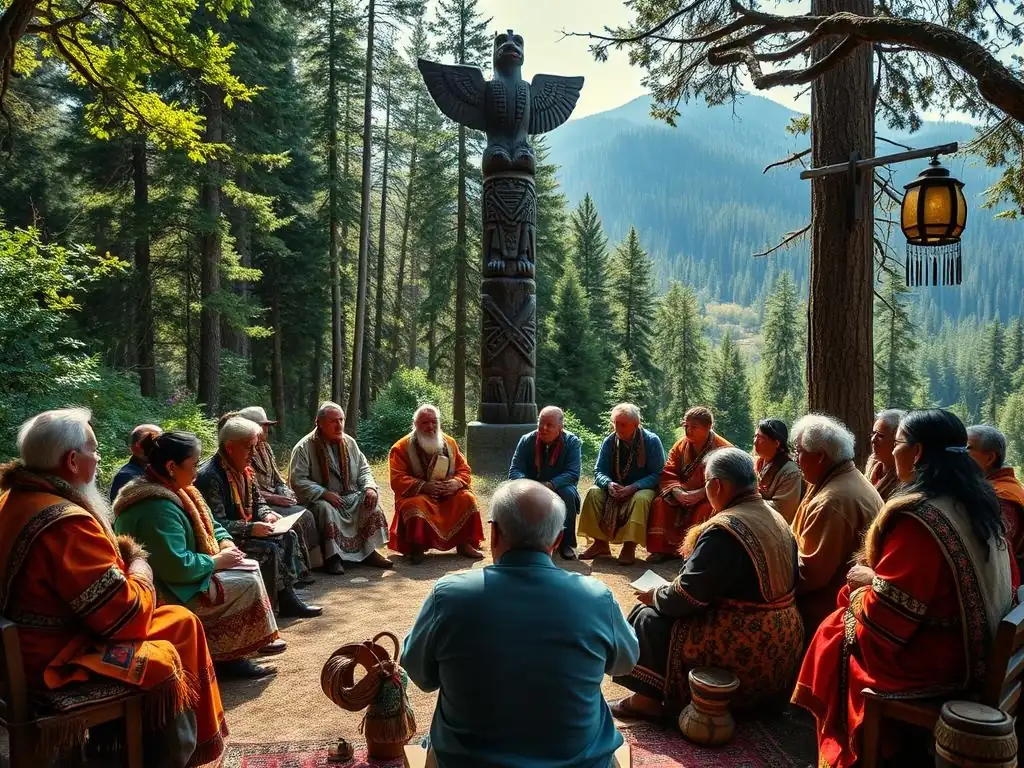
Welcome to Indigenous Civilizations of the Americas, where we invite you to embark on a captivating journey through the rich tapestry of indigenous cultures that flourished long before European contact. In our featured article, “The Evolution of Indigenous Governance: From Tribal Councils to Complex Empires,” we delve into the intricate history of indigenous governance systems and uncover how these remarkable societies established sophisticated frameworks that shaped their communities and the world around them.
Prepare to be inspired by the achievements and resilience of these civilizations, and join us as we explore the profound legacies that continue to influence modern governance and social structures. Your adventure into the past begins here—read on to discover the fascinating stories that await!
Introduction to Indigenous Governance Systems History
The history of indigenous governance systems in the Americas is a rich tapestry woven from diverse cultures, traditions, and practices that predate European colonization. This article explores the evolution of these governance structures, showcasing how they transformed from informal tribal councils into sophisticated empires with complex political systems.
Understanding these indigenous governance models not only sheds light on the organizational prowess of early societies but also reveals the profound legacies they have left in contemporary governance practices. By examining the systems that governed millions of people across vast territories, we can appreciate the ingenuity and resilience of these cultures in navigating their social, economic, and environmental challenges.
Overview of Indigenous Governance in the Americas
Indigenous governance systems varied significantly across the Americas, influenced by geographic, cultural, and historical contexts. From the nomadic tribes of the Great Plains to the settled societies of the Aztec and Inca empires, governance structures were uniquely adapted to meet the needs of their communities.
- Key Features:
- Tribal Councils: Often formed by consensus, these councils were pivotal in decision-making.
- Hierarchical Systems: Some societies developed intricate hierarchies, incorporating various levels of leadership.
- Cultural Practices: Governance was frequently intertwined with spiritual beliefs and practices.
Understanding these features helps clarify how indigenous societies managed resources, maintained social order, and resolved conflicts.
Importance of Studying Indigenous Governance Systems
Studying indigenous governance systems is crucial for several reasons:
- Cultural Preservation: It helps preserve the history and cultural identity of indigenous peoples.
- Contemporary Relevance: Lessons from these systems can inform modern governance practices, particularly in addressing issues of sustainability and community engagement.
- Challenging Narratives: It provides an alternative perspective to colonial narratives, emphasizing the sophistication of indigenous governance.
By appreciating these governance systems, we recognize the contributions of indigenous cultures to global political thought and practice.
Early Indigenous Governance Structures
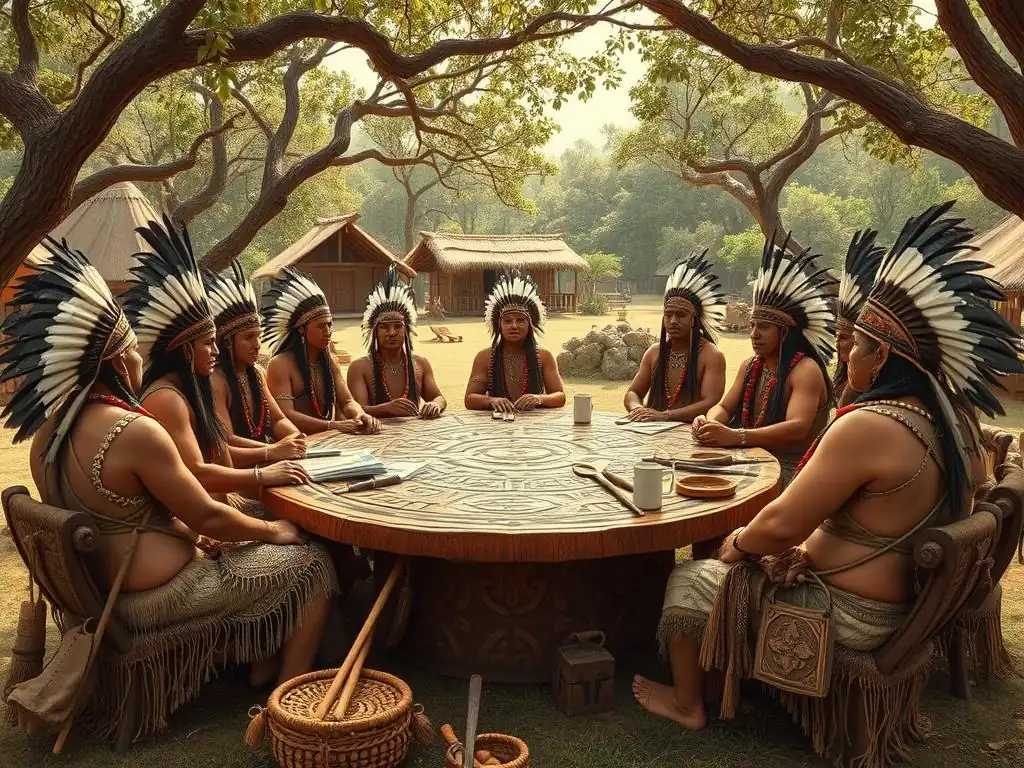
The early governance structures of indigenous peoples laid the foundation for the political systems that would emerge across the Americas. These systems can be examined through various lenses, including tribal councils, decision-making processes, and the roles of leaders and elders.
Characteristics of Tribal Councils
Tribal councils were fundamental to governance among many indigenous groups. Typically composed of respected leaders and community representatives, these councils served as forums for discussion and collective decision-making.
- Key Characteristics:
- Consensus-Based: Decisions were often made through consensus, reflecting the community's collective will.
- Inclusivity: Councils included voices from various segments of the community, ensuring diverse perspectives were considered.
- Evolving Roles: The roles of council members often evolved based on the needs and dynamics of the community.
These characteristics highlight the democratic principles inherent in many indigenous governance structures.
Decision-Making Processes in Tribal Societies
Decision-making in tribal societies was deeply rooted in cultural traditions and communal values. The processes were often transparent and participatory, ensuring that all members had a stake in governance.
- Processes Include:
- Community Meetings: Regular gatherings allowed for open dialogue and debate.
- Elders’ Influence: Elders often played a crucial role in guiding discussions, drawing upon their wisdom and experience.
- Ceremony and Ritual: Many decisions were accompanied by ceremonies that reinforced community bonds and spiritual connections.
These processes reflect the holistic approach to governance that characterized many indigenous societies.
Roles of Leaders and Elders in Governance
Leaders and elders held significant authority and respect within indigenous governance structures. Their roles were multifaceted, encompassing not only leadership but also mentorship and cultural preservation.
- Roles of Leaders:
- Visionaries: Leaders were often seen as visionaries, guiding their communities toward a sustainable future.
- Mediators: They acted as mediators in conflicts, using diplomacy to resolve disputes.
- Roles of Elders:
- Cultural Stewards: Elders served as custodians of knowledge, ensuring the transmission of cultural practices and values.
- Advisors: Their insights were invaluable in strategic decision-making, often influencing the direction of the community.
Together, leaders and elders formed the backbone of governance, ensuring continuity and stability within their societies.
Development of Complex Indigenous Governance Systems
The evolution of indigenous governance systems in the Americas illustrates a fascinating transition from simple tribal councils to sophisticated political structures. Early indigenous societies operated primarily through small, kin-based groups governed by informal systems of consensus and mutual aid. However, as populations grew and interactions between communities increased, the need for more structured governance became apparent.
Complex governance systems emerged in response to various factors, including economic needs, social hierarchies, and external pressures. This evolution often involved the establishment of formalized leadership roles, the creation of laws and regulations, and the development of intricate diplomacy between different tribes and nations. Notably, some indigenous societies, like the Maya and the Aztecs, developed centralized authorities with hierarchies that included nobles, priests, and commoners, demonstrating an advanced understanding of statecraft and administration.
The historical context surrounding these developments indicates that indigenous governance was not static; it adapted to changing circumstances, such as environmental challenges, trade dynamics, and cultural exchanges. This adaptability highlights the resilience and ingenuity of indigenous peoples in navigating their political landscapes.
Transition from Tribal Councils to Larger Political Entities
The transition from tribal councils to larger political entities represents a significant shift in how indigenous communities organized themselves. Tribal councils, typically composed of elders and respected leaders, facilitated decision-making through consensus, focusing primarily on local issues and community welfare. As tribes began to merge or form alliances, the limitations of this model became evident.
Larger political entities, such as confederacies or empires, arose as a means to address broader challenges and opportunities. For example, the formation of the Iroquois Confederacy allowed multiple tribes to unify under a common governance framework, enhancing their collective strength against external threats. This transition was often marked by the codification of laws and the establishment of representative bodies to ensure that diverse voices within the larger entity were heard.
Moreover, the rise of larger governance structures often involved complex negotiations and treaties, reflecting an understanding of diplomacy and political strategy among indigenous leaders. Such developments not only transformed internal governance but also influenced relationships with neighboring groups and European settlers.
Case Study: The Iroquois Confederacy and its Governance Model
The Iroquois Confederacy, also known as the Haudenosaunee, is a prime example of a complex indigenous governance model that emerged in the Northeastern United States. Established in the 15th century, this confederacy united five (later six) distinct nations—the Mohawk, Oneida, Onondaga, Cayuga, Seneca, and later the Tuscarora—under a sophisticated political system.
The governance model of the Iroquois Confederacy was characterized by a council composed of representatives from each nation, known as sachems. Decisions were made through consensus, ensuring that all voices were considered and that individual nations retained significant autonomy. This system promoted unity and cooperation while respecting the sovereignty of each member nation.
The Great Law of Peace governed the confederacy, outlining principles of governance, conflict resolution, and social organization. Its emphasis on collective decision-making and balance of power has had a lasting influence, not only on indigenous governance but also on the democratic principles that would later inspire the United States Constitution.
Influence of Geography on Governance Structures
Geography played a crucial role in shaping indigenous governance structures across the Americas. The diverse landscapes—ranging from mountainous terrains to expansive plains and dense forests—dictated the lifestyles and political organization of various groups.
In regions where resources were abundant, such as the Pacific Northwest, societies developed complex governance systems to manage fishing, hunting, and gathering rights. The potlatch ceremonies, for instance, reflected not only social status but also the intricate political relationships among tribes, emphasizing the role of resource distribution in governance.
Conversely, societies in arid regions, such as the Southwest, adapted their governance structures to manage scarce resources. The Pueblo peoples, for example, established communal land management practices and governance systems that emphasized cooperation and sustainability.
In essence, geography influenced not just the economic activities of indigenous societies but also their political frameworks, leading to a rich tapestry of governance models that varied widely across the continent.
Key Features of Indigenous Governance Systems
Indigenous governance systems across the Americas shared several key features that reflected their unique cultural, social, and environmental contexts. Understanding these features provides insight into how these systems functioned effectively within their respective communities.
Consensus-Based Decision Making
A hallmark of many indigenous governance systems is consensus-based decision making. This approach prioritizes collective agreement over majority rule, ensuring that decisions reflect the values and needs of the entire community. Leaders facilitated discussions among community members, emphasizing dialogue, respect, and inclusivity.
This method fostered strong social cohesion and trust, as individuals felt their voices mattered in the decision-making process. Consensus not only applied to political decisions but also to social and cultural matters, reinforcing the interconnectedness of governance and community life.
Spiritual and Cultural Influences on Governance
Spirituality and culture were deeply intertwined with governance in indigenous societies. Many governance structures were influenced by spiritual beliefs and practices, which provided a moral framework for leadership and decision-making. Leaders often held spiritual significance, viewed as intermediaries between the people and the spiritual world.
Cultural traditions also played a vital role in shaping governance systems, as they dictated norms, values, and expectations for leaders and citizens alike. Rituals, storytelling, and ceremonies reinforced communal bonds and the importance of governance as a collective responsibility.
Customary Laws and Traditions
Customary laws and traditions formed the backbone of indigenous governance systems. These unwritten laws were based on long-established practices, community norms, and shared values. They addressed various aspects of life, including conflict resolution, resource management, and social responsibilities.
In many cases, customary laws evolved over time, adapting to changes within the community or external pressures. Elders often served as custodians of these traditions, ensuring their relevance and continuity. The reliance on customary laws highlights the dynamic nature of indigenous governance, where legal frameworks were flexible yet firmly rooted in cultural identity.
Comparative Analysis of Indigenous Governance Systems
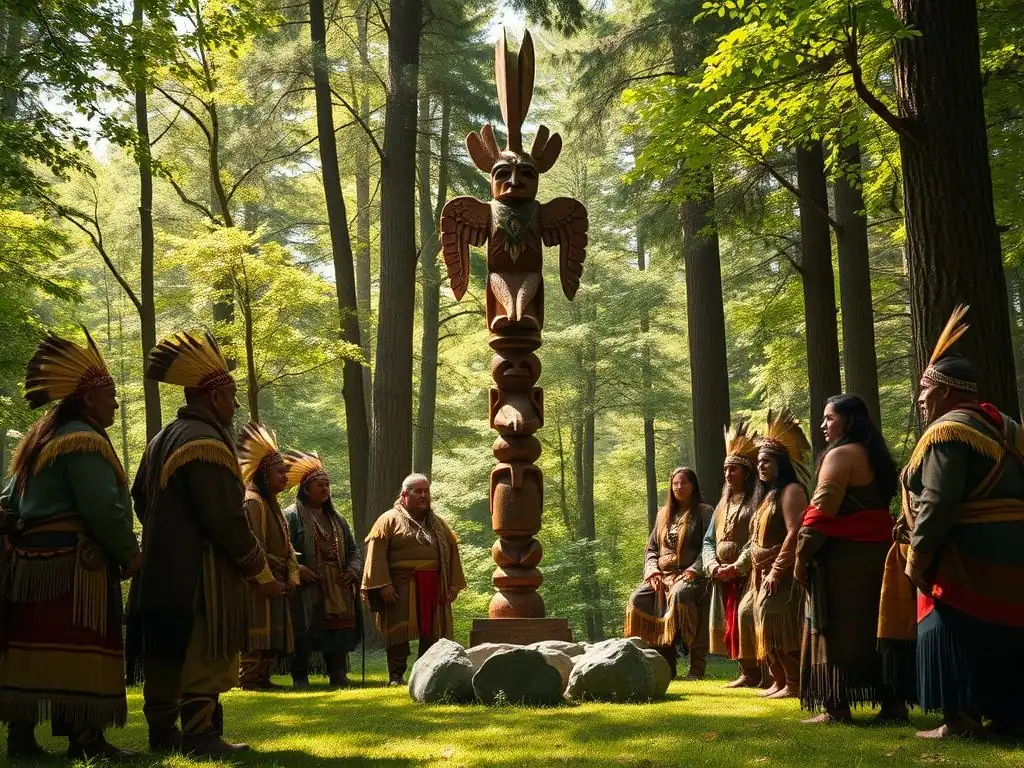
Indigenous governance systems across the Americas showcase a rich tapestry of political structures, each uniquely adapted to its environmental and cultural context. By examining these systems, we can understand how they facilitated social cohesion, resource management, and conflict resolution within diverse communities. Indigenous governance often emphasized communal decision-making and consensus, contrasting sharply with hierarchical systems commonly found in European governance models.
The governance systems varied widely, from small, kin-based tribes with informal councils to elaborate empires like the Inca and Aztec, which exhibited more centralized and bureaucratic forms of governance. The adaptability of these systems allowed for intricate social organization and the establishment of laws that reflected the values and traditions of the people.
Indigenous Governance vs. European Governance Models
Indigenous governance systems were often characterized by their inclusivity and adaptability, reflecting the values and traditions of the communities they served. In contrast, European governance models, particularly during the age of colonization, were largely hierarchical and centralized.
- Decision-Making Process:
- Indigenous Governance: Typically involved consensus-building among community members, where leaders would facilitate discussions rather than impose decisions.
- European Governance: Often featured top-down decision-making, with authority concentrated in monarchs or elected officials, limiting public participation.
- Social Structure:
- Indigenous Governance: Many indigenous groups operated under systems that recognized multiple forms of leadership, including gender-balanced roles and elder councils.
- European Governance: Predominantly patriarchal, with the ruling class holding significant power, often at the expense of marginalized groups.
- Cultural Integration:
- Indigenous Governance: Systems were deeply intertwined with cultural practices, spirituality, and communal values, evolving organically with the society.
- European Governance: Frequently imposed legal frameworks that disregarded local customs and traditions.
Similarities and Differences Across Regions
The indigenous governance systems of the Americas share certain foundational elements while also exhibiting significant regional variations based on geography, culture, and historical context.
- Similarities:
- Many systems included councils of elders or chiefs who advised on important decisions, emphasizing collective wisdom.
- Resource management was often communal, with systems in place to ensure equitable distribution and sustainability.
- Differences:
- In the Great Plains, governance was often more fluid, reflecting the nomadic lifestyle of many tribes, whereas, in Mesoamerica, the establishment of cities led to more structured bureaucracies.
- The governance structure of the Iroquois Confederacy, which included a sophisticated system of checks and balances, contrasts with the more autocratic systems of some Andean civilizations like the Inca.
Case Studies: Various Indigenous Groups and their Governance
- The Iroquois Confederacy: Known for its democratic principles, the Iroquois Confederacy was a political alliance of several northeastern tribes that successfully managed intertribal relations through a council-based governance structure. This model emphasized consensus and shared power, influencing modern democratic practices.
- The Aztec Empire: The governance of the Aztecs was characterized by a complex hierarchy led by a monarch, supported by a council of nobles. This centralized system facilitated military expansion and administrative efficiency, showcasing the capacity of indigenous governance to manage large populations.
- The Pueblo Peoples: In the American Southwest, Pueblo governance often revolved around village councils that made decisions collectively. Their governance structures reflect a close relationship with the land, emphasizing sustainability and community welfare.
Impact of Indigenous Governance on Modern Systems
Indigenous governance systems have left an indelible mark on contemporary political structures and practices. The principles of consensus, representation, and community engagement continue to resonate in modern governance discussions, particularly regarding indigenous rights and self-determination.
Legacy of Pre-Columbian Governance Structures
The legacy of pre-Columbian governance structures is evident in various modern movements advocating for indigenous rights and sovereignty. Contemporary indigenous leaders often draw upon traditional governance practices to address current issues, such as land rights, cultural preservation, and environmental stewardship. This legacy underscores the resilience of indigenous cultures and their ongoing influence in shaping governance frameworks that prioritize community welfare.
Contemporary Indigenous Governance Practices
Today, many indigenous groups are revitalizing traditional governance practices alongside modern legal frameworks. Tribal nations in the United States, for example, have established governments that blend traditional customs with contemporary political structures. These practices often include:
- Tribal Councils: Elected bodies that represent the interests of their communities while incorporating traditional decision-making processes.
- Cultural Revitalization: Efforts to integrate indigenous languages, customs, and values into governance, ensuring that these practices remain relevant and respected.
Relevance of Indigenous Governance Systems in Today’s Society
The relevance of indigenous governance systems in today's society is increasingly recognized, particularly in discussions around sustainability and social justice. As global challenges such as climate change and systemic inequality become more pressing, the holistic and community-oriented approaches of indigenous governance provide valuable insights.
By promoting collaboration and respect for the environment, these systems advocate for a governance model that prioritizes the well-being of the community and the planet. Ultimately, indigenous governance systems serve as a reminder of the diversity of governance possibilities, offering alternative frameworks that emphasize balance, respect, and community engagement in a rapidly changing world.
Conclusion: The Significance of Understanding Indigenous Governance History
Understanding the history of indigenous governance systems is crucial for several reasons. These systems not only reflect the diverse cultural landscapes of pre-Columbian societies but also highlight the sophisticated political and social structures that existed long before European contact. By studying these governance models, we gain insight into how indigenous peoples organized themselves, resolved conflicts, and maintained order within their communities. This knowledge serves as a reminder of the resilience and adaptability of these societies, which continue to influence contemporary indigenous governance practices.
Furthermore, acknowledging the historical significance of indigenous governance systems contributes to a broader understanding of democracy and governance as a whole. Many principles found in these ancient systems, such as consensus-building and communal decision-making, can inform modern governance frameworks, offering alternative perspectives that prioritize community welfare and environmental stewardship. Through this lens, we see that indigenous governance is not merely a relic of the past but a living legacy that can guide current and future political discourse.
Reflections on the Evolution of Governance Systems
The evolution of indigenous governance systems from simple tribal councils to complex empires illustrates a remarkable journey of social and political development. Early forms of governance, characterized by egalitarian structures and communal decision-making, laid the groundwork for more intricate forms of leadership seen in advanced civilizations like the Inca and Aztec empires. Each transition reflected the changing needs of the societies, adapting to factors such as population growth, resource management, and external pressures.
As these societies evolved, so did their governance practices, often incorporating elements from neighboring cultures while maintaining core indigenous values. For instance, many indigenous groups employed a system of checks and balances, ensuring that no single leader or group held absolute power. This dynamic adaptability not only facilitated internal cohesion but also enabled these societies to thrive in diverse environments. By reflecting on these historical transitions, we can appreciate the depth of indigenous governance and its relevance to contemporary governance challenges.
The Importance of Preserving Indigenous Governance Knowledge
Preserving the knowledge of indigenous governance is vital for several reasons. First, it honors the histories and traditions of indigenous peoples, validating their experiences and contributions to global civilization. This preservation is not just about remembering the past; it is about recognizing the ongoing relevance of these systems in addressing modern-day issues such as social justice, environmental sustainability, and community resilience.
Moreover, the revitalization of traditional governance practices can empower indigenous communities today. By reclaiming and adapting their historical governance systems, these communities can foster greater autonomy and self-determination. This process often includes the integration of traditional knowledge with contemporary governance frameworks, creating hybrid systems that respect cultural heritage while addressing current realities.
Finally, promoting the understanding of indigenous governance systems can enhance cross-cultural dialogue and collaboration. When we acknowledge and learn from these diverse governance models, we open pathways for dialogue that can lead to more inclusive and equitable societal structures. By valuing indigenous governance history, we not only enrich our collective understanding of human societies but also work towards a more just and sustainable future for all.
- Introduction to Indigenous Governance Systems History
- Overview of Indigenous Governance in the Americas
- Importance of Studying Indigenous Governance Systems
- Early Indigenous Governance Structures
- Development of Complex Indigenous Governance Systems
- Key Features of Indigenous Governance Systems
- Comparative Analysis of Indigenous Governance Systems
- Impact of Indigenous Governance on Modern Systems
- Conclusion: The Significance of Understanding Indigenous Governance History
- What are indigenous governance systems?
- How did tribal councils function in indigenous societies?
- What are some examples of complex empires in indigenous history?
- How did European colonization affect indigenous governance systems?
- Why is studying indigenous governance systems history important today?
Frequently Asked Questions
What are indigenous governance systems?
Indigenous governance systems refer to the structures and practices used by native communities to organize their societies, manage resources, and resolve conflicts based on their cultural values and traditions.
How did tribal councils function in indigenous societies?
Tribal councils served as a primary form of governance, where leaders and representatives made decisions collectively, ensuring that the voices of the community were heard and that policies aligned with cultural norms.
What are some examples of complex empires in indigenous history?
Examples include the Inca Empire and the Aztec Empire, which developed sophisticated governance systems, advanced administrative structures, and extensive trade networks that showcased their political and economic prowess.
How did European colonization affect indigenous governance systems?
European colonization led to significant disruptions, as many indigenous governance structures were displaced or undermined, resulting in the loss of traditional practices and the imposition of foreign governance models.
Why is studying indigenous governance systems history important today?
Understanding the history of indigenous governance systems helps to recognize the cultural heritage and resilience of these communities, informing contemporary discussions on sovereignty, rights, and self-determination.
Final Reflection: The Enduring Legacy of Indigenous Governance Systems
The evolution of indigenous governance systems is not merely a historical account; it is a vital narrative that resonates deeply in today’s world. As we navigate the complexities of modern governance, the lessons learned from the rich tapestry of indigenous governance remind us of the importance of community, sustainability, and respect for the land. The journey from tribal councils to complex empires illustrates a profound adaptability and resilience that continues to inspire contemporary movements for self-determination and cultural preservation.
Cultural and social landscapes are continually shaped by the principles of indigenous governance, which emphasize collective decision-making and stewardship of the environment. These systems have laid the groundwork for modern governance models that prioritize inclusivity and ecological responsibility. As noted by indigenous scholar Vine Deloria Jr., The great challenge of the future is to find a way to live in harmony with the earth and with each other.
This ongoing influence underscores the relevance of indigenous governance in addressing today’s pressing issues, such as climate change and social justice.
As we reflect on the lessons of indigenous governance, I invite you to consider how these principles can be integrated into your own life and community. What can we learn from the past to create a more equitable and sustainable future? By embracing the values of collaboration, respect for nature, and cultural diversity, we can contribute to a world that honors the wisdom of indigenous peoples and fosters a more inclusive society. Let us take these insights to heart and act upon them, ensuring that the legacy of indigenous governance continues to thrive for generations to come.
Embrace the Journey of Indigenous Governance!
Thank you for diving into the fascinating evolution of Indigenous governance! We hope you found insights that spark your curiosity and deepen your understanding of the impactful systems that have shaped Indigenous societies. Now, it’s time to take what you’ve learned and apply it.
Here are a few actions you can take right now:
- Explore your local Indigenous communities: Reach out to tribal councils or organizations in your area to learn more about their governance structures and current initiatives.
- Share your knowledge: Discuss what you’ve learned with friends and family, or start a conversation on social media to raise awareness about Indigenous governance.
- Join a webinar or workshop: Seek out online events that focus on Indigenous issues, promoting community engagement and learning directly from Indigenous voices.
What’s one innovative way you could contribute to supporting Indigenous governance in your community? Let’s discuss in the comments below!