
The Evolution of Toltec Art: From PreColumbian Roots to Contemporary Interpretations

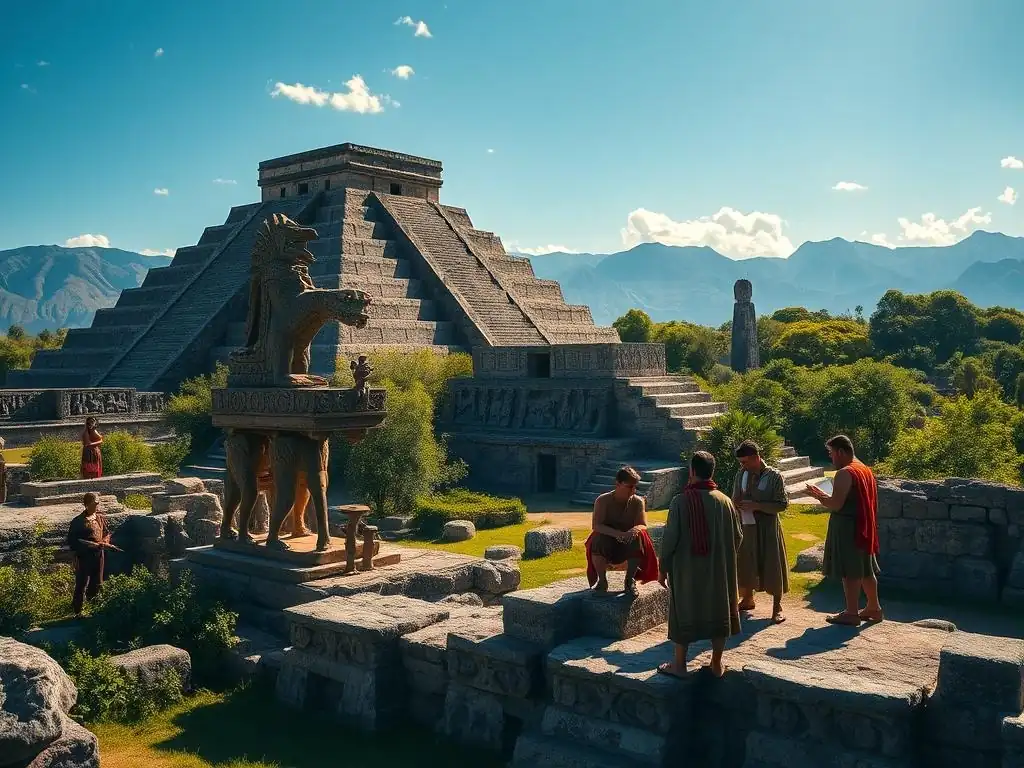
Welcome to Indigenous Civilizations of the Americas, where we embark on a captivating journey through the rich tapestry of indigenous cultures that flourished long before European colonization. In our featured article, "The Evolution of Toltec Art: From PreColumbian Roots to Contemporary Interpretations," we delve into the remarkable Toltec art history and influence, uncovering the profound legacy of this civilization.
Prepare to be intrigued as we explore how the artistic achievements of the Toltecs have shaped not only their own society but also the artistic expressions that followed. Join us as we illuminate the past and inspire a deeper understanding of these vibrant cultures that continue to resonate today.
Introduction to Toltec Art History and Influence
The exploration of Toltec art history and influence offers a fascinating glimpse into the rich tapestry of indigenous cultures that flourished in the Americas before European contact. The Toltecs, who thrived between the 10th and 12th centuries CE in what is now central Mexico, are renowned for their significant contributions to art, architecture, and society.
Their artistic expressions reflect not only the aesthetics of their time but also the profound spiritual and cultural beliefs that shaped their civilization. This article delves into the evolution of Toltec art, tracing its roots from pre-Columbian influences to contemporary interpretations, and highlighting the enduring legacy of Toltec artistic traditions in today's world.
Overview of Toltec Civilization and Its Artistic Heritage
The Toltec civilization emerged after the decline of the Teotihuacan culture, establishing itself as a dominant force in central Mexico. Known for their intricate craftsmanship and monumental architecture, the Toltecs were skilled artisans who produced remarkable works in stone, metal, and textiles. Their capital, Tula, is a testament to their artistic prowess, featuring massive stone sculptures and impressive pyramids that served both religious and civic purposes.
Key aspects of Toltec art include:
- Sculpture: The Toltecs are perhaps best known for their colossal stone sculptures, particularly the iconic Atlantean figures that guarded the Temple of Tlahuizcalpantecuhtli.
- Relief Carving: Intricate relief carvings adorned temples and ceremonial structures, depicting deities, mythological scenes, and daily life.
- Ceramics and Textiles: The production of pottery and textiles showcased vibrant colors and elaborate designs, often featuring motifs of nature and mythology.
The artistic legacy of the Toltecs profoundly influenced subsequent Mesoamerican cultures, including the Aztecs, who revered the Toltecs as cultural ancestors.
Importance of Toltec Art in PreColumbian Context
Toltec art holds a vital place in the pre-Columbian narrative of the Americas. It served as a medium for expressing political power, religious beliefs, and social identity. The art produced by the Toltecs was not merely decorative; it conveyed complex messages about their worldview and societal organization.
Cultural Significance
- Religious Symbolism: Many Toltec artworks were imbued with spiritual significance, often representing gods and mythological narratives central to their belief system.
- Political Authority: The grandeur of Toltec architecture and sculpture reflected the sociopolitical structure of their society, emphasizing the power and influence of the ruling elite.
The Origins of Toltec Art
The origins of Toltec art can be traced back to various earlier Mesoamerican cultures, which laid the foundation for the artistic practices that the Toltecs would develop.
PreColumbian Roots: Influences from Earlier Cultures
Toltec art did not emerge in isolation; it was deeply rooted in the artistic traditions of preceding civilizations, notably the Olmec and Teotihuacan cultures.
- Olmec Influence: The Olmecs, often referred to as the "mother culture" of Mesoamerica, had a profound impact on the artistic styles that followed. Their monumental heads and jade carvings inspired later sculptural forms.
- Teotihuacan Legacy: The grandeur of Teotihuacan, with its vast urban landscape and intricate murals, set a high standard for artistic expression that the Toltecs would adapt and modify.
Key Characteristics of Early Toltec Art
Toltec art is characterized by several distinctive features that set it apart from its predecessors:
- Symbolism and Abstraction: Unlike the more naturalistic styles of earlier cultures, Toltec art often employed abstract symbols and stylized forms to convey deeper meanings.
- Monumentality: The scale of Toltec sculptures, such as the imposing warrior figures, reflects a focus on grandeur and the evocation of power.
The evolution of Toltec art reveals a rich interplay of influences and innovations, underscoring its significance within the broader context of Mesoamerican art history. The legacy of the Toltecs continues to resonate, offering insights into the cultural heritage of indigenous peoples in the Americas.
Major Themes in Toltec Art
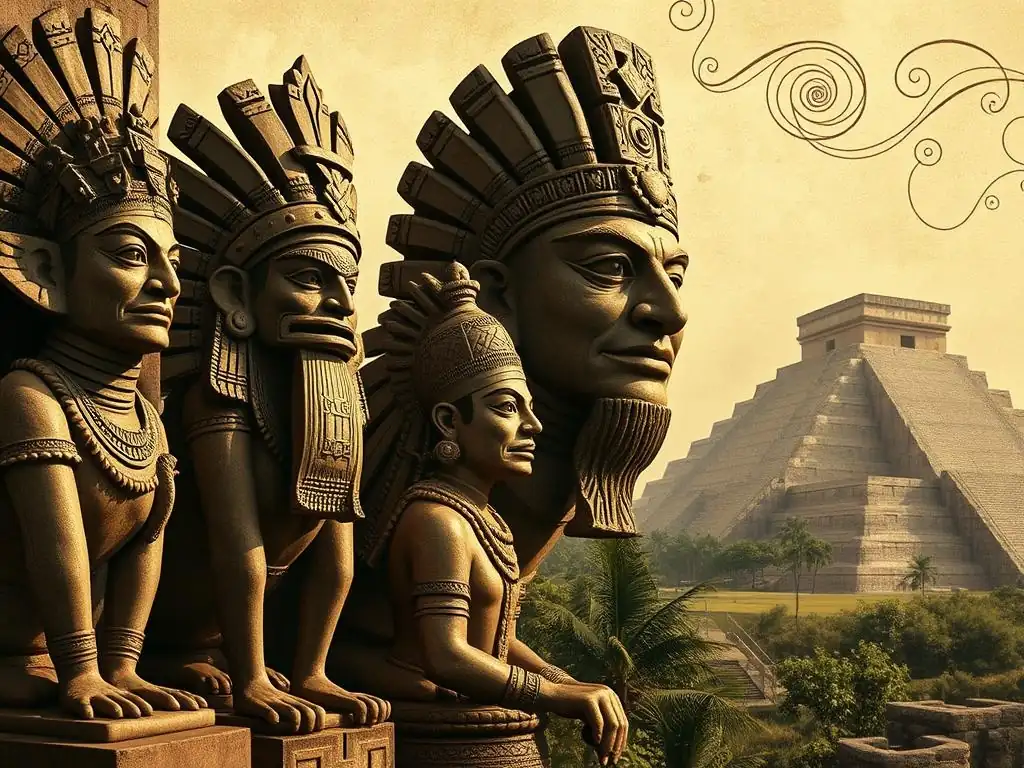
Toltec art is characterized by several major themes that reflect the culture's values, beliefs, and social structure. One prominent theme is the representation of deities and mythological figures. Many artworks feature gods from the Toltec pantheon, such as Tezcatlipoca and Quetzalcoatl, highlighting the civilization's religious devotion and the importance of these figures in daily life.
Another significant theme is the portrayal of warrior culture. Artworks often depict warriors adorned in elaborate regalia, emphasizing their role in society as protectors and conquerors. This focus on militaristic motifs reveals the Toltec's values surrounding strength, honor, and bravery, which were paramount in their civilization.
Additionally, nature and the cosmos play a crucial role in Toltec artistic themes. Many pieces illustrate elements of the natural world, such as animals and celestial bodies, symbolizing the relationship between the Toltecs and their environment. This connection underscores the importance of agricultural cycles and the reverence for nature that was prevalent in Toltec life.
Symbolism and Meaning in Toltec Artwork
Toltec art is rich in symbolism, with each element carefully chosen to convey deeper meanings. For instance, the serpent, often depicted in various forms, symbolizes not only fertility and the earth but also duality and transformation, reflecting the complexity of existence in Toltec philosophy.
Moreover, geometric patterns found in textiles and pottery often have specific meanings related to the cosmos or the spiritual realm. These patterns serve as visual metaphors, translating complex ideas into understandable forms that resonate with viewers on a profound level.
The use of color also carries significant meaning in Toltec art. Different colors were associated with various elements and deities, enhancing the artwork's narrative and emotional impact. For example, red might symbolize vitality and life, while black could represent the underworld and the unknown.
The Role of Religion and Mythology in Artistic Expression
Religion and mythology are central to the artistic expression of the Toltec civilization. Many artworks were created as offerings to deities, embodying the spiritual beliefs of the people. Temples and sculptures often depict sacred stories and rituals, serving both as religious artifacts and as educational tools to convey mythological narratives to the community.
The myth of Quetzalcoatl, the feathered serpent god, is particularly significant in Toltec art. Representations of Quetzalcoatl highlight themes of creation, life, and the duality of existence, deeply influencing the cultural and spiritual identity of the Toltecs. This mythological figure often appears in various forms, from intricate stone carvings to painted murals, demonstrating his pervasive influence in Toltec society.
Additionally, ritualistic practices are reflected in artistic works, with many pieces designed for ceremonial purposes. This fusion of art and spirituality emphasizes the importance of religious observance in Toltec life and the belief that art served as a bridge between the earthly and the divine.
Techniques and Materials in Toltec Art
Toltec artists employed a variety of techniques and materials that reflected their advanced skills and cultural sophistication. One of the most notable techniques was stone carving, which involved meticulous chiseling to create detailed sculptures and architectural elements. This method allowed for the production of both monumental and intricate works, showcasing the artists' craftsmanship.
Another important technique was mosaic work, where artists assembled small pieces of stone, shell, or other materials to create vivid patterns and imagery. This technique was commonly used in decorating temples and other significant structures, adding a rich visual dimension to Toltec architecture.
Traditional Methods and Tools Used in Toltec Artistry
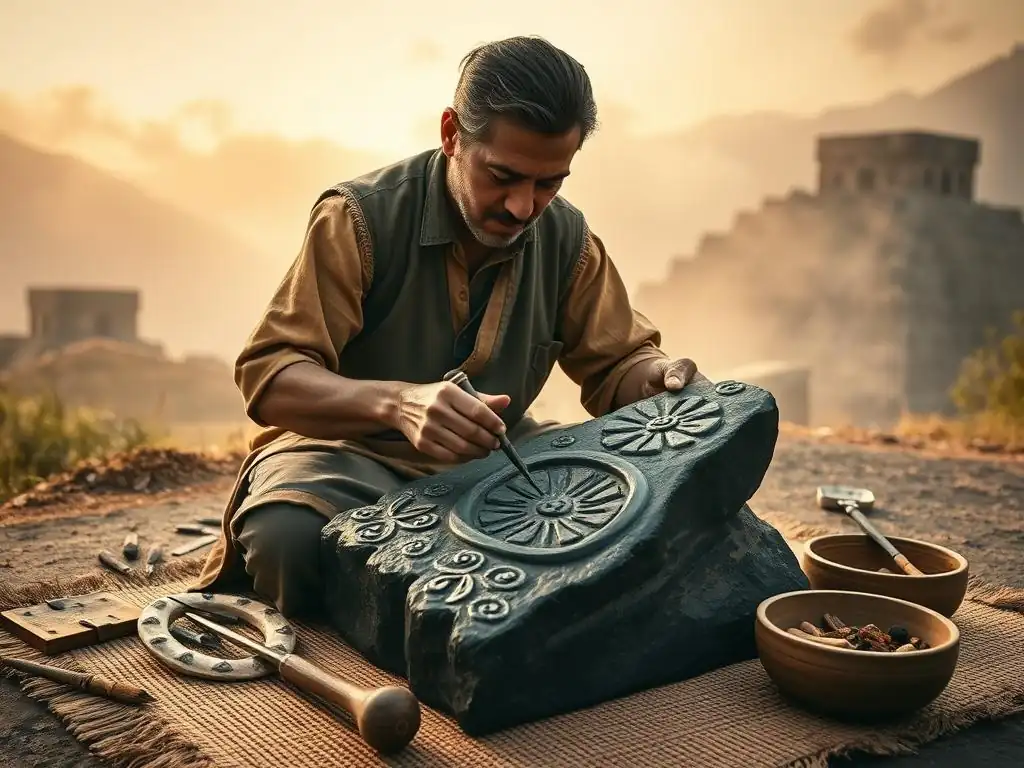
The traditional methods of Toltec artistry were rooted in a deep understanding of materials and techniques. Artists typically used stone tools, such as chisels and hammers, crafted from harder materials like obsidian, to meticulously shape their sculptures. These tools allowed for precision and detail in their work, enabling artists to convey complex imagery effectively.
Moreover, clay modeling was a prevalent method for creating pottery and figurines. Artists would hand-build their pieces, often using coils or slabs, before firing them in kilns. This technique allowed for both functional and decorative items, showcasing the versatility of Toltec craftsmanship.
Additionally, painting was an essential method, with artists using natural pigments derived from minerals and plants. These pigments were applied to pottery, murals, and textiles, creating vibrant representations of their culture and beliefs.
Common Materials Used in Toltec Sculptures and Architecture
Toltec art is distinguished by the use of various materials, each chosen for its significance and availability. Basalt, a volcanic rock, was commonly used for large sculptures and architectural elements, prized for its durability and ability to be finely carved. Many of the iconic Toltec statues, such as the famous Atlantean figures at Tula, are made from this material.
Clay was another fundamental material, especially in the creation of pottery and figurines. The versatility of clay allowed artists to experiment with forms and functions, resulting in both everyday items and ceremonial pieces that reflected their artistic identity.
Additionally, jade and obsidian were highly valued materials for their aesthetic qualities and cultural significance. Jade was often used in jewelry and ceremonial artifacts, symbolizing wealth and power, while obsidian was favored for its sharpness and used in tools and weapons.
Understanding these materials and their applications provides insight into the technological and artistic sophistication of the Toltec civilization, as well as the cultural values embedded in their artistic expressions.
Notable Examples of Toltec Art
Toltec art is characterized by its distinctive style and thematic richness, reflecting the complex beliefs and societal structure of the Toltec civilization. Among the most notable examples of Toltec art are the monumental sculptures found at Tula, the ancient capital of the Toltec Empire. These artworks exhibit remarkable craftsmanship and a deep connection to the spiritual and cultural ethos of the Toltecs.
One of the most iconic forms of Toltec art is the Atlantean figures, large stone sculptures that served as columns in the Temple of Tlahuizcalpantecuhtli. Standing at about 4.5 meters tall, these sculptures depict powerful warriors adorned with elaborate headdresses and intricate armor. Their imposing presence symbolizes the military prowess and religious significance of the Toltec society.
Additionally, Toltec pottery and ceramics showcase intricate designs and motifs that often feature deities, mythological creatures, and geometric patterns. These artifacts not only exhibit artistic skill but also provide insight into the daily life and spiritual beliefs of the Toltecs, further emphasizing the importance of art in their culture.
Iconic Sculptures and Monuments: A Closer Look
The iconic sculptures of the Toltec civilization are not only artistic masterpieces but also historical markers of their cultural and religious practices. The Atlantean figures at Tula are particularly notable for their representation of warrior deities, believed to protect the city. Each sculpture is meticulously carved from basalt, showcasing the skill of Toltec artisans and their dedication to craftsmanship.
Another significant monument is the Chac Mool, a reclining figure often depicted with offerings. This sculpture, with its unique posture and detailed features, is believed to represent the Toltec god of rain and fertility, reinforcing the connection between art and spirituality in Toltec society.
Moreover, the Temple of the Morning Star serves as a testament to the architectural ingenuity of the Toltecs, with its intricate carvings and sculptures that depict various deities and mythological scenes. The combination of artistry and architecture in these monuments provides a comprehensive understanding of Toltec beliefs and their societal structure.
The Influence of Toltec Art on Mesoamerican Architecture
Toltec art significantly influenced Mesoamerican architecture, particularly in the development of monumental structures and the integration of artistic elements into architectural design. The architectural style of Toltec buildings, characterized by their grand scale and elaborate decorations, set a precedent for later civilizations, including the Aztecs.
One of the most notable aspects of this influence is the use of serpent motifs, which became a standard decorative element in later Mesoamerican architecture. The serpent was a powerful symbol associated with water, fertility, and the underworld, and its representation in Toltec art laid the foundation for its continued prominence in subsequent cultures.
Furthermore, the construction techniques and urban planning seen in Tula can be traced in later cities, such as Tenochtitlan. The strategic placement of temples, plazas, and residential areas reflects the Toltec legacy in urban design, showcasing a blend of functionality and artistry that became a hallmark of Mesoamerican architecture.
The Transition of Toltec Art Through Time
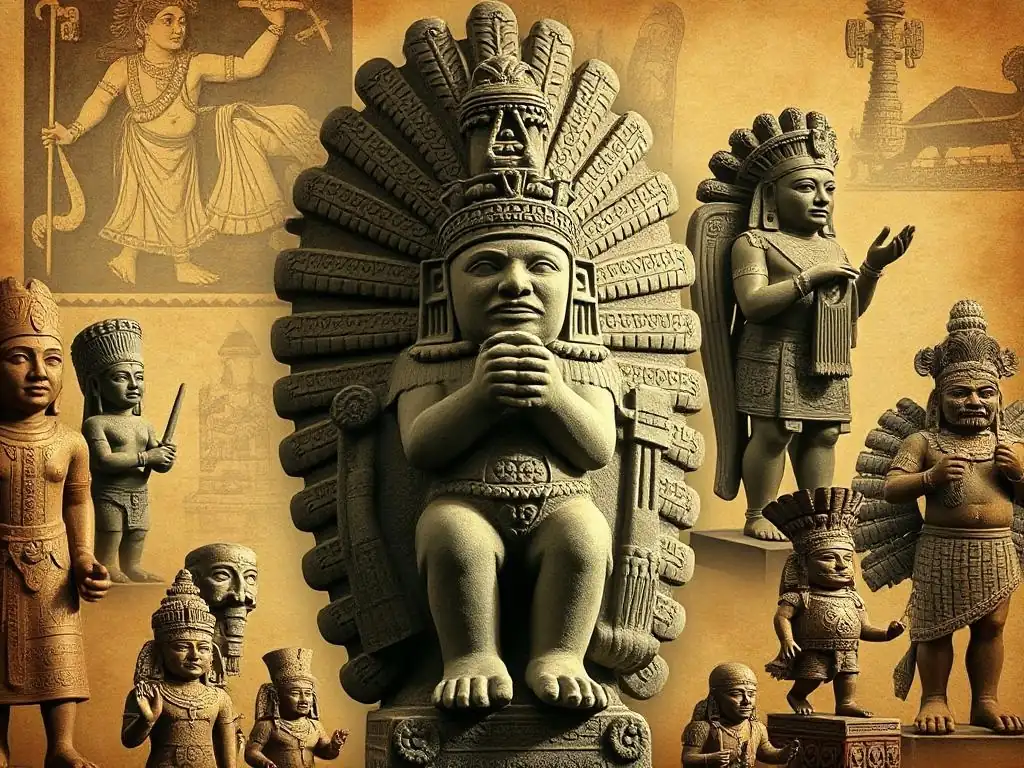
The evolution of Toltec art is a narrative of adaptation and resilience, reflecting the changing dynamics of society and culture throughout history. Following the decline of the Toltec civilization, their artistic traditions continued to influence subsequent cultures, demonstrating the enduring legacy of Toltec artistry.
The Decline of Toltec Civilization and Its Impact on Art
The decline of the Toltec civilization, attributed to various factors such as internal strife and external invasions, marked a significant turning point in the evolution of their art. As the political structure weakened, many artisans and craftsmen migrated to other regions, taking their skills and artistic traditions with them.
This period of transition saw a shift in artistic themes; while earlier works often focused on the glorification of gods and warriors, later pieces began to incorporate more everyday life and local customs. The integration of new cultural influences led to an evolution in style and technique, resulting in a rich tapestry of artistic expression that merged Toltec elements with those of other Mesoamerican cultures.
The Survival and Adaptation of Toltec Artistic Traditions in Post-Colonial Context
Despite the challenges posed by colonization, many Toltec artistic traditions have survived and adapted over time. In the post-colonial context, contemporary artists often draw upon Toltec motifs and techniques, reinterpreting ancient themes to reflect modern experiences and cultural identity.
Artisans today continue to create pottery, textiles, and sculptures inspired by Toltec designs, ensuring that the legacy of Toltec art endures. This revival not only honors the rich history of the Toltecs but also serves as a means of cultural expression and resistance against the erasure of indigenous identities.
Through exhibitions, workshops, and cultural festivals, the influence of Toltec art is celebrated, fostering a renewed appreciation for the artistic heritage of the Americas. In this way, Toltec art remains a vital part of the cultural landscape, bridging the past with the present and inspiring future generations.
Contemporary Interpretations of Toltec Art
Contemporary interpretations of Toltec art serve as a bridge connecting the ancient civilization's rich artistic heritage with modern expressions of identity and culture. Artists today draw upon the techniques, themes, and symbolism inherent in Toltec art, reinterpreting them to resonate with contemporary audiences. This fusion of historical context and modern creativity allows for a renewed appreciation and understanding of Toltec contributions to the broader narrative of indigenous art in the Americas.
Through various mediums, including painting, sculpture, and digital art, contemporary artists are exploring the profound meanings embedded in Toltec artifacts. For instance, the iconic imagery of jaguars, serpents, and warrior motifs frequently reappears in modern artworks, often symbolizing strength, transformation, and cultural resilience. These artistic expressions not only celebrate Toltec heritage but also provoke dialogue about identity and continuity in indigenous cultures today.
Moreover, contemporary interpretations often emphasize the communal aspect of Toltec art, acknowledging the collective nature of creation that characterized the original works. This perspective invites collaboration among artists, scholars, and indigenous communities, fostering a deeper connection to the cultural roots and ensuring that the essence of Toltec artistry is preserved and adapted for future generations.
Modern Artists Drawing Inspiration from Toltec Heritage
Several modern artists have emerged, deeply influenced by Toltec heritage, who are pivotal in revitalizing this ancient art form. Artists such as Francisco Toledo and Rita Pacheco have explored Toltec themes, integrating traditional elements into their work while also addressing contemporary socio-political issues faced by indigenous communities.
- Francisco Toledo: Known for his vibrant paintings and sculptures, Toledo’s work often merges the natural world with mystical elements, reflecting the spiritual dimensions found in Toltec art. His pieces resonate with themes of nature and mythology, inviting viewers to reflect on their interconnectedness with the environment.
- Rita Pacheco: A contemporary textile artist, Pacheco utilizes traditional weaving techniques to create pieces inspired by Toltec designs. Her work not only preserves ancient methods but also tells stories that connect to the experiences of modern indigenous peoples.
These modern artists highlight the ongoing relevance of Toltec aesthetics, showing how ancient symbols can provide a voice for current struggles and triumphs within indigenous communities. Their works are showcased in exhibitions that aim to educate audiences about the historical significance of Toltec art while celebrating its living legacy.
The Relevance of Toltec Art in Today’s Indigenous Culture
Toltec art continues to hold significant relevance in today’s indigenous culture, serving as a source of pride and identity. As communities seek to reclaim their narratives and cultural practices, the aesthetic traditions rooted in Toltec civilization provide a framework for understanding heritage and spirituality.
In many indigenous communities, Toltec motifs and symbols are integrated into various forms of cultural expression, including dance, music, and community festivals. These practices not only preserve ancient knowledge but also strengthen communal bonds, fostering a sense of belonging and continuity among newer generations.
Additionally, the influence of Toltec art can be seen in the growing movement toward the repatriation of cultural artifacts. Indigenous groups advocate for the return of Toltec artworks and relics held in museums and private collections, emphasizing their importance as cultural treasures. This movement underscores the need for recognition of Toltec contributions to the artistic landscape of the Americas and highlights the ongoing impact of their legacy within contemporary indigenous culture.
Conclusion: The Lasting Legacy of Toltec Art History and Influence
The legacy of Toltec art is profound, characterized by its innovative techniques and deep symbolism that continue to inspire and inform contemporary artistic practices. This historical art form not only reflects the values and beliefs of the Toltec civilization but also serves as a cultural touchstone for modern indigenous communities navigating their identities in a rapidly changing world.
As artists and scholars engage with Toltec art history, they open new avenues for understanding its significance and influence. The dialogue surrounding Toltec aesthetics fosters a greater appreciation for indigenous contributions to global art, challenging the narratives that often marginalize these voices.
Reflections on the Importance of Preserving Toltec Artistic Traditions
Preserving Toltec artistic traditions is crucial for maintaining the cultural heritage of indigenous peoples. Efforts to document and safeguard these practices ensure that future generations can learn from and build upon the artistic legacies of their ancestors. This preservation is not merely about maintaining the past; it is about empowering communities to express their identities and experiences through the lens of their rich artistic history.
Institutions and organizations dedicated to indigenous art are increasingly engaged in initiatives that support the revival and education of Toltec techniques. Workshops, exhibitions, and community projects play a vital role in passing down knowledge and skills, fostering a sense of pride and ownership among participants.
Future Directions for the Study of Toltec Art and Culture
The future of Toltec art and culture studies appears promising, with growing interest from scholars and artists alike. Continued research into the historical context, techniques, and symbols of Toltec art will enhance our understanding of its complexity and relevance.
Emerging technologies, such as digital archiving and virtual reality, offer innovative ways to explore and share Toltec artistic traditions. These tools can aid in the preservation of artifacts and provide immersive educational experiences for audiences worldwide.
Furthermore, interdisciplinary collaborations that include anthropologists, historians, and indigenous community members will enrich the study of Toltec art, fostering a more nuanced and respectful approach to understanding its place in both ancient and modern contexts. As the dialogue around Toltec art evolves, it will undoubtedly continue to play a vital role in shaping the cultural landscape of the Americas.
- Introduction to Toltec Art History and Influence
- Overview of Toltec Civilization and Its Artistic Heritage
- Importance of Toltec Art in PreColumbian Context
- The Origins of Toltec Art
- Major Themes in Toltec Art
- Symbolism and Meaning in Toltec Artwork
- The Role of Religion and Mythology in Artistic Expression
- Techniques and Materials in Toltec Art
- Traditional Methods and Tools Used in Toltec Artistry
- Common Materials Used in Toltec Sculptures and Architecture
- Notable Examples of Toltec Art
- The Transition of Toltec Art Through Time
- Contemporary Interpretations of Toltec Art
- Conclusion: The Lasting Legacy of Toltec Art History and Influence
Frequently Asked Questions
What are the key features of Toltec art?
Toltec art is characterized by its intricate stone carvings, monumental architecture, and vibrant murals. It often reflects themes of mythology, religion, and daily life, showcasing the sophistication of Toltec civilization.
How did Toltec art influence later cultures?
The influence of Toltec art can be seen in the artistic expressions of later Mesoamerican cultures, particularly the Aztecs. They adopted elements such as iconography and architectural styles, which were pivotal in shaping their own artistic traditions.
What materials were commonly used in Toltec art?
Toltec artists primarily utilized locally sourced materials such as volcanic stone, jade, and ceramics. These materials allowed for the creation of durable, intricate works that have survived to this day.
How does Toltec art reflect their society and beliefs?
Toltec art serves as a visual representation of their social structure, religious beliefs, and mythological narratives. The artworks often depicted deities and rituals, providing insight into the cultural values of the society.
Why is the study of Toltec art history important today?
Understanding Toltec art history is crucial for appreciating the cultural heritage of the Americas. It highlights the innovations, aesthetic values, and social dynamics of the Toltec civilization, influencing contemporary art and identity.
Final Reflection: The Enduring Legacy of Toltec Art
The evolution of Toltec art is not merely a historical account; it is a vibrant tapestry that continues to resonate in today's cultural landscape. As we explore the intricate designs and profound symbolism that characterized Toltec artistry, we uncover a rich heritage that informs contemporary interpretations and artistic expressions. The relevance of this art form transcends time, reminding us of the power of creativity to bridge past and present, and to inspire future generations.
Cultural expressions, such as Toltec art, shape our understanding of identity and heritage. The influence of Toltec aesthetics can be seen in modern art, architecture, and even fashion, as artists and creators draw inspiration from the bold patterns and spiritual significance embedded in this ancient tradition. Art is the most beautiful of all lies.
This quote encapsulates the essence of how Toltec art, while rooted in history, continues to inspire and provoke thought in contemporary society. The ongoing dialogue between the past and present underscores the importance of preserving and celebrating these artistic legacies.
As you reflect on the themes presented in this article, consider how the lessons of Toltec art can be applied in your own life. Embrace the creativity within you and seek inspiration from diverse cultural heritages. Let the beauty and depth of Toltec art encourage you to explore your own artistic expressions and to honor the rich tapestry of influences that shape our world. In doing so, you contribute to the ongoing evolution of art, ensuring that the legacy of the Toltecs—and the lessons they impart—continues to thrive in the hearts and minds of future generations.
Unveil the Artistic Legacy of the Toltecs!
Thank you for diving into the fascinating world of Toltec art with us! You've discovered how this vibrant cultural heritage has evolved and continues to inspire contemporary creativity. Now, let's take that inspiration and transform it into action.
Here’s how you can engage further with this incredible legacy:
- Explore local art galleries or museums showcasing indigenous art to immerse yourself in the beauty of modern interpretations of Toltec themes.
- Start a conversation with friends or online communities about Toltec art; sharing insights not only deepens your understanding but can spark new interests in others!
- Create your own piece of art inspired by Toltec techniques, using materials readily available to you, and share it with us—we'd love to see your creativity in action!
As you reflect on the deep connections between ancient traditions and modern expressions, consider this: How can the principles of Toltec artistry influence your own creative journey today?