
The Adaptation of Inca Administrative Techniques in PostColonial Governance

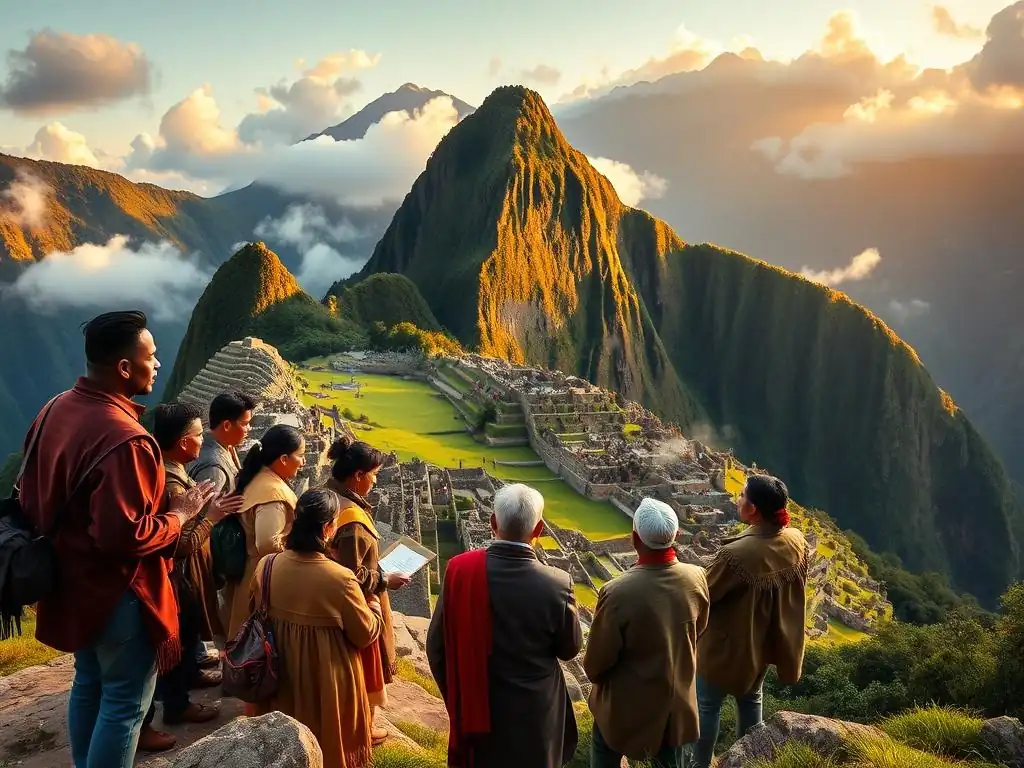
Welcome to Indigenous Civilizations of the Americas, where we embark on a fascinating journey into the rich tapestry of indigenous cultures that flourished long before European contact. Dive into our featured article on the Inca administrative techniques impact, and discover how the sophisticated governance systems of the Inca Empire continue to influence contemporary practices in post-colonial societies. Prepare to uncover the remarkable achievements and enduring legacies of these civilizations, and let your curiosity guide you through the intricate narratives that shaped the Americas.
Introduction to Inca Administrative Techniques
The Inca Empire, known for its vast territorial expanse and sophisticated governance structures, implemented a range of administrative techniques that not only facilitated the management of their diverse populations but also ensured the integration of various cultures within their realm. These techniques, characterized by their efficiency and adaptability, have left a profound impact on the governance practices adopted by indigenous groups in the post-colonial period. Understanding the Inca administrative techniques impact is crucial for comprehending how these methods influenced contemporary systems of governance among indigenous communities in the Americas.
Overview of Inca Empire Governance
The governance of the Inca Empire was marked by a centralized authority led by the Sapa Inca, who was considered both a political and religious leader. The empire was divided into manageable units known as suyus, each governed by appointed officials who reported directly to the Sapa Inca. This hierarchical structure allowed for effective communication and resource management across vast distances, which was essential given the empire's geographical diversity.
Key features of Inca governance included:
- Centralized Authority: The Sapa Inca held ultimate power, supported by a council of nobles.
- Administrative Divisions: The empire was organized into four regions, which further subdivided into smaller units for local governance.
- Quipu System: A unique method of record-keeping using knotted strings, which facilitated the management of resources and population data.
Key Administrative Innovations of the Inca
The Inca Empire was notable for several innovative administrative practices that enhanced its governance:
- Taxation and Labor Systems: The mita system required individuals to contribute labor to state projects, which helped in the construction of roads, temples, and agricultural terraces.
- Infrastructure Development: The Incas built an extensive network of roads and bridges that improved communication and trade across the empire.
- Cultural Integration: The Incas implemented policies that promoted the integration of diverse cultural practices, fostering a sense of unity among the disparate groups within their empire.
The Legacy of Inca Administrative Techniques
The legacy of Inca administrative techniques extends beyond their empire, influencing governance practices in the post-colonial era. Indigenous leaders and communities have drawn upon these historical methods to navigate the challenges of modern governance while preserving their cultural identities.
Historical Context: Pre-Colonial Administrative Systems
Before European colonization, many indigenous communities in the Americas had their own systems of governance, characterized by decentralized structures and communal decision-making. The arrival of the Spanish disrupted these systems, but the resilience of indigenous cultures allowed for their adaptation and survival.
The Role of Inca Techniques in Indigenous Governance
In the aftermath of colonization, many indigenous groups began to adapt Inca administrative techniques to reclaim their agency and establish effective governance structures. This adaptation has included:
- Utilizing Quipu for Record-Keeping: Some communities have revived the use of quipu as a way to document their histories and maintain cultural practices.
- Centralized Leadership Models: Drawing inspiration from the Inca hierarchical system, indigenous leaders have implemented centralized governance models to address communal needs.
The examination of Inca administrative techniques reveals not only their intricate nature but also their lasting impact on indigenous governance in the post-colonial period, highlighting a continuum of resilience and adaptation in the face of historical challenges.
Inca Administrative Techniques Impact on Post-Colonial Governance
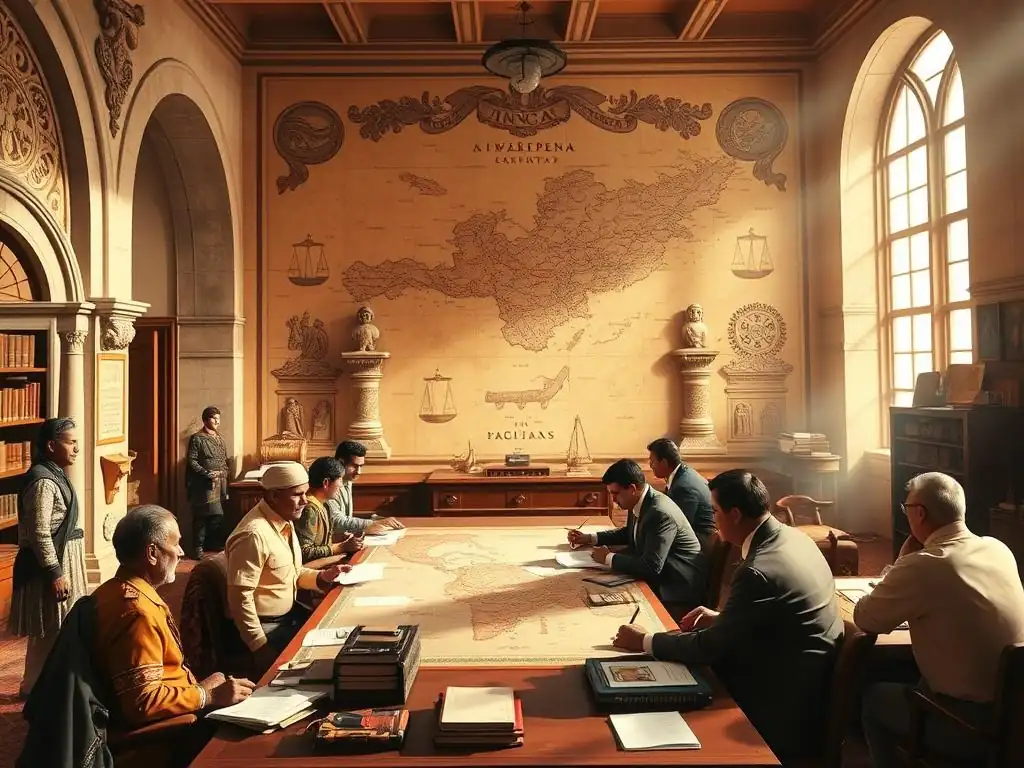
The impact of Inca administrative techniques on post-colonial governance can be seen across various regions in South America. The administrative systems established by the Inca Empire were characterized by their efficiency, adaptability, and comprehensive approach to governance. After the fall of the Inca Empire, colonial administrations often drew upon these techniques to establish control over vast territories. This adaptation not only facilitated governance but also allowed for the integration of indigenous populations into new political structures.
One significant aspect of the Inca administrative impact was the emphasis on centralized authority paired with local governance. This dual approach enabled colonial authorities to manage diverse populations more effectively, leveraging existing local leaders and structures. Moreover, the Inca's sophisticated record-keeping methods, including the use of quipus (knotted strings used for accounting and communication), inspired the development of administrative practices that improved resource allocation and management in post-colonial states.
Case Studies of Adaptation in Various Regions
Several case studies illustrate how Inca administrative techniques were adapted in post-colonial governance structures.
- Peru: In Peru, the Spanish colonial administration adopted the Inca’s system of mit'a, a form of labor tax that compelled communities to provide labor for public projects. This adaptation maintained a semblance of the Inca system while enabling the colonial powers to exploit indigenous labor for infrastructure and mining operations.
- Bolivia: The adaptation in Bolivia involved the recognition of traditional indigenous authorities. The colonial government allowed some local leaders to continue exercising power, which mirrored the Inca practice of governance through local chieftains. This allowed for a smoother transition and helped maintain social order.
- Ecuador: In Ecuador, the Spanish implemented administrative divisions that resembled the Inca’s ayllu system. This division facilitated local governance and resource management while ensuring that colonial interests were represented at the local level.
Key Features of Inca Administrative Techniques Adopted
The adoption of Inca administrative techniques in post-colonial governance introduced several key features that significantly influenced the political landscape of the regions affected. These features include:
- Centralized Authority: The Inca model emphasized strong centralized governance, which was often replicated by colonial authorities to maintain control over vast territories.
- Integration of Local Structures: Colonial administrations frequently incorporated existing local governance structures, allowing for a blend of indigenous leadership and colonial authority.
- Efficient Resource Management: The Inca's focus on resource management and economic organization served as a framework for colonial administrations that sought to optimize resource extraction and distribution.
Decentralization and Local Governance
Decentralization emerged as a prominent feature in the adaptation of Inca administrative techniques. The Inca Empire effectively utilized a decentralized approach, where local leaders were empowered to govern their communities while reporting to a central authority. This practice was mirrored in many post-colonial administrations, which recognized the importance of local governance for maintaining order and facilitating communication.
By empowering indigenous leaders and integrating them into the colonial governance framework, authorities could address local needs while ensuring loyalty to the central government. Such strategies not only minimized resistance but also improved the efficiency of governance by aligning administrative practices with existing social structures.
Resource Management and Economic Systems
Resource management was a cornerstone of Inca governance, and its principles were adopted in various post-colonial contexts to enhance economic systems. The Inca's systematic approach to agriculture, taxation, and labor organization informed colonial practices aimed at maximizing resource extraction.
For instance, the implementation of tribute systems in colonial administrations often mirrored the Inca's approach to resource allocation and management, where communities were tasked with providing goods and labor for the state. This adaptation allowed colonial powers to establish a structured economy that facilitated trade and resource distribution, ultimately benefiting both the colonial authorities and the indigenous populations.
Infrastructure Development and Communication
The Inca Empire was renowned for its extensive network of roads and communication systems, which played a vital role in governance and administration. Post-colonial governments recognized the importance of infrastructure development and often sought to replicate the Inca's achievements in this area.
The establishment of roads and communication networks not only facilitated military movements and trade but also improved administrative efficiency. By adopting Inca-inspired infrastructure strategies, colonial authorities could enhance their control over territories while fostering economic development. This legacy of infrastructure laid the groundwork for future governance models in various South American nations, proving the lasting impact of Inca administrative techniques on post-colonial governance.
Comparative Analysis: Inca Techniques vs. European Administrative Models

The Inca Empire, one of the most sophisticated civilizations in pre-Columbian America, demonstrated remarkable administrative techniques that have had a lasting impact. A comparative analysis of these techniques against European administrative models reveals notable similarities and differences, highlighting the effectiveness and adaptability of the Inca systems in various governance contexts.
Similarities in Governance Approaches
Both Inca and European administrative models share commonalities in governance approaches, particularly in their hierarchical structures and methods of resource management.
- Centralized Authority: Both systems exhibited a strong centralized authority, where decision-making power was concentrated at the top level. The Sapa Inca held supreme power, akin to monarchs in Europe.
- Bureaucratic Organization: The Incas developed a sophisticated bureaucracy with officials responsible for various aspects of governance, similar to the administrative systems in European countries where officials managed local governments.
- Taxation and Resource Allocation: Both systems relied on taxation to fund governmental operations. The Incas implemented a tribute system that required communities to provide labor and goods, paralleling European taxation practices.
These similarities indicate a shared understanding of effective governance principles, emphasizing order, control, and resource management.
Differences in Implementation and Outcomes
While there are similarities, the implementation of these administrative techniques and their outcomes significantly differed between the Inca Empire and European models.
- Adaptability to Local Contexts: Inca administrative techniques were highly adaptable to diverse local contexts, allowing for the integration of various ethnic groups. European models often imposed uniform laws and practices, which led to resistance in colonized regions.
- Use of Quipu: The Incas employed quipu, a system of knotted strings, for record-keeping and communication. In contrast, European systems relied on written documentation, which not only affected accessibility but also literacy rates among the population.
- Community Involvement: The Inca governance model emphasized community involvement and reciprocity, fostering a sense of collective responsibility. European systems often prioritized individual property rights, creating divisions among the populace.
These differences highlight the unique effectiveness of Inca administrative techniques in promoting social cohesion and adaptability, which were sometimes lacking in European systems.
Challenges in Adapting Inca Administrative Techniques
The adaptation of Inca administrative techniques in post-colonial governance encountered several challenges, primarily arising from cultural differences and the complexities of integrating these systems into existing structures.
Cultural Resistance and Adaptation
Cultural resistance played a significant role in the challenges faced when adapting Inca administrative techniques.
- Indigenous Identity: Many indigenous communities retained a strong sense of identity linked to their pre-colonial governance systems. The introduction of Inca techniques often faced skepticism and resistance as communities preferred their traditional practices.
- Colonial Legacy: The colonial legacy established by European powers created an environment of distrust toward any administrative system perceived as foreign, including those derived from Inca governance. This led to a reluctance to embrace changes that could be associated with colonial oppression.
Despite these challenges, some communities recognized the potential benefits of adapting certain Inca techniques, leading to a blend of old and new practices that aimed to respect cultural identities while improving governance.
Integration with Existing Governance Structures
The integration of Inca administrative techniques into existing governance structures proved to be complex due to several factors.
- Hybrid Models: Efforts to create hybrid governance models that incorporated both Inca techniques and European systems often resulted in bureaucratic confusion and inefficiencies. The lack of a clear framework made it difficult to implement effective governance.
- Resource Limitations: Many regions faced resource constraints that hindered the effective implementation of Inca techniques, which relied heavily on communal labor and agricultural production. The transition from these practices to more individualized European models created tension and conflict over resource management.
- Training and Capacity Building: The successful adaptation of Inca techniques required significant training and capacity building among local leaders and officials. The absence of adequate training programs often led to mismanagement and failure to realize the full potential of these administrative practices.
Navigating these challenges was crucial for post-colonial societies aiming to benefit from the sophisticated governance techniques of the Inca Empire while respecting and integrating their unique cultural contexts.
Conclusion: The Enduring Impact of Inca Administrative Techniques
The Inca Empire, renowned for its sophisticated administrative techniques, has left an indelible mark on the governance structures that followed its eventual decline. The intricate systems of organization, taxation, and resource management developed by the Incas not only enabled them to effectively control a vast and diverse territory but also provided a template for governance that has echoes in contemporary practices. The legacy of Inca administrative techniques can be observed in various aspects of modern governance, particularly in regions once under Inca influence.
Key features of Inca governance, such as their hierarchical structure, utilization of local leaders, and emphasis on communal labor, have influenced how modern states conceptualize authority and responsibility. In many cases, these techniques have been adapted to fit the needs of post-colonial societies, demonstrating the resilience and relevance of indigenous practices in contemporary governance frameworks. The Inca model of governance, which emphasized both central authority and local autonomy, has proven beneficial in addressing the unique challenges faced by modern states in the Andes and beyond.
Reflection on Indigenous Governance Today
In today's context, there is a growing recognition of the importance of indigenous governance systems, which often prioritize community well-being, sustainability, and participatory decision-making. The principles established by the Incas, such as collective resource management and the integration of local customs into administrative processes, resonate with contemporary movements advocating for indigenous rights and self-determination.
Moreover, the resurgence of interest in indigenous governance models has prompted discussions about how these systems can complement or enhance modern governmental structures. By reflecting on the successes and failures of Inca administration, contemporary societies can learn valuable lessons about inclusivity, adaptability, and the importance of cultural identity in governance. This reflection not only honors the legacy of the Inca Empire but also highlights the ongoing relevance of indigenous knowledge in shaping equitable and effective governance today.
Future Prospects for Inca Techniques in Modern Governance
The future of Inca administrative techniques in modern governance appears promising, particularly as nations seek to incorporate more inclusive and sustainable practices. As globalization poses new challenges, there is an increasing desire to explore alternative governance models that prioritize local participation and environmental stewardship. The Inca approach, with its focus on communal responsibility and respect for natural resources, provides a compelling framework for addressing contemporary issues such as climate change, resource depletion, and social inequality.
Furthermore, as indigenous movements gain momentum worldwide, there is potential for a resurgence of traditional governance practices inspired by the Incas. Future governance models may integrate Inca techniques within broader frameworks that respect indigenous rights and promote cultural heritage. This integration could lead to innovative solutions that balance traditional wisdom with modern governance challenges, ultimately fostering resilience and sustainability in various regions.
The enduring impact of Inca administrative techniques is evident in the evolving landscape of governance today. By embracing the lessons of the past, modern societies can harness the strengths of indigenous governance, paving the way for a more inclusive and effective future.
- Introduction to Inca Administrative Techniques
- Overview of Inca Empire Governance
- Key Administrative Innovations of the Inca
- The Legacy of Inca Administrative Techniques
- Inca Administrative Techniques Impact on Post-Colonial Governance
- Case Studies of Adaptation in Various Regions
- Key Features of Inca Administrative Techniques Adopted
- Comparative Analysis: Inca Techniques vs. European Administrative Models
- Challenges in Adapting Inca Administrative Techniques
- Conclusion: The Enduring Impact of Inca Administrative Techniques
- What were the Inca administrative techniques?
- How did the Inca administrative techniques influence post-colonial governments?
- What are some examples of Inca achievements in administration?
- How did the Inca civilization maintain social order?
- What is the significance of studying Inca administrative techniques today?
Frequently Asked Questions
What were the Inca administrative techniques?
The Inca administrative techniques included a sophisticated system of record-keeping, road networks, and local governance structures, allowing for efficient management of their vast empire.
How did the Inca administrative techniques influence post-colonial governments?
Post-colonial governments adopted various Inca administrative techniques to enhance efficiency and communication, showcasing the lasting impact of these methods on modern governance.
What are some examples of Inca achievements in administration?
The Incas excelled in agricultural management, taxation, and infrastructure development, which laid the groundwork for their complex society and effective administration of diverse regions.
The Inca civilization maintained social order through a mix of religious practices, laws, and community obligations, which were supported by their innovative administrative techniques.
What is the significance of studying Inca administrative techniques today?
Studying Inca administrative techniques today helps us understand the evolution of governance systems and their cultural significance, highlighting how ancient practices continue to resonate in contemporary society.
Final Reflection: The Enduring Legacy of Inca Administrative Techniques
The adaptation of Inca administrative techniques in contemporary governance underscores the profound relevance of historical practices in shaping modern systems. As we navigate the complexities of postcolonial governance, it becomes increasingly clear that the wisdom of the past can inform our present and future. The intricate methods employed by the Incas—rooted in efficiency, community engagement, and resource management—offer invaluable insights that resonate in today’s political and administrative landscapes.
Cultural and social dynamics continue to be influenced by the principles established by the Incas, fostering a sense of identity and continuity in governance. The echoes of their administrative prowess can be seen in the way communities organize themselves and engage with their governments. As we reflect on this, we are reminded of the words of historian John Hemming: The Incas were not just conquerors; they were master administrators who understood the importance of integration and local governance.
This perspective invites us to appreciate how these ancient techniques have laid the groundwork for modern governance structures, emphasizing the importance of inclusivity and adaptability.
As we look to the future, I invite you to consider how the lessons from Inca administrative techniques can be applied in your own life and community. Reflect on the importance of efficient organization, community involvement, and sustainable resource management in your daily practices. By embracing these principles, we can honor the legacy of the Incas while fostering a more equitable and effective governance model for generations to come. Let us take inspiration from the past to build a brighter future, where the wisdom of ancient civilizations guides our actions today.
Embrace the Legacy: Take Action Today!
Thank you for exploring the rich history of Inca administrative techniques with us! Your interest in understanding how these practices influence contemporary governance is invaluable. Now, let's transform that knowledge into action and make a meaningful impact in our communities.
Here’s how you can get started:
- Join a local discussion group that focuses on indigenous governance models and their relevance today. Connect with individuals who share your passion!
- Share this article with friends and family to raise awareness about the importance of Inca practices in modern governance. Together, let's elevate this conversation!
- Explore historical texts or documentaries about indigenous civilizations. Discover valuable insights that showcase their innovative governance and contributions to society!
What lessons do you think we can learn from Inca administrative techniques to enhance our current systems?