
Uncovering the Secrets of Andean Terraces: Engineering Marvels of the Ancient World

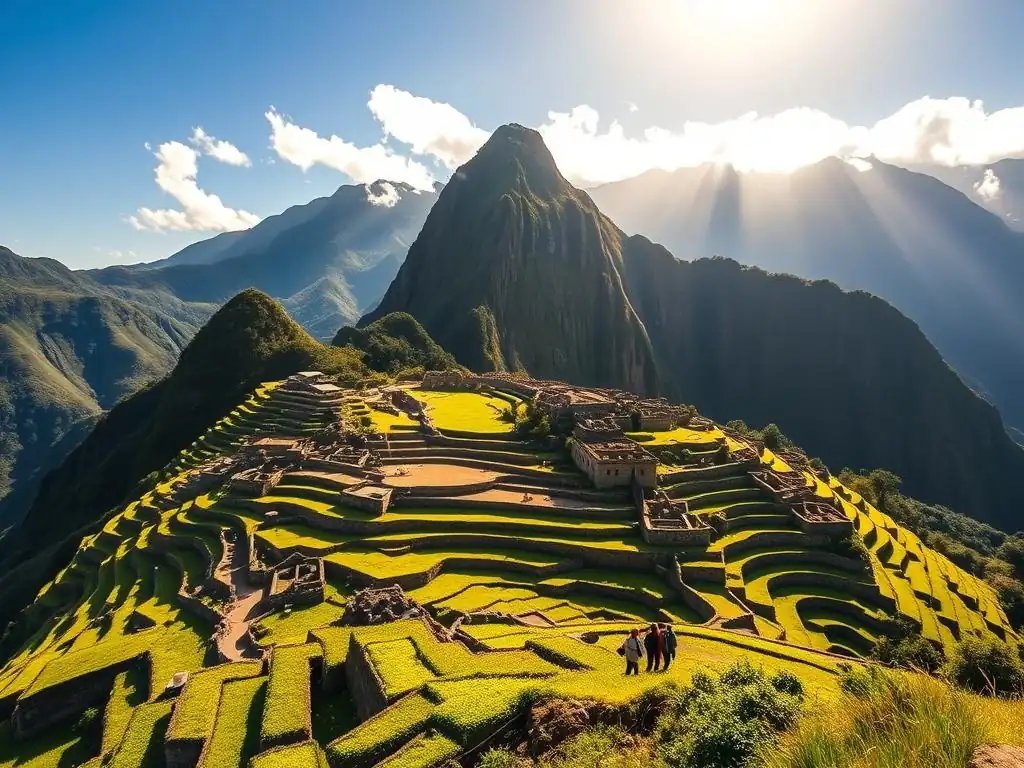
Welcome to Indigenous Civilizations of the Americas, where we invite you to journey through the rich tapestry of diverse indigenous cultures that flourished long before European contact. In our featured article, "Uncovering the Secrets of Andean Terraces: Engineering Marvels of the Ancient World," we delve into the ingenuity behind the Andean terraces, showcasing their significance as remarkable feats of ancient engineering.
Prepare to be astonished by the innovations that shaped these vibrant societies and discover how their legacies continue to resonate today. Join us as we unveil the profound achievements that define the heritage of the Americas—your adventure into history starts here!
The Andean terraces stand as a testament to the ingenuity and resourcefulness of ancient civilizations that thrived in the rugged terrains of the Andes mountains. These engineering marvels, crafted by indigenous peoples, not only showcase advanced agricultural practices but also reveal a deep understanding of the environment and ecosystem. This article delves into the multifaceted world of Andean terraces, exploring their definition, historical context, and significance within indigenous cultures, while also uncovering the sophisticated engineering principles that underpinned their construction and functionality.
Introduction to Andean Terraces
Definition of Andean Terraces
Andean terraces, also known as andenes, are flat, stepped areas carved into the mountainside. They serve as platforms for agriculture, allowing for the cultivation of various crops in otherwise steep and challenging landscapes. By using these terraces, ancient Andean civilizations could maximize land use, conserve soil moisture, and reduce erosion. The construction of these terraces demonstrates a remarkable understanding of both engineering and agricultural principles, showcasing an innovative approach to farming in high-altitude regions.
Historical Context of Andean Agricultural Systems
The origins of Andean terraces can be traced back thousands of years to the early agricultural societies that inhabited the region. As populations grew, the need for sustainable agricultural systems became paramount. Archaeological evidence suggests that civilizations such as the Incas and their predecessors developed intricate terrace systems that not only supported their communities but also enabled them to thrive in the harsh Andean environment.
- Key Historical Developments:
- Pre-Inca Societies: Early agricultural practices and the initial formation of terrace systems.
- Inca Empire: Expansion and refinement of terrace technology, leading to widespread agricultural success.
- Post-Colonization: The lasting influence of these systems in modern Andean farming practices.
Importance of Andean Terraces in Indigenous Cultures
The terraces were not merely agricultural tools; they played a pivotal role in the cultural and social fabric of Andean societies. They facilitated the cultivation of staple crops such as potatoes, maize, and quinoa, which were essential for sustenance and trade. Additionally, the terraces were often integrated into religious and communal practices, symbolizing harmony between humans and nature.
- Cultural Significance:
- Sustenance: Ensuring food security for growing populations.
- Trade: Enabling the exchange of goods between different regions.
- Spirituality: Serving as sites for rituals and ceremonies connected to agriculture.
The Engineering Behind Andean Terraces
Design Principles of Andean Terraces
The design of Andean terraces is characterized by a deep understanding of the local topography and climate. Engineers of the past utilized the natural contours of the land to create a series of flat platforms that effectively captured and retained water, essential for crop growth in the arid highlands.
Key design principles include:
- Gradual Sloping: Ensuring proper drainage and preventing water runoff.
- Retaining Walls: Constructed using locally sourced materials to support the terraces and prevent soil erosion.
Materials Used in Terrace Construction
The construction of Andean terraces relied heavily on locally available materials. Stone, earth, and vegetation were commonly used to build robust structures capable of withstanding the test of time. The choice of materials also reflects the ingenuity of ancient Andean engineers, who adapted their methods to the environment.
- Common Materials:
- Stones: For building retaining walls and providing stability.
- Soil: Layered for effective planting and water retention.
- Vegetation: Utilized for erosion control and soil enhancement.
Innovations in Water Management Systems
One of the most remarkable aspects of Andean terrace engineering is the sophisticated water management systems employed by ancient farmers. These systems included channels and irrigation methods that efficiently transported water from nearby sources to the terraces, ensuring optimal moisture levels for crops.
- Water Management Techniques:
- Canals: Redirecting water from rivers and streams to terraces.
- Catchment Areas: Collecting rainwater to support irrigation during dry periods.
- Wells and Springs: Utilized for consistent water supply, demonstrating advanced engineering knowledge.
Through these innovations, Andean civilizations achieved remarkable agricultural productivity and sustainability, laying the foundation for future generations. The legacy of these engineering marvels continues to inspire modern agricultural practices in the region.
Agricultural Techniques on Andean Terraces
The engineering marvels of Andean terraces are not merely physical structures; they embody sophisticated agricultural techniques that have been honed over centuries. These terraces, built into the mountainsides, utilize the natural topography to create flat areas for farming, which are crucial in a region characterized by steep slopes and varying climates. The primary agricultural techniques employed in these terraces include contour farming, which minimizes soil erosion and maximizes water retention, and the use of irrigation systems that channel water efficiently from nearby streams or rainfall.
Farmers practiced crop rotation and intercropping to maintain soil fertility and reduce pest infestations. By diversifying the crops grown on these terraces, they were able to adapt to the microclimates created by variations in altitude and exposure, thus optimizing their yield. The combination of these agricultural techniques not only sustained local populations but also contributed to the development of distinct Andean agricultural practices that are still studied and admired today.
Crop Selection and Diversity in Andean Agriculture
Crop selection in Andean terrace agriculture was a deliberate practice influenced by the region's diverse climates and altitudinal variations. Indigenous farmers cultivated a range of crops, including potatoes, quinoa, maize, and various legumes, each chosen for its suitability to specific microclimates. For instance, potatoes, a staple of Andean diets, thrived in the cooler, higher elevations, while maize flourished in warmer lower areas.
The diversity in crops not only provided nutritional balance but also played a significant role in the cultural identity of Andean societies. Different communities developed their unique varieties of crops, which were often adapted over generations to local environmental conditions. This biodiversity was crucial for food security, as it allowed communities to withstand environmental stresses such as droughts or pests.
Seasonal Farming Practices on Terraced Fields
Seasonal farming practices on Andean terraces were intricately linked to the region's climatic patterns. Farmers typically followed a cyclical calendar that dictated when to plant, cultivate, and harvest. The timing of these activities was critical for maximizing productivity and ensuring that crops were harvested before adverse weather conditions, such as frost or heavy rains.
In general, the agricultural year could be divided into distinct phases: planting during the warm season, tending to crops during the rainy season, and harvesting in the cooler months. Farmers utilized traditional knowledge of their environment to determine the best times for planting each crop, often guided by lunar cycles and local weather patterns. This careful attention to seasonal changes ensured that the harvests were plentiful, supporting both local communities and trade networks.
The Role of Microclimates in Enhancing Yield
Microclimates play a pivotal role in enhancing agricultural yield on Andean terraces. The varying altitudes and orientations of the terraces create distinct environmental conditions, allowing farmers to cultivate a wide range of crops with different climatic needs. For example, south-facing slopes receive more sunlight and warmth, making them ideal for heat-loving plants, while north-facing slopes may retain moisture better, favoring crops that thrive in cooler, wetter conditions.
Farmers skillfully manipulated these microclimates to optimize their agricultural output. Techniques such as stone walls and specific planting arrangements helped to create sheltered areas that protected delicate seedlings from harsh winds or extreme temperatures. This intelligent use of the landscape not only maximized productivity but also demonstrated the profound understanding that indigenous communities had of their environment.
Cultural Significance of Andean Terraces
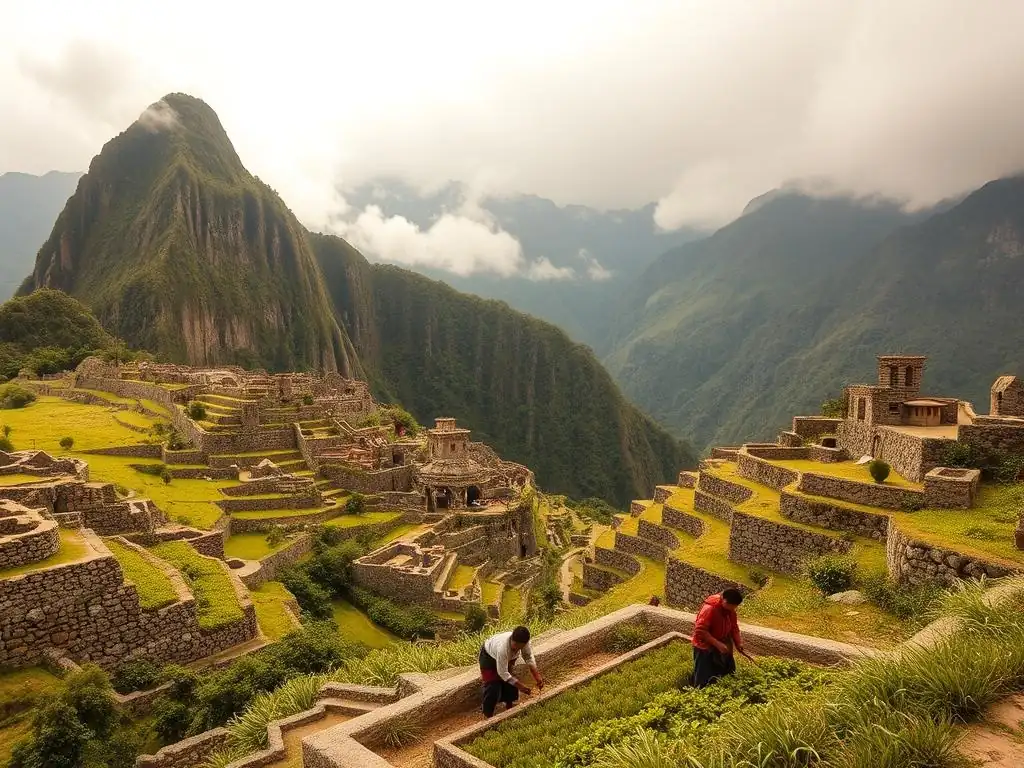
Andean terraces hold deep cultural significance beyond their agricultural utility. They are emblematic of the ingenuity and resilience of indigenous societies that adapted to their challenging environments. The construction and maintenance of these terraces fostered a strong sense of community and identity, as they were often built collectively, reflecting the social structures and cooperative spirit of the people.
Spiritual and Ritualistic Aspects of Terracing
The practice of terracing in the Andes is intertwined with spiritual beliefs and rituals. Many indigenous communities viewed the mountains as sacred, and the act of farming was often accompanied by spiritual practices aimed at honoring the earth and ensuring bountiful harvests. Rituals such as offering chicha (fermented corn beverage) or performing ceremonies to Pachamama (Mother Earth) were common, highlighting the reverence for nature that characterized Andean spirituality.
These spiritual connections also influenced agricultural decisions, where crops were planted according to auspicious days in the calendar. The relationship between agriculture and spirituality reinforced the importance of the terraces not only as food-producing landscapes but as sacred spaces that embodied the harmony between humans and nature.
Community and Social Structures Surrounding Terrace Farming
The community structures surrounding terrace farming were integral to the success of Andean agricultural systems. Families often worked together in cooperative groups, sharing labor, resources, and knowledge. This communal approach fostered social cohesion and interdependence, with each member contributing to the maintenance and productivity of the terraces.
Social hierarchies within these communities were often based on knowledge and experience in farming techniques, with elders playing a crucial role in educating younger generations. Festivals and communal gatherings celebrated the agricultural cycle, reinforcing cultural identity and solidarity among community members. This social framework not only ensured the sustainability of agricultural practices but also preserved the rich cultural heritage of Andean civilizations.
Legacy of Andean Terraces in Modern Agricultural Practices
The legacy of Andean terraces persists in modern agricultural practices, with contemporary farmers drawing inspiration from ancient techniques. The principles of sustainable farming, such as crop rotation, intercropping, and the management of microclimates, are increasingly recognized for their environmental benefits. As concerns about climate change and food security grow, many modern agricultural systems are revisiting these time-tested methods to enhance resilience and productivity.
Additionally, the Andean terrace system has become a subject of study for agricultural scientists and environmentalists, who seek to understand how these ancient techniques can be integrated into current farming practices. The terraced landscapes themselves have also gained recognition as cultural heritage sites, attracting tourism and fostering a renewed appreciation for the ingenuity of indigenous agricultural systems. This blend of ancient wisdom and modern needs illustrates the enduring impact of Andean terraces on both local and global scales.
Challenges Faced by Andean Terraces
Andean terraces, while remarkable engineering feats, have faced numerous challenges over the centuries that threaten their sustainability and functionality. These challenges stem from both environmental conditions and socio-economic factors. Understanding these obstacles is crucial for efforts aimed at preserving these ancient agricultural systems.
Environmental Factors Affecting Terrace Sustainability
The sustainability of Andean terraces is heavily influenced by environmental factors such as soil erosion, water availability, and geological stability. The steep slopes of the Andes make these terraces vulnerable to erosion, especially during heavy rainfall. When soil is washed away, it diminishes the fertility of the land, leading to reduced crop yields.
Moreover, water management is a critical issue. The terraces rely on an intricate system of irrigation, which can be disrupted by changes in water supply due to both natural and human-induced factors. The construction and maintenance of canals and reservoirs are vital to ensure that terraces receive adequate water. The geological stability of the region is also a concern, as landslides and earthquakes can destroy terrace structures and disrupt agricultural practices.
Impact of Climate Change on Andean Agricultural Systems
Climate change poses a significant threat to the agricultural systems of the Andes, including the iconic terracing practices. Increasing temperatures and altered precipitation patterns can lead to droughts or excessive rainfall, both of which can adversely affect crop production.
For instance, rising temperatures may push traditional crops beyond their suitable growing conditions, leading farmers to seek alternative crops that may not be as well suited to the terrace environment. Additionally, extreme weather events, such as floods or prolonged dry spells, can cause immediate damage to the terraces and long-term degradation of the soil.
Indigenous communities, who have relied on these terraces for generations, face food security challenges as climate change impacts their agricultural productivity. Adapting to these changes while maintaining traditional practices is crucial for the preservation of Andean agricultural systems.
Preservation Efforts for Ancient Engineering Marvels
In recent years, there has been a concerted effort to preserve Andean terraces as vital cultural and agricultural heritage sites. Various organizations, both local and international, have initiated projects aimed at restoring and maintaining these ancient engineering marvels.
These efforts often involve collaboration with indigenous communities, who possess invaluable knowledge about traditional farming practices and terrace management. By integrating modern conservation techniques with traditional knowledge, these projects aim to enhance the sustainability of the terraces.
Furthermore, raising awareness about the significance of Andean terraces is essential. Educational programs and cultural initiatives help to promote appreciation for these engineering feats, encouraging both local communities and tourists to engage in preservation activities.
Conclusion: The Lasting Impact of Andean Terraces
The Andean terraces stand as a testament to the ingenuity and resilience of indigenous cultures in the Americas. Their design and construction reflect a profound understanding of the environment and sustainable agricultural practices that have been honed over centuries.
Summary of Engineering and Cultural Contributions
The engineering of Andean terraces not only facilitated agricultural production but also supported the social and cultural framework of Andean societies. These terraces allowed for the cultivation of diverse crops, which contributed to the nutritional needs of communities. The terraces also served as a means of preserving cultural identity, as they are intertwined with traditional agricultural practices and community life.
Many Andean civilizations, such as the Inca, utilized these terraces to maximize arable land in a challenging mountainous terrain. The agricultural advancements made possible by these terraces laid the groundwork for complex societies, trade networks, and cultural exchanges across the region.
The Future of Andean Terraces in Indigenous Heritage
Looking ahead, the future of Andean terraces hinges on the commitment to integrating traditional practices with contemporary conservation efforts. As climate change and modernization continue to pose challenges, fostering resilience among indigenous communities will be paramount.
Innovative agricultural practices that respect traditional knowledge and adapt to changing conditions are essential for the survival of these terraces. By emphasizing the cultural significance of these landscapes, future generations can continue to draw inspiration from the ingenuity of their ancestors.
Call to Action: Preserving Ancient Engineering Marvels for Future Generations
Preserving the Andean terraces is not just a responsibility for local communities; it is a shared endeavor that requires global attention. Individuals and organizations can support preservation efforts by advocating for sustainable agricultural practices, contributing to conservation projects, and promoting awareness of the cultural significance of these ancient engineering marvels.
By taking action today, we can ensure that the legacy of the Andean terraces endures, allowing future generations to learn from and build upon the rich agricultural heritage of indigenous civilizations in the Americas. Together, we can celebrate and protect these remarkable achievements that continue to inspire us.
- Introduction to Andean Terraces
- The Engineering Behind Andean Terraces
- Agricultural Techniques on Andean Terraces
- Cultural Significance of Andean Terraces
- Challenges Faced by Andean Terraces
- Conclusion: The Lasting Impact of Andean Terraces
Frequently Asked Questions
What are Andean terraces?
Andean terraces are ancient agricultural fields built into the slopes of the Andes Mountains. These engineering marvels allowed indigenous peoples to cultivate crops in challenging mountainous terrains.
How did ancient civilizations construct the terraces?
The construction of Andean terraces involved clever engineering techniques such as stone walls to support the earth and prevent erosion. This method enabled effective water management and maximized arable land.
What crops were grown on the Andean terraces?
Indigenous farmers cultivated a variety of crops, including potatoes, maize, and quinoa. The terraces provided the ideal conditions for these nutrient-rich crops to thrive in the Andean climate.
How did the terraces impact indigenous societies?
The Andean terraces significantly contributed to the sustainability of indigenous communities by increasing food production. This agricultural surplus supported population growth and allowed for the development of complex societies.
What is the legacy of the Andean terraces today?
The legacy of the Andean terraces persists in modern agriculture, where techniques such as terracing are still used to manage and cultivate land in hilly regions. They showcase the innovative spirit of ancient civilizations and their profound understanding of their environment.
Final Reflection: The Enduring Legacy of Andean Terraces as Ancient Engineering Marvels
The intricate design and construction of Andean terraces stand as a testament to the ingenuity of ancient civilizations. Today, as we face challenges related to agriculture, sustainability, and climate change, these terraces remind us of the innovative solutions that our ancestors developed to thrive in harsh environments. The lessons learned from their engineering marvels are more relevant than ever, urging us to look back at history for inspiration in our modern world.
The influence of Andean terraces extends beyond their physical presence; they symbolize a deep connection between culture and environment. These terraces not only transformed landscapes but also fostered community resilience and agricultural productivity. As we continue to explore the significance of these ancient structures, we can appreciate the wisdom embedded in their design. The past is not dead; it is not even past.
— William Faulkner. This quote encapsulates the idea that the lessons of the past continue to shape our present and future.
As we conclude our exploration of Andean terraces, I invite you to reflect on how ancient engineering can inform our contemporary practices. Consider how you can apply the principles of sustainability and ingenuity found in these marvels to your own life. Whether it's in your gardening, community projects, or personal endeavors, let the legacy of the Andean terraces inspire you to innovate and adapt, ensuring that we honor the wisdom of those who came before us while building a better future.
Unveil the Wonders of Andean Engineering!
Thank you for exploring the incredible ingenuity of the Andean terraces with us! Your interest in these ancient marvels is crucial for understanding their rich history and cultural significance. Now, let's keep that curiosity alive and take action!
- Dive deeper into Andean history by visiting a local museum or library to discover artifacts and stories about these fascinating ancient cultures.
- Share your newfound knowledge by discussing the Andean terraces with friends and family—who knows, you might inspire someone else to learn!
- Join an online forum or community group dedicated to the Indigenous Civilizations of the Americas to connect with fellow enthusiasts and engage in meaningful discussions.
What aspect of Andean engineering do you find most fascinating, and how has it changed your perspective on ancient civilizations?