
The Intersection of Spirituality and Resource Management in Indigenous Cultures

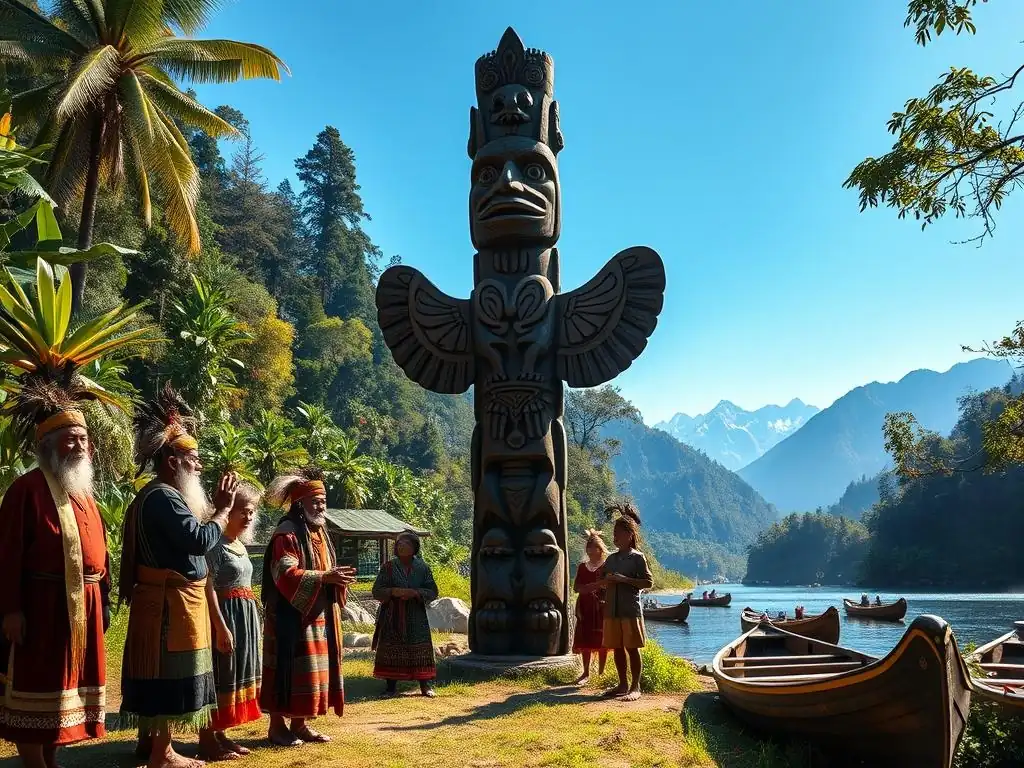
Welcome to Indigenous Civilizations of the Americas, where we embark on a fascinating journey through the rich tapestry of indigenous cultures that flourished long before European contact. In our featured article, "The Intersection of Spirituality and Resource Management in Indigenous Cultures," we delve into the profound connection between indigenous spirituality and resource management. Discover how these vibrant societies harmonized their beliefs with sustainable practices, shaping their environments and communities in ways that resonate even today. Prepare to be inspired as we uncover the wisdom and legacy of these remarkable civilizations—your exploration begins now!
- Introduction to Indigenous Spirituality and Resource Management
- The Role of Spirituality in Resource Management
- Traditional Resource Management Techniques in Indigenous Cultures
- Spiritual Practices Guiding Resource Conservation
- The Impact of Colonization on Indigenous Spirituality and Resource Management
- Contemporary Applications of Indigenous Spirituality in Resource Management
- Conclusion: The Future of Indigenous Spirituality and Resource Management
- Additional Resources on Indigenous Spirituality and Resource Management
-
Frequently Asked Questions
- What role does spirituality play in resource management among Indigenous cultures?
- How do Indigenous cultures demonstrate sustainable practices?
- What are some examples of resource management influenced by spiritual beliefs?
- How has the intersection of spirituality and resource management shaped Indigenous identities?
- Why is it important to recognize the link between indigenous spirituality and resource management?
- Final Reflection: Embracing Indigenous Spirituality in Resource Management
- 🌍 Embrace and Elevate Indigenous Wisdom!
Introduction to Indigenous Spirituality and Resource Management
Indigenous cultures across the Americas possess a rich tapestry of beliefs and practices that intricately intertwine spirituality and resource management. These societies, flourishing long before European colonization, developed profound connections to their environment, which were deeply rooted in their spiritual beliefs. Understanding this intersection is crucial for grasping how indigenous peoples managed their resources sustainably and effectively, ensuring the longevity of their communities and the ecosystems they inhabited. This article delves into the significance of indigenous spirituality in shaping resource management practices, highlighting the wisdom and knowledge embedded in these traditions.
Overview of Indigenous Cultures and Spirituality
Indigenous cultures throughout the Americas are incredibly diverse, each with unique spiritual beliefs and practices. However, a common theme among many of these cultures is the concept of a deep, respectful relationship with the natural world. Spirituality often manifests in various forms, including:
- Rituals and Ceremonies: Many indigenous peoples engage in rituals that honor the land, water, plants, and animals, recognizing them as integral to their existence.
- Mythology and Storytelling: Oral traditions play a crucial role in conveying spiritual beliefs, environmental stewardship, and resource management practices, often featuring lessons from ancestors or nature itself.
- Connection to Ancestors: Spiritual beliefs frequently emphasize the importance of ancestors, who guide present generations in their stewardship of the land and its resources.
These elements reflect a worldview where humans are seen as part of a larger ecological system, fostering a sense of responsibility toward the environment.
Importance of Resource Management in Indigenous Societies
Resource management in indigenous cultures is not merely a practical necessity; it is deeply embedded in their spiritual beliefs. This holistic approach encompasses various aspects:
- Sustainable Practices: Indigenous peoples often employ methods that ensure resources are used wisely and replenished, such as rotational hunting, fishing, and agriculture. This practice reflects an understanding of ecological balance.
- Community Involvement: Resource management decisions are typically made collectively, reinforcing social bonds and shared responsibilities within the community. This communal approach ensures that resources are managed for the benefit of all, rather than for individual gain.
- Cultural Significance: Resources, including plants, animals, and water, hold spiritual significance in many indigenous cultures. For example, certain plants may be used in rituals or medicines, emphasizing the sacredness of the natural world.
By marrying spirituality with resource management, indigenous cultures demonstrate an enduring legacy of environmental stewardship that continues to inform contemporary discussions around sustainability and ecological conservation.
The Role of Spirituality in Resource Management
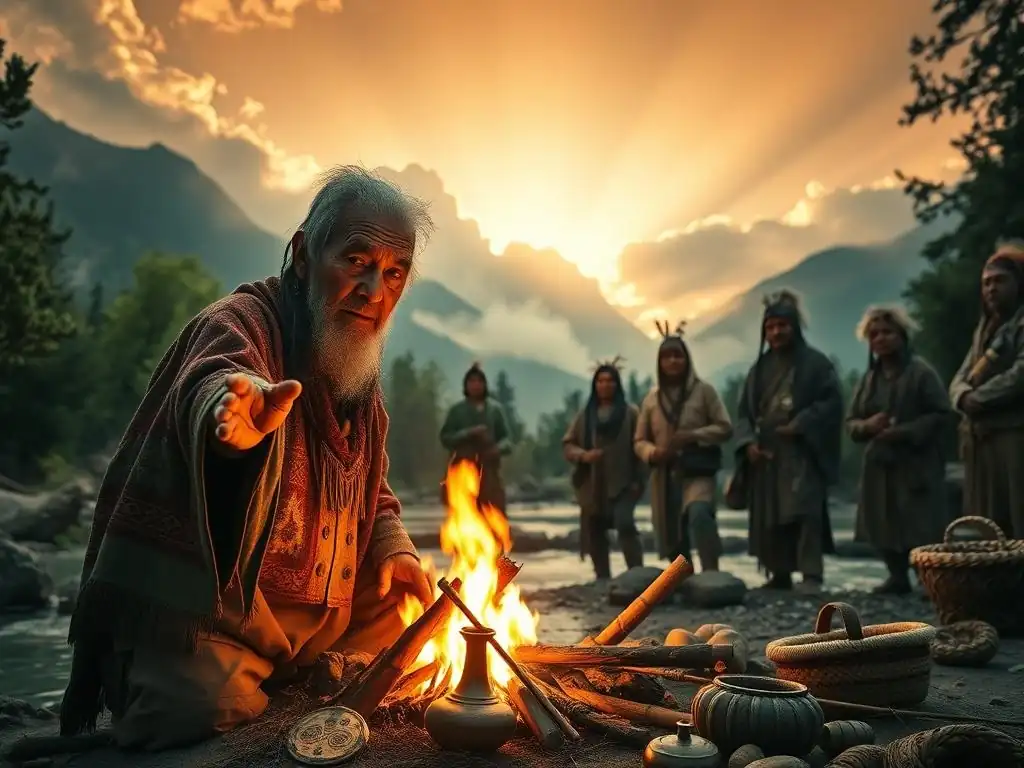
Indigenous cultures across the Americas have intricately woven spirituality into their daily practices, particularly in the management of natural resources. This intersection of indigenous spirituality and resource management manifests in various ways, reflecting a deep-seated reverence for the land and its ecosystems. Spiritual beliefs often dictate how resources are utilized, conserved, and respected, ensuring a sustainable relationship with the environment that has endured for centuries.
Understanding Indigenous Spirituality
Indigenous spirituality encompasses a rich tapestry of beliefs, rituals, and traditions that vary significantly across different cultures. At its core, it is characterized by a profound connection to nature, viewing the earth as a living entity deserving of respect and care.
- Holistic Perspective: Indigenous spirituality often adopts a holistic view of the world, where every element—land, plants, animals, and humans—is interconnected. This worldview influences how resources are perceived and managed.
- Sacredness of Nature: Many indigenous groups believe that nature is imbued with spirit and life. This belief fosters a sense of responsibility towards the environment, as harming it is seen as a disconnection from spiritual and cultural identity.
One concrete example can be seen in the Navajo Nation, where land is viewed not just as a resource but as a sacred entity that is integral to their identity and spirituality. Their practices surrounding land use reflect this belief, emphasizing conservation and respect.
Connection Between Spiritual Practices and Resource Use
The connection between spiritual practices and resource use is evident in various rituals and customs that dictate how natural resources are harvested, processed, and utilized.
- Rituals and Offerings: Many indigenous cultures perform rituals and make offerings to honor the spirits of the land before engaging in activities such as hunting, fishing, or farming. For instance, the Lakota Sioux perform a ceremony called the "Wopila" to express gratitude after a successful harvest or hunt.
- Seasonal Cycles: Spiritual beliefs often align with seasonal cycles, dictating when and how resources should be gathered. This cyclical understanding ensures that resource use does not exceed the natural replenishment rates. The Inuit, for example, have traditional calendars that guide their hunting practices based on animal migrations and environmental changes.
By adhering to these spiritual practices, indigenous peoples have developed sustainable methods of resource management that have proven effective over generations.
Spiritual Beliefs Influencing Sustainable Practices
Indigenous spirituality not only shapes how resources are utilized but also directly influences sustainable practices within their communities.
- Ecosystem Stewardship: Many indigenous groups see themselves as stewards of the land, tasked with maintaining ecological balance. The Hopi Tribe of Arizona, for example, incorporates agricultural practices that promote soil health and biodiversity, reflecting their spiritual commitment to the earth.
- Community Decision-Making: Spiritual beliefs often inform communal decision-making processes regarding resource management. In many cultures, decisions are made collectively, emphasizing the importance of consensus and the involvement of elders, who are seen as custodians of knowledge and spirituality.
| Spiritual Beliefs | Sustainable Practices |
|---|---|
| Reverence for Nature | Eco-friendly farming and gathering |
| Collective Responsibility | Community-led resource management |
| Seasonal Awareness | Timing of harvest to align with nature |
The intersection of indigenous spirituality and resource management is profound and multifaceted. It embodies a worldview that fosters sustainability, respect, and harmony with the environment, serving as a crucial framework for resource management practices among indigenous cultures in the Americas.
Traditional Resource Management Techniques in Indigenous Cultures
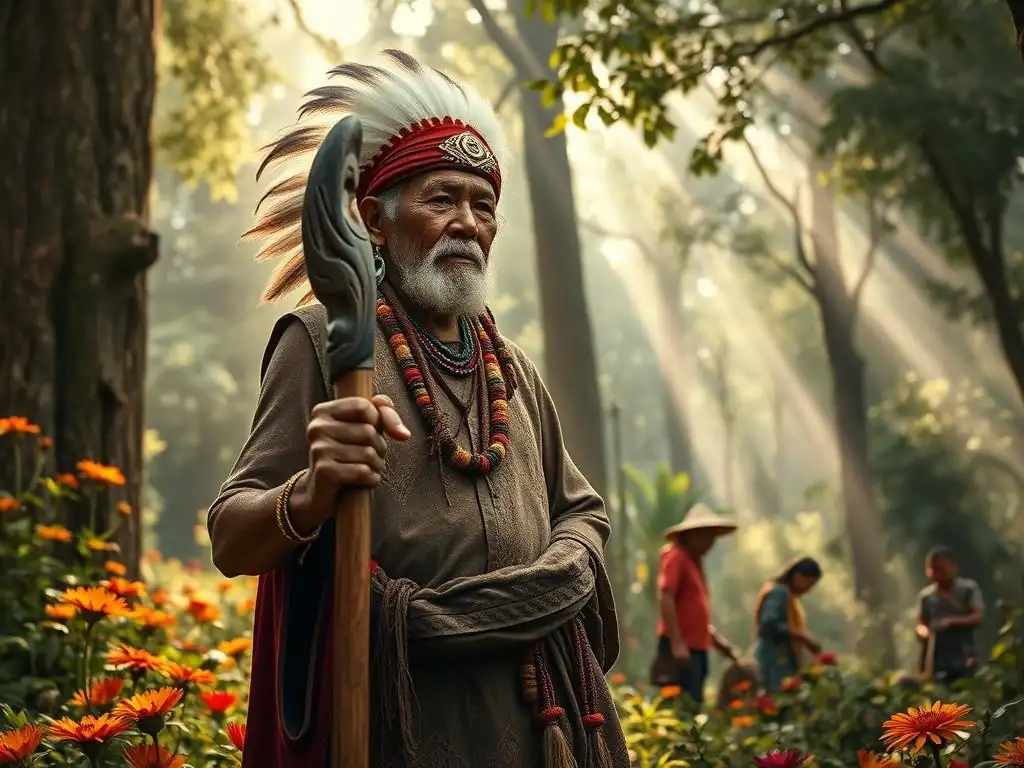
The intricate relationship between spirituality and resource management in indigenous cultures is foundational to their sustainability practices. Traditional Resource Management Techniques (TRMT) are underpinned by a deep understanding of the land, ecosystems, and spiritual beliefs that govern the interaction between communities and their natural environment. These practices are not merely technical; they are holistic approaches that integrate ecological knowledge with cultural values, ensuring that resources are used sustainably and respectfully.
Overview of Traditional Ecological Knowledge (TEK)
Traditional Ecological Knowledge (TEK) encompasses the cumulative body of knowledge, practices, and beliefs about the environment developed by indigenous peoples over generations. TEK is characterized by its:
- Holistic Perspective: TEK views the environment as an interconnected web of relationships, where every element has a role in maintaining ecological balance. This perspective emphasizes the importance of biodiversity and the interdependence of species, which is often reflected in spiritual beliefs that honor the land and its resources.
- Adaptive Management: Indigenous cultures have historically employed adaptive management strategies, allowing them to respond to environmental changes and challenges. This flexibility is crucial for resilience, especially in the face of climate change and other external pressures.
- Cultural Significance: Many resource management practices are embedded in cultural rituals and spiritual beliefs. For example, certain harvesting methods are performed with ceremonies that express gratitude and respect for the resources being utilized, reinforcing a sense of stewardship over the land.
- Place-Based Knowledge: TEK is inherently localized, meaning that it is tailored to specific ecosystems and climates. Indigenous peoples have developed unique strategies that reflect their understanding of local flora, fauna, and seasonal changes, which are often passed down through oral traditions.
Case Studies of Effective Resource Management
Indigenous cultures around the world provide exemplary case studies that illustrate the successful integration of spirituality and resource management. Two notable examples are the Zuni Tribe and the Haida Nation.
The Zuni Tribe and Water Management
The Zuni Tribe, located in New Mexico, has a rich tradition of water management that is deeply intertwined with their spiritual beliefs. The Zuni people view water as a sacred gift, essential for life and a vital element of their cultural identity. Their management practices include:
- Rain Dance Ceremonies: These ceremonies not only express gratitude for rain but also serve to foster community cohesion and reinforce the spiritual significance of water. The Zuni believe that their rituals can influence weather patterns, highlighting the connection between spirituality and resource outcomes.
- Traditional Irrigation Techniques: The Zuni employ sophisticated irrigation systems, such as terraced fields and water catchment systems, that maximize water efficiency and minimize waste. These systems reflect a deep understanding of hydrology and soil management, showcasing how TEK informs sustainable agricultural practices.
- Collaborative Water Management: The Zuni Tribe has engaged in collaborative efforts with neighboring tribes and governmental agencies to protect water rights and manage resources collectively. This approach is rooted in the belief that water resources belong to the community and should be managed for future generations.
The Haida Nation and Forest Preservation
The Haida Nation, indigenous to the Pacific Northwest, exemplifies effective forest management practices that are grounded in their spiritual beliefs and cultural traditions. Their approach to resource management includes:
- Elders' Knowledge: The Haida prioritize the wisdom of elders, who hold extensive knowledge about the forests and their ecosystems. This knowledge is crucial for making informed decisions regarding resource use and conservation strategies.
- Sustainable Logging Practices: The Haida have developed sustainable logging practices that respect the forest ecosystem. They selectively harvest trees and practice reforestation, ensuring that the forest remains healthy and productive.
- Cultural Stewardship: The Haida view themselves as stewards of the land, with a responsibility to protect and preserve their forest resources for future generations. This sense of stewardship is deeply embedded in their cultural narratives and practices, reinforcing the connection between spirituality and resource management.
The intersection of indigenous spirituality and resource management illustrates a profound understanding of ecological principles and sustainable practices. By valuing TEK and integrating spiritual beliefs into their resource management systems, indigenous cultures like the Zuni Tribe and the Haida Nation continue to demonstrate effective methods for maintaining their environments and cultural identities.
Spiritual Practices Guiding Resource Conservation
Spiritual practices among Indigenous cultures play a crucial role in resource management, guiding communities in their relationship with the environment. These practices are often deeply rooted in the understanding that the Earth is a living entity, deserving respect and care. Indigenous spirituality and resource management are intertwined, ensuring that natural resources are utilized sustainably and ethically.
Rituals and Their Impact on Resource Management
Rituals serve as a cornerstone in Indigenous cultures, acting as a means to honor the interconnectedness of life. These rituals often include ceremonies related to planting, harvesting, and hunting, which are performed to seek blessings from the spirits. For example:
- Planting Ceremonies: Many Indigenous groups conduct rituals before planting crops, invoking the spirits of the land. This is believed to promote a bountiful harvest and ensure the health of the soil.
- Harvest Festivals: Celebrations following the harvest are common, where communities express gratitude for the abundance provided by nature. These festivals often involve communal feasting, storytelling, and the sharing of resources, reinforcing the importance of communal stewardship.
The impact of these rituals extends beyond spiritual fulfillment; they instill a sense of responsibility and respect for the resources being harvested. By embedding resource management within spiritual practice, Indigenous communities ensure that their actions do not deplete the environment but rather sustain it for future generations.
Symbolism in Nature and Its Role in Sustainability
Nature is rich with symbolism in Indigenous cultures, often representing broader concepts of life, death, and rebirth. This symbolism informs sustainable practices by fostering a deep respect for the environment. For instance:
- The Circle: Many Indigenous philosophies embrace the concept of the circle, symbolizing the cyclical nature of life. This belief promotes the idea that every action has consequences, urging communities to consider the long-term effects of their resource management practices.
- Animal Spirits: Certain animals are revered as spirit guides, embodying specific traits that are essential for survival. For example, the eagle may symbolize vision and strength, prompting communities to adopt similar virtues in their interactions with nature.
By understanding and respecting these symbols, Indigenous peoples develop a sustainable approach to resource management that is both practical and spiritually fulfilling. This connection between spirituality and nature fosters a holistic view of resource conservation, emphasizing harmony and balance.
Community Involvement and Spiritual Responsibility
Community involvement is paramount in Indigenous spirituality and resource management. The belief that all members of the community share a spiritual responsibility towards the environment shapes collective actions. Key aspects include:
- Elders as Guides: Elders hold a vital role in teaching younger generations about sustainable practices rooted in spiritual beliefs. Their knowledge often includes traditional ecological practices, fostering a deep understanding of local ecosystems.
- Collective Decision-Making: Many Indigenous cultures emphasize consensus-based decision-making processes. This ensures that resource management practices are reflective of the community's spiritual values and collective responsibility.
- Intergenerational Sharing: The transmission of knowledge about sustainability practices is often communal, ensuring that spiritual teachings regarding resource management are passed down through generations.
By embedding spirituality within community practices, Indigenous cultures promote a collective ethos of stewardship. This approach not only enhances resource management but also reinforces the social fabric, ensuring that both people and the environment thrive together.
The intersection of Indigenous spirituality and resource management is rich and complex. Through rituals, symbolism, and community involvement, Indigenous cultures illustrate a sustainable framework for interacting with the natural world, emphasizing respect, responsibility, and a profound connection to the environment.
The Impact of Colonization on Indigenous Spirituality and Resource Management
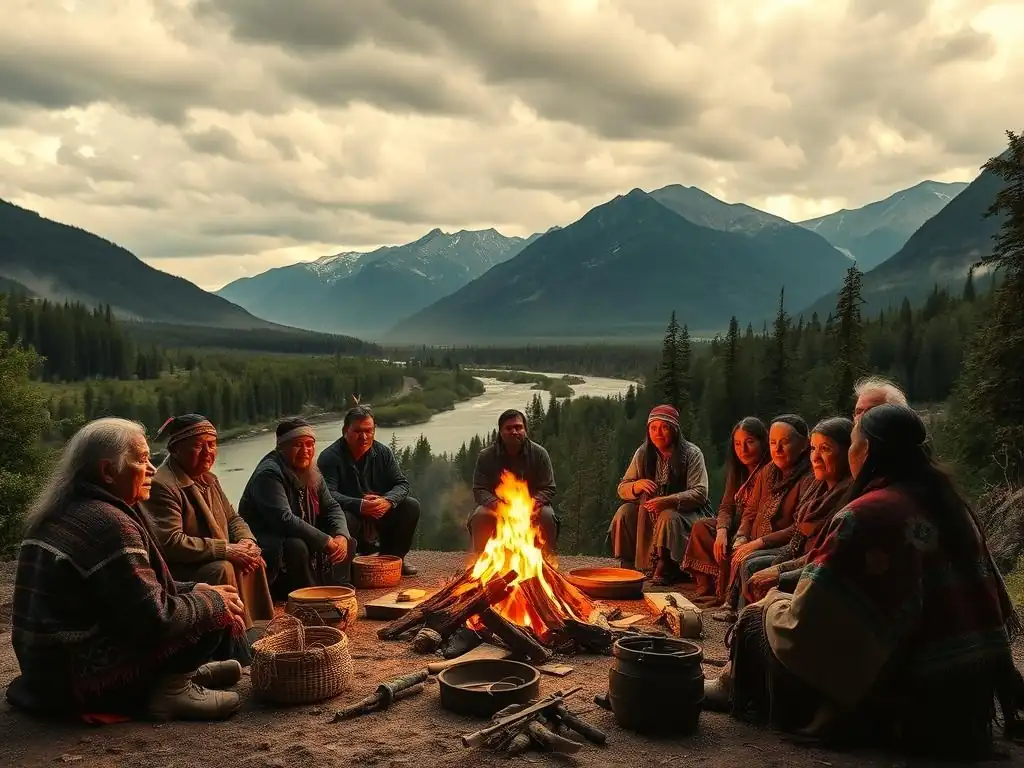
Disruption of Traditional Practices
Colonization had a profound and often devastating impact on Indigenous spirituality and resource management practices across the Americas. Traditional practices, which were intricately tied to the land, were disrupted as colonizers imposed foreign systems of governance and economic exploitation. The introduction of European land ownership concepts clashed with Indigenous views of communal land stewardship and sacred connection to nature.
- Ceremonial Disruption: Many Indigenous ceremonies that celebrated seasonal cycles and resource management practices were interrupted or banned. For instance, the Potlatch ceremony of the Pacific Northwest, which functioned as a means of resource distribution and social structuring, faced severe restrictions under colonial laws.
- Cultural Suppression: Colonizers often viewed Indigenous spiritual practices as pagan and sought to suppress them. This suppression extended to the knowledge systems related to natural resource management, leading to a loss of biodiversity and sustainable practices that had been developed over thousands of years.
The cumulative effect of these disruptions created a significant gap in the transmission of knowledge and practices related to resource management, leaving communities struggling to maintain their ecological balance and cultural identity.
Loss of Spiritual Connection to Land
The relationship between Indigenous peoples and their land is deeply spiritual, rooted in a worldview that sees the earth as a living entity. Colonization severed this bond, leading to a profound loss of spiritual connection and identity for many communities.
- Displacement: Forced removals from ancestral lands disrupted the spiritual practices that were linked to specific landscapes. Sacred sites, often tied to resource management practices, were desecrated or destroyed. For example, the removal of the Cherokee from their lands led to the loss of not just territory but also the spiritual practices connected to those lands.
- Fragmentation of Knowledge: The disconnection from traditional territories resulted in a fragmentation of ecological knowledge systems. Many Indigenous practices, such as crop rotation, animal husbandry, and foraging, were based on a deep understanding of local ecosystems, which was often lost as communities were relocated.
The spiritual disconnection from the land has had lasting implications, affecting not only resource management but also health, well-being, and cultural continuity for Indigenous peoples.
Resilience and Adaptation in Modern Contexts
Despite the impacts of colonization, many Indigenous communities have demonstrated remarkable resilience and adaptability in reclaiming their spirituality and resource management practices.
- Revitalization Movements: There has been a resurgence in efforts to revive traditional spiritual practices and ecological knowledge. Initiatives to re-establish ceremonies and knowledge-sharing have emerged, fostering community cohesion and a renewed connection to the land. For instance, some tribes have implemented controlled burns as part of their land management practices, echoing ancient methods to promote biodiversity.
- Sustainable Practices: Many Indigenous communities are now at the forefront of sustainable resource management, integrating traditional ecological knowledge with contemporary practices. Collaborative projects focusing on sustainable agriculture, water management, and biodiversity conservation have gained traction, illustrating a holistic approach to resource management that honors spiritual beliefs.
- Legal and Political Advocacy: Indigenous groups are increasingly advocating for their rights to land and resources, often invoking their spiritual connection to the land as a basis for their claims. Legal victories in various regions have allowed communities to regain control over traditional territories, enabling them to practice their spirituality and resource management systems more freely.
While colonization significantly disrupted Indigenous spirituality and resource management, the resilience and adaptability of these communities continue to shape a path forward, blending traditional knowledge with modern strategies to protect their land and culture.
Contemporary Applications of Indigenous Spirituality in Resource Management

Reviving Traditional Practices
Indigenous spirituality plays a crucial role in the revival of traditional resource management practices that have been passed down through generations. These practices are not merely historical relics; they are living systems of knowledge that provide valuable insights into sustainability and ecological balance. Indigenous communities often view the land as a living entity, deserving respect and care, which contrasts sharply with exploitative resource extraction methods that have become prevalent in modern industry.
Reviving these traditional practices involves a deep understanding of local ecosystems, including species interrelationships and seasonal cycles. For instance, many Indigenous tribes utilize controlled burns as a method to manage forests, promote new growth, and prevent larger wildfires. This practice is rooted in a spiritual belief in the interconnectedness of all life, which fosters a commitment to stewardship rather than ownership.
Furthermore, efforts are being made to document and teach these traditional practices to younger generations. This not only ensures the continuity of ecological wisdom but also strengthens cultural identity. Educational programs and workshops that highlight Indigenous spirituality and resource management are increasingly being developed, creating a bridge between ancient knowledge and contemporary environmental challenges.
Integrating Spiritual Beliefs with Modern Environmental Policies
The integration of Indigenous spirituality and resource management into modern environmental policies is gaining traction among governments and organizations. Recognizing the value of Indigenous knowledge systems, policymakers are beginning to incorporate traditional ecological knowledge (TEK) into environmental assessments and land-use planning.
One significant aspect of this integration is the acknowledgment of spiritual beliefs that underpin Indigenous resource management practices. For example, many Indigenous cultures have specific rituals and practices that honor the natural world, which can inform sustainable practices. This spiritual context can enhance the effectiveness of conservation efforts by fostering a deeper connection between communities and their environments.
Moreover, collaborative frameworks that involve Indigenous leaders in decision-making processes are proving beneficial. These frameworks ensure that policies reflect the values and beliefs of Indigenous peoples, leading to more effective and culturally sensitive resource management strategies. As a result, projects that respect Indigenous spirituality tend to see higher levels of community engagement and successful outcomes.
Case Studies of Successful Collaboration
Several case studies illustrate the successful collaboration between Indigenous communities and governmental or corporate entities in resource management. These partnerships often emerge from a mutual respect for Indigenous spirituality and an understanding of the need for sustainable practices.
The Collaborative Management of the Great Bear Rainforest
One of the most notable examples is the collaborative management of the Great Bear Rainforest in British Columbia, Canada. This expansive area is not only a vital ecological habitat but also holds significant cultural and spiritual importance for the Indigenous nations that inhabit the region, particularly the Heiltsuk and Nuxalk peoples.
In 2016, a groundbreaking agreement was reached between Indigenous communities, environmental groups, and the provincial government, which emphasized the importance of integrating Indigenous stewardship practices into the management of the rainforest. The agreement recognized the spiritual connection that Indigenous peoples have with the land, allowing for a management plan that included traditional ecological knowledge alongside scientific methods.
This collaboration has led to the establishment of protected areas, restrictions on logging, and the promotion of sustainable tourism that respects the spiritual and ecological integrity of the forest. The success of this initiative not only demonstrates the effectiveness of incorporating Indigenous spirituality into resource management but also serves as a model for future partnerships across the Americas.
By fostering a dialogue that respects Indigenous beliefs and practices, these collaborative efforts are paving the way for sustainable resource management that honors both cultural heritage and environmental responsibility.
Conclusion: The Future of Indigenous Spirituality and Resource Management

As we reflect on the intricate relationship between Indigenous spirituality and resource management, it becomes evident that these two elements are not merely interconnected but are fundamentally intertwined in the fabric of Indigenous cultures. The wisdom embedded within traditional ecological knowledge emphasizes sustainability, respect for natural resources, and community well-being.
In the contemporary context, where environmental degradation and climate change pose significant challenges, revisiting these Indigenous practices offers valuable insights for modern resource management strategies. By integrating Indigenous spirituality into resource management frameworks, we can foster a more holistic approach that honors both the land and its original stewards. This synthesis not only supports environmental resilience but also promotes cultural preservation and community empowerment.
Importance of Preserving Indigenous Knowledge
Preserving Indigenous knowledge is vital for several reasons:
- Cultural Heritage: Indigenous knowledge systems encapsulate centuries of lived experience and spiritual connection to the land. They represent a rich cultural heritage that deserves recognition and respect.
- Biodiversity Conservation: Many Indigenous practices have been proven to support biodiversity. For instance, rotational farming and controlled burns, used by various Indigenous groups, help maintain the health of ecosystems.
- Climate Resilience: Indigenous communities often possess unique insights into climate patterns and natural resource cycles, which can inform contemporary approaches to climate adaptation and mitigation.
- Sustainable Practices: The principles of reciprocity and stewardship found in Indigenous spirituality promote sustainability, offering alternative models to exploitative resource extraction prevalent in modern industries.
The preservation of Indigenous knowledge is not only a matter of cultural integrity but also an essential component of effective resource management strategies that can lead to a more sustainable future.
Call to Action for Respecting Indigenous Practices
To honor and respect Indigenous spirituality and resource management practices, it is crucial for individuals, communities, and governments to take specific actions:
- Educate Yourself and Others: Understanding the history and significance of Indigenous practices can foster greater appreciation and advocacy for their rights.
- Support Indigenous-Led Initiatives: Engage with and support programs that are led by Indigenous communities, particularly those focused on land stewardship and cultural preservation.
- Advocate for Policy Changes: Engage in advocacy for policies that recognize and integrate Indigenous rights and practices into environmental management frameworks.
- Promote Collaborative Research: Encourage partnerships between Indigenous communities and researchers that prioritize Indigenous perspectives and knowledge systems in resource management studies.
By actively participating in these endeavors, we can contribute to a future where Indigenous spirituality and resource management are not only respected but celebrated as integral components of our shared environmental heritage. This collective effort will help ensure that the wisdom of Indigenous cultures continues to guide sustainable practices for generations to come.
Additional Resources on Indigenous Spirituality and Resource Management
Books and Academic Articles
Indigenous spirituality and resource management are subjects that have garnered considerable scholarly attention. Here are some recommended readings that delve into these themes:
- "Braiding Sweetgrass: Indigenous Wisdom, Scientific Knowledge, and the Teachings of Plants" by Robin Wall Kimmerer
- This book blends Kimmerer’s experiences as a botanist with her Indigenous heritage, exploring how spiritual beliefs inform sustainable practices in natural resource management.
- "The Sacred Balance: Rediscovering Our Place in Nature" by David Suzuki
- Suzuki discusses the interconnectedness of all living things, a theme prevalent in many Indigenous belief systems, and how this perspective can guide sustainable management of resources.
- "Indigenous Knowledge and Resource Management in the Americas" edited by Robert B. McCorkle
- This collection of essays examines various Indigenous strategies for resource management, emphasizing the role of spirituality in these practices.
- "Land, Spirit, and Community: A Guide to the Spirituality of Indigenous Peoples" by Michael A. M. Gorman
- Gorman explores how spiritual beliefs shape the relationship Indigenous peoples have with their land and resources.
Documentaries and Visual Media
Visual media can powerfully convey the connection between Indigenous spirituality and resource management. Here are some notable documentaries:
- "Gather" (2020)
- This documentary follows Indigenous chefs and activists who are reclaiming traditional food practices and highlighting the spiritual significance of land and resources.
- "The Condor and the Eagle" (2019)
- A documentary that tells the story of Indigenous leaders from the Amazon and the North, focusing on their struggles to protect land and resources through a spiritual lens.
- "The Last of the Hunted"
- This film explores the spiritual connections of Indigenous peoples to wildlife and natural resources, emphasizing traditional hunting practices and the values that underpin them.
Community Organizations and Initiatives
Several organizations are dedicated to promoting the integration of Indigenous spirituality and resource management. Here are a few examples:
- Native American Rights Fund (NARF)
- NARF works to protect the rights of Indigenous peoples, including the spiritual and cultural aspects of their relationship with natural resources.
- Indigenous Environmental Network (IEN)
- This organization focuses on environmental justice and sustainable practices influenced by Indigenous spirituality, advocating for the protection of land and resources.
- First Nations Development Institute
- The Institute supports economic and community development in Indigenous communities, emphasizing the importance of cultural and spiritual values in resource management initiatives.
- The Nature Conservancy's Indigenous Partnerships Program
- This program collaborates with Indigenous communities to ensure that conservation efforts respect and incorporate traditional ecological knowledge and spiritual practices.
Incorporating these resources into your research can provide a deeper understanding of how Indigenous spirituality and resource management intersect, highlighting the invaluable knowledge that Indigenous cultures offer to contemporary environmental challenges.
Frequently Asked Questions
What role does spirituality play in resource management among Indigenous cultures?
Spirituality is often intertwined with resource management, guiding practices that ensure sustainability and respect for the land, water, and resources.
How do Indigenous cultures demonstrate sustainable practices?
Indigenous cultures implement sustainable practices through traditional ecological knowledge, which balances spiritual beliefs and practical resource management techniques.
What are some examples of resource management influenced by spiritual beliefs?
Many Indigenous groups view certain natural elements as sacred, leading to the protection of specific areas and species, thus promoting biodiversity and environmental health.
How has the intersection of spirituality and resource management shaped Indigenous identities?
The intersection fosters a deep connection to the land and resources, reinforcing community ties and a sense of identity that is rooted in ancestral traditions and beliefs.
Why is it important to recognize the link between indigenous spirituality and resource management?
Acknowledging this link helps in understanding Indigenous methodologies for sustainability, offering valuable insights that can inform modern environmental practices and policies.
Final Reflection: Embracing Indigenous Spirituality in Resource Management
The intersection of spirituality and resource management in Indigenous cultures is not just a historical narrative; it is a vital framework for addressing contemporary environmental challenges. As we face a climate crisis and resource depletion, the wisdom embedded in Indigenous spirituality offers profound insights into sustainable practices that honor the earth. The teachings of Indigenous communities remind us that our relationship with nature is not one of domination, but of stewardship and reciprocity.
The influence of Indigenous spirituality on resource management is increasingly recognized in today's cultural and social landscape. This perspective encourages us to rethink our approach to environmental conservation, emphasizing a holistic view that integrates spiritual beliefs with practical resource management strategies. As the renowned Indigenous activist Winona LaDuke once said, We do not inherit the earth from our ancestors; we borrow it from our children.
This quote encapsulates the urgency of adopting Indigenous wisdom in our resource management practices, fostering a deeper connection to the land and future generations.
As we reflect on the lessons from Indigenous cultures, I invite you to consider how you can incorporate these principles into your own life. Think about the ways you engage with nature and the resources you consume. Are there practices you can adopt that honor the earth and its cycles? By embracing the teachings of Indigenous spirituality, we can cultivate a more sustainable and respectful relationship with our environment, ensuring that we not only preserve our planet for ourselves but also for generations to come.
🌍 Embrace and Elevate Indigenous Wisdom!
Thank you for joining us on this enlightening journey into the intersection of spirituality and resource management in Indigenous cultures. Your interest in these profound insights not only enriches your understanding but also honors the wisdom of those who have long respected the balance of nature. Now, let’s take action together!
Here are some ways you can further engage with this vital topic:
- Explore local Indigenous initiatives and organizations that promote sustainable practices—your participation can make a real impact!
- Share your knowledge! Discuss this article with friends or family to uplift Indigenous perspectives and foster respectful dialogues about resource management.
- Join or create a community group that focuses on environmental stewardship inspired by Indigenous teachings to deepen your connection and commitment.
What aspect of Indigenous resource management resonates most with you, and how do you envision applying it in your own life? Let's inspire each other with our thoughts!