
Strategies of Survival: The Role of Alliances in Indigenous Military Campaigns

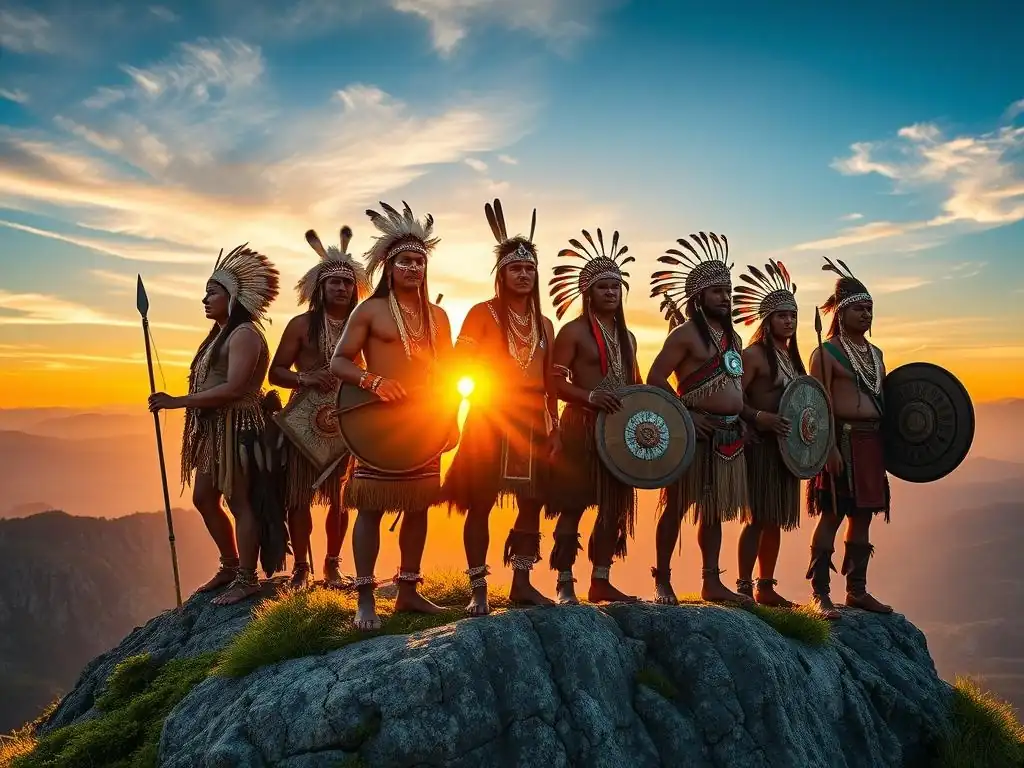
Welcome to Indigenous Civilizations of the Americas, where we embark on a captivating journey through the rich tapestry of indigenous cultures that flourished long before European contact. In our featured article, “Strategies of Survival: The Role of Alliances in Indigenous Military Campaigns,” we delve into the intricate web of indigenous military alliances strategies that played a crucial role in the resilience and survival of these remarkable societies.
Prepare to uncover the ingenious tactics and partnerships that defined their military prowess, and discover how these alliances shaped the course of history. Join us as we explore the enduring legacy of these civilizations and the lessons they impart for us today.
The history of indigenous peoples in the Americas is rich with narratives of resilience, adaptation, and strategic ingenuity, particularly in the realm of military operations. One of the most significant aspects of indigenous warfare was the formation of military alliances. These alliances were not merely tactical partnerships; they represented complex social, political, and cultural dynamics that were essential for survival in a rapidly changing world.
This article delves into the role of alliances in indigenous military campaigns, exploring how diverse tribes collaborated to enhance their military strength and secure their territories against threats, including European colonization. By examining these indigenous military alliances strategies, we gain a deeper understanding of their societal structures and the lasting impact these strategies had on their cultures.
Introduction to Indigenous Military Alliances
Indigenous military alliances were vital for many tribes across the Americas, enabling them to pool resources, share intelligence, and coordinate military actions against common enemies. These alliances often transcended tribal boundaries, highlighting the intricate relationships between various groups. Through mutual agreements, tribes could enhance their military capabilities, ensuring a greater chance of success in conflicts.
Understanding Indigenous Military Alliances Strategies
The strategies employed in forming and maintaining military alliances were diverse and context-specific. Key strategies included:
- Diplomatic Negotiation: Engaging in discussions to form coalitions based on shared interests and mutual benefits.
- Ceremonial Bonding: Rituals that solidified relationships, often involving the exchange of gifts or the establishment of kinship ties.
- Strategic Marriages: Uniting tribes through marriage alliances to strengthen ties and create a unified front against adversaries.
- Resource Sharing: Collaborating on logistics, such as sharing weapons, food supplies, and warriors to enhance collective strength.
These strategies reflect a sophisticated understanding of both military and social dynamics, crucial for navigating the complexities of inter-tribal relations.
Importance of Alliances in Indigenous Warfare
The significance of alliances in indigenous warfare cannot be overstated. They provided several advantages:
- Increased Military Strength: By combining forces, tribes could create larger and more formidable armies.
- Enhanced Tactical Flexibility: Alliances allowed for the sharing of different combat techniques and knowledge, leading to more adaptable military strategies.
- Psychological Impact: A united front could instill fear in opponents and bolster the morale of allied forces.
In many instances, the success of military campaigns hinged on the ability to forge and maintain these crucial alliances.
Historical Context of Indigenous Military Alliances
To fully appreciate the role of military alliances, it is important to consider the historical context in which they were formed. Indigenous societies had rich and diverse cultures, each with its own unique social structures and values.
Indigenous Societies Before European Colonization
Prior to European contact, indigenous societies in the Americas were complex and varied, ranging from nomadic tribes to advanced civilizations like the Aztec and Inca empires. These societies developed intricate systems of governance, trade, and warfare, which often included forming alliances to bolster their positions against rival groups.
Key Factors Influencing Military Alliances in Indigenous Cultures
Several factors influenced the formation and sustainability of military alliances among indigenous peoples:
- Geopolitical Landscape: The presence of rival tribes or external threats often necessitated collaboration.
- Resource Availability: Access to shared resources, such as hunting grounds or fertile lands, played a critical role in alliance formation.
- Cultural Connections: Shared languages, traditions, or spiritual beliefs could facilitate the establishment of alliances.
Understanding these factors provides insight into how indigenous military alliances strategies were not only a response to immediate threats but also a reflection of the intricate social fabric of indigenous societies.
Types of Indigenous Military Alliances
Indigenous military alliances in the Americas were diverse and multifaceted, often shaped by the unique cultural, geographical, and historical contexts of the groups involved. These alliances were critical for survival and expansion, enabling tribes to share resources, knowledge, and military strength. Here are the primary types of indigenous military alliances:
Defensive Alliances: Protection and Preservation
Defensive alliances were primarily formed to protect member tribes from external threats, particularly from rival tribes or encroaching European settlers. These alliances focused on mutual defense and often involved coordinated military strategies, shared intelligence, and joint training exercises.
- Key Features:
- Mutual Aid: Members agreed to come to each other's aid in times of conflict.
- Resource Sharing: Alliances often included agreements to share weapons, food supplies, and other critical resources.
- Unified Command: A shared leadership structure allowed for organized military responses to threats.
- Example: The Iroquois Confederacy, composed of the Mohawk, Oneida, Onondaga, Cayuga, Seneca, and later the Tuscarora tribes, exemplified a robust defensive alliance that successfully repelled numerous external threats through a unified military front.
Offensive Alliances: Strategies for Conquest
While many alliances focused on defense, others were formed with offensive strategies in mind. These alliances aimed to expand territories, acquire resources, or exert control over rival tribes.
- Key Features:
- Coordinated Offensives: Member tribes would plan and execute attacks together, often targeting common enemies.
- Shared Intelligence: Alliances facilitated the exchange of information about enemy movements and weaknesses.
- Increased Military Capacity: By combining forces, tribes could launch larger and more effective campaigns.
- Example: The alliance formed by the Aztec Empire with various city-states in Mesoamerica allowed for coordinated military campaigns that expanded their dominion over vast territories through conquest.
Cultural and Political Alliances: Beyond Military Aspects
Not all alliances were purely military in nature. Many indigenous groups formed cultural and political alliances that strengthened their social ties and provided a framework for cooperation beyond warfare.
- Key Features:
- Cultural Exchange: These alliances often facilitated the exchange of cultural practices, languages, and traditions, fostering unity among diverse groups.
- Political Collaboration: Tribal leaders would often meet to discuss shared governance, trade agreements, and conflict resolution.
- Long-term Relationships: Such alliances were often built on longstanding kinship ties and historical relationships, creating a sense of community.
- Example: The Pueblo peoples formed alliances that included trade networks and cultural exchanges, which helped them to resist external pressures through a united front that extended beyond military actions.
Case Studies of Indigenous Military Alliances
Examining specific case studies of indigenous military alliances helps illustrate the complex dynamics and strategies employed by various groups in the Americas.
The Iroquois Confederacy: A Model of Strategic Alliance
The Iroquois Confederacy, also known as the Haudenosaunee, serves as a significant example of a successful indigenous military alliance. Established in the late 16th century, the Confederacy was a coalition of six nations: the Mohawk, Oneida, Onondaga, Cayuga, Seneca, and Tuscarora.
- Key Achievements:
- Political Structure: The Confederacy had a sophisticated political system that facilitated decision-making and military coordination.
- Military Successes: The united front of the Iroquois allowed them to dominate other tribes and exert considerable influence over the region, particularly during the Beaver Wars against the French and their allies.
- Lasting Legacy: Their strategies of alliance and governance influenced later American political systems, showcasing the effectiveness of indigenous military alliances.
The Apache and Comanche Alliances: Adapting to European Threats
The Apache and Comanche tribes formed strategic alliances during the 18th and 19th centuries to counter European encroachment and intertribal conflicts. Both tribes faced significant threats from Spanish and later American expansion.
- Key Strategies:
- Resource Sharing: They combined their resources to resist European settlements, sharing knowledge about the terrain and enemy tactics.
- Mobility and Warfare Tactics: Both tribes were known for their mobility, using horses effectively in raids and guerrilla tactics that kept their enemies off-balance.
- Temporary Alliances: These alliances were often fluid, evolving based on changing political landscapes and immediate threats.
The Confederation of the Plains Tribes: Collective Resistance
The Confederation of the Plains Tribes, which included various groups such as the Lakota, Cheyenne, and Arapaho, represented a significant collective effort to resist European-American expansion in the 19th century.
- Key Characteristics:
- Unified Military Campaigns: These tribes coordinated military actions against U.S. forces, such as during the Great Sioux War of 1876.
- Shared Cultural Practices: The alliance was not only military; it involved shared cultural practices and social structures that strengthened bonds between tribes.
- Legacy of Resistance: Their collective resistance is celebrated in indigenous histories as a powerful assertion of sovereignty and cultural identity against colonization.
Through these various types and case studies of indigenous military alliances, it is evident that collaboration was essential for survival and adaptation in the face of external threats, shaping the histories and cultures of indigenous peoples across the Americas.
Strategies and Tactics in Indigenous Military Campaigns
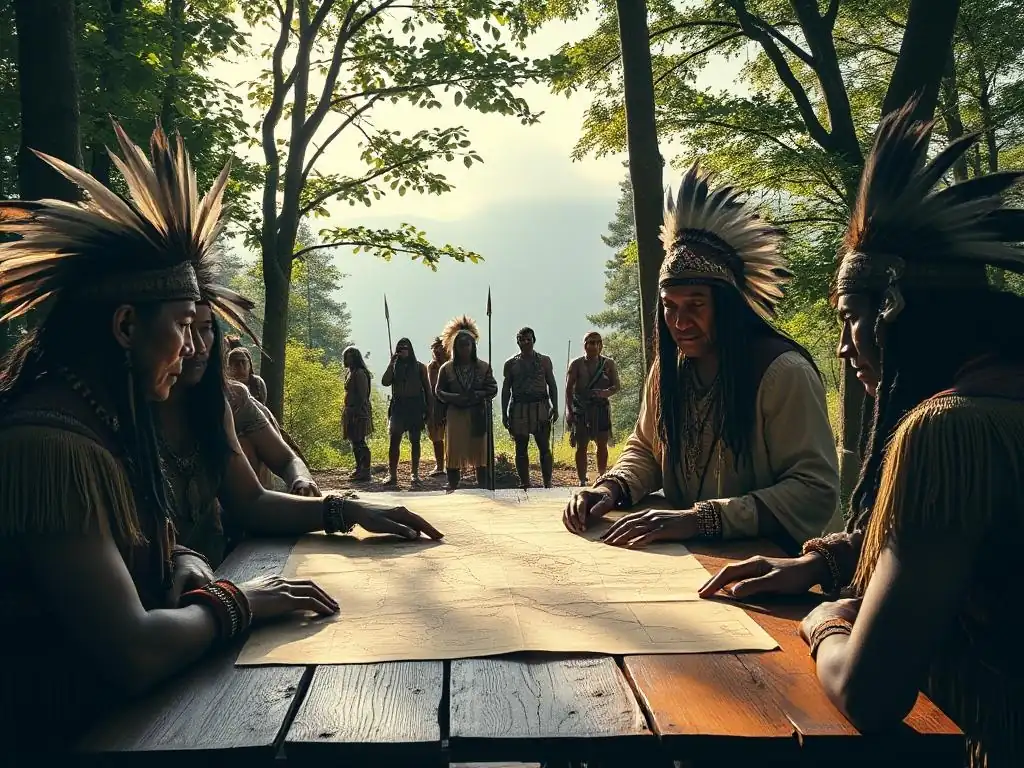
Indigenous military campaigns were characterized by sophisticated strategies and tactics that reflected the unique cultural contexts of various tribes. The use of alliances played a pivotal role in these strategies, allowing different tribes to combine their strengths and resources against common threats, particularly European colonizers.
The tactics employed included guerrilla warfare, which involved ambushes and hit-and-run tactics, effectively utilizing the terrain to their advantage. For instance, tribes like the Algonquin employed these techniques in the dense forests of North America, making it difficult for European forces to engage in traditional European-style warfare. Additionally, the incorporation of both direct confrontations and psychological warfare—such as creating fear through surprise attacks—demonstrated a nuanced understanding of combat strategies.
Moreover, the collaborative nature of alliances enabled the sharing of military knowledge, which further enhanced the effectiveness of their campaigns. By pooling resources and manpower, indigenous groups could mount larger and more coordinated attacks, exemplifying the strategic depth of their military efforts.
Coordinated Warfare: The Role of Strategy in Alliances
The essence of coordinated warfare among indigenous groups lay in their ability to strategize collectively. This coordination was essential for executing large-scale military operations that would have been impossible for individual tribes. For example, the Iroquois Confederacy exemplified this through their Great Law of Peace, which facilitated unified military action among member tribes when facing external threats.
Strategic planning often involved meticulous scouting missions and the establishment of communication networks to relay information about enemy movements. By leveraging the strengths of various tribes—such as the mobility of the Plains tribes and the defensive fortifications of the woodland tribes—indigenous alliances could craft multi-faceted military strategies that adapted to the evolving nature of conflict with European powers.
Additionally, ceremonies and rituals often accompanied military alliances, reinforcing bonds among tribes and unifying them under a common cause. This cultural dimension was crucial, as it not only motivated warriors but also solidified the commitment to collective action.
Communication and Intelligence Sharing Among Indigenous Allies
Effective communication was a cornerstone of successful indigenous military alliances. Various methods were employed to ensure that allies remained informed about troop movements and enemy plans. Signal systems using smoke signals or drum beats were common, allowing for quick dissemination of information across distances.
Moreover, the practice of sending scouts ahead to gather intelligence was widespread. These scouts played a vital role in reporting on enemy strengths and weaknesses, as well as identifying potential ambush points. The ability to share intelligence among allied tribes enabled a more responsive and adaptive approach to warfare, allowing for strategic adjustments based on real-time information.
Cultural practices also facilitated communication; oral traditions played a significant role in maintaining knowledge about past encounters and strategies, which could then be shared among allied forces. This communal knowledge base was crucial for developing effective military tactics and ensuring that lessons learned were not forgotten.
Resource Sharing: Armament and Logistics in Indigenous Campaigns
Resource sharing among indigenous allies was a critical aspect of military campaigns. The pooling of weapons, supplies, and manpower allowed tribes to mount more formidable defenses and attacks. For instance, tribes would often exchange different types of weaponry, such as bows, arrows, and later, firearms acquired through trade.
Logistics were also vital; understanding the importance of sustaining an army, indigenous groups developed systems to transport food, water, and ammunition. Some tribes specialized in specific resources, such as the procurement of swift horses by Plains tribes, which could be shared with allies for enhanced mobility in campaigns.
Additionally, the establishment of trade routes for the exchange of goods and intelligence further strengthened these military alliances. Such collaboration not only increased the effectiveness of military efforts but also deepened the interrelationships among tribes, fostering a sense of unity against common threats.
The Impact of Indigenous Military Alliances on European Conquest
The formation of indigenous military alliances significantly influenced the dynamics of European conquest in the Americas. These alliances complicated European expansion efforts, demonstrating that indigenous groups were not merely passive victims but active participants in their defense.
How Alliances Altered the Balance of Power
Indigenous military alliances often altered the balance of power in regions impacted by European colonization. By joining forces, tribes were able to present a united front against colonial powers, which often underestimated their collective strength. This unity disrupted European plans for territorial expansion and trade, as seen in several notable confrontations, such as the Pequot War, where allied tribes effectively resisted English encroachment.
Moreover, alliances such as the Wampanoag and Narragansett during King Philip’s War exemplified how coordinated efforts could temporarily shift power dynamics in favor of indigenous groups. Such instances highlighted the effectiveness of indigenous military alliances in resisting colonization and maintaining autonomy over their lands.
Successful Indigenous Campaigns Against European Forces
Throughout history, several indigenous campaigns against European forces were marked by success, largely due to the strategic alliances formed among tribes. One prominent example is the Battle of Tipaemuk in 1675, where a coalition of Native American forces successfully ambushed and defeated English troops. This victory underscored the potency of allied indigenous military forces in challenging European military might.
Another example is the role of the Iroquois Confederacy in the Beaver Wars, where they expanded their territory and influence through strategic alliances with other tribes, effectively countering European colonial interests. These successful campaigns not only demonstrated the tactical prowess of indigenous forces but also showcased the significant role that alliances played in shaping the outcomes of conflicts.
Long-term Effects of Alliances on Indigenous Sovereignty
The long-term effects of indigenous military alliances on sovereignty are profound. While many alliances faced dissolution or were undermined by European divide-and-conquer tactics, they established a framework for collective identity and resistance that persisted even after the immediate conflicts.
The legacy of these alliances can be seen in contemporary indigenous movements advocating for rights and recognition. The historical context of these collaborations fosters a sense of unity and shared purpose among modern indigenous groups, often echoing the strategies and tactics used in past military campaigns.
Ultimately, the impact of alliances on indigenous sovereignty reflects an enduring spirit of resilience and adaptation in the face of external pressures, highlighting the importance of collective action in the ongoing struggle for self-determination and cultural preservation.
Lessons from Indigenous Military Alliances for Modern Warfare
Indigenous military alliances provide a wealth of insights that can be applied to contemporary warfare. These alliances, forged out of necessity and mutual benefit, demonstrate how diverse groups can unite to face common threats. By examining these historical strategies, modern military leaders can glean valuable lessons about collaboration, adaptability, and the social dynamics that underpin military effectiveness.
Adaptability and Resilience in Military Strategies
A key characteristic of indigenous military alliances was their remarkable adaptability. Tribes and groups often adjusted their strategies based on the changing circumstances of warfare and the nature of their enemies. For example, the Iroquois Confederacy demonstrated a flexible approach, modifying their tactics to incorporate both traditional warfare and diplomatic maneuvers. This adaptability allowed them to respond to European colonization effectively, shifting from direct confrontations to strategic alliances and negotiations with other tribes and European powers.
Resilience, too, played a crucial role. Many indigenous groups faced overwhelming odds but managed to persist through strategic alliances. The Mapuche of Chile, for instance, united various clans to resist Spanish conquest, utilizing their deep knowledge of the terrain and guerrilla tactics. This resilience not only helped them survive but also allowed them to maintain their cultural identity despite external pressures. Modern militaries can learn from these examples by fostering a culture of adaptability and resilience in their strategic planning and execution.
The Importance of Collaboration in Warfare
Collaboration was central to the success of indigenous military alliances. Groups often recognized that their individual strengths complemented one another, leading to more effective military campaigns. The Plains tribes, for instance, united to enhance their hunting and defense capabilities against common enemies, such as the American settlers. This collaborative approach maximized resource utilization and manpower, illustrating the power of unity in the face of adversity.
Furthermore, alliances facilitated the sharing of knowledge and tactics among different groups. The sharing of military techniques, such as ambush strategies or the use of terrain for advantage, enhanced overall effectiveness. Modern military strategies can benefit from this collaborative spirit by encouraging joint exercises and information sharing among allied nations, ultimately leading to more cohesive and effective military operations.
Cultural Perspectives on Alliances in Contemporary Conflicts
Cultural perspectives on alliances can significantly influence contemporary conflicts. Indigenous alliances were often deeply rooted in social and cultural ties, which fostered loyalty and commitment among members. This aspect is crucial in modern contexts, where cultural understanding and shared values can enhance cooperation between allied forces.
For instance, in contemporary conflicts involving indigenous populations, recognizing their historical alliances and cultural contexts can lead to more effective engagement strategies. The experiences of indigenous groups can inform current military leaders about the significance of cultural identity and community in fostering strong alliances. By integrating cultural awareness into military planning, modern forces can develop more sustainable and respectful partnerships in conflict situations.
Conclusion: The Enduring Legacy of Indigenous Military Alliances
The legacy of indigenous military alliances serves as a powerful reminder of the strength found in unity. These alliances were not merely strategic but were deeply intertwined with cultural identity, social structure, and community resilience. The lessons learned from these historical contexts remain relevant today, offering guidance for contemporary military strategies.
Reflecting on Indigenous Military Alliances Strategies
Reflecting on indigenous military alliances strategies reveals patterns of cooperation, adaptability, and resilience that are essential for any military campaign. The ability of diverse groups to come together for a common cause highlights the importance of understanding and valuing each participant's unique contributions. Modern militaries can enhance their effectiveness by embracing these principles and fostering environments where collaboration is both encouraged and rewarded.
The Role of Alliances in Shaping Indigenous Histories and Identities
Alliances played a pivotal role in shaping indigenous histories and identities, creating a rich tapestry of interconnections among different tribes and nations. These alliances were often based on mutual respect and recognition of shared goals, which helped to define cultural identities and historical narratives. Understanding the significance of these relationships is essential for appreciating the complexities of indigenous cultures and their lasting impact on contemporary society. By acknowledging the historical importance of alliances, modern societies can better comprehend the ongoing influence of indigenous perspectives in shaping cultural and national identities today.
- Introduction to Indigenous Military Alliances
- Historical Context of Indigenous Military Alliances
- Types of Indigenous Military Alliances
- Case Studies of Indigenous Military Alliances
- Strategies and Tactics in Indigenous Military Campaigns
- The Impact of Indigenous Military Alliances on European Conquest
- Lessons from Indigenous Military Alliances for Modern Warfare
- Conclusion: The Enduring Legacy of Indigenous Military Alliances
- What were the primary indigenous military alliances in the Americas?
- How did alliances impact indigenous survival strategies?
- What role did diplomacy play in forming these alliances?
- Were there any famous military campaigns that utilized these strategies?
- How did European colonization affect indigenous military alliances?
Frequently Asked Questions
What were the primary indigenous military alliances in the Americas?
Many indigenous groups formed alliances to strengthen their military capabilities against common enemies, often resulting in powerful coalitions like the Iroquois Confederacy.
How did alliances impact indigenous survival strategies?
Alliances were crucial for resource sharing, collective defense, and enhancing military tactics, allowing indigenous peoples to better resist external threats and maintain their sovereignty.
What role did diplomacy play in forming these alliances?
Diplomacy was essential in establishing and maintaining alliances, involving negotiations, treaties, and mutual agreements that fostered trust and cooperation among tribes.
Were there any famous military campaigns that utilized these strategies?
Yes, notable campaigns, such as the Pequot War and the King Philip's War, showcased how indigenous alliances were used effectively to confront and challenge colonial powers.
How did European colonization affect indigenous military alliances?
European colonization often disrupted existing alliances, leading to conflict, betrayal, and the eventual decline of many indigenous military strategies as tribes were forced to adapt to new realities.
Final Reflection: The Enduring Power of Indigenous Military Alliances
The strategies of survival employed by Indigenous peoples through military alliances remain profoundly relevant today. In a world where collaboration often determines the outcome of conflicts, the historical lessons from Indigenous military campaigns remind us that unity and strategic partnerships can lead to resilience against overwhelming odds. The intricate web of alliances formed by Indigenous nations not only showcases their tactical ingenuity but also underscores the importance of solidarity in the face of adversity.
The influence of these alliances extends beyond historical military contexts, shaping contemporary discussions around Indigenous rights, sovereignty, and community resilience. As we navigate modern challenges, the principles of cooperation and mutual support highlighted in these strategies continue to resonate. > “In unity, there is strength.” This timeless adage encapsulates the essence of Indigenous military alliances and serves as a guiding principle for communities striving for justice and recognition today.
As we reflect on the lessons of the past, let us embrace the call to action that these strategies of survival present. Consider how you can foster alliances in your own life, whether in personal relationships, community initiatives, or broader social movements. By recognizing the power of collaboration and the strength found in diversity, we can honor the legacy of Indigenous military alliances and contribute to a more equitable and united future.
Forge New Alliances for a Better Tomorrow!
Thank you for diving into the intricate world of Indigenous military campaigns and the vital role of alliances. Alongside historical insights, you’ve gained a fresh perspective on how these relationships shaped survival strategies. Now, it’s time to take that knowledge and put it into action!
Here are a few steps you can take to deepen your connection with this topic:
- Join a local Indigenous group or organization to actively support and learn about their history and current initiatives.
- Share this article with friends and family, fostering discussions about the importance of alliances in both historical and contemporary contexts.
- Explore additional resources or books on Indigenous strategies and alliances to broaden your understanding even further.
What steps can you take today to cultivate more connections and understanding in your community? Let’s spark a conversation!