
The Healing Power of Andean Music: Traditions and Practices Today

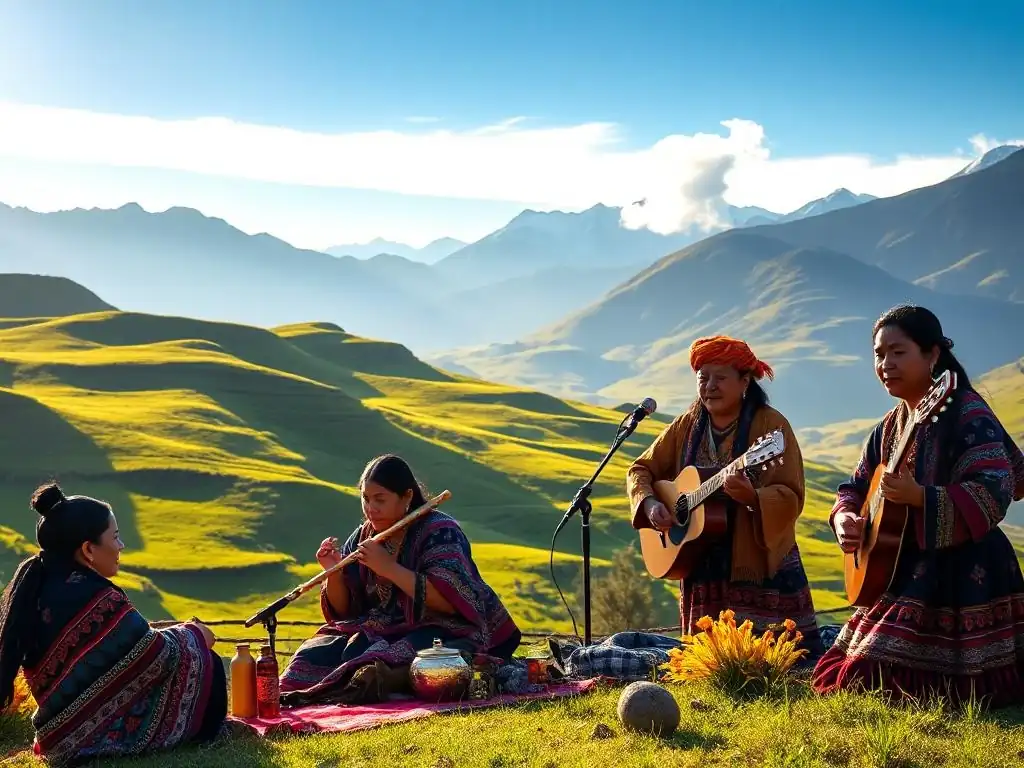
Welcome to Indigenous Civilizations of the Americas, where we invite you to embark on a journey through the rich tapestry of indigenous cultures that flourished long before European contact. Here, you’ll uncover the profound legacies of these societies, their remarkable achievements, and the vibrant traditions that continue to resonate today. Dive into our featured article, “The Healing Power of Andean Music: Traditions and Practices Today,” and discover how the melodies of the Andes serve not only as art but also as a transformative tool for healing.
What secrets lie within these ancient tunes? Join us as we explore the intersection of music, culture, and well-being, sparking your curiosity and enriching your understanding of these timeless practices.
- Introduction to Andean Music Healing Traditions
- Historical Context of Andean Music Healing Traditions
- Elements of Andean Music Healing Traditions
- Contemporary Practices of Andean Music Healing
- The Cultural Significance of Andean Music Healing
- Challenges Facing Andean Music Healing Traditions
- Conclusion: The Enduring Legacy of Andean Music Healing Traditions
-
Frequently Asked Questions
- What are the key components of Andean music healing traditions?
- How does Andean music contribute to healing practices?
- Are there any modern adaptations of Andean music healing practices?
- How can one experience Andean music healing traditions?
- What is the significance of community in Andean healing music?
- Final Reflection: The Enduring Resonance of Andean Music Healing Traditions
- Unveil the Transformative Sounds of Andean Music!
Introduction to Andean Music Healing Traditions
Andean music healing traditions represent a profound aspect of the cultural heritage of the indigenous peoples of the Andes Mountains, encompassing regions of Peru, Bolivia, Ecuador, and northern Chile. This rich musical landscape is not just an art form but a vital medium through which spiritual, emotional, and physical healing occurs. By exploring the intricate relationship between music and healing practices, we gain insight into how these traditions have been preserved and adapted through generations, even in the face of modern challenges.
The healing power of Andean music is deeply rooted in the cosmology and worldview of its creators, reflecting a holistic understanding of health that integrates the body, mind, and spirit. Rituals often involve communal participation, emphasizing the importance of connection and harmony within the community. As we delve into the specifics of Andean music and its healing significance, we will uncover the diverse instruments, styles, and practices that contribute to its enduring legacy.
Overview of Andean Music and Its Significance
Andean music is characterized by a diverse array of instruments, rhythms, and melodies that vary from region to region. Instruments such as the charango, pan flute (or siku), and bombo drum play pivotal roles in creating the lush soundscape associated with Andean musical traditions. These instruments are often made from locally sourced materials, reflecting the intimate connection between the music and the natural environment.
The significance of Andean music extends beyond mere entertainment; it serves as a cultural expression that embodies the values, history, and beliefs of indigenous communities. Music is integral to various life events, including celebrations, rituals, and healing ceremonies, acting as a medium for storytelling and preserving ancestral knowledge. The melodies are infused with meanings that resonate with the cultural identity and spirituality of the people, fostering a sense of belonging and continuity.
The impact of Andean music on both local and global scales has been profound. As awareness of these traditions grows, musicians and cultural practitioners are increasingly sharing their heritage with wider audiences, bringing attention to the therapeutic aspects of their art. This has led to a resurgence of interest in Andean music healing traditions, encouraging new generations to engage with their cultural roots.
The Role of Music in Indigenous Healing Practices
In indigenous Andean cultures, music plays a central role in healing practices, often intertwined with spirituality and ritual. Traditional healers, known as curanderos or shamans, utilize music to facilitate healing processes, invoking spiritual entities and harnessing the power of sound to restore balance and harmony within individuals and communities.
Healing ceremonies frequently incorporate live music, where the rhythm and melodies are believed to influence the energy flow within the body. For instance, specific songs may be sung to address emotional trauma, while others are performed to alleviate physical ailments. The communal aspect of these practices reinforces social bonds and collective well-being, highlighting the importance of community in the healing journey.
The therapeutic effects of Andean music extend to modern practices as well. Many practitioners now blend traditional methods with contemporary approaches, offering a holistic experience that respects ancestral wisdom while addressing the needs of today's society. This fusion not only preserves the rich heritage of Andean music healing traditions but also introduces it to new audiences, ensuring its continued relevance and impact.
The healing power of Andean music is a testament to the resilience and adaptability of indigenous cultures, showcasing the enduring significance of music in fostering health, spirituality, and community.
Historical Context of Andean Music Healing Traditions
Ancient Andean Civilizations and Their Musical Heritage
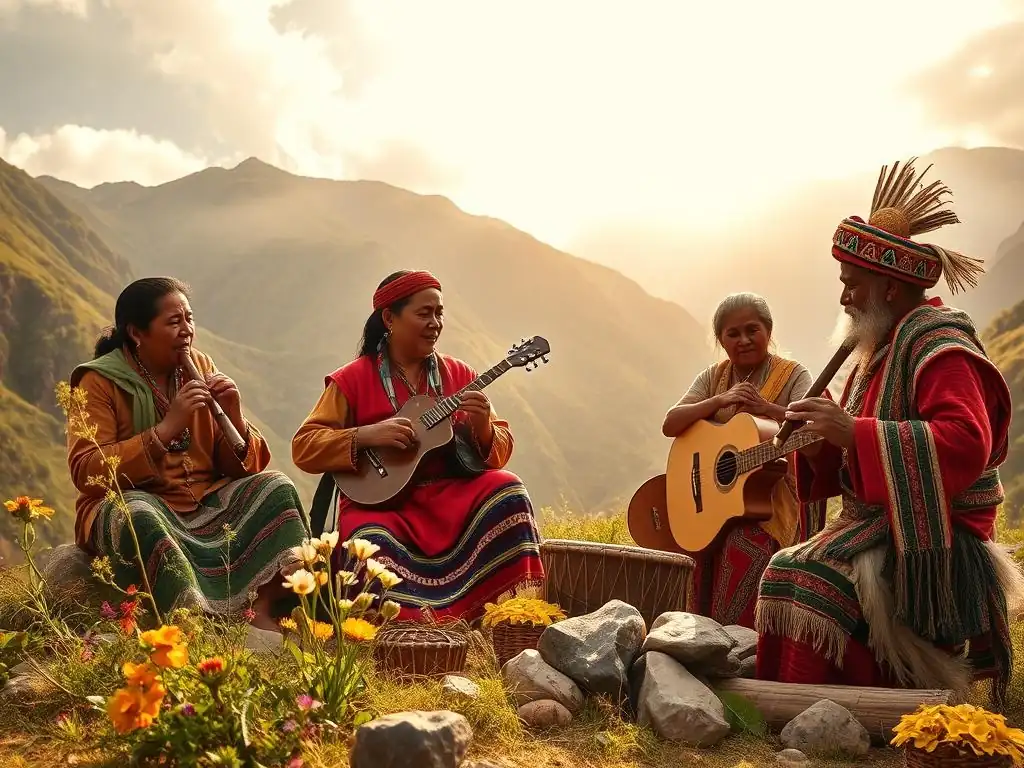
The rich tapestry of Andean music healing traditions is deeply intertwined with the ancient civilizations that flourished in the Andes Mountains, such as the Inca, Nazca, and Moche. These cultures recognized the profound connection between music, spirituality, and healing. Music was not merely an art form; it was a vital component of their social and religious practices, serving as a conduit for communication with the divine and the natural world.
Key Elements of Andean Musical Heritage:
- Instruments: Traditional Andean instruments, such as the charango, pan flute (siku), and drums (bombo), played a significant role in healing rituals. Each instrument is thought to carry specific vibrations that can influence the physical and spiritual well-being of individuals.
- Chants and Songs: Healing songs, often performed in Quechua or Aymara, were used to invoke spirits and ancestors, calling upon them for guidance and support during healing ceremonies.
- Rituals: Music was integral to various rituals, including initiation rites, fertility ceremonies, and harvest festivals. These events were often accompanied by rhythmic music that fostered communal participation, creating a collective energy believed to enhance healing.
The legacy of these ancient practices continues to be felt today as the Andean peoples maintain their musical traditions, adapting them while preserving their core healing functions.
Evolution of Healing Practices Through Music in the Andes
The evolution of Andean music healing traditions reflects not only the continuity of ancient practices but also the adaptation to contemporary contexts. As colonial influences and globalization have altered the cultural landscape, Andean communities have found ways to integrate traditional healing music with modern therapeutic practices.
Contemporary Practices:
- Integration of Traditional and Modern Music: Today, many healers blend traditional Andean music with contemporary sounds, creating a unique fusion that resonates with both local and global audiences. This evolution allows for a broader appeal while maintaining essential healing properties.
- Healing Ceremonies: Modern healing ceremonies often incorporate music as a central element, emphasizing its role in promoting psychological and emotional healing. Practitioners may use live music, recordings, or a combination of both to create a healing environment.
- Research and Recognition: Recent studies have highlighted the therapeutic benefits of Andean music, such as its ability to reduce stress and anxiety, enhance mood, and promote physical healing. This acknowledgment has prompted a revival of interest in these traditions, leading to workshops and educational programs aimed at preserving and promoting Andean healing music.
The evolution of Andean music healing traditions reflects a dynamic interplay between heritage and modernity. As these practices continue to develop, they offer valuable insights into the enduring power of music as a healing force within Andean culture. The intricate relationship between music, spirituality, and health serves as a testament to the resilience and adaptability of indigenous traditions in the face of change.
Elements of Andean Music Healing Traditions
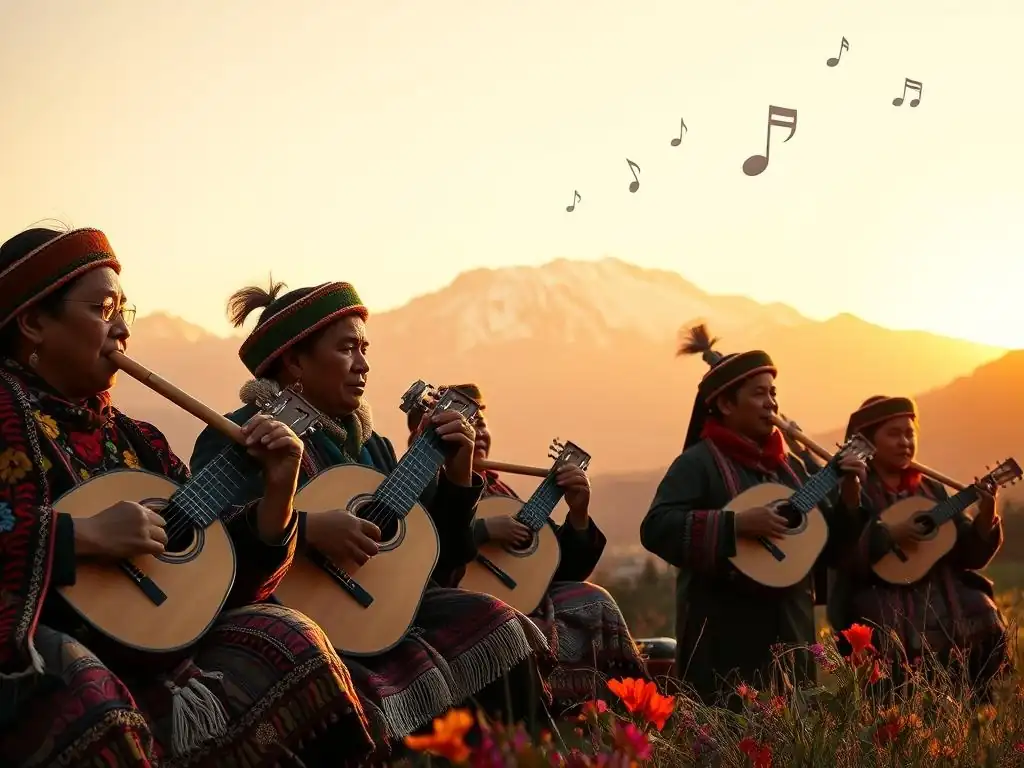
Andean music healing traditions are deeply rooted in the cultural practices of the indigenous peoples of the Andes Mountains, encompassing a rich tapestry of sounds, instruments, and rituals designed to promote physical, emotional, and spiritual healing. These traditions reflect a holistic worldview, where music is seen not merely as entertainment but as a vital tool for restoration and balance. Below, we delve deeper into the key elements that define these healing traditions.
Instruments Used in Healing: A Focus on Traditional Andean Instruments
Traditional Andean instruments play a crucial role in the healing practices of indigenous communities. Each instrument carries unique qualities and is believed to resonate with different aspects of the human experience. Here are some of the primary instruments used in Andean music healing traditions:
- Andean Flutes (Zamponas and Quenas):
- The Zampona, or pan flute, consists of multiple tubes of varying lengths and is often used to create soothing melodies.
- The Quena, a notched flute, produces a haunting sound that is believed to connect the musician to the spiritual realm, facilitating healing through its ethereal tones.
- Charango:
- This small stringed instrument resembles a ukulele and is traditionally made from the shell of an armadillo. The Charango creates bright, uplifting sounds that can elevate the spirit during healing ceremonies.
- Bombo:
- The Bombo is a large drum that provides a deep, resonant beat, often used to anchor the healing process. Its rhythms help synchronize the energies of participants during rituals.
- Cajón:
- A box-shaped percussion instrument that adds texture to healing music. The Cajón is usually played by sitting on it and striking its front face, producing a rich variety of sounds that enhance the emotional atmosphere.
These instruments not only contribute to the music's aesthetic but also embody the cultural significance of healing traditions among Andean peoples.
Types of Songs and Their Healing Purposes
Songs within Andean music healing traditions serve specific purposes, often aligned with the needs of individuals or communities. The following categories illustrate how different types of songs are utilized in healing practices:
- Traditional Healing Songs (Iñaqs):
- These are often performed by a curandero (healer) and are specific to curing ailments or emotional distress. The lyrics may invoke spirits or natural elements to assist in the healing process.
- Songs for Rituals and Ceremonies:
- Employed during significant life events, such as weddings, funerals, or harvest festivals, these songs promote collective healing and community bonding. They often reflect gratitude to nature and ancestors.
- Songs for Meditation and Reflection:
- Calming and repetitive melodies are used in personal healing practices, allowing individuals to enter a meditative state. These songs facilitate self-reflection and emotional release.
- Songs for Celebrating Nature:
- Many Andean songs celebrate the land, water, and animals, reinforcing the connection between the people and their environment. This connection is essential for holistic healing, as it fosters a sense of belonging and balance.
The integration of these various types of songs into healing practices underscores the profound relationship between music and wellness in Andean culture.
The Importance of Rhythm and Melody in Healing
Rhythm and melody are central to the effectiveness of Andean music healing traditions. They serve as vehicles for emotional expression and spiritual connection. Here’s how these elements contribute to the healing process:
- Rhythm:
- The steady beat of traditional Andean rhythms creates a sense of stability and grounding. It helps participants synchronize their energies, fostering a collective experience during healing ceremonies.
- Different rhythms are associated with various healing intentions; for example, faster tempos may encourage energetic release, while slower rhythms promote relaxation and introspection.
- Melody:
- Melodies in Andean music often use pentatonic scales, which can evoke a range of emotions, from joy to sorrow. This versatility allows for a deep emotional journey during healing sessions.
- The use of call and response patterns in songs encourages participation, making the healing process an interactive and communal experience that reinforces social bonds.
The intricate interplay of rhythm and melody in Andean music healing traditions not only enhances the emotional landscape but also aligns individuals with their cultural heritage, facilitating a profound healing experience. Through these elements, Andean music transcends mere sound, becoming a powerful tool for personal and community healing.
Contemporary Practices of Andean Music Healing
Modern Adaptations of Ancient Healing Traditions
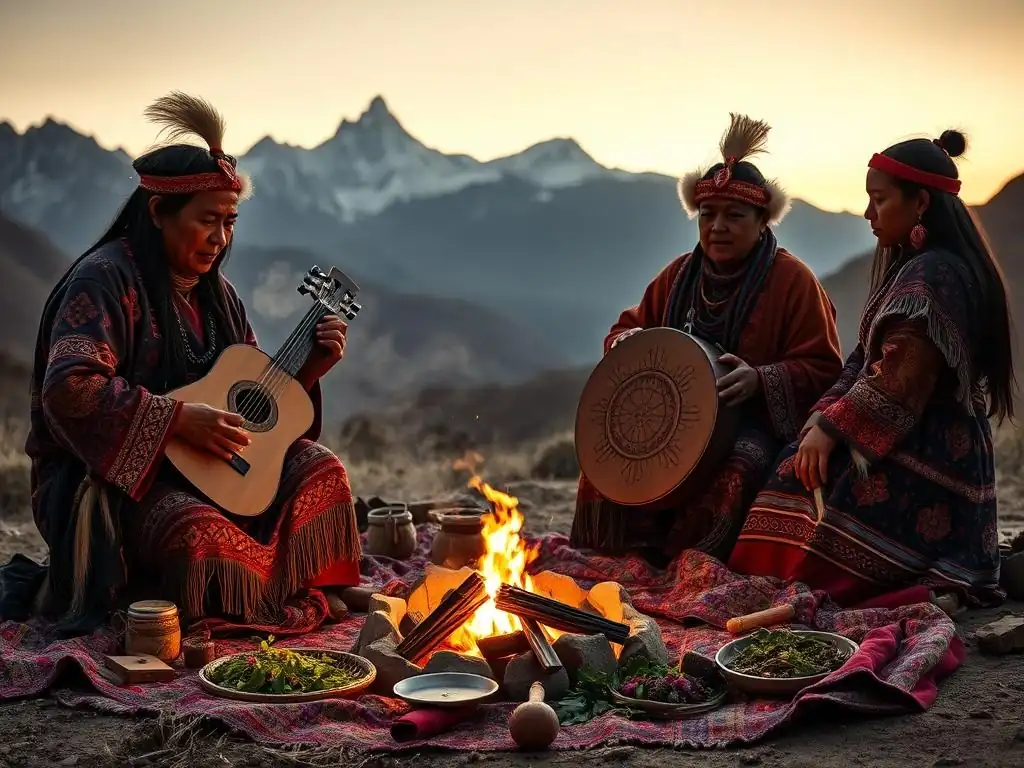
Andean music healing traditions have evolved significantly in contemporary society while retaining their core principles and practices. These adaptations reflect the integration of ancient beliefs with modern therapeutic techniques, allowing practitioners to address the needs of today’s diverse populations.
- Fusion of Traditions: Many contemporary healers blend traditional Andean music with other cultural practices, such as Western music therapy, to create a hybrid approach. This fusion can enhance the effectiveness of healing sessions by appealing to a broader audience.
- Use of Technology: With the advent of digital platforms, Andean music is now accessible to a larger audience. Practitioners use online streaming services and social media to share traditional music, making it easier for individuals to engage with these healing practices from anywhere in the world.
- Workshops and Retreats: Numerous wellness centers and retreat programs incorporate Andean music healing into their offerings. These workshops often include immersive experiences where participants learn about the cultural significance of the music, engage in live drumming sessions, and participate in communal singing, fostering a deeper connection to the practices.
- Personalized Healing Sessions: Healers today often tailor their music sessions to the specific needs of individuals, utilizing a combination of instruments such as the charango, pan flute, and drums. This personalized approach enhances the therapeutic experience, allowing for a unique healing journey for each participant.
Integration of Andean Music in Holistic Health Practices Today
Andean music has found a prominent place in various holistic health practices, bridging the gap between ancient wisdom and modern healing methodologies.
- Psychological Benefits: Research indicates that the rhythms and melodies of Andean music can significantly reduce anxiety and stress levels. The soothing sounds promote relaxation, making it a valuable tool in psychological therapy settings.
- Cultural Sensitivity in Care: In multicultural health settings, the integration of Andean music respects and acknowledges the cultural backgrounds of patients. This culturally sensitive approach not only enhances patient comfort but also fosters a sense of belonging and understanding.
- Complementary Therapy: In many holistic health practices, Andean music is used alongside other therapies such as acupuncture, massage, and herbal medicine. The synergy of these treatments can lead to more effective healing outcomes, addressing both physical and emotional ailments.
- Community Healing Circles: Community-based healing practices often involve group sessions where participants engage in collective music-making. These circles not only promote healing but also strengthen community bonds and cultural identity among participants.
Case Studies: Successful Healing through Andean Music
Numerous case studies underscore the impact of Andean music healing traditions in various contexts, highlighting its efficacy and versatility.
-
Case Study 1: Anxiety Reduction in Urban Populations
A study conducted in Lima, Peru, examined the effects of Andean music therapy on urban residents experiencing high levels of anxiety due to economic stress. Participants engaged in weekly music therapy sessions featuring traditional flutes and drums. Results indicated a 40% reduction in anxiety levels after eight weeks, showcasing the music's calming effects.
-
Case Study 2: Rehabilitation and Recovery
A rehabilitation center in Bolivia incorporates Andean music into recovery programs for individuals overcoming addiction. Participants reported feeling more connected to their cultural roots and experienced a 30% increase in successful recovery rates when music therapy was included in their treatment plans.
-
Case Study 3: Pain Management
In Ecuador, a hospital implemented Andean music as part of its pain management protocol for post-operative patients. Patients exposed to live Andean music reported lower pain levels and required fewer pain medications compared to those who did not participate in the music sessions, demonstrating a significant improvement in overall patient satisfaction.
These case studies illustrate the diverse applications and positive outcomes associated with the integration of Andean music healing traditions in contemporary health practices, reaffirming its relevance in today’s society.
The Cultural Significance of Andean Music Healing
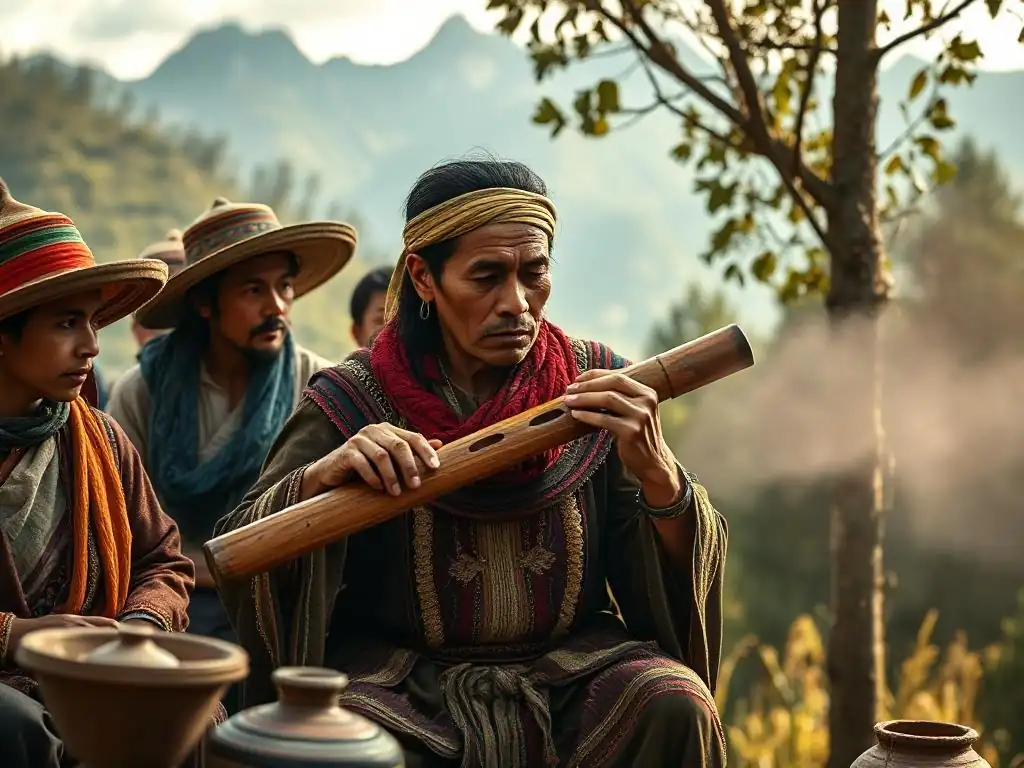
Andean music healing traditions hold a profound cultural significance that goes beyond mere entertainment; they embody the very essence of community, spirituality, and connection to nature. Rooted in the lives of indigenous peoples such as the Quechua and Aymara, music serves as a vital tool for healing practices and spiritual ceremonies. It is through these traditions that the Andean peoples maintain their identity, values, and connection to the cosmos.
At the heart of Andean music healing traditions is the concept of Pachamama (Mother Earth), which emphasizes the interconnectedness of all living beings. Music is viewed as a universal language that facilitates communication between the physical and spiritual worlds. The melodies and rhythms echo the natural environment, invoking the energies of mountains, rivers, and the earth itself, offering solace and healing to those who seek it.
The Role of Music in Community and Spiritual Life
Andean music plays a pivotal role in various communal and spiritual contexts. It is a fundamental aspect of rituals, celebrations, and life events, such as births, weddings, and funerals. In these settings, music functions as a conduit for expressing collective emotions, connecting individuals to their ancestors, and invoking spiritual entities.
- Healing Ceremonies: Traditional healers, or curanderos, often use music as a therapeutic tool. During ceremonies, specific instruments like the siku (pan flute) or charango (a small stringed instrument) are played to facilitate healing. The rhythms and sounds can induce altered states of consciousness, allowing individuals to access deeper emotional and spiritual realms.
- Community Bonds: Music fosters a sense of belonging and strengthens community ties. Group performances encourage participation and collaboration, creating a shared experience that reinforces cultural identity. Festivals and communal gatherings often feature music that celebrates Andean heritage, providing a platform for storytelling and cultural transmission.
- Spiritual Alignment: The practice of music in spiritual life is often intertwined with the Andean worldview, which places great emphasis on harmony with the natural and spiritual worlds. The sounds of Andean music are believed to align the body and spirit, promoting balance and well-being.
Preservation of Andean Music Healing Traditions in Modern Society
In the face of globalization and modernization, the preservation of Andean music healing traditions has become increasingly important. Contemporary efforts are being made to safeguard these practices, ensuring their transmission to future generations.
- Cultural Education: Educational programs focusing on Andean music have emerged, teaching youth about traditional instruments, healing practices, and the cultural significance of music. Workshops and community classes facilitate the learning process, ensuring that young generations can engage with their heritage.
- Digital Archiving: With the advent of technology, many musicians and cultural organizations are documenting Andean music healing traditions through digital platforms. This archiving process includes recording performances, sharing stories, and creating visual content that highlights the importance of these traditions.
- Integration into Modern Practices: Some modern healers are beginning to integrate Andean music into contemporary health practices, recognizing its therapeutic potential. This fusion allows for a broader audience to experience the healing benefits of traditional music, while also respecting and maintaining its authenticity.
- Cultural Festivals: Events celebrating Andean music and culture provide a space for indigenous artists to showcase their talents and educate others about their traditions. These festivals serve as a vital link between the past and present, promoting awareness and appreciation of Andean music healing traditions.
Through these efforts, Andean music healing traditions continue to thrive, adapting to the challenges of modernity while remaining rooted in their rich cultural heritage. This dynamic interplay allows the legacy of Andean music to endure, fostering healing and connection in both traditional and contemporary contexts.
Challenges Facing Andean Music Healing Traditions
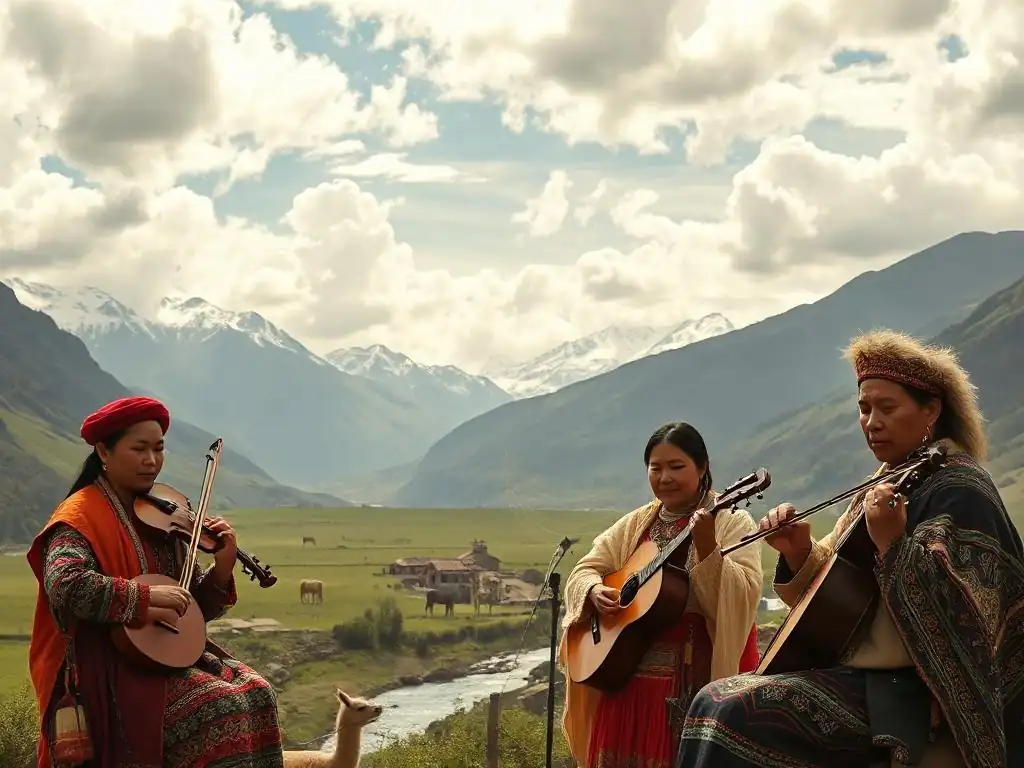
The Impact of Globalization on Indigenous Practices
Globalization has profoundly influenced the landscape of Andean music healing traditions. As communication and travel have become easier, traditional practices are increasingly exposed to outside influences, which can dilute their authenticity.
Key Aspects of Globalization's Impact:
- Cultural Appropriation: Many non-indigenous artists incorporate elements of Andean music into their work without understanding the cultural significance behind it. This can lead to misrepresentation and commodification of sacred practices.
- Market Commercialization: The demand for Andean music in global markets often prioritizes commercially viable forms, overshadowing traditional healing practices. This trend can push practitioners to modify their music for broader appeal, straying from authentic healing methods.
- Technological Influence: The introduction of digital platforms allows for wider dissemination of Andean music, but it also raises concerns about the loss of traditional contexts in which this music is performed. Healing ceremonies may become more of a performance for an audience rather than a genuine spiritual practice.
Despite these challenges, many indigenous communities are finding ways to adapt while striving to maintain their cultural integrity.
Efforts to Preserve Authentic Andean Music Healing Traditions
In response to the challenges posed by globalization, various initiatives are underway to preserve the authenticity of Andean music healing traditions. These efforts focus on education, community engagement, and cultural revitalization.
Strategies for Preservation:
- Cultural Education Programs: Organizations and community leaders are establishing workshops and seminars to teach younger generations about the importance of traditional music in healing practices. This approach fosters a sense of pride and belonging among youth.
- Documentation Projects: Ethnomusicologists and community members are collaborating to document traditional songs, rituals, and their meanings. This archival work not only preserves the music but also serves as a resource for future generations.
- Community Festivals: Celebrating Andean culture through music festivals helps reinforce communal bonds and allows practitioners to showcase their healing music in its traditional context. These events often attract both locals and tourists, creating a space for cultural exchange.
- Collaborations with Artists: Some indigenous musicians are working with contemporary artists to create new works that respect traditional forms while also appealing to modern audiences. These collaborations can help bridge the gap between tradition and innovation.
Through these multifaceted efforts, the resilience of Andean music healing traditions is being nurtured, ensuring that they continue to thrive amidst the pressures of a changing world.
Conclusion: The Enduring Legacy of Andean Music Healing Traditions
The healing power of Andean music is deeply rooted in the rich tapestry of indigenous cultures, weaving together a legacy that continues to resonate in contemporary society. The practice of utilizing sound as a therapeutic tool is not merely a remnant of the past but an enduring tradition that adapts and evolves while retaining its core essence. Today, Andean music healing traditions serve as a bridge, connecting ancient wisdom with modern therapeutic practices.
The musical instruments, such as the charango and quena, play a pivotal role in these healing rituals. Their melodies are not just sound; they create an atmosphere that encourages emotional release and spiritual reflection. The rhythmic patterns, often inspired by the natural world, evoke a sense of harmony, which is essential for healing both physical and emotional ailments. The therapeutic use of Andean music highlights the interconnectedness of mind, body, and spirit, illustrating a holistic approach to wellness that many seek in today's fast-paced world.
Moreover, the cultural significance of these traditions cannot be understated. They are a testament to the resilience of indigenous communities in preserving their heritage amidst external influences. As such, Andean music healing traditions not only provide therapeutic benefits but also foster a sense of identity and continuity for these cultures.
Reflections on the Future of Andean Music Healing Practices
The future of Andean music healing practices appears promising, particularly as modern medicine increasingly recognizes the importance of holistic approaches to health. Integrating traditional music healing methods with contemporary therapeutic practices can enhance the effectiveness of treatments for various ailments.
Recent studies have shown that music can significantly reduce stress and anxiety levels, improve mood, and even aid in pain management. This evidence aligns with the Andean understanding of music as a healing force, suggesting that further exploration of these practices could lead to innovative therapeutic modalities.
Moreover, as global interest in indigenous healing practices grows, there is an opportunity for Andean music to be shared on larger platforms. This exposure could foster greater appreciation and respect for the cultural significance of these traditions, encouraging collaborative projects that honor and sustain indigenous knowledge.
Encouragement for Further Exploration of Indigenous Music and Healing
As we reflect on the profound impact of Andean music healing traditions, it is vital to encourage further exploration of indigenous music and its healing practices. Whether through attending local performances, participating in workshops, or studying the cultural contexts of these traditions, individuals can deepen their understanding and appreciation of this rich heritage.
Engaging with indigenous music not only honors the traditions but also supports the communities that sustain them. By actively participating in these practices, individuals can contribute to the preservation and revitalization of Andean music healing traditions for future generations.
The journey into the heart of Andean music and its healing traditions is one of discovery, connection, and growth. As we embrace these practices, we participate in a larger narrative that celebrates the resilience of indigenous cultures and their invaluable contributions to the world of healing and wellness.
Frequently Asked Questions
What are the key components of Andean music healing traditions?
Andean music healing traditions often involve specific instruments, such as the pan flute and charango, along with rituals that aim to restore balance and harmony within individuals and communities.
How does Andean music contribute to healing practices?
Andean music is believed to facilitate spiritual connections and promote emotional release, helping individuals to cope with stress and trauma through its rhythmic and melodic properties.
Are there any modern adaptations of Andean music healing practices?
Yes, many practitioners today blend traditional Andean music with contemporary therapeutic approaches, creating new healing modalities that resonate with a wider audience while honoring ancient customs.
How can one experience Andean music healing traditions?
Individuals can engage with these traditions through community workshops, ceremonies, or by attending performances that focus on the healing aspects of Andean music.
What is the significance of community in Andean healing music?
Community plays a vital role in Andean music healing traditions, as healing is often seen as a collective effort, promoting unity and shared experiences among participants during ceremonial gatherings.
Final Reflection: The Enduring Resonance of Andean Music Healing Traditions
The healing power of Andean music is not just a relic of the past; it is a vibrant force that continues to shape lives today. In a world increasingly disconnected from its roots, the traditions of Andean music offer a profound reminder of the healing potential embedded in cultural practices. The rhythms and melodies that have echoed through the Andes for centuries now serve as a bridge to emotional and spiritual wellness, proving that music is indeed a universal language of healing.
The influence of Andean music healing traditions extends far beyond the mountains of South America; it resonates within the global cultural landscape, inviting individuals to explore their own paths to healing. The communal gatherings, rituals, and ceremonies that utilize music as a therapeutic tool foster a sense of belonging and connection, reminding us of our shared humanity. As the renowned musician and healer, Yma Sumac, once said, Music is the language of the spirit. It opens the secret of life bringing peace, abolishing strife.
This sentiment underscores the ongoing relevance of Andean music in fostering emotional resilience and community healing in our modern lives.
As you reflect on the insights shared in this article, consider how you can incorporate the essence of Andean music healing traditions into your own life. Take a moment to listen to the sounds of the Andes, whether through recorded music or live performances, and allow yourself to be transported to a place of tranquility and connection.
Embrace the rhythms that have the power to heal, and let them inspire you to seek out your own healing practices, fostering a deeper connection with yourself and the world around you. The journey of healing through music is one that invites us all to participate, and the melodies of the Andes await your discovery.
Unveil the Transformative Sounds of Andean Music!
Thank you for taking the time to explore the enchanting world of Andean music with us! We hope you’ve discovered the profound healing traditions and practices that resonate within this rich cultural tapestry. Now, it’s time to dive deeper and make a meaningful connection to this vibrant art form.
Here are some exciting actions you can take today:
- Immerse yourself in the sounds: Listen to a carefully selected playlist of traditional Andean music. Feel the rhythms and melodies transform your mood and ignite your spirit.
- Join a local cultural event: Look for workshops or performances in your area to experience the music firsthand and connect with passionate communities dedicated to preserving these traditions.
- Share your journey: Share your favorite Andean music tracks or experiences on social media, and encourage others to explore the healing power of these melodies!
What part of Andean music resonates with you the most—its healing qualities, the cultural stories behind it, or perhaps the unique instruments used? We’d love to hear your thoughts!