
Community Health: Traditional Healing Practices in the Face of Modern Medicine

Campo_por_completar
- Introduction to Traditional Healing Practices in the Americas
- The Role of Traditional Healing Practices in Contemporary Mayan Communities
- Comparison of Traditional Healing Practices and Modern Medicine
- Challenges Facing Traditional Healing Practices Today
- Revitalization and Preservation of Traditional Healing Practices
- Conclusion: The Future of Traditional Healing Practices in the Americas
- Frequently Asked Questions
- Final Reflection: Embracing the Wisdom of Traditional Healing Practices
- Embrace Healing: Blend Tradition with Modern Insights!
Introduction to Traditional Healing Practices in the Americas
In the diverse tapestry of indigenous cultures across the Americas, traditional healing practices have long served as a cornerstone for community health and well-being. These practices, rooted in rich histories and spiritual beliefs, reflect a profound understanding of the human body, mind, and spirit. While modern medicine has undoubtedly transformed healthcare, many contemporary indigenous communities, such as the Mayans, continue to embrace these traditional methods, integrating them with modern healthcare approaches. This article delves into the essence of traditional healing practices in the Americas, exploring their significance, methodologies, and the ongoing relevance in today's health landscape.
Overview of Traditional Healing Practices
Traditional healing practices in the Americas encompass a wide range of techniques and rituals, each unique to specific cultures and regions. These practices often involve:
- Herbal Medicine: Utilizing local plants and herbs for medicinal purposes, which are believed to have healing properties. For example, the use of Achillea millefolium (yarrow) for wound healing is common among various indigenous groups.
- Spiritual Healing: Engaging in rituals and ceremonies led by shamans or healers that focus on restoring spiritual balance. This may include the use of prayers, chants, or offerings to invoke healing energies.
- Physical Therapies: Methods such as massage, acupuncture, or bone-setting that aim to alleviate physical ailments. These techniques often draw from ancestral knowledge passed down through generations.
- Community Involvement: Healing is typically a communal affair. Families and community members often come together to support the healing process, embodying a holistic approach to health.
The intertwining of these elements not only addresses physical ailments but also emphasizes emotional and spiritual healing, showcasing the comprehensive nature of traditional practices.
Importance of Traditional Healing in Indigenous Cultures
The significance of traditional healing practices within indigenous cultures cannot be overstated. These practices serve various vital functions:
- Cultural Identity: Traditional healing is a critical aspect of cultural heritage, helping communities maintain their identity and connection to ancestral knowledge.
- Holistic Health: Unlike conventional medicine, which often focuses on isolated symptoms, traditional healing approaches consider the individual as a whole—mind, body, and spirit. This holistic perspective fosters a deeper understanding of health and wellness.
- Community Resilience: The practice of traditional healing strengthens community ties, promoting collective resilience and support networks. It plays a pivotal role in community health, especially in the face of modern challenges and health disparities.
- Integration with Modern Medicine: Many contemporary indigenous communities are finding ways to merge traditional healing practices with modern medicine, creating an integrative approach that respects both traditions. This synergy not only enhances health outcomes but also validates indigenous knowledge systems in the context of contemporary healthcare.
Traditional healing practices are much more than mere remedies; they are integral to the social fabric and cultural identity of indigenous communities in the Americas. As modern medicine continues to evolve, the enduring legacy of these practices remains a vital component of community health and well-being, exemplifying the resilience and adaptability of indigenous cultures.
The Role of Traditional Healing Practices in Contemporary Mayan Communities
Historical Context of Mayan Healing Traditions
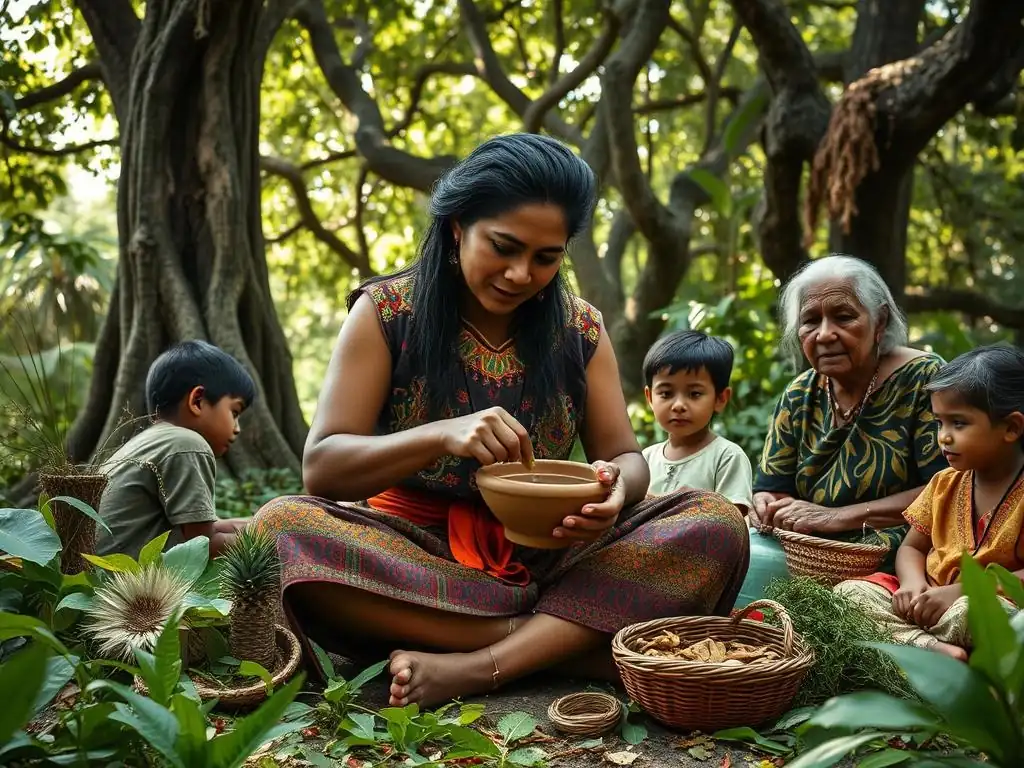
The healing traditions of the Maya are deeply rooted in their historical context, dating back thousands of years to the height of their civilization. Ancient Mayans practiced a holistic approach to health, intertwining spiritual, mental, and physical elements. The belief that health is a balance of these aspects has shaped their healing practices.
Mayan healers, known as “curanderos” or “shamans,” played a crucial role in their communities, often holding significant social and spiritual authority. They utilized a vast knowledge of herbal remedies, rituals, and spiritual healing to treat ailments. This knowledge was passed down through generations, often in the form of oral traditions.
Key historical influences include:
- The Maya's Cosmology: Their understanding of the universe influenced how they approached health and illness. They believed that diseases were often caused by spiritual imbalances or the displeasure of deities.
- Colonial Impact: With the arrival of European colonizers, many traditional practices faced suppression. Despite this, Mayan healing traditions persisted and adapted, integrating new elements while maintaining core beliefs.
- Revival Movements: In recent decades, there has been a resurgence of interest in traditional healing practices, as contemporary Mayan communities seek to reclaim their heritage and identity.
Key Elements of Mayan Healing Practices
Mayan healing practices encompass a rich tapestry of elements that reflect their cultural heritage. Understanding these key components is essential to appreciate their significance in community health:
- Herbal Medicine:
- Utilization of native plants and herbs is central to Mayan healing. Each herb is believed to possess unique properties that can treat specific ailments.
- Common herbs include “chaya” (a leafy green), “xate” (used for respiratory issues), and “k’in” (for digestive problems).
- Rituals and Ceremonies:
- Healing rituals often include prayers, chanting, and offerings to deities. These practices are not only aimed at physical healing but also at restoring spiritual balance.
- Specific ceremonies may be held for individual or community healing, often conducted by a curandero.
- Spiritual Healing:
- The Mayans believe that spiritual disturbances can manifest as physical illness. Thus, spiritual cleansing rituals, such as “limpias”, are performed to eliminate negative energies.
- Vision quests and other spiritual practices are also prevalent, aiming to connect individuals with their ancestors and the spiritual realm.
- Community Involvement:
- Healing is often a communal effort, where family and community members support the individual undergoing treatment. This collective approach fosters a sense of belonging and shared responsibility for health.
Integration of Traditional Healing with Modern Medicine
The integration of traditional healing practices with modern medicine in contemporary Mayan communities reflects a growing recognition of the value of both approaches. This hybrid model is characterized by several key aspects:
- Complementary Practices: Many Mayans utilize both traditional remedies and modern medical treatments. For instance, while a patient might visit a doctor for a diagnosis, they may also seek the counsel of a curandero for additional support, particularly for chronic conditions.
- Cultural Sensitivity in Healthcare: Healthcare providers increasingly recognize the importance of cultural competence. Efforts are being made to respect and incorporate traditional healing practices into health care systems, ensuring that patients feel comfortable and understood.
- Research and Education: Collaborative research initiatives have emerged, wherein traditional healers work with medical professionals to document and validate the efficacy of herbal remedies and healing practices. This not only preserves traditional knowledge but also enhances the credibility of indigenous practices in the eyes of modern medicine.
- Policy Advocacy: Advocacy for the inclusion of traditional healing in public health policies is gaining traction. This recognition can lead to improved health outcomes by bridging the gap between indigenous and modern medical practices.
The resilience of traditional healing practices in contemporary Mayan communities highlights their vital role in maintaining health and well-being. As modern medicine continues to evolve, the integration of these practices offers a holistic approach to health that respects and honors indigenous knowledge.
Comparison of Traditional Healing Practices and Modern Medicine
Effectiveness of Traditional Healing Practices vs. Modern Medical Treatments
The effectiveness of traditional healing practices in the Americas, particularly within contemporary Mayan communities, can be assessed through various lenses, including cultural relevance, holistic approaches, and specific health outcomes. Traditional healing often encompasses a wide range of methods, such as herbal remedies, spiritual rituals, and community support systems, which collectively contribute to the overall health of individuals.
- Holistic Approach: Traditional healing practices emphasize a holistic view of health that includes physical, emotional, and spiritual well-being. For instance, Mayan healers, known as curanderos or curanderas, often utilize rituals, prayers, and natural remedies to address not only the symptoms of an ailment but also its underlying causes. This contrasts sharply with the more symptom-focused approach of modern medicine.
- Herbal Remedies: Many indigenous communities have a wealth of knowledge regarding local flora, which they employ in various preparations to treat ailments. Research indicates that certain traditional herbal remedies can be effective against specific conditions. For example, the use of copaiba oil for inflammation has garnered attention in both traditional and modern health settings.
- Cultural Relevance: Efficacy is often linked to the cultural context in which treatments are administered. Patients may experience improved outcomes when receiving care from a healer they trust and understand culturally, as opposed to a modern medical practitioner who may not share the same background. This connection can enhance the perceived effectiveness of traditional healing.
Community Perceptions of Healing: Trust in Traditional vs. Modern Approaches
In analyzing community perceptions, it becomes evident that trust plays a significant role in determining the healing practices individuals choose.
- Cultural Identity: Traditional healing practices are deeply rooted in the cultural identity of many indigenous communities. This connection fosters trust, as individuals feel a sense of belonging and understanding through their healing experiences. Many community members believe that traditional healers possess not only the skills but also the ancestral wisdom necessary to treat their ailments effectively.
- Modern Medicine's Challenges: Conversely, modern medicine often faces skepticism in these communities, particularly when practitioners are perceived as outsiders. Experiences of cultural insensitivity or miscommunication can deter individuals from pursuing modern medical treatments. Surveys conducted in various Mayan communities indicate that many prefer to seek care from traditional healers for minor ailments or chronic conditions, reserving modern medicine for emergencies.
- Complementary Trust: Interestingly, there is a growing trend towards integrating both practices. Many community members acknowledge the strengths of modern medicine, particularly in emergency care, while still valuing the cultural significance and holistic approaches of traditional healing. This dual trust allows families to navigate their health care options more effectively.
Case Studies: Successful Integration of Traditional Healing and Modern Medicine
Numerous case studies illustrate the successful integration of traditional healing practices and modern medicine in contemporary Mayan communities, highlighting the potential for collaboration.
- Community Health Initiatives: In certain regions, health initiatives have been established that incorporate both traditional healers and modern medical practitioners. These programs often involve training traditional healers in basic medical practices, allowing them to refer patients to modern healthcare when necessary. This collaboration has led to improved health outcomes, as patients receive comprehensive care tailored to their needs.
- Research Studies: A notable study in Guatemala examined the effects of combining traditional herbal medicine with conventional treatments for diabetes management. Participants who engaged in both types of treatment reported better blood sugar control and improved overall well-being compared to those who relied solely on one method. This case underscores the effectiveness of integrating traditional knowledge with modern medical practices.
- Cultural Competence Training: Programs aimed at enhancing cultural competence among modern healthcare providers have also shown promise. By educating practitioners about the values and practices of indigenous cultures, these initiatives have fostered greater respect and understanding, leading to improved patient-provider relationships and increased trust in modern medical interventions.
The integration of traditional healing practices with modern medicine not only respects cultural heritage but also enhances the overall effectiveness of health care in contemporary Mayan communities. The interplay between these two systems creates a more comprehensive approach to health that honors the wisdom of the past while addressing the challenges of the present.
Challenges Facing Traditional Healing Practices Today
Traditional healing practices in the Americas have faced numerous challenges in the contemporary landscape, particularly as modern medicine becomes more widely accessible. These challenges not only threaten the survival of these age-old practices but also impact the cultural identity and knowledge of indigenous communities. Below are key areas that exemplify these challenges.
Impact of Modern Medicine on Traditional Healing
The proliferation of modern medicine has significantly transformed the health landscape in many indigenous communities. While modern treatments can be effective, they often overshadow traditional healing practices, leading to a decline in their use.
- Accessibility and Availability: Modern healthcare facilities are often more accessible than traditional healers. This can lead to a preference for quick, pharmacological solutions rather than holistic approaches found in traditional medicine.
- Perception of Efficacy: There tends to be a perception that modern medicine is more effective than traditional practices. This is particularly pronounced among younger generations, who may prioritize Western medical techniques over indigenous knowledge.
- Integration Issues: In some cases, traditional healers have attempted to integrate their practices with modern medicine. However, this can lead to conflicts, as modern medical practitioners may not fully understand or respect traditional methods.
This shift not only affects health outcomes but also contributes to the gradual erosion of traditional healing practices, as fewer individuals engage in the knowledge transmission that is essential for their survival.
Cultural Erosion and Loss of Knowledge
The survival of traditional healing practices is intimately tied to cultural continuity. However, several factors contribute to the erosion of this cultural heritage:
- Urbanization: As indigenous populations migrate to urban areas, the traditional knowledge systems and practices that are deeply rooted in rural lifestyles become fragmented. The disconnection from nature and traditional community structures diminishes the practice and understanding of traditional healing techniques.
- Generational Gaps: The aging of traditional healers without a sufficient number of apprentices to pass on knowledge creates a risk of losing essential practices. Young people may be less inclined to learn these techniques, viewing them as outdated in the face of modern advancements.
- Globalization: The influence of global culture often prioritizes Western ideals and practices, which can undermine local traditions. This cultural dilution can lead to a loss of identity and the unique knowledge systems that support traditional healing.
Legal and Ethical Issues Surrounding Traditional Medicine
The legal and ethical landscape surrounding traditional healing practices is complex and often challenging:
- Intellectual Property Rights: There is growing concern regarding the appropriation of traditional knowledge by pharmaceutical companies without proper acknowledgment or compensation to the indigenous communities. This raises ethical questions about ownership and respect for traditional practices.
- Regulatory Challenges: In many regions, traditional healers operate outside the formal healthcare system, which can lead to conflicts with regulatory bodies. The lack of legal recognition can hinder the ability of traditional healers to practice freely and may limit their access to resources.
- Recognition and Protection: Advocates for traditional healing are pushing for legal frameworks that recognize and protect these practices. However, progress can be slow, and many communities are left vulnerable to exploitation and marginalization in health discussions.
While traditional healing practices in the Americas hold immense cultural significance and offer unique health benefits, they face considerable challenges from modern medicine, cultural erosion, and legal complexities. Addressing these issues is vital for the preservation and revitalization of traditional healing methods, ensuring that they continue to thrive alongside modern healthcare systems.
Revitalization and Preservation of Traditional Healing Practices
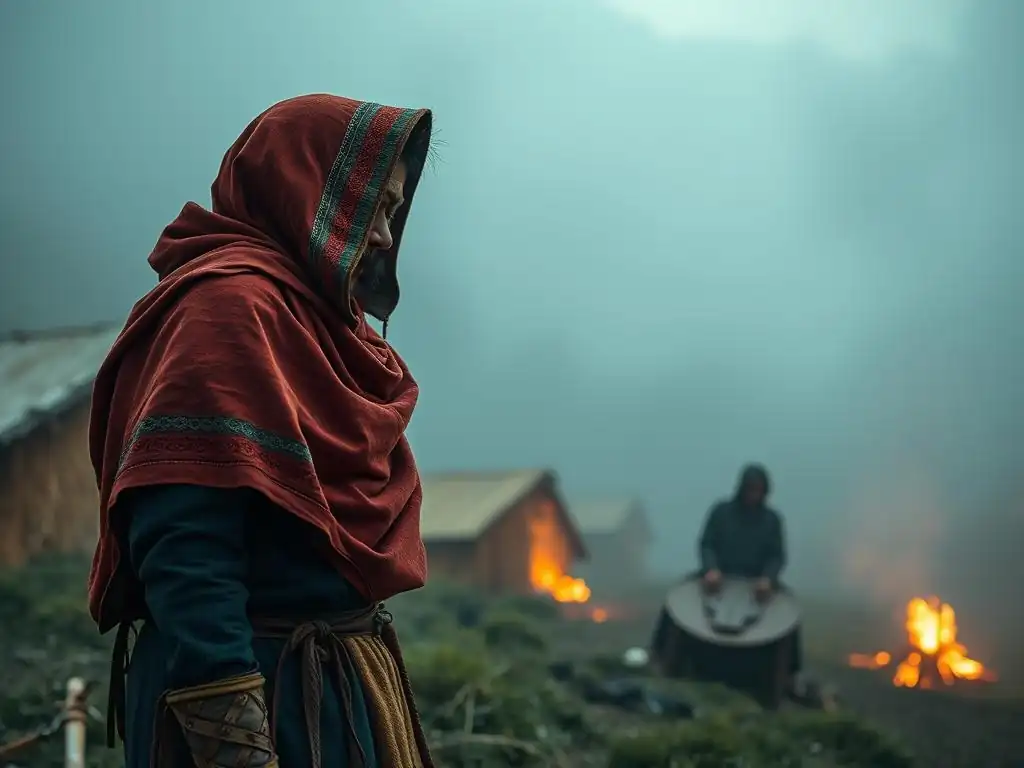
The revitalization and preservation of traditional healing practices in the Americas, particularly among contemporary Mayan communities, is an essential aspect of cultural identity and health. These practices, which include herbal medicine, spiritual healing, and rituals, have been passed down through generations and are deeply intertwined with the social and cultural fabric of indigenous life.
As modern medicine becomes more prevalent, there is a growing recognition of the value of traditional healing practices. This has led to efforts aimed at integrating these ancient methods into contemporary health care systems, ensuring that they are not lost to future generations. The preservation of these practices is not only about health but also about sustaining cultural heritage, identity, and community resilience.
Initiatives to Support Traditional Healers
Various initiatives have emerged to support traditional healers within contemporary Mayan communities. These initiatives focus on several key areas:
- Training Programs: Workshops and training sessions are organized where traditional healers can enhance their skills and knowledge about medicinal plants and healing techniques. This also helps to formalize their practices and increase recognition within the wider health care system.
- Community Health Workshops: Local communities often host workshops that educate members about the benefits of traditional healing. These workshops foster an appreciation for indigenous knowledge and encourage younger generations to learn from their elders.
- Documentation Projects: Some organizations are dedicated to documenting traditional healing practices. This involves recording oral histories, recipes for remedies, and the rituals associated with healing. Such documentation serves as a valuable resource for future generations and can also aid in the revitalization of lost practices.
- Collaborative Health Programs: Initiatives that bring together traditional healers and modern health practitioners aim to create a holistic health care model. This collaboration allows for a more comprehensive approach to health, combining the strengths of both systems.
Education and Knowledge Sharing within Contemporary Mayan Communities
Education is fundamental to the revitalization of traditional healing practices. Within contemporary Mayan communities, knowledge sharing occurs through various methods:
- Intergenerational Learning: Elders pass down their knowledge to younger community members through storytelling, hands-on practice, and participation in healing ceremonies. This method ensures that cultural knowledge is preserved and adapted over time.
- Cultural Festivals: Many Mayan communities host cultural festivals that celebrate their heritage, including traditional healing practices. These events provide a platform for knowledge sharing, allowing healers to showcase their skills and engage with the younger generation.
- Collaborations with Academic Institutions: Some universities and research institutions partner with indigenous communities to study and promote traditional healing practices. These collaborations can lead to the development of educational materials that reflect the unique aspects of Mayan healing.
- Use of Technology: The advent of technology has enabled new forms of knowledge sharing. Online platforms and social media allow traditional healers to share their practices and connect with a broader audience, thus raising awareness and interest in traditional healing.
The Role of NGOs and Government in Promoting Traditional Healing
Non-governmental organizations (NGOs) and government entities play a critical role in promoting traditional healing practices among contemporary Mayan communities. Their contributions include:
- Funding and Resources: NGOs often provide funding for projects aimed at preserving traditional healing practices. This financial support can be vital for workshops, training programs, and documentation efforts.
- Advocacy and Policy Development: NGOs advocate for the recognition of traditional healing within national health care policies. This includes lobbying for the integration of traditional healers into the health system and ensuring their practices are respected and protected.
- Research and Documentation: Many NGOs conduct research on the efficacy of traditional healing practices, providing scientific backing that can help to legitimize these methods in the eyes of modern medicine.
- Cultural Preservation Initiatives: Government programs aimed at cultural preservation often include components focused on traditional healing. This can involve funding for cultural festivals, educational programs, and the promotion of medicinal plants.
The revitalization and preservation of traditional healing practices among contemporary Mayan communities are crucial for maintaining cultural heritage and promoting holistic health. Through initiatives that support traditional healers, education and knowledge sharing, and the involvement of NGOs and government, these practices can continue to thrive in the modern world.
Conclusion: The Future of Traditional Healing Practices in the Americas
The future of traditional healing practices in the Americas is contingent upon various factors that intertwine cultural heritage with modern healthcare systems. As globalization and modernization continue to influence indigenous communities, traditional healing faces both challenges and opportunities. The resilience of these practices is evident in their ability to adapt and integrate aspects of modern medicine while maintaining their unique cultural identities.
The Importance of Cultural Preservation
Cultural preservation plays a crucial role in safeguarding traditional healing practices. These practices are not merely medical methods; they encompass a rich tapestry of beliefs, rituals, and community values. The loss of traditional knowledge could lead to a significant gap in the cultural identity of indigenous peoples.
- Community Engagement: Local communities are increasingly recognizing the significance of their traditional healers, often referred to as curanderos or shamans, depending on the culture. By fostering intergenerational knowledge transfer, younger generations can learn the intricacies of these practices.
- Documentation: Efforts are underway to document traditional healing methods and their underlying philosophies. This includes creating written records, audio-visual materials, and training programs to ensure that this knowledge is preserved for future generations.
- Cultural Revitalization: Many indigenous groups are actively working to revitalize their traditional practices as a response to cultural erosion. Festivals, workshops, and community gatherings are organized to celebrate and educate others about their healing traditions.
Potential for Collaboration Between Traditional and Modern Healing Practices
The integration of traditional healing practices with modern medicine presents a promising avenue for enhancing community health outcomes. By recognizing the value of both systems, a more holistic approach to healthcare can be achieved.
- Complementary Approaches: Traditional practices often emphasize the importance of balance—physical, emotional, and spiritual. Modern medicine can benefit from this perspective, particularly in treating chronic conditions where lifestyle and mental health play significant roles.
- Collaborative Models: Some healthcare systems in the Americas are beginning to explore collaborative models that incorporate traditional healers into their frameworks. This can involve training modern medical practitioners about traditional practices and vice versa, creating a mutual understanding that enhances patient care.
- Research and Validation: There is a growing interest in researching traditional healing methods to validate their effectiveness scientifically. This not only legitimizes traditional practices but also provides insights into potential new treatments that could be beneficial when combined with modern approaches.
Final Thoughts on the Relevance of Traditional Healing in Contemporary Society
Traditional healing practices in the Americas remain relevant, not only as a means of healthcare but also as a vital component of cultural identity. Their existence highlights a broader narrative about the importance of diversity in health systems.
- Adaptability: Traditional healers have demonstrated adaptability in their practices, often incorporating modern elements while staying true to their roots. This flexibility is key to their survival and relevance in contemporary society.
- Community Trust: Indigenous communities often have a deep-rooted trust in their traditional healers, which can be critical in addressing health disparities. Recognizing and respecting this trust can lead to better health outcomes and increased community engagement in health initiatives.
- Legacy for Future Generations: The ongoing practice and preservation of traditional healing are essential not only for current community health but also for preserving cultural legacies. As such, these practices should be celebrated and recognized as integral parts of the rich tapestry of human experience.
Traditional healing practices in the Americas are poised to continue thriving amidst modern medicine by embracing collaboration, cultural preservation, and adaptability. Their relevance is a testament to the resilience of indigenous cultures and their ongoing contributions to the health and well-being of their communities.
Frequently Asked Questions
What are traditional healing practices in the Americas?
Traditional healing practices in the Americas encompass a variety of ancient methods used by indigenous cultures, including herbal remedies, spiritual rituals, and community-based care.
How do these practices differ from modern medicine?
Unlike modern medicine, which often focuses on symptom treatment, traditional healing emphasizes a holistic approach, addressing the mind, body, and spirit of individuals and their communities.
What role do shamans or healers play in these practices?
Shamans or healers serve as cultural custodians, using their knowledge of herbs, rituals, and spirituality to promote health and healing within the community.
Are traditional healing practices still relevant today?
Yes, traditional healing practices remain significant in many indigenous communities, often being integrated with modern medicine to create a complementary approach to health care.
How can one learn about these traditional practices?
One can learn about traditional healing practices through community engagement, studies in anthropology or ethnobotany, and by participating in cultural workshops led by indigenous practitioners.
Final Reflection: Embracing the Wisdom of Traditional Healing Practices
In an era where modern medicine often dominates the conversation around health, the significance of traditional healing practices in the Americas remains profoundly relevant. As we navigate the complexities of health and wellness today, it is crucial to recognize that these time-honored methods offer invaluable insights and holistic approaches that can complement contemporary medical practices. The resurgence of interest in these practices reflects a growing awareness of the need for a more integrated approach to health, one that respects both ancient wisdom and modern advancements.
Cultural landscapes are continually shaped by the interplay between traditional and modern healing practices. The ongoing dialogue surrounding these methods not only honors the rich heritage of indigenous communities but also fosters a deeper understanding of health that transcends mere physical well-being.
As we witness a shift towards more inclusive healthcare systems, it is essential to remember the words of Dr. Michael Yellow Bird, who said, "> Traditional healing is not just about the absence of disease; it is about the presence of wellness." This perspective encourages us to embrace a more holistic view of health that values the interconnectedness of mind, body, and spirit.
As we reflect on the lessons learned from traditional healing practices, I invite you to consider how these insights can enrich your own life. Take a moment to explore the healing traditions of your community or heritage, and think about how you can integrate these practices into your daily routine. Whether through mindfulness, herbal remedies, or community support, there is a wealth of knowledge waiting to be discovered. By honoring these traditions, we not only pay tribute to our ancestors but also pave the way for a healthier, more balanced future for ourselves and our communities.
Embrace Healing: Blend Tradition with Modern Insights!
Thank you for taking the time to explore the fascinating world of traditional healing practices within community health. Your interest in this vital subject not only expands your knowledge but also highlights the incredible wisdom embedded in Indigenous cultures.
Now, it’s time to take the next step in your journey towards holistic health and well-being. Here’s how you can actively engage:
- Explore your local community for traditional healing events and practices that honor Indigenous methods— you might discover hidden gems that resonate with your personal beliefs and health journey!
- Share your newfound knowledge with friends and family. Use social media to spark conversations about the benefits of traditional and modern healing, encouraging others to appreciate these rich practices.
- Reflect on your own health approach: Consider integrating holistic practices into your wellness routine. What unique traditions align with your personal values and health goals?
As you contemplate these actions, I invite you to ponder: How can blending traditional healing practices with modern approaches enhance your well-being and that of those around you?