
The Role of Elders: Guardians of Tradition and Knowledge

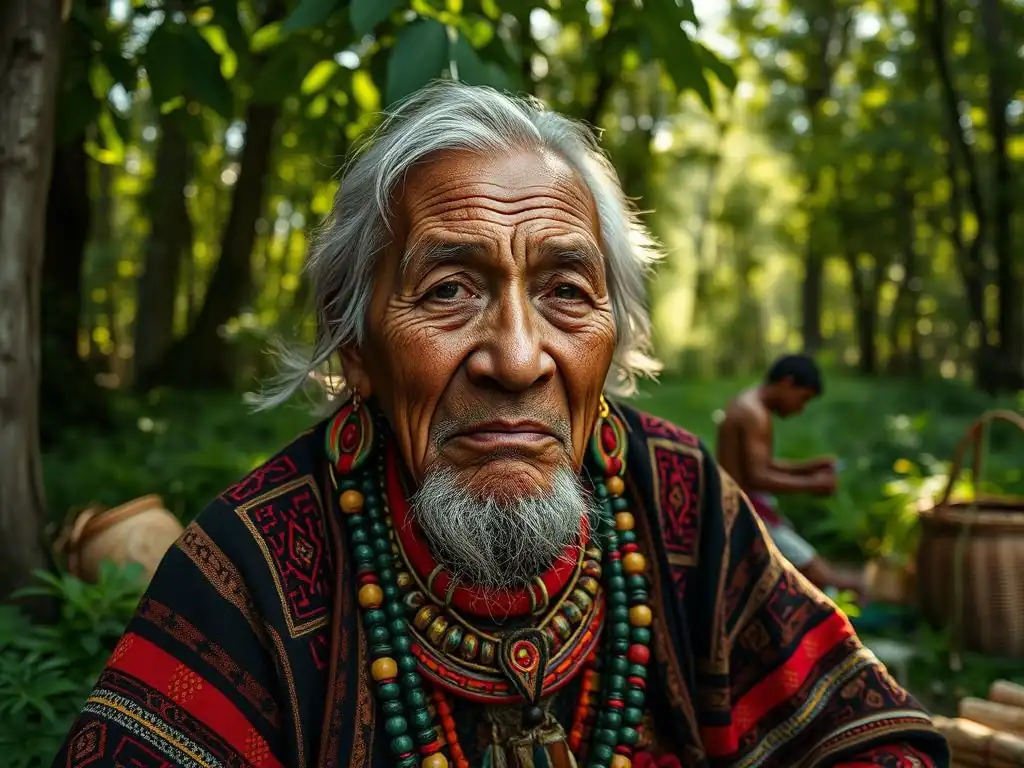
Welcome to Indigenous Civilizations of the Americas, where we invite you on a journey through the rich tapestry of cultures that flourished long before European contact. Our featured article, “The Role of Elders: Guardians of Tradition and Knowledge,” delves into the invaluable contributions of indigenous elders and their cultural traditions that continue to shape identities and communities today. Prepare to uncover the wisdom, resilience, and vibrant histories that these remarkable civilizations have to offer. Join us as we explore the legacies that echo through time, inviting you to understand and appreciate the profound significance of these cultural stewards.
Introduction to Indigenous Elders and Their Cultural Significance
Indigenous elders play a pivotal role in the fabric of their communities, serving as custodians of tradition, knowledge, and cultural identity. These respected figures are not merely the oldest members of society; they embody the wisdom of generations and act as bridges between the past and the future.
In the context of indigenous cultures across the Americas, the term "elder" encompasses a profound responsibility that goes beyond age, encompassing qualities such as wisdom, experience, and a deep understanding of cultural values. This article delves into the significance of indigenous elders and their integral role in preserving cultural traditions, emphasizing their contributions to the continuity of indigenous societies.
Understanding the Concept of Indigenous Elders
Indigenous elders are revered figures in their communities, often recognized for their extensive knowledge of cultural practices, histories, and languages. They serve as:
- Cultural Leaders: Elders guide their communities in understanding their heritage, often leading discussions and teachings on cultural values.
- Moral Compasses: They instill ethical principles and social norms, ensuring that younger generations understand the importance of community and respect for nature.
- Spiritual Guides: Many elders play vital roles in spiritual rituals, helping to maintain the connection between the community and the spiritual world.
This multifaceted role makes indigenous elders essential to the preservation and promotion of cultural identity, ensuring that the legacies of their ancestors are not lost but rather celebrated and shared.
Importance of Cultural Traditions in Indigenous Societies
Cultural traditions are the lifeblood of indigenous societies, providing a framework through which community members can understand their place in the world. These traditions encompass a wide range of practices, including:
- Language: The preservation of indigenous languages is crucial, and elders often play a central role in teaching these languages to younger generations.
- Art and Craftsmanship: Traditional arts, such as weaving, pottery, and storytelling, are vital expressions of a community's identity, with elders often serving as master artisans.
- Historical Narratives: The stories and history shared by elders provide context and meaning to the present, helping to ground community members in their cultural heritage.
By maintaining these traditions, elders ensure the survival of their communities' identities amidst the challenges posed by modernization and colonization.
The Role of Elders in Preserving Indigenous Knowledge
Elders are not only keepers of cultural traditions but also play a crucial role in the transmission of knowledge that is vital for the survival of their communities. Their methods of imparting wisdom are deeply rooted in the practices and values of indigenous cultures.
Oral Traditions and Storytelling as Cultural Transmission
Oral traditions are a cornerstone of indigenous knowledge. Elders utilize storytelling as a powerful tool to convey cultural values, historical events, and moral lessons. Through engaging narratives, they teach:
- Historical Context: Stories often include important events and figures that shaped the community's past.
- Ethical Lessons: Many narratives impart moral teachings, helping younger members navigate their social environment.
- Cultural Identity: Storytelling fosters a sense of belonging and pride in one's heritage.
This method of knowledge transmission ensures that cultural teachings remain dynamic and relevant, adapting to the needs of contemporary society while retaining their core essence.
Elders as Educators: Teaching the Younger Generations
Elders assume the role of educators, often conducting informal lessons within the community. They engage with younger generations through:
- Mentorship: Providing guidance and support, elders help youth navigate personal and communal challenges.
- Workshops and Teaching Circles: Elders often lead gatherings where they share skills, such as traditional crafting or hunting techniques, ensuring that practical knowledge is passed down.
- Cultural Celebrations: During festivals and ceremonies, elders teach the significance of various customs, reinforcing the importance of their cultural heritage.
Through these educational endeavors, elders ensure that the knowledge and skills essential for cultural continuity are not only preserved but also actively practiced.
Rituals and Ceremonies: Elders' Influence on Cultural Practices
Rituals and ceremonies are essential aspects of indigenous life, often orchestrated by elders who understand the cultural significance of these practices. Their influence is evident in:
- Ceremonial Leadership: Elders often lead rituals that mark important life events, such as births, marriages, and funerals, providing spiritual and emotional support to community members.
- Cultural Revitalization: Through the organization of traditional ceremonies, elders help revive and maintain cultural practices that may have been diminished over time.
- Intergenerational Connection: By involving younger members in rituals, elders foster a sense of continuity and connection to their ancestors, reinforcing the importance of collective memory.
Indigenous elders are not merely figures of authority; they are vital guardians of cultural traditions and knowledge. Their roles as teachers, storytellers, and spiritual leaders ensure that the rich tapestry of indigenous cultures is preserved, celebrated, and passed on to future generations.
Guardians of Language: Elders and Linguistic Traditions
Indigenous elders play a pivotal role in the preservation and transmission of language, serving as the custodians of their community's linguistic heritage. They are often the last fluent speakers of their native tongues, embodying a wealth of knowledge that goes beyond mere vocabulary. Elders not only teach the language but also connect it to cultural practices, stories, and rituals, ensuring that the language remains a living entity within the community. As guardians of language, they facilitate intergenerational learning, passing down phrases, songs, and teachings that are integral to cultural identity.
The Role of Elders in Language Preservation
Elders are essential in the practice of language preservation, as they often possess the most profound understanding of the nuances and complexities of their native languages. They engage in various activities, such as teaching younger generations through storytelling and traditional songs, which serve as vehicles for language use. Furthermore, elders often participate in community workshops and educational programs aimed at revitalizing interest in indigenous languages, helping to create a sense of pride and ownership among younger community members.
In many indigenous cultures, language is intricately tied to cultural identity and worldview. Elders emphasize this connection, imparting wisdom about how language shapes thought and social relations. Their role extends to advocating for language rights and revitalization efforts, thereby influencing policies that support the survival of their languages in the face of globalization and assimilation pressures.
Revitalization of Endangered Indigenous Languages
Many indigenous languages are at risk of extinction, with some facing the threat of being lost within a generation. Elders are at the forefront of revitalization efforts, often collaborating with linguists and educators to develop language curricula and teaching materials that reflect authentic cultural contexts. They lead community initiatives that encourage language use in everyday life, such as creating immersion programs and cultural events that highlight the importance of their native tongues.
Additionally, technology has become a valuable tool in these revitalization efforts. Elders are increasingly utilizing digital platforms to record oral histories, create language apps, and share educational resources, ensuring that younger generations have access to their linguistic heritage. Through these combined efforts, indigenous elders not only work to preserve languages but also foster a renewed interest and appreciation among the youth, instilling a sense of responsibility to carry the linguistic traditions forward.
Elders as Leaders in Community Decision-Making
Indigenous elders are often seen as the moral compass of their communities, wielding considerable influence in decision-making processes. Their wisdom and life experiences position them uniquely to guide discussions on governance, resource management, and community welfare. Elders possess a deep understanding of traditional laws and practices, which they draw upon to inform contemporary issues facing their communities.
Traditional Leadership Roles of Indigenous Elders
In many indigenous cultures, elders hold formal and informal leadership roles, recognized for their authority and respect within the community. These roles may involve serving on councils, participating in communal gatherings, or leading ceremonies that reinforce cultural values. Elders are often consulted during significant community events, such as initiations, marriages, and funerals, where their knowledge and guidance are invaluable.
Their leadership is characterized by a holistic approach that emphasizes consensus-building rather than authoritarian rule. Elders encourage collective discussion, allowing for diverse perspectives to be considered before arriving at decisions that impact the community. This inclusive leadership style fosters unity and strengthens communal ties, as everyone feels their voice is heard and valued.
Conflict Resolution and Mediation by Elders
One of the most critical roles of elders is that of mediators and conflict resolvers. In indigenous societies, maintaining harmony within the community is paramount, and elders often step in to facilitate dialogue during disputes. Their deep-rooted understanding of cultural norms and values allows them to address conflicts with sensitivity and respect.
Elders employ traditional practices and teachings to guide parties toward a resolution that honors both individual and collective needs. They may use storytelling and parables to illustrate lessons and encourage empathy, fostering a spirit of reconciliation rather than adversarial confrontation. This approach not only resolves immediate issues but also strengthens relationships and reinforces a sense of community belonging.
Through their roles in conflict resolution, elders help maintain social cohesion and promote the cultural values of respect, understanding, and collaboration, ensuring that these principles endure in the face of modern challenges.
The Intergenerational Wisdom of Indigenous Elders
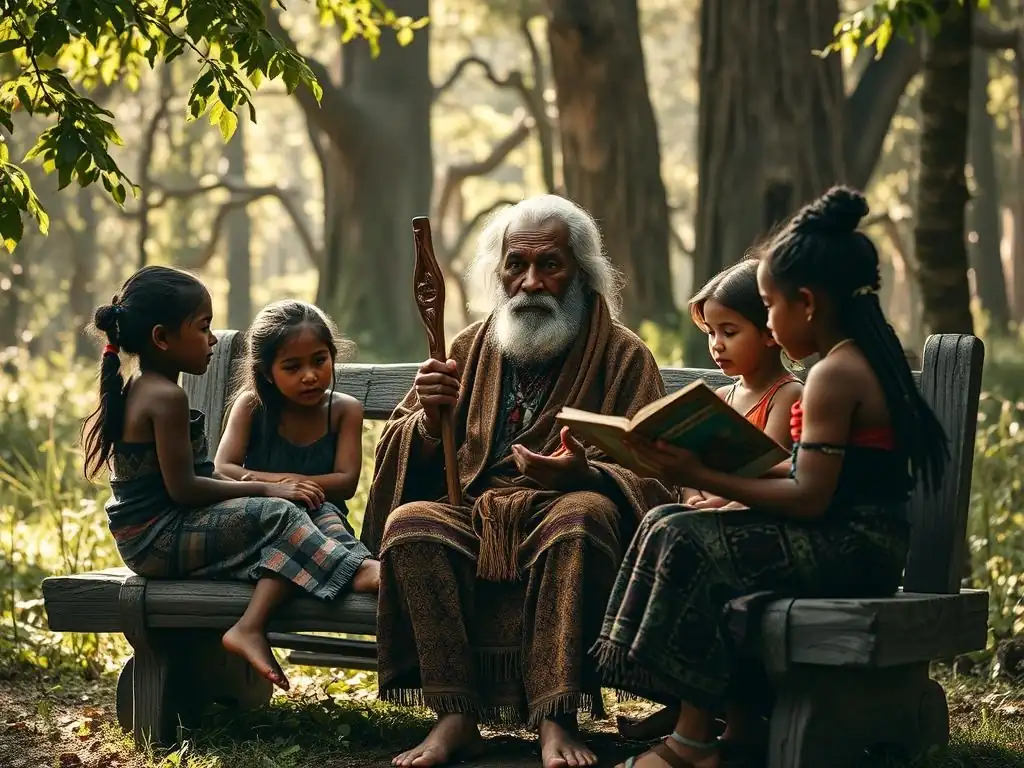
Indigenous elders play a crucial role as custodians of cultural traditions, knowledge, and history within their communities. They serve as a bridge connecting past generations with the present and future, ensuring that vital teachings and practices are passed down effectively. This intergenerational wisdom encompasses a wide range of knowledge, including language, spirituality, environmental stewardship, and social practices. Elders often embody the collective memory of their people, preserving stories and lessons that shape the identity and values of their communities.
The wisdom of indigenous elders is not merely academic; it is deeply rooted in lived experiences and observations of the natural world. Their insights about local ecosystems, seasonal cycles, and traditional medicinal practices often reflect a profound understanding of the environment that has been cultivated over centuries. This knowledge is invaluable, particularly in contemporary discussions about sustainability and ecological conservation, where traditional practices can offer alternative perspectives on resource management.
Sharing Life Experiences and Cultural Values
Elders share their life experiences and cultural values through storytelling, ceremonies, and mentorship, which are integral to the educational fabric of indigenous societies. Storytelling serves not only as entertainment but also as a pedagogical tool that imparts moral lessons and cultural heritage to younger generations. Through these narratives, elders convey essential teachings about respect for nature, community interdependence, and the importance of maintaining cultural identity.
In many indigenous cultures, formal education systems may not exist as they do in Western contexts, making the role of elders even more significant. They provide informal education, guiding youth in understanding their cultural heritage and instilling a sense of pride in their identity. By sharing personal stories and experiences, elders help younger individuals navigate their roles within the community and foster a sense of belonging and continuity.
Bridging the Gap Between Traditional and Modern Practices
As societies evolve and modern influences permeate traditional lifestyles, indigenous elders play a pivotal role in bridging the gap between traditional and modern practices. They often adapt ancient teachings to contemporary contexts, ensuring that cultural traditions remain relevant and accessible to younger generations. This adaptability helps maintain cultural integrity while allowing communities to engage with modernity.
Elders facilitate dialogues between traditional knowledge and modern scientific understanding, particularly in areas such as health, agriculture, and environmental conservation. By integrating traditional practices with contemporary knowledge, elders can create holistic approaches that benefit their communities. For example, in the field of health, elders may incorporate traditional healing practices alongside modern medicine, providing a more comprehensive healthcare approach that respects cultural beliefs.
Challenges Faced by Indigenous Elders in Contemporary Society
Impact of Colonization on Elderly Roles
The impact of colonization has significantly altered the roles of indigenous elders within their communities. Historically, colonization disrupted traditional governance systems and eroded the status of elders as primary decision-makers and knowledge holders. As indigenous communities faced forced assimilation, the transmission of cultural practices and languages was severely hampered, leading to a loss of authority for elders in some contexts.
In contemporary society, this historical context often manifests in ongoing challenges, such as the marginalization of indigenous voices in policy-making and cultural representation. Many elders now find themselves advocating for the recognition of their knowledge and rights in a landscape dominated by modern state structures that may overlook traditional governance systems. This has led to a struggle for elders to reclaim their roles as leaders and educators within their communities.
The Threat of Cultural Erosion and Loss of Traditions
One of the most pressing challenges faced by indigenous elders today is the threat of cultural erosion and loss of traditions. Globalization, urbanization, and the pervasive influence of Western culture have contributed to a diminishing engagement with traditional practices among younger generations. As a result, many elders find it increasingly difficult to pass on their knowledge and cultural traditions, which can lead to a sense of urgency and concern about the future of their heritage.
Additionally, the decline of indigenous languages poses a significant barrier to cultural transmission. Language is often the vessel through which cultural values, stories, and practices are expressed. As younger generations adopt dominant languages, the nuances and teachings embedded in indigenous languages may be lost, further exacerbating cultural erosion. Elders recognize the critical importance of language preservation and often work tirelessly to revitalize and teach their languages to ensure that cultural practices are maintained for future generations.
By addressing these challenges, indigenous elders continue to strive for the revitalization of their cultures, emphasizing the necessity of intergenerational transmission of knowledge and the resilience of their communities in the face of adversity.
Celebrating Indigenous Elders and Their Contributions
Indigenous elders play a crucial role in preserving and transmitting cultural traditions, languages, and values. Their contributions are celebrated in various ways across different tribes and communities. Elders are often seen as the custodians of knowledge, holding wisdom that spans generations. They teach younger members about traditional practices, including ceremonies, storytelling, and the significance of cultural symbols. In many indigenous cultures, the act of storytelling is not just entertainment; it is a means of education, imparting moral lessons and historical knowledge essential for community identity.
Ceremonies and gatherings often center around honoring elders, showcasing their importance in maintaining cultural continuity. Events such as powwows, festivals, and community feasts typically include segments dedicated to recognizing the achievements and wisdom of elders. These celebrations serve not only to honor the individuals but also to reinforce the collective identity of the community. In this way, the contributions of elders are woven into the fabric of cultural practice, ensuring that their teachings endure.
Recognition of Elders in Indigenous Communities
In numerous indigenous communities, elders are recognized as leaders and decision-makers. Their insights and perspectives are sought in discussions surrounding community governance, conflict resolution, and cultural education. This respect stems from their extensive life experiences, which provide them with a unique understanding of the complexities of community life and the cultural context within which it exists.
Elders often hold formal titles or roles within the community, such as spiritual leaders, healers, or council members. These roles come with the responsibility of guiding younger generations and preserving cultural heritage. In many cultures, the transition into elderhood is marked by specific ceremonies that honor an individual’s wisdom and experience, affirming their position as a vital part of the community's structure. This recognition not only empowers elders but also reinforces their role as cultural bearers.
Contemporary Initiatives to Honor and Support Elders
As the world changes, many indigenous communities are implementing contemporary initiatives to support and honor their elders. Programs aimed at cultural revitalization often include educational workshops where elders share traditional skills, such as weaving, beadwork, or medicinal plant knowledge. These initiatives foster intergenerational relationships and ensure that vital cultural practices are passed down.
Moreover, many indigenous organizations are advocating for the rights and well-being of elders, addressing issues such as healthcare access, social isolation, and economic stability. Collaborative projects between elders and youth are being designed to create safe spaces for knowledge exchange, fostering a sense of community and belonging. These initiatives not only honor the elders but also encourage younger generations to actively engage with their cultural heritage.
Conclusion: The Enduring Legacy of Indigenous Elders
The legacy of indigenous elders is profound and far-reaching. Their teachings and practices have shaped the identities of countless individuals and communities across the Americas. Elders serve as living libraries of cultural knowledge, ensuring that traditions are not only remembered but actively practiced. This enduring legacy is essential for the survival of indigenous cultures, particularly in a world that often overlooks these invaluable contributions.
Future Perspectives on the Role of Elders in Cultural Preservation
Looking ahead, the role of elders in cultural preservation remains vital. As global challenges, such as climate change and urbanization, threaten traditional ways of life, the wisdom of elders will be essential in guiding communities toward sustainable practices rooted in their cultural contexts. Future initiatives may focus on integrating traditional ecological knowledge into contemporary environmental efforts, emphasizing the need for a harmonious relationship with the land.
Furthermore, the increasing recognition of the value of indigenous knowledge systems in global discussions presents an opportunity for elders to take on more prominent roles as advisors and leaders. Their perspectives can bridge the gap between traditional practices and modern challenges, ensuring that indigenous voices are heard in broader societal conversations.
Call to Action: Supporting Indigenous Elders and Their Traditions
To truly honor and support indigenous elders and their traditions, action must be taken at both community and societal levels. Individuals are encouraged to engage with local indigenous communities, participate in cultural events, and learn about their traditions and history. Supporting indigenous-led initiatives that focus on elder care, cultural education, and language revitalization is crucial.
Moreover, advocating for policies that protect the rights and well-being of indigenous elders can create a more equitable society. By amplifying the voices of elders and recognizing their invaluable contributions, we can help ensure that indigenous cultures continue to thrive for generations to come. Together, we can celebrate the richness of indigenous heritage and empower those who safeguard it.
- Introduction to Indigenous Elders and Their Cultural Significance
- The Role of Elders in Preserving Indigenous Knowledge
- Guardians of Language: Elders and Linguistic Traditions
- Elders as Leaders in Community Decision-Making
- The Intergenerational Wisdom of Indigenous Elders
- Challenges Faced by Indigenous Elders in Contemporary Society
- Celebrating Indigenous Elders and Their Contributions
- Conclusion: The Enduring Legacy of Indigenous Elders
- What is the significance of indigenous elders in cultural traditions?
- How do elders contribute to community decision-making?
- What are some key cultural traditions upheld by indigenous elders?
- How do modern challenges affect the role of indigenous elders?
- Why is it important to document the knowledge of indigenous elders?
Frequently Asked Questions
What is the significance of indigenous elders in cultural traditions?
Indigenous elders serve as guardians of tradition and knowledge, preserving their communities' histories and teachings. They play a vital role in passing down cultural practices to younger generations.
How do elders contribute to community decision-making?
Elders are often respected leaders within their communities, providing wisdom and guidance in decision-making processes. Their insights are crucial for maintaining harmony and respect for cultural values.
What are some key cultural traditions upheld by indigenous elders?
Indigenous elders uphold various cultural traditions including storytelling, rituals, and ceremonies that reflect their community's spiritual beliefs and historical experiences.
How do modern challenges affect the role of indigenous elders?
Modern challenges such as colonization, globalization, and loss of land can threaten the role of indigenous elders. Despite this, they continue to adapt and strive to keep their cultural traditions alive.
Why is it important to document the knowledge of indigenous elders?
Documenting the knowledge of indigenous elders is essential for preserving cultural heritage and ensuring that future generations understand their identity and history. This helps in maintaining the diversity of human cultures.
Final Reflection: Embracing the Wisdom of Indigenous Elders
The role of indigenous elders as guardians of cultural traditions is more relevant today than ever. In a world increasingly driven by technology and rapid change, their wisdom serves as a vital anchor, reminding us of the importance of heritage and the lessons embedded within it. As we navigate the complexities of modern life, we must recognize that the knowledge held by these elders is not merely historical; it is a living resource that can guide us toward a more sustainable and respectful future.
Cultural traditions are the threads that weave our communities together, and the influence of indigenous elders is profound and far-reaching. Their stories and teachings shape our understanding of identity, community, and the environment. As they pass down their knowledge, they not only preserve their heritage but also inspire us to honor our own roots. Elders are the keepers of our history, the voices of our ancestors, and the bridge to our future.
This quote encapsulates the essence of their role, highlighting how their contributions extend beyond their communities to enrich the broader tapestry of humanity.
As we reflect on the invaluable lessons imparted by indigenous elders, I invite you to consider how you can incorporate their wisdom into your own life. Take a moment to engage with your community's traditions, seek out the stories of your elders, and honor the knowledge that has been passed down through generations. By doing so, you not only celebrate your heritage but also contribute to the preservation of cultural diversity in an ever-evolving world. Let us all strive to be guardians of tradition, ensuring that the wisdom of the past continues to illuminate our paths forward.
Honor and Engage with Our Elders Today!
Thank you for taking the time to explore the profound role of elders in preserving tradition and knowledge within indigenous cultures. Your interest is a vital step towards fostering respect and understanding in our communities. Now, let's turn that curiosity into action!
- Reach out to an elder in your community to learn firsthand about their experiences and teachings. A simple conversation can unveil wisdom that has been passed down through generations.
- Share this article with friends and family to encourage a broader discussion about the importance of elders in sustaining our cultural narratives.
- Participate in local events or workshops that focus on indigenous traditions, offering you a chance to engage with elders and honor their contributions in a meaningful way.
What wisdom have you uncovered from an elder in your life that resonates with you today? Let’s spark a conversation!