
The Impact of Cooperative Models on Indigenous Economic Sustainability

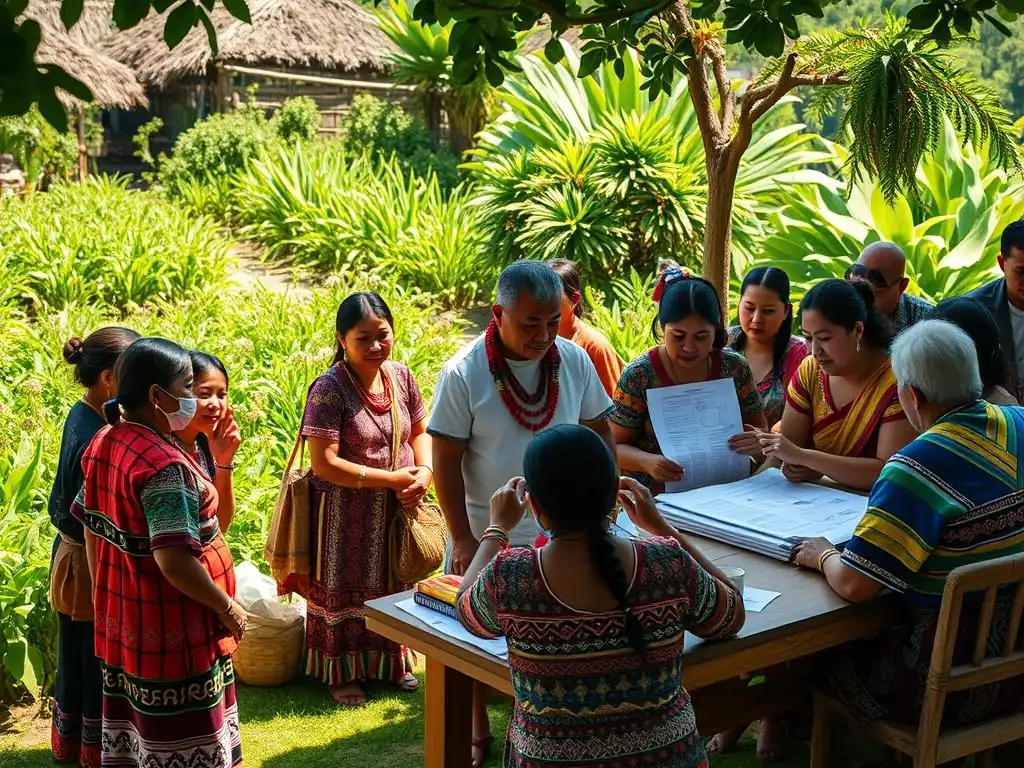
Welcome to Indigenous Civilizations of the Americas, where we embark on a fascinating journey through the rich tapestry of cultures that flourished long before European contact. In our featured article, “The Impact of Cooperative Models on Indigenous Economic Sustainability,” we delve into the innovative indigenous economic sustainability models that have not only shaped communities but also continue to inspire contemporary practices.
Join us as we uncover the profound wisdom and resilience of these civilizations, and discover how their enduring legacies are vital to our understanding of sustainability today. Are you ready to explore the past and its relevance to our future?
Introduction to Indigenous Economic Sustainability Models
Indigenous economic sustainability models represent a vital framework for understanding how indigenous communities in the Americas have historically managed their resources, economies, and social structures. These models prioritize not only the economic viability of these communities but also their cultural integrity and social cohesion. As we delve into the impact of cooperative models on these sustainability practices, it becomes evident that collective efforts have played a significant role in fostering resilience and adaptability among indigenous populations. This article will explore the definition and importance of these models, their historical context, and how they continue to shape indigenous economies today.
Definition of Economic Sustainability in Indigenous Communities
Economic sustainability in indigenous communities refers to the ability of these societies to maintain their economic practices without compromising their cultural values or depleting their natural resources. This involves:
- Cultural Preservation: Ensuring that economic activities align with traditional practices and values.
- Resource Management: Utilizing natural resources in a way that maintains ecological balance and promotes biodiversity.
- Community Well-being: Fostering social equity and addressing the needs of all community members.
In this context, economic sustainability is not merely about financial profit but encompasses a holistic approach that integrates social, cultural, and environmental dimensions.
Importance of Cooperative Models in Indigenous Economies
Cooperative models are essential for indigenous economic sustainability as they encourage collective ownership and decision-making. These models offer several key benefits:
- Empowerment: Cooperative structures empower community members to take charge of their economic futures.
- Resource Sharing: By pooling resources, communities can achieve economies of scale, reducing costs and increasing efficiency.
- Cultural Identity: Cooperative models are often rooted in cultural practices, reinforcing community bonds and shared identity.
Incorporating cooperative models allows indigenous communities to navigate economic challenges while remaining true to their cultural heritage and communal values.
Historical Context of Cooperative Models in Indigenous Societies
To fully appreciate the significance of cooperative models in indigenous economic sustainability, it is crucial to understand their historical context. Indigenous societies have long utilized collaborative approaches to manage resources and support one another, shaping the economic landscape long before colonization.
Traditional Economic Practices of Indigenous Cultures
Indigenous cultures across the Americas engaged in various traditional economic practices that emphasized cooperation and communal living. Some notable examples include:
- Hunting and Gathering: Communities often worked together to hunt or gather resources, sharing the benefits among all members.
- Agricultural Practices: Many indigenous groups practiced collective farming, where land and labor were shared to ensure food security.
- Trade Networks: Indigenous societies established extensive trade networks, facilitating the exchange of goods and services among different tribes.
These practices highlight the foundational role of cooperation in indigenous economies, setting the stage for the evolution of more formalized cooperative models.
Evolution of Cooperative Models Over Time
As indigenous societies adapted to changing environmental and social conditions, their cooperative models also evolved. Key milestones in this evolution include:
- Post-Colonization Adaptations: In response to colonization, many indigenous communities restructured their cooperative models to resist external pressures and maintain their sovereignty.
- Modern Cooperatives: Today, indigenous cooperatives focus on various sectors, including agriculture, crafts, and tourism, allowing communities to capitalize on their unique cultural assets while promoting economic sustainability.
- Integration of Technology: The incorporation of modern technology into cooperative practices has opened new avenues for economic growth, enabling indigenous communities to reach broader markets while preserving traditional methods.
Through this historical lens, we can see how cooperative models have been a cornerstone of indigenous economic sustainability, allowing communities to thrive in the face of adversity and change.
Key Features of Indigenous Economic Sustainability Models
Indigenous economic sustainability models are characterized by their focus on community well-being, cultural preservation, and environmental stewardship. These models prioritize the needs and values of Indigenous peoples, integrating traditional knowledge with contemporary economic practices. Key features include:
- Cultural Relevance: Indigenous economic sustainability models are deeply rooted in cultural practices. They emphasize traditional ways of living that respect the land and community, ensuring that economic activities align with cultural values.
- Holistic Approach: These models consider the interconnectedness of social, economic, and environmental factors. Economic decisions are made with an understanding of their broader impact on the community and ecosystem.
- Empowerment and Self-Determination: Indigenous economic sustainability models promote self-determination by empowering communities to control their resources and economic futures. This leads to greater resilience and adaptability in the face of external pressures.
- Sustainable Practices: Emphasis is placed on sustainable resource management, ensuring that economic activities do not deplete the natural resources that communities depend on. Practices such as permaculture, traditional fishing, and hunting techniques are integrated into the economic framework.
Principles of Cooperation and Collective Action
Cooperation and collective action are foundational principles of Indigenous economic sustainability models. These principles foster unity and collaboration within communities, enabling them to address challenges collectively. Key aspects include:
- Shared Goals: Indigenous communities often come together around common objectives, such as enhancing local economies, preserving cultural heritage, and protecting natural resources. This collective vision drives cooperative initiatives.
- Mutual Support: In cooperative settings, members support one another through shared resources, knowledge, and skills. This solidarity not only strengthens community ties but also enhances the overall resilience of the group.
- Participatory Decision-Making: Indigenous economic sustainability models prioritize collective decision-making processes. This ensures that all voices are heard, fostering inclusivity and transparency, which are vital for successful cooperation.
- Trust and Reciprocity: Building trust among community members is essential for effective cooperation. Indigenous cultures often emphasize reciprocal relationships, where the success of one member contributes to the well-being of the group.
Community Ownership and Resource Management
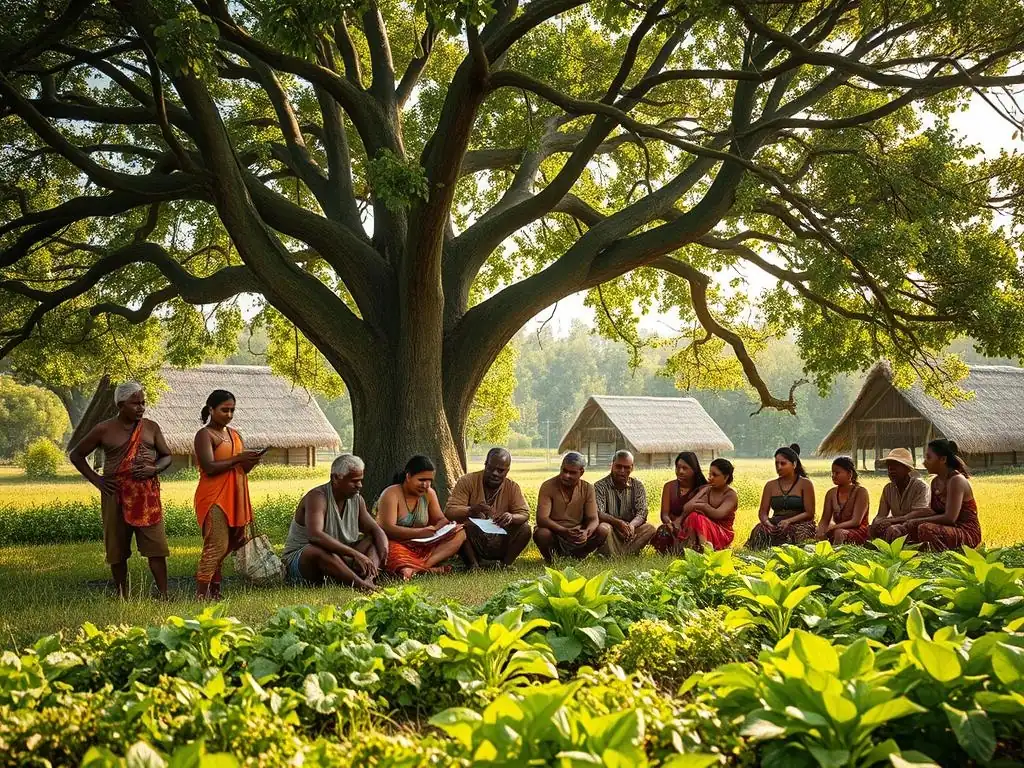
Community ownership is a crucial aspect of Indigenous economic sustainability models, allowing communities to manage their resources according to traditional practices and contemporary needs. This concept encompasses:
- Collective Land Management: Many Indigenous communities advocate for collective ownership of land, ensuring that decisions about land use reflect the values and priorities of the community rather than external interests. This approach supports sustainable practices and cultural preservation.
- Resource Stewardship: Indigenous economic sustainability models emphasize the importance of stewardship, where community members actively manage and protect their natural resources. This includes practices that maintain biodiversity and promote ecological balance.
- Local Economies: By focusing on local production and consumption, Indigenous communities can reduce reliance on external markets, creating a more sustainable economic cycle. This includes supporting local artisans, farmers, and service providers.
The Role of Cooperatives in Enhancing Economic Sustainability
Cooperatives play a vital role in enhancing Indigenous economic sustainability by providing a structured approach for collective action and resource management. They are instrumental in achieving several objectives:
- Economic Diversification: Cooperatives allow Indigenous communities to diversify their economic activities, reducing dependence on a single source of income. This can include agriculture, crafts, tourism, and other enterprises that reflect local knowledge and skills.
- Capacity Building: Through cooperatives, community members gain access to training and resources that enhance their skills and capabilities. This empowerment fosters a sense of ownership and pride in local initiatives.
- Access to Markets: Cooperatives can facilitate better access to markets for Indigenous products, ensuring fair prices and reducing exploitation by intermediaries. This not only benefits the economy but also supports cultural expression through traditional crafts and food.
Case Studies of Successful Indigenous Cooperatives
Numerous case studies illustrate the effectiveness of cooperative models in promoting Indigenous economic sustainability. Here are a few notable examples:
- Nuu-chah-nulth Tribal Council (Canada): This cooperative network focuses on sustainable fishing practices, allowing Indigenous fishers to collectively manage their resources while ensuring environmental sustainability. The initiative has led to increased fish stocks and improved economic outcomes for the community.
- The Blackfeet Nation (USA): The Blackfeet Nation established a cooperative for bison ranching, integrating traditional ecological knowledge with modern practices. This initiative has revitalized the bison population and provided economic opportunities for community members.
- Kuna Yala Indigenous Community (Panama): The Kuna people have successfully established cooperatives that promote traditional textile production and eco-tourism. These initiatives not only generate income but also preserve cultural heritage and support environmental conservation.
Benefits of Cooperative Models for Indigenous Communities
The adoption of cooperative models offers numerous benefits for Indigenous communities striving for economic sustainability. These advantages include:
- Economic Resilience: By pooling resources and sharing risks, cooperatives enhance economic resilience against external shocks, such as market fluctuations or environmental changes.
- Enhanced Community Cohesion: Cooperative initiatives foster strong community bonds, encouraging collaboration and mutual support. This sense of unity is essential for addressing broader social issues.
- Increased Control Over Resources: Cooperatives empower Indigenous communities to take control of their resources, ensuring that economic activities align with cultural values and long-term sustainability goals.
- Cultural Preservation: Through the promotion of traditional practices and knowledge, cooperatives play a crucial role in preserving Indigenous cultures and languages, ensuring that they thrive for future generations.
Challenges Faced by Indigenous Economic Sustainability Models
Indigenous economic sustainability models encounter a variety of challenges that can hinder their effectiveness and long-term viability. Understanding these challenges is crucial for developing strategies that support and enhance these models, ensuring that they can thrive in the face of external and internal pressures.
External Pressures on Indigenous Economies
External pressures significantly impact indigenous economic sustainability models. These can include:
- Market Fluctuations: Indigenous economies often rely on resource extraction or agriculture, which can be vulnerable to global market changes. Price volatility can lead to instability in income, making it difficult for communities to plan for the future.
- Regulatory Barriers: Many indigenous groups face regulatory challenges imposed by federal and state governments. These regulations can limit their ability to manage natural resources effectively or engage in certain economic activities, thereby stifling growth.
- Competition from Non-Indigenous Enterprises: Indigenous businesses often compete with larger, more established non-indigenous enterprises that can leverage economies of scale and extensive marketing resources. This competition can marginalize indigenous businesses and reduce their market share.
- Cultural Misunderstandings: External stakeholders may not fully understand or respect indigenous practices, values, and governance structures. This lack of understanding can lead to misaligned partnerships and failed business initiatives.
Internal Challenges within Cooperative Structures
While external pressures are significant, internal challenges within cooperative structures also play a critical role in the success of indigenous economic sustainability models. These challenges include:
- Resource Allocation: Deciding how to allocate resources among members can lead to conflicts. Without clear guidelines and equitable practices, tensions may arise, undermining cooperation.
- Leadership and Governance Issues: Effective leadership is essential for the success of cooperative models. However, internal politics and differing visions can create divisions within the community, complicating decision-making processes.
- Capacity Building: Many indigenous communities may lack the necessary skills or knowledge to manage cooperative enterprises effectively. Training and education are vital, but they require time and resources that may not always be available.
- Cultural Barriers: In some cases, traditional cultural norms may conflict with cooperative principles, making it challenging to implement democratic decision-making processes or collective action.
Strategies for Implementing Effective Cooperative Models
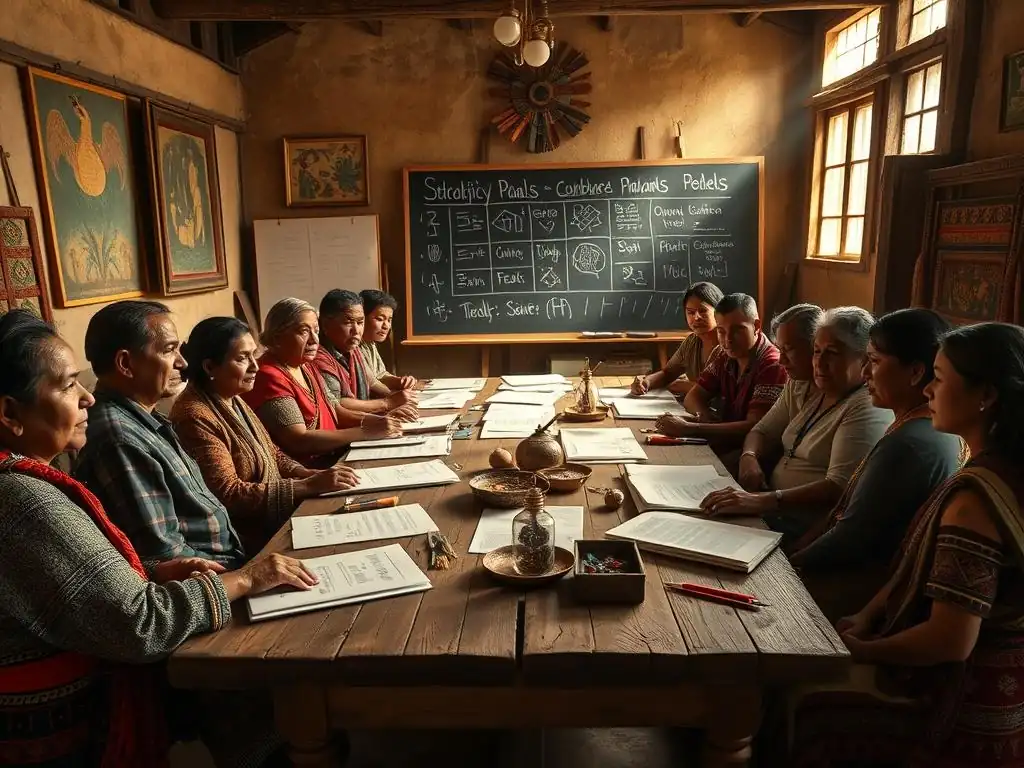
To overcome the challenges faced by indigenous economic sustainability models, several strategies can be employed. These strategies aim to foster resilience, enhance cooperation, and ensure sustainable economic development.
Community Engagement and Education
One of the most effective strategies for implementing cooperative models is to prioritize community engagement and education. This can involve:
- Workshops and Training Programs: Providing skills training in areas such as business management, financial literacy, and cooperative governance helps empower community members and build capacity.
- Cultural Relevance: Educational initiatives should incorporate indigenous knowledge and practices, ensuring that they resonate with the community's values and traditions.
- Ongoing Dialogue: Establishing forums for open communication allows community members to voice their concerns, share experiences, and collaborate on solutions. This can enhance trust and strengthen the cooperative's foundation.
Building Partnerships with External Organizations
Establishing partnerships with external organizations can also enhance the effectiveness of indigenous economic sustainability models. Considerations include:
- Access to Resources: Partnerships can provide access to financial resources, technical expertise, and market opportunities that may not be available locally.
- Collaborative Projects: Working with NGOs, government agencies, and private sector businesses can lead to joint initiatives that leverage the strengths of both indigenous and non-indigenous partners.
- Advocacy and Representation: External organizations can help amplify indigenous voices in discussions about policy and economic development, ensuring that the needs and perspectives of indigenous communities are considered in decision-making processes.
By implementing these strategies, indigenous communities can navigate the challenges they face and develop robust economic sustainability models that honor their cultural heritage while promoting growth and resilience.
Measuring the Impact of Cooperative Models
Cooperative models have emerged as a vital strategy for enhancing indigenous economic sustainability, promoting collective ownership, and ensuring equitable distribution of resources. Measuring the impact of these models involves evaluating various dimensions, including economic growth, community engagement, and social well-being.
- Economic Metrics: This includes tracking income levels, employment rates, and the overall economic activity generated through cooperative ventures. Key indicators such as increased revenues from cooperative businesses and the number of jobs created provide tangible evidence of economic sustainability.
- Social Cohesion: The effectiveness of cooperative models can also be assessed by examining community dynamics. Metrics such as participation rates in cooperative decision-making processes, levels of trust among community members, and engagement in cultural preservation initiatives are essential for understanding social impact.
- Environmental Stewardship: Sustainable practices are integral to many indigenous cultures. Therefore, evaluating the environmental outcomes of cooperative operations—such as the adoption of sustainable agriculture practices or responsible resource management—can provide insights into the long-term viability of these models.
- Cultural Preservation: Lastly, measuring the impact includes assessing how cooperatives contribute to the preservation of indigenous knowledge, languages, and traditions. This can be evaluated through community surveys and the documentation of cultural activities associated with cooperative initiatives.
Indicators of Economic Sustainability in Indigenous Communities
Economic sustainability in indigenous communities can be measured through several key indicators:
- Self-Sufficiency: The ability of communities to meet their economic needs without external aid is a critical indicator. This includes assessing the percentage of local businesses that are community-owned and operated.
- Resource Management: Sustainable management of local resources, including land, water, and traditional practices, reflects the community's commitment to preserving their environment while generating income.
- Investment in Education and Skills: The level of local investment in education and vocational training programs demonstrates a commitment to building human capital, which is essential for long-term economic sustainability.
- Community Empowerment: The extent to which community members participate in decision-making processes and control over economic initiatives indicates the level of empowerment and ownership, which are crucial for sustainability.
- Health and Well-Being: Improved health metrics, such as access to healthcare services and nutritional standards, reflect the positive outcomes of sustainable economic practices.
Success Stories and Lessons Learned
Several indigenous communities have successfully implemented cooperative models, showcasing their potential for economic sustainability:
- The Blackfeet Nation: In Montana, this community established a cooperative that focuses on sustainable agriculture and natural resource management. By emphasizing traditional farming practices and community involvement, they have increased local food production and reduced reliance on external food sources.
- The Oglala Lakota Nation: Their cooperative efforts in tourism have created job opportunities while promoting cultural heritage. By offering guided tours and cultural workshops, they have successfully integrated economic development with cultural preservation.
- The Zapatista Communities in Chiapas, Mexico: By forming cooperatives focused on coffee production, these communities have gained autonomy over their resources. They have achieved fair trade certification, allowing them to access global markets and improving their economic stability.
These success stories not only highlight effective practices but also provide valuable lessons, such as the importance of community involvement, the need for adaptability in business models, and the role of education in fostering entrepreneurial skills.
Conclusion: The Future of Indigenous Economic Sustainability Models
The future of indigenous economic sustainability models hinges on the continued development and refinement of cooperative frameworks. These models serve as a bridge between traditional practices and modern economic demands, fostering resilience in the face of external pressures.
The Potential for Growth and Development
As indigenous communities increasingly adopt cooperative models, there is significant potential for growth and development. By leveraging their unique cultural assets and local resources, these communities can create sustainable businesses that not only provide economic benefits but also reinforce cultural identity. The expansion of cooperatives into new sectors, such as renewable energy, technology, and sustainable tourism, could further enhance economic opportunities.
The Importance of Preserving Indigenous Knowledge and Practices
Preserving indigenous knowledge and practices is essential for the longevity of economic sustainability models. This knowledge encompasses traditional ecological practices, cultural rituals, and community governance structures that have sustained these communities for generations. Integrating this knowledge into cooperative models ensures that economic development aligns with cultural values and environmental stewardship, creating a holistic approach to sustainability. By fostering intergenerational knowledge transfer and active community participation, indigenous communities can continue to thrive economically while honoring their heritage.
- Introduction to Indigenous Economic Sustainability Models
- Historical Context of Cooperative Models in Indigenous Societies
- Key Features of Indigenous Economic Sustainability Models
- Principles of Cooperation and Collective Action
- Community Ownership and Resource Management
- The Role of Cooperatives in Enhancing Economic Sustainability
- Challenges Faced by Indigenous Economic Sustainability Models
- Strategies for Implementing Effective Cooperative Models
- Measuring the Impact of Cooperative Models
- Conclusion: The Future of Indigenous Economic Sustainability Models
- What are indigenous economic sustainability models?
- How do cooperative models contribute to indigenous economic sustainability?
- What are some examples of successful indigenous cooperative initiatives?
- How do these models promote cultural preservation?
- What challenges do indigenous communities face in implementing these models?
Frequently Asked Questions
What are indigenous economic sustainability models?
Indigenous economic sustainability models refer to practices and systems developed by indigenous communities that promote self-reliance, cultural preservation, and environmental stewardship while ensuring economic viability.
How do cooperative models contribute to indigenous economic sustainability?
Cooperative models foster collaboration and shared resources among community members, leading to improved economic outcomes, increased social cohesion, and enhanced capacity to address local needs.
What are some examples of successful indigenous cooperative initiatives?
Successful initiatives include collective farming, craft cooperatives, and resource management programs that have significantly improved community livelihoods and preserved cultural practices.
How do these models promote cultural preservation?
By integrating traditional knowledge and practices into their economic activities, indigenous communities can ensure that their cultural heritage is maintained alongside economic development, promoting intergenerational knowledge transfer.
What challenges do indigenous communities face in implementing these models?
Challenges include limited access to funding, legal barriers, and the need for capacity-building to effectively manage cooperative enterprises and adapt to changing economic conditions.
Final Reflection: Embracing Cooperative Models for Indigenous Economic Sustainability
The exploration of cooperative models in the context of indigenous economic sustainability is not just a theoretical exercise; it is a vital pathway to resilience and empowerment. As we navigate the complexities of a global economy often indifferent to indigenous needs, these models emerge as beacons of hope, illustrating how collective action can lead to sustainable development and cultural preservation. The urgency of this topic is underscored by the increasing recognition of indigenous rights and the need for economic systems that honor their unique contributions and perspectives.
Cooperative models have the potential to reshape the cultural and social landscape of indigenous communities, fostering a sense of unity and shared purpose. These models not only provide economic benefits but also reinforce cultural identity and community ties. As we witness the resurgence of indigenous movements worldwide, it becomes clear that these models are not merely economic strategies; they are integral to the survival and flourishing of indigenous cultures. When we come together as a community, we create a future that honors our past and empowers our present.
As we reflect on the insights shared in this article, I invite you to consider how you can support or engage with indigenous economic sustainability models in your own life. Whether through advocacy, education, or simply amplifying indigenous voices, your actions can contribute to a more equitable future. Let us embrace the wisdom of cooperation and work together to ensure that indigenous communities thrive, not just survive, in this ever-changing world. Your involvement can make a difference—take a moment to reflect on how you can be part of this transformative journey.
Empower Indigenous Economies: Take Action Today!
Thank you for exploring the vital role of cooperative models in supporting Indigenous economic sustainability. Your engagement with this topic not only enriches your understanding but also contributes to a more equitable future for Indigenous communities. Now, let’s turn that understanding into meaningful action!
Here are some ways you can make a difference today:
- Join or support a local Indigenous cooperative in your area to help stimulate sustainable economic growth.
- Share this article with your network to raise awareness about the benefits of cooperative models within Indigenous communities.
- Participate in workshops or events focused on Indigenous economic initiatives; your involvement can foster valuable connections and insights.
What innovative ideas can you think of to enhance economic sustainability in Indigenous communities? We’d love to hear your thoughts!