
Ancient Rhythms: The Role of Music in Andean Societies

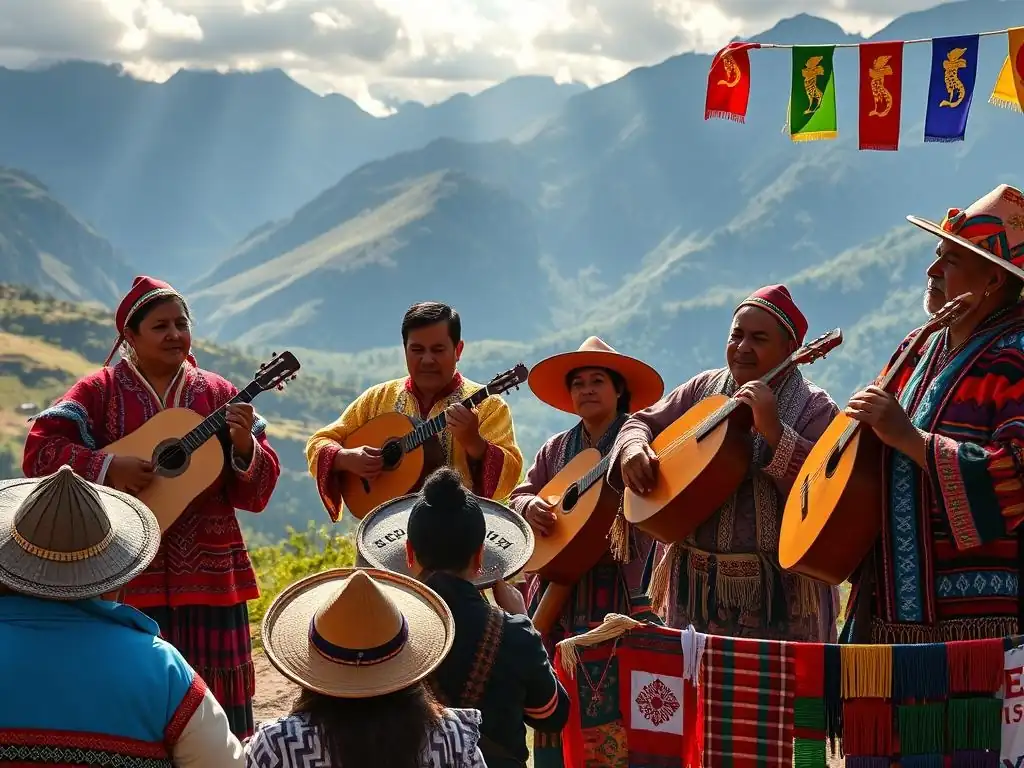
Welcome to Indigenous Civilizations of the Americas, where we invite you to embark on a journey through the rich tapestry of indigenous cultures that flourished long before European contact. In our featured article, “Ancient Rhythms: The Role of Music in Andean Societies,” we delve into the cultural significance of Andean music—a powerful expression of identity, spirituality, and community cohesion. Discover how these ancient melodies resonate through time, revealing the profound connections between sound and society. Prepare to be captivated as we unlock the secrets of a vibrant past that continues to influence the present. Your exploration starts here!
- Introduction to Andean Music Cultural Significance
- Historical Context of Andean Music
- The Role of Music in Andean Society
- Instruments of Andean Music
- Andean Music Genres and Styles
- The Cultural Significance of Andean Music Today
- Conclusion
- Frequently Asked Questions
- Final Reflection: The Enduring Echoes of Andean Music
- Uncover Your Own Ancient Rhythms!
Introduction to Andean Music Cultural Significance
The rich tapestry of Andean music serves as a vital thread connecting the diverse indigenous societies that flourished in the Andes long before the arrival of European colonizers. This musical tradition is not merely a form of entertainment; it embodies the cultural heritage, spiritual beliefs, and communal identities of Andean peoples. The cultural significance of Andean music extends beyond its melodic elements, encompassing a profound connection to rituals, social gatherings, and the natural world. By exploring the intricate rhythms, instruments, and songs of the Andes, we gain insight into the values, histories, and resilience of these indigenous cultures.
Overview of Music in Andean Societies
In Andean societies, music is deeply intertwined with daily life and serves various functions, from agricultural rituals to communal celebrations. The music is often characterized by its use of traditional instruments such as the charango, a small stringed instrument, and the pan flute, known locally as the siku. These instruments not only produce distinctive sounds but also carry historical significance, often being made from locally sourced materials that reflect the environment and culture of the region.
The diversity of Andean music can be observed in its various regional styles and genres, each unique to the communities that create and maintain them. For instance, the Ayacucho region is known for its vibrant folk music, which often incorporates themes of love and nature, while Cuzco showcases a blend of traditional and contemporary influences. The use of music in storytelling is also prevalent, where songs recount ancestral tales and historical events, thus preserving the cultural memory of these societies.
Importance of Music in Indigenous Cultures
The role of music in indigenous cultures, particularly in the Andes, transcends mere entertainment; it is a fundamental aspect of identity and community cohesion. Music acts as a medium through which cultural values are communicated and reinforced, creating a sense of belonging among community members. In many Andean societies, music is integral to rituals and ceremonies, marking significant life events such as births, weddings, and funerals.
Furthermore, the practice of music often involves collective participation, fostering social bonds and reinforcing communal ties. For example, during festivals, community members gather to play, sing, and dance, creating an atmosphere of unity and joy. The act of making music together not only strengthens relationships but also serves as a form of resistance against cultural erosion, allowing indigenous peoples to assert their identities in the face of external influences.
The cultural significance of Andean music lies in its ability to connect individuals to their heritage, community, and the natural world, making it an essential aspect of life for many indigenous cultures in the Andes.
Historical Context of Andean Music
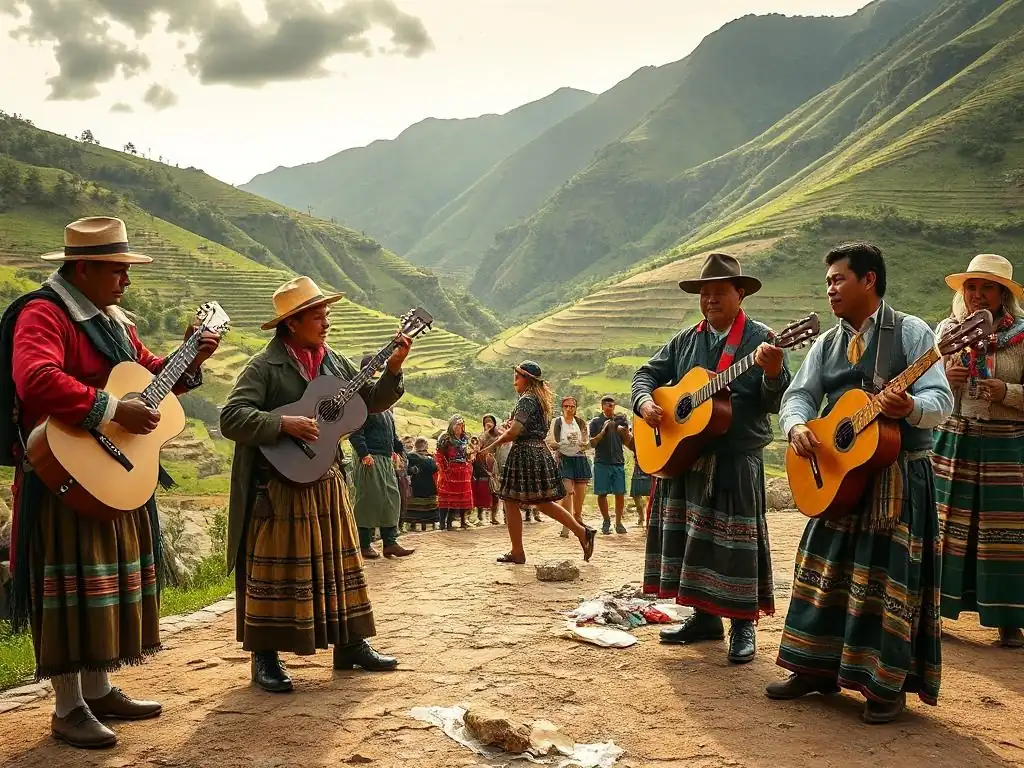
Andean music has profoundly shaped the cultural landscape of the Andes region, echoing the rich history and diverse societies that inhabited this mountainous area long before European colonization. This music serves as a vital expression of identity, spirituality, and community, reflecting the daily lives and beliefs of indigenous peoples. The historical context of Andean music reveals a tapestry woven with ancient traditions, social structures, and spiritual practices that continue to resonate today.
Origins of Andean Music and Its Evolution
The origins of Andean music can be traced back to the early civilizations that flourished in this region, such as the Moche, Nazca, and Inca. These cultures utilized music as an essential component of rituals, agricultural celebrations, and social gatherings. Instruments like the charango (a small stringed instrument) and the pan flute (or sikus) were prevalent, showcasing the unique craftsmanship and musical innovation of these societies.
Throughout history, Andean music has undergone significant evolution, influenced by various factors including:
- Geography: The diverse landscapes of the Andes—from valleys to high altitudes—shaped the types of instruments used and the musical styles developed.
- Cultural Exchange: Trade routes facilitated interactions between different cultures, leading to the exchange of musical ideas and instruments, enriching the Andean soundscape.
- Colonization: The arrival of Spanish colonizers brought new instruments, genres, and themes, resulting in a fusion of European and indigenous musical elements. This blend gave rise to new forms of music, including mestizo genres that reflect both cultural heritages.
As a result, modern Andean music is characterized by a rich variety of styles, instruments, and rhythms, all rooted in a deep historical context that honors both its indigenous origins and the influences that have shaped it over centuries.
Influences from Pre-Columbian Civilizations
Pre-Columbian civilizations significantly influenced the development of Andean music, embedding cultural significance into the musical practices that emerged. Each civilization contributed unique elements that are still evident today:
- Moche Civilization: Known for their intricate pottery and metalwork, the Moche used music in various ceremonial contexts. Instruments like the trompeta (trumpet) and percussion instruments were integral to their rituals, enhancing the spiritual atmosphere.
- Nazca Culture: The Nazca are famous for their geoglyphs, but they also had a vibrant musical tradition. They utilized wind instruments, and their music often accompanied agricultural festivals, emphasizing harmony with nature and the cycles of life.
- Inca Empire: The Incas unified many diverse groups under their empire, promoting a centralized musical tradition. They developed a wide range of instruments, including the bombo (drum) and the zampoña (pan flute), which became central to Andean music. Their music reflected themes of community, agricultural cycles, and reverence for the Andean gods.
Through these influences, a distinct musical identity emerged, characterized by a blend of traditional sounds, rhythms, and spiritual themes. The cultural significance of Andean music is not just historical; it remains a vital part of contemporary Andean societies, where music continues to serve as a medium for cultural expression, community bonding, and the preservation of ancestral traditions.
The historical context of Andean music reveals its deep roots in the region's pre-Columbian civilizations, showcasing how these ancient societies laid the groundwork for a rich and evolving musical tradition that holds cultural significance to this day.
The Role of Music in Andean Society
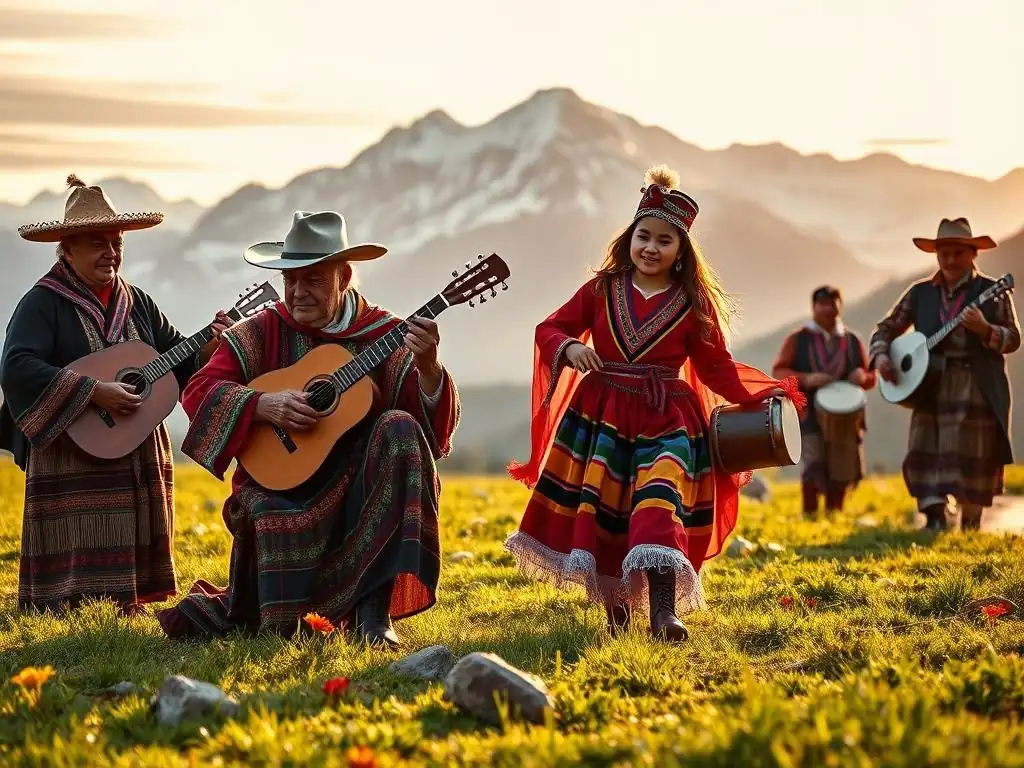
Music as a Means of Communication
Andean music serves as a vital conduit for communication within various communities, transcending mere auditory experience to convey messages, emotions, and cultural narratives. The intricate rhythms and melodies of Andean music often embody the stories of the land, the people, and their ancestral heritage. Instruments such as the charango and pan flutes (or sikus) are not just tools of entertainment; they are integral to the community's identity and social cohesion.
- Storytelling Through Music
- Many traditional songs narrate historical events, legends, and folklore, allowing communities to pass down knowledge through generations. For example, the huayno, a popular Andean musical genre, often features lyrics that recount tales of love, struggle, and triumph.
- The use of call and response in performances invites participation, fostering a sense of belonging and collective memory among listeners.
- Non-Verbal Communication
- Music in Andean societies often accompanies non-verbal cues, enhancing the meaning behind actions. For instance, during community gatherings, specific rhythms may signal different activities or emotions, conveying messages that words alone might fail to express.
Spiritual and Ritualistic Functions of Andean Music
The spiritual significance of Andean music cannot be overstated. It plays a crucial role in rituals and ceremonies, serving as a bridge between the physical and spiritual worlds. The Andean worldview is deeply interwoven with nature and the cosmos, and music becomes a medium to honor these connections.
- Ceremonial Contexts
- Music is integral to agricultural festivals, religious ceremonies, and rites of passage. For example, during the Inti Raymi festival, dedicated to the sun god, music is performed to invoke blessings for the harvest and to celebrate the community's relationship with nature.
- Instruments like the bombo (drum) are often used to create rhythms that resonate with the earth, reinforcing the community's spiritual ties to their environment.
- Healing and Purification
- In many Andean cultures, music is believed to have healing properties. Traditional healers, or curanderos, often incorporate music in their practices to restore balance and harmony within individuals and communities. The use of specific melodies and instruments during healing rituals reflects a profound understanding of music's therapeutic potential.
Music in Daily Life and Community Events
In Andean societies, music permeates daily life, functioning as an essential element of social interaction and community cohesion. It is interwoven into various aspects of life, from work to celebration, highlighting its cultural significance.
- Work and Labor
- Songs accompany traditional labor activities, such as farming and weaving, transforming strenuous tasks into communal celebrations. These work songs not only enhance productivity but also foster camaraderie among workers.
- For example, during the harvest season, groups may sing together to maintain rhythm and spirit while working the fields, reinforcing the idea of collective effort.
- Celebrations and Festivals
- Music is central to community celebrations, from weddings to festivals. It brings people together, allowing them to express joy and gratitude collectively. The vibrant sounds of carnaval celebrations, for instance, showcase a rich tapestry of musical styles and dance, reflecting the community's cultural pride.
- Traditional instruments like the zampoña and tarka are often featured in these gatherings, creating an atmosphere of unity and festivity.
The cultural significance of Andean music extends far beyond entertainment; it is a profound expression of identity, spirituality, and community life. Through its varied roles in communication, ritual, and daily activities, Andean music remains a cornerstone of the region's rich cultural heritage.
Instruments of Andean Music
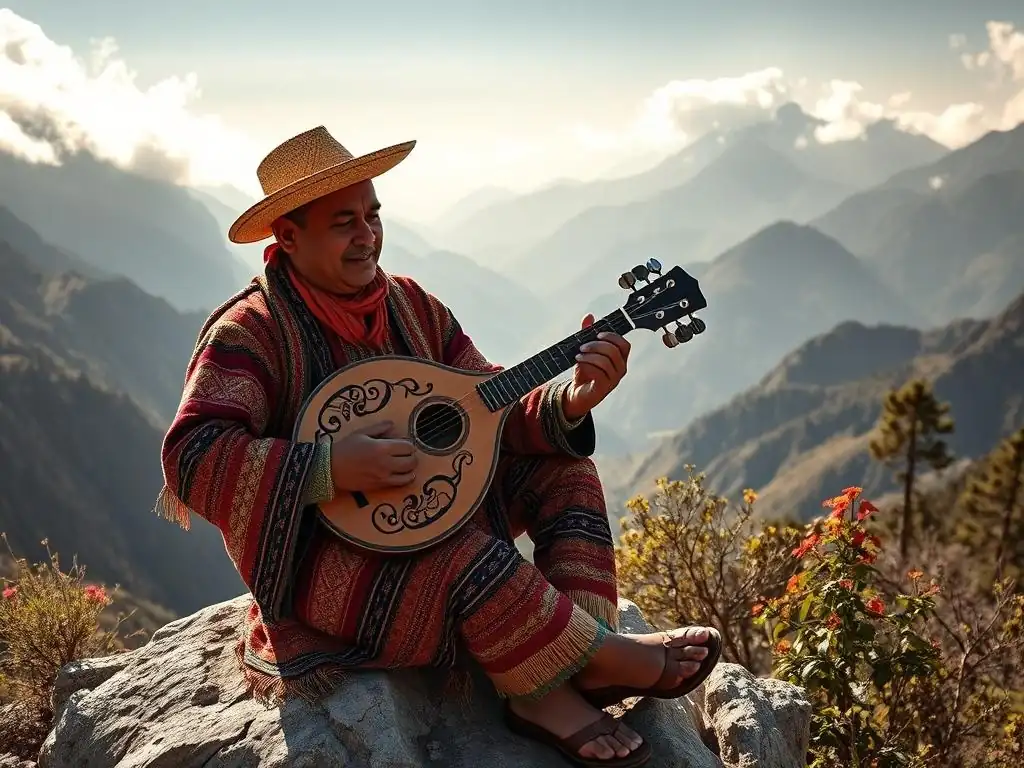
Andean music is deeply intertwined with the cultural practices and traditions of the indigenous peoples of the Andes. The instruments used in this music not only produce distinctive sounds but also embody the history, spirituality, and social structures of the communities that have nurtured them over generations.
Traditional Andean Instruments
Traditional Andean instruments can be categorized into wind, string, and percussion instruments, each contributing to the unique soundscape of Andean music. The most prominent instruments include:
- Wind Instruments: Such as the pan flute (siku) and the zampona.
- String Instruments: Including the charango and the guitar.
- Percussion Instruments: Notably the bombo and various types of drums.
These instruments play a crucial role in ceremonies, festivals, and daily life, reflecting the cultural significance of music in Andean society.
The Charango: History and Use
The charango is a small string instrument, similar in shape to a lute, traditionally made from the shell of an armadillo or wood. Its origins trace back to the post-Columbian period, around the 18th century, when it emerged from the fusion of indigenous Andean and Spanish musical traditions.
- Construction: The charango typically has 10 strings, arranged in five courses of two strings each, creating a bright, resonant sound.
- Cultural Role: Historically, the charango is associated with the Aymara and Quechua peoples. It is used in social gatherings, religious ceremonies, and folk music, symbolizing community and cultural identity.
The charango's role extends beyond music; it is a representation of Andean heritage, often played during rituals to connect with the spiritual world.
The Pan Flute (Siku): Cultural Importance
The siku, or pan flute, is one of the most iconic instruments of Andean music. Its origins can be traced back to pre-Columbian times, making it a vital part of Andean cultural heritage.
- Construction and Variations: The siku consists of multiple tubes of varying lengths, which produce different pitches. Depending on the region, there are variations in construction, such as the siku de dos filas (two-row siku) and siku de una fila (single-row siku).
- Social Significance: The siku is not merely a musical instrument but a cultural symbol. It is often played during festivals, weddings, and agricultural celebrations, fostering a sense of community and continuity. The sounds of the siku evoke the Andean landscape, resonating with the rhythms of life in the highlands.
The Bombo: Rhythmic Foundations
The bombo is a large drum that serves as the rhythmic backbone of many Andean musical ensembles. Traditionally made from wood and animal skins, it is played with mallets and produces deep, resonant tones that can be felt as much as heard.
- Role in Music: The bombo is essential in both ceremonial and festive contexts, providing the tempo and pulse for dances and songs. Its rhythms often accompany other instruments, creating a rich tapestry of sound.
- Cultural Symbolism: In Andean culture, the bombo represents the heartbeat of the community. Its beats are believed to connect the physical and spiritual worlds, reinforcing the communal bonds among participants during rituals and celebrations.
Through these instruments, Andean music continues to thrive, reflecting the enduring cultural significance and rich history of the indigenous peoples of the Andes. Their melodies and rhythms encapsulate the essence of Andean identity, echoing through generations and remaining vital in contemporary society.
Andean Music Genres and Styles
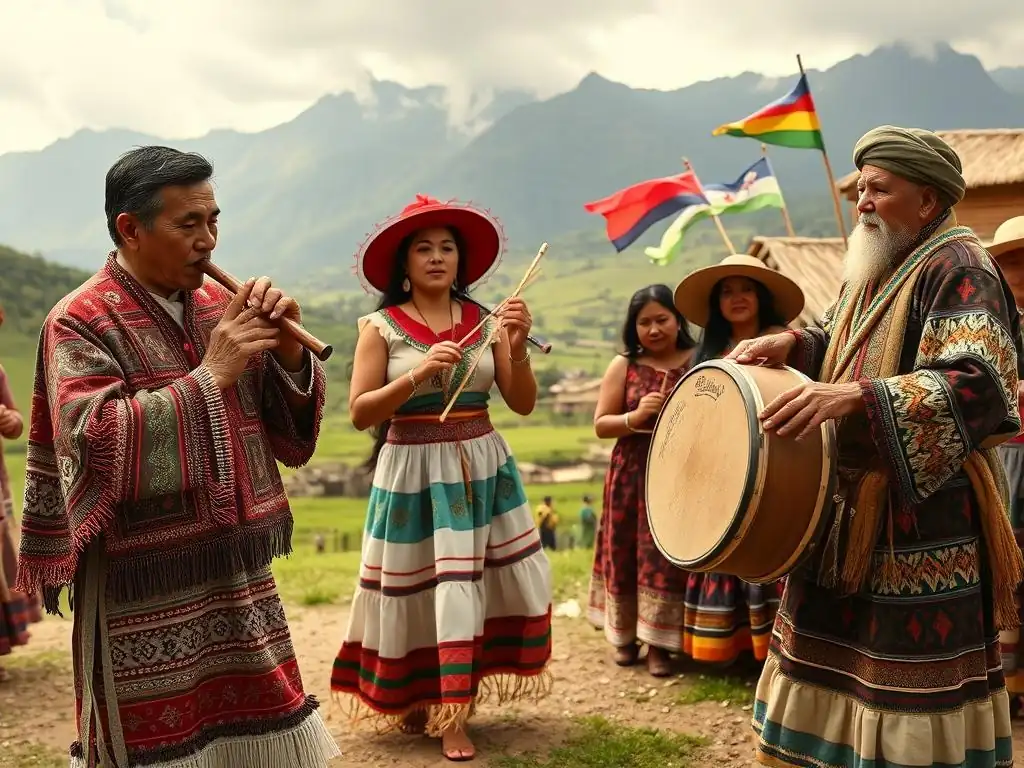
The rich tapestry of Andean music is woven from various genres and styles that reflect the diverse cultural heritage of the region. These musical forms not only serve as a means of artistic expression but also as vital elements of social identity, spiritual practices, and cultural preservation. This section delves into the primary genres of Andean music, highlighting their unique characteristics and cultural significance.
Folk Music: Preservation of Cultural Identity
Folk music in the Andean region plays a crucial role in maintaining and expressing cultural identity among indigenous communities. Often passed down through generations, these musical traditions embody the values, stories, and experiences of the people.
- Instruments: Traditional instruments such as the charango (a small string instrument) and the pan flute (or zampona) are integral to folk music. Their distinctive sounds evoke the natural landscapes of the Andes, connecting the music to the environment.
- Themes: Common themes in folk songs include:
- Nature: Celebrating the beauty of the Andean landscape.
- Community: Narratives that reflect social bonds and collective experiences.
- History: Songs that recount historical events and the legacies of ancestral figures.
Folk music festivals, such as the Fiesta de la Virgen de la Candelaria in Peru, showcase these traditions, drawing both local and international audiences. This vibrant display not only entertains but also reinforces a sense of belonging among participants.
Sacred Music: Connections to Spiritual Practices
In the Andean societies, music is deeply intertwined with spirituality and ritual. Sacred music serves as a conduit for communication with deities and ancestors, providing insights into the spiritual beliefs of indigenous cultures.
- Rituals and Ceremonies: Sacred music is often performed during important events, such as:
- Harvest Festivals: Songs to thank Pachamama (Mother Earth) for her bounty.
- Rites of Passage: Music accompanying rituals that mark significant life events, such as births and deaths.
- Instruments and Styles: Instruments like the bombo (a large drum) and the tarka (a traditional flute) are commonly used in sacred music. The rhythmic patterns and melodies serve to invoke a spiritual atmosphere, facilitating connection with the divine.
The significance of sacred music is evident in its role in reinforcing cultural values and community ties, ensuring that spiritual practices remain vibrant and relevant.
Contemporary Andean Music: Blending Tradition and Modernity
As global influences permeate traditional cultures, contemporary Andean music emerges as a dynamic fusion of old and new. This genre represents a dialogue between indigenous musical elements and modern styles, creating an innovative space for artistic expression.
- Fusion Genres: Contemporary Andean music often incorporates elements from:
- Rock: Bands like Los Kjarkas have blended rock with traditional Andean sounds, reaching wider audiences.
- Jazz: Musicians explore improvisation while using Andean instruments, creating unique soundscapes.
- Cultural Impact: Contemporary artists leverage digital platforms to disseminate their music, allowing for greater visibility of Andean culture on a global scale. This not only promotes cultural pride but also challenges stereotypes associated with indigenous music.
Contemporary Andean music serves as a testament to the resilience and adaptability of indigenous cultures, illustrating how traditional practices can evolve while retaining their cultural significance.
Through its diverse genres and styles, Andean music remains a vital aspect of cultural identity, spirituality, and modern expression, encapsulating the rich heritage and ongoing evolution of Andean societies.
The Cultural Significance of Andean Music Today
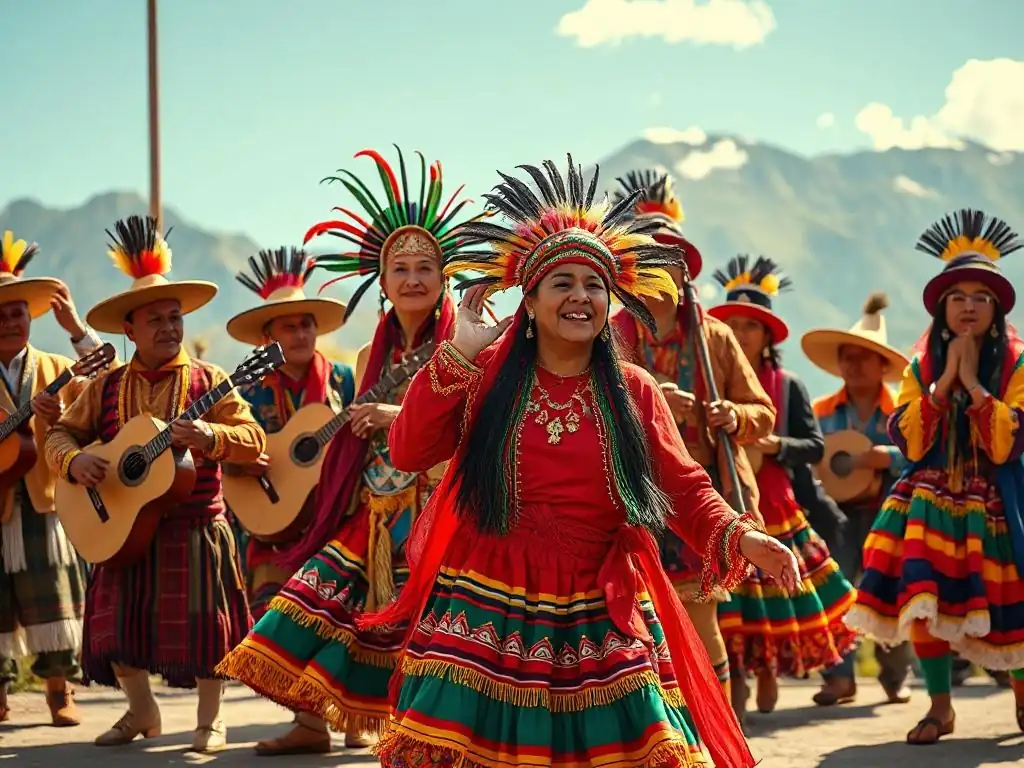
Andean music holds profound cultural significance that extends beyond mere entertainment; it serves as a vital expression of identity, history, and social cohesion among Andean communities. This music is steeped in traditions and rituals, often intertwined with the agricultural calendar, religious practices, and community gatherings, reflecting the unique worldview of the Andean peoples.
Preservation Efforts for Traditional Music
The preservation of traditional Andean music is critical to maintaining cultural heritage. Various organizations and communities are actively engaged in efforts to document and revitalize these musical traditions.
- Community Workshops: Many indigenous communities conduct workshops where elders teach younger generations traditional songs, instruments, and dances. These workshops emphasize the importance of oral traditions and storytelling.
- Festivals and Cultural Events: Annual festivals, such as Inti Raymi, play a crucial role in showcasing Andean music. These events bring together musicians and dancers, fostering a sense of pride and continuity within the community.
- Digital Archiving: The rise of digital technology has enabled the creation of online platforms that archive recordings of traditional Andean music, making it accessible to a global audience. These digital resources contribute to the awareness and appreciation of Andean music beyond its geographical roots.
The Influence of Andean Music on Global Music Scenes
Andean music has transcended its regional boundaries, influencing a variety of global music scenes. This impact is evident in several ways:
- Fusion Genres: Contemporary musicians often blend traditional Andean instruments, such as the charango and pan flute, with other musical styles, creating fusion genres that appeal to diverse audiences. This fusion not only broadens the reach of Andean music but also revitalizes interest in its traditional forms.
- Cultural Collaborations: Artists from various backgrounds collaborate with Andean musicians, leading to innovative projects that honor the traditional while exploring new creative expressions. Such collaborations contribute to a rich tapestry of global music that celebrates cultural diversity.
- World Music Festivals: Andean music is frequently featured in world music festivals, introducing international audiences to its rhythms and melodies. These platforms provide Andean musicians with opportunities to showcase their artistry and connect with global fans.
Challenges Facing Andean Musicians in the Modern Era
Despite the growing interest in Andean music, musicians face several challenges in the modern era:
- Commercialization: The commercialization of music can lead to the dilution of traditional practices. Some musicians feel pressured to adapt their art to fit mainstream trends, risking the authenticity of their cultural expressions.
- Economic Barriers: Many traditional musicians struggle with financial instability, as opportunities for paid performances can be limited. This economic challenge makes it difficult for them to sustain their artistic practices and invest in the preservation of their cultural heritage.
- Cultural Appropriation: As Andean music gains popularity, issues of cultural appropriation arise. Indigenous musicians often express concern over non-indigenous artists profiting from their cultural expressions without proper acknowledgment or respect for their origins.
While Andean music continues to play a vital role in the cultural fabric of Andean societies, ongoing efforts to preserve its traditions, influence global music, and address modern challenges are essential to ensure its vibrancy and significance for future generations.
Conclusion
Recap of Andean Music's Cultural Significance
Andean music holds a pivotal role in the cultural tapestry of the Andean societies, serving not only as a form of artistic expression but also as a vessel for cultural identity and tradition. The rich tapestry of Andean music cultural significance can be seen in various aspects:
- Cultural Identity: Music is a crucial element in expressing the unique identity of Andean communities. Traditional instruments such as the charango, zampoña, and bombo are not merely tools for creating sound; they symbolize the connection to ancestral heritage and the environment.
- Rituals and Ceremonies: Music plays an integral role in rituals, festivities, and ceremonies, often linked to agricultural cycles and religious beliefs. For instance, Inti Raymi, the Festival of the Sun, features music that honors the earth and celebrates the harvest, showcasing the spiritual connection between communities and their land.
- Storytelling and Oral Tradition: Through songs, stories of history, mythology, and moral lessons are passed down through generations. This oral tradition is essential for preserving cultural narratives and fostering a sense of belonging among community members.
The significance of Andean music transcends mere entertainment; it encapsulates the essence of community life, reflecting the values, struggles, and aspirations of the Andean peoples.
The Future of Music in Andean Societies
As globalization continues to influence cultural practices, the future of music in Andean societies presents both challenges and opportunities.
- Fusion and Innovation: New generations of musicians are blending traditional Andean sounds with contemporary genres, creating innovative musical styles that resonate with younger audiences. This fusion not only revitalizes interest in traditional music but also allows for its evolution. For example, the combination of cumbia with Andean instruments has gained popularity, ensuring that the music remains relevant.
- Preservation Efforts: Organizations and cultural initiatives are striving to preserve traditional music through workshops, festivals, and educational programs. By teaching the younger generation about traditional instruments and songs, they aim to sustain the cultural heritage for future generations.
- Global Recognition: The rise of digital platforms has enabled Andean music to reach a wider audience. Artists are now able to share their work globally, garnering appreciation and respect for the richness of Andean musical traditions. This exposure can lead to a greater understanding and celebration of the cultural significance of Andean music.
While the future of Andean music may be influenced by external factors, the core values and cultural significance embedded in its traditions will continue to thrive, adapting to contemporary contexts while honoring the past. The resilience of Andean music ensures that it remains a vital aspect of cultural identity, community connection, and expression for generations to come.
Frequently Asked Questions
What is the cultural significance of Andean music?
Andean music plays a crucial role in cultural identity, reflecting the history, traditions, and spiritual beliefs of indigenous communities in the Andes.
How has Andean music evolved over time?
Andean music has evolved through cultural exchanges and the influence of colonization, yet it has retained its unique characteristics and continues to be a vital part of community life.
What instruments are commonly used in Andean music?
Instruments like the charango, pan flute (siku), and drums (bombo) are essential in Andean music, each contributing to its distinctive sound and rhythms.
How does Andean music reflect the society's values?
Andean music often conveys themes of community, nature, and spirituality, showcasing the values and beliefs that are central to the Andean way of life.
What role do festivals play in the performance of Andean music?
Festivals serve as important occasions for the performance of Andean music, where it is used to celebrate cultural heritage, strengthen community bonds, and honor ancestral traditions.
Final Reflection: The Enduring Echoes of Andean Music
The cultural significance of Andean music resonates profoundly in today's world, reminding us of the deep connections between sound, identity, and community. As we navigate an increasingly globalized society, the rhythms and melodies of the Andes serve as a powerful reminder of the rich tapestry of human experience, illustrating how music can transcend time and space to foster unity and understanding among diverse cultures. The enduring legacy of Andean music highlights its role not just as an art form, but as a vital expression of cultural heritage that continues to inspire and uplift.
The influence of Andean music extends far beyond its geographical origins, shaping the cultural and social landscape in ways that are both subtle and profound. From traditional festivals to contemporary fusion genres, the rhythms of the Andes have woven themselves into the fabric of global music, inviting listeners to partake in a shared experience of joy, sorrow, and celebration.
As the renowned musician Susana Baca once said, "> Music is the voice of the people, a reflection of their struggles and triumphs." This sentiment encapsulates the essence of Andean music, which not only preserves the stories of its ancestors but also empowers new generations to express their identities and aspirations.
As we reflect on the lessons embedded in the rich tradition of Andean music, I invite you to consider how you can incorporate these rhythms into your own life. Take a moment to explore the sounds that resonate with your spirit, whether through listening, learning an instrument, or even participating in a local cultural event.
By embracing the cultural significance of Andean music, we not only honor its legacy but also enrich our own lives with the beauty and wisdom it offers. Let the ancient rhythms guide you toward a deeper understanding of yourself and the world around you, fostering connections that celebrate our shared humanity.
Uncover Your Own Ancient Rhythms!
Thank you for exploring the enchanting world of Andean music and its profound impact on society. You've discovered the importance of rhythms that transcend time and culture. Now, it's your turn to engage with this rich musical heritage!
Here are a few meaningful ways to connect with the rhythms of the Andes:
- Attend local music events or cultural festivals that celebrate Andean traditions in your community. Experience the vibrancy firsthand!
- Spread the word by sharing this article with friends or on social media to raise awareness of the beauty and significance of Andean music.
- Deepen your understanding by listening to curated Andean music playlists on streaming platforms. Let it inspire your own creative journey!
How do you believe traditional music can influence modern society?