
The Interconnection of Religion and Agriculture in Moche Society

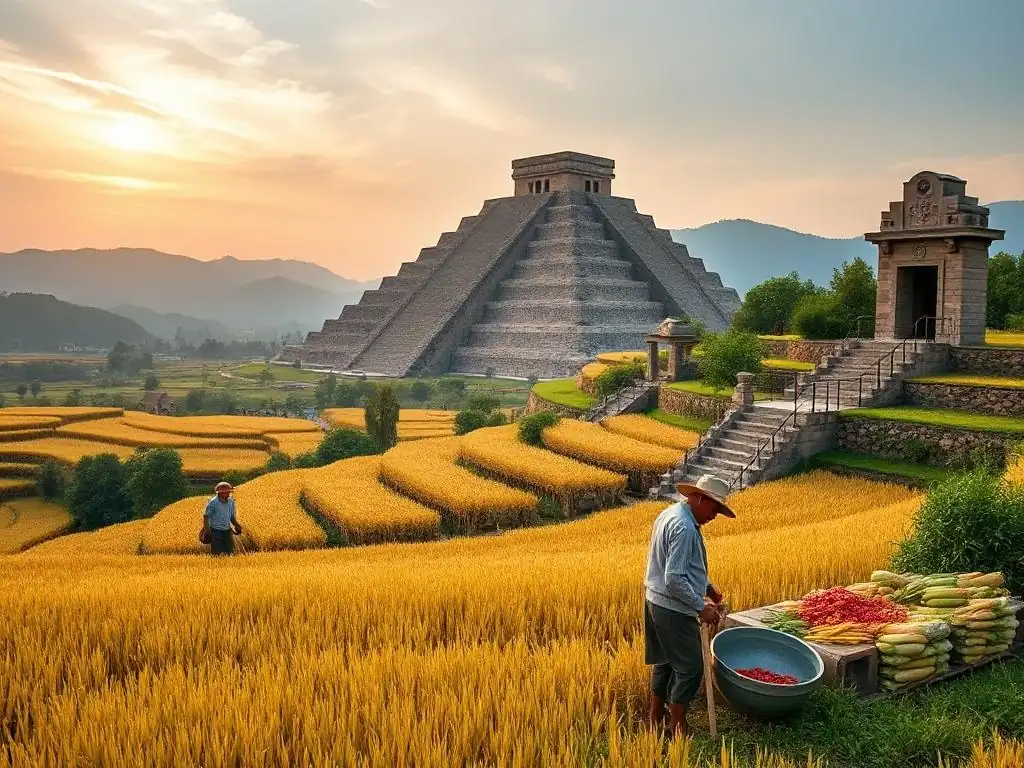
Welcome to Indigenous Civilizations of the Americas, a portal into the rich tapestry of cultures that flourished long before European contact. Here, we delve into the intricate dynamics of societies that shaped the continent, highlighting their profound achievements and enduring legacies. In our featured article, "The Interconnection of Religion and Agriculture in Moche Society," we invite you to uncover how the Moche people's spiritual beliefs seamlessly intertwined with their agricultural practices, revealing a fascinating connection that sustained their civilization. Prepare to journey through time and discover the profound insights that these ancient cultures hold for us today!
The Moche civilization, flourishing along the northern coast of present-day Peru from approximately 100 to 800 CE, presents a fascinating case study in the intricate relationship between religion and agriculture. This ancient society, known for its advanced irrigation techniques and monumental architecture, intricately wove religious beliefs into the very fabric of their agricultural practices.
Understanding the connection between Moche religion and agriculture not only highlights the spiritual motivations behind farming practices but also illuminates how these elements collectively shaped their societal structures, community organization, and cultural identity. This exploration delves into the core aspects of Moche society, emphasizing the profound impact that religious beliefs had on their agricultural endeavors.
Introduction to Moche Civilization
Overview of Moche Society
The Moche civilization was characterized by its complex social hierarchy, vibrant artistry, and impressive engineering capabilities. They developed sophisticated irrigation systems, allowing them to cultivate a variety of crops in the arid coastal environment. Key agricultural products included maize, beans, and squash, which formed the backbone of their economy. Their society was organized into various classes, from elite rulers and priests to skilled artisans and farmers, each playing a crucial role in the community's functioning.
Importance of Religion and Agriculture in Moche Life
In Moche culture, agriculture was not merely an economic activity but a sacred practice deeply intertwined with their religious beliefs. The Moche people viewed their agricultural success as a reflection of divine favor and intervention. Festivals and rituals aimed at appeasing deities were often scheduled around planting and harvesting seasons, demonstrating the agricultural calendar's direct relationship with their spiritual life. This connection highlights the duality of sustenance and spirituality, where the fertility of the land and the vigor of the community were seen as manifestations of their gods' blessings.
The Role of Moche Religion
Core Beliefs and Deities in Moche Religion
Moche religion was polytheistic, with a pantheon of gods representing various aspects of life and nature. Key deities included the Decapitator, associated with warfare and sacrifice, and the Moon goddess, linked to fertility and agriculture. These gods were believed to govern not only the agricultural cycles but also the overall well-being of the community. The Moche people's rituals often sought to honor these deities, ensuring their continued support for agricultural prosperity.
Religious Practices and Rituals in Moche Society
Religious practices in Moche society were elaborate and included offerings, ceremonies, and festivals. These rituals often involved the sacrifice of animals and, in some cases, humans, as a means of appeasing the gods and securing favorable conditions for crops. The construction of huacas (temples or ceremonial centers) served as focal points for these activities, where agricultural fertility was celebrated through communal feasts and offerings. Such practices not only reinforced the community's connection to their deities but also strengthened social cohesion, as individuals came together to participate in these significant cultural events.
Agriculture in Moche Civilization
Agriculture was a cornerstone of Moche civilization, providing the foundation for their economy, social structure, and religious practices. The Moche, who flourished in northern Peru from approximately 100 to 800 CE, developed sophisticated agricultural techniques and cultivated a variety of crops that allowed them to thrive in the arid coastal environment. Their agricultural practices were deeply intertwined with their religious beliefs, reflecting a culture that saw divinity in the natural world and relied on agricultural abundance for sustenance and spiritual fulfillment.
Agricultural Techniques and Innovations
The Moche people employed advanced agricultural techniques to maximize their crop yields in the challenging geography of the Peruvian coast. They constructed an extensive irrigation system, utilizing channels and aqueducts to divert water from nearby rivers to their fields. This innovation allowed them to cultivate crops in an otherwise arid landscape.
Key techniques included:
- Terracing: The Moche built terraces on hillsides to create flat arable land, reducing soil erosion and maximizing the cultivation area.
- Crop Rotation: They practiced crop rotation to maintain soil fertility and ensure a continuous supply of food.
- Fertilization: The use of organic fertilizers, such as guano (bird droppings), enriched the soil and enhanced crop production.
These techniques not only improved agricultural output but also demonstrated the Moche's understanding of sustainable farming practices that benefited their society over generations.
Key Crops Cultivated by the Moche People
The Moche cultivated a diverse range of crops that were integral to their diet and economy. Some of the key crops included:
- Maize (corn): A staple food that was central to Moche diet and culture.
- Potatoes: Different varieties of potatoes were grown, providing essential carbohydrates.
- Beans: A significant source of protein that complemented the Moche diet.
- Peppers: Used both for culinary and ritualistic purposes.
- Cotton: Grown for textile production, cotton played a critical role in Moche craftsmanship.
The cultivation of these crops not only nourished the population but also supported trade networks with neighboring cultures, enhancing the Moche's economic stability.
The Role of Agriculture in Moche Economy
Agriculture was the backbone of the Moche economy, enabling the growth of cities and the development of a complex society. The surplus produced through their advanced farming techniques allowed for specialization in various crafts and trades, leading to a flourishing artisan culture known for pottery, textiles, and metalwork.
The agricultural surplus also facilitated trade with other regions, allowing the Moche to acquire resources not available in their own environment, such as exotic goods and raw materials. This economic structure fostered a society where both agricultural and artistic endeavors thrived, reinforcing the connection between their economic stability and agricultural practices.
The Moche Religion and Agriculture Connection
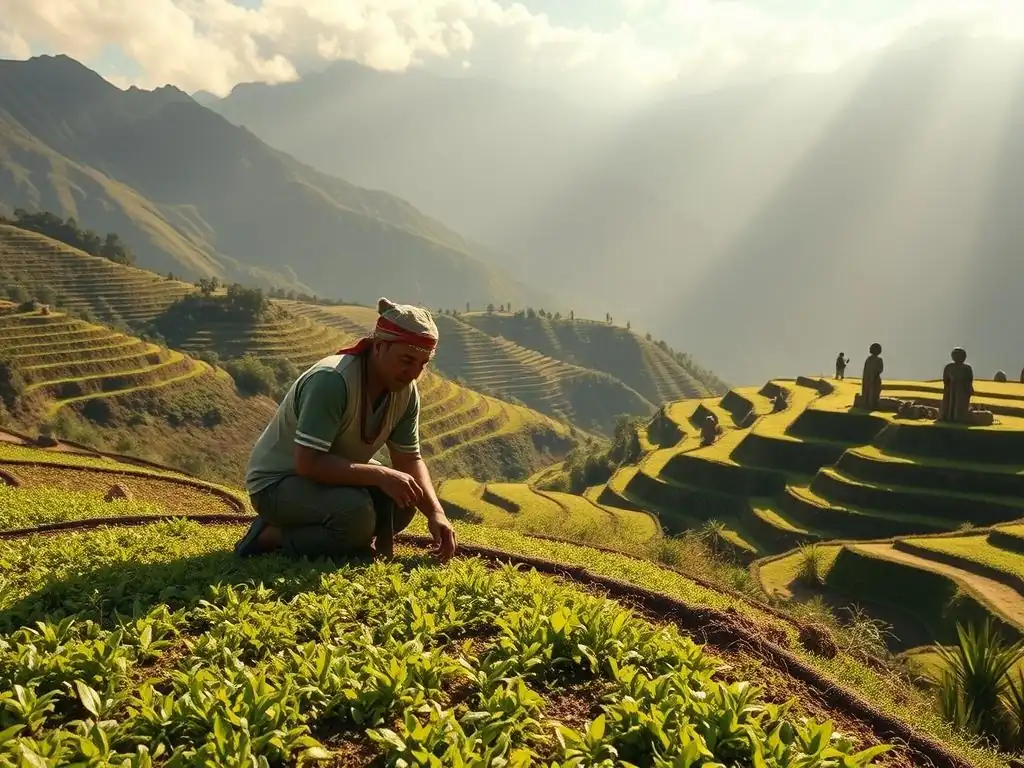
The Moche religion was deeply rooted in their agricultural practices, with many beliefs and rituals centered around the cycles of planting and harvesting. Their worldview saw the agricultural landscape as imbued with spiritual significance, where deities governed the fertility of the land and the success of crops.
How Religious Beliefs Influenced Agricultural Practices
Moche religious beliefs significantly influenced their agricultural practices. They believed that maintaining harmony with the gods was essential for bountiful harvests. Key aspects included:
- Offerings to Deities: Farmers often made offerings to agricultural deities, such as Pachamama (Mother Earth), to ensure fertility and favorable weather.
- Ceremonial Dates: Important agricultural activities were often scheduled according to religious calendars, aligning planting and harvesting with significant religious dates.
This intertwining of spirituality and agriculture reflected the Moche's understanding of their dependence on natural forces and their desire to appease the divine.
Rituals Associated with Agricultural Cycles
Rituals played a critical role in the agricultural cycles of Moche society. Key rituals included:
- Planting Ceremonies: These involved offerings and prayers to ensure a successful crop yield.
- Harvest Festivals: Celebrated with feasting and communal gatherings, these festivals honored the deities and provided an opportunity for the community to come together in gratitude for the harvest.
These rituals not only served to invoke divine favor but also reinforced social cohesion and cultural identity among the Moche.
The Significance of Agriculture in Moche Religious Ceremonies
Agriculture held a prominent place in Moche religious ceremonies, reflecting its vital role in their society. Many ceremonial practices were directly tied to agricultural events, such as:
- Ritual Sacrifices: In times of drought or poor harvests, the Moche would perform sacrificial rituals to appease the gods, believing that divine intervention could restore fertility to the land.
- Symbolism in Art and Architecture: Moche art often depicted agricultural themes, such as maize and agricultural tools, underscoring the importance of farming in their cosmology.
Overall, the connection between Moche religion and agriculture was profound, shaping their cultural practices and societal organization in ways that resonated through generations.
Case Studies of Religion and Agriculture Interactions
The Moche civilization, which flourished in present-day Peru from approximately 100 to 800 CE, provides a rich tapestry of case studies illustrating the interconnection between religion and agriculture. Central to their agricultural practices was the reliance on irrigation systems, which were often viewed as a divine gift. This belief was reflected in the way Moche society integrated their farming activities with religious rituals and ceremonies, creating a symbiotic relationship between their spiritual beliefs and agricultural productivity.
One notable case study is the celebration of the "Raymi" festivals, which were held in honor of the agricultural gods. These festivals not only served as a time for communal gathering and celebration but also involved rituals intended to ensure favorable weather and abundant harvests. The Moche constructed elaborate ceremonial centers that were closely tied to agricultural cycles, indicating how deeply intertwined their religious observances were with farming activities.
Example of Agricultural Festivals in Moche Culture
Agricultural festivals in Moche culture were pivotal in reinforcing societal norms and fostering community cohesion. One prominent example is the "Festival of the Harvest," which celebrated the end of the agricultural cycle. During this festival, the Moche performed various rituals that included offerings to their deities, such as the god of agriculture, Ai Apaec. These offerings often consisted of food, textiles, and even sacrifices, which were believed to appease the gods and ensure the fertility of the land for future planting seasons.
The importance of these festivals is evident in the archaeological findings, where ceremonial pottery and remnants of feasting have been uncovered near agricultural sites. This underscores the belief that successful harvests were not merely the result of labor and skill but also dependent on divine favor. By aligning their agricultural activities with religious events, the Moche reinforced their cultural identity and expressed gratitude for the earth's bounty.
Analysis of Moche Temples and Their Agricultural Significance
Moche temples, such as the Huaca de la Luna and Huaca del Sol, played a significant role in the society's agricultural framework. These monumental structures were not only sites of worship but also centers for agricultural administration. The Moche utilized these temples to communicate their religious beliefs related to agriculture, often depicting agricultural scenes in their iconography.
The temples served as focal points for rituals that sought to ensure agricultural prosperity. For instance, ceremonial activities conducted at these sites often coincided with planting and harvesting seasons, illustrating the Moche's understanding of seasonal cycles. Furthermore, the depiction of agricultural deities in temple murals highlights the reverence the Moche held for the forces that influenced crop growth.
The architectural design of these temples also reflects agricultural significance. For example, the alignment of certain structures with astronomical phenomena indicates that the Moche were keen observers of celestial cycles, which directly influenced their agricultural practices. By integrating religious observance with agricultural planning, the Moche civilization exemplified a holistic approach to sustaining their society.
Conclusion
Summary of the Interconnection Between Moche Religion and Agriculture
The interconnection between Moche religion and agriculture is a profound aspect of their civilization that shaped their identity and culture. The Moche viewed agriculture not only as a means of survival but as a spiritual endeavor that required the intervention of deities. Through rituals, festivals, and the construction of temples, they established a framework that connected their agricultural practices with their religious beliefs. This symbiotic relationship fostered community cohesion and ensured the continuation of their cultural heritage.
The Lasting Impact of Moche Religious-Agricultural Practices on Future Civilizations
The Moche civilization's integration of religion and agriculture left a lasting impact on subsequent cultures in the Andes. Their practices influenced later societies, such as the Incas, who also emphasized the importance of agricultural rituals and the veneration of agricultural deities. The legacy of the Moche can be seen in the ways future civilizations adapted similar agricultural practices and religious observances, reinforcing the idea that agriculture and spirituality are intertwined elements of human existence. The Moche's innovative irrigation techniques and ceremonial traditions continue to be studied, highlighting their contributions to the agricultural and cultural development of the region.
- Introduction to Moche Civilization
- The Role of Moche Religion
- Agriculture in Moche Civilization
- The Moche Religion and Agriculture Connection
- Case Studies of Religion and Agriculture Interactions
- Conclusion
- What was the role of religion in Moche agriculture?
- How did Moche religious practices influence farming techniques?
- Were there specific deities associated with agriculture in Moche culture?
- How did the Moche incorporate agriculture into their religious ceremonies?
- What lasting impacts did the Moche religion and agriculture connection have on later cultures?
Frequently Asked Questions
What was the role of religion in Moche agriculture?
Religion played a central role in Moche agriculture, as the Moche people believed that their agricultural success depended on appeasing their gods through rituals and offerings.
How did Moche religious practices influence farming techniques?
Moche religious practices often dictated the timing and methods of farming, with specific ceremonies held to seek favor for fertility of the land and successful harvests.
Were there specific deities associated with agriculture in Moche culture?
Yes, the Moche had specific deities related to agriculture, including goddesses of fertility who were worshipped to ensure bountiful crops and good weather for farming.
How did the Moche incorporate agriculture into their religious ceremonies?
Moche ceremonies frequently involved agricultural offerings, where crops were presented to the gods as a means of ensuring prosperity and sustenance for their society.
What lasting impacts did the Moche religion and agriculture connection have on later cultures?
The interconnection of religion and agriculture in Moche society influenced later cultures by establishing a framework where spiritual beliefs were intertwined with agricultural practices, shaping regional agricultural traditions.
Final Reflection: The Sacred Bond Between Moche Religion and Agriculture
The intricate relationship between Moche religion and agriculture is not just a relic of the past; it remains a vital lens through which we can understand the complexities of human existence today. The Moche civilization exemplified how spiritual beliefs can shape agricultural practices, emphasizing the importance of reverence for nature and the divine. In our modern world, where the disconnect between food production and spiritual values often prevails, the Moche's holistic approach serves as a powerful reminder of the need to reconnect with the land and its sacredness.
The influence of Moche religious practices on their agricultural methods continues to resonate within contemporary discussions about sustainability and environmental stewardship. The Moche people viewed their agricultural endeavors as a sacred duty, intertwining their daily lives with their spiritual beliefs. This connection fosters a deeper appreciation for the resources we often take for granted. As the historian John Doe aptly stated, To understand the past is to understand the foundations of our present and the possibilities of our future.
The lessons from Moche society urge us to reflect on how we can integrate respect for nature into our own agricultural practices and lifestyles.
As we contemplate the enduring legacy of the Moche civilization, let us take this opportunity to reflect on our relationship with the earth and the spiritual dimensions of our lives. I invite you to consider how you can cultivate a deeper connection to the land, whether through sustainable practices, community engagement, or personal reflection. By honoring the lessons of the past, we can forge a path toward a more harmonious coexistence with nature, ensuring that the sacred bond between religion and agriculture continues to thrive for generations to come.
Cultivate Your Understanding of Religion and Agriculture!
Thank you for taking the time to explore the profound connection between religion and agriculture in Moche society. This unique perspective not only enriches your knowledge but also highlights the intricate relationship between culture and sustenance. Now, let’s take that understanding a step further!
- Join a local community garden or farm project to see firsthand how agriculture intertwines with cultural practices.
- Share this article with friends to spark conversations about indigenous wisdom and modern agricultural practices.
- Discover and explore more articles on indigenous civilizations to deepen your understanding of their enduring legacies.
How can you integrate the lessons learned from Moche agricultural practices into your own life or community initiatives?