
The Significance of Biodiversity in Indigenous Resource Management

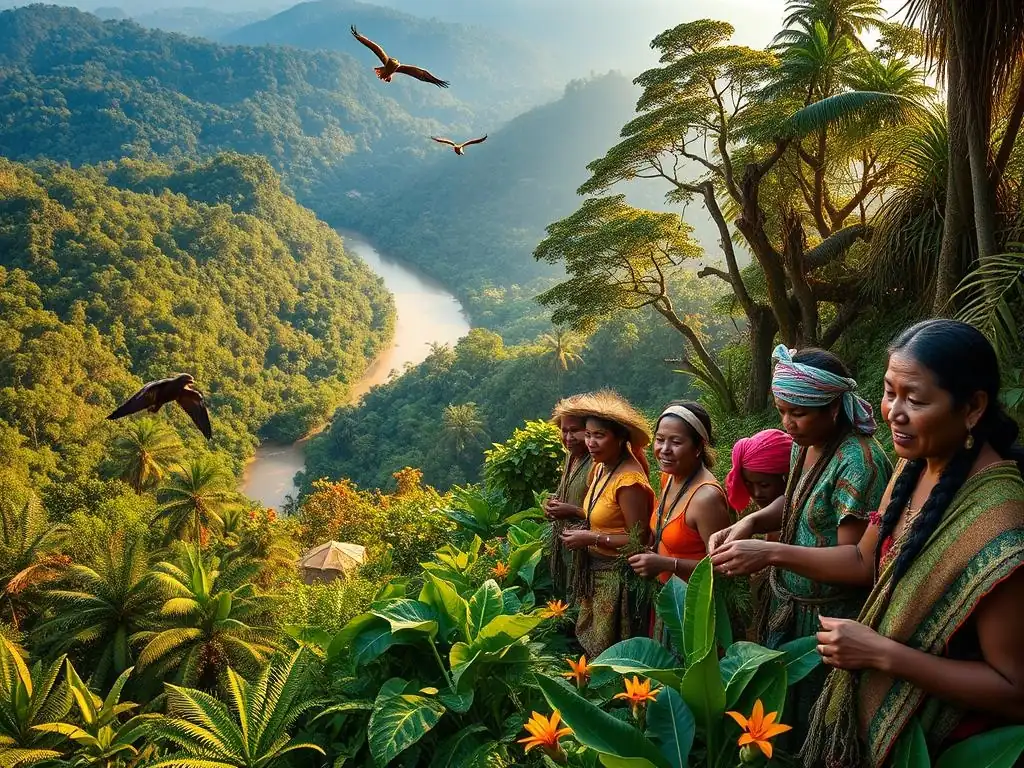
Welcome to Indigenous Civilizations of the Americas, where we invite you to embark on a fascinating journey through the rich tapestry of indigenous cultures that once flourished across the vast landscapes of the Americas. Here, you will uncover the profound significance of Indigenous biodiversity resource management, a practice that not only showcases the remarkable relationship between these societies and their environment but also highlights their innovative approaches to sustainability.
As you delve deeper into our featured article, you’ll discover how these ancient techniques continue to resonate today, shaping our understanding of resource stewardship. Prepare to be inspired and enlightened as you explore the legacies that still influence our world.
The relationship between indigenous peoples and biodiversity is a profound aspect of the cultural and ecological tapestry of the Americas. As custodians of some of the most biodiverse regions on the planet, indigenous communities have developed intricate systems of resource management that highlight the importance of biodiversity not just for ecological health, but also for cultural identity and sustainability.
This article delves into the concept of indigenous biodiversity resource management, shedding light on how these traditional practices contribute to the preservation of ecosystems and the resilience of indigenous cultures. Through a comprehensive exploration of the definitions, historical contexts, and the application of traditional ecological knowledge (TEK), we aim to illuminate the significant role that biodiversity plays in the sustenance of indigenous societies.
Understanding Indigenous Biodiversity
Definition of Indigenous Biodiversity
Indigenous biodiversity refers to the variety of life forms that are native to a specific region and have developed in tandem with local indigenous cultures over thousands of years. This biodiversity encompasses not only the species of plants and animals but also the ecosystems in which they thrive. The recognition of indigenous biodiversity emphasizes the unique relationship between these life forms and the indigenous peoples who have historically managed and utilized them.
Importance of Biodiversity in Indigenous Cultures
Biodiversity holds immense significance for indigenous cultures, serving as the foundation for their subsistence, spirituality, and social structures. Here are some key points highlighting this importance:
- Cultural Identity: Many indigenous cultures are deeply tied to specific species and ecosystems, which play a vital role in their traditions, stories, and spiritual beliefs.
- Sustainable Practices: Indigenous knowledge systems often promote sustainable practices that ensure the longevity of both the resources and the ecosystems.
- Medicinal Resources: A wealth of indigenous knowledge about local flora and fauna contributes to the development of traditional medicine, making biodiversity crucial for health and well-being.
- Food Security: Biodiversity provides a varied diet that is essential for nutrition and food security, showcasing the interconnectedness of ecological health and human survival.
The Role of Indigenous Peoples in Biodiversity Resource Management
Historical Context of Indigenous Resource Management
Indigenous peoples have practiced resource management for thousands of years, developing complex systems that prioritize sustainability and ecological balance. These practices often include:
- Land Stewardship: Indigenous communities have historically engaged in active land stewardship, utilizing methods such as controlled burns and crop rotation to maintain the health of their environments.
- Seasonal Harvesting: Many cultures have developed seasonal harvesting methods that align with the natural rhythms of the ecosystem, ensuring that resources are not overexploited.
- Community-Based Management: Resource management is frequently a communal effort, with collective decision-making processes that reflect the values and needs of the community.
Traditional Ecological Knowledge (TEK) and Its Impact
Traditional Ecological Knowledge (TEK) represents the cumulative knowledge of indigenous peoples regarding their local environment, developed through generations of observation and interaction. TEK is characterized by:
- Holistic Understanding: TEK emphasizes the interconnectedness of all living things, fostering a holistic approach to resource management that considers ecological, social, and cultural factors.
- Adaptive Management: Indigenous practices are often adaptive, allowing communities to respond to changing environmental conditions and challenges, such as climate change.
- Conservation Practices: TEK has been instrumental in the conservation of biodiversity, as indigenous practices often prioritize the protection of vital ecosystems and species.
Incorporating these elements of indigenous biodiversity resource management not only honors the knowledge and practices of indigenous communities but also provides valuable insights for contemporary environmental management efforts.
Key Principles of Indigenous Biodiversity Resource Management
Indigenous biodiversity resource management is grounded in several key principles that reflect the values and practices of indigenous cultures. These principles emphasize the importance of harmony with nature, respect for all living beings, and the interdependence of ecosystems.
- Holistic Perspective: Indigenous cultures often view the environment as an interconnected system. This holistic approach recognizes that the well-being of the community is linked to the health of the ecosystem, fostering sustainable practices that benefit both.
- Traditional Ecological Knowledge (TEK): TEK encompasses the accumulated knowledge of indigenous peoples regarding the relationships between living beings and their environment. This knowledge is passed down through generations and includes practices that have proven effective in resource management.
- Cultural Significance: Biodiversity is not just a resource; it holds cultural, spiritual, and historical significance for indigenous communities. The management of biodiversity often involves cultural practices and ceremonies that reinforce the relationship between people and nature.
- Adaptability: Indigenous resource management practices are often adaptive, allowing communities to respond to changes in their environment. This adaptability is crucial in the face of climate change and other environmental pressures.
- Community Governance: Indigenous peoples often prioritize local governance in resource management. Decisions are made collectively, ensuring that the voices of all community members are heard and that management strategies reflect their collective needs and values.
Sustainable Practices in Indigenous Resource Management
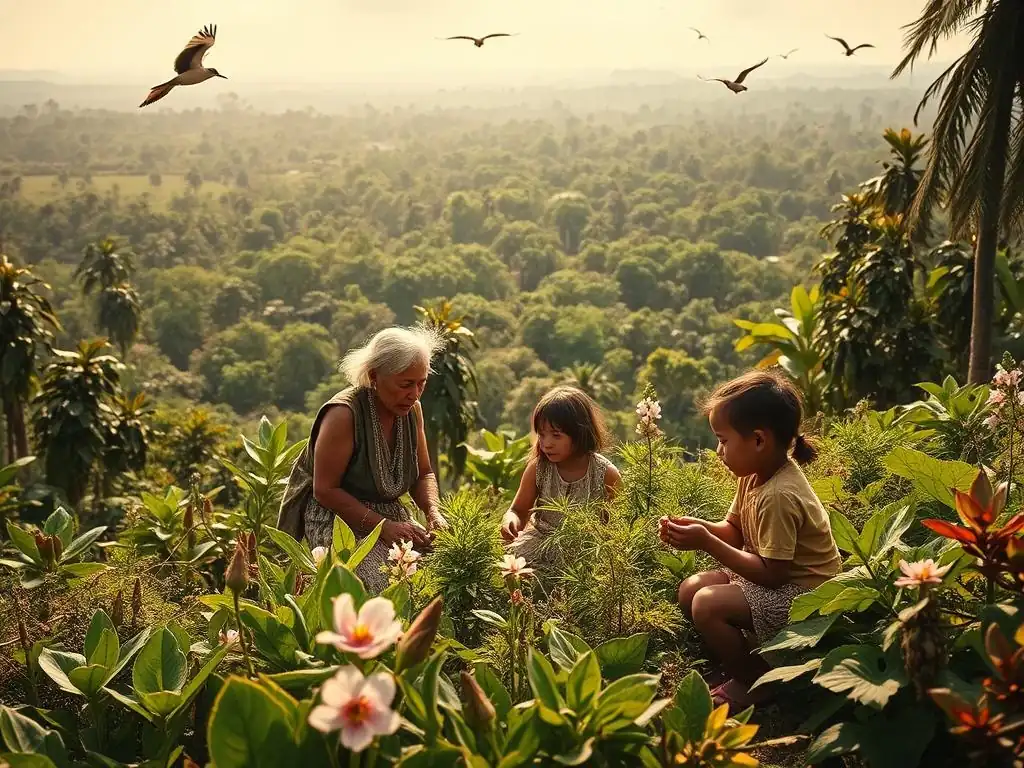
Sustainable practices in indigenous resource management are essential for maintaining biodiversity and ecosystem health. These practices are often informed by generations of experience and a deep understanding of local ecosystems.
- Rotational Harvesting: Many indigenous communities employ rotational harvesting techniques, which involve using specific areas for resource extraction in cycles. This allows ecosystems to recover and regenerate, promoting biodiversity.
- Permaculture and Agroecology: Indigenous agricultural practices often incorporate principles of permaculture and agroecology, focusing on polycultures and biodiversity to enhance soil health and reduce pests without synthetic inputs.
- Fire Management: Controlled burning is a traditional practice used by various indigenous groups to manage landscapes. This technique promotes new growth, prevents larger wildfires, and supports habitat diversity.
- Water Management: Indigenous practices in water management often include traditional irrigation methods and the restoration of natural waterways, which support aquatic biodiversity and maintain hydrological cycles.
Community-Based Approaches to Biodiversity Conservation
Community-based approaches are pivotal in indigenous biodiversity resource management, as they prioritize local knowledge and participation.
- Participatory Governance: Engaging community members in decision-making processes ensures that management strategies reflect local needs and cultural values. This participatory governance model empowers communities to take ownership of conservation efforts.
- Capacity Building: Training and education initiatives help communities develop the skills necessary for effective biodiversity management. These programs often incorporate TEK and contemporary scientific knowledge, creating a bridge between traditional and modern practices.
- Collaborative Partnerships: Indigenous communities often form partnerships with governmental and non-governmental organizations to enhance their conservation efforts. These collaborations can provide resources and technical support while respecting indigenous rights and knowledge.
- Monitoring and Evaluation: Community-led monitoring programs allow for the assessment of biodiversity health and the effectiveness of management practices. This ongoing evaluation helps adapt strategies in response to new challenges or changes in the ecosystem.
Case Studies: Successful Indigenous Biodiversity Management
Case studies of indigenous biodiversity management provide practical examples of how traditional practices can effectively conserve resources and support ecosystems. These examples illustrate the successes achieved when indigenous knowledge and community involvement are prioritized.
Case Study 1: The Haida Nation and Forest Management
The Haida Nation, located in British Columbia, Canada, has developed a comprehensive approach to forest management that emphasizes sustainability and respect for nature. Through their stewardship practices, the Haida have:
- Implemented an ecosystem-based management plan that integrates traditional ecological knowledge with scientific research.
- Established a network of protected areas to safeguard critical habitats and species.
- Engaged in successful collaborations with government agencies to influence forestry policies and practices, ensuring that indigenous rights are upheld.
This holistic approach has not only preserved biodiversity but has also revived cultural practices related to forest use and management.
Case Study 2: The Maori and Marine Resource Stewardship
The Maori of New Zealand have a long-standing relationship with the ocean, viewing marine resources as taonga (treasures) that must be protected. Their approach to marine resource stewardship includes:
- The establishment of Marine Protected Areas (MPAs) that reflect both cultural values and ecological needs.
- The use of customary fishing practices that regulate harvests based on traditional knowledge and seasonal cycles.
- Active participation in policymaking processes to ensure that indigenous voices are heard in the management of marine resources.
Through these practices, the Maori have successfully maintained healthy marine ecosystems, demonstrating the effectiveness of integrating cultural values into resource management.
Challenges Facing Indigenous Biodiversity Resource Management
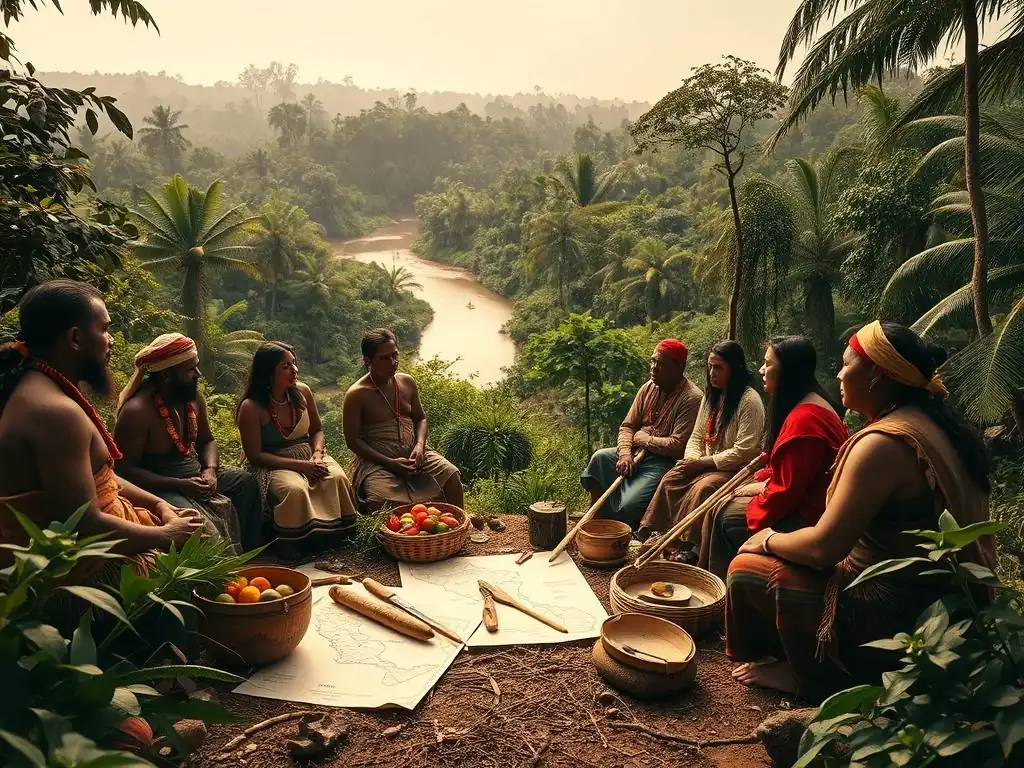
Indigenous biodiversity resource management faces a myriad of challenges that threaten the effectiveness of traditional practices. These challenges stem from both external pressures and internal community dynamics, making it essential for stakeholders to recognize and address them.
One of the most significant challenges is the encroachment of industrial activities, such as mining, agriculture, and urban development, which often lead to habitat destruction and degradation. This not only disrupts the ecosystems that Indigenous communities rely on but also diminishes their ability to manage these resources sustainably. Furthermore, the loss of land and access to traditional territories undermines the cultural practices and ecological knowledge that have been passed down through generations.
Another critical issue is the lack of recognition and support for Indigenous rights and governance systems. Many Indigenous communities struggle to assert their rights to land and resources, which can hinder their ability to manage biodiversity effectively. This lack of legal recognition often results in conflicts with governmental bodies and private enterprises, leading to a marginalization of Indigenous voices in resource management discussions.
Threats to Indigenous Biodiversity
Indigenous biodiversity is under constant threat from various factors that compromise the delicate balance of ecosystems. One of the most pressing threats is deforestation, primarily driven by agricultural expansion and logging. This not only results in the loss of flora and fauna but also affects the livelihoods of Indigenous peoples who depend on these resources for food, medicine, and cultural practices.
Pollution from industrial activities, such as mining and waste disposal, further exacerbates these threats. Contaminated water sources and degraded soil can lead to health problems for Indigenous communities and reduce the availability of traditional food sources. Additionally, invasive species introduced through global trade and travel pose a significant risk, as they often outcompete native species and disrupt local ecosystems.
Moreover, overfishing and unsustainable harvesting practices can deplete aquatic resources, which are vital to many Indigenous cultures. The decline of fish populations not only threatens food security but also impacts the cultural practices tied to fishing and marine stewardship.
Impact of Climate Change on Indigenous Resource Management
Climate change poses a profound challenge to Indigenous resource management, as it alters weather patterns, disrupts ecosystems, and exacerbates existing vulnerabilities. Shifts in temperature and precipitation can lead to the decline of traditional crops and the emergence of new pests, affecting food security and traditional agricultural practices.
Furthermore, changing climate conditions can impact natural habitats, leading to the migration of species and altering biodiversity. For Indigenous communities that rely on specific plants and animals for their cultural and subsistence needs, these changes can threaten their way of life. The unpredictability of weather patterns can complicate traditional resource management strategies, which are often based on long-term ecological knowledge.
In addition, climate change can exacerbate existing social and economic inequalities, making it more challenging for Indigenous groups to adapt and sustain their resource management practices. The loss of biodiversity due to climate impacts can diminish the resilience of ecosystems, further complicating the management of these resources.
The Future of Indigenous Biodiversity Resource Management
Looking toward the future, it is crucial to integrate Indigenous knowledge and practices into broader conservation strategies. This approach not only honors the wisdom of Indigenous peoples but also enhances biodiversity management efforts. Indigenous knowledge systems, developed over millennia, emphasize the interconnection between humans and nature, fostering a holistic view of resource management that is often overlooked in conventional conservation models.
Integrating Indigenous Knowledge with Modern Conservation Efforts
Integrating Indigenous knowledge with modern conservation efforts presents a unique opportunity to enhance biodiversity resource management. Indigenous communities possess an intricate understanding of local ecosystems, informed by centuries of observation and interaction. This knowledge can complement scientific approaches, providing insights into sustainable practices and biodiversity preservation.
Collaborative efforts that involve Indigenous peoples in decision-making processes can lead to more effective conservation strategies. By recognizing and valuing Indigenous knowledge, conservation initiatives can be better tailored to the specific needs of local ecosystems and communities. Examples include co-management agreements and participatory research projects that empower Indigenous voices and ensure their traditional practices are respected and utilized.
Moreover, fostering partnerships between Indigenous communities and conservation organizations can facilitate knowledge exchange, capacity building, and resource sharing, ultimately leading to improved outcomes for both biodiversity and Indigenous rights.
Policy Recommendations for Supporting Indigenous Biodiversity Management
To effectively support Indigenous biodiversity resource management, policymakers must prioritize the rights and knowledge of Indigenous communities. Key recommendations include:
- Legal Recognition of Indigenous Rights: Governments should formally recognize Indigenous land rights and governance systems, ensuring that communities have the authority to manage their resources.
- Inclusive Policy Frameworks: Development of policies that actively involve Indigenous communities in biodiversity management, ensuring that their voices are heard in conservation planning and implementation.
- Funding and Resources: Increased funding for Indigenous-led conservation initiatives, providing the necessary resources for communities to engage in sustainable management practices.
- Education and Capacity Building: Programs that promote the exchange of knowledge between Indigenous peoples and scientists, fostering mutual learning and enhancing conservation efforts.
By implementing these recommendations, policymakers can create a supportive environment for Indigenous biodiversity resource management, ultimately leading to healthier ecosystems and more resilient communities.
Conclusion: The Importance of Recognizing Indigenous Contributions to Biodiversity
Indigenous communities have played a crucial role in the stewardship of biodiversity across the Americas, demonstrating sustainable practices that have been honed over thousands of years. Their intimate knowledge of local ecosystems, developed through generations of observation and interaction, has fostered resilience and adaptability in the face of environmental changes. Recognizing and valuing these contributions is essential not only for preserving cultural heritage but also for enhancing global biodiversity efforts.
Understanding Indigenous biodiversity resource management is vital for several reasons. Firstly, Indigenous practices often emphasize holistic approaches that integrate ecological, social, and spiritual dimensions. This interconnectedness leads to sustainable outcomes that benefit both the environment and the community. Secondly, the preservation of traditional knowledge is paramount in the face of modern challenges such as climate change and habitat destruction. By embracing these time-tested methods, we can enrich contemporary conservation strategies and promote a more inclusive approach to environmental stewardship.
Summary of Key Points
- Indigenous Stewardship: Indigenous communities have historically managed diverse ecosystems through sustainable practices, demonstrating a profound understanding of local biodiversity.
- Holistic Approaches: The strategies employed by Indigenous peoples often consider ecological, social, and spiritual factors, which result in more effective resource management and conservation outcomes.
- Traditional Knowledge: The importance of preserving traditional ecological knowledge cannot be overstated, especially as it offers valuable insights into resilience and adaptability in changing environments.
- Cultural Heritage: Recognizing Indigenous contributions to biodiversity is essential for preserving cultural identities and promoting respect for Indigenous rights and knowledge systems.
Call to Action for Supporting Indigenous Resource Management Practices
To support Indigenous biodiversity resource management, individuals and organizations can take several proactive steps:
- Advocate for Policy Changes: Engage with policymakers to promote the integration of Indigenous knowledge in environmental governance and resource management frameworks.
- Support Indigenous Rights: Uphold the rights of Indigenous peoples to manage their lands and resources, ensuring they have a voice in decision-making processes that affect their ecosystems.
- Collaborate on Conservation Efforts: Encourage partnerships between Indigenous communities and conservation organizations, fostering mutual respect and shared goals in biodiversity preservation.
- Educate and Raise Awareness: Share knowledge about Indigenous practices and their significance in biodiversity conservation through workshops, community programs, and educational campaigns.
By actively supporting Indigenous resource management practices, we can contribute to a more sustainable future that honors the wisdom of Indigenous cultures and enhances global biodiversity. 🌎💚
- Understanding Indigenous Biodiversity
- The Role of Indigenous Peoples in Biodiversity Resource Management
- Key Principles of Indigenous Biodiversity Resource Management
- Sustainable Practices in Indigenous Resource Management
- Community-Based Approaches to Biodiversity Conservation
- Case Studies: Successful Indigenous Biodiversity Management
- Challenges Facing Indigenous Biodiversity Resource Management
- The Future of Indigenous Biodiversity Resource Management
- Conclusion: The Importance of Recognizing Indigenous Contributions to Biodiversity
- What is the main focus of the article "The Significance of Biodiversity in Indigenous Resource Management"?
- How do indigenous cultures manage biodiversity?
- Why is biodiversity significant to indigenous civilizations?
- What impact did European colonization have on indigenous biodiversity practices?
- How can modern societies learn from indigenous resource management?
Frequently Asked Questions
What is the main focus of the article "The Significance of Biodiversity in Indigenous Resource Management"?
The article emphasizes the importance of biodiversity in the context of indigenous resource management practices, showcasing how these cultures effectively utilized their surrounding environments.
How do indigenous cultures manage biodiversity?
Indigenous cultures employ traditional ecological knowledge to maintain and enhance biodiversity, ensuring the sustainable use of natural resources while respecting the balance of ecosystems.
Why is biodiversity significant to indigenous civilizations?
Biodiversity is crucial for indigenous civilizations as it supports their food security, cultural practices, and overall well-being, allowing them to thrive sustainably in their environments.
What impact did European colonization have on indigenous biodiversity practices?
European colonization often disrupted indigenous practices, leading to a loss of biodiversity and traditional knowledge, as colonizers imposed their own resource management methods that disregarded indigenous wisdom.
How can modern societies learn from indigenous resource management?
Modern societies can benefit by adopting sustainable practices inspired by indigenous methods, which emphasize the interconnectedness of ecosystems and the importance of preserving biodiversity for future generations.
Final Reflection: Embracing Indigenous Wisdom for Biodiversity Preservation
The significance of biodiversity in indigenous resource management is more relevant today than ever, as we face unprecedented environmental challenges. The intricate relationship between indigenous communities and their natural surroundings serves as a powerful reminder of the wisdom embedded in traditional ecological knowledge. As we navigate the complexities of climate change and habitat loss, it becomes clear that embracing these indigenous practices is not just beneficial but essential for the sustainability of our planet.
Cultural and social landscapes are profoundly shaped by the principles of indigenous biodiversity resource management. The ongoing influence of these practices highlights the importance of respecting and integrating indigenous knowledge into contemporary conservation efforts. As we witness the degradation of ecosystems worldwide, we must remember the words of Chief Seattle: We do not inherit the earth from our ancestors; we borrow it from our children.
This perspective urges us to consider the long-term implications of our actions and the necessity of preserving biodiversity for future generations.
As you reflect on the insights shared in this article, I invite you to consider how you can contribute to the preservation of biodiversity in your own life. Engage with local indigenous communities, support sustainable practices, and advocate for policies that honor traditional ecological knowledge. By doing so, you not only enrich your understanding of the natural world but also play a vital role in safeguarding the intricate web of life that sustains us all. Let us commit to a future where indigenous wisdom and biodiversity thrive hand in hand.
Embrace and Elevate Indigenous Wisdom!
Thank you for taking the time to explore the vital role of biodiversity in Indigenous resource management. You’ve gained valuable insights into how traditional practices contribute to ecological balance and sustainability. Now, it's time to put this knowledge into action and make a positive impact in your community!
- Engage with Local Indigenous Communities: Attend workshops or cultural events to learn directly from Indigenous leaders about their resource management practices and the importance of biodiversity.
- Advocate for Biodiversity: Support local conservation initiatives by volunteering or donating to organizations that promote sustainable practices rooted in Indigenous knowledge.
- Share Your Discoveries: Raise awareness in your social circles by discussing these invaluable insights or sharing this article to inspire others.
What steps will you take today to honor and promote the wisdom of Indigenous resource management in your own life?