
The Art of Survival: Modern Indigenous Crafts and Their Cultural Significance


Campo_por_completar
Introduction to Modern Indigenous Crafts
The rich tapestry of modern indigenous crafts serves as a vital link between past and present, showcasing the resilience and creativity of indigenous peoples throughout the Americas. This article delves into the profound significance of these crafts, exploring how they not only embody cultural identity and heritage but also contribute to economic vitality and the preservation of traditional knowledge. As we navigate through the vibrant world of indigenous artistry, we will uncover the stories and traditions that continue to thrive in contemporary society, illuminating the enduring legacy of these remarkable cultures.
Definition of Modern Indigenous Crafts
Modern indigenous crafts encompass a diverse array of artistic expressions that are rooted in the traditions and practices of indigenous peoples. These crafts include, but are not limited to:
- Textiles: Weaving, embroidery, and fabric arts that reflect cultural narratives.
- Pottery: Functional and decorative pottery that often features traditional motifs.
- Beadwork: Intricate designs made with beads that convey stories and identities.
- Woodwork: Carvings and functional items made from local woods, showcasing craftsmanship.
- Jewelry: Adornments that utilize natural materials and traditional techniques.
Through these crafts, indigenous artisans convey their cultural heritage, personal stories, and connections to their ancestors, ensuring these practices remain alive and relevant in modern times.
Historical Context of Indigenous Crafts in the Americas
Indigenous crafts have a long and storied history in the Americas, dating back thousands of years. Before European contact, indigenous peoples developed sophisticated techniques and materials unique to their environments. For example:
- Mesoamerican cultures such as the Maya and Aztec excelled in pottery and textile production, using intricate designs that held deep cultural meanings.
- North American tribes, such as the Navajo and Sioux, became renowned for their weaving and beadwork, which often included symbolic patterns related to spirituality and community.
The arrival of European colonizers disrupted these traditions, introducing new materials and altering the dynamics of indigenous life. However, many indigenous communities adapted and incorporated new influences into their crafts, leading to a dynamic evolution of their artistic expressions. This historical context is essential for understanding the significance of modern indigenous crafts today.
The Significance of Modern Indigenous Crafts
Modern indigenous crafts hold multifaceted significance that extends beyond mere aesthetics. They are instrumental in reinforcing cultural identity, preserving traditional knowledge, and contributing to the economic well-being of indigenous communities.
Cultural Identity and Expression through Crafts
Crafts serve as a powerful medium for cultural expression and identity among indigenous peoples. Through the creation of art, artisans can:
- Tell stories: Each piece often carries narratives reflecting the history and experiences of the community.
- Maintain traditions: Crafting techniques passed down through generations preserve cultural practices and values.
- Foster community: Collaborative crafting practices strengthen social bonds and celebrate collective identity.
These crafts are not only personal expressions; they also resonate with broader cultural significance, reinforcing a sense of belonging and pride within indigenous communities.
Preservation of Traditional Techniques and Knowledge
Modern indigenous crafts play a crucial role in the preservation of traditional techniques and knowledge. As artisans engage in their craft, they:
- Teach younger generations: Knowledge transfer is vital for the survival of these practices, ensuring that traditional skills are not lost.
- Adapt and innovate: While rooted in tradition, many artisans blend modern influences, creating new forms that reflect contemporary realities while honoring their heritage.
This ongoing dialogue between tradition and innovation is essential for the vitality of indigenous cultures, allowing them to thrive in a rapidly changing world.
Economic Impact of Modern Indigenous Crafts
The economic significance of modern indigenous crafts cannot be overlooked. These crafts offer a sustainable source of income for many artisans and communities by:
- Promoting entrepreneurship: Artisans often create small businesses, allowing for economic independence.
- Encouraging tourism: Craft fairs and markets attract visitors, providing exposure to indigenous cultures and generating revenue.
- Supporting local economies: By purchasing crafts, consumers contribute to the economic well-being of indigenous communities, fostering a sense of respect and appreciation for their artistry.
Modern indigenous crafts are not merely artistic endeavors; they are vital expressions of identity, history, and resilience that continue to shape the cultural landscape of the Americas today.
Types of Modern Indigenous Crafts
Modern indigenous crafts encompass a variety of artistic expressions that reflect the rich cultural heritage and traditions of indigenous peoples across the Americas. These crafts are not merely aesthetic objects but are deeply intertwined with identity, spirituality, and community. The diverse types of modern indigenous crafts include textile arts, pottery, woodworking, and more, each showcasing unique techniques and cultural significance.
Textile Arts: Weaving and Embroidery
Textile arts, particularly weaving and embroidery, play a critical role in many indigenous cultures. These crafts often utilize traditional materials such as cotton, wool, and natural dyes to create vibrant textiles that tell stories and convey cultural messages. For instance, the Navajo and Hopi tribes are renowned for their intricate rugs and blankets, which often feature symbolic patterns related to their cosmology and history.
Weaving Techniques:
- Loom Weaving: A technique where threads are interlaced to create fabric, commonly used by various Native American tribes.
- Backstrap Weaving: An ancient method still practiced by many indigenous groups in Central and South America, where the weaver uses a simple loom attached to her body for mobility.
Embroidery also holds significant importance, with many tribes employing it to embellish clothing and ceremonial items, often using motifs that reflect their cultural beliefs and identity. These textile arts not only serve practical purposes but also act as a means of preserving language and stories, ensuring that traditions continue to thrive.
Pottery and Ceramics: A Historical Perspective
Pottery and ceramics have been integral to indigenous cultures for thousands of years, with techniques and styles varying widely across regions. Historically, these crafts were essential for food storage and preparation but have since evolved into artistic expressions that celebrate cultural heritage.
Notable Pottery Practices:
- Pueblo Pottery: Characterized by its distinct geometric designs and natural clay, Pueblo pottery from the Southwestern United States emphasizes both function and artistry.
- Maya Ceramics: Often adorned with intricate carvings and vibrant colors, these ceramics serve both ceremonial and practical purposes, reflecting a deep connection to the earth and their ancestors.
Modern indigenous potters continue to innovate while respecting traditional methods, creating pieces that honor their lineage and adapt to contemporary aesthetics. This blend of history and modernity is pivotal in maintaining cultural continuity and identity.
Woodworking and Carving: An Artistic Legacy
Woodworking and carving are among the oldest crafts in indigenous cultures, with significant cultural and spiritual meanings attached to the objects created. From intricate masks used in ceremonies to functional items like totem poles, woodwork reflects the values, beliefs, and stories of indigenous peoples.
Key Aspects of Woodworking:
- Totem Poles: Crafted by Northwest Coast tribes, these poles are not only artistic masterpieces but also serve as historical records of clans’ lineages and stories.
- Carved Masks: Used in various rituals and dances, masks often depict animals or ancestral spirits, embodying the connection between the physical and spiritual worlds.
Modern indigenous woodworkers continue to draw inspiration from their ancestors, blending traditional techniques with contemporary designs, which fosters a greater appreciation for indigenous art and culture.
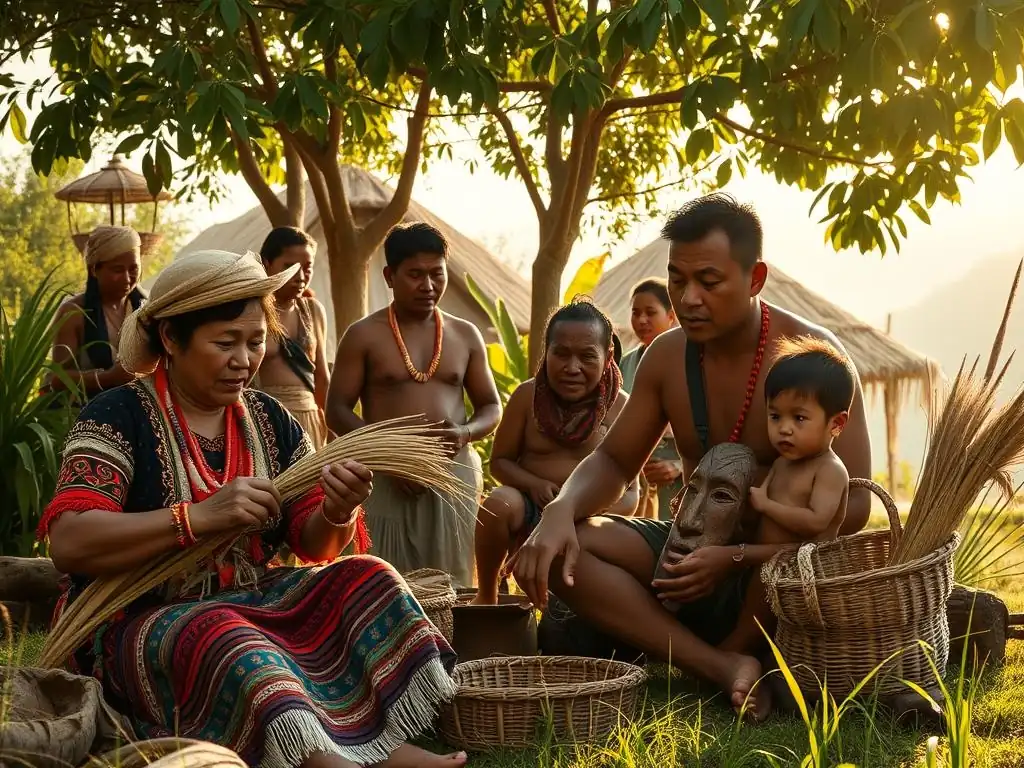
Modern indigenous crafts play a vital role in the social fabric and community structure of indigenous peoples. They serve as a means of economic empowerment, cultural preservation, and social cohesion, reinforcing community identity and heritage.
Community Empowerment through Craftsmanship
Craftsmanship empowers indigenous communities by providing economic opportunities and fostering self-sufficiency. Many artisans engage in the production and sale of their crafts, allowing them to support their families while promoting their cultural heritage. This economic independence is crucial, especially in areas where traditional employment opportunities may be limited.
Furthermore, the act of creating crafts often involves collaboration and support among community members, strengthening social bonds and collective identity. Local markets and fairs not only serve as platforms for selling crafts but also as communal spaces that celebrate cultural heritage and solidarity.
Collaborative Projects and Their Impact
Collaborative projects are significant in modern indigenous crafts, bringing together artisans from different backgrounds to create unique works while promoting cross-cultural understanding. These projects often focus on themes such as environmental sustainability, cultural exchange, and the preservation of traditional techniques.
For example, community art initiatives may involve workshops where artisans share skills and knowledge, leading to the creation of collective artworks that represent multiple perspectives. Such collaborations help to elevate the visibility of indigenous craftsmanship, enhancing appreciation and respect for their cultural significance.
Intergenerational Knowledge Transfer in Craft Practices
The transmission of knowledge from one generation to the next is essential in preserving indigenous crafts. Elders often play a crucial role in teaching younger generations the techniques, stories, and cultural meanings behind various crafts. This intergenerational transfer of knowledge not only ensures the survival of traditional practices but also fosters a sense of identity and belonging among youth.
Workshops, mentorship programs, and family gatherings often serve as platforms for this knowledge exchange, allowing young artisans to connect with their roots while contributing to the evolution of their crafts. By embracing both tradition and innovation, modern indigenous crafts continue to thrive, reflecting the resilience and adaptability of indigenous cultures.
The Global Influence of Modern Indigenous Crafts
Modern indigenous crafts have transcended geographical boundaries, gaining recognition and appreciation across the globe. These crafts, steeped in rich cultural traditions, have become symbols of resilience and creativity for indigenous communities. The influence of these crafts extends beyond mere aesthetics; they encapsulate stories, spiritual beliefs, and the historical narratives of the peoples who create them. As artisans share their work in international markets, they not only showcase their unique skills but also educate a global audience about their cultures, histories, and the socio-political issues they face today.
Indigenous crafts such as weaving, pottery, beadwork, and carving have gained traction in various sectors, including fashion, decor, and art. Collaborations with non-indigenous designers and brands have helped elevate indigenous crafts to new heights, fostering a greater awareness of their significance. Through exhibitions, social media, and art fairs, artisans are able to reach audiences that were previously inaccessible, thus contributing to a broader understanding and appreciation of their cultural heritage.
Rising Popularity of Indigenous Crafts in Global Markets
The rise of e-commerce has significantly boosted the visibility and accessibility of modern indigenous crafts. Online platforms allow artisans to market their products directly to consumers worldwide, bypassing traditional barriers. As a result, items such as Navajo rugs, Maasai beadwork, and Maori carvings have found new homes far beyond their regions of origin. This surge in popularity is often linked to increasing consumer interest in sustainable and ethically sourced products, prompting a demand for authentic, handmade crafts.
Moreover, the storytelling aspect of these crafts resonates with consumers who seek to connect with the cultural roots and traditions behind the products they purchase. This growing trend is not only beneficial for artisans, who gain financial independence, but it also encourages the preservation of traditional techniques that might otherwise fade away.
Cultural Appropriation vs. Cultural Appreciation
Navigating the thin line between cultural appropriation and appreciation is crucial in discussions surrounding modern indigenous crafts. Cultural appropriation occurs when elements of a culture are adopted without understanding or respecting their significance, often leading to commodification and misrepresentation. In contrast, cultural appreciation involves recognizing and valuing the richness of a culture while supporting its creators in a respectful manner.
For indigenous artisans, the distinction is vital. They advocate for ethical practices that honor their heritage, emphasizing the importance of context and consent in sharing their crafts. By educating consumers about the meanings behind their work, artisans can foster a deeper appreciation and understanding, which can lead to a more ethical marketplace. It is essential for both consumers and creators to engage in dialogues that respect the origins and significance of indigenous crafts.
The Role of Technology in Promoting Indigenous Crafts
Technology has become a powerful ally in promoting modern indigenous crafts. Social media platforms like Instagram and Facebook allow artisans to showcase their craftsmanship and connect with a broader audience. Digital storytelling tools enable them to share the narratives behind their work, enhancing consumer engagement and interest.
Additionally, online marketplaces dedicated to indigenous products have emerged, providing artisans with platforms to sell their crafts directly. These advancements not only enhance visibility but also empower artisans economically. Workshops and online courses have also proliferated, allowing artisans to learn new skills and techniques, further enriching their craft while reaching new audiences.
Challenges Faced by Modern Indigenous Crafts
Despite the growing global interest in modern indigenous crafts, artisans face several significant challenges that can hinder their success.
Market Saturation and Economic Viability
As more artisans enter the market, the competition can lead to saturation, making it difficult for individual crafters to maintain economic viability. While the demand for authentic indigenous crafts is rising, the influx of mass-produced items can undermine the perceived value of handmade goods. Artisans must find ways to differentiate their products and highlight their unique cultural narratives to stand out in a crowded marketplace.
Furthermore, fluctuating consumer trends can affect sales, leading to economic instability for artisans who rely on crafts as their primary source of income. Establishing a sustainable business model that balances artistic integrity with economic needs is a significant challenge for many.
Environmental Sustainability and Material Sourcing
The sourcing of materials for indigenous crafts poses another challenge, particularly in the context of environmental sustainability. Many traditional materials are becoming scarce due to overharvesting, climate change, and habitat destruction. Artisans are increasingly conscious of their environmental impact and are seeking sustainable alternatives, such as recycled or locally sourced materials.
However, finding sustainable materials that meet traditional standards can be difficult. This challenge not only affects the artisans' craft quality but also raises questions about the ecological footprint of their work. Striking a balance between preserving traditional practices and adopting sustainable methods is essential for the future of indigenous crafts.
Balancing Tradition with Modern Demands
As indigenous artisans navigate the complexities of modern markets, they face the challenge of balancing traditional techniques with contemporary consumer demands. While some consumers seek authenticity and heritage, others may prefer modern aesthetics or adaptations of traditional designs. This creates a dilemma for artisans who wish to honor their cultural practices while also appealing to a broader audience.
To address this challenge, many artisans are experimenting with innovative designs that incorporate traditional elements while resonating with contemporary tastes. This fusion not only keeps their crafts relevant but also ensures the survival of their cultural identity in a rapidly changing world. Finding this equilibrium is crucial for the ongoing vitality of modern indigenous crafts.
Conclusion: The Enduring Importance of Modern Indigenous Crafts
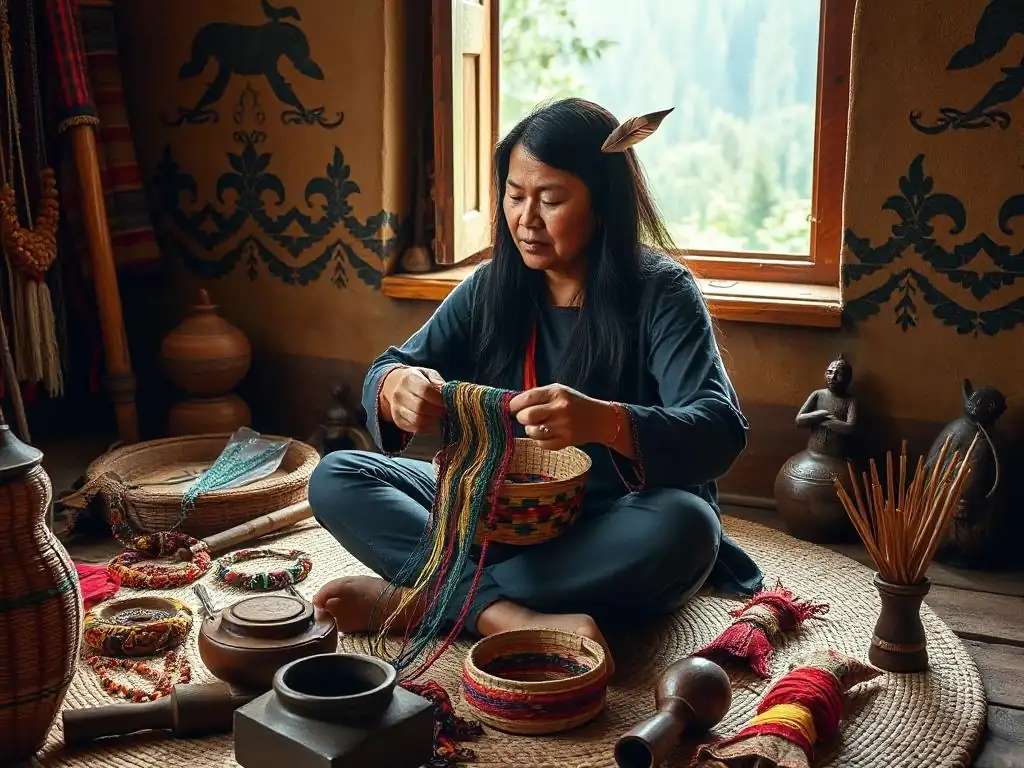
Modern indigenous crafts serve as a powerful testament to the resilience and creativity of indigenous cultures across the Americas. These crafts are not merely artistic expressions; they encapsulate centuries of tradition, knowledge, and cultural identity. From intricate beadwork and weaving to pottery and carving, each piece carries a story that reflects the history and values of its community. As these crafts continue to evolve, they remain a crucial link to the past, fostering a sense of pride and continuity among indigenous peoples.
The significance of modern indigenous crafts extends beyond aesthetics; they play a pivotal role in economic empowerment and cultural revitalization. By engaging in craft-making, indigenous artisans not only preserve their heritage but also create sustainable livelihoods. This dual purpose allows communities to thrive while nurturing their unique traditions, ensuring that future generations inherit a rich cultural legacy.
Reflection on Cultural Heritage and Future Prospects
Reflecting on the cultural heritage embedded in modern indigenous crafts reveals the intricate relationship between art and identity. Each craft item is a reflection of the cultural narratives, spiritual beliefs, and environmental interactions specific to the artisan’s community. For instance, the use of traditional materials and techniques not only showcases the craftsmanship but also emphasizes the importance of natural resources and ecological knowledge passed down through generations.
Looking towards the future, there is a growing recognition of the significance of these crafts in contemporary society. As more people become aware of the value of indigenous artistry, there is potential for increased appreciation and support. This can lead to more platforms for indigenous artisans to showcase their work, thereby expanding their reach and impact. The challenge lies in balancing modernization with tradition, ensuring that the essence of these crafts is preserved even as they adapt to contemporary contexts.
Call to Action: Supporting Modern Indigenous Crafts and Their Significance
Supporting modern indigenous crafts is essential for fostering cultural sustainability and economic vitality within indigenous communities. Here are several ways individuals and organizations can contribute:
- Purchase Indigenous Crafts: By buying directly from indigenous artisans or cooperatives, consumers can ensure that their purchases support the makers and their communities.
- Promote Awareness: Sharing information about modern indigenous crafts through social media, workshops, or educational programs can help elevate their significance and reach a broader audience.
- Advocate for Policies: Supporting policies that protect indigenous rights and promote equitable access to markets can create a more conducive environment for artisans to thrive.
- Engage in Cultural Exchanges: Participating in cultural events or workshops can provide insights into the craftsmanship and the stories behind the works, fostering deeper appreciation and understanding.
By actively engaging in these actions, we can help sustain the vibrant traditions of modern indigenous crafts, ensuring their significance is recognized and celebrated for generations to come.
- Introduction to Modern Indigenous Crafts
- The Significance of Modern Indigenous Crafts
- Types of Modern Indigenous Crafts
- The Role of Modern Indigenous Crafts in Community and Social Structure
- The Global Influence of Modern Indigenous Crafts
- Challenges Faced by Modern Indigenous Crafts
- Conclusion: The Enduring Importance of Modern Indigenous Crafts
- Reflection on Cultural Heritage and Future Prospects
- Call to Action: Supporting Modern Indigenous Crafts and Their Significance
Frequently Asked Questions
What are modern indigenous crafts?
Modern indigenous crafts encompass a variety of artistic expressions and traditions created by indigenous peoples, reflecting their cultural identities and histories.
Why are modern indigenous crafts significant?
These crafts hold cultural significance as they preserve traditions, convey stories, and foster a sense of community and identity among indigenous peoples.
How do modern indigenous crafts influence contemporary art?
Modern indigenous crafts blend traditional techniques with contemporary themes, influencing a wider audience and promoting cultural appreciation and understanding.
In what ways do these crafts contribute to economic empowerment?
By promoting and selling their crafts, indigenous artisans can achieve economic independence, support their communities, and ensure the sustainability of their cultural practices.
How can one support modern indigenous crafts?
Support can be given by purchasing from indigenous artisans, promoting their work, and participating in events that highlight their cultural significance and contributions.
Final Reflection: Embracing the Significance of Modern Indigenous Crafts
In an era where cultural heritage often faces the threat of dilution, the significance of modern Indigenous crafts stands as a testament to resilience and identity. These crafts not only serve as a means of survival for Indigenous communities but also as a bridge connecting past traditions with contemporary expressions. The revival and appreciation of these art forms are not merely nostalgic; they are vital for fostering understanding and respect in a diverse society.
The impact of modern Indigenous crafts extends beyond the realm of art; it resonates deeply within the cultural and social landscape. These crafts embody stories, histories, and identities that have persevered through generations. They challenge the dominant narratives and invite us to engage with the richness of Indigenous cultures. As artist and activist Rebecca Belmore once said, Art is a way of knowing, a way of being in the world.
This perspective underscores the importance of recognizing and valuing the narratives woven into every piece of craft, as they reflect the lived experiences and resilience of Indigenous peoples.
As we reflect on the themes presented in this article, I invite you to consider how you can engage with and support modern Indigenous crafts in your own life. Take a moment to explore local artisans, attend workshops, or simply educate yourself about the stories behind these crafts.
By doing so, you not only honor the cultural significance of these art forms but also contribute to a broader movement of appreciation and respect for Indigenous heritage. Together, we can ensure that the art of survival continues to thrive, enriching our communities and fostering a deeper understanding of the world around us.
Embrace Your Journey: Connect with Indigenous Craftsmanship Today!
Thank you for diving into the world of modern Indigenous crafts and their profound cultural significance! You’ve uncovered the beauty and resilience of these traditions, and now it's time to take your newfound appreciation further. Here are some engaging steps you can take right now:
- Explore Local Markets: Visit a local artisan market where Indigenous crafts are sold. Supporting artisans directly allows you to embrace the stories behind their creations.
- Share Your Insights: Spread the word! Share this article with friends and family to spark meaningful conversations about the importance of preserving Indigenous cultures.
- Get Crafty: Try your hand at a craft! Look for a workshop or an online tutorial to learn a traditional craft, connecting you with a rich cultural heritage.
How will you incorporate Indigenous artistry into your life and share its significance with others?