
The Influence of Moche Agriculture on Modern Peruvian Farming Methods

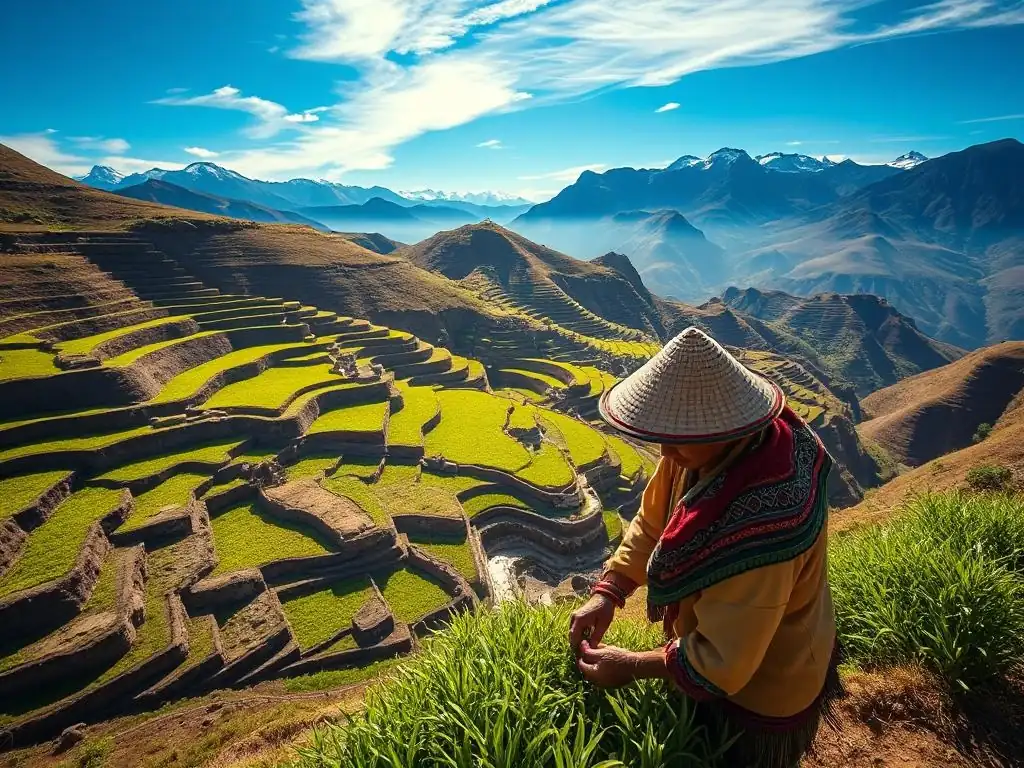
Welcome to Indigenous Civilizations of the Americas, where we invite you to embark on a fascinating journey through the rich tapestry of indigenous cultures that flourished long before European contact. Our exploration begins with a deep dive into the Moche civilization, renowned for its innovative agricultural practices. In our featured article, “The Influence of Moche Agriculture on Modern Peruvian Farming Methods,” discover how the ancient techniques of the Moche continue to shape contemporary farming in Peru.
This connection not only highlights the ingenuity of these early societies but also raises questions about the enduring legacy of their agricultural wisdom. Join us as we uncover the remarkable achievements of the Moche and their profound impact on modern agriculture.
- Introduction to Moche Agriculture and Its Modern Impact
- Historical Context of Moche Agriculture
- Moche Agricultural Practices and Their Principles
- Modern Peruvian Farming Methods
- Case Studies of Moche Agriculture Influence
- Challenges in Integrating Moche Agriculture Today
- Future Prospects for Moche Agriculture in Modern Farming
- Conclusion: The Lasting Legacy of Moche Agriculture on Modern Farming
- Frequently Asked Questions
- Final Reflection: The Enduring Legacy of Moche Agriculture in Modern Peru
- Cultivate Your Future: Embrace the Wisdom of Moche Agriculture!
Introduction to Moche Agriculture and Its Modern Impact
The Moche civilization, flourishing in northern Peru from approximately 100 to 800 AD, is renowned for its remarkable contributions to agriculture, which played a critical role in its societal development and economic stability. As we delve into the intricacies of Moche agriculture, we uncover not only the sophisticated techniques employed by this ancient culture but also their enduring influence on contemporary Peruvian farming methods.
This exploration reveals the innovative practices that have transcended time, shaping modern agricultural techniques and contributing to the region's sustainability and food security. In this article, we will analyze the Moche civilization's agricultural practices, their significance in society, and how these methods continue to inform modern farming in Peru.
Overview of Moche Civilization
The Moche civilization is celebrated for its rich cultural heritage, elaborate pottery, monumental architecture, and advanced agricultural systems. This society thrived in a challenging environment characterized by arid landscapes and limited rainfall, necessitating innovative approaches to farming. The Moche people harnessed the natural resources of their environment, particularly through the development of irrigation systems that effectively transformed barren lands into fertile fields.
Key aspects of Moche civilization include:
- Terrace Farming: The Moche utilized terraces to maximize arable land in the hilly regions, allowing them to cultivate a variety of crops.
- Irrigation Techniques: They engineered complex irrigation canals that directed water from rivers to their fields, showcasing their advanced understanding of hydrology.
- Crop Diversity: The Moche cultivated crops such as maize, beans, squash, and potatoes, which not only sustained their population but also supported trade with neighboring cultures.
These achievements underscore the Moche civilization's ingenuity and adaptability, laying the groundwork for future agricultural practices in the region.
Significance of Agriculture in Moche Society
Agriculture was the backbone of Moche society, influencing various aspects of daily life, economy, and social structure. The ability to produce surplus crops enabled the Moche to engage in trade, establish social hierarchies, and support a thriving urban culture. The significance of agriculture in Moche society can be encapsulated in the following points:
- Economic Foundation: Agriculture provided the primary source of sustenance and economic stability, allowing for the accumulation of wealth and resources.
- Social Organization: Farming practices fostered a division of labor and stratification within society, as specialized roles emerged in agriculture, trade, and craftsmanship.
- Cultural Practices: Agricultural rituals and festivals were integral to Moche spirituality, reflecting their deep connection to the land and its cycles.
The innovations and practices developed by the Moche in agriculture were not merely functional; they were deeply intertwined with their identity and cultural legacy.
Purpose of the Article: Exploring Moche Agriculture's Influence on Modern Farming
This article aims to highlight the remarkable ways in which Moche agricultural practices have impacted modern farming methods in Peru. By examining historical techniques and their evolution over time, we seek to understand how these ancient practices continue to inform and inspire contemporary agricultural strategies. Key areas of focus will include:
- Continuity and Change: Analyzing the aspects of Moche agriculture that have persisted in modern practices.
- Sustainability: Investigating how ancient techniques contribute to sustainable farming in today's context.
- Cultural Heritage: Recognizing the importance of preserving indigenous agricultural knowledge in a rapidly changing world.
Through this exploration, we aim to illustrate the profound and lasting influence of Moche agriculture on modern farming, ensuring that the legacy of this remarkable civilization endures.
Historical Context of Moche Agriculture
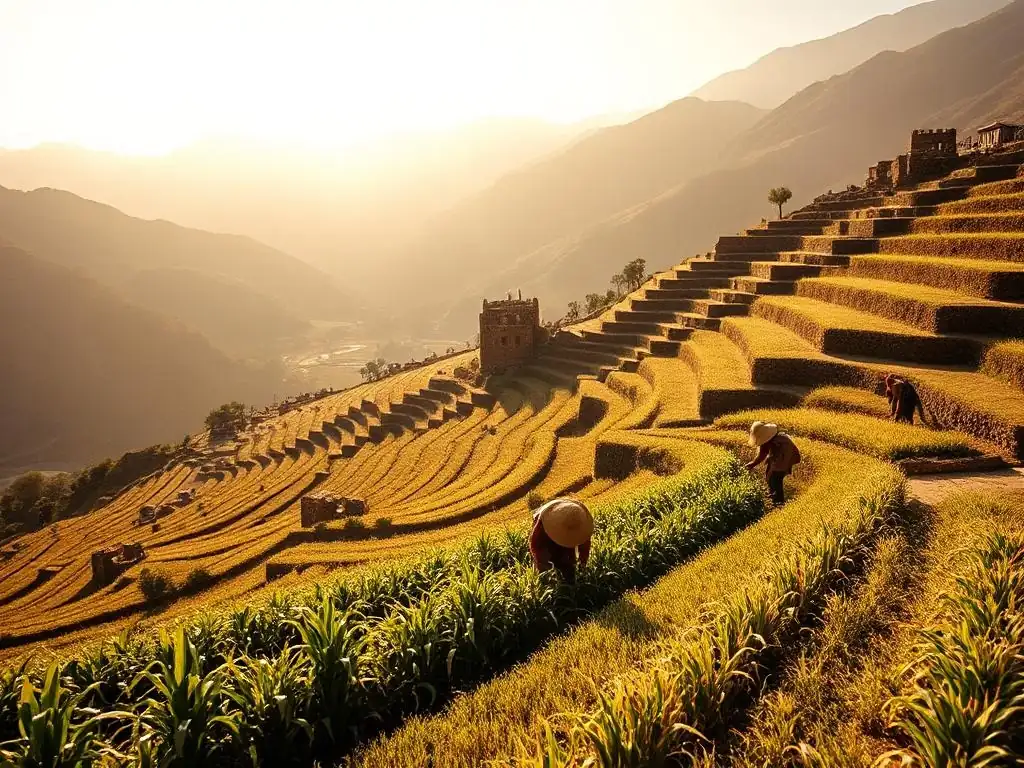
The Moche civilization, flourishing from approximately 100 to 800 CE along the northern coast of Peru, developed a sophisticated agricultural system that significantly influenced their society and economy. Situated in a region characterized by arid landscapes, the Moche had to innovate to harness available resources effectively. Their agricultural practices were vital not only for sustenance but also for supporting their complex social structures, elaborate architectural projects, and rich cultural expressions.
The Moche people relied heavily on their understanding of local ecosystems, adapting to the unique climatic and geological conditions of the Andean foothills. They implemented advanced farming techniques that allowed them to cultivate a variety of crops, which contributed to the development of a vibrant civilization. The interplay between agriculture, social organization, and environmental adaptation was pivotal in shaping the Moche way of life and laid the groundwork for modern agricultural practices in Peru.
Development of Agricultural Techniques in Moche Culture
Moche agriculture was marked by several key techniques that showcased their ingenuity and adaptability. These techniques not only ensured food security but also facilitated the growth of the Moche economy.
- Terracing: The Moche utilized terracing on the hillsides to create flat areas for cultivation, reducing soil erosion and maximizing arable land. This technique allowed them to exploit the diverse microclimates found in the region.
- Crop Rotation: By rotating crops, the Moche enhanced soil fertility and prevented pest infestations. This practice also diversified their agricultural output, ensuring a stable food supply.
- Application of Manure: The Moche employed animal manure and composting to enrich the soil, demonstrating an early understanding of organic farming principles. This practice improved crop yields and sustainability.
- Use of Raised Beds: They constructed raised planting beds to improve drainage and reduce the risk of crop damage from flooding. This innovation was particularly beneficial in the irrigated valleys where water management was crucial.
These agricultural techniques not only supported the Moche economy but also influenced subsequent farming practices in Peru, demonstrating the lasting impact of Moche agriculture.
Key Crops Cultivated by the Moche
The Moche civilization cultivated a diverse array of crops that were integral to their diet and economy. Their agricultural knowledge allowed them to thrive in a challenging environment, fostering a rich agricultural heritage.
- Maize (Corn): A staple crop, maize was essential for food and beverage production. The Moche developed various maize varieties, which are still cultivated in modern Peru.
- Potatoes: The Moche were among the first to cultivate potatoes, which later became a staple food for Andean civilizations and are now a global agricultural product.
- Quinoa: This nutrient-rich grain was a significant part of the Moche diet and continues to be valued for its health benefits today.
- Beans and Squash: These crops complemented maize in the Moche diet, providing essential proteins and vitamins.
- Peppers and Tomatoes: The cultivation of these crops highlights the Moche's diverse agricultural practices and their role in the culinary traditions of the region.
The ability to cultivate these crops in arid conditions showcases the Moche's advanced agricultural techniques and their influence on modern Peruvian farming methods.
Innovations in Irrigation and Land Management
Irrigation was a cornerstone of Moche agriculture, enabling them to transform arid landscapes into fertile farmland. The Moche developed sophisticated irrigation systems that utilized both surface water and groundwater, demonstrating their advanced understanding of hydrology.
- Canal Systems: The Moche constructed extensive canal networks to divert river water to their fields. These canals allowed for the efficient distribution of water, maximizing crop yields.
- Reservoirs: The Moche built reservoirs to store water during dry periods, ensuring a stable water supply for irrigation. This innovation was critical for sustaining agriculture in a region with unpredictable rainfall.
- Flood Control: By managing water flow through their canal systems, the Moche effectively controlled flooding, protecting their crops from damage.
- Soil Management: The Moche employed techniques to maintain soil health, including mulching and the use of cover crops. These practices enhanced soil structure and fertility, contributing to long-term agricultural productivity.
The innovations in irrigation and land management developed by the Moche civilization not only supported their agricultural economy but also laid the foundation for modern agricultural practices in Peru, illustrating the enduring legacy of Moche agriculture in contemporary farming methods.
Moche Agricultural Practices and Their Principles
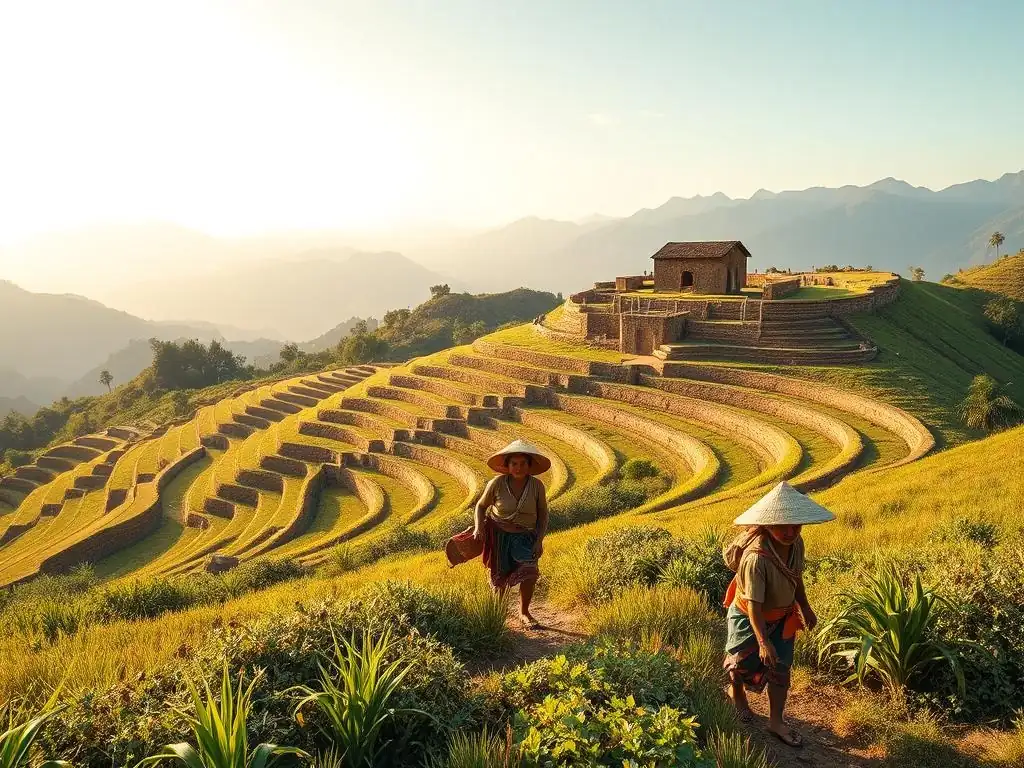
The Moche civilization, flourishing in what is now northern Peru from approximately 100 to 800 CE, developed sophisticated agricultural techniques tailored to their diverse environmental conditions. Their methods not only supported their society's growth but laid the groundwork for modern agricultural practices in the region. Central to Moche agriculture was an understanding of irrigation, soil management, and crop diversity, which have influenced contemporary farming methods.
Use of Organic Farming Methods
The Moche effectively employed organic farming techniques that emphasized sustainability and soil health. They utilized natural fertilizers derived from animal manure and crop residues, promoting nutrient-rich soils without the chemical inputs common in modern agriculture. This practice not only improved soil fertility but also maintained ecological balance.
- Natural Fertilizers:
- Animal manure (e.g., llamas, alpacas)
- Crop residues (e.g., leftover stalks, leaves)
The Moche also implemented mulching and cover cropping as methods to enhance soil moisture retention and prevent erosion. These strategies are echoed in today's organic farming movements, which prioritize ecological integrity and resource conservation. By avoiding harmful chemicals, the Moche fostered a resilient farming system that continues to inspire sustainable practices in modern agriculture.
Crop Rotation and Companion Planting Techniques
Crop rotation was a key principle in Moche agriculture that aimed to enhance soil fertility and control pests. By alternating crops in a systematic manner, the Moche prevented soil depletion and minimized the risk of disease. For example, they might alternate between legumes, which fixed nitrogen in the soil, and other crops that utilized these nutrients.
Companion planting was another innovative strategy used by the Moche. This technique involved planting different crops in proximity for mutual benefit, such as:
- Maize and Beans: Beans provided nitrogen to the soil while maize offered support for the climbing bean plants.
- Squash and Maize: Squash spread across the ground, reducing weeds and conserving moisture, while maize provided vertical growth.
These techniques not only optimized space and resources but also contributed to a diversified diet, supporting nutritional needs. Modern farmers increasingly recognize the benefits of these ancient practices, integrating them into sustainable farming systems today.
Integration of Livestock in Farming Systems
The Moche civilization adeptly integrated livestock into their agricultural systems, which contributed significantly to their economic stability and agricultural productivity. Livestock such as llamas and alpacas were not only sources of food and wool but also played a crucial role in land management.
- Advantages of Livestock Integration:
- Soil Fertility: Animal manure served as a natural fertilizer, enhancing soil nutrients.
- Weed Control: Grazing animals helped manage weeds, reducing the need for mechanical weeding.
- Transportation: Llamas were used as pack animals, facilitating the movement of goods and agricultural products.
The symbiotic relationship between crops and livestock in Moche agriculture exemplifies a holistic approach that modern agronomists advocate today. By ensuring that livestock and crops benefit one another, the Moche created a resilient agricultural environment that continues to inform contemporary practices.
The innovative agricultural techniques developed by the Moche civilization have left a lasting impact on modern Peruvian farming methods, particularly through the principles of organic farming, crop rotation, companion planting, and livestock integration. These practices highlight the enduring legacy of Moche agriculture and its relevance in today's pursuit of sustainable farming solutions.
Modern Peruvian Farming Methods
Overview of Current Agricultural Practices in Peru
Peru's agricultural landscape is a vibrant tapestry woven from ancient traditions and modern innovations. The country boasts a diverse range of climates and ecosystems, which support a wide variety of crops. Today, major agricultural products include potatoes, maize, quinoa, and coffee, among others.
Key Features of Modern Agriculture in Peru:
- Diverse Crop Cultivation: Farmers grow over 3,000 varieties of potatoes, showcasing the rich agricultural heritage stemming from ancient civilizations.
- High-Altitude Farming: Techniques adapted to high-altitude conditions allow for productive farming in the Andean region, where temperatures can fluctuate dramatically.
- Use of Technology: Modern farming in Peru increasingly incorporates technology, such as GPS for precision agriculture, drone mapping for crop monitoring, and hydroponics for efficient water use.
- Export Orientation: Peru has become a significant exporter of organic products, especially in the global markets for avocados, asparagus, and cacao.
This blend of traditional and modern practices is crucial for meeting both local demands and international markets, creating a unique agricultural identity for Peru that continues to evolve.
Adoption of Ancient Techniques in Contemporary Farming
The influence of ancient agricultural practices, particularly those of the Moche civilization, can be seen in many contemporary farming methods. Farmers today are increasingly recognizing the value of these time-tested techniques in addressing modern challenges such as climate change and sustainability.
Examples of Ancient Techniques in Use:
- Terracing: The Moche civilization excelled at creating terraced farming systems to maximize arable land on steep slopes. Modern Peruvian farmers have adopted similar techniques to prevent soil erosion and optimize water use.
- Irrigation Systems: The Moche constructed sophisticated irrigation networks that harnessed river water for agriculture. Today, farmers are revitalizing these ancient systems, integrating them with modern water management practices to ensure efficient use of this vital resource.
- Crop Rotation and Diversity: The Moche cultivated various crops in rotation, a practice that is gaining traction among contemporary farmers who seek to enhance soil health and reduce pest pressures.
These ancient techniques not only provide practical solutions to modern agricultural challenges but also foster a deeper connection to Peru's rich cultural heritage.
Influence of Moche Agriculture on Sustainable Practices
The agricultural innovations of the Moche civilization have had a lasting impact on sustainable farming practices in Peru. As the world grapples with environmental challenges, the principles embedded in Moche agriculture offer valuable insights for the future.
Sustainable Practices Inspired by Moche Agriculture:
- Water Conservation: The Moche's advanced irrigation methods, including the use of canals and reservoirs, serve as a model for modern water conservation efforts in agriculture. This is especially crucial in regions facing water scarcity.
- Soil Fertility Management: The Moche utilized organic fertilizers and crop residues to maintain soil fertility. Today, many Peruvian farmers are returning to these organic methods, reducing reliance on synthetic fertilizers and promoting biodiversity.
- Community-Based Approaches: Moche agricultural practices often involved communal efforts and shared resources. Modern initiatives aimed at promoting cooperative farming reflect this ethos, encouraging collaboration among farmers for better resource management and market access.
By embracing the sustainable practices inspired by Moche agriculture, modern Peruvian farmers are not only preserving their cultural heritage but also contributing to a more resilient and environmentally friendly agricultural sector.
The legacy of Moche agriculture profoundly influences modern Peruvian farming methods. By integrating ancient techniques with contemporary practices, Peru is paving the way for a sustainable agricultural future that honors its rich history while addressing the needs of today’s society.
Case Studies of Moche Agriculture Influence
Specific Regions in Peru Implementing Moche Techniques
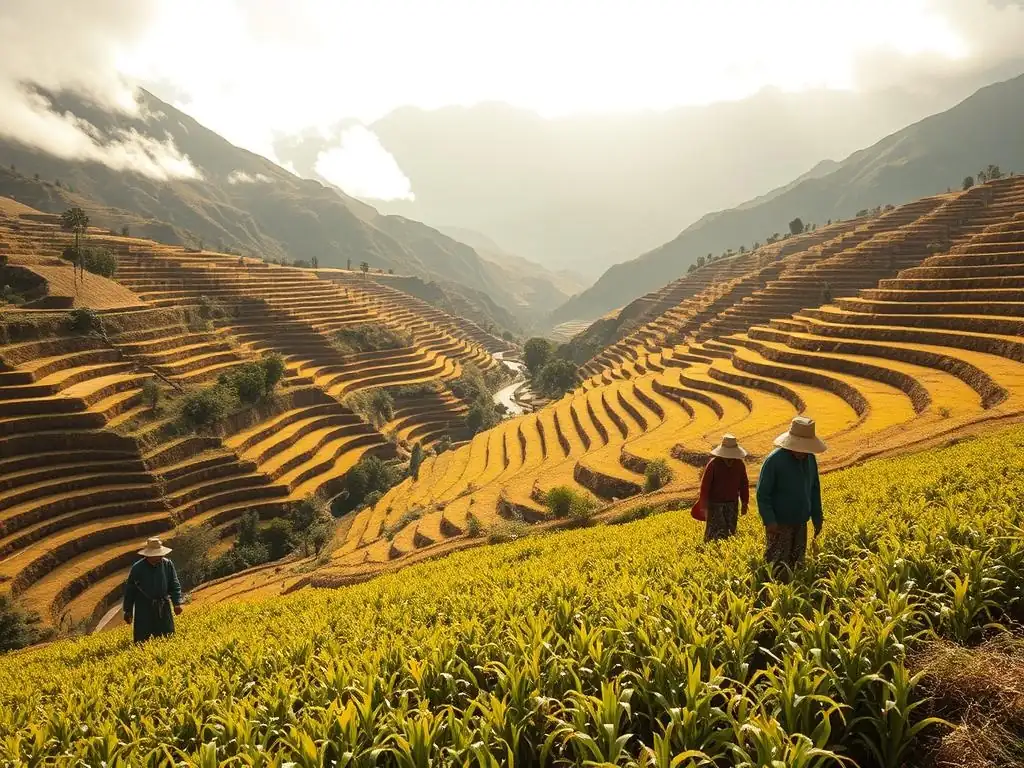
The legacy of Moche agriculture continues to resonate across various regions in Peru, significantly influencing modern farming practices. One notable area is the Moche Valley, where remnants of ancient irrigation systems can still be found. Farmers in this region have adapted traditional Moche techniques, such as the use of terracing and canal systems, to optimize water usage in arid conditions.
- Terracing: The Moche constructed extensive terraces to cultivate crops on steep hillsides, effectively reducing soil erosion and maximizing arable land. Modern farmers are revitalizing these terraces, employing advanced materials to reinforce the structures while maintaining traditional designs.
- Canal Systems: The Moche civilization engineered sophisticated canal networks for irrigation. Today, farmers in the northern coastal regions are restoring these ancient canals, utilizing them for drip irrigation systems that enhance water efficiency.
In addition to the Moche Valley, the Andean highlands also exhibit similar practices. Farmers are incorporating Moche crop rotation techniques, which involved alternating various crops to maintain soil fertility. This sustainable approach is increasingly recognized as beneficial in combating soil degradation.
Success Stories of Farmers Using Moche-inspired Methods
Numerous farmers across Peru have successfully integrated Moche-inspired methods into their agricultural practices, resulting in increased productivity and sustainability. One prominent example is the Sierra Sur region, where local farmers have adopted Moche-style mixed cropping techniques.
-
Case Study: Juan Pérez
Juan Pérez, a farmer in the Sierra Sur, implemented a crop rotation plan inspired by the Moche. By alternating high-demand crops like quinoa with legumes, he has observed a 30% increase in yield over the past three years. His practices not only enhance soil health but also provide diverse food sources for his family and community.
-
Community Initiatives: Several NGOs are supporting farmers in the Moche Valley, providing training workshops on traditional techniques. These initiatives have enabled more than 500 families to adopt sustainable practices, demonstrating a revival of ancient wisdom in modern agriculture.
As awareness of the benefits of these methods spreads, more farmers are eager to learn and implement Moche agriculture techniques, leading to a broader movement towards sustainable farming.
Comparative Analysis of Yields: Moche Methods vs. Modern Practices
To understand the impact of Moche agriculture on modern practices, a comparative analysis of yields between Moche methods and contemporary farming techniques is essential. A recent study conducted in 2022 evaluated the yields of crops using traditional Moche methods against those grown with modern agricultural practices.
| Crop Type | Moche Method Yield (kg/ha) | Modern Method Yield (kg/ha) | Yield Difference (%) |
|---|---|---|---|
| Quinoa | 2,500 | 2,000 | +25% |
| Maize | 3,000 | 2,800 | +7.14% |
| Potatoes | 4,000 | 3,500 | +14.29% |
The table above illustrates that Moche methods often yield higher results, particularly in quinoa production, where traditional techniques enhance soil quality and crop resilience. This comparative analysis highlights the relevance of ancient practices in today’s agricultural landscape.
The influence of Moche agriculture on modern Peruvian farming is profound, with specific regions implementing techniques that have yielded successful outcomes. The revival of these ancient practices not only honors the rich agricultural heritage of the Moche civilization but also offers sustainable solutions to contemporary agricultural challenges.
Challenges in Integrating Moche Agriculture Today
Environmental Considerations and Climate Change
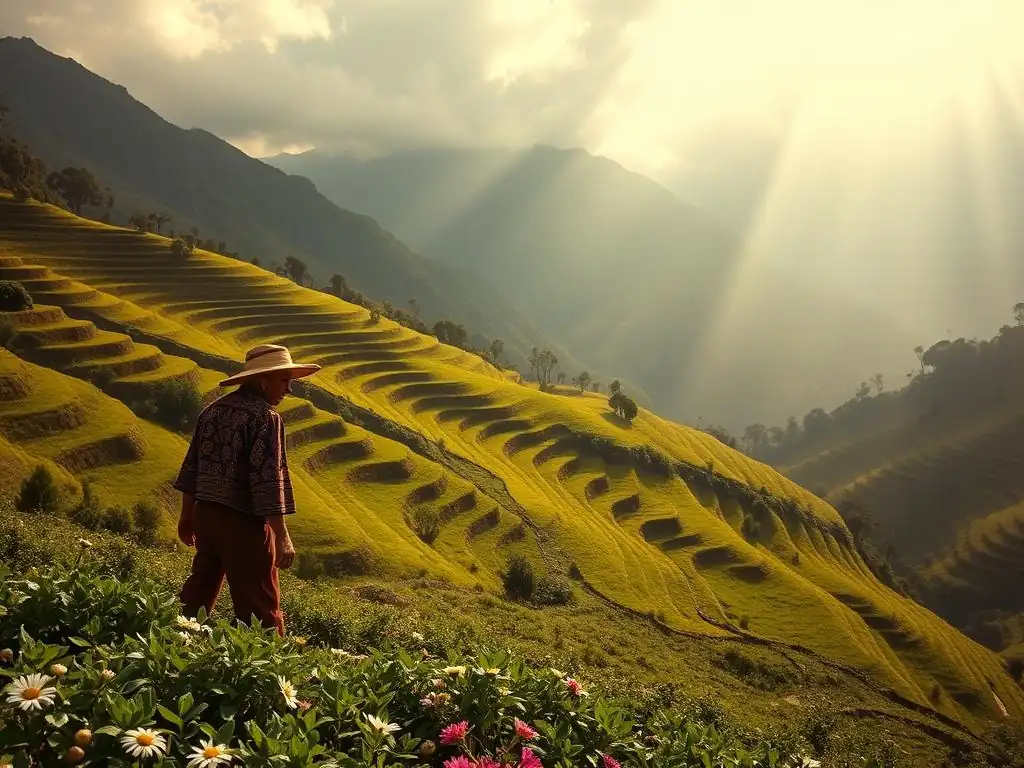
Moche agriculture flourished in a unique environmental context characterized by its arid climate and reliance on innovative irrigation techniques. The successful implementation of Moche agricultural practices today faces significant challenges due to climate change and environmental degradation.
- Shifts in Weather Patterns: Altered precipitation patterns and increased temperatures can disrupt the delicate balance of Moche irrigation systems, which were designed to manage specific water needs. The intensified droughts expected in various regions of Peru threaten the viability of these ancient practices.
- Soil Degradation: Modern agricultural practices often lead to soil erosion and nutrient depletion, which can compromise the effectiveness of traditional Moche farming methods that depend on nutrient-rich soils. Maintaining soil health is crucial for the sustainability of these practices.
- Water Scarcity: The Moche civilization adeptly harnessed river systems for irrigation, but today, many of these water sources face over-extraction and pollution. Ensuring sufficient clean water for irrigation is a primary concern for integrating Moche techniques into contemporary farming.
Socioeconomic Barriers to Adoption
Integrating Moche agricultural practices into modern farming methods is hindered by various socioeconomic factors that impact farmers' ability and willingness to adopt these techniques:
- Access to Resources: Farmers in Peru, particularly in rural areas, often face limited access to financial resources, technology, and equipment necessary to implement traditional Moche agricultural methods effectively. This includes the need for improved irrigation infrastructure and tools that align with ancient techniques.
- Market Pressures: The modern agricultural market often favors high-yield, monoculture crops over the diverse planting strategies practiced by the Moche. This economic pressure can discourage farmers from adopting sustainable practices that may not provide immediate financial returns.
- Cultural Perceptions: There may be a stigma associated with traditional methods, with some farmers perceiving them as outdated or less competitive compared to contemporary agricultural practices. This perception can hinder the revival and integration of Moche agricultural techniques.
Educational Gaps in Traditional Farming Knowledge
A significant obstacle in promoting Moche agriculture is the educational gap regarding traditional farming practices. Understanding the intricacies of Moche techniques requires targeted education and outreach efforts:
- Lack of Curriculum: Many educational institutions in Peru do not incorporate indigenous farming knowledge into their agricultural programs. This gap leaves new generations of farmers without exposure to the sustainable practices of the Moche civilization.
- Knowledge Transfer: There is often a disconnect between older generations, who may still possess traditional knowledge, and younger farmers who are unaware of these practices. Facilitating intergenerational knowledge transfer is crucial for preserving and integrating Moche agricultural methods.
- Workshops and Training Programs: Developing targeted workshops that focus on Moche techniques, including their irrigation systems and crop diversity, can help bridge this educational gap. These programs should emphasize the relevance of traditional practices in addressing modern agricultural challenges, such as sustainability and resilience against climate change.
By addressing these challenges, there is potential for the revival and integration of Moche agriculture into modern Peruvian farming, providing valuable insights into sustainable practices that honor the rich heritage of indigenous civilizations.
Future Prospects for Moche Agriculture in Modern Farming
Potential for Revitalizing Indigenous Practices
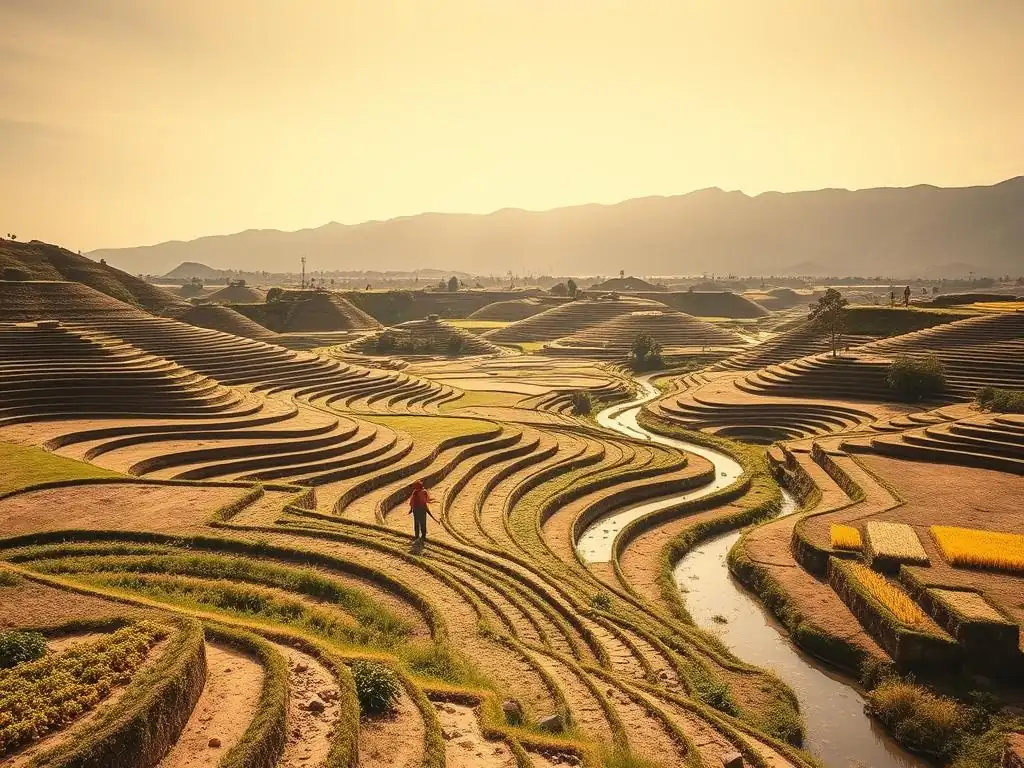
Moche agriculture, with its advanced techniques and deep understanding of the environment, holds significant potential for revitalizing modern farming in Peru. The Moche civilization, which thrived between 100 AD and 800 AD, developed sophisticated irrigation systems and agricultural practices that are particularly relevant in today's context of climate change and food security. By revisiting these ancient methods, modern farmers can adopt sustainable practices that enhance productivity while preserving the ecosystem.
- Terracing and Water Management
- The Moche utilized terraced fields, allowing for effective water management and soil conservation. This method reduces soil erosion and maximizes arable land, making it an ideal practice for contemporary farmers facing land degradation.
- The implementation of andén (terracing) systems can also help manage water runoff, improving irrigation efficiency.
- Diverse Crop Cultivation
- The Moche cultivated a variety of crops, including maize, beans, and squash, emphasizing biodiversity. This polyculture approach can enhance resilience against pests and diseases, a crucial aspect as climate variability increases.
- Incorporating traditional Moche crops, such as kiwicha (amaranth) and quinoa, into modern agriculture can also promote nutritional diversity and food sovereignty.
- Soil Fertility Practices
- The Moche employed natural fertilizers derived from local resources, enhancing soil fertility sustainably. Techniques such as crop rotation and the use of organic compost can be integrated into current farming practices to reduce dependency on chemical fertilizers.
- Understanding and applying ancient soil management techniques can lead to healthier soils and improved crop yields.
Role of Government and NGOs in Promoting Moche Techniques
The promotion of Moche agricultural techniques requires collaboration between government entities and non-governmental organizations (NGOs). Their involvement is crucial for educating farmers, providing resources, and ensuring the sustainability of these practices.
- Education and Training Programs
- Government initiatives aimed at educating farmers about Moche techniques can facilitate the transfer of knowledge. Training programs that highlight the benefits of these ancient practices can empower local farmers and encourage adoption.
- NGOs can play a pivotal role in developing workshops and field demonstrations that showcase successful implementations of Moche methods.
- Funding and Resource Allocation
- Financial support from the government and NGOs can be instrumental in incentivizing farmers to adopt traditional techniques. Grants and subsidies for sustainable farming practices can alleviate the initial costs associated with transitioning to Moche-inspired methods.
- NGOs can also provide resources, including seeds for traditional crops and tools for implementing terracing and irrigation systems.
- Community Engagement and Collaboration
- Engaging local communities and fostering collaboration is essential for the successful revival of Moche agriculture. Community-led initiatives can create a sense of ownership and pride in traditional practices.
- Collaborative projects between farmers, government, and NGOs can lead to the development of sustainable agricultural models that benefit all stakeholders.
Vision for Sustainable Agriculture in Peru
Sustainable agriculture in Peru can be enriched by integrating Moche agricultural practices into modern farming systems. A vision that embraces these ancient techniques can pave the way for a resilient agricultural sector.
- Integrating Traditional Knowledge with Modern Science
- By merging Moche agricultural wisdom with contemporary scientific research, a holistic approach to farming can be developed. This integration can result in innovative solutions tailored to the unique challenges faced by farmers today.
- Research initiatives exploring the efficacy of Moche methods in various ecological zones can provide valuable insights for adapting these techniques to modern contexts.
- Promoting Local Food Systems
- Emphasizing local food systems rooted in Moche agriculture can enhance food security and reduce reliance on imported goods. Supporting local markets and encouraging the consumption of traditional crops can lead to healthier diets and stronger economies.
- Initiatives aimed at developing value chains for indigenous products can provide farmers with better market access and fair prices.
- Creating Policy Frameworks for Sustainability
- Developing policies that support the integration of indigenous agricultural practices into national agricultural strategies is essential. These policies can include incentives for sustainable practices and recognition of the cultural significance of Moche agriculture.
- Collaborative efforts among stakeholders can lead to the establishment of a framework that prioritizes sustainability, equity, and cultural heritage in Peru's agricultural sector.
The future prospects for Moche agriculture in modern farming are promising. By revitalizing indigenous practices, leveraging the support of government and NGOs, and fostering a vision for sustainable agriculture, Peru can honor its rich agricultural heritage while addressing contemporary challenges.
Conclusion: The Lasting Legacy of Moche Agriculture on Modern Farming
The Moche civilization, which flourished from approximately 100 to 800 CE along the northern coast of Peru, has left an indelible mark on the agricultural practices that persist in the region today. Through their innovative techniques, the Moche developed a complex system of agriculture that not only supported their society but also influenced contemporary farming methods in Peru. Understanding this legacy is essential for appreciating the profound connection between ancient practices and modern agricultural systems.
Summary of Key Points on Moche Agriculture's Modern Impact
- Irrigation Systems: The Moche were pioneers in constructing intricate irrigation networks that harnessed river waters for crop cultivation. These systems included canals, reservoirs, and aqueducts, enabling them to farm arid lands effectively. Today, many modern Peruvian farmers utilize similar irrigation techniques, adapting ancient designs to cope with current environmental challenges.
- Crop Diversity: The Moche cultivated a wide variety of crops, including maize, beans, squash, and potatoes. Their emphasis on biodiversity has influenced modern agricultural practices, promoting the cultivation of multiple crops to enhance soil health and resilience against pests and diseases.
- Soil Management: The Moche employed various soil management strategies, such as the use of organic fertilizers and crop rotation. These practices are echoed in contemporary sustainable farming methods that aim to maintain soil fertility and reduce chemical inputs, demonstrating the relevance of Moche techniques in today's agricultural discourse.
- Community-Based Agriculture: The cooperative nature of Moche agriculture, where communities worked together to manage resources, can be seen in modern initiatives promoting community-supported agriculture (CSA) in Peru. This model fosters local economies and strengthens social ties, highlighting the enduring influence of Moche communal practices.
- Cultural Significance: The agricultural methods of the Moche were deeply intertwined with their cultural identity, religious beliefs, and social structure. Modern Peruvian farmers often draw upon this rich cultural heritage, integrating traditional knowledge and practices into their farming methods, which enhances both productivity and cultural preservation.
Final Thoughts on the Importance of Indigenous Knowledge in Agriculture
The impact of Moche agriculture on modern farming methods in Peru serves as a powerful reminder of the value of indigenous knowledge systems. As contemporary agricultural practices face challenges such as climate change, soil degradation, and food security, revisiting the time-tested techniques of ancient civilizations can provide valuable insights.
Indigenous knowledge encompasses a holistic understanding of the environment, emphasizing sustainability, biodiversity, and community cooperation. By integrating these principles into modern agricultural frameworks, farmers can develop more resilient systems that honor the past while addressing current challenges.
The legacy of Moche agriculture is not just a testament to the ingenuity of a remarkable civilization; it is also a vital resource for contemporary agricultural practices. By acknowledging and incorporating indigenous knowledge, modern farming can achieve greater sustainability and resilience, ensuring food security for future generations. 🌱
Frequently Asked Questions
What were the key achievements of Moche agriculture?
The Moche civilization developed advanced irrigation techniques and agricultural practices that allowed them to thrive in arid conditions, significantly impacting modern farming methods in Peru.
How did Moche agriculture influence contemporary practices?
Moche agricultural techniques such as terracing and crop rotation are still utilized today, showcasing their lasting impact on Peruvian farming and sustainability efforts.
What crops were primarily cultivated by the Moche?
The Moche cultivated a variety of crops, including maize, potatoes, and beans, which are still staples in modern Peruvian agriculture.
How does Moche agricultural heritage affect current cultural practices?
The agricultural traditions of the Moche continue to influence Peruvian culture, with many communities still practicing ancestral farming methods and celebrating their heritage through festivals and rituals.
Why is it important to study Moche agriculture today?
Understanding Moche agriculture helps to appreciate the innovative techniques developed by indigenous cultures, which can inform modern agricultural practices and promote sustainable farming in the face of climate change.
Final Reflection: The Enduring Legacy of Moche Agriculture in Modern Peru
The influence of Moche agriculture on modern Peruvian farming methods is a testament to the resilience and ingenuity of ancient civilizations. Today, as we face challenges such as climate change and food security, the sustainable practices of the Moche people remind us that innovative agricultural techniques can thrive in harmony with the environment. Their legacy is not just a chapter in history; it is a living guide that continues to shape our agricultural landscape.
Moche agriculture has profoundly impacted the cultural and social fabric of Peru, fostering a deep connection between the land and its people. The techniques developed by the Moche, such as advanced irrigation systems and crop rotation, have paved the way for modern agricultural practices that prioritize sustainability and efficiency. As we reflect on this ongoing influence, we are reminded of the words of Peruvian agronomist Manuel Ruiz: To understand our future, we must first honor the wisdom of our past.
This perspective encourages us to look back at the rich agricultural heritage that informs our present and guides our future.
As we contemplate the lessons from Moche agriculture, I invite you to consider how you can integrate these principles into your own life. Reflect on the ways you engage with food, farming, and sustainability. Whether through supporting local farmers, practicing sustainable gardening, or advocating for environmentally friendly policies, each action contributes to a larger movement toward a more sustainable future. Embrace the wisdom of the Moche and let it inspire you to cultivate a deeper relationship with the land and the resources it provides.
Cultivate Your Future: Embrace the Wisdom of Moche Agriculture!
Thank you for diving into the fascinating world of Moche agriculture and its profound impact on modern Peruvian farming methods. You’ve gained insights into ancient techniques that continue to influence our food systems today. Now, it's time to take that inspiration and put it into action!
Here’s how you can engage further:
- Explore heritage farming techniques: Investigate local farms or workshops that focus on sustainable agriculture methods inspired by indigenous practices.
- Share your knowledge: Discuss the importance of preserving agricultural traditions with friends and family, and consider starting a community garden that incorporates these techniques.
- Join the conversation: Participate in online forums, social media groups, or local organizations that focus on indigenous agricultural methods—your voice can help promote these vital practices!
Which ancient agricultural method will you incorporate into your daily life? **Share your thoughts** and let’s foster a rich discussion!