
Art and Spirituality: How Indigenous Arts Reflect Beliefs and Spiritual Practices

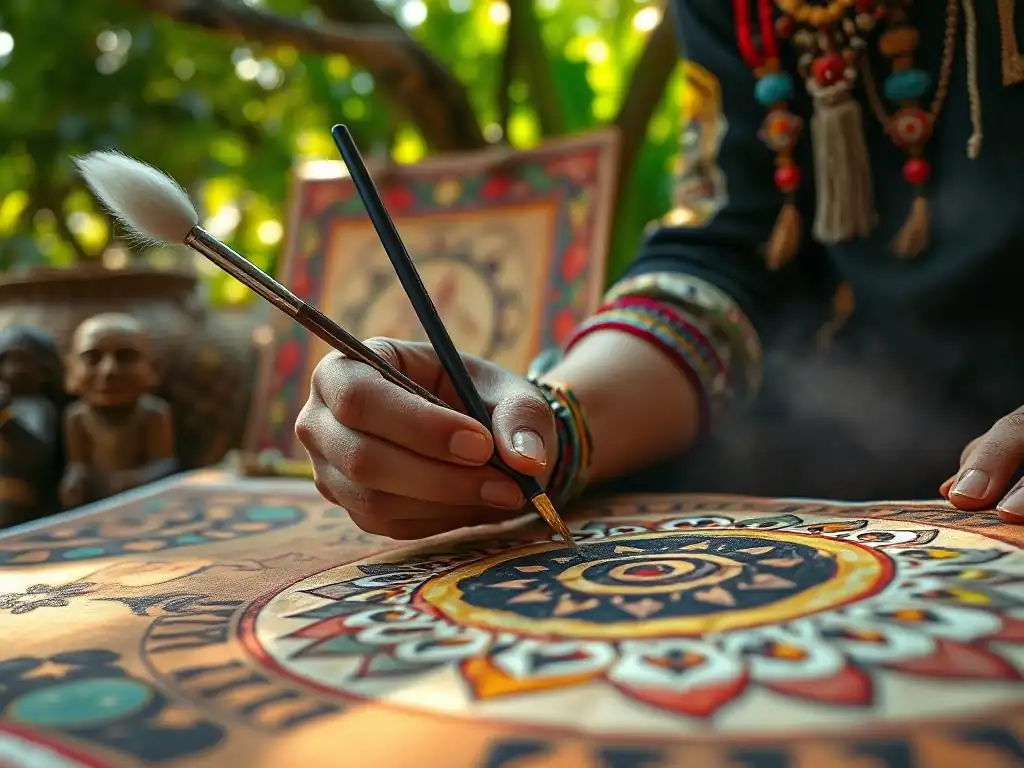
Welcome to Indigenous Civilizations of the Americas! Here, we invite you to embark on a fascinating journey through the rich tapestry of indigenous cultures that flourished long before European colonization. Our featured article, "Art and Spirituality: How Indigenous Arts Reflect Beliefs and Spiritual Practices," delves into the profound connection between indigenous art and spirituality, revealing how these artistic expressions serve as a vibrant reflection of their creators' beliefs and worldviews.
Prepare to be captivated by the intricate stories woven into their masterpieces and the spiritual significance that binds these cultures together. Join us as we explore the past and uncover the enduring legacy of these remarkable civilizations!
- Introduction to Indigenous Art and Spirituality
- Historical Context of Indigenous Art and Spirituality
- Key Themes in Indigenous Art Reflecting Spirituality
- Indigenous Artists and Their Spiritual Influence
- Regional Variations in Indigenous Art and Spirituality
- Contemporary Perspectives on Indigenous Art and Spirituality
- Challenges and Misunderstandings
- Conclusion: The Lasting Impact of Indigenous Art on Spiritual Understanding
- Call to Action
-
Frequently Asked Questions
- What is the main focus of the article "Art and Spirituality: How Indigenous Arts Reflect Beliefs and Spiritual Practices"?
- How do indigenous arts reflect spiritual beliefs?
- What role do rituals play in indigenous art?
- Can indigenous art impact contemporary society?
- Why is it important to study indigenous art and spirituality?
- Final Reflection: The Interwoven Tapestry of Indigenous Art and Spirituality
- Unveil the Spirit of Indigenous Art!
Introduction to Indigenous Art and Spirituality
Indigenous art is a profound reflection of the spiritual beliefs and practices that have shaped the lives of Native peoples across the Americas long before European colonization. This art form serves as a vital medium through which indigenous cultures express their identities, histories, and worldviews. From intricate beadwork and pottery to powerful storytelling and performance arts, indigenous art encapsulates the deep interconnectedness between spirituality and daily life. Understanding this relationship not only enriches our appreciation of these artistic expressions but also highlights the enduring legacies of indigenous cultures that continue to thrive today.
As we delve into the intricate tapestry of Indigenous art and spirituality, we will explore how various art forms serve as conduits for spiritual beliefs, rituals, and community values. We will also discuss the importance of these artistic practices in preserving cultural heritage and fostering a sense of belonging among indigenous peoples.
Understanding the Connection between Art and Spiritual Practices
The relationship between indigenous art and spirituality is deeply rooted in the belief systems and cosmologies of various tribes and nations. For many indigenous cultures, art is not merely a decorative endeavor; it is a sacred practice that embodies the spiritual essence of the community.
- Symbols and Meanings: Each artwork often incorporates symbols and motifs that carry significant spiritual meanings. For example, the use of specific colors, shapes, and materials can represent natural elements, ancestral spirits, or cosmological concepts.
- Ritualistic Functions: Artworks are frequently created for use in rituals and ceremonies, serving as tools for connection to the spiritual world. Masks, ceremonial regalia, and sacred objects play integral roles in various ceremonies, facilitating communication with the divine and honoring ancestral traditions.
This intertwining of art and spirituality underscores a fundamental aspect of indigenous worldviews: the belief that all things are interconnected. Through the lens of indigenous art, we can gain insights into the values, beliefs, and histories that shape these rich cultures.
Importance of Indigenous Art in Cultural Expression
Indigenous art holds immense significance as a form of cultural expression that transcends mere aesthetics. It is a vital means through which indigenous peoples articulate their identities, histories, and social narratives.
- Preservation of Traditions: Many artists draw on traditional techniques and materials that have been passed down through generations, ensuring that cultural practices are preserved and revitalized.
- Storytelling: Indigenous artworks often serve as storytelling devices, conveying the experiences and teachings of their communities. Through visual narratives, artists share important lessons, historical events, and mythical tales that resonate with both the past and present.
- Community and Identity: Art fosters a sense of belonging and identity among indigenous peoples. Collective artistic endeavors, such as community murals or group exhibitions, create opportunities for collaboration and strengthen communal ties.
The interplay of indigenous art and spirituality not only reflects the beliefs and values of these cultures but also plays a crucial role in cultural expression and continuity. By exploring the significance of these artistic traditions, we can appreciate the depth and richness of indigenous civilizations across the Americas.
Historical Context of Indigenous Art and Spirituality
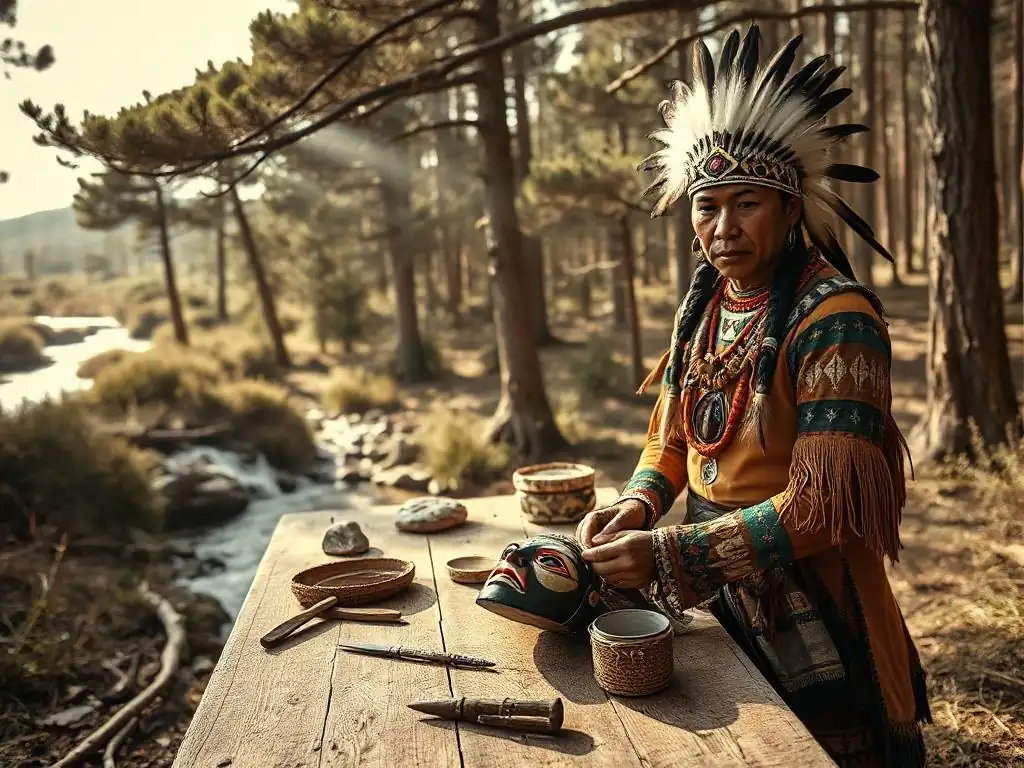
The Role of Art in North American Indigenous Societies
Indigenous art in North America is deeply intertwined with the spiritual beliefs and cultural practices of various tribes and nations. Art serves not just as a medium of expression but as a vital component of social life, ritual, and spirituality. From the intricate beadwork of the Lakota to the vibrant totem poles of the Pacific Northwest, each artistic form is infused with cultural significance.
- Cultural Identity: Art acts as a vessel for cultural identity, preserving traditions and stories passed through generations. It reflects the history, values, and worldviews of Indigenous peoples, providing a sense of belonging and continuity.
- Ritualistic Functions: Many art forms are created for specific rituals, such as ceremonies, healing practices, or rites of passage. For instance, masks used in dance rituals often embody spiritual beings or ancestors, playing a crucial role in connecting the community with its spiritual heritage.
- Symbolism and Meaning: Each artistic element—be it color, shape, or material—carries symbolic meaning. For example, the use of certain colors may represent specific natural elements or emotions, while patterns can convey stories or teachings. This symbolism is essential for understanding the broader spiritual context within which the art exists.
- Community Collaboration: Artistic creation often involves collaboration among community members, reinforcing social bonds and shared beliefs. This collective approach to art fosters a sense of unity and reinforces the community’s spiritual values.
Evolution of Spiritual Beliefs and Artistic Expression
The evolution of spiritual beliefs among North American Indigenous peoples is reflected in their artistic practices, showcasing a dynamic interplay between tradition and adaptation. Over centuries, as tribes interacted with each other and faced external pressures, their spiritual expressions through art evolved.
- Pre-Colonial Art Forms: Before European contact, various Indigenous cultures developed distinct artistic styles that were closely linked to their cosmologies. For example, the Pueblo peoples created pottery adorned with intricate designs that illustrated their creation myths and agricultural practices.
- Colonial Impact: The arrival of European settlers brought significant changes, including new materials and techniques. Indigenous artists began to incorporate European motifs alongside traditional designs, leading to a blending of styles that reflected both adaptation and resistance.
- Revival Movements: In the 20th century, there was a resurgence of interest in traditional art forms as part of a broader movement to reclaim Indigenous identities and spiritual practices. Artists sought to revive lost techniques and meanings, creating works that honor their heritage while addressing contemporary issues.
- Contemporary Expressions: Today, Indigenous art continues to evolve, often addressing themes of identity, colonization, and environmental stewardship. Artists like Jaune Quick-to-See Smith and Nicholas Galanin use contemporary mediums to engage with traditional themes, bridging the gap between past and present.
The relationship between Indigenous art and spirituality remains a profound testament to the resilience and creativity of Indigenous cultures, illustrating how art serves as both a reflection and a reinforcement of spiritual beliefs. Through various forms of artistic expression, Indigenous peoples continue to assert their identities and share their rich spiritual heritage with the world.
Key Themes in Indigenous Art Reflecting Spirituality
Indigenous art serves as a profound representation of the spiritual beliefs and practices of Native American cultures. Through various forms of artistic expression, such as painting, sculpture, weaving, and pottery, indigenous artists convey their understanding of the world, their connection to nature, and their cultural narratives. This section delves into key themes that illustrate how indigenous arts reflect spirituality, emphasizing the interconnectedness of belief systems, nature, and art forms.
Nature and the Spiritual World in Indigenous Art
Nature holds a central role in the spiritual beliefs of many indigenous cultures in North America. The natural world is not merely a backdrop; it is imbued with spiritual significance and is often personified in various forms of art.
- Sacred Landscapes: Many indigenous artworks depict landscapes that are considered sacred. For instance, the Blackfeet Nation of Montana views the Rockies as a spiritual being, often represented in their art.
- Animal Symbolism: Animals are frequently featured in indigenous art, representing spiritual guides or ancestors. The use of animal motifs, such as the eagle, bear, or wolf, is common and symbolizes various traits and teachings that these creatures embody. For example, the eagle often represents strength and vision, while the bear signifies introspection and healing.
- Seasonal Changes: The cycles of nature, including the seasons, are reflected in indigenous art. Many artworks celebrate seasonal events like harvests or migrations, emphasizing the importance of these cycles in spiritual practice. For instance, the Navajo celebrate the changing seasons through intricate sand paintings used in ceremonies, which illustrate the harmony between humanity and nature.
Symbols and Their Spiritual Significance
Symbols in indigenous art carry deep spiritual meanings, serving as a visual language that communicates complex ideas and beliefs. Each symbol is often rooted in the culture's history and spiritual teachings.
- The Circle: A prevalent symbol in many indigenous cultures, the circle represents the cyclical nature of life, unity, and interconnectedness. This can be seen in the designs of dreamcatchers, which are believed to filter out negative energies while allowing positive dreams to pass through.
- The Four Directions: The concept of the four directions (North, South, East, West) is significant in many indigenous spiritual practices. Each direction is often associated with specific colors, elements, and qualities, which are frequently depicted in art. For example, the Lakota people associate the East with the color yellow and the element of air, representing new beginnings.
- Totemic Representations: Totems serve as important cultural symbols that convey lineage, history, and spiritual beliefs. Each element of a totem pole tells a story, often depicting ancestors, animals, or significant events. The Haida and Tlingit peoples are well-known for their elaborate totem poles, which serve as spiritual markers of identity and heritage.
Rituals and Ceremonial Art Forms
Rituals and ceremonies are fundamental components of indigenous spirituality, and art plays a crucial role in these practices. Many artistic forms are created specifically for ceremonial use, reinforcing the connection between art and spirituality.
- Ceremonial Masks: Masks are often used in rituals to embody spirits or ancestors. These masks can transform the wearer, enabling them to connect with the spiritual world. The use of masks in ceremonies like the potlatch among the Coast Salish peoples exemplifies how art facilitates spiritual communication.
- Sand Painting: Used predominantly in Navajo healing ceremonies, sand paintings are intricate artworks created on the ground as part of spiritual rituals. The designs are temporary, symbolizing the impermanence of life and the healing process. After the ceremony, the sand is often swept away, reinforcing the idea of renewal and transformation.
- Beadwork and Textiles: The art of beadwork and weaving is not only functional but also deeply spiritual. For many indigenous cultures, these crafts are performed as a form of prayer. Each stitch or bead is imbued with intention, often reflecting the weaver's spiritual state or connection to their ancestors.
Indigenous art serves as a vital expression of spirituality, encapsulating the beliefs, values, and experiences of Native American cultures. By exploring themes such as the connection to nature, the significance of symbols, and the role of art in rituals, we gain insight into how these communities understand and engage with their spiritual worlds.
Indigenous Artists and Their Spiritual Influence
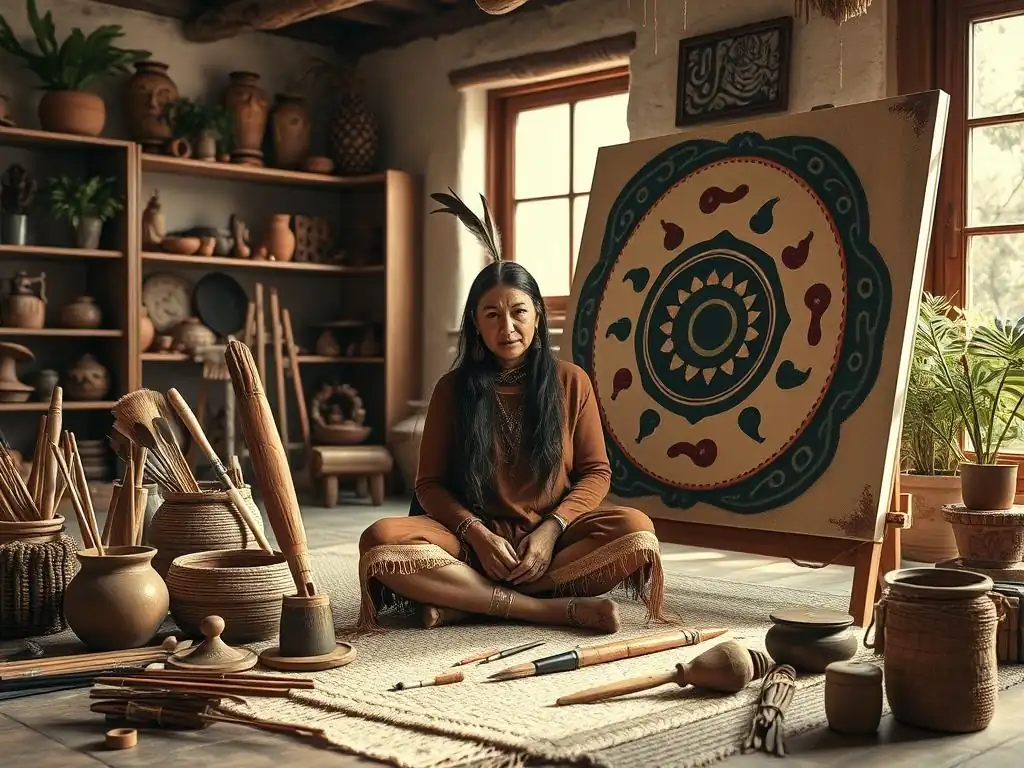
Prominent Indigenous Artists and Their Works
Indigenous art is not merely an aesthetic pursuit; it serves as a profound reflection of spiritual beliefs, cultural identities, and historical narratives. Several prominent Indigenous artists have made significant contributions to this genre, each utilizing their unique cultural backgrounds to express their spirituality through various mediums.
-
Maria Martinez (Pueblo)
Known for her traditional pottery, Martinez's work embodies the spiritual connection between the earth and the Pueblo people. Her black-on-black pottery technique not only showcases artistic skill but also represents the unity of the community and their ancestral heritage.
-
Jaune Quick-to-See Smith (Salish and Shoshone)
A contemporary artist, Smith incorporates elements of her Native American heritage into her mixed media works. Her art often addresses themes of colonialism and cultural identity, highlighting the spiritual resilience of Indigenous peoples.
-
Raven Chacon (Navajo)
As a composer and visual artist, Chacon blends sound and sight to explore the spiritual dimensions of Navajo culture. His installations often invoke traditional narratives, creating immersive experiences that reflect the interconnectedness of art and spirituality.
Case Studies of Art Pieces Reflecting Spiritual Beliefs
Examining specific art pieces can provide deeper insights into how Indigenous art encapsulates spiritual beliefs. Here are a few noteworthy examples:
-
"The Great Tree of Peace" by Josephine W. Allen
This large mural depicts the Iroquois concept of peace and unity among nations. The tree symbolizes strength and interconnectedness, serving as a visual representation of the Iroquois Confederacy's spiritual beliefs about harmony.
-
"The Shaman's Journey" by Eliza N. McCarthy
McCarthy's painting illustrates a shaman's spiritual journey, characterized by vibrant colors and dynamic forms. It reflects the belief in the shaman's role as a mediator between the physical and spiritual worlds, showcasing the deep respect for nature and the spirit beings that inhabit it.
-
"Transformative Spirits" by Andrea W. White
This sculpture represents various animal spirits important in Native American spirituality. Each figure is crafted with intricate details that symbolize the unique relationship Indigenous peoples share with the natural world and its mythical dimensions.
Personal Narratives of Indigenous Artists
The narratives of Indigenous artists offer a personal glimpse into how spirituality informs their creative process. These stories often highlight the integral role of tradition, community, and personal experience in their art.
-
Wendy Red Star (Crow)
Red Star’s work often explores her Crow heritage and its spiritual significance. In her installations, she combines traditional elements with contemporary perspectives, emphasizing the continuity of cultural practices through art. "Art is a way to reclaim and recontextualize our narratives," she states, illustrating how her works serve as both a personal and collective spiritual expression.
-
Franklin K. Tso (Navajo)
Tso's photography captures the essence of Navajo spirituality intertwined with modern life. His series, "Sacred Spaces," documents locations of spiritual significance while addressing contemporary issues faced by Indigenous communities. "My camera is a tool for storytelling, revealing the sacredness in everyday existence," Tso explains, emphasizing how his work connects spirituality with social commentary.
-
Lydia McCauley (Ojibwe)
McCauley’s textile art reflects her cultural heritage and spiritual beliefs. Through weaving and embroidery, she honors her ancestors while addressing themes of healing and resilience. "Each stitch is a prayer," she shares, illustrating the meditative and spiritual aspects of her creative process.
These personal narratives underscore the diversity of experiences and interpretations within Indigenous art, highlighting how spirituality is a vital component of artistic expression in Indigenous cultures.
Regional Variations in Indigenous Art and Spirituality
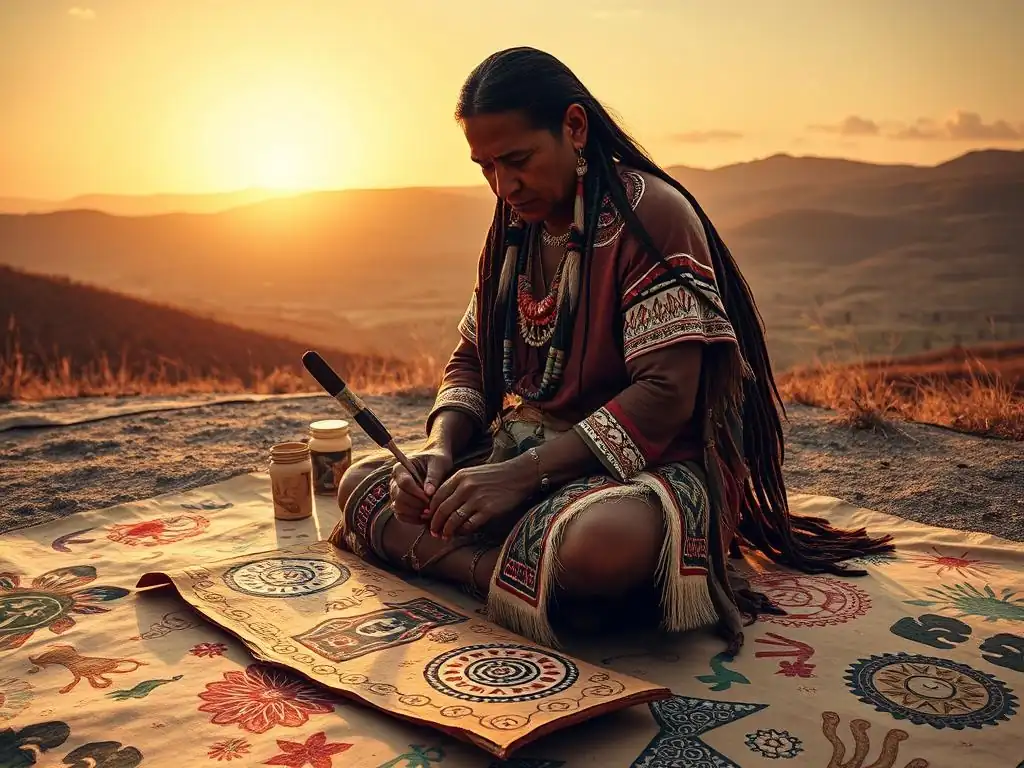
Indigenous art and spirituality in North America exhibit a rich tapestry of regional variations that reflect the unique cultural, social, and environmental contexts of different tribes and communities. Each region showcases distinct artistic expressions that are deeply intertwined with spiritual beliefs and practices, enabling a profound connection between the material and spiritual worlds. Understanding these regional variations provides insight into how indigenous peoples articulate their identities, stories, and values through art.
Art and Spiritual Practices in the Plains Indigenous Cultures
The Plains Indigenous cultures, including tribes such as the Lakota, Cheyenne, and Arapaho, have a unique artistic heritage that embodies their spiritual beliefs and connection to the land. Art forms such as beadwork, quillwork, and painting are not merely aesthetic expressions; they serve as vital components of spiritual rituals and communal identity.
- Tipi Decorations: Tipis, or traditional dwellings of many Plains tribes, are often adorned with intricate designs that hold spiritual significance. These patterns may represent clan affiliations, spiritual journeys, or cosmological beliefs. The placement and colors of these designs can symbolize harmony with nature and the universe.
- Ceremonial Regalia: The creation of ceremonial attire is a sacred practice. Each piece, from headdresses to dance costumes, is imbued with spiritual meaning. For instance, feathers may symbolize honor and connection to the Great Spirit, while colors are often chosen based on their spiritual attributes.
- Storytelling Through Art: Plains art frequently incorporates storytelling elements that convey historical and spiritual narratives. For instance, painted hides often depict battles, visions, and significant cultural tales, serving as both a historical record and a spiritual connection to ancestors.
Coastal Indigenous Art and Spiritual Connections
The Coastal Indigenous cultures, particularly those from the Pacific Northwest, such as the Haida, Tlingit, and Coast Salish, exhibit a distinctive artistic style that is deeply rooted in their spiritual beliefs and environmental surroundings. Their art plays a crucial role in ceremonial practices and cultural expression.
- Totem Poles: One of the most recognizable forms of Coastal Indigenous art, totem poles are not merely decorative; they serve as important cultural symbols that convey clan lineage, spiritual beliefs, and historical narratives. Each figure carved into a totem pole represents ancestral spirits, significant events, or moral lessons, reflecting the interconnectedness of nature and spirituality.
- Masks and Ceremonial Objects: Masks used in potlatch ceremonies and other spiritual events are crafted with great care and detail. These masks often embody supernatural beings and are believed to channel their power during rituals. The art of mask-making is a sacred practice that reinforces spiritual beliefs and community identity.
- Art as an Expression of Nature: Coastal Indigenous art often features elements from the natural world, such as animals, plants, and water. This reflects their belief in the interconnectedness of all living things. The use of natural materials, such as cedar bark and shells, emphasizes the importance of sustainability and respect for the environment.
Southwestern Indigenous Art: Spirituality in Color and Form
In the Southwestern United States, Indigenous cultures such as the Navajo, Hopi, and Zuni have developed a vibrant artistic tradition that intertwines spirituality with daily life. Their art is characterized by intricate designs, symbolism, and a deep connection to the land and its resources.
- Pottery and Kachina Dolls: The creation of pottery is not only a functional craft but also a spiritual practice. Navajo and Pueblo potters often incorporate symbolic designs that reflect their cosmology and beliefs. Kachina dolls, representing spiritual beings, are crafted with the intention of invoking their presence and blessings. Each doll is unique and holds specific meanings within the community.
- Textiles and Weaving: Weaving is an essential art form among Southwestern tribes, particularly the Navajo. The patterns and colors used in textiles often convey spiritual messages and stories. For example, the use of certain colors may symbolize elements such as the earth, sky, or water, linking the weaver's work to the spiritual world.
- Sandpaintings: A significant aspect of Navajo spiritual practices, sandpaintings are created during healing ceremonies. The designs are temporary and made from colored sands, symbolizing the ephemeral nature of life. Each sandpainting serves as a visual representation of sacred stories and is believed to facilitate healing and connection with the divine.
The regional variations in indigenous art and spirituality across North America highlight the profound relationship between artistic expression and spiritual beliefs. Each culture, through its unique artistic forms, conveys its worldview, values, and connections to the land, ancestors, and spiritual realms. Understanding these connections enriches our appreciation of Indigenous art and its role in cultural identity.
Contemporary Perspectives on Indigenous Art and Spirituality
Modern Indigenous Artists and Spiritual Expression
Contemporary Indigenous artists are redefining the landscape of art by infusing their work with deep spiritual significance and cultural narratives. These artists draw from traditional practices while also addressing modern issues, creating a dialogue between past and present. Notable figures include:
- Jaime Black: Known for her art installation "The REDress Project," Black addresses the issue of missing and murdered Indigenous women in Canada. Her work serves as a poignant reminder of cultural loss and resilience, drawing on spiritual elements of mourning and remembrance.
- Rebecca Belmore: A powerful voice in contemporary Indigenous art, Belmore often incorporates themes of water and land, reflecting Indigenous worldviews and spiritual connections to the environment. Her installations evoke a sense of spirituality that resonates with the collective memory of her people.
- Nicholas Galanin: This multifaceted artist blends traditional Indigenous aesthetics with contemporary media, exploring themes of identity and cultural appropriation. His work often challenges viewers to reconsider the relationship between art, culture, and spirituality.
These artists not only express their personal spiritual beliefs but also create spaces for communal reflection and healing through their art.
The Role of Spirituality in Contemporary Indigenous Art Movements
In contemporary Indigenous art movements, spirituality plays a fundamental role in shaping both the artistic process and the messages conveyed through the artwork. Spirituality manifests in various ways, such as:
- Connection to Nature: Many Indigenous artists emphasize the sacred relationship between people and the natural world. Artistic representations of landscapes, animals, and natural elements often reflect spiritual belief systems that honor the land and its resources.
- Community and Identity: Spirituality in art fosters a sense of belonging and identity among Indigenous peoples. Artistic practices often involve community participation, reinforcing cultural ties and collective spiritual experiences. This communal approach is significant in revitalizing traditions and fostering resilience.
- Storytelling and Oral Traditions: Spiritual beliefs are often conveyed through storytelling, a vital aspect of Indigenous cultures. Artists weave narratives into their work, using symbolism and imagery to communicate spiritual teachings and historical experiences. This practice not only preserves culture but also educates broader audiences about Indigenous perspectives.
Through these elements, contemporary Indigenous art movements not only reflect spirituality but also serve as a platform for social justice, cultural reclamation, and healing.
Revitalization of Traditional Spiritual Practices through Art
The revitalization of traditional spiritual practices is increasingly evident in the work of Indigenous artists, who use art as a means to reconnect with their cultural heritage. This revitalization manifests in several key areas:
- Integration of Traditional Techniques: Many contemporary artists are reviving ancient techniques, such as beadwork, weaving, and carving, to create modern pieces that honor their ancestors. By employing these methods, artists affirm their cultural identity and spiritual beliefs.
- Ceremonial Art: Art plays a crucial role in ceremonies, which are often deeply spiritual experiences. Artists create ceremonial objects, such as masks, regalia, and ritual tools, that are imbued with spiritual significance and used in traditional practices. This not only preserves spiritual customs but also educates younger generations about their cultural heritage.
- Cultural Workshops and Education: Artists are increasingly engaged in teaching traditional art forms as a way to pass down spiritual knowledge and cultural practices. Workshops provide opportunities for community members to learn and participate, fostering a sense of pride and connection to their roots.
The revitalization of these practices through art not only strengthens community bonds but also empowers Indigenous peoples to reclaim their narratives and assert their cultural identity in a contemporary context. This movement highlights the profound connection between Indigenous art and spirituality, as artists navigate the complexities of their cultural legacies while forging new paths forward.
Challenges and Misunderstandings
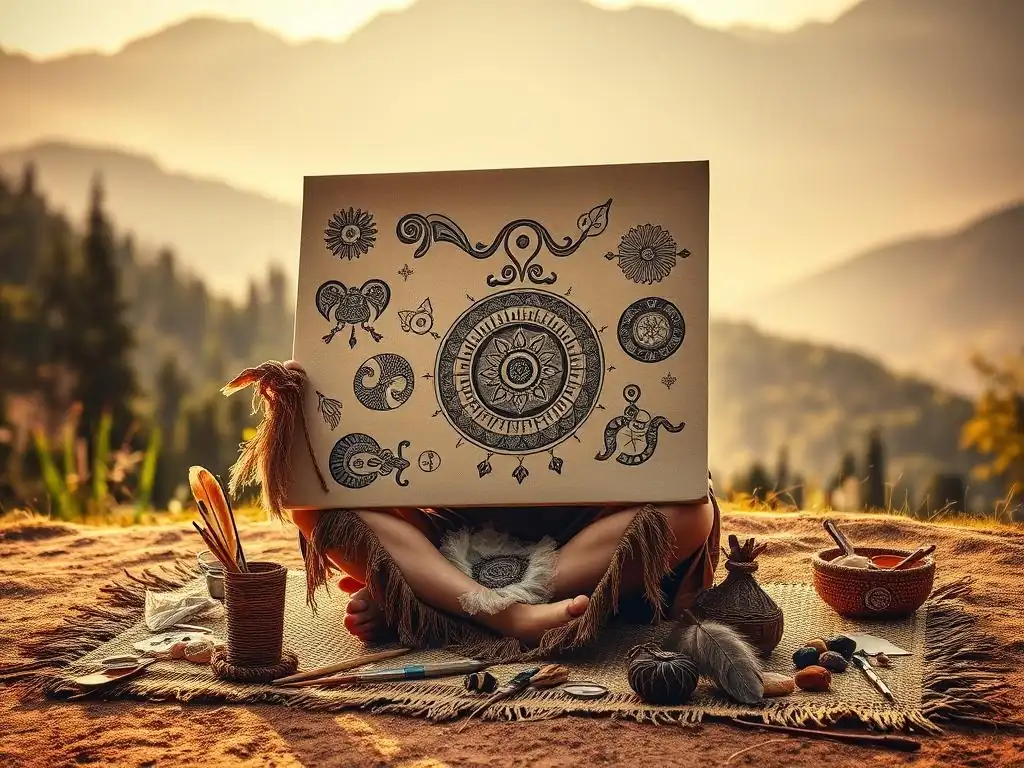
The intersection of indigenous art and spirituality is fraught with challenges, particularly in the context of cultural appropriation and misinterpretation. These issues not only undermine the authenticity of indigenous expressions but also perpetuate harmful stereotypes and misunderstandings about indigenous cultures. Addressing these challenges is crucial for fostering respect and appreciation for the rich tapestry of beliefs and artistic expressions inherent in indigenous societies.
Cultural Appropriation of Indigenous Art and Spirituality
Cultural appropriation refers to the act of taking or borrowing elements from a culture, often without permission or understanding, which can lead to commodification and misrepresentation. In the context of indigenous art and spirituality, this phenomenon is particularly pronounced.
- Commercialization: Many indigenous artworks, once sacred and deeply embedded in spiritual practices, are often reproduced in mass for commercial gain. This not only dilutes their meaning but also exploits the cultural heritage of indigenous peoples. For instance, the use of traditional motifs in fashion and decor often strips these symbols of their original context, transforming them into mere aesthetic choices devoid of significance.
- Lack of Representation: Non-indigenous individuals and corporations frequently profit from indigenous art without involving the creators or communities that hold the rights to these traditions. This raises ethical concerns about ownership and representation, as indigenous artists may struggle to receive fair recognition and compensation for their work.
- Impact on Identity: The appropriation of indigenous art can lead to a crisis of identity within indigenous communities. When their cultural expressions are misused or misrepresented, it can diminish the sense of pride and connection that these artworks foster among community members. Consequently, younger generations may feel disconnected from their heritage, leading to a loss of cultural continuity.
Misinterpretations of Symbols and Rituals
Misinterpretations of indigenous symbols and rituals often arise from a lack of understanding of their cultural significance. Many symbols and practices carry profound meanings tied to the spiritual beliefs and historical experiences of indigenous peoples.
- Oversimplification: Indigenous art is frequently oversimplified in popular culture, where complex symbols are reduced to trendy designs without acknowledgment of their deeper meanings. For instance, a dreamcatcher, which is often seen as a decorative item, is rooted in specific cultural narratives and spiritual practices among various indigenous groups. Misrepresenting such symbols can perpetuate stereotypes and contribute to a superficial understanding of indigenous spirituality.
- Cultural Context: Rituals that involve indigenous art often serve specific functions within their communities, such as healing, storytelling, or community bonding. When these rituals are performed outside of their cultural context, they can lose their intended significance and become mere spectacles. This not only disrespects the traditions but also risks trivializing the experiences and beliefs of indigenous people.
- Educational Gaps: There is a significant gap in education regarding indigenous cultures, which contributes to misunderstandings. Many individuals are unaware of the historical and cultural contexts that inform indigenous art and spirituality. This lack of knowledge can lead to unintentional disrespect and perpetuation of myths about indigenous peoples.
By addressing these challenges and misunderstandings, we can better appreciate the richness of indigenous art and spirituality. Recognizing the importance of context, representation, and the rights of indigenous communities is essential for fostering a more respectful and informed dialogue around their cultural expressions.
Conclusion: The Lasting Impact of Indigenous Art on Spiritual Understanding
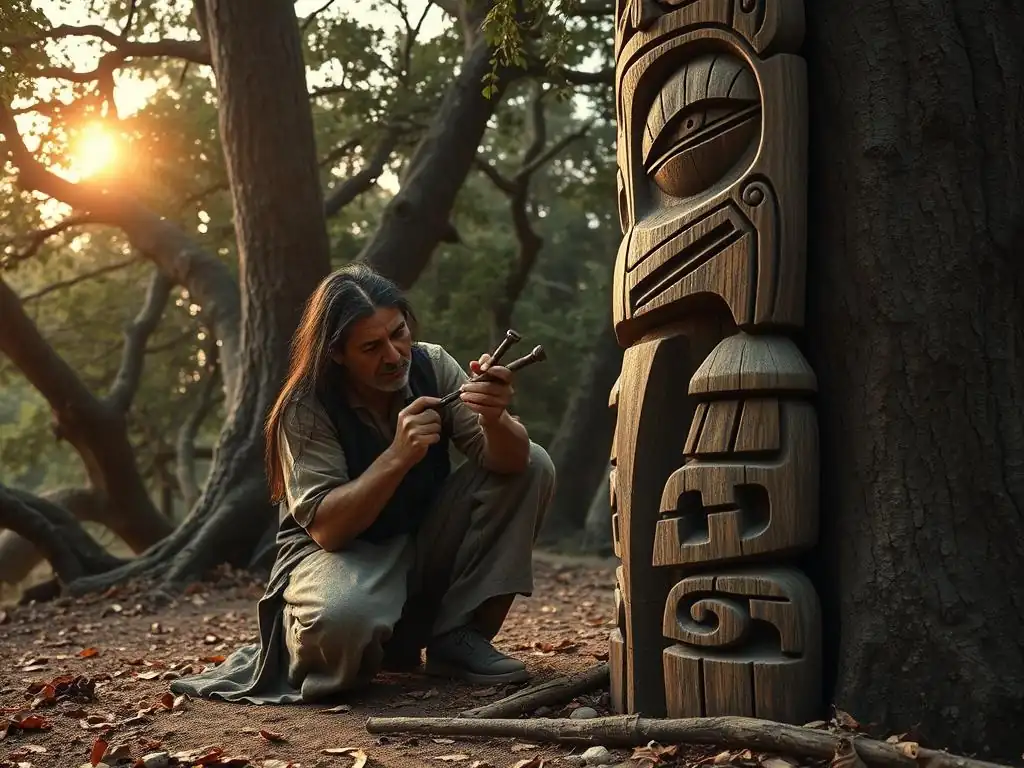
Indigenous art serves as a profound medium through which spiritual beliefs and practices are expressed and preserved. The intricate designs, symbols, and narratives found within various forms of Indigenous art reflect a deep connection to the land, ancestors, and the cosmos. This artistic expression is not merely decorative; it encapsulates the values, history, and spiritual practices of Indigenous communities.
The impact of Indigenous art on spiritual understanding is evident in how it communicates complex cosmologies and cultural narratives. Through various art forms, such as pottery, weaving, painting, and sculpture, Indigenous peoples convey messages about their relationship with nature, the spiritual world, and the shared experiences of their communities. These artworks often serve as a means of storytelling, where each piece holds a unique significance that contributes to the collective memory and identity of the group.
Moreover, the rituals and ceremonies that accompany the creation and presentation of Indigenous art reinforce its spiritual importance. For example, many artists incorporate traditional songs, dances, and prayers into their creative processes, highlighting the inseparability of art and spirituality. This integration not only enriches the artistic practice itself but also fosters a deeper understanding of the beliefs and values inherent in Indigenous cultures.
Reflection on the Interconnectedness of Art and Spirituality
The relationship between Indigenous art and spirituality is marked by a cyclical interplay that shapes both artistic expression and spiritual practice. Art serves as a vessel for spiritual beliefs, while spirituality provides a framework for artistic creation. This interconnectedness is evident in several ways:
- Cultural Identity: Indigenous art often embodies the identity of a community, reflecting its unique beliefs and values. For instance, the use of specific symbols and colors can represent various spiritual concepts, connecting the community to its ancestors and the natural world.
- Ritual Significance: Many Indigenous artworks are created for specific ceremonies or rituals, emphasizing their spiritual purpose. Items such as masks, totems, and ceremonial regalia are crafted with deep attention to detail and meaning, serving as conduits for spiritual energy and connection.
- Healing Practices: Artistic expression can also play a role in healing practices within Indigenous cultures. Artworks are sometimes used in rituals designed to restore balance and harmony, demonstrating how creativity can facilitate spiritual well-being.
This reflection on the interconnectedness of art and spirituality underscores the importance of respecting and understanding Indigenous perspectives, particularly in contemporary discourse surrounding cultural appropriation and representation.
Future Directions for Indigenous Art and Spiritual Practices
As Indigenous communities continue to navigate the complexities of modernity while preserving their cultural heritage, the future of Indigenous art and spirituality holds both challenges and opportunities. Several key directions are emerging:
- Revitalization of Traditions: Many Indigenous artists are working to revive traditional techniques and materials, ensuring that ancestral knowledge is passed down to future generations. This revival often includes incorporating contemporary themes and issues, creating a dialogue between past and present.
- Interdisciplinary Collaboration: Collaborations between Indigenous artists and other cultural practitioners can foster cross-cultural understanding and appreciation. These partnerships can lead to innovative approaches that honor traditional practices while engaging with contemporary artistic movements.
- Digital Platforms: The rise of digital technology offers new avenues for Indigenous art to reach broader audiences. Online exhibitions, social media, and digital storytelling can amplify Indigenous voices and showcase their art and spirituality to a global audience.
- Education and Advocacy: Initiatives aimed at educating the public about Indigenous art and spirituality can promote greater respect and understanding. This can include workshops, lectures, and community events that highlight the significance of Indigenous cultural practices.
Indigenous art and spirituality remain vital to the identity and resilience of Indigenous communities across the Americas. By recognizing and supporting these practices, society can contribute to the preservation of rich cultural legacies while fostering a deeper appreciation for the interconnectedness of art and spirituality.
Call to Action
Encouraging Appreciation and Respect for Indigenous Art and Spirituality
Indigenous art is not merely a visual expression; it embodies deep spiritual beliefs, cultural narratives, and historical contexts. To truly appreciate Indigenous art and spirituality, one must approach it with respect and understanding. Here are some key points to consider:
- Cultural Context: Every piece of Indigenous art is rooted in its specific cultural background. For example, the intricate beadwork of the Lakota reflects their connection to the land and their ancestors, while the vibrant textiles of the Navajo are steeped in stories of creation and identity.
- Respect for Traditions: Engaging with Indigenous art should be done with a recognition of its sacredness. Many artworks are created for ceremonial purposes or spiritual expression, and understanding this can enhance one’s appreciation.
- Support Indigenous Artists: Purchasing art directly from Indigenous artists or supporting Indigenous-owned galleries fosters economic empowerment and encourages the continuation of cultural traditions. By doing so, you help sustain the communities that produce this art.
- Education and Awareness: Increasing awareness about the meanings behind different art forms can dismantle misconceptions. For instance, the significance of totem poles among the First Nations of the Pacific Northwest goes beyond mere decoration; they serve as historical records and spiritual symbols.
By fostering a respectful engagement with Indigenous art and spirituality, we contribute to the preservation of these rich cultural heritages and encourage future generations to appreciate and honor them.
Resources for Further Exploration of Indigenous Cultures
To deepen your understanding of Indigenous art and spirituality, exploring various resources can be immensely beneficial. Here’s a curated list of types of resources that can provide valuable insights:
- Books:
- "The Spirit of Native America: Beauty and Mysticism in American Indian Art" by Thomas H. McNulty
- "Native American Art: A History" by David W. Penney
- Documentaries and Films:
- "We Shall Remain": A PBS documentary series that explores Native American history and culture.
- "Smoke Signals": A film that addresses contemporary Indigenous life and perspectives.
- Museums and Cultural Centers:
- National Museum of the American Indian (Washington, D.C.): Offers an extensive collection of Indigenous art and artifacts, along with educational programs.
- The Heard Museum (Phoenix, Arizona): Known for its focus on American Indian art and culture, featuring various exhibitions and events.
- Online Resources:
- American Indian Art Magazine: Provides articles and features on contemporary Indigenous artists and cultural issues.
- Indigenous Peoples’ Literature: Offers a wealth of oral traditions and literature from Indigenous peoples across the Americas.
By engaging with these resources, you can gain a more profound appreciation of the intricate relationship between Indigenous art and spirituality, and how these elements continue to shape the identities and communities of Indigenous peoples today.
Frequently Asked Questions
What is the main focus of the article "Art and Spirituality: How Indigenous Arts Reflect Beliefs and Spiritual Practices"?
The article explores the connection between indigenous art and spirituality, highlighting how these arts serve as expressions of belief systems and cultural values within indigenous communities.
How do indigenous arts reflect spiritual beliefs?
Indigenous arts often incorporate symbols, rituals, and myths that are central to their spiritual practices, thus acting as a medium to communicate and preserve their cultural heritage and religious beliefs.
What role do rituals play in indigenous art?
Rituals play a crucial role by providing a context for artistic expression, where art becomes a vehicle for spiritual connection and community engagement, reinforcing cultural identity and continuity.
Can indigenous art impact contemporary society?
Yes, indigenous art can inspire appreciation for diverse cultural perspectives and encourage dialogue about spirituality, identity, and heritage, fostering greater understanding and respect in contemporary society.
Why is it important to study indigenous art and spirituality?
Studying indigenous art and spirituality is vital for recognizing the richness of these cultures and their contributions to the broader human experience, as well as understanding the interconnectedness between creativity and spirituality in shaping their worldviews.
Final Reflection: The Interwoven Tapestry of Indigenous Art and Spirituality
Indigenous art and spirituality are not merely expressions of culture; they are living narratives that resonate deeply with contemporary society. As we navigate a world increasingly disconnected from its roots, the vibrant traditions of Indigenous peoples remind us of the profound connection between creativity and belief systems. These artistic expressions serve as a bridge to understanding the spiritual landscapes that shape identities, offering insights that are as relevant today as they were centuries ago.
The influence of Indigenous art on our cultural and social landscape is undeniable, as it invites us to engage with the sacred and the communal. The intricate designs, stories, and rituals embedded in these artworks reflect a worldview that honors the interconnectedness of all life. As artist and activist Rebecca Belmore once said, Art is a way of knowing, a way of seeing, a way of being.
This perspective encourages us to recognize the importance of Indigenous narratives in fostering empathy and respect for diverse spiritual practices, ultimately enriching our collective human experience.
As we reflect on the lessons embedded in Indigenous art and spirituality, let us take a moment to consider how we can incorporate these teachings into our daily lives. I invite you to explore your own beliefs and the art forms that resonate with you, allowing them to inspire a deeper understanding of your place in the world. By honoring the wisdom of Indigenous cultures and embracing the spiritual dimensions of art, we can cultivate a more inclusive and compassionate society that values the stories and traditions of all peoples.
Unveil the Spirit of Indigenous Art!
Thank you for exploring the profound connection between art and spirituality within Indigenous cultures. Your journey through this fascinating topic has equipped you with a deeper understanding of how these artistic expressions reflect unique beliefs and practices. Now, it's time to take meaningful action!
Here are some ways to further engage with this vital subject:
- Explore Indigenous Artworks: Visit a local gallery or museum that showcases Indigenous art. Take the time to appreciate and learn about the stories behind each piece.
- Participate in Workshops: Join a community workshop or class to create your own art inspired by Indigenous techniques and values. This hands-on experience will deepen your connection to the culture.
- Share Your Insights: Start a conversation by sharing your newfound knowledge. Consider posting about it on social media or discussing it with friends and family to spread awareness and appreciation.
Which piece of Indigenous art resonates with you the most, and in what ways has it enriched your understanding of spirituality?