
Cultural Identity and Political Structure: The Toltec Perspective

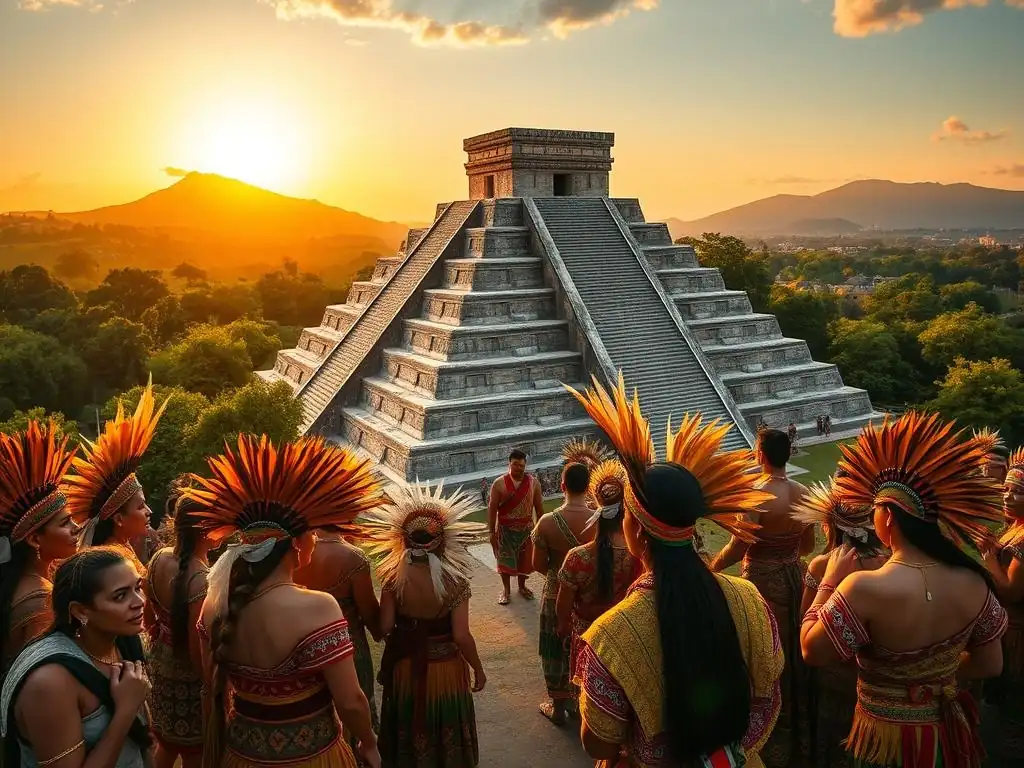
Welcome to Indigenous Civilizations of the Americas, where we invite you to journey through the vibrant tapestry of cultures that flourished across the continent long before European influence. In our featured article, Cultural Identity and Political Structure: The Toltec Perspective, we delve into the intricate world of the Toltec cultural identity and politics, revealing how their unique societal frameworks and rich heritage continue to shape our understanding of indigenous legacies today. Prepare to uncover the profound achievements and lasting impacts of these remarkable civilizations—your exploration begins now!
- Introduction to Toltec Cultural Identity and Politics
- The Foundations of Toltec Cultural Identity
- The Political Structure of the Toltec Civilization
- Interrelationship Between Cultural Identity and Political Power
- Case Studies: Notable Toltec Leaders and Their Influence on Cultural Identity
- The Legacy of Toltec Cultural Identity and Political Structure
- Conclusion: The Significance of Understanding Toltec Cultural Identity and Politics
- References
- Frequently Asked Questions
- Final Reflection: The Enduring Legacy of Toltec Cultural Identity and Politics
- Unveil the Richness of Toltec Culture!
Introduction to Toltec Cultural Identity and Politics
The Toltec civilization, flourishing between the 10th and 12th centuries in central Mexico, represents a significant chapter in the history of indigenous cultures in the Americas. Known for their impressive architectural achievements and intricate artistry, the Toltecs also developed a complex political structure that was deeply intertwined with their cultural identity.
Understanding the nuances of Toltec cultural identity and politics not only sheds light on their societal organization but also highlights their enduring impact on subsequent Mesoamerican cultures, particularly the Aztecs. This article will explore the key aspects of Toltec cultural identity and the political frameworks that underpinned their society, providing insights into how these elements coalesced to form a robust civilization.
Overview of Toltec Civilization
The Toltec civilization was characterized by its sophisticated urban centers, notably Tula, which served as a political and cultural hub. The Toltecs are often credited with significant advancements in various domains, including:
- Architecture: The construction of monumental pyramids and temples, showcasing advanced engineering techniques.
- Art: Development of distinctive artistic styles, including intricate stone carvings and pottery.
- Religion: A polytheistic belief system with a pantheon of gods, which played a crucial role in their cultural practices.
The political structure of the Toltec society was hierarchical, often led by a ruler who was considered both a political and spiritual leader. This duality emphasized the connection between governance and religious authority, shaping the way society functioned and maintained order.
Importance of Cultural Identity in Political Structures
Cultural identity among the Toltecs was not merely a reflection of their traditions and beliefs, but it also played a vital role in their political organization. The following aspects illustrate this relationship:
- Shared Beliefs and Values: The common cultural narrative forged a sense of unity among the Toltecs, enabling them to mobilize for collective governance and defense against external threats.
- Rituals and Ceremonies: Political events were often intertwined with religious ceremonies, reinforcing the authority of leaders and the cultural significance of their governance.
- Symbols of Power: Artifacts and architectural symbols were utilized to project political power, intertwining governance with artistic expression and cultural heritage.
In essence, the Toltec political structures were not just administrative frameworks but were deeply rooted in the cultural identity that defined the civilization. This interplay of culture and politics shaped the legacy of the Toltecs, influencing future generations and civilizations in the region.
The Foundations of Toltec Cultural Identity
Core Beliefs and Values of the Toltec People
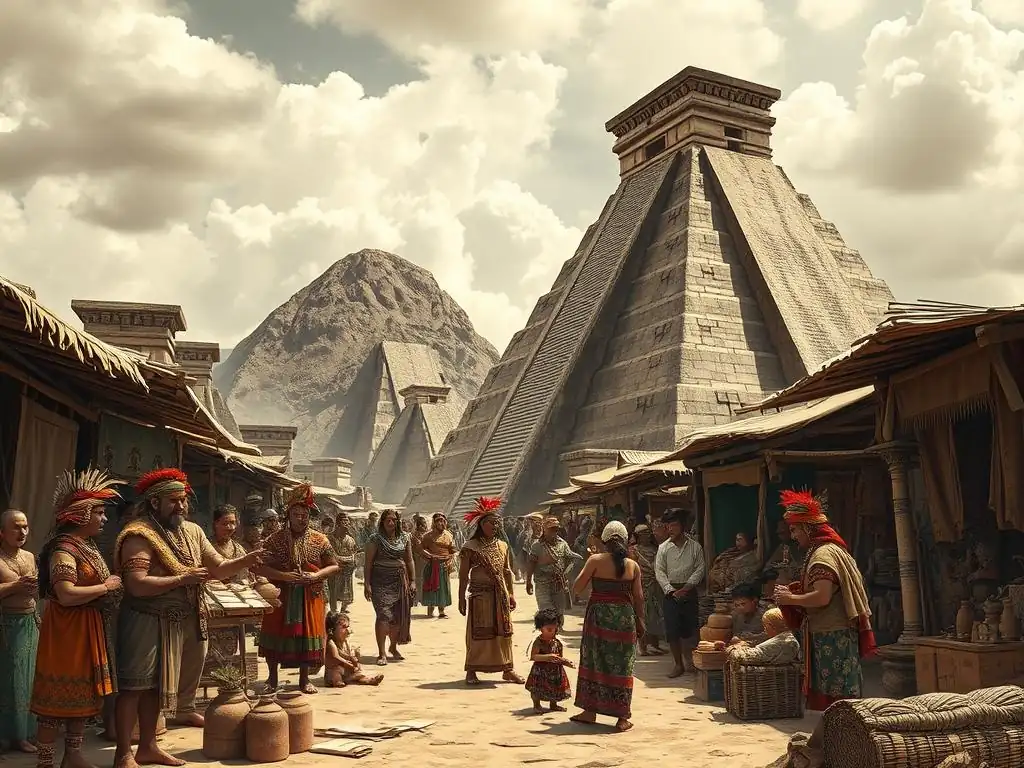
The Toltec civilization, which flourished in central Mexico from the 10th to the 12th century, was characterized by a rich tapestry of beliefs and values that shaped their cultural identity. Central to Toltec philosophy was the concept of Teotl, a term that encompassed both the divine and the natural world, reflecting a worldview where everything was interconnected. The Toltecs believed in the importance of balance and harmony in life, which influenced their practices and societal structures.
- Duality: The Toltecs embraced the idea of duality, which was evident in their understanding of life and death, light and darkness, and good and evil. This duality was not seen as oppositional but rather as complementary forces that shaped their existence.
- Respect for Knowledge: Knowledge and wisdom held a prominent place in Toltec society. The pursuit of knowledge was not only encouraged but regarded as a sacred duty. This respect for wisdom was reflected in their educational systems, where the elite were trained in various disciplines, including theology, astronomy, and philosophy.
- Community and Social Cohesion: The Toltecs placed significant emphasis on community values. Social cohesion was maintained through collective rituals and gatherings, reinforcing a sense of belonging and mutual support among individuals.
Influence of Religion on Toltec Identity
Religion played a pivotal role in shaping the Toltec cultural identity and politics. The Toltecs practiced a polytheistic religion, worshipping a pantheon of gods, each representing different aspects of life and nature. Key deities included:
- Quetzalcoatl: Often referred to as the Feathered Serpent, Quetzalcoatl was associated with wisdom, wind, and fertility. His worship emphasized the importance of knowledge and moral integrity, influencing political leaders to govern with wisdom.
- Tezcatlipoca: The god of the night sky, Tezcatlipoca represented conflict and change. His dual nature reminded the Toltecs of the complexities of existence, reinforcing their beliefs in the balance of opposites.
Rituals and ceremonies played an essential role in the Toltec worldview, serving as a means to communicate with the divine and seek guidance. The Great Pyramid of Tula, for instance, served as a significant ceremonial site where various religious activities took place, further solidifying the connection between politics and religion. Leaders often sought the favor of the gods to legitimize their authority and decisions.
Artistic Expression and its Role in Cultural Identity
Artistic expression was a fundamental aspect of Toltec life, serving as both a reflection of their beliefs and a means of cultural preservation. Toltec art, renowned for its intricate designs and symbolism, conveyed narratives that reinforced their identity and values.
- Sculpture and Architecture: The Toltecs are known for their monumental sculptures, particularly the Atlantean figures at Tula, which served not only as artistic achievements but also as representations of their political and religious ideologies. These figures, depicting warriors and deities, symbolized strength and divine protection.
- Symbolism in Art: Symbols played a crucial role in Toltec art, conveying deeper meanings and stories. For instance, the use of serpents and eagles in their artwork represented duality and the connection between the earthly and the divine.
- Ceramics and Textiles: Toltec pottery and textiles showcased vibrant colors and intricate patterns, often depicting scenes of daily life, mythology, and nature. These artistic forms were essential for community identity, as they often depicted shared values and collective memory.
The interplay between core beliefs, religious practices, and artistic expression significantly contributed to the Toltec cultural identity and politics. This multifaceted identity not only defined the Toltecs as a civilization but also influenced their governance and societal structures, leaving a lasting impact on the indigenous cultures of the Americas.
The Political Structure of the Toltec Civilization
Hierarchical Governance in Toltec Society
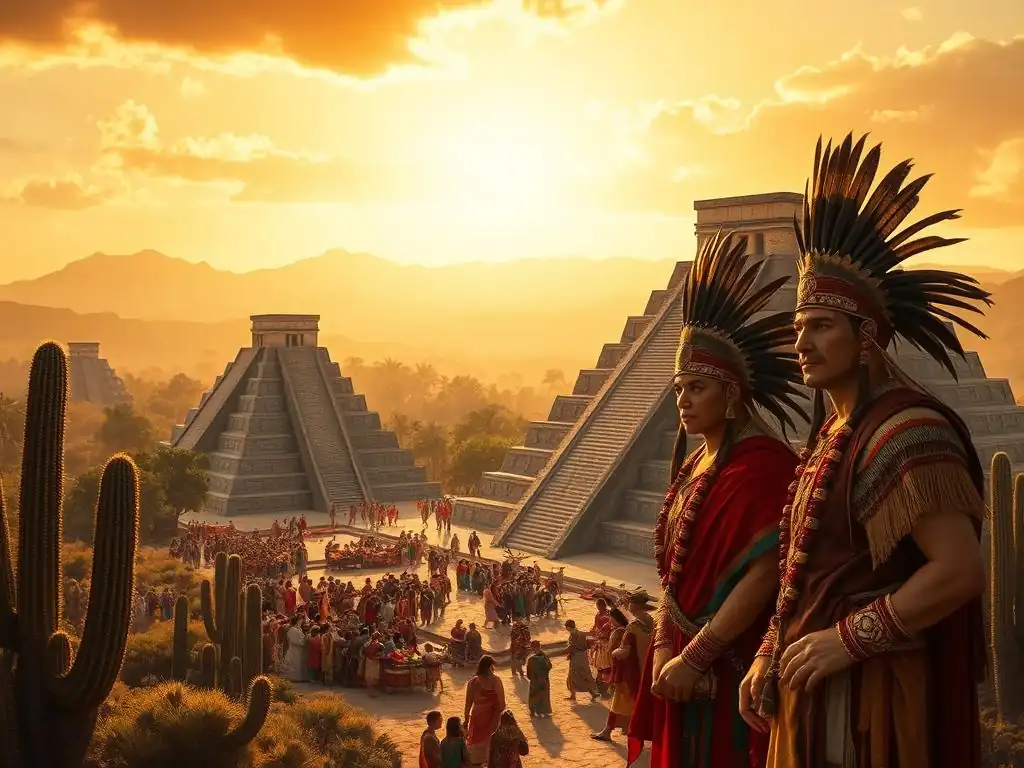
The political structure of the Toltec civilization was characterized by a hierarchical system that emphasized centralized authority and organized governance. This structure allowed for effective management of resources, defense, and the administration of justice, which were crucial for the stability and prosperity of Toltec society.
At the top of this hierarchy was the Tlatoani, the supreme ruler, who held both political and religious authority, embodying the connection between governance and spirituality. Below the Tlatoani, a complex web of officials and nobles helped to administer various aspects of society, including military, economic, and social functions. This organization ensured that the diverse needs of the population were met, while also maintaining control over the territories.
The Role of the Tlatoani (Chief)
The Tlatoani was not merely a figurehead; this position carried immense responsibilities and powers. The Tlatoani was expected to lead military campaigns, oversee the construction of infrastructure, and enact laws that governed daily life. Their decisions directly impacted agriculture, trade, and diplomacy with neighboring states.
Moreover, the Tlatoani was seen as a mediator between the gods and the people, performing rituals and sacrifices to ensure divine favor. This dual role of political and spiritual leader solidified the Tlatoani's importance in Toltec cultural identity. The legitimacy of the Tlatoani’s rule was often reinforced through the display of military prowess and the accumulation of wealth, which in turn garnered the support of the nobility and the populace.
Council of Nobles and Their Influence
The Council of Nobles, or Miztec, played a pivotal role in the governance of the Toltec state. This council was composed of high-ranking nobles, military leaders, and influential merchants who advised the Tlatoani and participated in decision-making processes. Their influence was significant, as they controlled large estates and commanded loyalty from the commoners.
The relationships between the Tlatoani and the nobles were often characterized by a delicate balance of power. While the Tlatoani held ultimate authority, the nobles could exert considerable pressure through their economic resources and military strength. This interdependence fostered a political environment where cooperation and competition coexisted, leading to a dynamic yet stable governance structure.
Administrative Units and Regional Governance
The Toltec civilization was divided into several administrative units, which allowed for effective local governance and resource management. Each unit was governed by local leaders who were often appointed by the Tlatoani or elected from among the nobility. These leaders were responsible for tax collection, law enforcement, and maintaining order within their regions.
The administrative divisions were not merely bureaucratic; they also reflected the cultural and social structures of the Toltecs. Each region had its own unique customs and practices, which were integrated into the broader Toltec identity. This regional governance allowed for a diverse yet unified cultural identity, where local traditions coexisted with the overarching Toltec political framework.
| Administrative Unit | Leadership | Responsibilities |
|---|---|---|
| City-States | Local Nobles | Tax collection, law enforcement, trade |
| Military Districts | Military Commanders | Defense, recruitment, and logistics |
| Religious Centers | Priests and Nobles | Conducting rituals, managing temples |
The Toltec political structure was thus a complex interplay of hierarchy, regional governance, and cultural identity. This system not only facilitated effective administration but also reinforced the unique aspects of Toltec cultural identity and politics, ensuring their legacy endured long after their decline.
Interrelationship Between Cultural Identity and Political Power
The Toltec civilization, which flourished in central Mexico from approximately 900 to 1168 CE, provides a fascinating case study of how cultural identity and political power are deeply intertwined. The Toltecs saw their cultural identity as a reflection of their accomplishments, values, and beliefs, which in turn influenced their political structures. This interrelationship can be understood through various aspects, including their religious practices, social hierarchies, and artistic expressions that served to legitimize and strengthen political authority.
The Toltec rulers were often viewed as divine leaders, embodying both political and spiritual responsibilities. This belief system reinforced their governance while simultaneously promoting a unified cultural identity. Through the lens of their mythology and cosmology, Toltec leaders justified their power and authority, creating a system where cultural narratives supported political legitimacy.
Moreover, the Toltec society was characterized by a complex system of alliances and rivalries with neighboring cultures. Their cultural identity was shaped by these interactions, leading to a dynamic political landscape that was influenced by shared beliefs, trade, and military engagements. Thus, understanding the Toltec cultural identity is essential for comprehending their political structures and governance.
How Cultural Practices Shaped Political Institutions
Cultural practices among the Toltecs played a pivotal role in shaping their political institutions. These practices included various forms of art, architecture, and social customs that not only represented Toltec identity but also served to reinforce the power of their rulers. For instance, the construction of monumental architecture, such as the Pyramid of Quetzalcoatl at Tula, was a demonstration of political might and cultural sophistication, signaling to both subjects and rivals the strength of Toltec governance.
Art and Symbolism
The rich artistic tradition of the Toltecs, which included intricate stone carvings and murals, often depicted deities and mythological themes that were central to their cultural identity. These artworks served dual purposes: they were expressions of cultural values and tools for political propaganda. Leaders would commission public works that emphasized their divine connection and role as protectors of the Toltec way of life.
Social Hierarchies and Governance
The social structure of the Toltecs was stratified, with a ruling elite that maintained control over the common populace. Cultural practices, such as the enforcement of social norms and rituals, created a sense of order and stability within the political framework. This hierarchy was reinforced through ceremonies that celebrated the power of the elite and their divine right to rule, thus embedding cultural identity within the fabric of political institutions.
The Impact of Warfare on Toltec Identity and Governance
Warfare was a significant aspect of Toltec life, deeply impacting both their cultural identity and political governance. The Toltecs were known for their military prowess, and their conquests played a crucial role in expanding their influence across Mesoamerica. This militaristic aspect not only shaped their identity as a formidable civilization but also had profound implications for their political structures.
Militaristic Culture
The Toltec identity was heavily influenced by their military achievements. Success in battles was often celebrated through rituals and ceremonies, creating a culture that revered warriors and their contributions to society. This glorification of warfare fostered a collective identity that emphasized strength, valor, and the protection of the Toltec realm.
Political Alliances and Control
Warfare also facilitated the establishment of political alliances that were essential for governance. The Toltecs often engaged in strategic marriages and agreements with conquered peoples to maintain control and integrate diverse cultural elements into their own. These alliances were not merely diplomatic; they were cultural as well, as the Toltecs assimilated aspects of other cultures while asserting their dominance.
Rituals and Ceremonies as Political Tools
Rituals and ceremonies held profound significance in the Toltec civilization, serving as essential tools for political power and cultural identity. These practices were not only expressions of faith and tradition but also mechanisms through which political leaders could reinforce their authority and unite their people.
The Role of Religion
Religion played a central role in Toltec society, and political leaders often acted as intermediaries between the gods and the people. Major ceremonies, such as the dedication of temples or festivals honoring deities, were orchestrated by rulers to showcase their devotion and legitimacy. These events fostered a sense of communal identity and reinforced the idea that the rulers were divinely sanctioned.
Ceremonial Warfare
Ceremonial warfare was another critical component of Toltec rituals, demonstrating how conflict and spirituality were intertwined. These battles were often fought not just for territorial gains but also as a means to capture enemies for sacrificial purposes, thus reinforcing cultural beliefs and political authority. The outcomes of such rituals were celebrated through public festivals, further embedding the connection between warfare, culture, and governance.
The Toltec civilization offers a rich tapestry of cultural identity and political structure, where each element profoundly influences the other. Through their unique practices, achievements, and belief systems, the Toltecs established a powerful legacy that continues to resonate within the context of indigenous cultures in the Americas.
Case Studies: Notable Toltec Leaders and Their Influence on Cultural Identity
Topiltzin Quetzalcoatl and Their Contributions to Toltec Politics
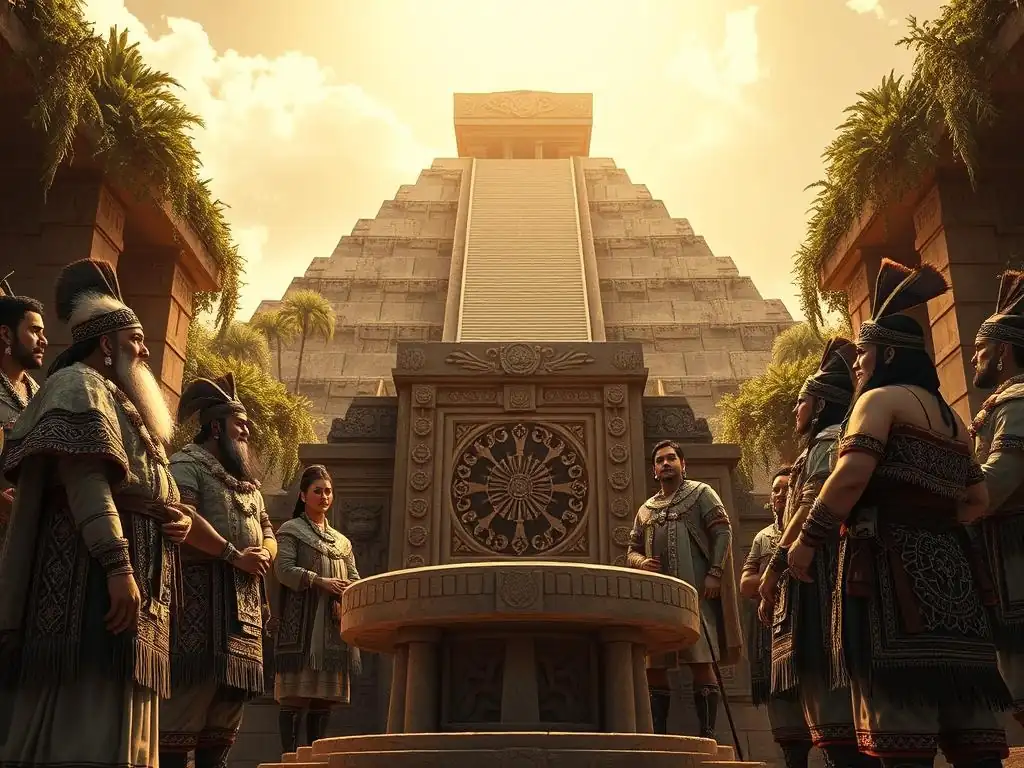
Topiltzin Quetzalcoatl, often revered as a legendary figure within Toltec civilization, serves as a pivotal example of how leadership can shape cultural identity and political structure. As a priest-king, he is associated with the promotion of the Toltec cultural identity through various reforms and policies. His reign is characterized by a blend of spirituality and governance, emphasizing the importance of moral and ethical leadership.
- Cultural Syncretism: Quetzalcoatl's approach to governance encouraged the integration of diverse cultural elements. He promoted the worship of deities that resonated with various ethnic groups, fostering a sense of unity among the Toltecs and their neighbors. This syncretism helped solidify a shared cultural identity, essential for the political cohesion of the empire.
- Economic Reforms: Under his leadership, the economy flourished through the establishment of trade networks. Quetzalcoatl's policies prioritized agricultural production and trade, which not only enhanced the prosperity of the Toltec people but also reinforced their cultural identity through the exchange of goods, ideas, and traditions with other Mesoamerican cultures.
- Education and the Arts: Quetzalcoatl is credited with advancing education and the arts, which played a crucial role in shaping Toltec identity. By promoting literacy and artistic expression, he ensured that the values and traditions of the Toltec civilization were preserved and celebrated. Schools were established to teach the history, mythology, and rituals of the Toltecs, further embedding cultural identity into the political framework.
Quetzalcoatl's legacy is a testament to the intricate relationship between leadership and cultural identity in Toltec society. His contributions laid the groundwork for a political structure that valued cultural cohesion and ethical governance, elements that are essential to understanding the dynamics of Toltec cultural identity and politics.
Moctezuma I and the Evolution of Cultural Identity
Moctezuma I, another significant figure in Toltec history, played a crucial role in the evolution of Toltec cultural identity and politics during his reign. His leadership marked a period of expansion and consolidation, which had lasting effects on the political landscape and cultural practices of the Toltecs.
- Military Expansion and Cultural Integration: Moctezuma I is known for his military campaigns aimed at expanding Toltec territory. These conquests not only secured resources and strategic advantages but also facilitated cultural exchange. The integration of conquered peoples into the Toltec fold enriched the cultural tapestry of the civilization and helped establish a more diverse political structure.
- Codification of Laws and Governance: Under Moctezuma I's rule, there was a significant effort to codify laws and formalize governance. This development was essential for the establishment of a cohesive political identity. The legal frameworks created during his reign helped to standardize practices and beliefs across the empire, thereby strengthening the collective identity of the Toltec people.
- Patronage of Religion and the Arts: Like Quetzalcoatl, Moctezuma I recognized the importance of religion and the arts in shaping cultural identity. He was a patron of various religious institutions and artistic endeavors, which led to a flourishing of Toltec art and religion. This emphasis on cultural patronage helped solidify a shared identity that was both political and spiritual, reinforcing the authority of the Toltec state.
Moctezuma I's influence on Toltec cultural identity and politics demonstrates the pivotal role of leaders in shaping not only the political landscape but also the cultural narratives that define a civilization. His contributions reflect a dynamic interplay between governance, cultural integration, and identity formation that remains integral to understanding the Toltec civilization's legacy.
The Legacy of Toltec Cultural Identity and Political Structure
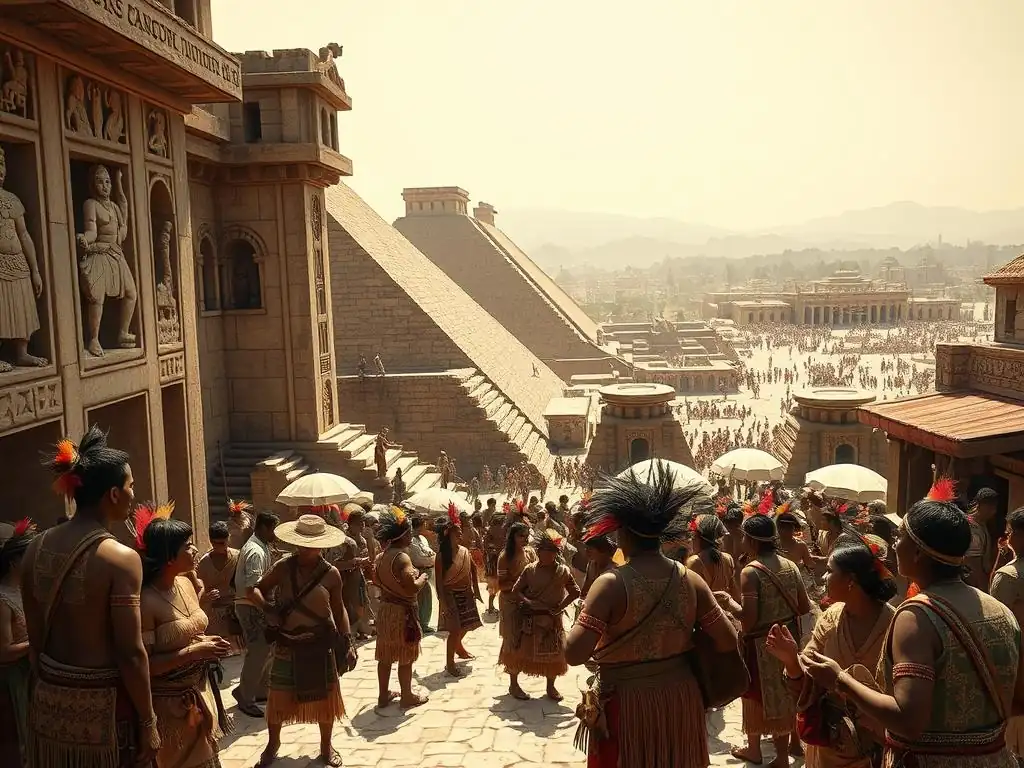
The Toltec civilization, which thrived in central Mexico between the 10th and 12th centuries, is often regarded as a significant precursor to the later Aztec Empire. Their cultural identity and political structure left an indelible mark on the Mesoamerican landscape, influencing not only their contemporaries but also future generations. The Toltecs are primarily remembered for their achievements in art, architecture, and governance, which were deeply intertwined with their cultural beliefs and social organization.
Central to the Toltec identity was their emphasis on duality and balance, reflected in their political hierarchy and religious practices. The Toltecs viewed their rulers as both political leaders and spiritual guides, embodying the principles of Teotl, or divine energy. This duality fostered a system where governance was not merely a function of power but also a manifestation of cultural and spiritual duty. As a result, political decisions were often made in conjunction with religious ceremonies, reinforcing the idea that leadership was a sacred responsibility.
Lasting Impact on Subsequent Mesoamerican Societies
The influence of Toltec cultural identity and politics can be seen in various aspects of subsequent Mesoamerican societies, particularly the Aztecs. The Aztecs revered the Toltecs, considering them as cultural heroes and custodians of wisdom. They adopted many elements of Toltec governance, including military organization and religious practices, which contributed to their eventual rise to power.
One significant legacy is the architectural style characterized by grand pyramids and elaborate stone carvings that represented both political authority and religious significance. The Aztecs, for instance, emulated the Toltec's monumental architecture, establishing their own temples that mirrored the grandeur seen in Toltec sites like Tula.
Moreover, the concept of the tlatoani, or ruler, which emerged during the Toltec era, became a fundamental aspect of Aztec political structure. The tlatoani was not only a secular authority but was also believed to be divinely appointed, rooted in the traditions established by the Toltecs. This idea reinforced the connection between political governance and cultural identity, establishing a framework that persisted long after the decline of the Toltec civilization.
| Aspect | Toltec Influence | Aztec Adaptation |
|---|---|---|
| Political Structure | Divine rulers ( tlatoani) | Secular and spiritual ruler |
| Architecture | Monumental pyramids | Grand temples and palaces |
| Military Organization | Warrior elites | Highly structured military |
| Religious Practices | Ceremonial governance | Rituals integrated in rule |
Modern Interpretations of Toltec Identity in Politics
In contemporary discourse, the legacy of Toltec cultural identity and politics continues to resonate, particularly among indigenous communities and scholars seeking to reclaim and reinterpret their heritage. Modern interpretations often emphasize the importance of balance between governance and spirituality, drawing from Toltec principles to address current sociopolitical issues.
Many indigenous leaders advocate for a political structure that mirrors the Toltec model, prioritizing communal well-being and spiritual alignment in governance. This approach challenges contemporary political systems that may prioritize individualism or material gain over collective harmony and cultural identity.
Furthermore, the resurgence of interest in Toltec philosophy is evident in various cultural movements that seek to integrate indigenous wisdom into modern political frameworks. The concept of Teotl and the duality of existence inspire discussions on sustainable governance, ecological responsibility, and social justice. As a result, the Toltec legacy serves not only as a historical reference but also as a source of inspiration for contemporary political thought among indigenous peoples.
The profound impact of Toltec cultural identity and political structure can be traced through Mesoamerican history and continues to influence modern interpretations of governance. Understanding this legacy provides valuable insights into the complex interplay between culture, politics, and identity that shapes both past and present societies in the Americas.
Conclusion: The Significance of Understanding Toltec Cultural Identity and Politics
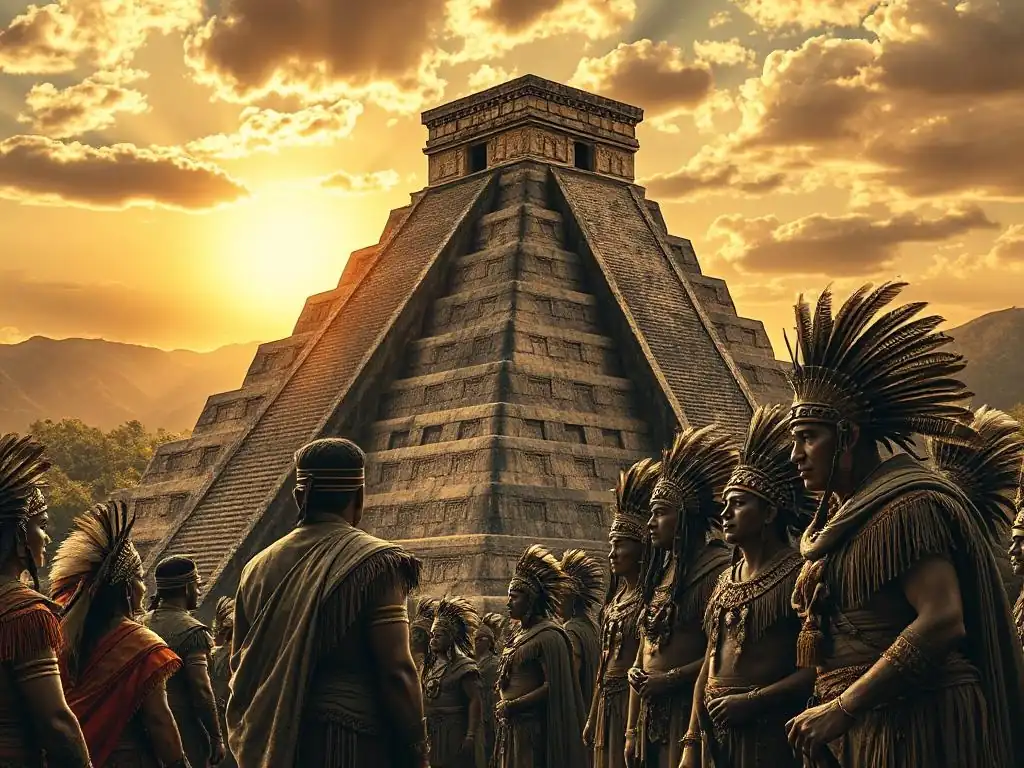
Understanding the intricate tapestry of Toltec cultural identity and politics is crucial not only for appreciating the historical significance of this civilization but also for recognizing its lasting impact on contemporary society. The Toltecs, who thrived in central Mexico from around the 10th to the 12th century, established a sophisticated political structure intertwined with their cultural practices and beliefs. This connection between identity and governance reflects broader themes in indigenous societies, where leadership is often rooted in cultural narratives and community values.
By studying the Toltec civilization, we gain insights into how indigenous peoples organized their societies, created hierarchies, and maintained social cohesion. Additionally, this exploration allows us to understand the resilience of indigenous identities in the face of colonial challenges, providing a framework through which to appreciate the complexities of cultural heritage and its implications for modern governance.
Reflecting on the Importance of Indigenous Governance Systems
Indigenous governance systems, such as those practiced by the Toltecs, offer valuable lessons in political structure and community organization. The Toltecs exemplified a model where leadership was not merely a function of power but was deeply rooted in cultural identity and collective welfare. Their political organization included:
- Centralized Authority: The Toltecs had a ruling elite, often associated with religious and military authority, which played a significant role in decision-making.
- Community Participation: Local councils and leaders were vital in involving community members, reflecting a governance style that prioritized collective input and cultural values.
- Cultural Integration: Political decisions were often influenced by religious beliefs and cultural traditions, reinforcing the importance of identity in governance.
This model contrasts sharply with many modern political systems, highlighting the need for a more inclusive approach that honors indigenous governance principles. Recognizing the contributions of the Toltec system can inspire contemporary movements striving for better representation and self-determination among indigenous communities.
The Role of Cultural Identity in Contemporary Indigenous Movements
Cultural identity plays a pivotal role in contemporary indigenous movements, echoing the values and traditions established by civilizations like the Toltecs. As modern indigenous groups seek to reclaim their rights and identities, they often draw upon historical narratives that emphasize their distinct cultural heritage. Key aspects include:
- Revitalization of Traditions: Many movements focus on preserving languages, rituals, and customs that define their cultural identity, fostering a sense of pride and unity.
- Political Advocacy: Indigenous leaders use their cultural identity as a foundation for advocating for land rights, governance autonomy, and recognition within national frameworks.
- Community Empowerment: By embracing their cultural roots, indigenous groups empower their communities, promoting self-governance and resilience against external pressures.
The Toltec legacy serves as a powerful reminder of the strength that cultural identity provides, reinforcing the importance of integrating traditional values into contemporary governance practices. As we continue to explore the complexities of indigenous political structures, it becomes evident that the lessons learned from the Toltecs and other civilizations are not only relevant to understanding the past but are also instrumental in shaping a more equitable future for indigenous peoples.
References
Suggested Reading on Toltec Civilization and Politics
When exploring Toltec cultural identity and politics, several key texts provide valuable insights into the political structures, societal norms, and cultural achievements of the Toltec civilization. Here are some recommended readings:
-
"The Toltec Heritage: Pre-Columbian Art and Culture" by Richard F. Townsend
This book offers a deep dive into Toltec art and its reflection of their societal values and political dynamics. Townsend's analysis links artistic expression to cultural identity, providing a nuanced understanding of Toltec society.
-
"Mexica: The Aztec Empire" by Michael E. Smith
While primarily focused on the Mexica, this work discusses the Toltecs as a precursor to Mexica culture. It highlights the political structures inherited from the Toltecs and their lasting influence on subsequent Mesoamerican civilizations.
-
"The Toltecs: Their History and Legacy in Mesoamerica" by Eloise D. Hay
This text specifically addresses the political organization of the Toltec civilization, detailing their governance systems, societal hierarchies, and cultural identity.
-
"Mesoamerican Mythology: A Study of the Toltecs" by David Carrasco
Carrasco's work connects mythological narratives to political authority in Toltec culture, revealing how myth shaped their identity and governance.
-
"The Archaeology of the Toltecs: A Study of the Ancient Mesoamerican Civilization" by Carolyn E. Tate
This archaeological perspective provides insights into Toltec political structures through material culture, highlighting how their governance was reflected in urban planning and architecture.
Sources for Further Exploration of Indigenous Cultural Identity
Understanding the broader context of indigenous cultural identity in the Americas, especially in relation to the Toltec civilization, involves engaging with a variety of sources. Below are key resources that delve into indigenous identities and political structures:
-
"Indigenous Peoples and Politics in the Americas" by José Antonio Lucero
This book explores the intersection of cultural identity and political activism among indigenous groups, including references to the historical impact of the Toltecs.
-
"The Politics of Ethnicity in Latin America" edited by Eduardo Silva
This collection examines how indigenous identities have shaped political landscapes across Latin America, providing a comparative analysis relevant to understanding Toltec influences.
-
"Cultural Identity in the Americas" by Angela M. B. Y. DeMeo
DeMeo’s work investigates how ancient civilizations, including the Toltecs, have contributed to contemporary indigenous identity formation and political movements.
-
"The Role of Myth in Indigenous Politics" by Janelle Taylor
This article discusses the significance of mythology in shaping political identities among indigenous peoples, including those influenced by Toltec traditions.
-
"Indigenous Governance: The Role of Tradition in Modern Politics" by Samuel C. Henson
Henson explores how traditional governance structures continue to influence modern political systems among indigenous groups, providing context for the Toltecs’ heritage.
These readings and sources will enrich your understanding of Toltec cultural identity and political structures, illustrating the complexity of indigenous governance and its lasting impacts on contemporary society.
Frequently Asked Questions
What is the Toltec cultural identity?
The Toltec cultural identity encompasses the beliefs, values, and practices of the Toltec civilization, which thrived in Mesoamerica. This identity was characterized by artistic achievements, spiritual beliefs, and a complex social structure.
How did politics function within the Toltec society?
The political structure of the Toltecs was organized around a centralized authority, often led by a ruler or priest-king. This system allowed for organized governance and the ability to mobilize resources effectively.
What were the major achievements of the Toltecs?
The Toltecs are renowned for their advancements in architecture, art, and agriculture. Notable structures like the pyramids of Tula and their intricate stone carvings showcase their sophisticated artistic and engineering skills.
How did Toltec culture influence later civilizations?
Toltec achievements and cultural practices significantly impacted subsequent civilizations, especially the Aztecs, who adopted many aspects of Toltec religion, art, and political organization, leading to a rich cultural exchange.
What is the significance of Toltec political structure in understanding their culture?
The political structure of the Toltecs provides insight into their social organization and power dynamics. Understanding this helps to appreciate how they maintained control and facilitated cultural continuity within their society.
Final Reflection: The Enduring Legacy of Toltec Cultural Identity and Politics
The exploration of Toltec cultural identity and politics reveals a profound connection between heritage and governance that remains strikingly relevant today. As we navigate an increasingly complex world, understanding how ancient civilizations like the Toltecs shaped their societies through cultural frameworks offers invaluable insights into our contemporary political structures. The interplay between identity and authority is not merely historical; it is a dynamic force that continues to influence modern governance and community cohesion.
Cultural identity serves as a foundation for political engagement and social unity, a lesson that resonates deeply in our current global landscape. The Toltecs exemplified how a rich cultural narrative could inform and inspire political action, fostering a sense of belonging and purpose among their people. Their legacy reminds us that identity is not static; it evolves and adapts, shaping our collective futures. Culture is the bedrock of identity, and identity is the cornerstone of governance.
This quote encapsulates the essence of how cultural narratives can guide political structures, urging us to reflect on our own identities in relation to the systems that govern us.
As we look to the future, I invite you to consider how your own cultural identity informs your understanding of politics and community. Reflect on the lessons of the Toltecs and recognize the power of your heritage in shaping not only your personal beliefs but also the broader societal landscape. Embrace the opportunity to engage with your cultural roots and advocate for a political structure that honors diversity and inclusivity. Together, we can forge a path that honors the past while actively shaping a more equitable future.
Unveil the Richness of Toltec Culture!
Thank you for diving into the fascinating world of Toltec culture and its intricate political systems! Your exploration of how cultural identity shapes governance is invaluable and opens doors to a deeper understanding. Now, let's keep the momentum going—here are some empowering actions you can take to further engage with this remarkable heritage.
- Dive deeper: Explore additional resources on Toltec civilization. Visit your local library or online databases to uncover academic papers or books that can enrich your knowledge.
- Share your insights: Discuss what you've learned with friends or join online forums dedicated to Indigenous civilizations. Your voice can inspire others to appreciate this rich heritage.
- Reconnect with heritage: Participate in local events or workshops focused on Indigenous cultures. This could provide firsthand experience and a chance to meet like-minded individuals.
Which aspect of Toltec culture resonates with you the most, and how do you see it influencing today's cultural identities? We’d love to hear your thoughts!