
Autonomy and Alliance: Examining the Political Relationships Between Indigenous Nations

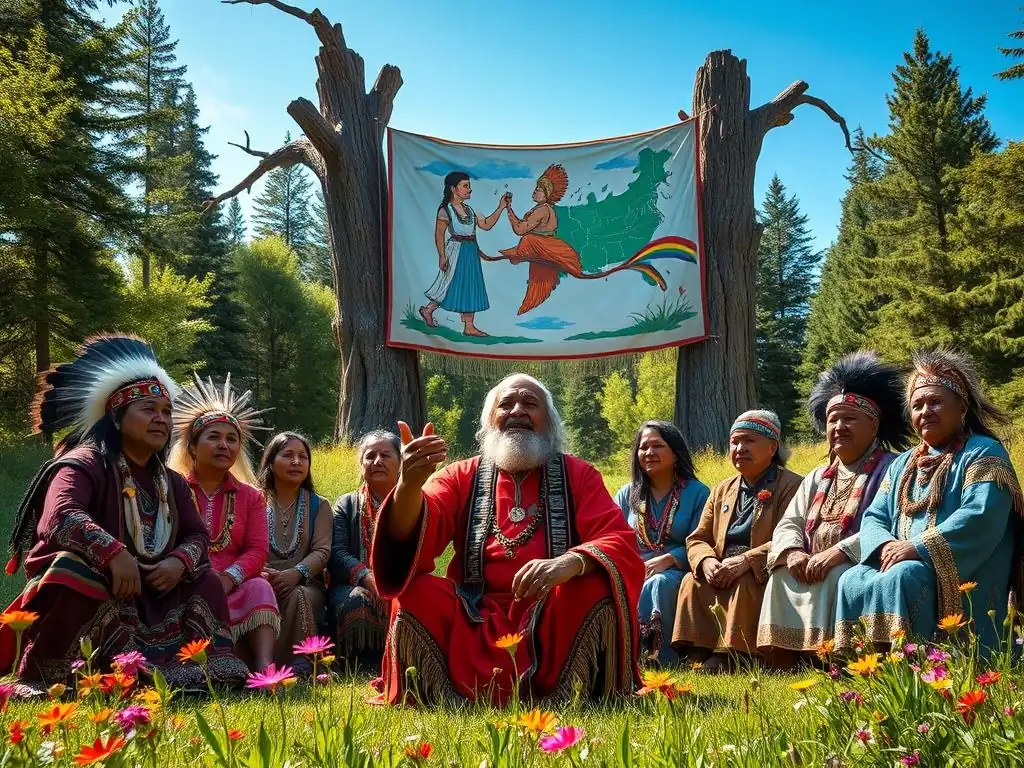
Welcome to Indigenous Civilizations of the Americas, where we embark on an enlightening journey through the rich tapestry of indigenous cultures that flourished long before the arrival of European colonizers. In our featured article, “Autonomy and Alliance: Examining the Political Relationships Between Indigenous Nations,” we dive deep into the intricate web of political dynamics that shaped these societies.
Discover how alliances were forged and autonomy was asserted among diverse nations, revealing a legacy of resilience and ingenuity. Prepare to uncover the profound impact of these relationships on the social fabric of the Americas—let your curiosity lead you further into this captivating exploration!
Introduction to Indigenous Nations Political Relationships
The rich tapestry of indigenous cultures in the Americas is woven with intricate political relationships that shaped their societies long before European contact. Understanding the political relationships between indigenous nations is critical for recognizing their sovereignty, autonomy, and the alliances that were formed for mutual benefit.
These relationships were not merely transactional; they were deeply rooted in shared values, cultural practices, and a profound sense of community. This article delves into the complexities of these political dynamics, exploring how indigenous nations navigated their governance structures, maintained autonomy, and forged alliances that have had lasting impacts on their societies and interactions with external forces.
Understanding Indigenous Sovereignty and Autonomy
Indigenous sovereignty refers to the inherent authority of indigenous nations to govern themselves and make decisions regarding their communities, cultures, and lands. This autonomy is built upon a historical foundation of self-determination, where indigenous peoples operated their political systems based on cultural norms and traditional practices.
- Key Aspects of Sovereignty:
- Self-Governance: Indigenous nations often had their own political institutions, such as councils and assemblies, where decisions were made collectively.
- Cultural Heritage: The governance structures were closely tied to cultural values, emphasizing balance, respect for nature, and community welfare.
- Land Rights: Sovereignty is intricately linked to land, as indigenous peoples viewed their territories not merely as property but as integral elements of their identity and existence.
Importance of Alliances Among Indigenous Nations
Alliances among indigenous nations served multiple purposes, from defense against common threats to fostering trade and cultural exchange. The formation of these alliances was pivotal in maintaining political strength and social cohesion.
- Benefits of Alliances:
- Mutual Defense: Indigenous nations often formed coalitions to protect against external aggression, sharing resources and knowledge to bolster their defenses.
- Cultural Exchange: Alliances facilitated the sharing of cultural practices, languages, and traditions, enriching the social fabric of allied nations.
- Political Leverage: Strategic alliances provided indigenous nations with greater bargaining power in negotiations with colonial powers and other external entities.
Historical Context of Indigenous Political Structures
To fully appreciate the nuances of indigenous political relationships, it is essential to explore the historical context that shaped these systems. This includes an examination of pre-colonization political structures and the significant changes that occurred due to European colonization.
Pre-Colonization Political Systems
Before European contact, indigenous nations had developed sophisticated political systems that varied greatly across regions. Each system was tailored to the unique needs and circumstances of the respective communities.
- Examples of Political Structures:
- Confederacies: Some nations, like the Iroquois Confederacy, exemplified a sophisticated alliance model that included multiple tribes working together under a unified governance structure.
- Chiefdoms: In many regions, chiefdoms were prevalent, where a chief or leader held authority over a specific territory and its inhabitants, often based on hereditary lines.
- Democratic Practices: Several indigenous cultures employed democratic principles, where decisions were made collectively through consensus rather than authority imposed by a single leader.
The Impact of European Colonization on Indigenous Alliances
The arrival of European colonizers marked a significant turning point in the political relationships among indigenous nations. Colonization introduced new dynamics that challenged existing alliances and altered the political landscape.
- Consequences of Colonization:
- Disruption of Alliances: European powers often exploited existing rivalries among indigenous nations, leading to divisions and weakened alliances.
- Forced Treaties: Many indigenous nations were coerced into treaties that undermined their sovereignty and resulted in land cessions, often without genuine consent.
- Cultural Erasure: Colonization frequently led to the suppression of indigenous governance systems and cultural practices, as colonizers imposed their own political structures.
Understanding the historical context of these political relationships provides a foundation for analyzing the ongoing impact of these dynamics in contemporary indigenous governance and inter-nation relations.
Forms of Political Relationships Among Indigenous Nations
Indigenous nations in the Americas developed a variety of political relationships that were essential for their governance, survival, and cultural preservation. These relationships can be broadly categorized into two main forms: autonomy in governance and alliance formation. Understanding these dynamics is crucial for appreciating how these nations operated independently while also engaging with one another for mutual benefits.
Autonomy in Governance
Autonomy in governance refers to the self-determination and independence that indigenous nations maintained over their political and social structures. Many indigenous nations operated under a decentralized form of governance, where authority was often distributed among various leaders and councils rather than centralized in a single figure. This decentralized approach allowed for greater local autonomy and a more profound engagement of community members in decision-making processes.
For example, the governance systems of the Lakota Nation were characterized by a council of chiefs, where leaders were chosen based on their skills and contributions to the community rather than hereditary right. This system ensured that leadership was responsive to the needs of the people. Moreover, many indigenous nations had their legal systems and customs, which governed their internal affairs without external interference.
The concept of autonomy also extended to land management and resource utilization. Indigenous nations often developed sustainable practices that respected their natural environment, reflecting their deep spiritual connections to the land. This autonomy was crucial for maintaining their cultural identities and resisting external pressures from colonizing forces.
Alliance Formation
Alliance formation among indigenous nations served as a strategic means to enhance their collective strength and safeguard their interests. Alliances could take various forms, including military coalitions against common threats, trade partnerships, and diplomatic agreements. These relationships were often built on mutual respect and shared goals, allowing indigenous nations to navigate the complexities of inter-nation relationships.
A prominent example of alliance formation is the Iroquois Confederacy, which consisted of several nations, including the Mohawk, Oneida, Onondaga, Cayuga, Seneca, and later the Tuscarora. This confederacy was established to promote peace and cooperation among the member nations, enabling them to present a unified front against external adversaries. The Great Law of Peace established protocols for conflict resolution, governance, and collective decision-making, illustrating the sophisticated nature of these alliances.
Similarly, the Pueblo Nations in the Southwest formed alliances to strengthen their positions against external threats, such as Spanish colonization. These alliances allowed them to coordinate defense strategies and share resources, ultimately enhancing their resilience during challenging times. Such political relationships were vital for the survival and continuity of indigenous cultures.
Comparative Analysis of Indigenous Nations Political Relationships
When comparing the political relationships among indigenous nations, it is essential to recognize the diversity of governance structures and alliance systems that emerged in different regions. Factors such as geography, resources, and historical contexts influenced how these relationships were formed and maintained.
For instance, in the Northeast, the Iroquois Confederacy's political structure was unique in its emphasis on collective governance and consensus-building. This contrasts with the more fluid and adaptive alliances seen among the Plains tribes, where relationships were often formed rapidly in response to changing circumstances.
In comparison, the political relationships of the Pueblo Nations reflect a more communal approach, where cooperation among tribes was critical for managing water resources in a challenging arid environment. This highlights how environmental factors shaped the political dynamics and relationships among indigenous nations.
Case Study: The Iroquois Confederacy
The Iroquois Confederacy, also known as the Haudenosaunee, is an exemplary case of indigenous political relationships characterized by a sophisticated system of governance. Established in the late 16th century, this confederacy brought together five (and later six) nations in a powerful alliance aimed at promoting peace, mutual defense, and collective decision-making.
The Confederacy was governed by a council of representatives from each nation, who convened to discuss matters affecting all member tribes. The Great Law of Peace not only structured governance but also established principles for conflict resolution and cooperation. This model of governance provided a framework that emphasized consensus and respect for individual nation autonomy while facilitating collaboration.
The impact of the Iroquois Confederacy extended beyond its immediate members; it influenced European political thought, particularly during the formation of the United States. The principles of democracy and federalism in the U.S. Constitution have often been traced back to the governance models established by the Iroquois, illustrating the lasting legacy of indigenous political relationships.
Case Study: The Pueblo Nations
The Pueblo Nations present another significant example of indigenous political relationships, particularly in the context of their adaptive governance systems. The Pueblos, residing primarily in the Southwestern United States, developed a unique approach to political organization that integrated both autonomy and collaboration.
Each Pueblo typically operated as an independent entity with its governance system, often led by a council of elders. However, the Pueblos also formed alliances for strategic purposes, especially in response to the threats posed by Spanish colonization and later American expansion. These alliances facilitated coordinated resistance and mutual support in times of conflict.
One notable example is the Pueblo Revolt of 1680, where various Pueblo tribes united to expel Spanish colonizers from their territories. This alliance was crucial in demonstrating the strength of collective action among the Pueblos, showcasing their capacity to come together for a common cause while maintaining their individual identities.
Through these case studies, it becomes evident that the political relationships among indigenous nations were complex and multifaceted, shaped by historical context, environmental factors, and cultural values. These relationships not only facilitated governance and social cohesion but also played a crucial role in the resilience and continuity of indigenous cultures throughout history.
Contemporary Indigenous Political Relationships
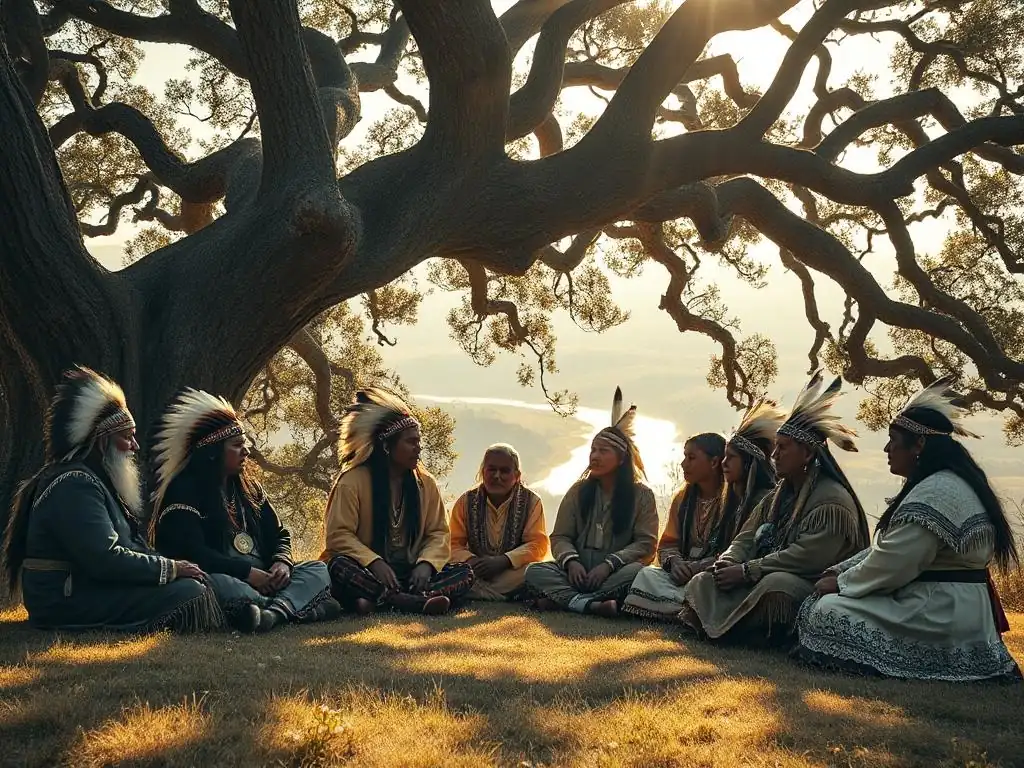
Contemporary political relationships among Indigenous nations are characterized by a dynamic interplay between autonomy, governance, and external influences. These relationships have evolved significantly from pre-colonial times, as modern Indigenous groups strive to assert their sovereignty while navigating the complexities of contemporary political landscapes. The resurgence of Indigenous political movements has resulted in a renewed focus on self-determination, cultural revitalization, and the establishment of alliances both within and outside their communities.
Indigenous nations today often engage in various forms of governance that reflect their unique cultural values and traditions. This includes the establishment of councils, assemblies, and other political structures that prioritize community input and participation. The recognition of Indigenous rights and treaties by national governments has also played a crucial role in shaping these political relationships, providing a legal framework for Indigenous nations to negotiate their status and rights within broader political systems.
Modern Movements for Sovereignty
Modern movements for sovereignty among Indigenous nations have gained traction in recent decades, driven by a desire for self-governance and recognition of historical injustices. These movements often focus on reclaiming land, protecting resources, and preserving cultural practices. Examples include the Standing Rock Sioux Tribe's protests against the Dakota Access Pipeline, which drew international attention to issues of environmental justice and Indigenous rights.
Additionally, organizations such as the Assembly of First Nations in Canada and the National Congress of American Indians in the United States have played pivotal roles in advocating for the rights of Indigenous peoples. These organizations facilitate cooperation among various Indigenous nations and amplify their voices in national and international forums, pushing for policies that respect their sovereignty and uphold treaty obligations.
Alliances in the Modern Era
In the modern era, Indigenous nations are increasingly forming alliances to strengthen their political influence and address common challenges. These alliances can take various forms, including intertribal coalitions, partnerships with environmental organizations, and collaborations with other marginalized communities. For instance, the United Nations Declaration on the Rights of Indigenous Peoples (UNDRIP) has served as a foundation for many Indigenous nations to unite in advocating for their rights on a global scale.
Such alliances enhance the political power of Indigenous nations by allowing them to share resources, knowledge, and strategies. They also facilitate the exchange of best practices in governance and advocacy, enabling Indigenous groups to effectively address issues such as climate change, land rights, and cultural preservation. Through these collaborative efforts, Indigenous nations are increasingly recognized as key players in both local and international political arenas.
Challenges Facing Indigenous Nations Political Relationships
Despite the progress made in asserting their political relationships, Indigenous nations face numerous challenges that hinder their efforts towards autonomy and effective governance. These challenges stem from both internal dynamics and external pressures, often complicating their political landscape.
Internal Conflicts and Governance Issues
Internal conflicts within Indigenous nations can significantly impact their political relationships and governance structures. Disputes over leadership, resource management, and cultural practices may lead to divisions that weaken collective efforts. In some cases, differing viewpoints on how to engage with external political systems can create friction among community members, undermining unity.
Effective governance is critical for addressing these internal conflicts. Many Indigenous nations are adopting traditional governance models that emphasize consensus-building and community participation, yet the transition to these systems can be fraught with challenges. Balancing traditional practices with modern political realities requires ongoing dialogue and cooperation among community members to ensure that governance structures reflect their values and aspirations.
External Pressures from National Governments
Indigenous nations often face significant external pressures from national governments that can undermine their political relationships. These pressures may manifest in various forms, including restrictive policies, inadequate recognition of treaty rights, and the appropriation of Indigenous lands for development projects. Such actions can create tensions between Indigenous nations and national governments, complicating negotiations and cooperation.
Moreover, the legal and political frameworks established by national governments may not fully align with the self-determined governance structures of Indigenous nations. This misalignment can lead to conflicts over jurisdiction and authority, challenging the ability of Indigenous nations to operate independently. To address these issues, many Indigenous groups are advocating for stronger legal protections and greater recognition of their sovereignty at both national and international levels.
Preservation of Language and Culture in Political Contexts
The preservation of language and culture is a vital aspect of political relationships among Indigenous nations. Language serves not only as a means of communication but also as a repository of cultural knowledge and identity. In many cases, the loss of language is intertwined with the erosion of cultural practices, which can weaken the political cohesion of Indigenous communities.
Efforts to revitalize Indigenous languages and cultural practices are increasingly seen as essential components of political advocacy. Many Indigenous nations are implementing educational programs that prioritize language learning and cultural transmission, recognizing that a strong cultural foundation is crucial for effective political engagement. By fostering cultural pride and resilience, Indigenous nations can strengthen their political relationships and enhance their ability to advocate for their rights and sovereignty.
Future Directions for Indigenous Nations Political Relationships
The political landscape of Indigenous nations is evolving, with a growing emphasis on autonomy and strategic alliances. Moving forward, Indigenous nations are likely to focus on several key areas to enhance their political relationships. This includes fostering greater collaboration among nations, advocating for policy changes at national and international levels, and enhancing community engagement in political processes.
Moreover, the integration of technology can play a pivotal role in these future directions. Utilizing digital platforms for communication, organization, and information sharing can amplify Indigenous voices and facilitate more robust political dialogues. Additionally, education around Indigenous governance and rights will be crucial in empowering future generations to maintain and enhance these political relationships.
Strategies for Strengthening Autonomy
To strengthen their autonomy, Indigenous nations can adopt a multi-faceted approach:
- Legal Frameworks: Establishing legal frameworks that recognize and protect Indigenous rights is essential. This includes pursuing treaties and agreements that affirm sovereignty and self-governance.
- Cultural Revitalization: Investing in cultural education and revitalization initiatives fosters a strong sense of identity, which is fundamental to autonomy. By promoting traditional governance structures and cultural practices, nations can reinforce their political presence.
- Economic Development: Building sustainable economic initiatives allows Indigenous nations to become more self-sufficient. By fostering entrepreneurship and utilizing natural resources responsibly, nations can enhance their political leverage.
- Inter-Nation Collaboration: Forming councils or coalitions among Indigenous nations can bolster collective bargaining power in negotiations with external entities. Collaborative efforts can address common challenges and amplify shared goals.
Building Sustainable Alliances for Future Generations
Sustainable alliances are crucial for the longevity and effectiveness of Indigenous nations’ political relationships. To build these alliances, the following strategies can be employed:
- Mutual Respect and Understanding: Cultivating relationships based on mutual respect and understanding is foundational. This involves recognizing each nation’s unique history, culture, and political needs.
- Shared Goals and Visions: Identifying common objectives can unite Indigenous nations. Collaborative projects, whether in environmental stewardship or cultural preservation, serve as platforms for alliance-building.
- Engagement with Non-Indigenous Entities: Building alliances with non-Indigenous governments and organizations can be advantageous. Engaging in dialogue and partnerships can lead to greater recognition of Indigenous rights and interests.
- Education and Awareness: Promoting awareness about Indigenous issues among non-Indigenous populations enhances empathy and support for Indigenous causes. Educational programs and outreach initiatives can serve to inform broader audiences about the importance of these alliances.
Conclusion
Recap of Indigenous Nations Political Relationships
Indigenous nations political relationships are characterized by a blend of autonomy and alliances. These relationships are deeply rooted in historical contexts and continue to evolve in contemporary settings. By understanding the dynamics of these political structures, it becomes evident that Indigenous nations are not only striving for self-determination but are also forming strategic alliances to enhance their political agency.
The Importance of Recognizing Indigenous Sovereignty and Alliances
Recognizing Indigenous sovereignty and alliances is paramount for fostering a respectful and just political landscape. Acknowledging the rights of Indigenous nations to govern themselves and to forge alliances based on mutual interests is crucial for their political viability. This recognition not only empowers Indigenous communities but also enriches the broader society by promoting diversity, equity, and shared stewardship of the land and resources. As we move forward, it is essential to support and actively engage with Indigenous nations in their pursuit of autonomy and collaborative political relationships.
- Introduction to Indigenous Nations Political Relationships
- Historical Context of Indigenous Political Structures
- Forms of Political Relationships Among Indigenous Nations
- Comparative Analysis of Indigenous Nations Political Relationships
- Contemporary Indigenous Political Relationships
- Challenges Facing Indigenous Nations Political Relationships
- Future Directions for Indigenous Nations Political Relationships
- Conclusion
- What are the main political relationships between Indigenous nations?
- How did European colonization affect Indigenous political relationships?
- What role did trade play in Indigenous nations' political relationships?
- Are there contemporary examples of Indigenous nations maintaining political alliances?
- How can understanding these political relationships benefit current discussions on Indigenous rights?
Frequently Asked Questions
What are the main political relationships between Indigenous nations?
Indigenous nations often formed alliances and autonomous political structures that enabled them to navigate relationships with each other and European powers, shaping their sovereignty.
How did European colonization affect Indigenous political relationships?
European colonization significantly disrupted traditional alliances and autonomous governance, leading to conflicts and treaties that often undermined Indigenous political autonomy.
What role did trade play in Indigenous nations' political relationships?
Trade was a crucial factor, as it fostered economic interdependence and strengthened alliances between different Indigenous nations, facilitating cooperation against common threats.
Are there contemporary examples of Indigenous nations maintaining political alliances?
Yes, many Indigenous nations today continue to form coalitions and alliances to advocate for their rights, sovereignty, and to address shared issues such as land and resource management.
How can understanding these political relationships benefit current discussions on Indigenous rights?
Recognizing the complex political relationships among Indigenous nations can inform current advocacy efforts, promoting respect for their sovereignty and enhancing dialogue regarding self-determination.
Final Reflection: Empowering Indigenous Nations through Political Relationships
The exploration of Indigenous nations' political relationships is not just a historical inquiry; it is a vital examination of contemporary relevance. As we witness a global resurgence of Indigenous voices advocating for sovereignty and self-determination, it becomes clear that understanding these political dynamics is essential for fostering meaningful alliances and promoting justice. The relationships between Indigenous nations and external entities are not merely transactional; they are foundational to the survival and flourishing of Indigenous cultures and governance systems.
The ongoing influence of these political relationships shapes our cultural and social landscape in profound ways. As we navigate the complexities of modern governance, the recognition of Indigenous sovereignty becomes increasingly crucial. The resurgence of Indigenous activism and the push for treaty rights highlight the necessity of these alliances in achieving equity and representation. The future will be shaped by the relationships we build today.
This quote encapsulates the essence of our responsibility to honor and uplift Indigenous voices, ensuring that their rights and perspectives are integral to our collective future.
As we reflect on the insights gained from this examination, I invite you to consider your role in this evolving narrative. How can you contribute to the empowerment of Indigenous nations and support their political relationships? Whether through education, advocacy, or simply listening to Indigenous voices, each of us has the power to foster a more inclusive and equitable society. Let us commit to building bridges of understanding and respect, ensuring that the legacies of Indigenous nations continue to thrive in harmony with our shared world.
Empower Yourself: Engage in Indigenous Relations Today!
Thank you for taking the time to explore the intricate political relationships between Indigenous nations. Your journey through this article has illuminated the vital roles of **autonomy** and **alliances** in fostering these connections. Now, let’s take actionable steps to deepen your understanding and support Indigenous communities!
- Dive Deeper: Read more about Indigenous history and perspectives by visiting your local library or accessing credible online resources.
- Share Your Insights: Join conversations on social media platforms using hashtags related to Indigenous rights and alliances. Share this article to inspire others!
- Support Indigenous Voices: Reach out to local Indigenous organizations to inquire about volunteer opportunities or events where you can contribute and learn more.
What aspect of Indigenous political relationships do you find most intriguing, and how can you contribute to fostering understanding and respect?