
The Intersection of Toltec and Aztec Mythologies: A Comparative Study

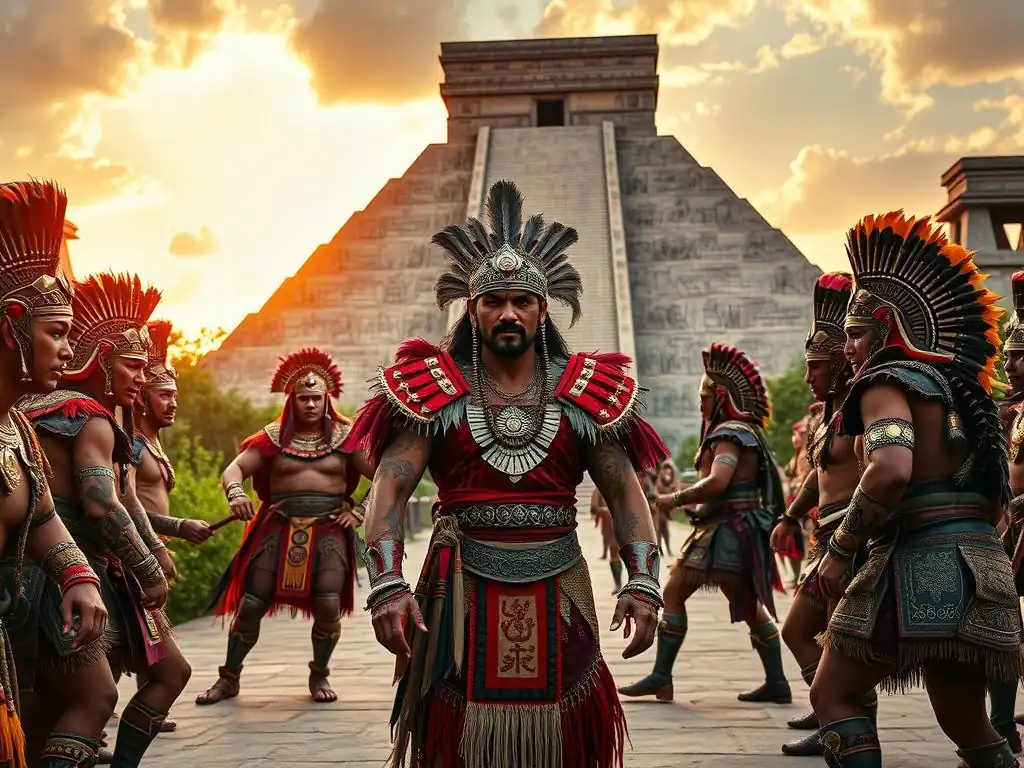
Welcome to Indigenous Civilizations of the Americas, where we invite you to embark on a fascinating journey through the rich tapestry of indigenous cultures that flourished long before European influence reshaped the landscape. Here, you will uncover the incredible achievements and societal structures that defined these civilizations.
Dive into our featured article, “The Intersection of Toltec and Aztec Mythologies: A Comparative Study,” where we unravel the intricate threads that connect these two powerful cultures and explore how their mythologies not only reflect their worldviews but also shaped their legacies. Prepare to be intrigued and inspired as you delve deeper into the vibrant history of the Toltec civilization and beyond!
- Introduction to Toltec and Aztec Mythologies
- Historical Context of Toltec and Aztec Civilizations
- Core Beliefs in Toltec and Aztec Mythologies
- The Role of Deities in Toltec and Aztec Mythologies
- Mythological Narratives and Their Functions
- Rituals and Practices in Toltec and Aztec Cultures
- Influence of Toltec and Aztec Mythologies on Later Cultures
- Conclusion
-
Frequently Asked Questions
- What are the main differences between Toltec and Aztec mythologies?
- How did Toltec mythology influence Aztec culture?
- What are some key figures in Toltec and Aztec mythology?
- How did the mythologies reflect the societies of the Toltecs and Aztecs?
- Why is a comparative study of Toltec and Aztec mythologies important?
- Final Reflection: Bridging Ancient Wisdoms in Modern Times
- Unveil the Richness of Indigenous Mythologies!
Introduction to Toltec and Aztec Mythologies
The rich tapestry of indigenous cultures in the Americas is woven with intricate mythologies that reflect the values, beliefs, and societal structures of the civilizations that created them. Among these, the Toltec and Aztec civilizations stand out for their profound contributions to Mesoamerican mythology, each possessing unique narratives while also sharing significant thematic elements.
This article delves into the Toltec Aztec mythology comparison, exploring the intersections and divergences of their mythological frameworks. By examining these two powerful cultures, we gain insights into how they understood the world around them, their religious practices, and their enduring legacies that continue to influence modern interpretations of indigenous spirituality.
Overview of Indigenous Mythologies in the Americas
Indigenous mythologies across the Americas are characterized by a rich diversity of stories that explain natural phenomena, the origins of humanity, and the spiritual world. These narratives often serve as moral lessons and are deeply integrated into the cultural practices of the communities.
- Key Features of Indigenous Mythologies:
- Cosmology: Many myths depict the creation of the world and the cosmos, often involving gods and supernatural beings.
- Nature: Nature plays a crucial role, with many stories personifying elements like rivers, mountains, and animals.
- Tradition: Oral traditions are vital for preserving these myths, passed down through generations, often adapting to changing cultural contexts.
Both the Toltec and Aztec mythologies contribute significantly to this broader narrative, offering unique perspectives while also reflecting common Mesoamerican themes such as duality, sacrifice, and the cyclical nature of life.
Importance of Studying Toltec and Aztec Mythologies
Understanding Toltec and Aztec mythologies is essential for several reasons:
- Cultural Heritage: These mythologies are a critical part of the cultural identity of contemporary indigenous peoples.
- Historical Context: They provide insight into the historical developments of Mesoamerican societies, particularly in how they interacted with one another and evolved over time.
- Philosophical Insights: The philosophical underpinning of these mythologies often addresses fundamental human questions about existence, morality, and the universe, making them relevant to modern audiences.
- Art and Literature: The narratives have inspired countless works of art, literature, and performance, influencing both indigenous and non-indigenous creators.
By comparing the mythologies of the Toltec and Aztec civilizations, we can appreciate the nuances and shared elements that define their worldviews.
Purpose of the Comparative Study
The purpose of this comparative study is to illuminate the similarities and differences between Toltec and Aztec mythologies, specifically focusing on:
- Thematic Analysis: Identifying common themes such as the role of deities, creation stories, and the significance of ritual practices.
- Cultural Interactions: Exploring how these two cultures influenced each other, particularly in the realms of religion and societal structure.
- Legacy and Impact: Assessing the lasting impact of these mythologies on subsequent generations and their relevance in contemporary discussions about indigenous identity.
This study aims not only to deepen our understanding of these two civilizations but also to foster a greater appreciation for the complexities of indigenous mythologies as a whole. Through this exploration, we hope to highlight the richness of Mesoamerican heritage and its continued influence on modern culture.
Historical Context of Toltec and Aztec Civilizations
Overview of the Toltec Civilization
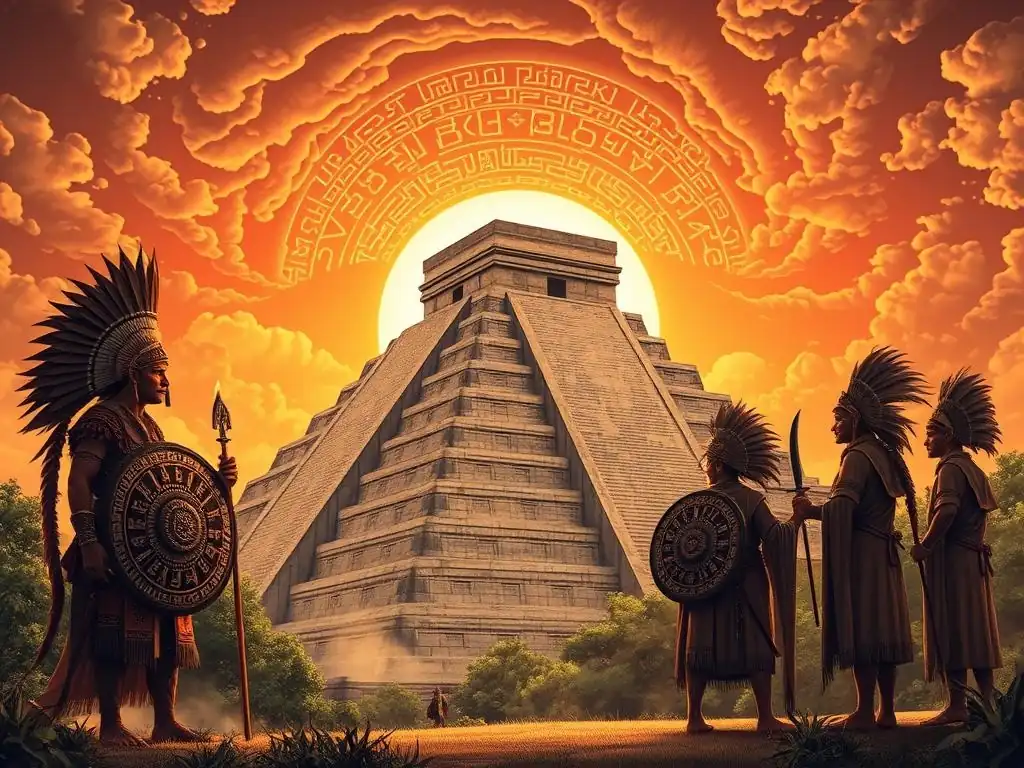
The Toltec civilization flourished in central Mexico between the 10th and 12th centuries CE, playing a pivotal role in the development of Mesoamerican culture. Often considered a precursor to the Aztecs, the Toltecs established their capital at Tula, which became a significant urban center characterized by impressive architectural achievements and a rich cultural life. The Toltecs are often linked to the earlier Teotihuacan civilization, from which they inherited various cultural elements, including religious practices and artistic styles.
The term "Toltec" itself has evolved; originally referring to artisans and craftsmen, it now encompasses the broader cultural and historical legacy of this civilization. Their influence is evident in the subsequent Aztec civilization, which absorbed many aspects of Toltec culture, including mythology, religious practices, and societal organization.
Key Achievements and Contributions
- Architectural Innovations: The Toltecs were skilled architects and sculptors, known for constructing grand pyramids and temples. The Pyramid of Quetzalcoatl in Tula features intricate stone carvings that showcase their artistic prowess.
- Military Organization: The Toltec civilization possessed a highly organized military, which allowed them to expand their influence over neighboring regions. Their warriors were renowned for their discipline and skill in warfare.
- Religious Practices: The Toltec religion was polytheistic, centered around deities associated with natural elements and agriculture. The worship of Quetzalcoatl, the feathered serpent god, was particularly significant and would later be adopted by the Aztecs.
- Cultural Influence: The legacy of the Toltecs influenced various Mesoamerican cultures, especially the Aztecs. The mythological narratives and religious customs from the Toltec period set the foundation for the subsequent development of Aztec mythology.
Overview of the Aztec Civilization
The Aztec civilization emerged in the 14th century and lasted until the Spanish conquest in the early 16th century. Centered in the Valley of Mexico, the Aztecs established their capital at Tenochtitlan, which became one of the largest cities in the world at the time. The Aztecs were known for their complex social structure, vibrant culture, and significant advancements in agriculture and the arts. Their civilization was marked by a fierce military expansion and a rich tapestry of religious beliefs and practices.
The Aztec society was heavily influenced by the preceding Toltec civilization, which is evident in their mythology, art, and religious practices. They revered many of the same deities and maintained similar ritualistic traditions, which enriched their cultural narrative.
Key Achievements and Contributions
- Agricultural Advancements: The Aztecs developed innovative agricultural techniques, such as chinampas (floating gardens), which allowed them to maximize food production in their lake-based environment.
- Sophisticated Society: The Aztec society was hierarchical, with a clear structure that included nobles, priests, merchants, and commoners. This organization facilitated trade and cultural exchange across the empire.
- Art and Literature: The Aztecs produced remarkable works of art, including intricate stone carvings, pottery, and codices. Their literature, often conveyed through oral traditions and pictorial manuscripts, provided insights into their mythology and history.
- Religious Syncretism: The Aztecs integrated various elements from Toltec mythology into their own religious practices. They created a rich pantheon of deities, many of which were derived from or influenced by earlier Toltec beliefs.
Both the Toltec and Aztec civilizations played crucial roles in shaping the religious and cultural landscape of Mesoamerica. Their mythologies interweave, reflecting a continuum of beliefs that highlight the significance of deities like Quetzalcoatl and the cosmic narratives that governed their understanding of the world. The study of Toltec Aztec mythology comparison reveals the deep connections and shared heritage that defined these civilizations before the onset of European colonization.
Core Beliefs in Toltec and Aztec Mythologies
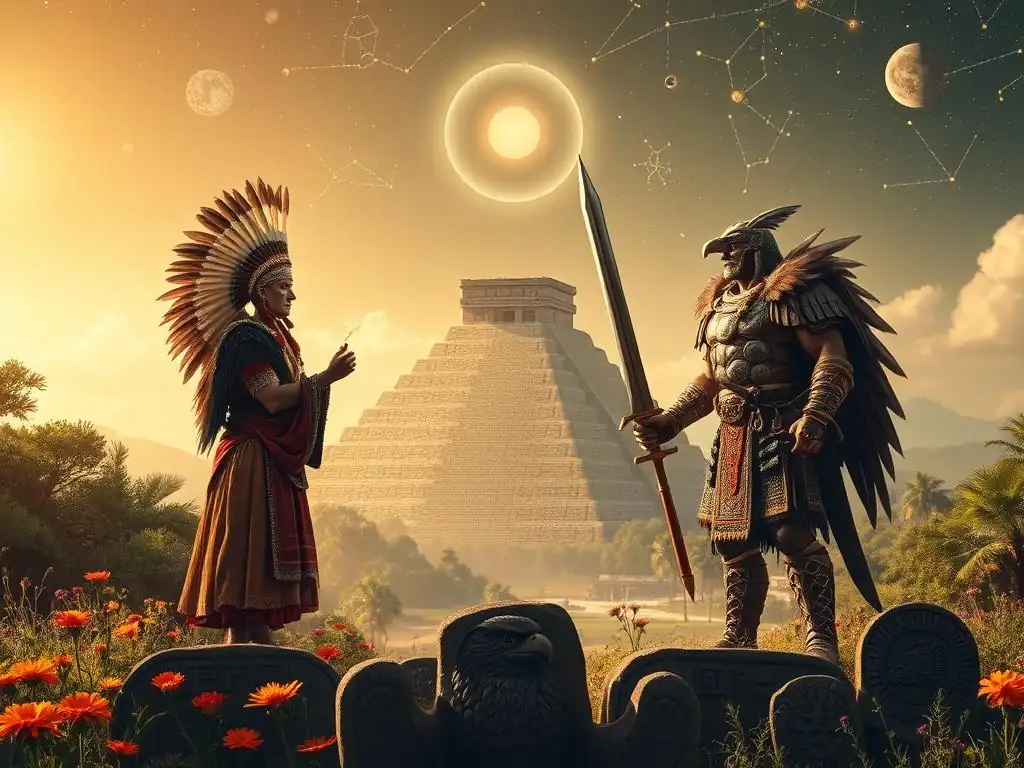
The mythologies of the Toltec and Aztec civilizations are rich and complex, reflecting their unique cultural values, spiritual practices, and societal structures. Both cultures share certain themes and motifs, yet they diverge in key aspects of their beliefs and narratives. Understanding the core beliefs in these mythologies provides insight into how these civilizations viewed the world, the divine, and their place within it.
Fundamental Beliefs of Toltec Mythology
Toltec mythology is characterized by a deep connection to nature, the cosmos, and the spiritual journey of the individual. Central to their belief system is the concept of Teotl, representing the divine energy that permeates all existence. This energy is not merely a religious concept but is seen as a part of everyday life and the universe.
Creation Myths and Deities
The Toltec creation myths often revolve around the dualities of existence, such as life and death, light and darkness. One prominent myth involves the god Tezcatlipoca, who represents the night sky and is associated with change and conflict. The Toltecs believed that the world was created through a series of cycles, where each cycle was marked by the rise and fall of great civilizations.
- Key Deities:
- Quetzalcoatl: The feathered serpent god, symbolizing wind, air, and learning. He is often associated with creation and the arts.
- Tezcatlipoca: The god of the night and sorcery, known for his role in the creation and destruction of the world.
The Toltecs also emphasized the importance of personal transformation and enlightenment, often articulated through the metaphor of the spiritual warrior. This concept involved overcoming one's fears and challenges to achieve a higher state of consciousness and understanding.
Fundamental Beliefs of Aztec Mythology
Aztec mythology, while influenced by the earlier Toltec beliefs, expanded upon them in significant ways. The Aztecs held a more structured pantheon of gods and a complex cosmology that reflected their evolving society. Their worldview was heavily oriented toward sacrifice and the cyclical nature of time and existence.
Creation Myths and Deities
Aztec creation myths often depict a world forged from the remnants of previous ones, with a strong emphasis on the idea of sacrificial cycles to sustain the universe. The most notable creation story tells of Huitzilopochtli, the god of war and the sun, who led the Mexica (Aztecs) to their promised land, Tenochtitlan.
- Key Deities:
- Huitzilopochtli: Central to Aztec cosmology, he embodies the sun's power and the need for human sacrifices to ensure the sun's journey across the sky.
- Tlaloc: The rain god, associated with agricultural fertility and storms, highlighting the Aztec's dependence on the natural world.
The Aztecs viewed life as a series of cycles of creation and destruction, and they believed that the gods required nourishment through human sacrifice to maintain the balance of the cosmos. This belief system created a distinct cultural identity centered around ritualistic practices and communal participation in their religious life.
The core beliefs of Toltec and Aztec mythologies are intertwined yet distinct, each reflecting the unique cultural and environmental contexts of their respective societies. Understanding these mythologies provides valuable insight into the rich spiritual landscapes of these ancient civilizations.
The Role of Deities in Toltec and Aztec Mythologies
The role of deities in both Toltec and Aztec mythologies is central to understanding the spiritual and cultural frameworks of these ancient civilizations. Both societies revered a pantheon of gods that influenced their daily lives, rituals, and societal structures. Despite the similarities, the deities of each civilization also reflect their unique cultural contexts and values.
Major Deities in Toltec Mythology
The Toltecs, known for their advanced societal structure and artistic achievements, had a rich tapestry of deities that played significant roles in their mythology. Some of the most important deities include:
-
Quetzalcoatl (Feathered Serpent):
Quetzalcoatl is perhaps the most famous Toltec deity, representing wisdom, wind, and life. Often depicted as a feathered serpent, he was associated with the creation of humanity and the cultivation of corn. His influence extended beyond the Toltecs, making him a central figure in subsequent Mesoamerican cultures.
-
Tezcatlipoca (Smoking Mirror):
As a complex figure embodying both conflict and creation, Tezcatlipoca was associated with night, sorcery, and fate. He was often in opposition to Quetzalcoatl, representing duality in the Toltec worldview. His role in myth often involved challenging humanity and other gods, emphasizing the balance of power.
-
Tlaloc (Rain God):
Tlaloc was crucial for agricultural societies, governing rain and fertility. His worship included elaborate rituals to ensure good harvests, and he was often depicted with goggle-like eyes and fangs, symbolizing storms and thunder.
Characteristics and Significance
The characteristics of these deities reflect the Toltec values of duality, balance, and the importance of nature. Quetzalcoatl symbolizes the positive aspects of creation and civilization, while Tezcatlipoca represents the chaotic forces of nature and challenge. Tlaloc underscores the reliance on environmental elements for sustenance.
The Toltec pantheon not only guided spiritual practices but also influenced their art and architecture. The symbolism found in their pyramids and sculptures often represented these deities, illustrating their importance in both daily life and cosmic understanding.
Major Deities in Aztec Mythology
The Aztecs inherited and adapted many Toltec beliefs, but they also expanded their pantheon with distinct deities that reflected their empire's complexities. Key figures include:
-
Huitzilopochtli (Hummingbird of the South):
As the god of war and the sun, Huitzilopochtli was central to Aztec identity. He was believed to lead the Aztecs in their migration and was associated with human sacrifice, a practice that underscored the importance of warfare and the sustenance of the sun.
-
Tlaloc (Rain God):
Like the Toltecs, the Aztecs revered Tlaloc, emphasizing his significance in agricultural success. The Aztecs developed elaborate rituals to appease him, showcasing their dependence on rain for crop cultivation.
-
Quetzalcoatl (Feathered Serpent):
The Aztecs also worshipped Quetzalcoatl, portraying him as a god of wind and learning. His narrative evolved, incorporating aspects of both creation and destruction in Aztec cosmology.
Characteristics and Significance
The Aztec deities reveal a more militaristic and sacrificial aspect of their culture. Huitzilopochtli's emphasis on warfare and human sacrifice reflects the Aztec worldview, where strength and conquest were paramount. The reverence for Tlaloc highlights their agricultural dependency, similar to the Toltecs, but with added layers of ritual complexity.
The Aztec pantheon is characterized by a dynamic interplay between creation and destruction, reflecting the society's beliefs about the cyclical nature of life and death. This duality is evident in their myths and practices, where deities often embody contrasting forces, much like their Toltec predecessors.
The comparative study of Toltec and Aztec mythologies reveals both shared reverence for deities like Quetzalcoatl and Tlaloc, as well as distinct cultural interpretations that shaped their societies. Understanding these mythologies enriches our knowledge of the indigenous civilizations of the Americas and their lasting impact on the region's history.
Comparative Analysis of Deities
The deities of Toltec and Aztec mythologies share intriguing similarities and notable differences, reflecting the cultural evolution and regional adaptations of these two interconnected civilizations. In both mythologies, gods were central to societal structure, influencing everything from agriculture to warfare. The Toltecs, whose civilization flourished from approximately 900 to 1168 CE, laid much of the groundwork that the Aztecs, who rose to prominence in the 14th century, would later build upon.
Similarities and Differences
Similarities:
- Pantheon Structure: Both Toltec and Aztec societies featured a rich pantheon of gods, each embodying various aspects of life, nature, and human experience. Major deities like Quetzalcoatl, the feathered serpent, were revered in both cultures, symbolizing wisdom, renewal, and the winds. This shared reverence illustrates the continuity of religious beliefs across these civilizations.
- Cultural Significance: In both mythologies, deities played a crucial role in the creation narratives. For instance, Quetzalcoatl is often depicted as a creator god, responsible for the formation of humanity. This shared mythological framework highlights a fundamental understanding of the universe and humanity's place within it.
- Ritual Practices: Both cultures utilized elaborate rituals and ceremonies to honor their gods, including offerings, sacrifices, and festivals. These practices were crucial for maintaining favor and balance with the divine, reflecting the societies' reliance on agricultural cycles and seasonal changes.
Differences:
- Deity Attributes and Associations: While certain deities were shared, the attributes and associations often differed. For example, in Toltec mythology, Quetzalcoatl is seen as a god of wind and learning, while in Aztec mythology, he also embodies the sun and is more directly linked with warfare and conquest. This shift illustrates the Aztecs' adaptation of the deity to fit their more militaristic culture.
- Focus on War: The Aztecs placed a stronger emphasis on war deities compared to the Toltecs. While the Toltecs had gods associated with agriculture and civilization, the Aztecs elevated gods like Huitzilopochtli, the god of war and the sun, reflecting their aggressive expansion and militaristic society.
- Cultural Context: The Toltec civilization is often considered more philosophical, emphasizing wisdom and cultural achievements. In contrast, the Aztecs were known for their more aggressive conquests and expansionist policies. This fundamental difference shaped how each civilization viewed and worshipped their deities, with the Aztecs leaning heavily toward a more combative interpretation of their gods.
The comparative analysis of deities in Toltec and Aztec mythologies reveals a complex interplay of shared beliefs and unique adaptations, highlighting how cultural context can shape religious practices and interpretations across time and space.
Mythological Narratives and Their Functions
Toltec Mythological Narratives
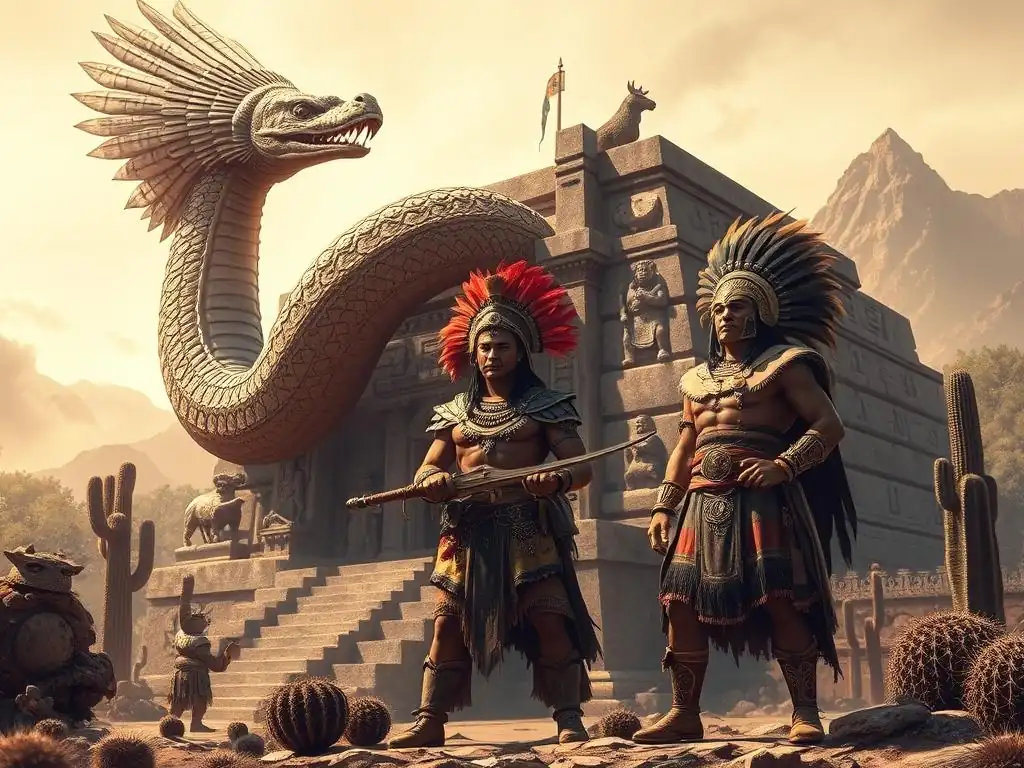
The Toltec civilization, known for its rich cultural heritage, has left behind a tapestry of mythological narratives that encapsulate their worldview and societal values. These myths often serve not only as stories but also as moral guides, explaining the nature of existence, the cosmos, and the human condition. The Toltecs viewed their mythology as a means to connect the physical world with spiritual realms, emphasizing the importance of balance and harmony.
Key Stories and Their Meanings
-
The Creation Myth of Quetzalcoatl
Quetzalcoatl, often depicted as a feathered serpent, plays a central role in Toltec mythology. The story of his creation emphasizes themes of duality and balance. Quetzalcoatl is said to have created humanity from his own blood, illustrating the interconnectedness of life and the divine. This narrative highlights the significance of sacrifice and the cyclical nature of life.
-
The Legend of the Toltec Migration
This myth narrates the journey of the Toltecs as they migrated from their mythical homeland to establish their cities. The migration story serves as an allegory for perseverance and resilience, showcasing the importance of community and cooperation in overcoming adversity. The narrative also reflects the Toltecs' reverence for their ancestors and the land they inhabited.
-
The Tale of the Five Suns
According to Toltec belief, the world has undergone several cycles of creation and destruction, represented by the myth of the Five Suns. Each sun corresponds to a different era, characterized by unique attributes and divine beings. This narrative underscores the transient nature of existence and the need for continual renewal, reinforcing the Toltec understanding of time as cyclical rather than linear.
Aztec Mythological Narratives
The Aztec civilization, inheriting and adapting many elements from the Toltecs, developed a rich and complex mythology that reflected their societal structure and cosmological beliefs. Aztec mythology is characterized by its pantheon of gods and goddesses, each representing different aspects of life and nature. These myths served to legitimize the social order and rituals that governed Aztec society.
Key Stories and Their Meanings
-
The Myth of Huitzilopochtli
Huitzilopochtli, the god of war and the sun, stands at the heart of Aztec mythology. The story of his birth, wherein he emerges fully grown and armed from his mother’s womb, symbolizes strength and the divine right to rule. This narrative illustrates the Aztec belief in the necessity of warfare for survival and the importance of human sacrifice to nourish the gods.
-
The Legend of the Creation of the Fifth Sun
The Aztec creation myth details the emergence of the Fifth Sun, following the destruction of the previous suns. This myth embodies themes of rebirth and sacrifice, as the gods must offer their blood to give life to the new sun. This narrative reinforces the concept of duality in Aztec cosmology, where creation and destruction are intertwined, reflecting the cyclical nature of existence.
-
The Story of the Hero Twins
The tale of the Hero Twins, often associated with the ballgame, is rich in symbolism and moral lessons. Their journey through the underworld and eventual triumph over death highlights the themes of resilience, cleverness, and the interplay between life and death. This narrative serves as a reminder of the importance of courage and intelligence in facing challenges.
Through these narratives, both the Toltec and Aztec mythologies provide profound insights into their respective civilizations, illustrating how myth serves as a crucial framework for understanding their beliefs, societal structures, and cultural practices. The comparisons between these mythologies reveal not only their individual characteristics but also the shared themes that underscore the rich tapestry of Mesoamerican spiritual thought.
Comparison of Mythological Narratives
The mythologies of the Toltec and Aztec civilizations share a rich tapestry of stories and beliefs, reflecting their respective cultures, values, and social structures. While both civilizations emerged from the same geographic region and were influenced by earlier Mesoamerican traditions, their mythological narratives exhibit distinct characteristics.
Toltec mythology is steeped in the reverence for deities and ancestral figures, often emphasizing themes of knowledge, creation, and the duality of existence. One of the most significant figures is Quetzalcoatl, the feathered serpent god who represents wisdom, light, and the arts. The Toltecs viewed Quetzalcoatl as a cultural hero, a bringer of civilization who taught humanity various skills, such as agriculture and the arts. His narratives often revolve around the themes of enlightenment and the quest for truth.
In contrast, Aztec mythology expanded on these narratives, incorporating a pantheon of gods that included Huitzilopochtli, the god of war, and Tlaloc, the rain god. The Aztecs placed a greater emphasis on the cyclical nature of life and death, with their mythological stories frequently highlighting the importance of sacrifice and the sustenance of the cosmos through ritual. For the Aztecs, the act of sacrifice was not merely an offering but a necessary component to maintain balance in the universe and appease their deities.
Both mythologies, while unique in their narratives, reflect the societies from which they originated. The Toltecs focused on the cultivation of wisdom and cultural achievements, while the Aztecs illustrated the power dynamics of their society through their emphasis on warfare and sacrifice. This juxtaposition highlights the evolution of Mesoamerican thought as it transitioned from the Toltec to the Aztec civilization.
Themes and Morals
The themes and morals embedded within Toltec and Aztec mythologies serve as critical reflections of their societal values and worldviews. In Toltec narratives, the pursuit of knowledge and self-awareness emerges as a central theme. The stories often impart moral lessons about the significance of wisdom, humility, and the importance of living in harmony with the universe. For example, the tale of Quetzalcoatl’s journey emphasizes the need for balance between the spiritual and material worlds, illustrating that true enlightenment comes from understanding one’s place within the cosmos.
Conversely, Aztec mythology conveys themes of duality and the necessity of sacrifice. The moral lessons found in their stories often revolve around the idea that life is a cyclical process that requires constant renewal through offerings and rituals. The tale of Huitzilopochtli’s rise to power, for instance, underscores the values of courage and strength, while also highlighting the harsh realities of existence where the survival of the community hinges on the willingness to sacrifice for the greater good.
Moreover, both mythologies reflect a deep respect for nature and the elements, emphasizing the interconnectedness of all things. The Toltecs celebrated the fertility of the land and the nurturing aspects of deities, while the Aztecs recognized the importance of appeasing gods associated with natural forces. This focus on nature not only served to reinforce moral values but also fostered a sense of responsibility among the people towards their environment.
The themes and morals of Toltec and Aztec mythologies not only provide insight into their respective cultures but also offer timeless lessons that continue to resonate today, emphasizing the importance of wisdom, sacrifice, and harmony with the universe.
Rituals and Practices in Toltec and Aztec Cultures
Rituals in Toltec Religion
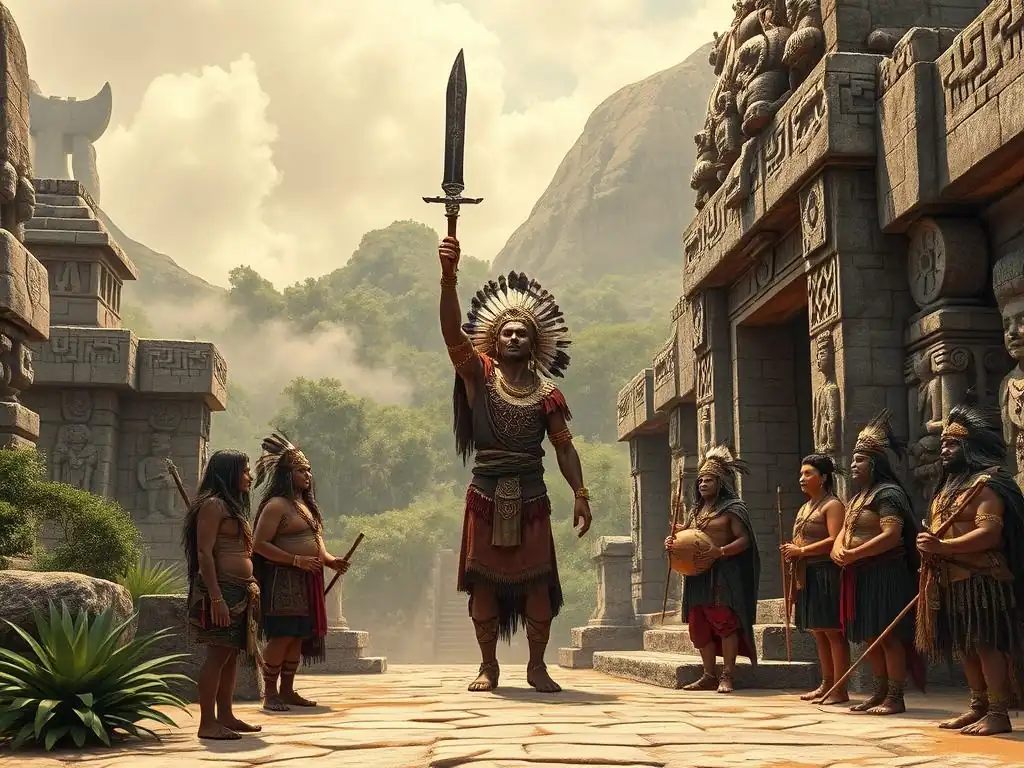
The Toltec civilization, known for its artistic and architectural accomplishments, also had a rich tapestry of spiritual beliefs that were expressed through various rituals. Central to Toltec religion was the worship of deities, particularly Tezcatlipoca, the god of the night sky and the patron of warriors. Rituals often involved offerings, ceremonies, and the use of sacred sites, such as the Pyramid of the Sun and the Pyramid of the Moon in Teotihuacan, which were significant to both the Toltecs and their successors, the Aztecs.
Significance of Rituals in Society
Toltec rituals served multiple purposes within their society:
- Cultural Identity: Rituals were a means of reinforcing cultural identity and community cohesion. They fostered a sense of belonging and continuity among the Toltec people.
- Agricultural Cycles: Many rituals were closely tied to the agricultural calendar, ensuring successful harvests. These rites often included offerings of maize, which was a staple food source.
- Political Power: Rituals also played a role in legitimizing the power of rulers. By conducting elaborate ceremonies, leaders could demonstrate their divine sanction and maintain social order.
- Spiritual Connection: Through rituals, the Toltecs sought to connect with their deities, ensuring divine favor and guidance in both personal and communal matters.
Rituals in Aztec Religion
The Aztec civilization, inheriting and adapting many elements from the Toltecs, developed an extensive array of rituals that were integral to their religious life. The Aztecs worshipped a pantheon of gods, including Huitzilopochtli, the god of war and the sun, and Quetzalcoatl, the feathered serpent. Rituals often involved elaborate ceremonies, music, dance, and sometimes human sacrifice, which the Aztecs believed was essential for appeasing their gods and maintaining cosmic balance.
Significance of Rituals in Society
Aztec rituals held profound significance for their society, encapsulated in several key aspects:
- Religious Devotion: Rituals were expressions of devotion and gratitude towards the gods, reinforcing the spiritual connection between the people and their deities.
- Social Structure: The hierarchical nature of Aztec society was reflected in rituals. Different classes had specific roles in ceremonies, which reinforced social order and status.
- Cosmic Balance: The Aztecs believed that rituals were necessary to maintain the balance of the universe. They viewed human sacrifice as a vital offering to ensure the sun's continued rise and the fertility of the land.
- Cultural Legacy: Rituals contributed to the rich cultural legacy of the Aztecs, influencing later indigenous practices even after the Spanish conquest. They served as a means of preserving history and tradition through oral and performance-based storytelling.
While both the Toltec and Aztec civilizations held rituals as sacred practices central to their religious life, the nuances in their execution and significance reflect the differing values and societal structures of each culture. The comparative study of Toltec and Aztec mythology offers insights into how these rituals shaped their worldviews and cultural identities, contributing to the broader tapestry of indigenous civilizations in the Americas.
Comparative Analysis of Rituals
The rituals of the Toltec and Aztec civilizations are rich in symbolism and reflect their deep spiritual beliefs and societal values. While both cultures share certain foundational elements due to their geographical proximity and historical interactions, they also exhibit unique practices that highlight their distinct identities.
In Toltec society, rituals often revolved around the veneration of deities associated with nature and the cosmos. They practiced ceremonies that involved offerings, music, and dance, aimed at maintaining harmony with the universe. The Toltecs were particularly known for their focus on the warrior ethos, which was celebrated through ritualistic displays of bravery and sacrifice.
Conversely, the Aztecs expanded upon these practices, integrating a more complex pantheon of gods and a broader array of rituals. Their ceremonies often included elaborate festivals, such as the famous Toxcatl, which celebrated the sun god Huitzilopochtli. The Aztecs placed significant emphasis on human sacrifice, believing it was necessary to nourish the gods and ensure agricultural fertility. This practice, while rooted in earlier traditions, became more pronounced and ritualized within Aztec culture.
The role of the priesthood in both societies also highlights a key difference. Toltec priests were often seen as mediators between the people and the divine, focusing on personal enlightenment and knowledge. In contrast, the Aztec priesthood held considerable political power, directing state-sponsored rituals that reinforced the social hierarchy and imperial ambitions.
Similarities and Unique Practices
Both the Toltec and Aztec cultures practiced rituals that involved offerings to their gods, albeit with some variations in execution and emphasis. Similarities include:
- Deity Worship: Both civilizations revered gods linked to agriculture, war, and the natural world, reflecting their reliance on these elements for survival.
- Ceremonial Feasts: Rituals often included communal feasting, which served as a way to strengthen social bonds within the community.
- Use of Symbols: Both cultures employed intricate symbols in their rituals, often depicted in art, dance, and oral traditions, to convey deeper meanings and connect with the divine.
However, unique practices distinguished each culture:
- Human Sacrifice: While the Toltecs practiced some forms of ritual sacrifice, the Aztecs institutionalized it on a grand scale, believing it was essential for the sustenance of the cosmos and their gods.
- Ritual Complexity: The Aztecs developed an extensive calendar of rituals, each aligned with specific deities and agricultural cycles, which was more elaborate than that of the Toltecs.
- Warrior Cults: The Toltecs emphasized warrior rituals as a path to personal glory and spiritual awakening, whereas the Aztecs integrated these into a broader militaristic ideology that celebrated conquest and domination.
While there are notable similarities in the rituals of the Toltec and Aztec civilizations, the distinctions in their practices reveal the unique cultural identities and values that shaped their respective societies. Understanding these differences enhances our appreciation of how mythology and ritual interplay to define the rich legacy of these indigenous cultures.
Influence of Toltec and Aztec Mythologies on Later Cultures
Lasting Impact of Toltec Mythology
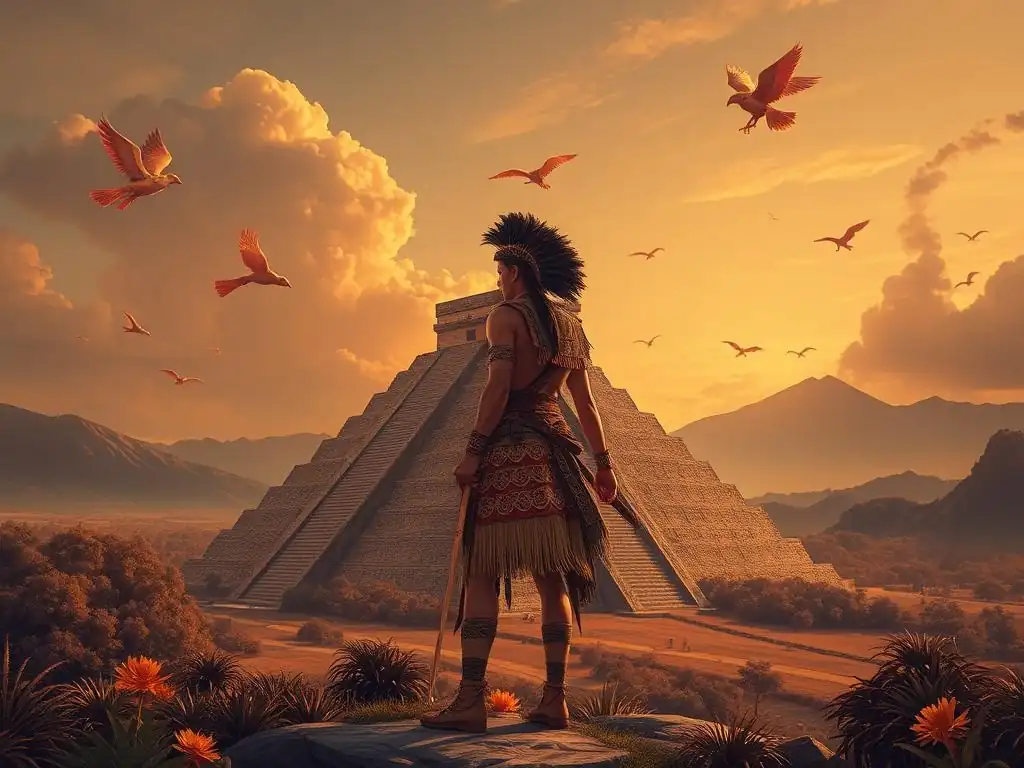
The Toltec civilization, flourishing from approximately 900 to 1168 CE, left a profound legacy that permeated various aspects of Mesoamerican culture. Central to their mythology was the reverence for Quetzalcoatl, the Feathered Serpent, who symbolized wisdom, life, and the arts. This deity not only influenced Toltec society but also resonated through subsequent cultures, particularly the Aztecs.
- Art and Architecture:
- Toltec motifs, such as the Chac Mool sculptures and intricate stone carvings, can be observed in later Aztec artistic expressions. These elements emphasized the significance of ritual and the divine, showcasing the Toltec's mastery in integrating mythology into their architectural designs.
- Cultural Practices:
- The Toltecs introduced various religious practices that emphasized the duality of creation and destruction. This dualism can be seen in the Aztec rituals, where both agricultural and warrior cultures intertwined, reflecting the Toltec belief in balance and cyclical time.
- Philosophical Concepts:
- The Toltecs were known for their philosophical teachings, which conveyed a deep understanding of the universe and humanity’s place within it. Concepts such as "Teotl", representing the sacred energy of life, influenced subsequent Mesoamerican philosophies, shaping the ideologies of the Aztecs and beyond.
The Toltec mythology's emphasis on knowledge and the arts became a foundational element for the cultures that succeeded them, notably framing the philosophical and artistic endeavors of later civilizations.
Lasting Impact of Aztec Mythology
Aztec mythology, which thrived from the 14th to the 16th centuries, is characterized by a rich tapestry of gods, rituals, and cosmological beliefs that have left an indelible mark on the cultural landscape of Mexico and Central America. The Aztecs inherited and transformed elements from earlier civilizations, including the Toltecs, creating a complex religious system that continues to influence modern culture.
- Deity Worship:
- The Aztecs worshipped an array of deities, with Huitzilopochtli (the god of war and sun) and Tlaloc (the rain god) at the forefront. The rituals surrounding these gods, including human sacrifices, were deeply rooted in their mythology, serving to ensure cosmic order and agricultural fertility.
- Cosmology and Time:
- The Aztec calendar system, derived from earlier Mesoamerican traditions, reflects their mythological beliefs in cycles of creation and destruction. The concept of "Five Suns", each representing different epochs of the world, illustrates the importance of mythology in understanding the passage of time and the fate of humanity.
- Cultural Resilience:
- The mythology of the Aztecs has persisted in various forms even after the Spanish conquest. Elements of Aztec beliefs can be seen in folk practices, traditional rituals, and festivals that still occur in modern Mexican culture, highlighting the resilience and adaptability of indigenous beliefs.
The enduring influence of Aztec mythology is a testament to its foundational role in shaping cultural identity and spiritual practices among later generations.
Comparative Influence on Modern Indigenous Cultures
The intersection of Toltec and Aztec mythologies has forged a unique legacy that continues to resonate within modern indigenous cultures across the Americas. By analyzing the comparative influence of these mythologies, we can gain insights into their lasting significance.
- Shared Deities and Themes:
- Many modern indigenous cultures have retained aspects of Toltec and Aztec mythology, often blending these with their own beliefs. For instance, the deity Quetzalcoatl appears in various forms across different cultures, symbolizing the enduring legacy of these mythological figures.
- Ritual Practices:
- Elements of ancient rituals have survived, often evolving into contemporary ceremonies that reflect both Toltec and Aztec influences. These practices serve as cultural touchstones, fostering a sense of identity and continuity among indigenous peoples.
- Cultural Revitalization:
- There is a contemporary movement among indigenous communities to revive and celebrate their ancestral mythologies. This revitalization is not only a reclaiming of cultural heritage but also a means of asserting identity and resilience in a modern context.
The comparative study of Toltec and Aztec mythologies reveals a rich tapestry of influence that has shaped the spiritual and cultural practices of modern indigenous communities, demonstrating the enduring power of these ancient belief systems.
Conclusion
Summary of Key Comparisons Between Toltec and Aztec Mythologies
The mythologies of the Toltec and Aztec civilizations, while intertwined, exhibit distinct characteristics that reflect the unique cultural, social, and historical contexts of each society. Here are some key comparisons:
- Cosmology:
- Toltec Cosmology: The Toltecs viewed the universe as a series of interconnected realms, emphasizing duality, cycles of creation and destruction, and the importance of balance. Their mythology often revolved around the concept of the Nahual, a spiritual essence tied to the natural world.
- Aztec Cosmology: The Aztecs developed a more complex cosmology centered around a pantheon of gods, each with specific roles and attributes. Their mythology emphasized the cyclical nature of time, particularly through the concept of the Five Suns, representing different eras of creation.
- Deities:
- Toltec Deities: Key figures include Quetzalcoatl, the feathered serpent god associated with knowledge, wind, and fertility. The Toltecs revered him as a cultural hero and a symbol of enlightenment.
- Aztec Deities: The Aztecs worshipped a broader array of gods, including Huitzilopochtli, the god of war and sun, and Tlaloc, the rain god. Their rituals, often involving human sacrifice, were intended to appease these deities and ensure cosmic order.
- Cultural Legacy:
- Toltec Influence: The Toltecs laid the groundwork for later Mesoamerican civilizations, particularly in architecture and art. Their influence is evident in the design of pyramid complexes and intricate stone carvings.
- Aztec Adaptations: The Aztecs inherited and adapted many Toltec myths and practices, incorporating them into their own religious and cultural framework, which contributed to their identity as a dominant civilization in Mesoamerica.
The Importance of Understanding Indigenous Mythologies
Understanding the mythologies of the Toltec and Aztec civilizations is crucial for several reasons:
- Cultural Identity: These mythologies are foundational to the cultural identities of modern indigenous peoples in Mexico and Central America. They provide insight into historical narratives, social structures, and worldviews that have persisted despite colonial disruptions.
- Historical Context: Examining these mythologies offers a deeper understanding of the socio-political dynamics of the time. Myths often served to legitimize power structures and explain natural phenomena, reflecting the values and priorities of the societies that created them.
- Preservation of Knowledge: Indigenous mythologies carry environmental wisdom and sustainable practices that can inform contemporary ecological issues. By studying these narratives, we can gain valuable insights into harmonious living with nature.
Future Directions for Research on Toltec and Aztec Mythologies
The comparative study of Toltec and Aztec mythologies presents numerous avenues for future research:
- Interdisciplinary Approaches: Combining anthropology, archaeology, and comparative religion can yield richer interpretations of mythological texts and artifacts. This approach can uncover overlooked connections and divergences between the two cultures.
- Oral Traditions: Further exploration of oral traditions among indigenous communities can provide contemporary perspectives on ancient myths. Recording and analyzing these narratives can enhance our understanding of their evolution and relevance.
- Comparative Mythology: Expanding the scope of comparison to include other Mesoamerican cultures, such as the Maya, can illuminate broader regional trends and exchanges, shedding light on the interconnectedness of indigenous belief systems.
- Impact of Colonization: Researching the effects of European colonization on these mythologies can reveal how indigenous peoples have adapted and transformed their beliefs in response to external pressures, preserving their cultural heritage while navigating a changing world.
The comparative study of Toltec and Aztec mythologies not only enriches our understanding of these ancient cultures but also highlights the importance of indigenous perspectives in contemporary discussions about identity, history, and environmental sustainability.
Frequently Asked Questions
What are the main differences between Toltec and Aztec mythologies?
The main differences lie in their deities, rituals, and cultural significance. While both share some similarities, the Toltec mythology is often seen as a precursor to Aztec beliefs, influencing their gods and legends.
How did Toltec mythology influence Aztec culture?
Toltec mythology played a significant role in shaping Aztec culture by providing a framework for their religious practices and cosmology. The Aztecs adopted many myths and gods from the Toltecs, integrating them into their own belief systems.
What are some key figures in Toltec and Aztec mythology?
Key figures include Quetzalcoatl, the feathered serpent god revered by both cultures, and Tezcatlipoca, who played a crucial role in creation myths. These figures highlight the shared themes and diverse interpretations of divine beings.
How did the mythologies reflect the societies of the Toltecs and Aztecs?
Both mythologies reflect societal values and cosmic views. The Toltec mythology emphasized craftsmanship and knowledge, while the Aztec mythology focused on warfare and sacrifice, illustrating their respective cultural priorities.
Why is a comparative study of Toltec and Aztec mythologies important?
A comparative study is important as it reveals the continuity and evolution of indigenous beliefs in the Americas. Understanding these connections helps to appreciate the cultural richness and historical context of Mesoamerican civilizations.
Final Reflection: Bridging Ancient Wisdoms in Modern Times
The exploration of Toltec and Aztec mythologies reveals profound insights that resonate with contemporary society. As we navigate an increasingly complex world, understanding the rich tapestry of these ancient cultures offers us a lens through which we can examine our own beliefs, values, and connections to the past. The myths and teachings of the Toltecs and Aztecs are not merely relics of history; they are vibrant narratives that continue to shape our understanding of existence, spirituality, and community.
Culture is a living entity, constantly evolving yet deeply rooted in its origins. The comparative study of Toltec and Aztec mythologies highlights the ways in which these ancient civilizations influenced each other and how their legacies persist in modern cultural expressions. From art and literature to spiritual practices, the echoes of these mythologies are present in our lives today.
As the philosopher and writer Octavio Paz once said, “The past is never dead. It’s not even past.” > This sentiment reminds us that the stories we inherit from our ancestors are not just historical accounts; they are guiding principles that can inform our present and future.
As we reflect on the lessons drawn from the intersection of Toltec and Aztec mythologies, I invite you to consider how these ancient narratives can inspire your own journey. Take a moment to explore the values of wisdom, balance, and interconnectedness that these cultures espoused. How can you integrate these teachings into your daily life? By embracing the wisdom of the past, we can cultivate a deeper understanding of ourselves and our place in the world, fostering a sense of unity and purpose that transcends time and culture.
Unveil the Richness of Indigenous Mythologies!
Thank you for diving into the fascinating world of Toltec and Aztec mythologies with us! You've explored the intricate ties between these two cultures and gained valuable insights into their beliefs and stories. Now, it's time to take this knowledge further and deepen your connection to these incredible legacies.
Here’s how you can continue your journey:
- Explore your own cultural roots by researching indigenous myths related to your heritage—what tales resonate with your identity?
- Share your newfound knowledge with friends or on social media to spark discussions about the beauty of diverse mythologies.
- Join a local or online community focused on indigenous studies—connecting with fellow enthusiasts can open up new perspectives and insights!
Which indigenous myth or story has sparked your curiosity the most, and how might it influence your understanding of culture today?