
Healing Through Ceremony: Indigenous Practices for Physical and Spiritual Wellness

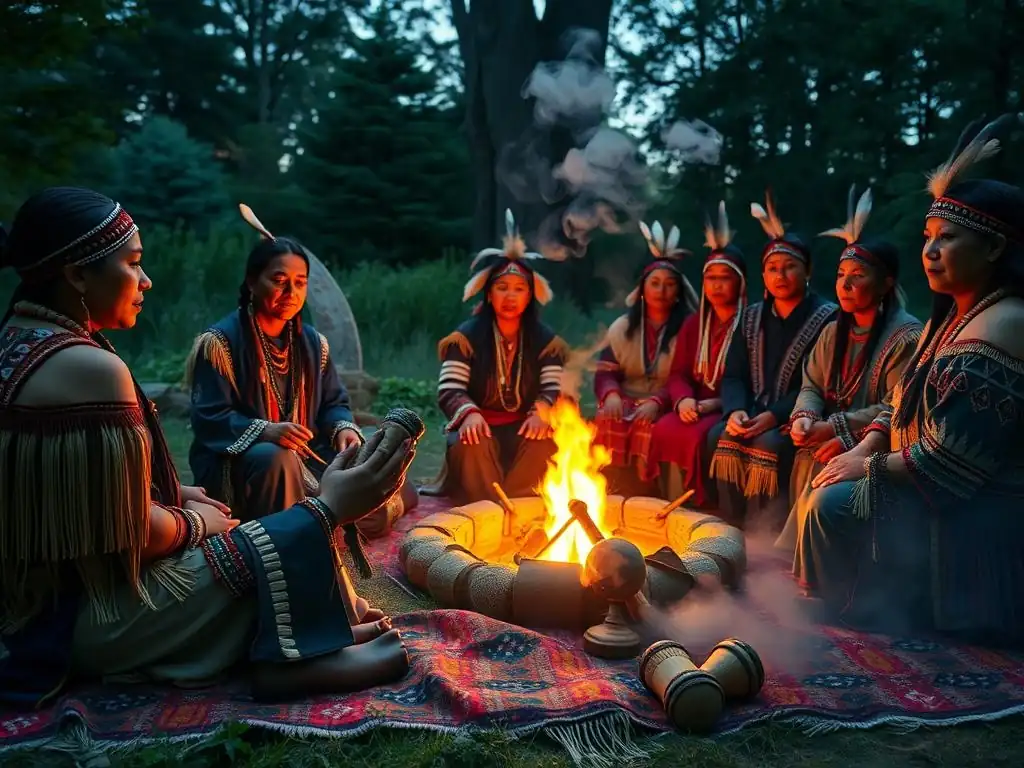
Welcome to Indigenous Civilizations of the Americas, where we invite you to embark on a journey through the rich tapestry of indigenous cultures that flourished long before European contact. Our featured article, “Healing Through Ceremony: Indigenous Practices for Physical and Spiritual Wellness,” delves into the profound and holistic approaches to health and healing that these societies embraced.
Discover how age-old traditions and ceremonies provide insight into the interconnectedness of body, mind, and spirit, and learn about the lasting impact of these practices on contemporary wellness. Venture further with us as we uncover the wisdom and resilience of these remarkable civilizations!
- Introduction to Indigenous Healing Practices for Wellness
- Key Concepts of Indigenous Healing Practices
- Traditional Ceremonial Practices for Healing
- Plants and Medicine in Indigenous Healing
- Case Studies of Indigenous Healing Practices
- Challenges Facing Indigenous Healing Practices Today
- Revitalization of Indigenous Healing Practices
- Conclusion: The Future of Indigenous Healing Practices and Wellness
- Frequently Asked Questions
- Final Reflection: Embracing Indigenous Healing Practices for Holistic Wellness
- Embrace Healing and Ceremony Today!
Introduction to Indigenous Healing Practices for Wellness
Indigenous healing practices are deeply rooted in the cultural, spiritual, and social frameworks of the diverse communities throughout the Americas. Long before the arrival of European colonizers, indigenous peoples developed sophisticated systems of wellness that encompassed not only physical health but also spiritual and emotional well-being. This holistic approach to health recognizes the interconnectedness of body, mind, and spirit, emphasizing that true wellness can only be achieved when all aspects of a person are in harmony.
Through ceremonies, rituals, and traditional medicines, these practices have provided individuals and communities with the means to heal from ailments, trauma, and the stresses of life. This article delves into the rich tapestry of indigenous healing practices, exploring their significance and the profound wisdom they offer in nurturing physical and spiritual wellness.
Understanding the Importance of Healing in Indigenous Cultures
Healing in indigenous cultures is not merely a matter of treating physical ailments; it encompasses a profound understanding of the human experience that integrates community, environment, and spirituality. The significance of healing is often articulated through the following key aspects:
- Community-Centric Approach: Indigenous healing practices are typically communal, involving family and community members. This collective approach reinforces social bonds and provides emotional support, which is vital for holistic healing.
- Interconnectedness: Many indigenous worldviews emphasize the connection between humans and nature. Healing is seen as a process that not only affects the individual but also resonates within the wider community and environment. This interconnectedness fosters a sense of responsibility towards both personal and communal wellness.
- Spirituality as a Foundation: Spiritual beliefs often underpin healing practices. Rituals, ceremonies, and the use of sacred herbs are common elements that help individuals reconnect with their spiritual selves, which is considered essential for achieving wellness.
- Traditional Knowledge: Indigenous healing practices are informed by generations of traditional knowledge passed down through oral histories. This wisdom includes the understanding of medicinal plants, healing rituals, and the role of ancestors, which continue to play a crucial role in contemporary healing.
By honoring these principles, indigenous healing practices provide a comprehensive framework for understanding wellness that is distinct from mainstream medical models.
Overview of Physical and Spiritual Wellness in Indigenous Traditions
In indigenous traditions, the concept of wellness transcends the physical realm, incorporating spiritual and emotional dimensions that are vital for holistic health. Here’s an overview of how these aspects are addressed:
- Physical Wellness:
- Herbal Medicine: Many indigenous cultures utilize a rich variety of plants for their healing properties. These herbal remedies are often tailored to the individual’s condition and are prepared through traditional methods.
- Healing Rituals: Specific ceremonies, such as sweat lodges or healing circles, are conducted to purify the body and restore balance. These rituals often involve physical activities and community participation, reinforcing the communal aspect of healing.
- Spiritual Wellness:
- Ceremonial Practices: Rituals such as vision quests and dance ceremonies are essential for spiritual connection and growth. These practices serve to strengthen one's relationship with the spirit world and provide guidance and clarity.
- Cultural Identity: Engaging with cultural traditions and practices fosters a sense of belonging and identity, which is crucial for spiritual health. This connection to heritage provides individuals with strength and resilience in facing life's challenges.
- Emotional Wellness:
- Storytelling: The art of storytelling plays a significant role in emotional healing, allowing individuals to process experiences and share wisdom. Stories often carry moral lessons and communal values that help reinforce emotional resilience.
- Art and Expression: Creative expressions through art, music, and dance serve as therapeutic outlets for emotions, promoting healing and connection within the community.
By integrating these diverse elements, indigenous healing practices offer a unique and profound pathway to achieving comprehensive wellness, emphasizing the importance of nurturing both the physical and spiritual dimensions of life.
Key Concepts of Indigenous Healing Practices
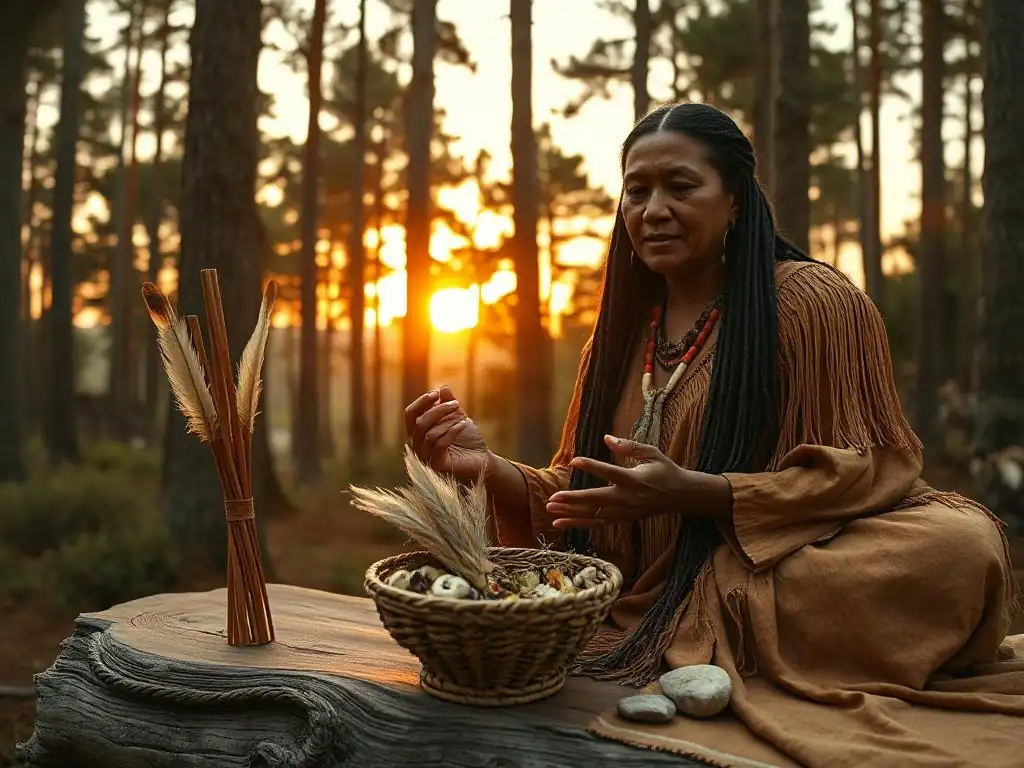
Indigenous healing practices are deeply rooted in the cultural and spiritual traditions of various tribes and communities across the Americas. These practices are not merely a collection of remedies but a holistic approach to wellness that emphasizes the interconnectedness of the mind, body, spirit, and environment. Here are some key concepts that define indigenous healing practices:
Holistic Approach to Wellness: Mind, Body, and Spirit
Indigenous healing practices are based on a holistic understanding of health, where wellness is seen as a balance between the mind, body, and spirit. This triadic perspective reflects the belief that physical ailments cannot be treated in isolation from emotional and spiritual issues.
- Mind: Mental health is addressed through storytelling, counseling, and community support. Traditional practitioners often use narratives and oral histories as therapeutic tools to help individuals process trauma and find meaning in their experiences.
- Body: Physical healing involves the use of natural remedies, such as herbs, plants, and rituals. Many indigenous cultures have extensive knowledge of local flora and their medicinal properties, which are passed down through generations. For example, the use of sage for purification and healing is a common practice across various tribes.
- Spirit: Spiritual wellness is nurtured through ceremonies and rituals that connect individuals to their heritage and the cosmos. Practices such as sweat lodges, vision quests, and drumming circles facilitate spiritual reflection and personal growth, fostering a sense of belonging and purpose.
This holistic framework is essential in understanding how indigenous healing practices contribute to overall wellness, as it recognizes the intricate connections between different aspects of a person's life.
The Role of Nature in Indigenous Healing Practices
Nature plays a pivotal role in indigenous healing practices, serving as both a source of healing materials and a spiritual ally. The intimate relationship between indigenous peoples and their environments is reflected in their medicinal practices and philosophies.
- Natural Remedies: Indigenous healers often rely on plants and natural elements for treatment. For instance, Echinacea is used for immune support, while Willow bark serves as a natural pain reliever. The selection of these substances is grounded in a deep understanding of local ecosystems and sustainable harvesting practices.
- Spiritual Connection: Many ceremonies involve elements from nature, such as water, fire, earth, and air, symbolizing the interconnectedness of all living things. Rituals often honor these elements, acknowledging their power in facilitating healing and restoring balance.
- Land as Healer: The concept of "land as healer" is prevalent in many indigenous cultures. Engagement with the land through activities like gathering, hunting, and foraging not only provides physical sustenance but also serves to strengthen spiritual ties and cultural identity.
Understanding the role of nature reinforces the importance of environmental stewardship within indigenous healing practices, highlighting the need to protect and preserve natural resources for future generations.
Interconnection of Community and Individual Health
Indigenous healing practices emphasize the significance of community in fostering individual wellness. The interconnectedness of social relationships, cultural identity, and collective well-being is a cornerstone of these practices.
- Community Support: Healing is often a collective endeavor, with community members coming together to support individuals in need. This can take the form of group rituals, communal feasts, or simply providing emotional support through shared experiences.
- Cultural Identity: A strong sense of cultural identity is crucial for personal healing. Engaging in traditional practices, such as dance, music, and storytelling, reinforces individual ties to the community and heritage, promoting a sense of belonging and purpose.
- Shared Knowledge: Knowledge of healing practices is often communal, with elders passing down wisdom to younger generations. This transmission of knowledge not only preserves cultural heritage but also strengthens community bonds, ensuring that healing practices continue to thrive and adapt.
The interconnection of community and individual health illustrates that wellness is not solely a personal journey but a collective experience, deeply embedded in the cultural fabric of indigenous societies.
Traditional Ceremonial Practices for Healing
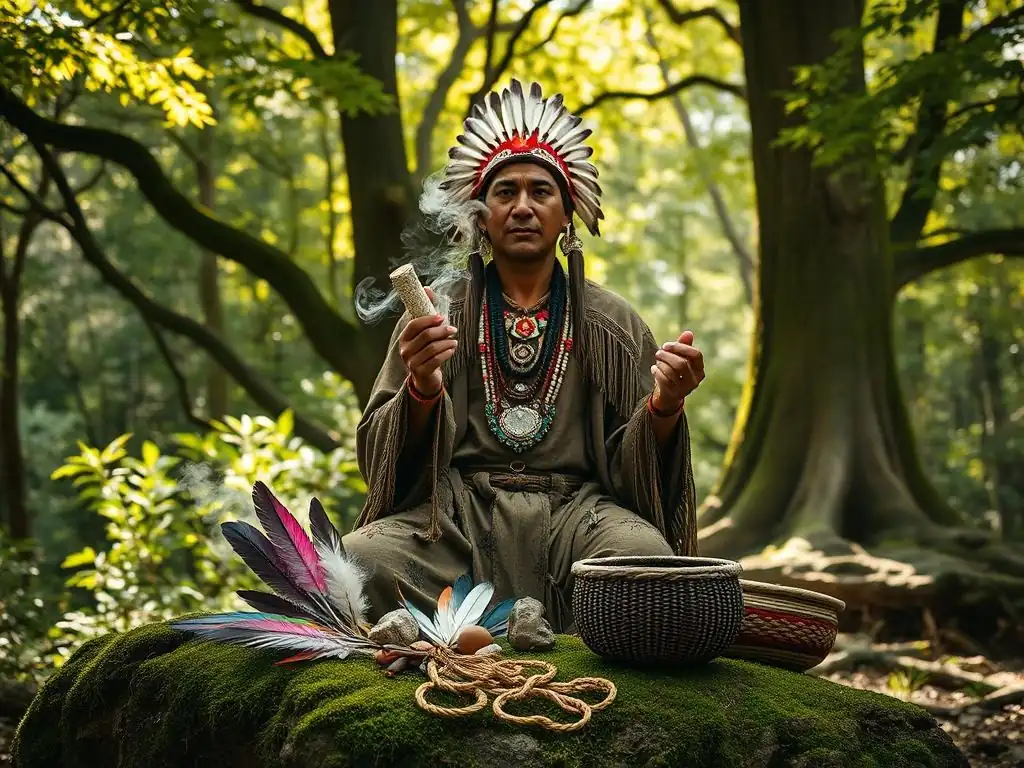
Sweat Lodge Ceremonies: Purification and Renewal
Sweat lodge ceremonies are profound traditional practices among various Indigenous cultures throughout the Americas, often serving as a means of purification and spiritual renewal. These ceremonies typically occur in a dome-shaped structure constructed from natural materials, such as wood and stones, which symbolizes the womb of Mother Earth.
During a sweat lodge ceremony, participants gather to experience a combination of intense heat, steam, and spiritual guidance. Healers or spiritual leaders often lead the ceremony, which begins with a prayer and an invitation to the spirits for protection and guidance. The central element of this practice involves heated stones, known as "grandfathers," which are placed in a pit at the center of the lodge. Water mixed with medicinal herbs is poured over these stones to create steam, enveloping participants in a warm, meditative atmosphere.
The benefits of sweat lodge ceremonies extend beyond physical purification. Participants often report enhanced emotional clarity, a sense of community, and spiritual awakening. The shared experience fosters deep connections among individuals, encouraging them to support one another in their healing journeys.
Key Benefits of Sweat Lodge Ceremonies:
- Physical Detoxification: The intense heat induces sweating, which helps to eliminate toxins from the body.
- Mental Clarity: Many participants experience a heightened sense of awareness and insight.
- Spiritual Connection: The ceremony provides a space for individuals to connect with their spiritual selves and the natural world.
Vision Quests: Seeking Guidance and Clarity
Vision quests are another vital aspect of indigenous healing practices, often undertaken as a rite of passage. These ceremonies involve fasting, meditation, and solitude in nature, where individuals seek personal guidance and clarity. Typically, a vision quest is initiated by a community member who feels ready to embark on this transformative journey.
The process begins with preparation, including the selection of a sacred location and an understanding of the spiritual significance of the quest. Participants often spend several days alone in a natural setting, during which they refrain from eating and may engage in prayer or meditation. This period of isolation allows individuals to connect deeply with their inner selves and the spiritual realm.
Participants may receive visions—symbolic messages that provide insight into their life's purpose, challenges, or the healing they seek. These revelations are often interpreted with the assistance of a spiritual guide or elder, who helps the individual understand the meaning behind their experiences.
Important Aspects of Vision Quests:
- Preparation: Mental and physical readiness are essential for a successful quest.
- Nature Connection: Many cultures emphasize the importance of solitude in nature for spiritual insights.
- Integration: The insights gained during the quest are often shared with the community, fostering collective healing and growth.
Healing Circles: Collective Support and Sharing
Healing circles are communal gatherings that emphasize collective support and sharing among participants. These circles are rooted in the belief that healing is a communal process that benefits from the collective energy and wisdom of the group. Traditionally, healing circles are organized by a facilitator or elder who guides the discussion and ensures a safe space for sharing.
During a healing circle, participants take turns speaking about their experiences, challenges, and healing journeys. This practice fosters empathy and validation, as individuals realize they are not alone in their struggles. The act of sharing one's story can be cathartic and often leads to a deeper understanding of their healing path.
Additionally, healing circles may incorporate various elements such as songs, prayers, or medicinal plants, enhancing the emotional and spiritual atmosphere. The collective energy of the group is believed to amplify the healing process, creating a supportive environment that nurtures individual and communal wellness.
Benefits of Healing Circles:
- Community Support: The shared experiences build strong bonds and reduce feelings of isolation.
- Empowerment: Participants often leave feeling empowered by their own stories and those of others.
- Holistic Healing: The integration of emotional, spiritual, and physical healing is emphasized.
Traditional indigenous healing practices such as sweat lodge ceremonies, vision quests, and healing circles illustrate the profound connection between community, nature, and wellness. These practices not only provide physical and spiritual benefits but also reinforce the importance of collective support in the healing journey, making them vital components of indigenous cultures across the Americas.
Plants and Medicine in Indigenous Healing
The relationship between indigenous cultures and their natural environment has forged a profound understanding of the healing properties of plants. Indigenous healing practices wellness are deeply rooted in the knowledge of local flora, which has been passed down through generations. This section explores the sacred herbs utilized in indigenous healing, traditional medicinal practices, and how modern medicine integrates these ancient methods.
Sacred Herbs and Their Healing Properties
Many indigenous cultures recognize the spiritual and physical benefits of specific plants. These sacred herbs are not merely seen as remedies but are often viewed as gifts from the Earth, imbued with spiritual significance.
- Common Sacred Herbs:
- Sage: Often used in cleansing rituals, sage is believed to purify spaces and people. Its burning is thought to dispel negative energy, promoting emotional balance.
- Sweetgrass: Known for its sweet aroma, sweetgrass is used in rituals to invite positive energies and is traditionally braided to signify the interconnectedness of life.
- Tobacco: Used as an offering in various ceremonies, tobacco is considered a sacred plant that connects the physical world with the spiritual.
- Healing Properties:
- Antimicrobial Effects: Many of these herbs possess natural antimicrobial properties, making them effective in fighting infections. For instance, sage has been shown to have antibacterial effects.
- Anti-inflammatory Benefits: Herbs like sweetgrass are known for their anti-inflammatory properties, which can alleviate symptoms of various ailments.
The use of plants in healing goes beyond the physical; it connects us to our ancestors and the earth.
- An Indigenous Healer
The Use of Traditional Medicine: From Roots to Remedies
Traditional indigenous medicine encompasses a wide array of practices that utilize local plants, animal products, and minerals. The understanding of these natural ingredients is based on centuries of observation and experience.
- Roots and Barks: Many indigenous healers turn to roots and barks for their medicinal properties. For example:
- Willow Bark: Contains salicin, which is similar to aspirin and has pain-relieving properties.
- Ginger Root: Widely used for digestive issues, ginger is celebrated for its anti-nausea effects.
- Preparation Methods:
- Infusions and Decoctions: Herbs are often steeped in water to create teas or boiled to extract their medicinal properties.
- Poultices: Crushed plants can be applied directly to the skin to treat wounds and inflammation.
- Cultural Significance: The preparation and use of these remedies often involve rituals that enhance their effectiveness, linking the physical act of healing with spiritual practices.
Integration of Modern Medicine with Indigenous Practices
The convergence of modern medicine and indigenous healing practices has generated a growing interest in holistic health approaches. This integration aims to respect and acknowledge the knowledge of indigenous cultures while benefiting from contemporary medical advancements.
- Collaborative Approaches:
- Many healthcare professionals are beginning to recognize the value of indigenous knowledge and collaborate with traditional healers to create comprehensive wellness plans.
- Hospitals and clinics in regions with significant indigenous populations may offer services that incorporate traditional healing alongside conventional treatments.
- Research and Validation:
- Scientific studies are increasingly validating the efficacy of various indigenous healing practices. For instance, research on the anti-inflammatory properties of traditional herbs is helping to bridge the gap between ancient wisdom and modern science.
- Cultural Competence in Healthcare:
- The integration of indigenous practices into modern healthcare emphasizes the importance of cultural competence. Healthcare providers are encouraged to understand and respect the cultural backgrounds of their patients, leading to more effective treatment outcomes.
Healing is not just about the body; it involves the spirit, the mind, and the community.
- Indigenous Health Advocate
The exploration of indigenous healing practices wellness reveals a rich tapestry of knowledge and tradition that continues to inform contemporary approaches to health. By valuing these practices, we can foster a more inclusive understanding of wellness that honors both the past and the present.
Case Studies of Indigenous Healing Practices
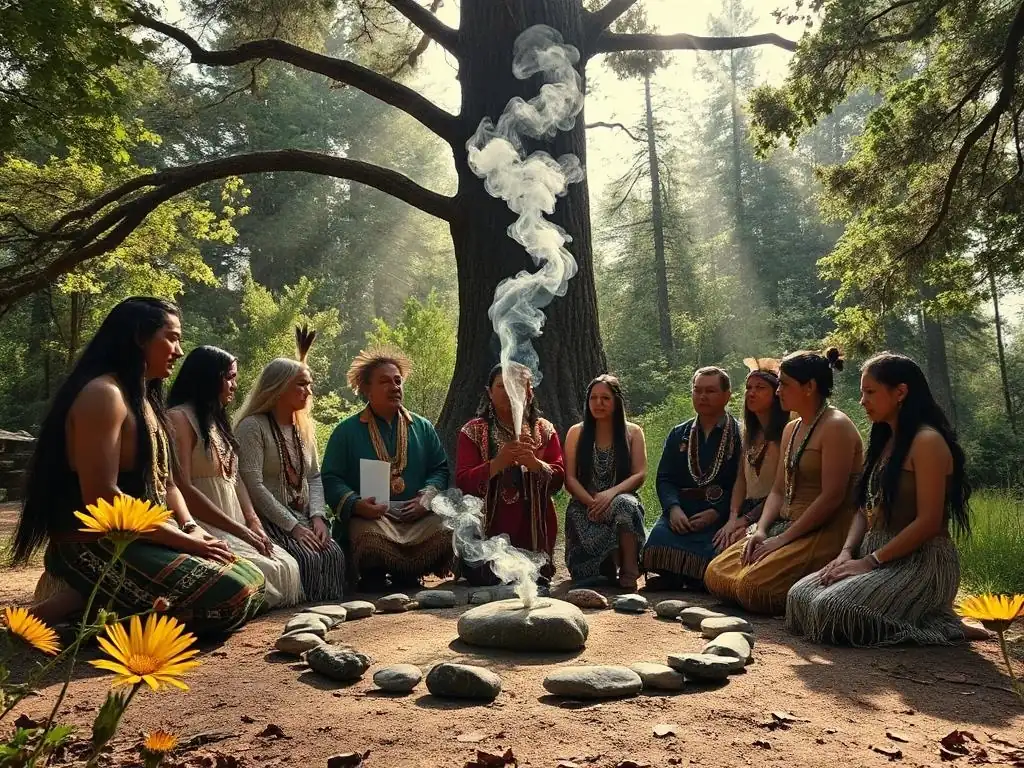
The Navajo Nation, one of the largest Native American tribes in the United States, has a rich tradition of healing ceremonies that are integral to their culture and community health. Central to these practices is the concept of Hózhó, which translates to harmony, balance, and beauty. This philosophy underpins their approach to wellness, emphasizing the interconnectedness of mind, body, spirit, and environment.
One of the most significant healing ceremonies among the Navajo is the Blessingway ceremony. This ritual is conducted by a medicine person and serves multiple purposes, including healing, protection, and blessing individuals or families during important life transitions. The Blessingway utilizes songs, prayers, and sacred objects to create a spiritual environment conducive to healing.
- Key Components of the Blessingway Ceremony:
- Songs and Chants: Each song has a specific purpose, often calling upon the spirits for guidance and healing.
- Sacred Objects: Items such as corn pollen, which symbolizes life and fertility, are used to bless individuals and spaces.
- Community Involvement: Family and community members participate, reinforcing social bonds and collective support in the healing process.
This ceremony not only addresses physical ailments but also promotes emotional and spiritual well-being, highlighting the holistic nature of indigenous healing practices. By engaging in these rituals, the Navajo people reaffirm their identity and strengthen their cultural ties, contributing to overall community wellness.
The Impact of Sweat Lodge Ceremonies on Community Wellness
Sweat lodge ceremonies, known as Inipi among many Indigenous cultures, are a profound form of indigenous healing practice that promotes physical and spiritual wellness. These ceremonies involve a structured process in a dome-shaped lodge made of natural materials, where participants engage in a ritualistic sweat session.
- Benefits of Sweat Lodge Ceremonies:
- Physical Detoxification: The high temperatures induce sweating, which helps cleanse the body of toxins.
- Mental Clarity: The intense heat and the communal environment foster a meditative state, allowing participants to reflect and gain insights.
- Spiritual Connection: Participants often engage in prayers and songs, creating a sacred atmosphere that facilitates a deeper connection to spiritual beliefs and ancestors.
The impact of sweat lodge ceremonies extends beyond individual benefits; they play a crucial role in strengthening community ties. Participants often share personal stories and experiences, fostering a sense of belonging and mutual support.
- Community Aspects:
- Reinforcement of Cultural Identity: Engaging in traditional practices helps preserve cultural heritage and instills pride among community members.
- Collective Healing: As individuals share their burdens and healing journeys, the community as a whole experiences a sense of collective healing, promoting resilience against external challenges.
Sweat lodge ceremonies are not merely physical practices but are vital components of indigenous healing practices wellness that nurture the mind, body, and spirit while reinforcing communal bonds. Through these rituals, indigenous communities continue to thrive, passing down their rich traditions and teachings to future generations.
Challenges Facing Indigenous Healing Practices Today
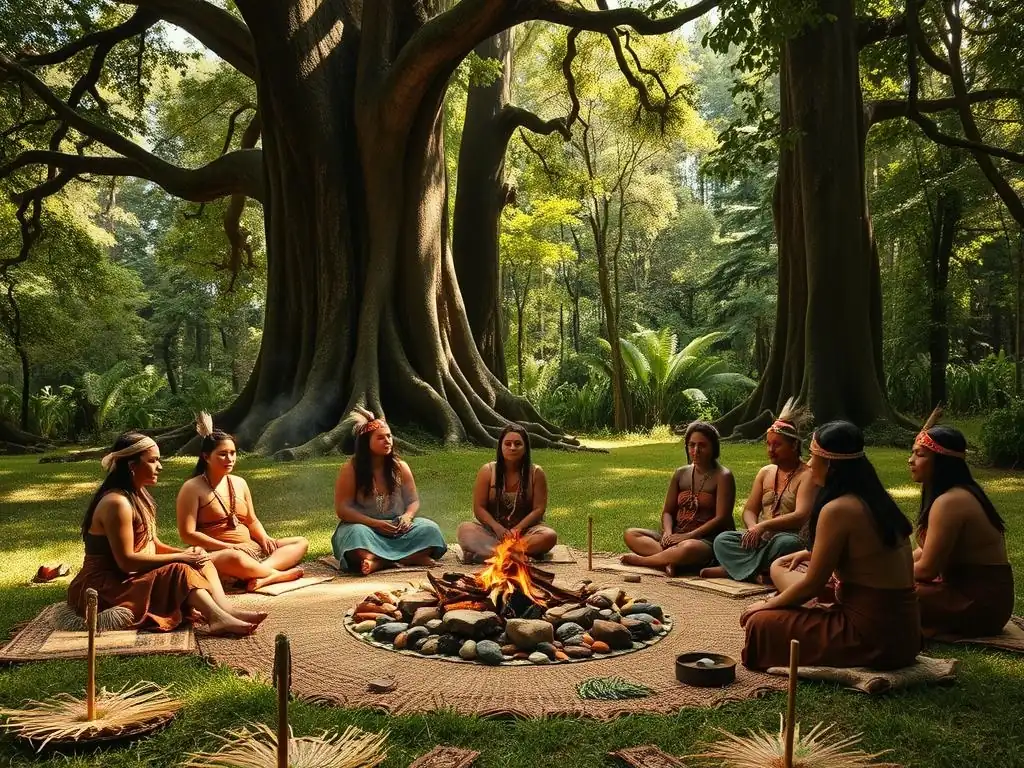
Impact of Colonization on Traditional Healing Methods
The legacy of colonization has had profound effects on indigenous healing practices across the Americas. Historically, indigenous peoples possessed rich and diverse systems of medicine and spirituality that were deeply intertwined with their cultural identity. Colonization disrupted these systems, imposing foreign values and beliefs that often marginalized traditional practices.
- Displacement of Knowledge: Colonization led to a significant loss of indigenous knowledge, as many healers were persecuted or forced to abandon their practices. This resulted in a generational gap, where younger members of the community were not taught traditional healing methods, leading to a decline in practice and knowledge retention.
- Cultural Erasure: The suppression of indigenous languages, rituals, and ceremonies further eroded the context in which healing practices were understood. Many medicinal plants and healing techniques were tied to specific cultural narratives, which were either lost or altered through colonization.
- Legal and Political Barriers: Many indigenous communities face legal challenges in practicing their traditional healing methods. Restrictions on the use of sacred plants or the enactment of laws that favor Western medicine have created barriers to accessing essential components of their healing practices.
- Psychological Impact: The psychological scars of colonization, including trauma and loss of identity, have also affected mental health within indigenous communities. This trauma can manifest in varying ways, impacting the effectiveness of traditional healing methods when they are practiced in a disconnected context.
Modernization and Its Effects on Indigenous Wellness Practices
The rapid pace of modernization presents both challenges and opportunities for indigenous wellness practices. As technology and urbanization reshape lifestyles, indigenous communities navigate the complexities of preserving their traditions while adapting to contemporary realities.
- Integration of Western Medicine: Many indigenous people now blend traditional healing practices with Western medical approaches. While this integration can provide a more comprehensive form of care, it may also dilute the authenticity of traditional practices and lead to a reliance on pharmaceuticals rather than holistic healing methods.
- Access to Resources: Modernization has led to increased access to information and resources, which can be beneficial for indigenous wellness practices. Online platforms and social media allow for the sharing of knowledge and the revitalization of ceremonies and practices. However, access to traditional medicinal plants is often compromised due to urban development and environmental degradation.
- Cultural Appropriation: The commercialization of indigenous healing practices often leads to appropriation, where non-indigenous individuals or companies exploit these traditions without proper understanding or respect. This can undermine the cultural significance and sacredness of the practices.
- Community Resilience: Despite these challenges, many indigenous communities are actively working to reclaim and revitalize their healing traditions. Initiatives aimed at passing down knowledge, engaging youth, and fostering cultural pride are essential in ensuring the survival and adaptation of indigenous healing practices.
The challenges facing indigenous healing practices today are deeply rooted in historical and ongoing processes of colonization and modernization. Addressing these issues requires a multifaceted approach that honors traditional knowledge while navigating the complexities of contemporary society.
Revitalization of Indigenous Healing Practices
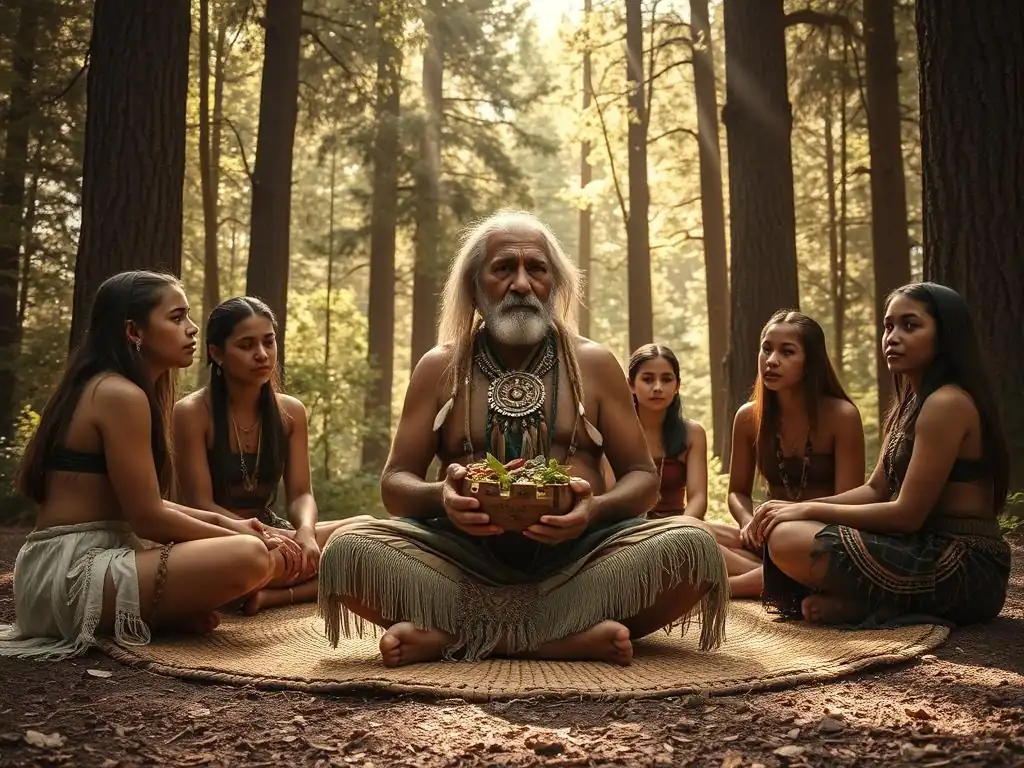
Indigenous healing practices have experienced a significant revitalization in recent years, reflecting a growing recognition of their importance for both physical and spiritual wellness. This resurgence is not only a response to the historical disenfranchisement of indigenous cultures but also a vital effort to reclaim identity, culture, and health. The revival of these practices involves integrating traditional knowledge with contemporary health approaches, creating a holistic framework that can effectively address the complexities of modern life.
One of the most profound aspects of this revitalization is the incorporation of ceremonies that emphasize connection to the land, community, and ancestors. These ceremonies often utilize natural elements—such as herbs, water, and sacred spaces—to facilitate healing. For example, sweat lodges, smudging rituals, and vision quests are commonly employed to promote physical detoxification and spiritual clarity. Such practices are rooted in the belief that wellness is a balance of mind, body, and spirit, and that disconnection from these elements can lead to illness.
Moreover, many indigenous communities have begun to document their healing practices through oral histories and written accounts, ensuring that this knowledge is preserved for future generations. This documentation is crucial, as it not only serves as a repository of cultural heritage but also as a resource for educational initiatives aimed at both indigenous and non-indigenous populations.
Efforts to Preserve Traditional Ceremonial Knowledge
The preservation of traditional ceremonial knowledge is paramount for maintaining the integrity of indigenous healing practices. Various organizations and community groups are actively working to safeguard these practices through various initiatives:
- Cultural Revitalization Programs: Many indigenous groups have established programs aimed at teaching younger generations traditional healing methods and the significance of ceremonies. These programs often involve hands-on workshops, storytelling sessions, and mentorship opportunities.
- Collaborations with Academic Institutions: Partnerships between indigenous communities and universities have led to research projects focused on documenting traditional healing practices. This collaboration not only validates indigenous knowledge systems but also contributes to academia by offering new insights into holistic health approaches.
- Legal Protection Efforts: Some indigenous communities are advocating for legal recognition of their traditional knowledge and practices. This includes seeking intellectual property protections to prevent the appropriation of their healing practices by outside entities.
- Cultural Exchanges: Initiatives that promote cultural exchange between different indigenous groups help to enrich and diversify traditional practices. By sharing knowledge, ceremonies, and healing methods, communities can strengthen their cultural identity and resilience.
These efforts are vital not only for preserving the knowledge itself but also for fostering a sense of pride and belonging among indigenous peoples. The revitalization of these practices serves as a powerful reminder of the strength and adaptability of indigenous cultures in the face of adversity.
Education and Community Engagement in Healing Practices
Education plays a critical role in the revitalization of indigenous healing practices. By engaging community members in learning about their own traditions, organizations can foster a deeper understanding and appreciation of these practices. Here are some key aspects of education and community engagement in this context:
- Workshops and Training Sessions: Local healers and elders often lead workshops that allow participants to learn directly about traditional methods. These sessions can cover a wide range of topics, from the medicinal uses of local plants to the significance of specific rituals.
- Intergenerational Learning: Encouraging interaction between elders and youth is a powerful way to transmit knowledge. This intergenerational approach not only strengthens community bonds but also ensures that valuable traditions are not lost.
- Public Awareness Campaigns: Increasing awareness of indigenous healing practices within broader society can help combat misconceptions and promote respect for these traditions. Educational initiatives might include public talks, cultural festivals, and collaborations with health organizations.
- Integration into Mainstream Health Education: Some progressive health organizations are beginning to incorporate indigenous healing practices into their curricula. This integration acknowledges the value of traditional knowledge and provides a more comprehensive understanding of wellness.
- Community Healing Circles: Regularly held healing circles create safe spaces for individuals to share their experiences and participate in collective healing. These gatherings often include storytelling, traditional songs, and ceremonies that reinforce community ties and promote emotional wellness.
Through these educational initiatives, communities are not only preserving their healing practices but also empowering individuals to take an active role in their wellness journeys. The emphasis on community engagement fosters a sense of belonging and resilience, which is crucial for the long-term sustainability of indigenous healing practices.
The revitalization of indigenous healing practices is a multifaceted endeavor that encompasses preserving traditional knowledge, engaging communities, and educating individuals about the profound significance of these practices. As these efforts continue to grow, they contribute to a broader understanding of wellness that honors the rich cultural heritage of indigenous peoples.
Conclusion: The Future of Indigenous Healing Practices and Wellness
Indigenous healing practices have a profound connection to the broader cultural, spiritual, and social frameworks of indigenous communities. As we look toward the future, it is crucial to recognize that these practices are not static; they are evolving systems that adapt to contemporary challenges while remaining rooted in ancient traditions. The integration of indigenous healing practices into mainstream health and wellness paradigms presents an opportunity for mutual learning and respect.
Importance of Respecting Indigenous Knowledge and Traditions
Understanding and valuing indigenous knowledge is paramount for preserving the integrity of healing practices. These systems of knowledge are built on centuries of observation, experimentation, and connection with nature. The respect for indigenous traditions includes:
- Cultural Significance: Recognizing that healing practices are deeply embedded in the cultural narratives of indigenous peoples. They often reflect a holistic understanding of wellbeing that encompasses physical, emotional, and spiritual health.
- Community Involvement: Engaging with indigenous communities in the conversation about health and wellness ensures that their voices are heard and their practices are honored. This involves a collaborative approach that values the expertise of indigenous healers and practitioners.
- Ethical Frameworks: When utilizing indigenous knowledge in health practices, it is essential to adhere to ethical guidelines that prevent exploitation and appropriation. This includes obtaining informed consent and acknowledging the origins of these practices.
Respecting indigenous knowledge not only benefits indigenous communities but also enriches the broader understanding of health and wellness across society.
Call to Action: Supporting Indigenous Health and Wellness Initiatives
To foster a future where indigenous healing practices thrive, collective action is necessary. Here are some practical steps individuals and organizations can take to support indigenous health and wellness initiatives:
- Advocate for Policy Change: Support legislative efforts that prioritize indigenous health rights and access to traditional healing practices.
- Engage in Community Programs: Participate in or donate to programs that promote indigenous health initiatives, such as community health workshops and ceremonies that focus on wellness.
- Educate Yourself and Others: Learn about the specific indigenous cultures and their healing practices. Sharing this knowledge helps to raise awareness and respect for their traditions.
- Promote Cultural Exchange: Encourage platforms that facilitate cultural exchange, allowing for a two-way understanding of health practices between indigenous and non-indigenous communities.
By actively supporting these initiatives, we can help ensure that indigenous healing practices remain a vibrant and essential part of the wellness landscape, contributing to the health of both indigenous and non-indigenous peoples alike.
Frequently Asked Questions
What are indigenous healing practices?
Indigenous healing practices are a holistic approach to wellness that integrates spiritual, physical, and emotional health, often utilizing natural resources and traditional ceremonies to promote healing.
How do ceremonies play a role in wellness?
Ceremonies are essential in indigenous cultures as they foster community, reinforce cultural identity, and create a sacred space for individuals to connect with their spiritual and physical well-being.
What types of healing ceremonies are commonly practiced?
Common healing ceremonies include sweat lodges, vision quests, and healing circles, each aimed at restoring balance and harmony in an individual's life through rituals and community support.
How can indigenous practices contribute to modern wellness approaches?
Integrating indigenous practices into modern wellness can enhance mental health, provide alternative methods for stress management, and offer a deeper understanding of the interconnectedness of body and spirit.
Why is it important to preserve indigenous cultures and their practices?
Preserving indigenous cultures is vital for maintaining diversity, fostering cultural heritage, and ensuring that valuable knowledge about healing and wellness is not lost to future generations.
Final Reflection: Embracing Indigenous Healing Practices for Holistic Wellness
In a world increasingly focused on quick fixes and superficial solutions, the importance of indigenous healing practices for wellness stands out as a beacon of hope and authenticity. These time-honored traditions remind us that true healing encompasses not just the physical body but also the spiritual and emotional dimensions of our being. As we navigate the complexities of modern life, the wisdom embedded in these practices offers a profound path toward holistic wellness that resonates deeply with our current societal needs.
The influence of indigenous healing practices extends far beyond their cultural origins; they are now woven into the fabric of contemporary wellness movements. The resurgence of interest in these practices highlights a collective yearning for connection, balance, and a deeper understanding of our place within the natural world. As we embrace these ancient teachings, we are reminded of the words of Dr. Michael Yellow Bird: Indigenous healing is not just about the individual; it is about the community and the land.
This perspective encourages us to view wellness as a shared journey, one that honors the interconnectedness of all living beings.
As you reflect on the insights shared in this article, I invite you to consider how you can incorporate elements of indigenous healing practices into your own life. Whether through mindfulness, community rituals, or a deeper connection to nature, each step you take can contribute to your overall wellness and that of those around you. Let us honor these traditions not just as relics of the past but as vital resources for our present and future, fostering a holistic approach to health that nurtures both body and spirit.
Embrace Healing and Ceremony Today!
Thank you for journeying with us through the rich tapestry of Indigenous healing practices. Your interest signifies the first step toward understanding and integrating these profound traditions into your life. Now, let’s take that understanding further and transform it into action!
Here are a few steps to carry this wisdom forward:
- Participate in a local community ceremony: Seek out gatherings or events in your area where you can experience these healing practices firsthand.
- Explore educational resources: Delve deeper into Indigenous teachings by reading relevant literature or attending workshops that focus on holistic wellness.
- Share your learning: Engage with friends or members of your community; discuss your discoveries and encourage them to explore these practices as well!
What resonates with you most about these healing ceremonies, and how might you incorporate them into your own life? We invite you to share your thoughts below!