
The Art of Pottery: Engineering Techniques in Indigenous Ceramics

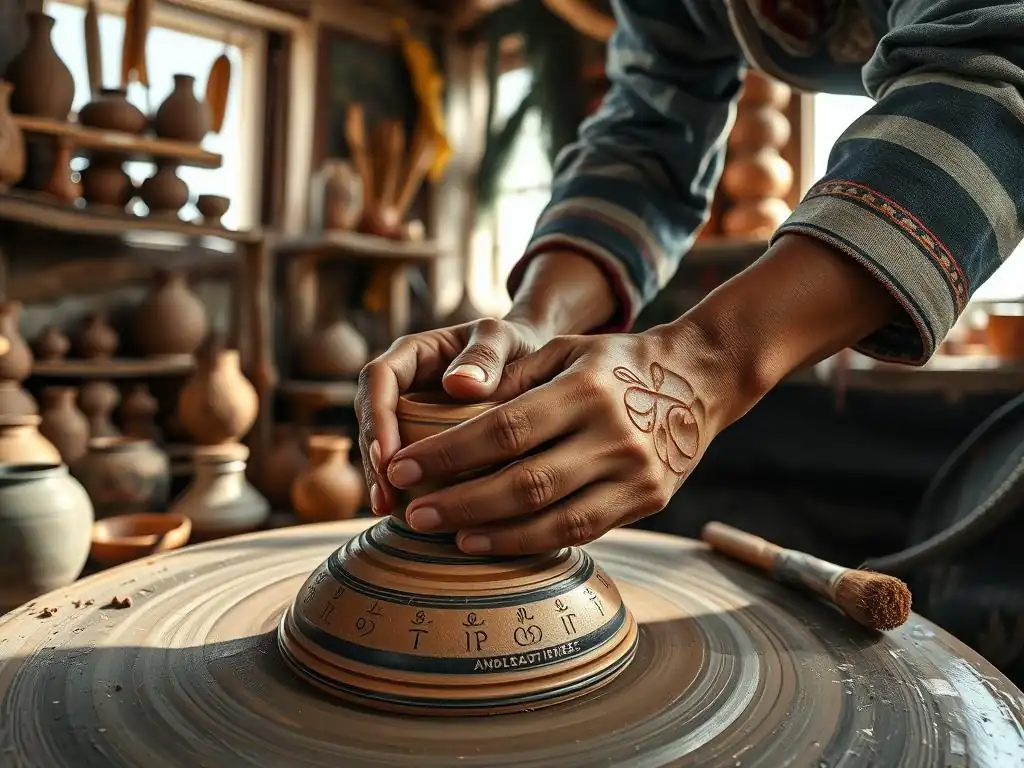
Welcome to Indigenous Civilizations of the Americas, where we delve into the rich tapestry of cultures that flourished long before European contact. Here, we invite you to uncover the fascinating history of indigenous pottery techniques, a testament to the ingenuity and artistry of these vibrant societies. From intricate designs to innovative engineering methods, the world of indigenous ceramics is brimming with stories that shaped communities and their legacies.
Prepare to be captivated as you explore the remarkable achievements and advances of these cultures, and discover how their art continues to inspire and influence today. Join us on this enlightening journey!
Pottery serves as a significant testament to the engineering prowess and cultural richness of indigenous civilizations throughout the Americas. The techniques employed in crafting ceramics not only reflect the artistic expression of these cultures but also demonstrate their remarkable adaptability and innovation in utilizing local resources.
From the intricate designs of the Puebloan peoples to the utilitarian forms of the Mesoamerican civilizations, indigenous pottery techniques offer a fascinating glimpse into the historical and cultural narratives that shaped their societies. This article delves into the history of indigenous pottery techniques, exploring their engineering achievements, the importance of pottery in their cultures, and the environmental factors that influenced their development.
Introduction to Indigenous Pottery Techniques
Overview of Indigenous Pottery in the Americas
Indigenous pottery in the Americas is a diverse and rich tradition that encompasses a variety of styles, techniques, and purposes. Each region boasts unique characteristics influenced by the local environment, available materials, and cultural practices. For example, the Ancestral Puebloans of the Southwest are renowned for their intricate black-on-white pottery, while the Mississippian culture is recognized for its large, functional vessels. Pottery not only served practical uses, such as cooking and storage, but also played a role in rituals and social gatherings, reflecting the interconnectedness of daily life and spirituality in these cultures.
- Key Characteristics:
- Diverse styles and purposes
- Unique regional influences
- Integration of art and utility
Importance of Pottery in Indigenous Cultures
Pottery held a central place in the social and economic life of indigenous communities. It was often used in trade, serving as a medium for cultural exchange that transcended geographical boundaries. The act of pottery-making itself was frequently communal, involving various members of the community and passing down techniques through generations, thereby reinforcing social bonds and cultural identity. Furthermore, pottery also encapsulated stories, myths, and historical events, making it a vital aspect of cultural preservation.
- Cultural Significance:
- Medium for trade and economic exchange
- Tool for community building and cultural transmission
- Repository of stories and traditions
Historical Context of Indigenous Pottery Techniques
Evolution of Pottery Techniques Over Time
The techniques used in indigenous pottery have evolved significantly over millennia, reflecting advancements in technology and shifts in cultural practices. Early pottery was primarily hand-built, with methods such as coiling and pinching prevalent. Over time, these techniques became more sophisticated, with the introduction of wheel-thrown pottery in some regions. The firing processes also evolved, with different techniques such as pit firing, open firing, and later, kiln firing, contributing to the durability and aesthetic qualities of the ceramics.
- Milestones in Pottery Evolution:
- Early hand-building techniques
- Introduction of wheel-throwing
- Advances in firing methods
Regional Variations in Indigenous Pottery Styles
Indigenous pottery styles exhibit remarkable regional variations that reflect the diverse cultures and environments across the Americas. For instance, the Northwest Coast tribes developed unique forms of pottery that often incorporated shell and stone inlays, while the Great Plains peoples produced utilitarian vessels suited for nomadic lifestyles. Understanding these regional distinctions offers insights into how indigenous communities adapted their pottery-making practices to their specific environmental and cultural contexts.
- Examples of Regional Styles:
- Puebloan pottery of the Southwest
- Inuit ceramics from the Arctic
- Mississippian pottery of the Southeast
Influence of Environment on Pottery Development
The natural environment played a crucial role in shaping the pottery techniques and styles of indigenous cultures. The availability of clay, temper materials, and water sources dictated the materials used in pottery-making. Additionally, environmental factors such as climate and geography influenced the types of forms created and the firing techniques employed. For example, coastal communities often had access to different resources compared to those in arid regions, resulting in distinct pottery traditions that reflect their surroundings.
- Environmental Factors:
- Availability of natural resources
- Climate and geography's impact on techniques
- Adaptations to local conditions
As we explore the intricate and multifaceted world of indigenous pottery techniques, we uncover not only the artistry involved but also the profound connections between culture, environment, and engineering ingenuity that define the legacy of these ancient civilizations.
Key Engineering Techniques in Indigenous Ceramics
Indigenous pottery techniques represent a remarkable blend of artistry and engineering, showcasing the ingenuity of various cultures across the Americas. These techniques evolved over millennia, adapting to the available materials and environmental conditions, and they highlight the deep connection between indigenous peoples and their surroundings. Key engineering practices in indigenous ceramics include hand-building, wheel-throwing, and diverse firing methods. Each technique not only reflects the practical needs of the community but also serves aesthetic and cultural purposes, creating functional objects that are imbued with meaning.
Hand-Building Techniques in Indigenous Pottery
Hand-building is one of the oldest pottery-making methods, utilized by indigenous cultures long before the introduction of the potter's wheel. This technique encompasses several approaches, including coiling, pinching, and slab construction.
- Coiling: In this method, long rolls of clay are shaped into spirals and then smoothed together to form the walls of the vessel. This technique allows for the creation of large, complex shapes and has been widely used among Native American tribes, such as the Pueblo peoples of the Southwest.
- Pinching: This technique involves taking a ball of clay and pinching it into shape to form small bowls or cups. It is one of the simplest methods and is often used in the creation of personal or ceremonial items.
- Slab Construction: Flat pieces of rolled-out clay are joined together to create vessels. This approach allows for more geometric and angular designs, which can be found in various indigenous cultures.
Hand-building not only showcases technical skill but also allows for individual expression, as artisans can create unique designs that reflect their cultural identity.
Wheel-Throwing Techniques in Indigenous Ceramics
While wheel-throwing is not traditionally associated with all indigenous pottery, some cultures, particularly in Mesoamerica, developed early versions of the potter's wheel. This technique allows for faster production and greater uniformity.
- Mesoamerican Innovations: The ancient civilizations of the Maya and Aztec utilized rudimentary wheels to shape their pottery, leading to more complex forms and finer details. The integration of wheel-throwing techniques enhanced the efficiency of pottery production and contributed to the widespread distribution of pottery styles across regions.
- Adaptation of Techniques: Even in cultures where the potter's wheel was not used, some artisans incorporated elements of wheel-throwing into their hand-building methods, achieving smoother finishes and more refined shapes.
Overall, wheel-throwing represents a significant engineering advancement in indigenous pottery, demonstrating the adaptability and resourcefulness of these cultures.
Firing Techniques and Their Innovations
Firing is a crucial step in pottery-making that transforms clay into a durable material. Indigenous peoples developed various firing techniques, each with unique characteristics and effects on the final product.
- Open Firing: This traditional method involves placing pottery in a pit or on a bed of combustible materials, which are then ignited. Open firing can produce distinctive surface effects, such as smoke patterns and varied colors, which are often celebrated in indigenous art.
- Kiln Firing: Some indigenous cultures, particularly in North America, developed primitive kilns that allowed for more controlled firing conditions. These kilns could reach higher temperatures, resulting in stronger and more vitrified pottery.
- Tempering Materials: Many indigenous potters added materials like sand, grit, or crushed shells to their clay to enhance its strength and thermal shock resistance. This innovative practice reflects a sophisticated understanding of material properties.
These firing techniques not only improve the functional aspects of pottery but also contribute to the aesthetic qualities that define indigenous ceramics.
Cultural Significance of Indigenous Pottery Techniques
Indigenous pottery techniques extend beyond mere functionality; they are deeply intertwined with cultural identity, storytelling, and community practices. The artistry in each piece serves as a reflection of the values, beliefs, and histories of the people who create them.
Pottery as a Medium for Storytelling and Expression
Pottery has long served as a canvas for storytelling among indigenous cultures. Through intricate designs and motifs, artisans convey narratives that are integral to their cultural heritage.
- Narrative Elements: Many pottery pieces feature images or symbols that represent myths, legends, and important events within the community. For instance, the use of animal motifs can signify clan identities or spiritual beliefs, making each piece a narrative artifact.
- Personal Expression: Beyond communal stories, individual potters often imbue their work with personal experiences and emotions. This personal touch adds depth to the cultural significance of pottery, as each piece can hold unique meanings for both the creator and the viewer.
Symbolism in Indigenous Pottery Designs
The designs used in indigenous pottery are rich with symbolism and often serve specific purposes within the culture.
- Cultural Symbols: Common motifs include geometric shapes, natural elements, and spiritual symbols, each carrying specific meanings. For example, the spiral might represent the journey of life, while specific colors can denote social status or clan affiliation.
- Ritualistic Significance: Some designs are reserved for ceremonial pottery, reflecting the spiritual beliefs and practices of a culture. These pieces are often used in rituals and serve to connect the physical and spiritual worlds.
The symbolism embedded in pottery designs showcases the sophisticated worldview of indigenous peoples and their ability to communicate complex ideas through art.
The Role of Pottery in Ceremonial Practices and Daily Life
Pottery plays a vital role in both the spiritual and everyday lives of indigenous communities. It serves practical needs while also fulfilling ceremonial functions.
- Functional Use: Indigenous pottery is designed for various purposes, including cooking, storage, and serving food. These functional items are often crafted with careful attention to detail, ensuring they meet the needs of daily life.
- Ceremonial Roles: Many pottery pieces are created specifically for rituals and ceremonies, such as weddings, funerals, and harvest celebrations. These items often hold sacred significance and are treated with great reverence.
The engineering techniques of indigenous ceramics are not only remarkable achievements in their own right but also serve as a testament to the cultural richness and resilience of indigenous peoples throughout history. Through their artistry, these communities continue to share their stories and traditions with the world.
Challenges and Preservation of Indigenous Pottery Techniques
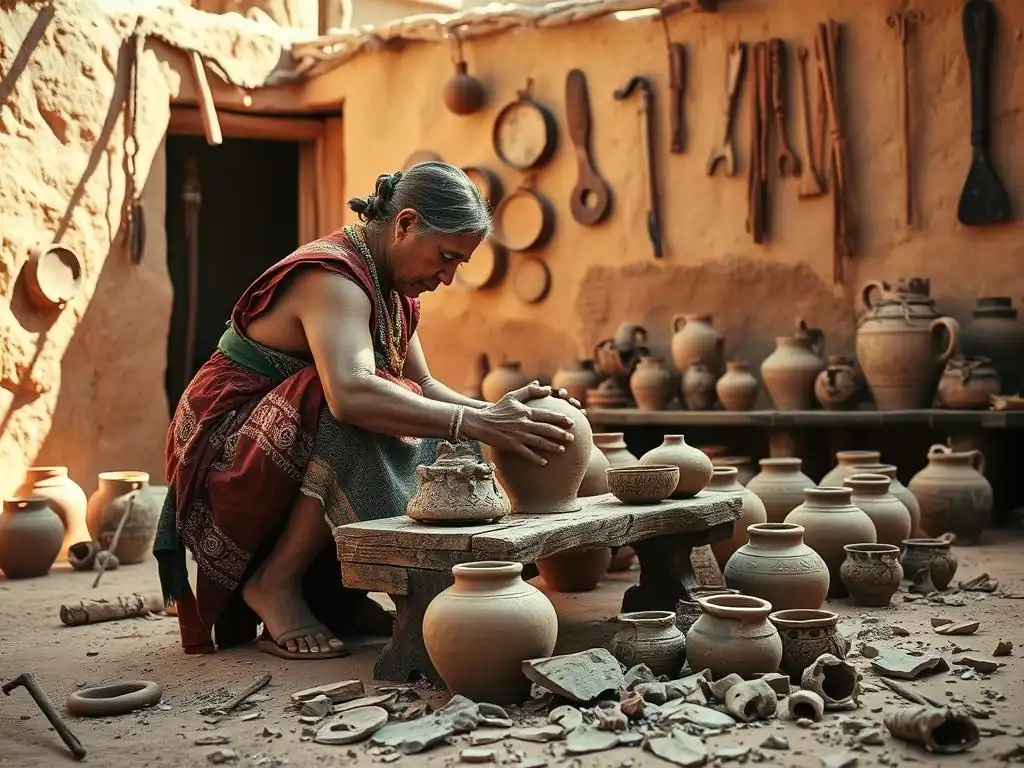
The preservation of indigenous pottery techniques faces numerous challenges, primarily stemming from the historical impacts of colonization and modernization. One of the significant issues is the loss of traditional knowledge as elders pass away and younger generations become less engaged with these practices. As a result, many unique styles and methods are at risk of extinction. Additionally, rapid urbanization and industrialization have led to a decline in the availability of traditional materials, such as specific clays and natural pigments, which are essential for authentic pottery making.
Cultural appropriation also poses a challenge; when non-indigenous artists adopt these techniques without understanding their cultural significance, it undermines the authenticity and value of the original art forms. Furthermore, economic pressures can lead artisans to prioritize commercial viability over traditional methods, compromising the integrity of their craftsmanship. As a result, the preservation of these techniques requires not only a commitment from indigenous communities but also support from broader society to recognize and value their cultural heritage.
Impact of Colonization on Pottery Practices
Colonization had a profound impact on indigenous pottery practices, fundamentally altering the landscape of traditional craftsmanship. European settlers introduced new materials, tools, and firing techniques that often supplanted indigenous methods. The introduction of mass-produced goods diminished the demand for locally made pottery, which in turn affected the transmission of skills and knowledge across generations.
Moreover, the imposition of foreign cultural values led to a devaluation of indigenous pottery, which was often viewed as "primitive" compared to European ceramics. This shift not only affected the market for indigenous pottery but also contributed to a loss of cultural identity, as many indigenous artisans felt pressured to conform to colonial aesthetics and practices. As a result, traditional forms of expression were marginalized, leading to a decline in the diversity and richness of indigenous pottery making.
Efforts to Revive Traditional Pottery Techniques
In recent years, there has been a resurgence of interest in reviving traditional pottery techniques among indigenous communities. Grassroots movements and cultural organizations have played a crucial role in this revival, offering workshops and programs aimed at teaching younger generations the traditional methods of pottery making. These initiatives often emphasize the importance of cultural context and the stories behind the techniques, fostering a greater appreciation for the art form.
Additionally, collaborations between indigenous artisans and academic institutions have led to the documentation and preservation of traditional practices. Research projects often focus on recording oral histories and techniques, ensuring that valuable knowledge is not lost. Many communities are also exploring ways to integrate traditional practices with contemporary art forms, creating a dynamic dialogue between the past and present.
Modern Adaptations and Innovations in Indigenous Pottery
Modern indigenous potters are not only preserving traditional techniques but are also innovating and adapting them to suit contemporary contexts. Many artisans are experimenting with new forms, glazes, and firing techniques while maintaining a connection to their cultural heritage. For instance, some have incorporated recycled materials or eco-friendly practices into their pottery-making processes, reflecting a growing awareness of environmental sustainability.
Additionally, the rise of digital platforms has provided indigenous potters with new avenues to showcase their work and reach broader audiences. Social media and online marketplaces enable artisans to share their stories and connect with collectors and enthusiasts globally. This visibility not only promotes their work but also raises awareness about the cultural significance of indigenous pottery, fostering a deeper appreciation for its historical roots and modern expressions.
Conclusion: The Legacy of Indigenous Pottery Techniques
The legacy of indigenous pottery techniques is rich and multifaceted, reflecting the ingenuity and resilience of indigenous cultures throughout history. These techniques, passed down through generations, embody the stories, traditions, and values of the communities that created them. As cultural expressions, they serve as a testament to the adaptability of indigenous peoples in the face of external pressures and changes.
Lasting Impact on Contemporary Ceramics
Indigenous pottery techniques have influenced contemporary ceramics in various ways. Many modern ceramicists draw inspiration from indigenous forms, patterns, and narratives, incorporating them into their work while acknowledging their origins. This cross-pollination of ideas enriches the field of ceramics and highlights the importance of respecting and honoring indigenous contributions to art and culture.
Moreover, the revival of traditional pottery practices has sparked a renewed interest in handmade crafts, emphasizing the value of artisanal skills in a world dominated by mass production. The appreciation for the uniqueness and cultural significance of indigenous pottery continues to grow, leading to collaborations and exhibitions that celebrate this art form.
Future Directions for Indigenous Pottery Practices
Looking ahead, the future of indigenous pottery practices lies in a balanced integration of tradition and innovation. Continued efforts to educate younger generations about their cultural heritage will be crucial in sustaining traditional techniques. At the same time, fostering an environment that encourages creativity and experimentation will enable artisans to evolve their practices.
Collaboration between indigenous communities and external organizations can also help provide resources and platforms for showcasing their work. Ultimately, the future of indigenous pottery practices depends on the recognition and respect for their cultural significance, ensuring that these techniques thrive in contemporary society while honoring their historical roots.
Additional Resources on Indigenous Pottery Techniques
To further explore the rich history and engineering techniques of indigenous pottery, a variety of resources are available. These materials provide valuable insights into the traditional practices, cultural significance, and technological advancements made by various indigenous groups across the Americas. Below are curated recommendations for readings, documentaries, and visual resources that can enhance your understanding of this vital aspect of indigenous cultures.
Recommended Readings and References
-
"The Pottery of the Ancient Americas" by Susan O. Allen
This comprehensive book delves into the pottery traditions of ancient civilizations, discussing the different styles, techniques, and the sociocultural contexts in which they were created. The author provides a detailed analysis of the materials used, firing methods, and the roles pottery played in daily life.
-
"Ceramics of the Native American Southwest" by J. C. H. Swayze
This work focuses specifically on the pottery of the Southwestern tribes, including the Hopi, Zuni, and Pueblo peoples. It highlights the unique engineering techniques employed in their pottery-making and the significance of their designs and motifs.
-
"Indigenous Peoples and the Practice of Pottery" by Maria L. Garcia
This book covers a broader scope, looking at various indigenous groups across North America and their distinctive pottery techniques. Garcia explores the evolution of these methods and their relevance to contemporary indigenous identity.
-
"The Art of Native American Pottery: A Historical Overview" by Thomas R. McClure
This resource provides a historical overview of pottery-making among Native Americans, including a discussion on the technological innovations that have influenced the craft throughout the centuries.
-
Academic Journals
- Journal of Anthropological Archaeology
- American Indian Culture and Research Journal
These journals often contain articles that examine specific aspects of indigenous pottery, including case studies, technical analyses, and cultural interpretations.
Documentaries and Visual Resources on Indigenous Ceramics
-
"Clay and Fire: The Story of Native American Pottery"
This documentary presents a captivating narrative of the pottery-making process among various indigenous communities. It features artisans showcasing their techniques and discusses the spiritual and cultural significance of pottery in their traditions.
-
"The Art of Native American Pottery: A Journey Through Time"
This visual resource offers an exploration of the history and evolution of indigenous pottery, with interviews from contemporary potters and historians. It highlights the connection between past techniques and modern practices.
-
YouTube Channels
-
"Indigenous Arts and Culture"
This channel features a series of videos focused on indigenous artisans, showcasing their pottery techniques and the stories behind their work.
-
"Cultural Heritage of the Americas"
This channel provides educational content on various aspects of indigenous cultures, including detailed segments on pottery and its engineering techniques.
-
-
Museum Exhibits and Online Archives
Many museums have dedicated sections on indigenous pottery. Notable institutions like the Smithsonian National Museum of the American Indian and the Denver Art Museum offer online resources showcasing their collections, including videos, articles, and interactive displays.
By engaging with these resources, you can deepen your appreciation for the intricate engineering techniques and the cultural heritage inherent in indigenous pottery. This exploration not only highlights their artistic achievements but also underscores the ingenuity and resilience of these civilizations throughout history.
- Introduction to Indigenous Pottery Techniques
- Historical Context of Indigenous Pottery Techniques
- Key Engineering Techniques in Indigenous Ceramics
- Cultural Significance of Indigenous Pottery Techniques
- Challenges and Preservation of Indigenous Pottery Techniques
- Conclusion: The Legacy of Indigenous Pottery Techniques
- Additional Resources on Indigenous Pottery Techniques
- What are the primary indigenous pottery techniques discussed in the article?
- How did indigenous peoples contribute to the history of pottery?
- Why is the engineering aspect of indigenous ceramics important?
- What materials were commonly used in indigenous pottery?
- How did indigenous pottery influence modern ceramics?
Frequently Asked Questions
What are the primary indigenous pottery techniques discussed in the article?
The article explores various hand-building techniques, including coiling and pinching, which were essential for creating functional and decorative pottery among indigenous cultures.
How did indigenous peoples contribute to the history of pottery?
Indigenous peoples developed unique pottery styles that reflected their cultures, environments, and available materials, contributing significantly to the history of ceramics in the Americas.
Why is the engineering aspect of indigenous ceramics important?
The engineering techniques used in indigenous pottery demonstrate a deep understanding of materials science, allowing for the creation of durable and versatile ceramics suited to diverse uses.
What materials were commonly used in indigenous pottery?
Indigenous potters often used locally sourced clays, along with natural additives like sand and plant fibers, to enhance the strength and texture of their pottery.
How did indigenous pottery influence modern ceramics?
The techniques and designs in indigenous pottery have inspired contemporary ceramic artists, leading to a renewed appreciation for traditional methods and a deeper understanding of cultural heritage.
Final Reflection: The Enduring Legacy of Indigenous Pottery Techniques
The art of pottery is not merely a craft; it is a profound expression of cultural identity and historical continuity. Today, as we navigate a world increasingly disconnected from its roots, the techniques and traditions of indigenous pottery serve as a vital reminder of the ingenuity and resilience of these communities. The intricate methods passed down through generations highlight not only the artistry involved but also the deep connection to the land and heritage that shapes these practices.
The influence of indigenous pottery techniques extends far beyond the physical objects created; it resonates within the cultural and social fabric of our society. These techniques embody stories, traditions, and values that have stood the test of time, fostering a sense of belonging and identity among indigenous peoples. As we appreciate these crafts, we must also acknowledge their significance in contemporary discussions about sustainability and cultural preservation. Art is the most beautiful of all lies.
– Pablo Picasso. This quote encapsulates the essence of pottery as a medium that conveys truth through the lens of artistic expression, reminding us of the narratives woven into every piece.
As we reflect on the rich history of indigenous pottery techniques, I invite you to consider how these lessons can be applied in your own life. Take a moment to appreciate the craftsmanship around you, whether in art, nature, or daily objects. Engage with your own heritage or explore the stories of others, fostering a deeper understanding of the world we inhabit. Let the legacy of indigenous pottery inspire you to create, preserve, and honor the traditions that shape our collective identity.
Unveil Your Creative Potential with Pottery!
Thank you for taking the time to explore the fascinating world of engineering techniques in Indigenous ceramics. Your interest in this rich tradition not only broadens your understanding of cultural heritage but also connects you to timeless artistic practices. Now it’s time to bring that inspiration to life!
Here’s how you can dive deeper into the art of pottery:
- Start your own pottery journey: Gather some clay and try your hand at shaping your very first piece. There are plenty of online tutorials available to guide you through the basics of pottery techniques.
- Attend a local pottery class: Engage with skilled artisans in your area and learn through hands-on experience. You might discover a supportive community of fellow pottery enthusiasts!
- Share your creations: Don’t forget to share photos of your pottery masterpieces on social media or within pottery forums—who knows, you might inspire others to take up this beautiful craft!
What unique piece will you create that reflects your connection to Indigenous pottery traditions?