
Challenges and Resilience: Indigenous Justice Systems in the Face of Colonization


Welcome to Indigenous Civilizations of the Americas, where we invite you to embark on a journey through the rich tapestry of indigenous cultures that flourished across the continent long before European contact. In our featured article, “Challenges and Resilience: Indigenous Justice Systems in the Face of Colonization,” we delve into the profound challenges faced by indigenous justice systems and the remarkable resilience that has emerged in response. Uncover the complexities of these systems and their enduring influence on today’s society.
Join us as we explore the achievements and legacies that continue to shape the identity and culture of indigenous peoples in the Americas. Your exploration starts here!
- Introduction to Indigenous Justice Systems and Colonization Challenges
- Historical Context of Indigenous Justice Systems
- Challenges Faced by Indigenous Justice Systems
- Resilience of Indigenous Justice Systems
- Case Studies of Resilience in Indigenous Justice
- Current Trends and Future Directions
- Conclusion: The Ongoing Journey of Indigenous Justice Systems
-
Frequently Asked Questions
- What are the key challenges faced by Indigenous justice systems today?
- How did colonization impact Indigenous justice systems?
- What are some examples of resilience among Indigenous communities in maintaining their justice systems?
- How do Indigenous justice systems address modern-day issues?
- What role does education play in the success of Indigenous justice systems?
- Final Reflection: Embracing Resilience in Indigenous Justice Systems
- Embrace Change: Stand Up for Indigenous Justice!
Introduction to Indigenous Justice Systems and Colonization Challenges
Indigenous justice systems represent the unique legal frameworks that governed the diverse societies of the Americas long before European contact. These systems were intricately woven into the cultural, spiritual, and social fabric of indigenous life, prioritizing community well-being, restorative practices, and the maintenance of harmony. However, the arrival of European colonizers brought profound challenges that disrupted these traditional systems, leading to significant transformations and, in many cases, the near-eradication of indigenous legal practices.
This article delves into the complexities faced by indigenous justice systems amid colonization, exploring how these cultures have demonstrated resilience in the face of adversity. By examining both the historical context and the ongoing struggles for justice, we aim to shed light on the enduring legacy and significance of indigenous legal traditions in contemporary society.
Overview of Indigenous Justice Systems
Indigenous justice systems in the Americas were characterized by their holistic approaches, emphasizing restoration over retribution. These systems often operated through:
- Community Involvement: Decisions were made collectively, with input from elders and community members, reflecting the values and norms of the society.
- Restorative Practices: The focus was on healing relationships and restoring harmony rather than punishment, often involving mediation and dialogue.
- Cultural Relevance: Legal frameworks were deeply embedded in the cultural and spiritual beliefs of the community, reinforcing identity and social cohesion.
For example, among the Iroquois Confederacy, the Great Law of Peace established principles centered on consensus and collective decision-making, which were vital in maintaining order and unity within the tribes. Similarly, the Navajo Nation employs practices rooted in their cultural teachings, prioritizing rehabilitation and community service over imprisonment.
The Impact of Colonization on Indigenous Societies
The arrival of European settlers had devastating effects on indigenous justice systems, often undermining their legitimacy and effectiveness. Key impacts included:
- Disruption of Traditional Practices: Colonization imposed foreign legal systems that disregarded indigenous customs, leading to a loss of authority for traditional leaders and practices.
- Legal Marginalization: Indigenous peoples faced systemic exclusion from legal recognition, which resulted in the criminalization of their cultures and practices.
- Cultural Erasure: Policies aimed at assimilation, such as the establishment of residential schools, further dismantled indigenous justice systems by severing the transmission of traditional knowledge and practices to future generations.
The consequences of these impacts are profound, leading to ongoing struggles for indigenous rights and justice today. Many indigenous communities are now working to revive and integrate their traditional justice systems alongside contemporary legal frameworks, demonstrating remarkable resilience and commitment to cultural preservation. Such efforts not only seek to address historical injustices but also aim to restore dignity and agency to indigenous peoples in their pursuit of justice.
Historical Context of Indigenous Justice Systems
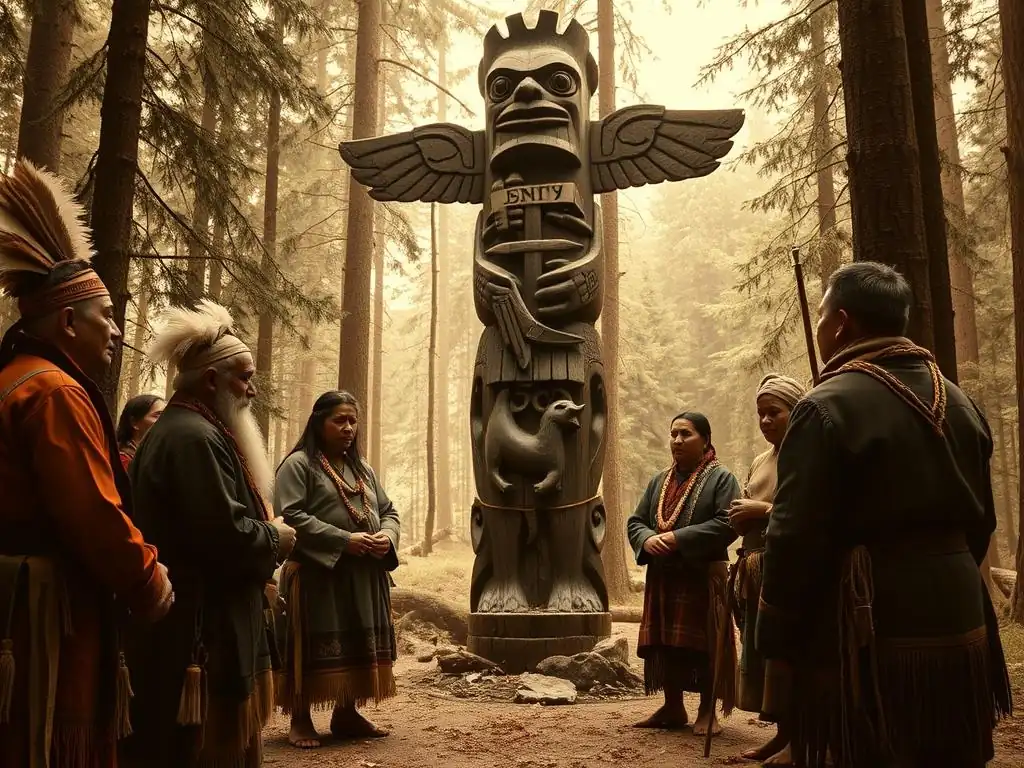
The indigenous justice systems in the Americas have roots that date back thousands of years, deeply intertwined with the cultural, spiritual, and social fabric of each community. These systems were not only mechanisms for resolving conflicts but also integral to the preservation of societal norms, values, and relationships within tribes. Understanding the historical context of these systems provides insight into the resilience and adaptability of indigenous peoples in the face of colonial challenges.
Pre-Colonization Legal Frameworks
Before European colonization, indigenous nations developed sophisticated legal frameworks that governed their societies. These frameworks were often unwritten and based on a combination of oral traditions, community consensus, and spiritual beliefs. Key characteristics of these pre-colonization legal systems included:
- Restorative Justice: Many indigenous cultures emphasized restorative justice, focusing on healing relationships and restoring harmony rather than punitive measures. Offenders were encouraged to make amends to the community and the victims rather than facing incarceration.
- Community Involvement: Decision-making processes typically involved the broader community. Elders, leaders, and affected parties gathered to discuss disputes, ensuring that all voices were heard. This collective approach fostered a sense of ownership and responsibility within the community.
- Customary Laws: Indigenous laws were often derived from customs and traditions specific to each culture. These laws encompassed a wide range of issues, from land use to interpersonal conflicts, reflecting the unique values and circumstances of the community.
- Spiritual Dimensions: Justice systems were often intertwined with spiritual beliefs. Many tribes viewed their laws as divinely inspired, and justice was seen as a means to maintain balance in the universe. This spiritual aspect added a profound significance to the enforcement and adherence to these laws.
The existence of these robust legal frameworks demonstrates that indigenous peoples had established effective systems of governance long before European contact, capable of addressing the complexities of their societies.
The Role of Tribal Governance in Justice
Following colonization, indigenous justice systems faced significant challenges as colonial powers imposed their legal frameworks and sought to undermine traditional practices. Despite these efforts, tribal governance continued to play a crucial role in maintaining indigenous justice systems.
- Tribal Sovereignty: Many indigenous nations assert their sovereignty, reclaiming the authority to govern themselves, including the administration of justice. This sovereignty has allowed tribes to establish their own courts and legal procedures, often blending traditional practices with contemporary legal standards.
- Cultural Revival: In recent decades, there has been a resurgence of interest in traditional justice practices. Tribal leaders and community members are working to revive customary laws and incorporate them into modern governance. This revival is seen as a means to heal historical traumas and strengthen community ties.
- Collaboration with Modern Legal Systems: Some tribes have developed partnerships with state and federal legal systems, creating hybrid models that respect tribal sovereignty while addressing contemporary legal issues. This collaboration aims to ensure that indigenous perspectives are considered in legal proceedings affecting their communities.
- Focus on Rehabilitation: Modern tribal justice systems often prioritize rehabilitation over punishment. Programs are implemented to address the root causes of crime, such as substance abuse and poverty, reflecting the restorative principles that characterized pre-colonial justice systems.
The resilience of indigenous justice systems amid colonization highlights the enduring strength of tribal governance. By navigating the complexities imposed by colonial powers while revitalizing traditional practices, indigenous communities continue to assert their rights and maintain their cultural identity in the realm of justice.
Challenges Faced by Indigenous Justice Systems
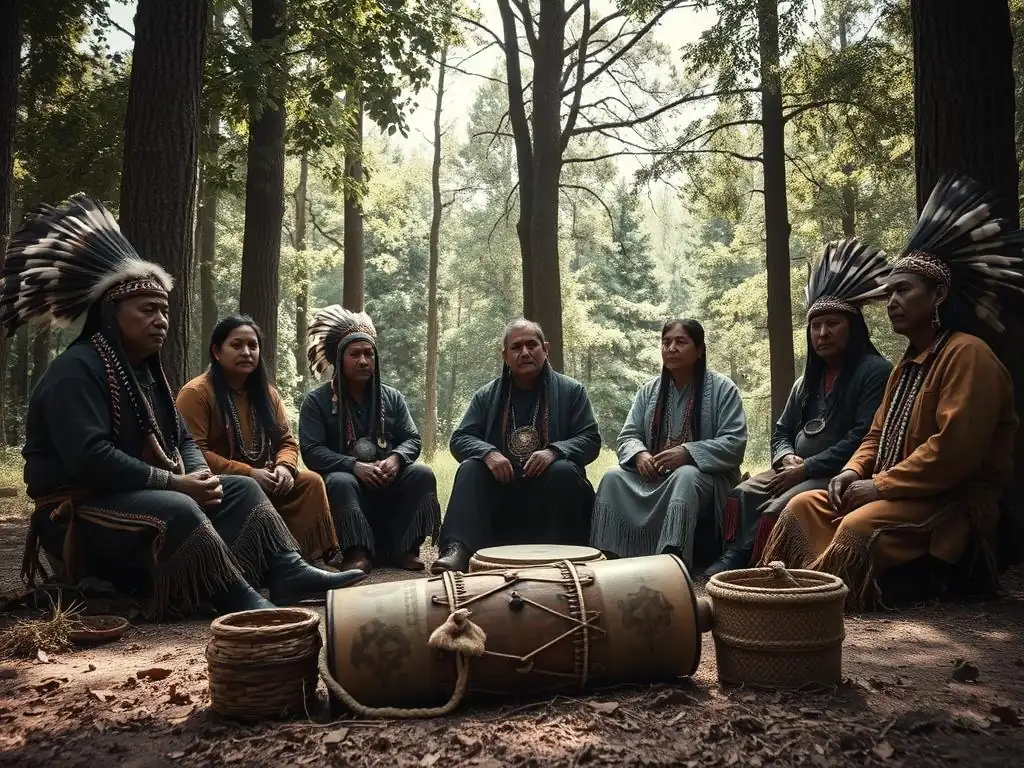
The Indigenous justice systems of the Americas have long been subjected to various challenges, particularly in the wake of European colonization. These challenges not only threatened the very existence of traditional practices but also resulted in significant conflicts with colonial law and socioeconomic barriers that hindered access to justice. Understanding these challenges provides a clearer picture of the resilience of Indigenous communities in maintaining their legal systems and practices.
Erosion of Traditional Practices
The colonization of the Americas resulted in a profound erosion of traditional Indigenous practices, including their justice systems. Many Indigenous societies had well-established systems that focused on restorative justice, communal healing, and maintaining harmony within the community. However, the introduction of European legal frameworks often disregarded these practices, leading to the following consequences:
- Displacement of Traditional Authorities: Colonial powers frequently undermined or outright removed Indigenous leaders and councils, replacing them with foreign structures that lacked cultural relevance. This shift not only disrupted the governance of Indigenous communities but also diminished their ability to resolve conflicts according to their customs.
- Loss of Language and Cultural Knowledge: The imposition of colonial languages and legal terminologies further alienated Indigenous peoples from their justice systems. Language plays a crucial role in the transmission of cultural practices. As fluency in traditional languages declined, so too did the knowledge of customary laws and practices that had governed societies for generations.
- Assimilation Policies: Government policies aimed at assimilating Indigenous peoples into Euro-American culture often targeted their legal practices. Educational systems were established to teach Western legal concepts, sidelining Indigenous perspectives and creating a disconnect from traditional justice practices.
Legal Conflicts with Colonial Law
The clash between Indigenous justice systems and colonial law has resulted in significant legal conflicts. This tension can be encapsulated in several key issues:
- Jurisdictional Disputes: Confusion over jurisdiction has been a persistent issue. Often, colonial law does not recognize the authority of Indigenous legal systems, leading to conflicts over which laws apply in particular cases. For example, disputes involving land use or family matters may be adjudicated under colonial law, ignoring the customs and rights of Indigenous peoples.
- Incompatibility of Legal Philosophies: The principles underlying Indigenous justice systems, which prioritize restoration and community involvement, are often at odds with the punitive nature of colonial legal frameworks. This fundamental difference leads to outcomes that do not reflect the values or needs of Indigenous communities, undermining their sense of justice.
- Marginalization in Legal Processes: Indigenous individuals frequently face challenges in navigating colonial legal systems. Discrimination, lack of representation, and cultural insensitivity within these systems further complicate their ability to seek justice. Many Indigenous peoples report feeling alienated and misunderstood when engaging with colonial courts.
Socioeconomic Barriers to Justice
Socioeconomic factors significantly impact the ability of Indigenous peoples to access justice. The following barriers are particularly relevant:
- Poverty and Limited Resources: Many Indigenous communities experience high rates of poverty, limiting their access to legal resources and representation. This economic disadvantage affects their ability to engage effectively with colonial legal systems, as hiring legal counsel or navigating complex legal processes can be prohibitively expensive.
- Geographic Isolation: Remote living conditions often exacerbate the challenges faced by Indigenous peoples in accessing justice. Geographic isolation can make it difficult to reach legal services, courts, or even community resources that provide support in legal matters.
- Educational Disparities: A lack of access to quality education further limits the ability of Indigenous peoples to engage with both traditional and colonial justice systems. Without a strong understanding of their rights and the legal processes available to them, individuals may struggle to advocate for themselves effectively.
The challenges faced by Indigenous justice systems are multifaceted and deeply rooted in the historical context of colonization. Acknowledging and addressing these issues is essential for fostering a more equitable and just legal landscape that honors Indigenous practices and philosophies.
Resilience of Indigenous Justice Systems
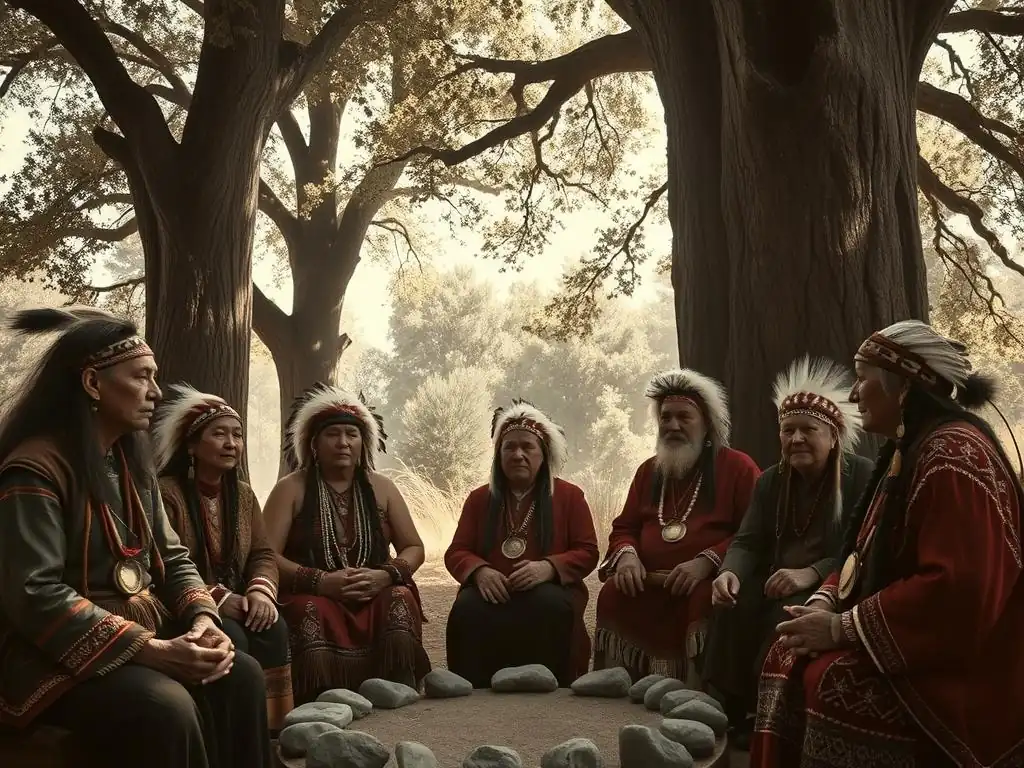
The resilience of Indigenous justice systems is a testament to the enduring strength and adaptability of Indigenous cultures. Despite the profound disruptions caused by European colonization, many Indigenous communities have found ways to revitalize their justice practices, drawing upon traditional values and community-based approaches. This resilience not only highlights the importance of Indigenous legal frameworks but also serves as a powerful response to the ongoing challenges faced by these communities.
Revitalization of Traditional Practices
The revitalization of traditional practices is a crucial aspect of Indigenous justice systems in the face of colonization. Many Indigenous communities are actively working to reclaim and integrate their traditional legal systems, which have often been marginalized or overlooked by colonial authorities. This revitalization process can take various forms:
- Cultural Education: Programs aimed at educating younger generations about traditional laws and customs help to ensure the transmission of knowledge and practices. This includes storytelling, ceremonies, and teachings from Elders.
- Restorative Justice: Many Indigenous nations emphasize restorative justice practices, focusing on healing and community restoration rather than punitive measures. These practices often involve community gatherings, mediation, and dialogue among affected parties.
- Legal Pluralism: The recognition of Indigenous laws alongside state laws allows for a more holistic approach to justice. This legal pluralism acknowledges the validity of Indigenous practices while navigating the complexities of contemporary legal systems.
“Indigenous justice is about more than punishment; it’s about restoring balance and harmony within the community.” – Indigenous Legal Scholar
Community-Led Solutions to Legal Challenges
Indigenous communities have demonstrated remarkable ingenuity in addressing legal challenges through community-led solutions. These approaches often prioritize local knowledge and collective decision-making:
- Community Courts: Some Indigenous communities have established their own courts, which operate based on traditional laws and community values. This allows for more culturally relevant resolutions to disputes and conflicts.
- Collaborative Programs: Partnerships between Indigenous groups and non-Indigenous organizations can lead to innovative solutions. For instance, collaboration in areas like family support services or land management can address legal issues through a culturally sensitive lens.
- Advocacy for Rights: Indigenous leaders often engage in advocacy to promote the recognition of their legal rights, including treaty rights and land claims. This advocacy is vital for reclaiming autonomy over their justice systems and protecting their cultural heritage.
Strengthening Sovereignty Through Indigenous Law
Strengthening sovereignty through Indigenous law is essential for the long-term sustainability of Indigenous justice systems. By asserting their legal frameworks, Indigenous communities are not only reclaiming their rights but also reinforcing their identity and governance structures:
- Legal Recognition: Achieving legal recognition of Indigenous laws by state authorities is a crucial step toward sovereignty. This recognition can facilitate the implementation of traditional practices and enhance community self-governance.
- Capacity Building: Investing in the education and training of community members in legal matters empowers Indigenous nations to navigate and negotiate within both Indigenous and state legal systems effectively.
- International Advocacy: Many Indigenous groups engage with international bodies to advocate for their rights and justice systems. This global perspective helps to raise awareness and garner support for Indigenous legal frameworks.
The challenges faced by Indigenous justice systems due to colonization have sparked a remarkable resilience characterized by the revitalization of traditional practices, community-led solutions, and a commitment to strengthening sovereignty. These efforts not only address contemporary legal issues but also reaffirm the cultural integrity and self-determination of Indigenous peoples.
Case Studies of Resilience in Indigenous Justice
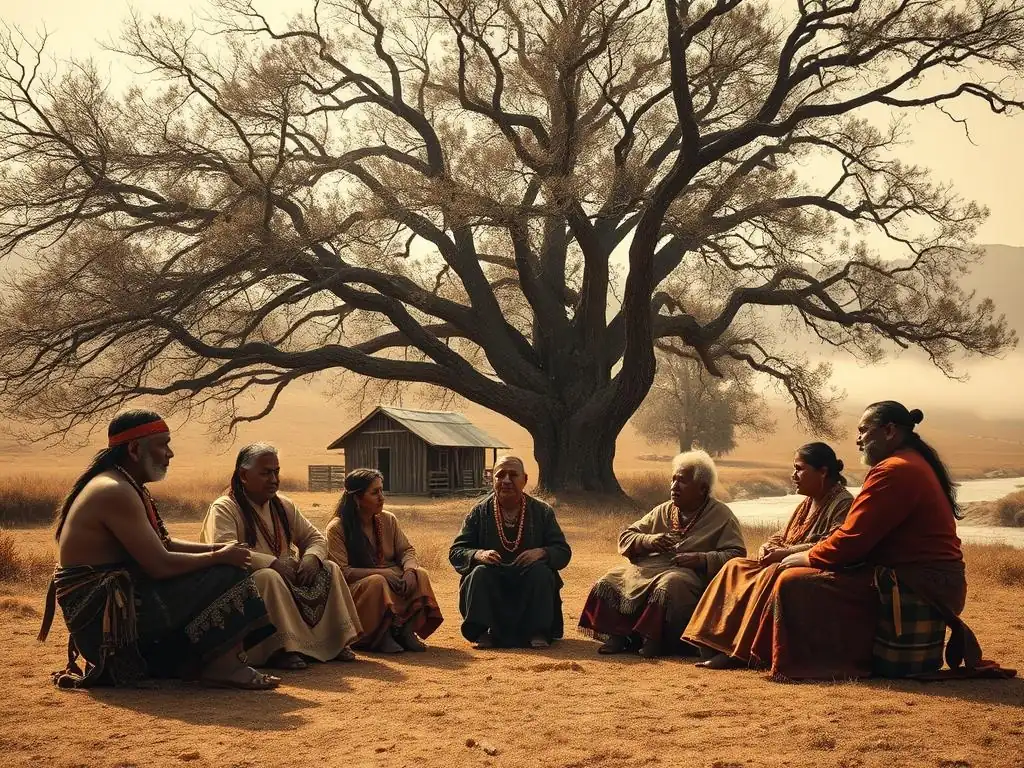
Indigenous justice systems have displayed remarkable resilience in the face of colonization and ongoing challenges. This section highlights two notable case studies that exemplify how Indigenous communities have navigated the complexities of justice while maintaining their cultural integrity and autonomy.
The Navajo Nation Peacemaker Court represents a unique integration of traditional justice practices within a contemporary legal framework. Established in the 1980s, this court seeks to resolve disputes through restorative justice rather than punitive measures. The Peacemaker Court emphasizes community involvement and the restoration of relationships, aligning with Navajo cultural values.
Key Features of the Peacemaker Court
- Restorative Justice Approach: The court focuses on healing rather than punishment. Offenders are encouraged to understand the impact of their actions on victims and the community.
- Community Participation: Elders and community members often participate in the resolution process, providing a cultural perspective that reinforces communal ties.
- Cultural Relevance: The court incorporates Navajo traditions, such as the use of traditional ceremonies and symbols, to promote a sense of identity and continuity.
Impact and Challenges
The Peacemaker Court has successfully addressed various issues, including domestic violence, property disputes, and family matters. Its approach has led to higher rates of satisfaction among participants compared to conventional courts. However, challenges remain, including:
- Limited Resources: The Peacemaker Court often operates with insufficient funding, which can hinder its effectiveness.
- Jurisdictional Conflicts: Ongoing tension exists between tribal sovereignty and state legal systems, complicating the enforcement of court decisions.
Case Study 2: The Tlingit Tribal Court System
The Tlingit Tribal Court System in Southeast Alaska is another exemplary model of Indigenous resilience in justice. This court was established in the late 20th century to provide a legal framework that reflects Tlingit values and community practices.
Key Features of the Tlingit Tribal Court System
- Culturally Informed Dispute Resolution: The Tlingit Tribal Court integrates traditional practices, such as storytelling and community circles, into its proceedings, ensuring that cultural perspectives are honored.
- Holistic Approach: The court emphasizes the well-being of the community, focusing on rehabilitation and prevention rather than merely addressing legal infractions.
- Elder Involvement: Elders play a crucial role in the court, serving as mediators and advisors, which reinforces the importance of intergenerational wisdom.
Impact and Challenges
The Tlingit Tribal Court System has effectively addressed issues related to juvenile justice, substance abuse, and family disputes. Its culturally grounded approach fosters a sense of ownership and accountability within the community. Nonetheless, it faces several challenges:
- Legal Recognition: The Tlingit Tribal Court often confronts challenges in gaining recognition from state and federal legal systems, impacting its authority.
- Capacity Building: There is a continuous need for training and resources to enhance the skills of tribal judges and court staff, ensuring effective administration of justice.
These case studies illustrate that Indigenous justice systems not only adapt to challenges posed by colonization but also thrive by incorporating traditional values and practices. The resilience of the Navajo Nation Peacemaker Court and the Tlingit Tribal Court System serves as a testament to the enduring strength of Indigenous cultures in the pursuit of justice.
Current Trends and Future Directions
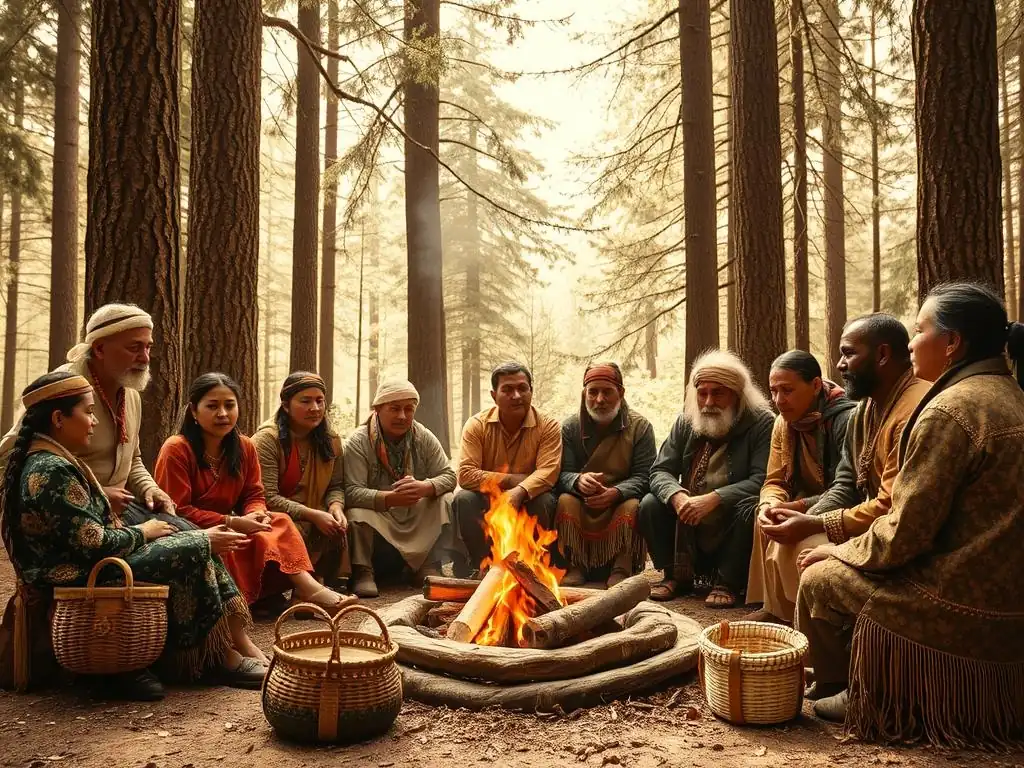
Integration of Indigenous Justice in Modern Legal Systems
The integration of Indigenous justice systems into contemporary legal frameworks is a growing trend that recognizes the unique cultural contexts and values of Indigenous communities. This development stems from a broader understanding that justice is not a one-size-fits-all concept; rather, it must be tailored to reflect the historical and social realities of the peoples it serves.
- Recognition of Traditional Practices: Many jurisdictions are beginning to acknowledge the significance of traditional Indigenous practices in conflict resolution. For instance, some courts are allowing the use of restorative justice approaches, which emphasize healing and community involvement rather than punitive measures. This shift is particularly evident in regions with large Indigenous populations, where local customs are increasingly considered in legal proceedings.
- Legal Frameworks Supporting Integration: Countries like Canada and New Zealand have made strides in legislating the inclusion of Indigenous laws in their judicial systems. In Canada, the Supreme Court’s decisions have paved the way for Indigenous legal principles to be applied in matters involving Indigenous peoples, promoting a more culturally sensitive approach.
- Educational Initiatives: Educational programs aimed at training legal professionals in Indigenous law are on the rise. These initiatives are designed to foster an understanding of the complexities surrounding Indigenous justice systems and promote respect and collaboration between different legal traditions.
- Challenges and Opportunities: Despite these advancements, challenges remain. The historical context of colonization has left many Indigenous communities grappling with issues of sovereignty and the legitimacy of their systems within a broader legal framework. Addressing these challenges requires ongoing dialogue and commitment from both Indigenous and non-Indigenous stakeholders.
Collaborative Approaches to Justice Between Indigenous and Non-Indigenous Systems
The concept of collaboration between Indigenous and non-Indigenous justice systems is essential for fostering equitable and effective outcomes in legal matters involving Indigenous peoples. This approach acknowledges the value of integrating Indigenous perspectives and practices within the broader legal framework.
- Multi-Jurisdictional Agreements: One way to facilitate collaboration is through multi-jurisdictional agreements that recognize the authority of Indigenous governments alongside national or state legal systems. Such agreements can outline how cases involving Indigenous individuals or communities are managed, ensuring that both systems respect each other’s laws and traditions.
- Community-Based Justice Initiatives: Community-based justice initiatives are increasingly being implemented in partnership with Indigenous communities. These programs often focus on mediation and restorative justice, allowing community members to take an active role in resolving disputes. For example, some Indigenous communities have established forums where Elders and respected leaders mediate conflicts, emphasizing reconciliation over punishment.
- Training and Capacity Building: Building capacity within both Indigenous and non-Indigenous systems is crucial for successful collaboration. Training programs that include Indigenous perspectives on law and justice can help non-Indigenous legal professionals understand the cultural contexts of the cases they handle. Conversely, Indigenous communities can benefit from training on navigating the formal legal system, empowering them to advocate for their rights effectively.
- Success Stories and Best Practices: Numerous examples highlight the success of collaborative approaches in Indigenous justice. In places like the United States, Indigenous courts operate with a focus on cultural relevance, successfully addressing issues like substance abuse and domestic violence while respecting traditional practices. Such models demonstrate that collaborative justice can lead to better outcomes for Indigenous peoples, reinforcing the need for ongoing partnerships between systems.
The integration of Indigenous justice systems into modern legal frameworks presents both challenges and opportunities. By fostering collaboration and respect between Indigenous and non-Indigenous systems, there is potential for a more just and inclusive legal landscape that honors the diverse cultures and histories of Indigenous peoples.
Conclusion: The Ongoing Journey of Indigenous Justice Systems
Reflection on Challenges and Resilience
The journey of Indigenous justice systems through colonization has been fraught with significant challenges, yet it is also marked by remarkable resilience. As European powers expanded their territories, they imposed foreign legal frameworks that often disregarded and suppressed Indigenous legal traditions. This forced assimilation created a landscape where Indigenous peoples had to navigate a dual system: one that was imposed upon them and another that remained deeply rooted in their cultural identity.
Despite the pressures of colonization, many Indigenous communities have actively sought to revitalize and adapt their justice systems. This resilience is evident in various forms, such as the revival of traditional conflict resolution practices, the incorporation of Indigenous legal principles into modern legal frameworks, and the establishment of tribal courts that operate alongside state systems. For instance, the Navajo Nation has successfully integrated aspects of its traditional legal practices within its court system, demonstrating how Indigenous justice systems can coexist and adapt to contemporary legal environments.
Moreover, the ongoing movement towards reconciliation and recognition of Indigenous rights has further highlighted the importance of these justice systems. Advocacy for Indigenous sovereignty and self-determination has led to greater awareness and respect for traditional laws and governance. As communities continue to confront the challenges posed by external legal systems, they draw strength from their cultural heritage, reaffirming their identity and commitment to justice.
The Importance of Preserving Indigenous Legal Traditions
Preserving Indigenous legal traditions is crucial not only for the communities themselves but also for the broader society. Indigenous justice systems offer unique insights into concepts of law, morality, and community relationships that differ significantly from Western legal paradigms. The emphasis on restorative justice, for example, is a hallmark of many Indigenous systems, focusing on healing and reconciliation rather than punishment. This approach can provide valuable lessons for contemporary justice systems grappling with issues such as mass incarceration and systemic inequality.
Furthermore, the preservation of these legal traditions contributes to the cultural continuity and identity of Indigenous peoples. As language, customs, and legal practices are passed down through generations, they serve as a critical link to ancestral knowledge and heritage. The revitalization of these traditions can empower Indigenous youth, instilling a sense of pride and responsibility toward their cultural legacy.
In addition, the integration of Indigenous legal principles into national and international legal frameworks can enhance legal pluralism, fostering a more inclusive society. Governments and institutions that acknowledge and respect Indigenous justice systems not only fulfill their legal obligations but also contribute to social cohesion and harmony. By embracing the distinct perspectives offered by Indigenous legal traditions, societies can create more equitable legal landscapes that honor diversity and promote justice for all.
The challenges faced by Indigenous justice systems in the wake of colonization have not diminished their significance; rather, they have underscored the resilience and adaptability of these systems. As we move forward, it is essential to support the preservation of Indigenous legal traditions, recognizing their vital role in fostering justice, healing, and cultural continuity.
Frequently Asked Questions
What are the key challenges faced by Indigenous justice systems today?
Indigenous justice systems encounter systemic barriers such as discrimination, lack of resources, and cultural misunderstandings that undermine their effectiveness and legitimacy.
How did colonization impact Indigenous justice systems?
Colonization disrupted traditional legal practices and imposed foreign systems, leading to a loss of cultural identity and a significant decline in the authority of Indigenous governance structures.
What are some examples of resilience among Indigenous communities in maintaining their justice systems?
Many Indigenous communities are revitalizing their justice systems by incorporating traditional practices and community-led initiatives, fostering a sense of cultural pride and self-governance.
How do Indigenous justice systems address modern-day issues?
Indigenous justice systems focus on restorative practices that emphasize healing and community involvement, addressing issues like over-incarceration and the need for culturally appropriate resolutions.
What role does education play in the success of Indigenous justice systems?
Education is crucial for raising awareness about cultural heritage and the importance of Indigenous justice practices, helping to foster understanding and respect among both Indigenous and non-Indigenous populations.
Final Reflection: Embracing Resilience in Indigenous Justice Systems
The challenges faced by Indigenous justice systems in the wake of colonization are not just historical footnotes; they are pressing issues that resonate deeply in today's society. As we navigate a world increasingly aware of social justice, the resilience demonstrated by Indigenous communities in preserving their legal traditions and cultural identities serves as a powerful reminder of the strength found in adversity. The ongoing struggle for recognition and respect for Indigenous justice systems highlights the urgent need for dialogue and understanding in our contemporary landscape.
The influence of Indigenous justice systems extends far beyond their immediate communities; they challenge the very foundations of our legal frameworks and societal norms. The persistence of these systems amidst colonization's legacy illustrates a profound commitment to justice that is rooted in cultural heritage and community well-being. As noted by a prominent Indigenous leader, Justice is not just about punishment; it’s about healing and restoring balance within the community.
This perspective invites us to reflect on how justice can be redefined to include restorative practices that honor the voices and experiences of all people.
As we look to the future, I invite you to consider how you can contribute to the recognition and support of Indigenous justice systems in your own life. Reflect on the lessons of resilience and adaptability that these systems embody, and think about how you can advocate for justice that is inclusive and equitable.
Whether through education, community engagement, or simply by listening to Indigenous voices, each of us has a role to play in fostering a more just society. Let us carry forward the lessons learned from these challenges and work together to create a future where all justice systems are respected and valued.
Embrace Change: Stand Up for Indigenous Justice!
Thank you for exploring the vital topic of Indigenous justice systems and the resilience demonstrated in overcoming the challenges posed by colonization. Your interest signifies a commitment to understanding and supporting the narratives that shape our world. Now, let’s transform that interest into meaningful action!
Here are some impactful steps you can take:
- Engage with Indigenous communities by attending local events, workshops, or cultural gatherings. This will help you learn more about their justice practices and support their initiatives.
- Share this article along with your newfound knowledge via social media or within your personal networks to raise awareness about the significance of Indigenous justice systems.
- Consider exploring documentaries or books that provide deeper insights into Indigenous resilience and justice, which will further enhance your understanding.
How will you contribute to amplifying Indigenous voices and advocating for justice in your community?