
Celebrating Diversity: The Unique Textile Traditions of Different Indigenous Groups

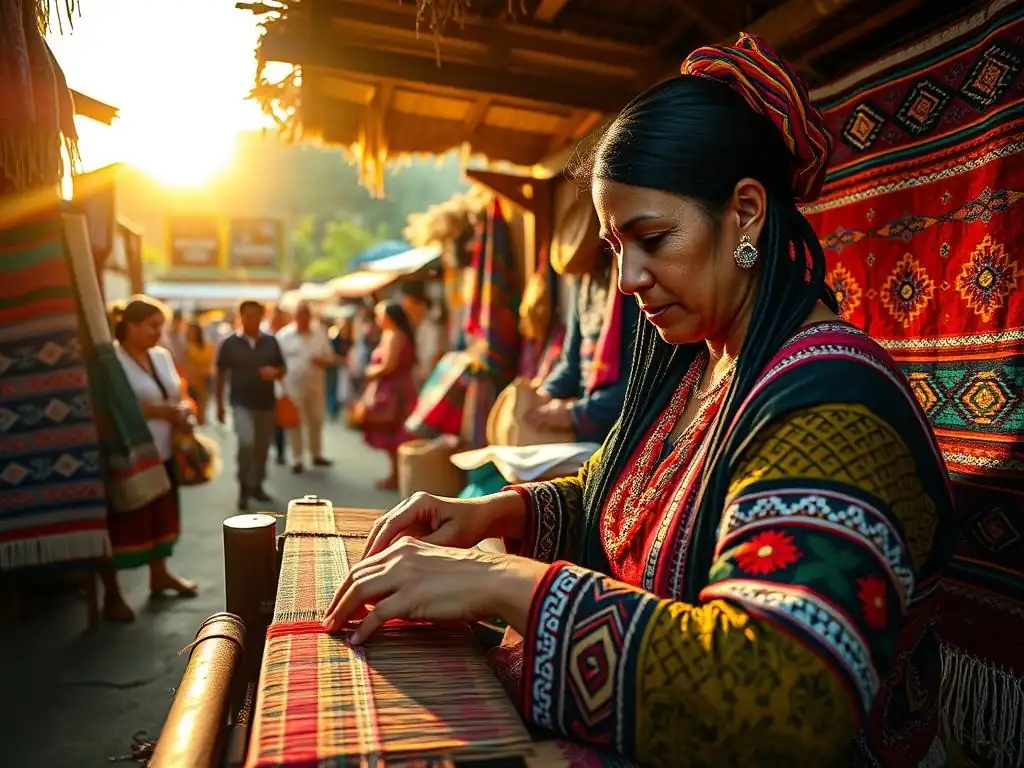
Welcome to Indigenous Civilizations of the Americas, where we invite you to journey through the rich tapestry of cultures that flourished long before European colonization. This site is dedicated to uncovering the remarkable achievements and vibrant societies of indigenous peoples, with a special focus on the indigenous textile traditions of the Americas.
In our featured article, "Celebrating Diversity: The Unique Textile Traditions of Different Indigenous Groups," you'll discover how these intricate art forms not only reflect the creativity and craftsmanship of diverse communities but also tell powerful stories of identity and heritage. Prepare to be inspired and intrigued—your exploration begins here!
Introduction to Indigenous Textile Traditions in the Americas
The indigenous peoples of the Americas have a rich and vibrant history, characterized by their diverse cultures, languages, and artistic expressions. Among the most fascinating aspects of these cultures is their textile traditions, which not only reflect their artistic skills but also convey deep cultural meanings and histories.
Indigenous textile traditions in the Americas encompass a wide range of techniques, materials, and styles, each unique to the various groups that created them. These textiles serve as a testament to the ingenuity, creativity, and resilience of indigenous communities, as well as their profound connection to the land, nature, and their ancestors.
Historically, textiles played a crucial role in the daily lives of indigenous peoples, serving practical purposes such as clothing, shelter, and ceremonial items. However, they also held significant cultural value, often used to communicate social status, identity, and spiritual beliefs. As we delve into the unique textile traditions of different indigenous groups, we will uncover the rich tapestry of techniques and materials that define their art, as well as the regional variations that highlight the diversity of cultures across the Americas.
The Rich Tapestry of Indigenous Textile Traditions Across the Americas
Indigenous textile traditions are not merely a form of art; they are a reflection of the history, values, and identities of the communities that create them. From the intricate weavings of the Andean highlands to the vibrant prints of the North American Plains tribes, each piece tells a story that connects the past to the present.
Diversity in Techniques and Materials
The techniques and materials used in indigenous textiles vary greatly, influenced by the environment, available resources, and cultural practices of each group. Some common techniques include:
- Weaving: Many indigenous groups, such as the Navajo and the Mayans, are renowned for their weaving skills, using looms to create intricate patterns and designs.
- Embroidery: In regions like the Andes, embroidery is a prominent feature, often used to embellish garments and textiles with symbolic motifs.
- Batik and Dyeing: Techniques such as batik, practiced by the indigenous peoples of the Amazon, involve dyeing fabric using wax to create stunning patterns.
The materials used also play a significant role in the identity of the textiles. Commonly used materials include:
- Cotton: Cultivated by various groups, cotton is a staple fiber for producing clothing and textiles.
- Wool: The use of wool, particularly among Andean cultures, allows for warm and durable textiles.
- Natural Dyes: Many indigenous artisans utilize plants and minerals to create vibrant, natural dyes that reflect the colors of their environment.
Regional Variations in Indigenous Textile Traditions
The Americas are home to an incredible diversity of indigenous cultures, each with their own unique textile traditions that reflect their specific histories and environments. Here are some notable examples:
- Andean Textiles (Peru, Bolivia, Ecuador):
- Known for their intricate patterns and vibrant colors, Andean textiles often feature geometric designs and motifs inspired by nature.
- North American Plains Textiles:
- Plains tribes, such as the Lakota and Cheyenne, traditionally used quillwork and beadwork to adorn clothing and accessories, creating visually striking designs.
- Mesoamerican Textiles (Mexico and Central America):
- Cultures such as the Zapotec and Mixtec utilize complex weaving techniques to produce textiles that often incorporate storytelling through their patterns.
Through this exploration of indigenous textile traditions in the Americas, we celebrate the creativity and cultural significance of these art forms, recognizing their enduring impact on both indigenous communities and contemporary society. Each textile serves as a bridge connecting generations, reminding us of the rich heritage that continues to thrive despite centuries of change.
Symbolism and Meaning in Indigenous Textiles
Indigenous textile traditions in the Americas are rich with symbolism and meaning, often serving as a visual language that communicates the values, beliefs, and histories of various cultures. Each piece of textile art is imbued with significance, where colors, patterns, and techniques are not merely decorative but carry deeper cultural narratives.
For many indigenous communities, textiles are a medium for storytelling, reflecting connections to the land, spirituality, and community life. For instance, the intricate designs found in the textiles of the Navajo people symbolize their connection to the earth and the cosmos, often incorporating elements that represent the four cardinal directions and the sacredness of nature. Similarly, the use of specific colors can denote cultural identity and social status, with each hue carrying its own unique meaning.
Furthermore, different indigenous groups have developed their own textile vocabularies. The motifs used in Andean textiles, such as those produced by the Quechua and Aymara peoples, often represent local flora and fauna, as well as historical events, serving as a chronicle of their cultural resilience and adaptation over centuries. By understanding the symbolism and meaning in indigenous textiles, we gain insight into the cultural heritage and worldview of these communities.
Cultural Significance of Patterns and Colors
The patterns and colors used in indigenous textiles are deeply intertwined with cultural significance. Each design is often rooted in the community's history, environment, and belief systems. For example, the vibrant colors of the Huichol textiles are not only visually striking but also carry meaning; the use of bright reds, blues, and yellows represents various elements of nature and spirituality, reflecting the community's connection to their ancestral lands.
Patterns can also convey social narratives. In the textiles of the Maya civilization, certain geometric shapes and motifs symbolize aspects of daily life, mythology, and agricultural cycles. These visual elements serve as a means to pass down knowledge from one generation to the next, ensuring that cultural traditions remain alive.
Moreover, the cultural significance of patterns and colors extends to the role they play in identity formation. Textiles often serve as a marker of ethnic identity, with specific designs distinguishing one group from another. This is particularly evident in regions where multiple indigenous groups coexist, each with their distinct textile styles, thus contributing to a rich tapestry of cultural diversity.
Storytelling Through Textile Art
Textiles have long been a medium for storytelling among indigenous cultures in the Americas. Through intricate weavings, beadwork, and embroidery, artisans narrate tales of creation, history, and identity. Each piece of textile art serves as a canvas for these stories, with the designs often depicting significant cultural narratives or legends passed down through generations.
For instance, the Otomi people of central Mexico are known for their vibrant embroidered textiles, which often illustrate scenes from nature and folklore. These textiles do not merely serve a practical purpose; they encapsulate the essence of the community's relationship with the environment and its mythological heritage.
Additionally, storytelling through textiles can also reflect contemporary issues faced by indigenous communities. Modern artisans may incorporate symbols and narratives addressing social justice, environmental concerns, or the impacts of colonization, thereby continuing the tradition of storytelling in a way that resonates with current realities.
Modern Uses of Traditional Textiles
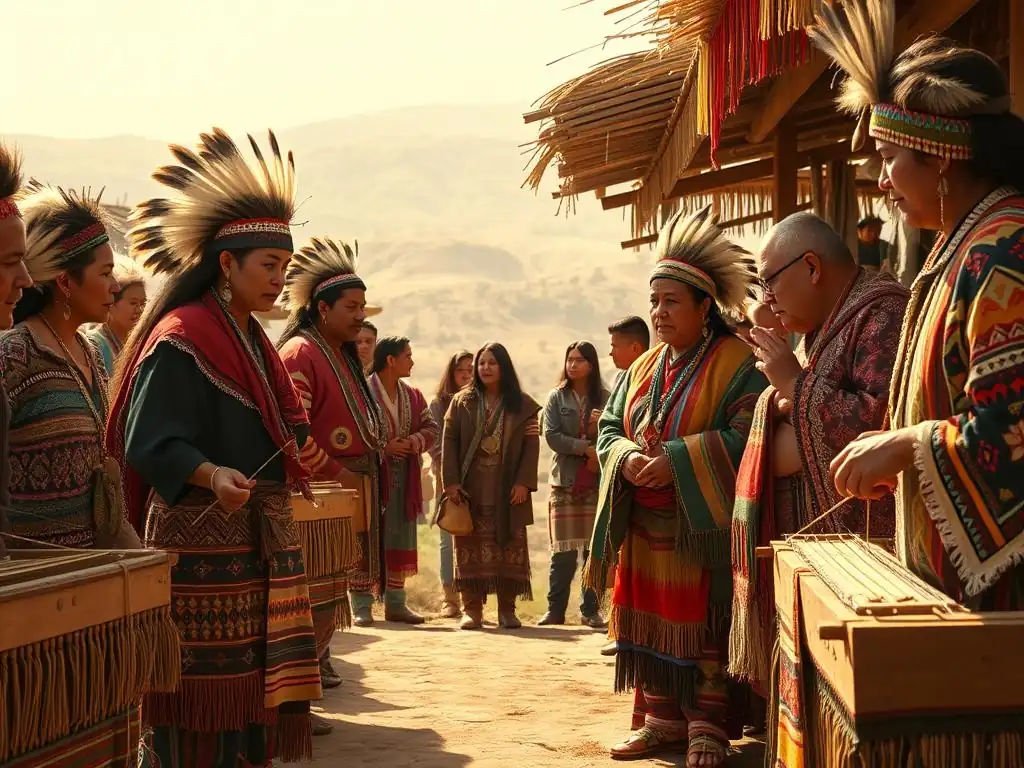
The rich heritage of indigenous textile traditions is not only celebrated in traditional contexts but also finds expression in modern applications. As society becomes more aware of the importance of cultural preservation, these textiles are increasingly integrated into contemporary fashion and home décor, allowing for a revival of indigenous craftsmanship.
Reviving Indigenous Textile Traditions in Contemporary Fashion
Indigenous textile traditions are experiencing a renaissance in the world of fashion, as designers incorporate traditional techniques and motifs into modern apparel. This revival not only highlights the beauty of indigenous craftsmanship but also fosters a greater appreciation for the cultural narratives embedded in these textiles.
Many contemporary designers collaborate with indigenous artisans, ensuring that the cultural significance of the textiles is respected and honored. This collaboration often emphasizes ethical practices, promoting fair trade and sustainable fashion. Furthermore, these modern interpretations of traditional textiles help raise awareness about the importance of preserving indigenous cultures, making a statement about identity and heritage in today's globalized world.
Home Décor and Art: Incorporating Indigenous Textiles
Indigenous textiles are also finding their way into home décor, providing a unique aesthetic that celebrates cultural diversity. From wall hangings to throw pillows and table runners, these textiles add color and texture to living spaces while serving as conversation starters about the rich histories they represent.
Incorporating indigenous textiles into home décor not only enhances the aesthetic appeal of a space but also supports indigenous artisans and their communities. Many consumers are now seeking out sustainable and ethically sourced home goods, recognizing the value of handcrafted items that tell a story. By choosing to decorate with indigenous textiles, individuals contribute to the preservation of these traditions and promote cultural awareness.
The modern uses of traditional textiles are multifaceted, ranging from fashion to home décor, creating a bridge between the past and the present. Through these avenues, indigenous textile traditions continue to thrive, ensuring that their cultural significance is celebrated and respected in contemporary society.
Challenges Facing Indigenous Textile Traditions Today
Indigenous textile traditions in the Americas face numerous challenges that threaten their survival and cultural significance. These challenges stem from a combination of socioeconomic, environmental, and political factors.
One of the primary issues is globalization, which has led to the mass production of textiles that often overshadow traditional methods. As cheaper, machine-made textiles flood the market, many indigenous artisans struggle to compete, resulting in a decline in the demand for handwoven goods. This economic pressure can diminish the incentive for younger generations to learn traditional techniques, risking the loss of valuable cultural heritage.
Another significant challenge is cultural appropriation, where elements of indigenous textiles are co-opted by mainstream fashion industries without proper acknowledgment or compensation. This not only undermines the authenticity of these traditions but can also lead to misrepresentation and loss of cultural identity.
Additionally, environmental changes, including climate change, impact the availability of natural resources used in textile production. Traditional dye plants and fibers may become scarce, forcing artisans to adapt or abandon their practices. This alteration further disrupts the transmission of knowledge from elders to youth, compounding the threat to these rich traditions.
Impact of Globalization on Indigenous Craftsmanship
Globalization has a profound effect on indigenous craftsmanship, particularly in the textile sector. The influx of inexpensive, mass-produced textiles has reshaped consumer behaviors and preferences, often leading to a decline in the appreciation for authentic indigenous crafts. Consumers increasingly gravitate toward affordable options, sidelining the intricate work and cultural stories embedded in handmade textiles.
Moreover, globalization has facilitated the rise of fast fashion, which emphasizes rapid production cycles and disposability. This trend diminishes the value placed on sustainability, which is a core principle in many indigenous textile practices. Artisans who once relied on local markets for their goods now find themselves competing with globally recognized brands that prioritize profit over cultural preservation.
Despite these challenges, globalization also presents opportunities for indigenous artisans. Online platforms and social media allow them to reach a global audience, showcasing their unique craftsmanship and stories. This exposure can lead to greater recognition and appreciation for indigenous textile traditions, as well as potential economic benefits through direct sales.
Preservation Efforts and Community Initiatives
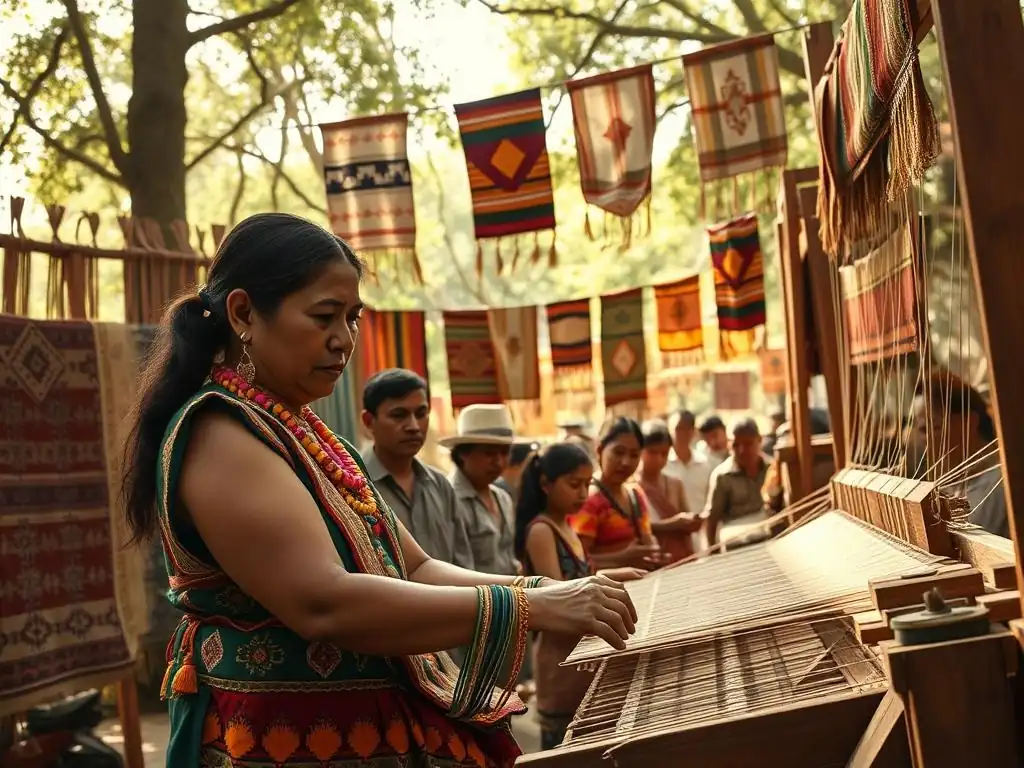
In response to the challenges faced by indigenous textile traditions, various preservation efforts and community initiatives have emerged across the Americas. Organizations dedicated to cultural heritage preservation work closely with indigenous communities to promote traditional crafting techniques and support artisans.
One notable initiative is the establishment of cooperatives that empower artisans by providing training, resources, and a collective platform for selling their products. These cooperatives help to ensure fair wages and sustainable practices while fostering a sense of community among artisans. For example, the Maya Traditions Foundation in Guatemala supports local weavers, offering them training in both traditional techniques and business skills, enabling them to thrive economically.
Furthermore, educational programs aimed at younger generations are crucial for the transmission of traditional knowledge. Workshops and mentorship programs led by experienced artisans help keep skills alive and encourage youth participation in textile arts. Community events and exhibitions also play a vital role in raising awareness and appreciation for indigenous textile traditions, allowing artisans to showcase their work and connect with broader audiences.
Conclusion: The Future of Indigenous Textile Traditions in the Americas
The future of indigenous textile traditions in the Americas hinges on a delicate balance between adaptation and preservation. While challenges such as globalization and cultural appropriation pose significant threats, there is also a strong movement towards revitalization and support for these rich heritages.
As awareness grows around the importance of sustainable practices and ethical consumption, there is an increasing appreciation for indigenous craftsmanship. This shift in consumer attitudes can lead to greater demand for handmade textiles, providing artisans with economic opportunities and encouraging the continuation of traditional practices.
Moreover, continued collaboration between indigenous communities and external organizations can foster innovative approaches to preserving textile traditions while allowing for contemporary adaptations. By embracing both heritage and modernity, indigenous textile traditions can not only survive but flourish, ensuring that the stories, techniques, and artistry of these cultures continue to be celebrated for generations to come.
Call to Action: Supporting Indigenous Artisans
Supporting indigenous artisans is not only a way to appreciate their unique textile traditions but also a crucial step towards preserving their cultural heritage. By investing in the creations of indigenous artists, we contribute to the sustainability of their communities and help ensure that these rich traditions continue to thrive. Here are several meaningful ways in which you can support indigenous artisans:
-
Purchase Authentic Textiles
When you buy textiles directly from indigenous artisans or cooperatives, you ensure that your money goes straight to the creators. Look for marketplaces and stores that specialize in authentic indigenous products. This not only supports the artisans financially but also helps you acquire unique pieces that carry cultural significance.
-
Spread Awareness
Educating others about the importance of indigenous textile traditions can amplify the impact of your support. Share information through social media platforms, blogs, or community events. Highlight the stories behind the textiles, the techniques used, and the cultural meanings they hold. Awareness can lead to increased demand for these beautiful works of art.
-
Participate in Workshops
Many indigenous artisans offer workshops that teach traditional textile-making techniques, such as weaving, dyeing, and embroidery. Participating in these workshops provides you with hands-on experience and fosters a deeper appreciation for the skill and dedication involved in creating these textiles. It also helps keep these traditions alive within contemporary contexts.
-
Support Indigenous Organizations
Numerous organizations are dedicated to promoting and preserving indigenous art and culture. Consider supporting these groups through donations or volunteer work. They often facilitate training programs for artisans, provide resources for marketing their products, and help create networks to connect artisans with wider markets.
-
Advocate for Fair Trade Practices
Encourage fair trade practices in the textile industry by choosing to buy from brands that prioritize ethical sourcing and fair wages for artisans. By advocating for fair trade, you contribute to the empowerment of indigenous communities and help combat exploitation in the global market.
-
Engage in Cultural Exchange
Building relationships with indigenous communities can lead to meaningful cultural exchanges. Attend local events or festivals that celebrate indigenous art and textiles, and engage with the artisans. These interactions foster mutual respect and understanding, enriching your own perspective while supporting their cultural expressions.
By taking these steps, we can all play a role in celebrating and preserving the rich tapestry of indigenous textile traditions in the Americas. Supporting indigenous artisans not only honors their craft but also helps ensure that future generations can continue to learn from and be inspired by these remarkable cultural expressions.
- Introduction to Indigenous Textile Traditions in the Americas
- The Rich Tapestry of Indigenous Textile Traditions Across the Americas
- Symbolism and Meaning in Indigenous Textiles
- Modern Uses of Traditional Textiles
- Challenges Facing Indigenous Textile Traditions Today
- Impact of Globalization on Indigenous Craftsmanship
- Preservation Efforts and Community Initiatives
- Conclusion: The Future of Indigenous Textile Traditions in the Americas
- Call to Action: Supporting Indigenous Artisans
- What are the key characteristics of indigenous textile traditions in the Americas?
- How did the indigenous peoples of the Americas develop their textile skills?
- What materials were commonly used in indigenous textiles?
- How do indigenous textile traditions impact contemporary culture?
- Why are indigenous textile traditions important to preserve?
Frequently Asked Questions
What are the key characteristics of indigenous textile traditions in the Americas?
Indigenous textile traditions in the Americas are marked by unique techniques, materials, and designs that reflect the cultural identity of various groups. Each tradition embodies the history and values of its people.
How did the indigenous peoples of the Americas develop their textile skills?
The development of textile skills among indigenous peoples was influenced by their environment, available resources, and the need for practical items like clothing and shelter, which also served as a canvas for artistic expression.
What materials were commonly used in indigenous textiles?
Indigenous groups utilized a variety of materials, including cotton, wool, silk, and plant fibers. They often dyed these materials using natural pigments from plants and minerals, showcasing their connection to nature.
How do indigenous textile traditions impact contemporary culture?
Today, indigenous textile traditions serve as a source of cultural pride and identity, influencing modern fashion and art. They also promote sustainability and craftsmanship, fostering appreciation for traditional skills.
Why are indigenous textile traditions important to preserve?
Preserving these traditions is vital for maintaining cultural heritage and promoting diversity. They offer insights into the history, beliefs, and social structures of indigenous communities, enriching the broader narrative of human civilization.
Final Reflection: Embracing the Tapestry of Indigenous Textile Traditions
The vibrant tapestry of indigenous textile traditions in the Americas is not just a celebration of artistry; it is a profound testament to the resilience and identity of diverse cultures. Today, as we navigate a world increasingly marked by globalization, the significance of these traditions becomes even more pronounced. They serve as a reminder of the rich histories and narratives that shape our collective human experience, urging us to appreciate and honor the unique contributions of indigenous communities.
The influence of these textile traditions extends beyond mere aesthetics; they embody stories, values, and connections to the land that are vital to cultural heritage. As we witness a resurgence of interest in sustainable and ethical fashion, the importance of indigenous textiles is being recognized anew. Textiles are a way of communicating culture, history, and identity,
a sentiment that resonates deeply as we explore the intricate patterns and techniques passed down through generations. These textiles are not just fabric; they are living expressions of identity that continue to inspire and educate.
As you reflect on the rich narratives woven into each piece of indigenous textile art, I invite you to consider how you can incorporate this appreciation into your own life. Engage with these traditions by supporting indigenous artisans, learning about their stories, and sharing this knowledge with others. Let us celebrate and uplift the voices of indigenous communities, ensuring that their vibrant legacies continue to thrive in the fabric of our society.
Embrace and Celebrate Diverse Textile Traditions!
Thank you for taking the time to explore the fascinating textile traditions of Indigenous groups. By learning about these unique cultural expressions, you not only deepen your appreciation for diversity but also help keep these rich histories alive. Now it’s time to take action!
Here are a few ways you can engage further:
- Immerse Yourself: Visit a local museum or cultural center that showcases Indigenous textiles. Experience the craftsmanship and the stories behind the art.
- Support Artisans: Purchase handmade textiles directly from Indigenous artisans or through ethical trade organizations. Your contribution helps sustain their traditions.
- Share and Educate: Use social media to highlight the significance of these textile traditions. Engaging your community promotes awareness and respect for Indigenous cultures.
Which textile tradition inspired you the most, and how do you plan to share that story with others?