
Preservation Efforts: Protecting the Heritage of Indigenous Textile Traditions

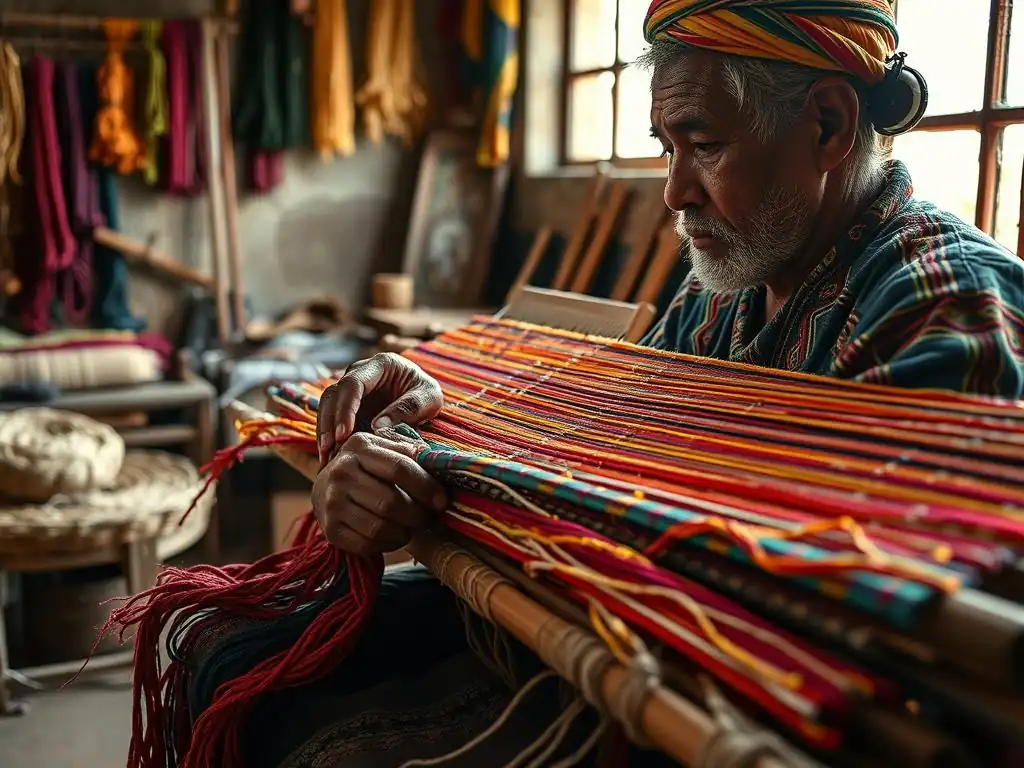
Welcome to Indigenous Civilizations of the Americas, where we invite you to embark on a fascinating journey through the rich tapestry of indigenous cultures that flourished long before European colonization. In our feature article, “Preservation Efforts: Protecting the Heritage of Indigenous Textile Traditions,” we delve into the vibrant world of textiles—an art form that not only showcases the remarkable craftsmanship of these societies but also serves as a vital link to their heritage. Join us as we explore the efforts being made to preserve these traditions, ensuring that the stories woven into each piece continue to inspire future generations.
Are you ready to uncover the threads of history that bind us all? Let's dive in!
- Introduction to Preserving Indigenous Textile Traditions
- Historical Context of Indigenous Textile Traditions
- Current Challenges in Preserving Indigenous Textile Traditions
- Key Preservation Efforts for Indigenous Textile Traditions
- Supporting Indigenous Artisans and Their Work
- Educational Resources on Indigenous Textile Traditions
- Conclusion: The Future of Preserving Indigenous Textile Traditions
-
Frequently Asked Questions
- What is the significance of preserving Indigenous textile traditions?
- How do Indigenous textiles reflect cultural identity?
- What challenges do Indigenous textile traditions face?
- How can individuals support the preservation of Indigenous textile traditions?
- What role do educational initiatives play in preservation efforts?
- Final Reflection: The Vital Importance of Preserving Indigenous Textile Traditions
- Join the Movement to Preserve Indigenous Textile Traditions!
Introduction to Preserving Indigenous Textile Traditions
The world of indigenous textile traditions is a rich tapestry woven through centuries of cultural expression, craftsmanship, and history. As diverse as the various tribes and communities across the Americas, these textile practices reflect the unique identities, beliefs, and environmental adaptations of indigenous peoples. However, the impact of colonization, globalization, and modern industrial practices has put significant pressure on these ancient traditions, making the need for preservation more urgent than ever.
This article delves into the critical efforts being made to protect and promote indigenous textile traditions, highlighting their significance in both cultural heritage and contemporary society. By understanding the historical context and the intricate techniques involved, we can appreciate the importance of preserving indigenous textile traditions for future generations.
The Importance of Indigenous Textile Heritage
Indigenous textiles are not merely functional items; they are vibrant expressions of culture, history, and identity. These textiles often carry deep symbolic meanings and tell stories that connect communities to their ancestors and the natural world. Here are some key reasons why preserving indigenous textile heritage is crucial:
- Cultural Identity: Textiles serve as a medium through which indigenous peoples express their identity and heritage. Each pattern, color, and technique carries cultural significance and reflects the values and beliefs of the community.
- Historical Significance: The techniques used in textile creation often date back thousands of years, providing insight into the social structures, economies, and environments of indigenous civilizations. Preserving these practices ensures that this historical knowledge is not lost.
- Economic Empowerment: Many indigenous artisans rely on textile production as a source of income. By supporting the preservation of these traditions, we also promote economic sustainability within indigenous communities.
- Environmental Wisdom: Indigenous textile practices often incorporate sustainable methods and materials that respect the environment. Understanding and preserving these practices can contribute to broader efforts in environmental conservation.
Overview of Indigenous Textile Techniques and Materials
Indigenous textile traditions encompass a wide array of techniques and materials, each unique to specific cultures and regions. These practices not only showcase the ingenuity of indigenous peoples but also their deep-rooted connections to their environments. Here are some notable techniques and materials:
- Weaving Techniques:
- Backstrap Weaving: A traditional method used by many indigenous groups, where the loom is anchored around the weaver's body. This technique allows for intricate designs and patterns, as seen in the textiles of the Andean cultures.
- Loom Weaving: Utilized widely across different tribes, this technique employs fixed looms to create more complex and larger pieces of fabric.
- Dyeing Processes:
- Natural Dyes: Many indigenous cultures use plants, minerals, and insects to create vibrant colors. This sustainable approach not only produces beautiful textiles but also reflects a deep knowledge of local flora and fauna.
- Tie-Dye and Resist Dyeing: Techniques that date back centuries, creating unique patterns and designs that are culturally significant.
- Materials Used:
- Cotton: A staple fiber in many cultures, cotton textiles are prevalent among indigenous communities, particularly in warmer climates.
- Wool: Sourced from local sheep, wool is often used in colder regions to produce warm and durable textiles.
- Bark Cloth: Made from the inner bark of trees, this ancient material is used in various cultures for clothing and ceremonial items.
By appreciating the diverse techniques and materials used in indigenous textile traditions, we can better understand their cultural significance and the challenges they face in a rapidly changing world. Preserving these traditions is not only about safeguarding artifacts; it is about sustaining a way of life that embodies resilience, creativity, and community.
Historical Context of Indigenous Textile Traditions
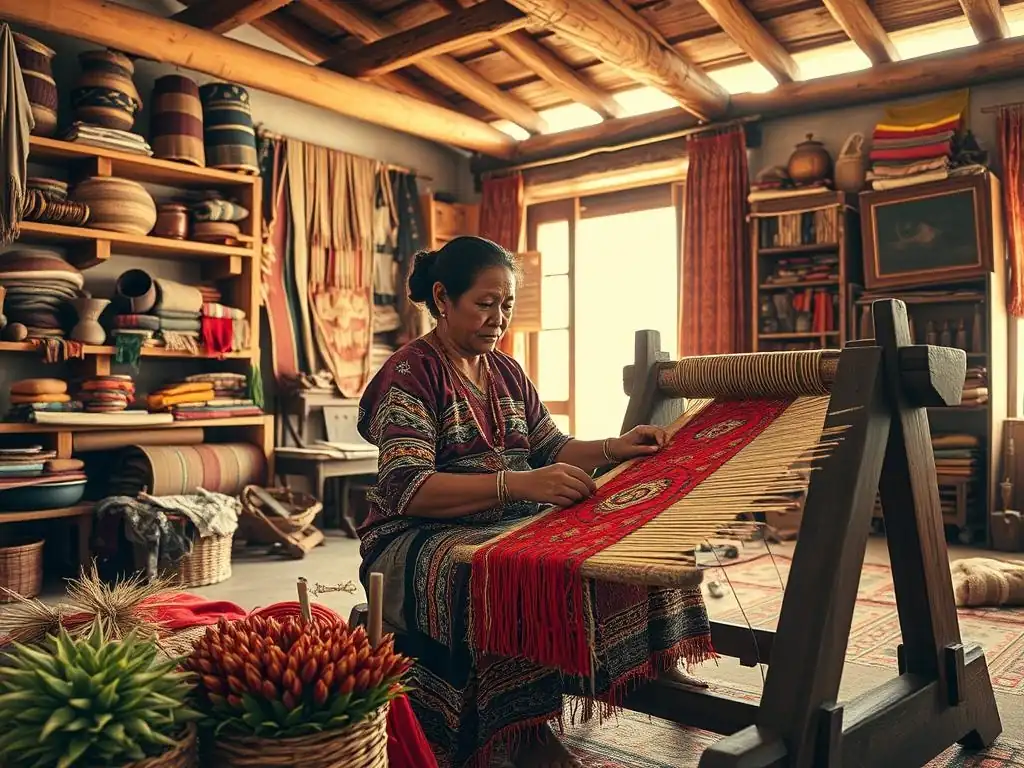
The Role of Textiles in Indigenous Cultures
Textiles have been integral to the identity and cultural expression of indigenous peoples throughout the Americas. From the earliest civilizations, such as the Maya and Aztec, to contemporary indigenous communities, textiles have served multiple roles, including:
- Cultural Identity: Textiles often convey the unique stories, beliefs, and histories of different indigenous groups. Patterns, colors, and weaving techniques can signify tribal affiliation, social status, and individual accomplishments.
- Functional Uses: Beyond their aesthetic value, textiles were created for practical purposes. Items like clothing, blankets, and bags were made to serve everyday needs, reflecting the natural resources available in their environment.
- Ceremonial Significance: Many textiles play a crucial role in rituals and ceremonies. For instance, specific garments may be worn during dances, weddings, or rites of passage, signifying the sacred connection between the community and their ancestors.
- Economic Exchange: Indigenous textiles have historically been important in trade, not only within communities but also with neighboring groups. The intricate designs and quality of textiles often made them valuable commodities, facilitating cultural exchange and interaction.
Evolution of Textile Techniques in Indigenous Societies
The evolution of textile techniques among indigenous societies reflects a rich tapestry of innovation and adaptation. Over centuries, these communities developed various methods that were not only functional but also imbued with cultural significance. Key aspects of this evolution include:
- Natural Dyeing: Indigenous peoples utilized local flora and fauna to create dyes, resulting in vibrant colors that were often symbolic. For example, cochineal from insects provided a brilliant red, while indigo plants yielded deep blues. This practice showcased both an understanding of the environment and an artistic sensibility.
- Weaving Techniques: Different regions developed unique weaving styles that were suited to their specific needs and resources. The Navajo, for example, are renowned for their rugs and blankets woven on vertical looms, while the Andean cultures excelled in intricate tapestry techniques on horizontal looms.
- Embellishment and Decoration: Techniques such as embroidery and beadwork have been utilized to enhance textiles, adding layers of meaning and beauty. These embellishments often incorporate symbols that reflect spiritual beliefs or natural elements significant to the community.
- Adaptation to Modernity: Today, many indigenous artisans are blending traditional techniques with contemporary designs and materials. This evolution not only revitalizes the textile arts but also ensures their relevance in a rapidly changing world. For instance, some artists are experimenting with synthetic dyes while maintaining traditional patterns, creating a fusion of old and new.
Incorporating these historical contexts and evolutions into modern preservation efforts is crucial for maintaining the cultural heritage of indigenous textile traditions. By valuing and supporting these practices, we can contribute to the survival of these vibrant cultural expressions for future generations.
Current Challenges in Preserving Indigenous Textile Traditions
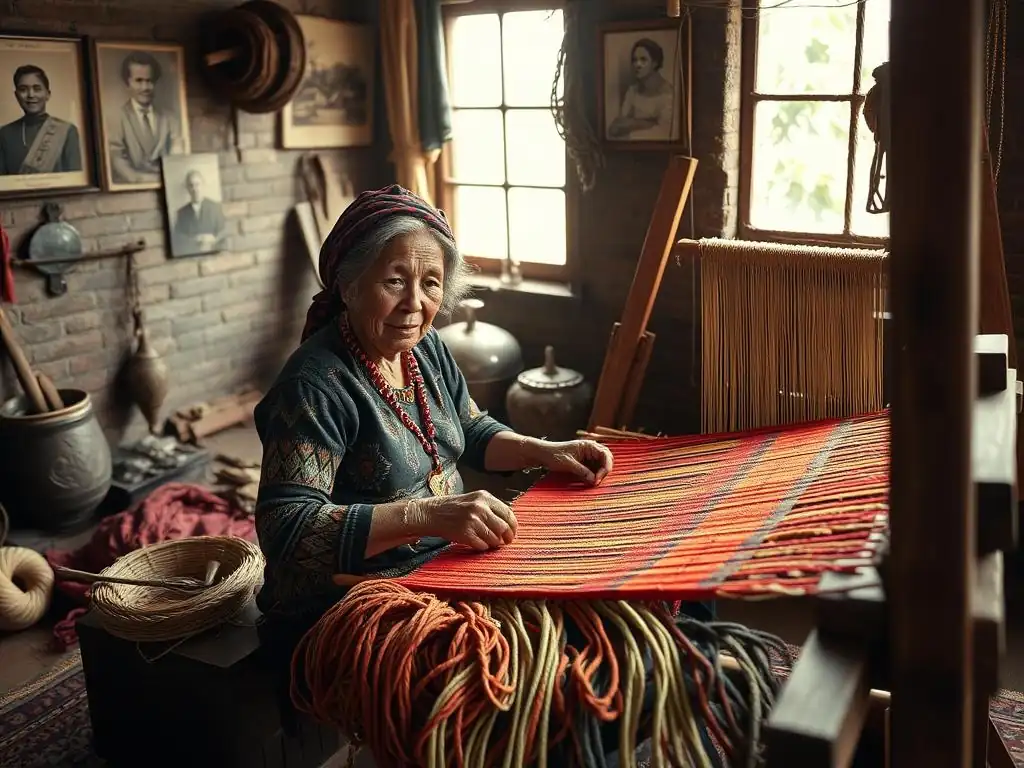
Impact of Modernization on Traditional Practices
The impact of modernization on traditional practices of indigenous textile traditions is profound and multifaceted. As societies evolve, the introduction of technology and mass production has led to significant shifts in how textiles are created and valued.
- Loss of Traditional Techniques: Many indigenous artisans are finding it increasingly difficult to maintain traditional weaving techniques as younger generations may be drawn to modern methods that prioritize speed and efficiency over the intricate processes of handcrafting. For instance, the traditional backstrap loom, which has been used by various cultures such as the Maya, is becoming less common as machine-made textiles dominate the market.
- Economic Pressures: The economic challenges facing indigenous communities often force artisans to prioritize income over artistic expression. This leads to a decline in the production of authentic textiles, as artisans may opt for quicker, less traditional methods to meet market demands. For example, the indigenous weavers of Peru may feel compelled to produce commercially viable designs that cater to tourists rather than focusing on culturally significant patterns.
- Cultural Disconnect: Modern lifestyles can create a disconnect between the younger generations and their cultural heritage. As traditional practices are not passed down effectively, there is a risk of losing the rich stories and meanings behind the textiles. Many young people are more inclined to pursue careers in urban settings, leading to a diminished interest in textile arts, which are often seen as outdated.
Threats from Globalization and Cultural Appropriation
Globalization has brought about both opportunities and challenges for preserving indigenous textile traditions. While it has facilitated a broader market for indigenous products, it has also led to significant threats that must be addressed.
- Cultural Appropriation: One of the most pressing issues is the appropriation of indigenous designs by mainstream fashion brands. This often occurs without permission or compensation, stripping the original cultural context and significance from the designs. For example, patterns traditionally used by the Navajo Nation are frequently reproduced in commercial fashion lines, undermining the cultural heritage and financial viability of the original creators.
- Market Saturation: The influx of cheap, mass-produced textiles has saturated the market, making it difficult for indigenous artisans to compete. This results in a decline in sales for handmade textiles, which often embody deep cultural significance and craftsmanship. As contemporary consumers lean towards affordability, the unique value of indigenous textiles may be overlooked, leading to their further marginalization.
- Loss of Identity: As globalization spreads, there is a risk of homogenization of cultures, leading to a loss of unique identities among indigenous groups. Traditional textiles serve as a crucial expression of cultural identity, and their decline can contribute to a broader erosion of cultural heritage. Without concerted efforts to protect and promote these traditions, they may become endangered.
The challenges faced in preserving indigenous textile traditions are complex and interconnected, driven by modernization and globalization. Addressing these issues requires a multifaceted approach that includes education, advocacy, and support for indigenous artisans, ensuring that these vital cultural expressions are recognized, respected, and sustained for future generations.
Key Preservation Efforts for Indigenous Textile Traditions
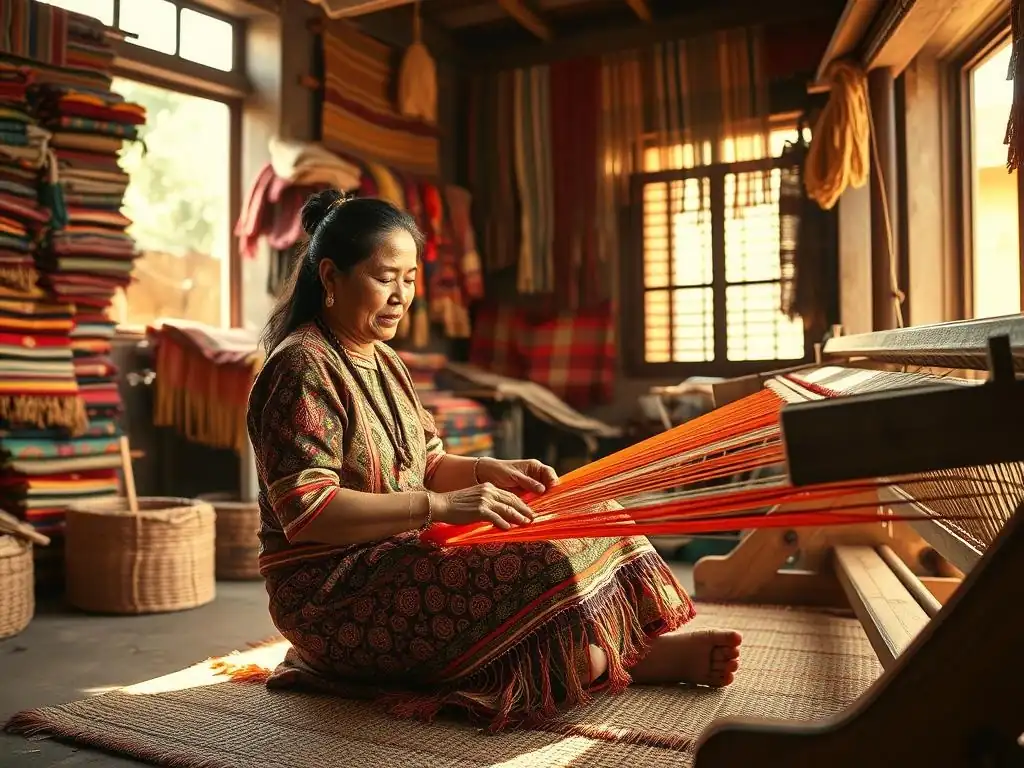
Preserving Indigenous textile traditions is crucial for maintaining the cultural heritage and identity of Indigenous communities across the Americas. Various key preservation efforts have emerged, focusing on community engagement, collaboration with contemporary artists, and the integration of modern techniques with traditional methods. These efforts are vital not only for safeguarding the knowledge and skills associated with textile production but also for revitalizing interest among younger generations.
Community-Led Initiatives and Workshops
Community-led initiatives play a pivotal role in the preservation of Indigenous textile traditions. By fostering environments where traditional techniques can be shared and practiced, these programs ensure that the art of textile making is not lost to modernization. Workshops and gatherings provide opportunities for artisans to pass down their skills, narratives, and the cultural significance behind their work.
For instance, many communities organize intergenerational workshops where elders teach younger members the intricate processes of weaving, dyeing, and embroidery. These sessions often emphasize the importance of cultural stories and the meanings behind specific patterns and colors used in textiles.
Example: The Indigenous Fashion Week in Toronto
The Indigenous Fashion Week in Toronto stands as a remarkable example of a community-led initiative that celebrates and preserves Indigenous textile traditions. This event showcases the works of Indigenous designers who incorporate traditional textile methods into contemporary fashion.
By providing a platform for Indigenous voices, the fashion week facilitates:
- Cultural exchange: Designers share their stories and cultural heritage, enriching the audience's understanding of Indigenous textiles.
- Economic opportunities: Artisans can sell their creations, ensuring that traditional techniques are not only preserved but also financially viable.
- Visibility: The event highlights the ongoing relevance and innovation within Indigenous textile traditions, inspiring future generations to engage in these practices.
Collaborations with Artisans and Designers
Collaborations between Indigenous artisans and contemporary designers have become increasingly important in the effort to preserve Indigenous textile traditions. These partnerships often yield innovative designs that respect and reflect traditional techniques while appealing to modern aesthetics.
By merging traditional craftsmanship with contemporary fashion trends, these collaborations help to ensure that Indigenous textiles remain relevant and appreciated in today's marketplace.
Case Study: The Partnership Between the Navajo Nation and Contemporary Designers
An exemplary case of this collaboration is the partnership between the Navajo Nation and various contemporary designers. This initiative focuses on creating a fusion of traditional Navajo weaving techniques with modern design concepts, resulting in unique textile products that resonate with a wide audience.
Key aspects of this partnership include:
- Training and mentorship: Contemporary designers work closely with Navajo artisans, learning the significance of traditional techniques, which they then integrate into their own work.
- Sustainable practices: Collaborators emphasize the use of locally sourced materials, ensuring that the environmental practices align with traditional values.
- Cultural representation: By featuring Navajo designs in mainstream fashion, the partnership elevates the profile of Indigenous textiles, garnering respect and appreciation for their cultural significance.
Through these efforts, the preservation of Indigenous textile traditions is not only maintained but also transformed into a living art form that continues to evolve while honoring its roots.
Use of Technology in Textile Preservation
The integration of technology into the preservation of indigenous textile traditions has opened new avenues for safeguarding these cultural treasures. With the advent of digital tools and platforms, artisans and cultural custodians can document, archive, and share their textile practices more effectively than ever before. This approach not only enhances the visibility of indigenous textiles but also ensures that knowledge is passed down to future generations.
One of the most impactful uses of technology in textile preservation is the digitization of patterns, techniques, and historical records. High-resolution imaging and 3D modeling allow for detailed documentation of intricate textile designs, enabling artisans to revisit and replicate traditional methods. Moreover, virtual reality (VR) and augmented reality (AR) technologies create immersive experiences where users can explore indigenous textiles in a three-dimensional space, fostering a deeper appreciation of their cultural significance.
Social media platforms have also emerged as powerful tools for promoting indigenous textile traditions. Artisans can showcase their work to a global audience, connect with other creators, and participate in online marketplaces. This not only helps in sustaining their livelihoods but also raises awareness about the importance of preserving these traditional crafts.
Innovations in Digital Archiving and Education
Innovations in digital archiving are crucial for the preservation of indigenous textile traditions, as they serve as a repository for a wealth of knowledge and history. Projects focused on creating comprehensive digital libraries of indigenous textiles include digitizing textile samples, historic documents, and oral histories. These archives are accessible to researchers, students, and the general public, ensuring that the stories and techniques associated with these textiles are not lost over time.
Educational initiatives that leverage technology play a pivotal role in preserving textile traditions. Online courses and webinars provide artisans with the skills to enhance their craft while ensuring that traditional techniques remain relevant. By utilizing platforms such as YouTube and specialized educational websites, artisans can share tutorials and demonstrations, effectively reaching a wider audience.
Furthermore, collaborations between indigenous communities and technology developers have led to the creation of mobile applications designed to educate users about textile production processes, cultural significance, and sustainable practices. These applications often feature interactive elements, such as quizzes and augmented experiences, to engage users actively, making the learning process more enjoyable.
The intersection of technology and textile preservation has revolutionized how indigenous cultures can safeguard their heritage. By embracing innovations in digital archiving and education, communities can ensure that their textile traditions endure and thrive for generations to come.
Supporting Indigenous Artisans and Their Work
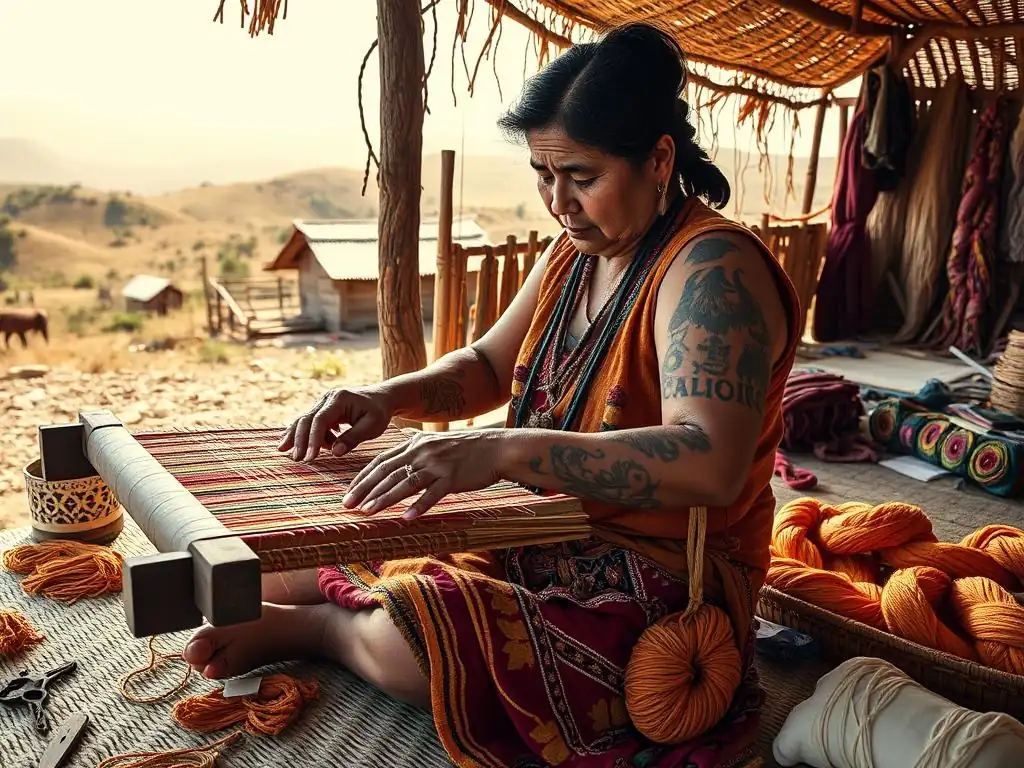
Supporting Indigenous artisans is a vital aspect of preserving indigenous textile traditions. These artisans not only create beautiful handmade textiles but also contribute to the cultural heritage and identity of their communities. Encouraging the purchase of indigenous textiles fosters economic sustainability, empowers local artisans, and helps to keep traditional practices alive.
By supporting these artisans, consumers can play a significant role in the preservation of cultural narratives and craftsmanship that have been passed down through generations. This support can take many forms, including fair compensation for their work, recognition of their heritage, and valuing the stories behind each piece.
Buying Handmade Textiles: Ethical Considerations
When purchasing indigenous textiles, it is essential to approach the transaction with ethical considerations in mind. Here are some key factors to consider:
- Fair Trade Practices: Ensure that the artisans receive fair compensation for their work. This not only supports their livelihood but also respects the cultural significance of their creations.
- Cultural Appropriation Awareness: Recognize the importance of understanding the cultural context of the textiles. Avoid promoting or purchasing items that have been mass-produced or that misrepresent indigenous cultures.
- Support for Community Initiatives: Look for opportunities to support cooperatives or community-based initiatives that empower indigenous artisans. These organizations often reinvest profits back into the community, enhancing local development.
- Transparency: Seek out sellers who provide information about the artisans and the origins of the textiles. Knowing the story behind each piece adds value and authenticity to the purchase.
By considering these ethical factors, consumers can contribute positively to the preservation of indigenous textile traditions.
Recommended Platforms for Purchasing Indigenous Textiles
There are several platforms dedicated to connecting consumers with indigenous artisans and their handmade textiles. These platforms prioritize ethical practices and offer a wide variety of authentic products. Below are some recommended sources for purchasing indigenous textiles:
List of Online Stores: Native American Made, Etsy Indigenous, The Indian Craft Shop
-
Native American Made
This platform showcases a diverse range of handmade textiles from Native American artisans. Each purchase directly supports the artists, ensuring fair compensation and promoting cultural heritage.
-
Etsy Indigenous
Etsy features a dedicated section for indigenous artisans, where consumers can find unique, handcrafted textiles. The platform emphasizes the importance of supporting small businesses and provides a venue for artisans to share their stories.
-
The Indian Craft Shop
Operated by the U.S. Department of the Interior, The Indian Craft Shop offers a selection of authentic Native American crafts, including textiles. The shop prioritizes fair trade and works directly with artisans, ensuring that their cultural practices are honored and preserved.
By purchasing from these platforms, consumers not only acquire beautiful handmade textiles but also actively participate in the preservation of indigenous textile traditions, supporting artisans and their communities in meaningful ways.
The Role of Fair Trade in Supporting Indigenous Economies
Fair trade plays a pivotal role in supporting indigenous economies by providing artisans with fair compensation for their work, which is especially crucial in the context of textile traditions. These practices not only empower artisans but also promote sustainable development and preserve cultural heritage. Here are several ways in which fair trade supports indigenous economies:
- Fair Compensation: Fair trade initiatives ensure that indigenous artisans receive a price that reflects the true value of their craftsmanship. This compensation allows artisans to sustain their livelihoods and invest in their communities, enabling them to continue their traditional practices without financial strain.
- Market Access: By connecting indigenous artisans to global markets, fair trade organizations help to diversify income sources and reduce dependence on local economies that may be vulnerable to fluctuations. Access to international markets allows artisans to showcase their unique textiles and gain recognition for their skills and cultural significance.
- Capacity Building: Fair trade programs often include training and workshops that equip artisans with business skills, such as marketing, finance, and production techniques. This capacity building enhances their ability to manage their enterprises more effectively and increases their competitiveness in the market.
- Preservation of Cultural Heritage: Fair trade emphasizes the importance of maintaining traditional crafting techniques and cultural narratives. By valuing indigenous textiles, fair trade not only promotes these art forms but also encourages younger generations to engage with their cultural heritage, ensuring that these practices continue.
- Community Development: Many fair trade organizations reinvest a portion of their profits back into the communities from which the artisans come. This reinvestment can support education, health care, and infrastructure, thereby fostering overall community development alongside economic sustainability for artisans.
Fair trade serves as a crucial mechanism for supporting indigenous economies by providing fair wages, access to broader markets, and opportunities for skill development, all while promoting the preservation of rich textile traditions. This holistic approach ensures that indigenous artisans can thrive economically while keeping their cultural heritage alive.
Educational Resources on Indigenous Textile Traditions
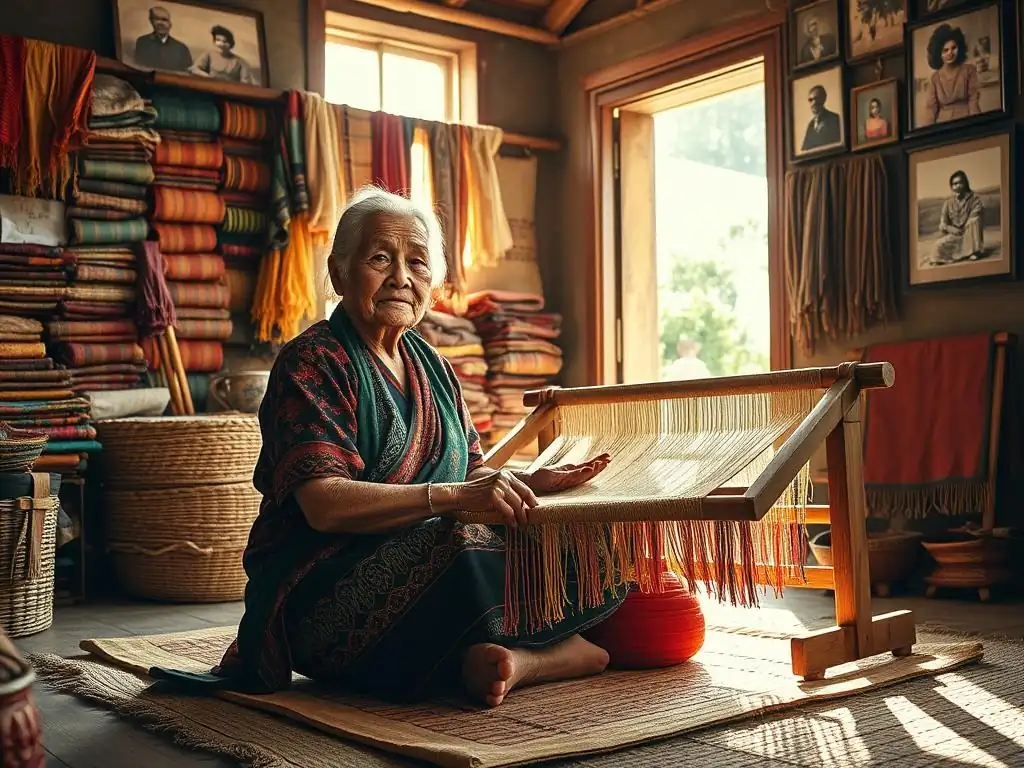
Books on Indigenous Textile Arts
Indigenous textile arts are a vibrant expression of cultural identity and heritage. Numerous books explore these traditions, providing a blend of historical context, artistic techniques, and personal narratives. Here are some essential reads for anyone interested in preserving Indigenous textile traditions:
Recommended Reads
-
"The Art of Native American Basketry"
This book delves into the intricate techniques of basket weaving among various Native American tribes. It highlights the symbolic meanings behind different patterns and materials, offering readers a comprehensive understanding of the cultural significance of basketry in Indigenous communities.
-
"Textiles of the Native Americas"
This work presents a thorough examination of textile practices across different Indigenous cultures in the Americas. Featuring stunning photography and detailed analysis, the book covers weaving, dyeing, and embroidery techniques, showcasing how textiles are not only art forms but also vital components of cultural heritage.
Online Courses and Workshops for Learning Textile Techniques
In addition to literature, there are numerous online platforms offering courses and workshops focused on Indigenous textile techniques. These resources are invaluable for both novices and experienced artisans looking to deepen their understanding and skills in textile arts.
Platforms Offering Courses
-
Coursera
Coursera hosts a variety of courses related to textile arts, including those that explore Indigenous techniques. Users can learn directly from experts in the field and gain insights into the historical context and cultural significance of various textile practices.
-
MasterClass
MasterClass offers high-quality video tutorials from renowned artisans. Courses may include techniques in weaving, dyeing, and stitching, fostering a deeper appreciation for Indigenous textile traditions.
-
The Craft School
The Craft School provides hands-on workshops and online classes specifically focused on traditional crafts, including Indigenous textiles. Their courses emphasize the importance of preserving these traditions while encouraging participants to create their own unique works of art.
By engaging with these educational resources, individuals can play a crucial role in preserving Indigenous textile traditions and ensuring that these rich cultural practices continue to thrive.
Conclusion: The Future of Preserving Indigenous Textile Traditions
As we move forward in the 21st century, the importance of preserving Indigenous textile traditions cannot be overstated. These textiles are not merely art forms; they encapsulate the histories, stories, and identities of Indigenous peoples across the Americas. The future of these traditions relies heavily on a multi-faceted approach that includes community engagement, educational initiatives, and the incorporation of modern technologies.
To ensure that these rich cultural legacies endure, it is vital to foster collaboration between Indigenous artisans and contemporary designers, allowing for a blend of traditional techniques with modern aesthetics. This partnership not only revitalizes interest in Indigenous textiles but also promotes economic sustainability for artisans. Additionally, accessible platforms for sharing knowledge and skills are essential for nurturing the next generation of weavers and craftspeople.
Ultimately, protecting these textile traditions is a collective responsibility that calls for active participation from various stakeholders, including Indigenous communities, academics, policymakers, and the general public.
How Individuals Can Contribute to Preservation Efforts
Individuals play a crucial role in the preservation of Indigenous textile traditions. Here are some ways that anyone can contribute:
- Support Indigenous Artisans:
- Purchase textiles directly from Indigenous artists or cooperatives, ensuring that the profits support the makers and their communities.
- Attend local markets or fairs that feature Indigenous crafts and textiles.
- Educate Yourself and Others:
- Learn about the specific backgrounds and techniques of various Indigenous cultures.
- Share this knowledge within your community to raise awareness about the significance of these traditions.
- Participate in Workshops:
- Engage in weaving, dyeing, or other textile-related workshops led by Indigenous artisans. This not only helps preserve techniques but also fosters respect for the cultural heritage involved.
- Advocate for Policies:
- Support policies that protect Indigenous intellectual property rights, which are vital for safeguarding traditional knowledge and practices.
- Encourage educational institutions to include Indigenous textile traditions in their curricula.
- Promote Cultural Exchange:
- Facilitate connections between Indigenous artisans and wider audiences through exhibitions, online platforms, or collaborative projects.
The Importance of Continued Awareness and Advocacy
Continued awareness and advocacy are critical for the survival and thriving of Indigenous textile traditions. Here’s why:
- Cultural Identity: Textiles are integral to the cultural identity of Indigenous peoples. They carry stories, symbols, and values that are essential to understanding their worldviews. Raising awareness about these meanings helps to honor and uphold these identities.
- Economic Sustainability: Advocating for Indigenous textiles can lead to economic opportunities for artisans. By promoting fair trade practices and ethical consumption, individuals can help create sustainable livelihoods for those who produce these textiles.
- Environmental Stewardship: Many Indigenous textile practices are rooted in sustainable methods and materials. Advocacy for these practices can contribute to broader environmental conservation efforts, showcasing how traditional knowledge can inform modern sustainability.
- Interconnectedness: By fostering a greater understanding of Indigenous textiles, individuals can help build bridges between cultures, promoting respect and collaboration. This interconnectedness is vital in an increasingly globalized world, where diverse cultural expressions can enrich collective experiences.
Preserving Indigenous textile traditions is a shared journey that requires engagement, education, and advocacy at all levels. By taking meaningful action, we can help ensure that these vibrant traditions not only survive but thrive for generations to come.
Frequently Asked Questions
What is the significance of preserving Indigenous textile traditions?
Preserving Indigenous textile traditions is crucial for maintaining cultural identity and promoting the historical heritage of Indigenous communities. These textiles often embody unique artistic expressions and storytelling.
How do Indigenous textiles reflect cultural identity?
Indigenous textiles often incorporate symbolic patterns and techniques that reflect the values, beliefs, and history of a community. They serve as a medium for cultural expression and continuity across generations.
What challenges do Indigenous textile traditions face?
Indigenous textile traditions face challenges such as commercialization, loss of traditional knowledge, and environmental changes affecting raw materials. These factors threaten the authenticity and sustainability of these cultural practices.
How can individuals support the preservation of Indigenous textile traditions?
Individuals can support preservation efforts by purchasing authentic textiles from Indigenous artisans, participating in workshops, and raising awareness about the importance of protecting these rich cultural traditions.
What role do educational initiatives play in preservation efforts?
Educational initiatives play a vital role by promoting awareness of Indigenous textile traditions, teaching craftsmanship skills, and fostering intercultural dialogue. These efforts help ensure the transmission of knowledge to future generations.
Final Reflection: The Vital Importance of Preserving Indigenous Textile Traditions
In a world increasingly dominated by fast fashion and mass production, the need for preserving Indigenous textile traditions has never been more urgent. These vibrant practices are not merely artistic expressions; they are living histories that encapsulate the identities, stories, and wisdom of Indigenous communities. As we navigate the complexities of modernity, we must recognize that safeguarding these traditions is essential for cultural diversity and sustainability.
The influence of Indigenous textile traditions extends far beyond the realm of fashion; they serve as a powerful reminder of the interconnectedness of culture, identity, and community. The ongoing efforts to preserve these practices highlight the resilience of Indigenous peoples and their commitment to passing down knowledge through generations. As we witness a growing appreciation for handmade and sustainable goods, it becomes clear that these textiles are not just products but are imbued with meaning and heritage. Textiles are the fabric of our culture; they tell our stories and connect us to our ancestors.
As we reflect on the significance of Indigenous textile traditions, I invite you to consider your own role in this narrative. How can you support and engage with these heritage practices in your daily life? Whether it's by choosing to buy from Indigenous artisans, learning about the stories behind the textiles, or advocating for policies that protect these traditions, your actions can contribute to a more inclusive and respectful appreciation of cultural heritage. Let us all commit to being stewards of these invaluable traditions, ensuring they thrive for future generations to cherish and learn from.
Join the Movement to Preserve Indigenous Textile Traditions!
Thank you for taking the time to explore the vital issue of preserving Indigenous textile traditions. Your interest in this rich heritage plays a crucial role in keeping these beautiful artworks and stories alive. Now, let’s transform your newfound knowledge into meaningful action!
Here are a few ways you can contribute to the preservation of Indigenous textiles:
- Support Local Artisans: Purchase handmade textiles directly from Indigenous artists or cooperatives. This not only sustains their craft but also supports their livelihoods.
- Spread the Word: Share your insights on social media about the significance of these traditions. Use the hashtag #PreserveIndigenousTextiles to ignite conversation and raise awareness.
- Participate in Workshops: Look for workshops or online courses that focus on traditional textile techniques. Engaging with these practices can enhance your appreciation and understanding.
How will you lend your voice to champion the preservation of these invaluable cultural traditions?