
The Aztec Marketplace: A Deep Dive into Trade and Commerce in Tenochtitlan

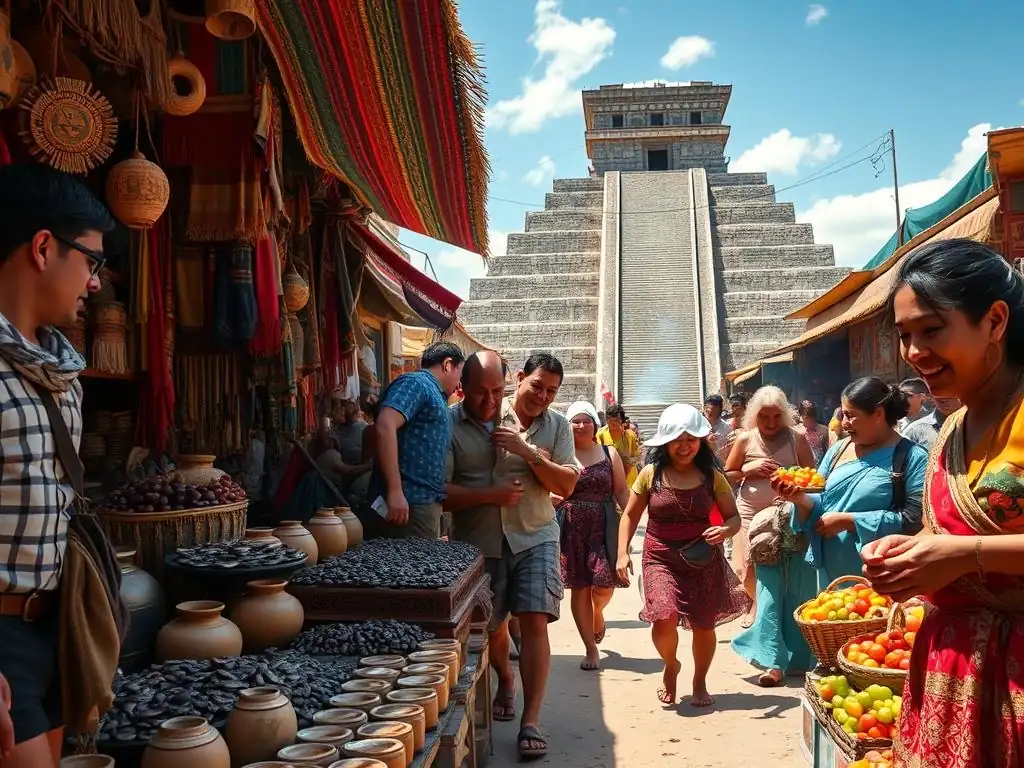
Welcome to Indigenous Civilizations of the Americas! Here, we invite you to embark on a fascinating journey through the rich tapestry of indigenous cultures that flourished across the Americas long before European colonization. Our featured article, “The Aztec Marketplace: A Deep Dive into Trade and Commerce in Tenochtitlan,” uncovers the intricate systems of trade and commerce that defined the Aztec civilization.
Discover how these vibrant markets not only facilitated economic exchange but also played a pivotal role in shaping societal structures and cultural practices. Get ready to explore the remarkable achievements of the Aztecs and their enduring legacy—your adventure starts now!
The Aztec civilization, renowned for its complex social structure, rich cultural practices, and remarkable achievements, also boasted a sophisticated system of trade and commerce that played a pivotal role in its economy and everyday life. At the heart of this vibrant economic landscape was Tenochtitlan, the capital city, which served as a bustling marketplace where goods, ideas, and cultures converged.
This article aims to explore the intricate details of Aztec trade and commerce history, highlighting the mechanisms, significance, and impact of the marketplace within the broader context of Aztec society. From the diverse array of goods traded to the innovative practices that facilitated commerce, we will delve into how these elements not only sustained the Aztec economy but also shaped the interactions among different cultures in pre-Columbian America.
The Structure of the Aztec Marketplace
The marketplace of Tenochtitlan was more than just a place for buying and selling; it was a dynamic center for economic, social, and political interactions. The Tlatelolco Market, one of the largest in the Aztec Empire, exemplified this vibrant hub.
- Key Features of Tlatelolco Market:
- Size and Layout: Spanning several city blocks, the market was organized into distinct sections for various types of goods.
- Diverse Goods: Traders offered an extensive range of products, from food items like maize, beans, and chili peppers to luxury goods such as textiles, jewelry, and pottery.
- Cultural Exchange: The market served as a melting pot for different cultures, facilitating the exchange of not only goods but also ideas and traditions.
The structure of this marketplace reflects the complexity of Aztec economic life, where trade was not merely transactional but also a means of fostering community ties and cultural exchanges.
Trade Networks and Their Importance
The Aztecs developed an extensive network of trade routes that connected Tenochtitlan to various regions across Mesoamerica. These trade networks were crucial for the flow of goods and resources, contributing to the empire's wealth and influence.
- Major Trade Routes:
- Land Routes: Facilitated the movement of goods from surrounding regions, including the Gulf Coast and Pacific Coast.
- Canal Systems: Enabled the transport of goods via waterways, making commerce more efficient.
The importance of these trade networks cannot be overstated; they allowed the Aztecs to access resources that were not locally available, such as cacao from the south and precious metals from the north.
The Role of Currency and Barter
In the Aztec economy, the use of currency was complemented by barter systems, which facilitated trade in various ways. The most common forms of currency included:
- Cacao Beans: Used as a medium of exchange and a form of wealth.
- Cotton Cloth: Served as a standardized value measure for goods.
Bartering played a significant role in everyday transactions, allowing for flexibility and adaptability in trade practices. This dual economic system showcased the Aztecs' innovative approaches to commerce, balancing between traditional barter practices and the use of currency.
Conclusion
The marketplace of Tenochtitlan stands as a testament to the ingenuity and complexity of Aztec trade and commerce history. By examining its structure, trade networks, and economic practices, we gain valuable insights into how the Aztecs not only sustained their civilization but also laid the groundwork for future economic systems. The vibrant exchange of goods and ideas within this marketplace not only enriched Aztec society but also influenced the broader Mesoamerican region, leaving a legacy that endures to this day.
- The Structure of the Aztec Marketplace
- Trade Networks and Their Importance
- The Role of Currency and Barter
- Conclusion
Introduction to Aztec Trade and Commerce History
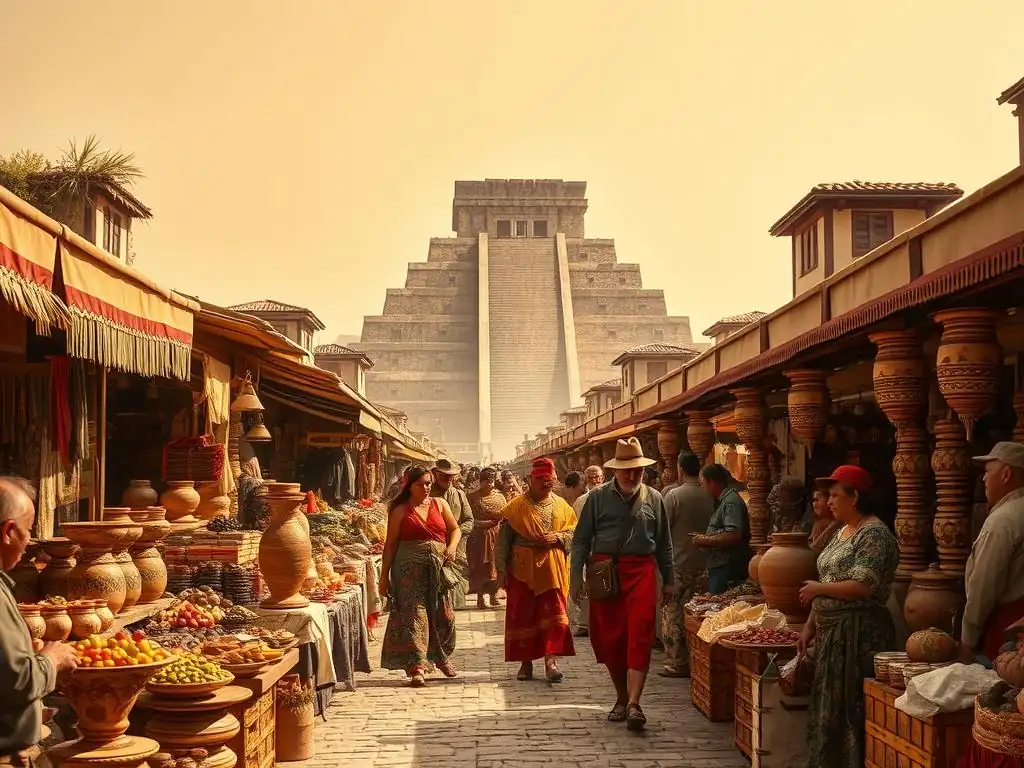
The Aztec civilization, known for its remarkable achievements and intricate social structure, had a robust economy that relied heavily on trade and commerce. This economic system was not merely a means of exchange; it was a complex network that facilitated cultural interaction, resource distribution, and social dynamics within the vast empire. Understanding the history of Aztec trade and commerce provides valuable insights into their societal organization and the lasting impacts of their economic practices.
Overview of the Aztec Economy
The Aztec economy was a multifaceted system characterized by agriculture, tribute, and extensive trade networks. This economy was primarily based on:
- Agriculture: The backbone of the Aztec economy was agriculture, which was supported by advanced farming techniques such as:
- Chinampas: These floating gardens allowed for year-round farming and significantly increased crop yields.
- Terracing: This method maximized arable land on hilly terrain.
- Tribute System: The Aztecs governed a vast empire, and tribute from conquered city-states was crucial. Tributes often included:
- Crops: Maize, beans, and squash were commonly collected.
- Luxury goods: Items like cacao, textiles, and precious metals were also part of the tribute.
- Trade Networks: The Aztec trade system extended beyond local markets, incorporating long-distance trade routes that connected different regions. Key elements included:
- Markets: Tenochtitlan housed the famous Tlatelolco market, one of the largest in the Americas, where a wide variety of goods were exchanged.
- Merchants: Professional traders, known as pochteca, played a vital role in trade, traveling far and wide to acquire exotic goods and commodities.
The combination of these factors created a thriving economy that not only met the needs of the Aztec people but also enabled them to engage in complex trade relationships with neighboring civilizations.
Significance of Trade in Aztec Society
Trade was more than just an economic necessity for the Aztecs; it was a fundamental aspect of their culture and social structure. The significance of trade in Aztec society can be understood through several key points:
- Cultural Exchange: Trade facilitated the exchange of not only goods but also ideas and cultural practices. This interaction enriched Aztec society, allowing them to adopt and adapt various influences from other cultures, including art, religion, and technology.
- Social Hierarchy: The role of merchants in Aztec society was elevated; they were often respected figures who held considerable power. Successful pochteca could amass wealth and influence, bridging the gap between the elite and the common people.
- Economic Stability: The extensive trade networks contributed to the overall economic stability of the Aztec Empire. By diversifying sources of goods and resources, the Aztecs could better withstand agricultural failures or resource shortages.
- Political Alliances: Trade agreements were often used as tools for diplomacy. By establishing trade ties, the Aztecs could foster alliances, secure peace with neighboring states, and expand their influence throughout Mesoamerica.
Aztec trade and commerce were pivotal in shaping their society, influencing everything from daily life to political structures. The intricate systems they developed laid the groundwork for understanding the complex economic interactions that characterized pre-colonial Mesoamerica.
Structure of the Aztec Marketplace
The structure of the Aztec marketplace was a testament to the sophistication and organization of Aztec trade and commerce history. Tenochtitlan, the capital of the Aztec Empire, featured a network of markets that facilitated the exchange of goods, services, and cultural practices. The marketplaces were not merely commercial hubs; they were vibrant centers of social interaction and cultural exchange.
Layout and Design of Tenochtitlan's Markets
The layout of the markets in Tenochtitlan was meticulously planned, reflecting both functionality and the cultural significance of trade. The most prominent market was the Tlatelolco Market, which was located in the Tlatelolco district.
- Centralized Design: The market was organized around a central plaza, which allowed easy access to various goods. Vendors set up stalls in an orderly manner, creating a bustling environment where buyers could navigate through different sections with ease.
- Zoning of Goods: The marketplace was divided into zones based on the type of goods sold. Vendors specializing in food, textiles, pottery, and precious materials had designated areas, which simplified the shopping experience for customers.
- Architectural Features: The design of the marketplace included open-air structures that provided shade and protection from the elements. In addition, marketplaces often featured temples and altars where traders would make offerings to deities, emphasizing the spiritual aspects of commerce.
Key Features of Aztec Marketplaces
Aztec marketplaces were rich in features that enhanced their functionality and appeal:
- Diverse Range of Goods: Markets offered a wide array of products, including:
- Food Items: Maize, beans, chili peppers, and fruits were staples, complemented by meats and fish.
- Craftsmanship: Artisans showcased textiles, pottery, jewelry, and tools, often made from locally sourced materials.
- Luxury Items: Precious goods such as jade, gold, and cacao were highly sought after, indicating wealth and status.
- Barter System: The Aztecs primarily used a barter system for transactions, where goods were exchanged directly without a standardized currency. This system encouraged community interaction and fostered relationships between traders.
- Regulation and Oversight: The government played a significant role in market regulation. Officials were appointed to oversee transactions, maintain order, and ensure fair prices. This oversight helped prevent fraud and established a sense of trust among traders and consumers.
Importance of Location and Accessibility in Trade
The location of Tenochtitlan's markets was crucial for the thriving trade network of the Aztec civilization.
- Geographical Advantages: Situated on an island in Lake Texcoco, Tenochtitlan was strategically positioned for trade routes. The surrounding waterways enabled transportation of goods to and from neighboring regions, enhancing accessibility.
- Trade Routes: The Aztec Empire established extensive trade routes connecting various regions:
- Local Markets: Nearby villages and city-states supplied goods to Tenochtitlan, creating an interdependent economy.
- Long-Distance Trade: The Aztecs engaged in long-distance trade with groups as far as the Gulf of Mexico and the Pacific Coast, exchanging valuable resources such as cacao and textiles.
- Transportation Innovations: The use of canoes and the construction of causeways improved movement of goods, making the markets accessible to a larger population.
The blend of these factors created a dynamic trading environment that not only facilitated commerce but also played a pivotal role in the cultural and economic development of the Aztec civilization, leaving a lasting legacy on the history of trade in the Americas.
Goods and Services in Aztec Trade
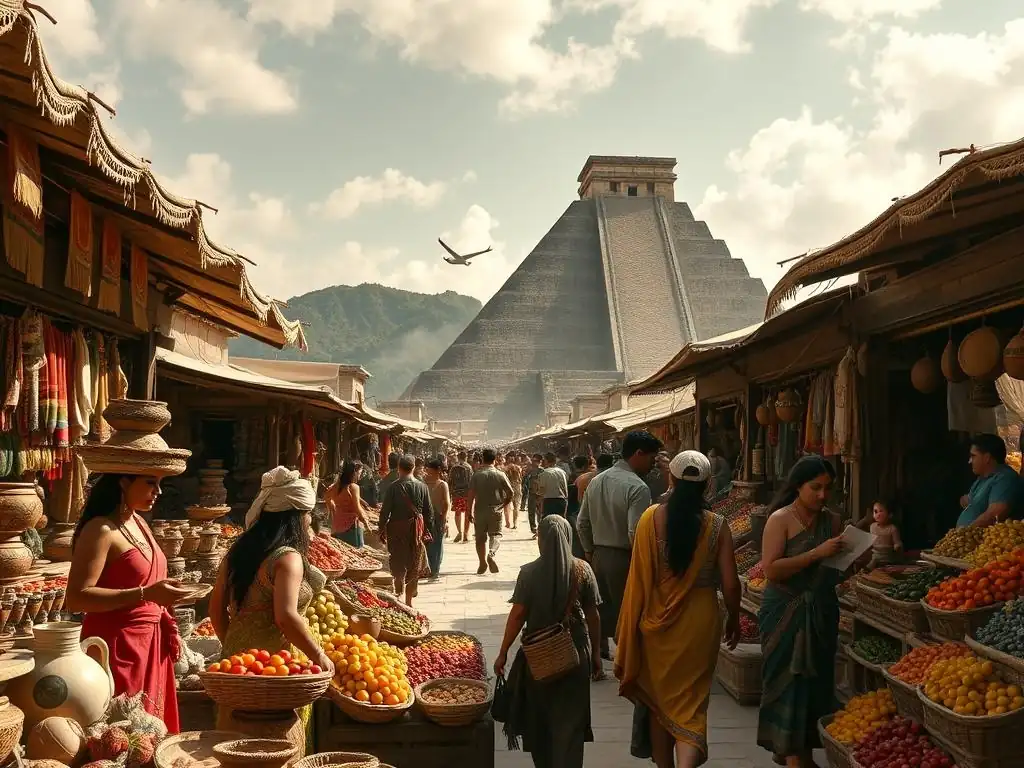
The Aztec marketplace, known for its vibrant exchanges and dynamic economy, was a hub of goods and services that reflected the rich culture and ingenuity of the Aztec civilization. The trade system was sophisticated, utilizing various methods of exchange including barter, tribute, and a form of currency in the shape of cacao beans and cotton cloth. This multifaceted approach to trade not only facilitated the exchange of products but also fostered social and political relationships across the empire.
Commonly Traded Items in the Aztec Marketplace
The Aztec marketplace was characterized by a diverse array of goods that ranged from everyday necessities to exotic items. Some of the most commonly traded items included:
- Foodstuffs:
- Maize: The staple of the Aztec diet, maize was exchanged in various forms including tortillas and tamales.
- Chili Peppers: Essential for flavoring dishes, these were highly sought after in trade.
- Beans: A vital protein source, beans were commonly bartered in the markets.
- Textiles:
- Cotton Cloth: Woven textiles were not only functional but also served as a status symbol.
- Maguey Fibers: Used to create ropes and clothing, these fibers were an important trading commodity.
- Crafts and Tools:
- Pottery: Various styles and functions were available, ranging from utilitarian to decorative pieces.
- Stone Tools: Tools made from obsidian and other materials were essential for various tasks, including hunting and agriculture.
- Luxury Goods:
- Feathers: Colorful feathers, especially those from tropical birds, were highly valued and often used in clothing and ceremonial items.
- Jewelry: Items made from precious metals and stones were traded among the elite.
This variety of goods not only met the needs of the Aztec population but also facilitated inter-regional trade, connecting different parts of the vast empire.
Role of Luxury Goods in Aztec Commerce
Luxury goods played a pivotal role in Aztec commerce, reflecting wealth and social status. These items were often reserved for the elite and were integral to both trade and cultural practices.
-
Symbol of Status:
Luxury items such as gold jewelry, intricate textiles, and elaborate ornaments were not just for adornment; they symbolized power and prestige. The higher the quality and rarity of the item, the greater the social standing of its owner.
-
Cultural Significance:
Many luxury goods held ceremonial importance. For instance, the use of jade and precious metals in rituals underscored their value beyond mere economic worth.
-
Intermediary in Trade:
Luxury items often served as intermediaries in trade negotiations. Their desirability could facilitate the exchange of other goods, as merchants and traders sought to leverage these items to obtain essential resources.
-
Economic Impact:
The trade of luxury goods contributed significantly to the economy, as they were often traded over long distances. This not only enhanced economic ties between regions but also enriched the cultural exchange among diverse indigenous groups.
Agricultural Products and Their Impact on Trade
Agricultural products were the backbone of Aztec trade, driving both local and regional economies. The Aztecs implemented advanced agricultural techniques that allowed them to maximize productivity and support a large population.
-
Chinampas Farming:
This innovative method of farming on floating gardens allowed for year-round crop production and increased yields. The surplus generated from chinampas made it possible for the Aztecs to engage in extensive trade.
-
Diversified Crops:
The cultivation of diverse crops, including maize, squash, and tomatoes, ensured a steady supply of food, which was vital for trade. This diversification also minimized reliance on a single crop, enhancing food security.
-
Trade of Agricultural Surplus:
Extra agricultural produce was regularly traded in marketplaces. This surplus facilitated the exchange of food for other goods, ensuring that the economy thrived even in times of unfavorable weather or crop failure.
-
Impact on Social Structure:
The ability to produce surplus agricultural goods not only influenced trade dynamics but also shaped social structures. It allowed for the emergence of a merchant class, which played a critical role in the economy and the dissemination of culture throughout the region.
The intricate web of goods and services in Aztec trade, marked by the importance of both everyday items and luxury goods, laid the foundation for a robust economy that thrived in Tenochtitlan and beyond. The role of agricultural products was especially crucial, as they not only sustained the Aztec population but also fueled their trade networks and social hierarchies.
Trade Networks and Routes
Overview of Trade Routes in the Aztec Empire
The Aztec Empire's trade networks were complex and extensive, connecting various regions and cultures across Mesoamerica. These routes facilitated the exchange of not only goods but also ideas and cultural practices. The primary trade routes can be categorized into two main types: overland routes and water routes.
- Overland Trade Routes:
- The major highways, known as calzadas, linked Tenochtitlan to other significant cities and regions. These roads were crucial for transporting goods and people. The most notable calzada connected Tenochtitlan to the city of Texcoco, which served as a vital hub for trade.
- Trade caravans, often composed of merchants and porters, would travel these routes, carrying a variety of goods such as textiles, ceramics, and foodstuffs.
- Water Trade Routes:
- The canals and lakes surrounding Tenochtitlan played a significant role in trade, allowing for the transport of heavier loads via canoes. The Lake Texcoco region was particularly important, as it provided a natural highway for the movement of goods.
- Traders utilized canoes to navigate these waterways, enabling swift transportation of commodities like fish, salt, and agricultural products.
Role of Rivers and Roads in Facilitating Trade
The combination of rivers and roads was essential to the Aztec trade system. Each element played a distinct role in enhancing trade efficiency:
- Rivers:
- Rivers served as natural arteries for commerce, allowing traders to bypass the challenges posed by rugged terrain. The Aztecs constructed dikes and dams to manage water flow, ensuring that trade routes remained navigable.
- Major rivers, such as the Grijalva and Usumacinta, connected the Aztec Empire with neighboring regions, enabling the flow of luxury items like cacao, precious stones, and exotic feathers.
- Roads:
- The construction of well-maintained roads facilitated the movement of goods and information across vast distances. The calzadas were engineered to support the weight of traders and their packs, showcasing the Aztecs' engineering prowess.
- Roadside markets and way stations provided rest and additional opportunities for trade, enhancing the overall commerce experience. Merchants would often set up temporary stalls along these routes.
Interactions with Neighboring Cultures and Economies
The Aztec Empire was not an isolated entity; its trade networks fostered interactions with various neighboring cultures and economies, creating a rich tapestry of exchange:
- Cultural Exchange:
- Trade was not solely about goods; it also facilitated the exchange of cultural practices, religious beliefs, and technologies. For example, the introduction of new agricultural techniques and cooking methods significantly impacted the Aztec way of life.
- The Aztecs exchanged their textiles and crafts for luxury items from neighboring civilizations, such as gold and jade from the Mixtecs and Zapotecs.
- Economic Impact:
- The interconnectedness of trade allowed for a diverse economy, where different regions specialized in particular goods, such as obsidian from the north or vanilla from the south. This specialization promoted interdependence among various cultures.
- The Aztec economy thrived on the taxation of trade and the regulation of markets, ensuring that the empire maintained control over the flow of goods and wealth.
The trade networks of the Aztec Empire were integral to its economic prosperity and cultural richness. By leveraging rivers and roads, the Aztecs created a dynamic trading environment that influenced not only their civilization but also the surrounding regions. The interactions with neighboring cultures further enhanced the complexity and vibrancy of Aztec trade and commerce history.
The Role of Merchants in Aztec Society
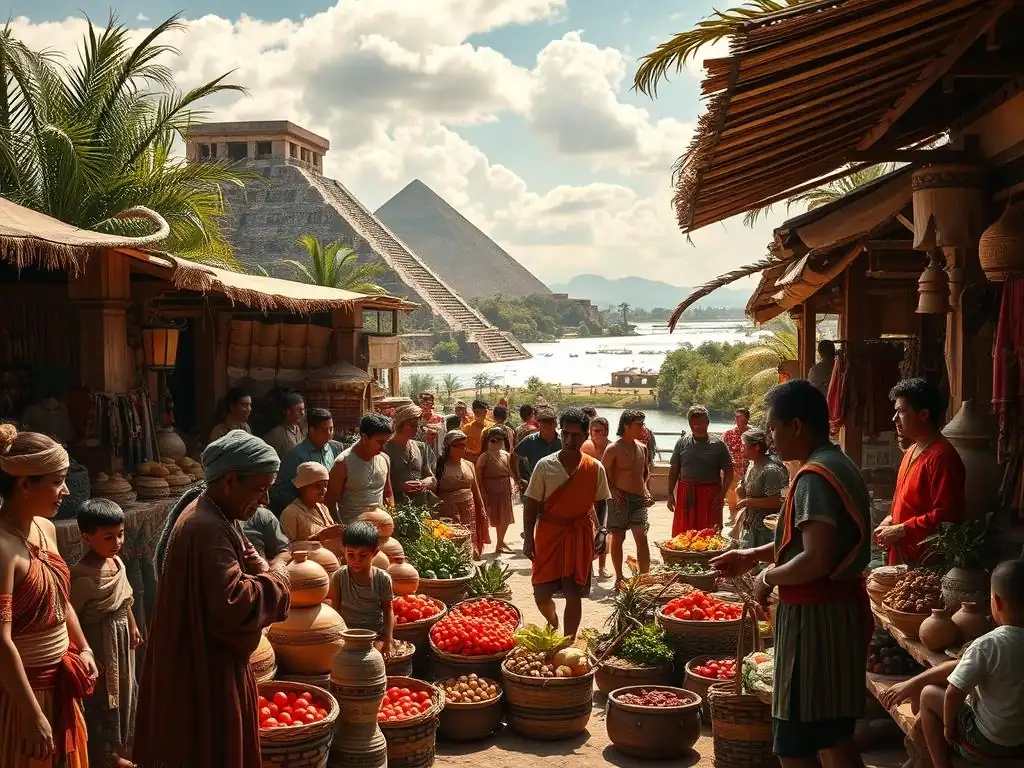
The Aztec marketplace was not merely a hub for trade; it was a vital element of the entire Aztec economy and society. Merchants, known as pochteca, played a crucial role in this intricate system of exchange, contributing not only to commerce but also to cultural and social interactions across the vast Aztec Empire. Understanding the various types of merchants, their social standing, and the involvement of women in trade provides a clearer picture of the significance of Aztec trade and commerce history.
Types of Merchants and Their Functions
The Aztec merchant class was diverse, comprising different types of merchants, each with specific roles and functions. Here are the primary categories:
- Pochteca:
- Professional long-distance traders who traveled far beyond the empire's borders.
- Engaged in the exchange of luxury goods, such as cacao, textiles, and precious stones.
- Acted as diplomats and intelligence agents, gathering information about foreign lands and cultures.
- Tlāltikpak:
- Local merchants who conducted trade within Tenochtitlan and surrounding regions.
- Focused on everyday goods, including food, pottery, and textiles.
- Participated in local markets and were essential in ensuring the availability of necessities for the populace.
- Specialty Merchants:
- Traders who specialized in specific goods or crafts, such as artisans selling handmade items.
- Had in-depth knowledge of their products and often served as intermediaries between producers and consumers.
The functions of these merchants extended beyond simple trade; they were integral to the economic infrastructure of Aztec society. Their activities facilitated the flow of goods, information, and cultural exchanges, shaping the social landscape of the empire.
Merchants in Aztec society held a unique position that combined both prestige and risk. The social status of a merchant largely depended on the type of goods they traded and their success in commerce.
- Prestige: Successful pochteca were often respected and could achieve high social standing. They might even gain access to the nobility, as wealth could translate into political power and influence.
- Risk: However, trading was fraught with dangers, including the threat of banditry during long journeys. Merchants had to be resourceful and strategic, often forming alliances for protection and support.
The Aztecs also placed a high value on commerce, viewing it as a necessary component of their civilization. As a result, the influence of merchants extended into various societal aspects, including politics and religion. Some merchants were known to finance temple projects or sponsor religious ceremonies, further solidifying their standing within the community.
The Role of Women in Aztec Commerce
In the patriarchal society of the Aztecs, women nonetheless played a significant role in trade and commerce, particularly in local markets. Their involvement was multifaceted and essential for the functioning of the economy.
- Market Participation:
- Women were often responsible for selling food, textiles, and household goods at local markets. This allowed them to contribute economically to their families and communities.
- Many women ran family businesses, managing sales and production, which was a vital aspect of sustaining household livelihoods.
- Specialized Crafts:
- Women also engaged in crafting specialized products, such as pottery and textiles. Their skills in these areas were highly valued in the marketplace, allowing them to establish their own economic identities.
- Influence on Trade Practices:
- Some women acted as intermediaries in trade, negotiating prices and terms. Their roles helped to enhance the fluidity of commerce within their communities.
By recognizing the contributions of women in Aztec commerce, we gain a more comprehensive understanding of the social dynamics at play within Tenochtitlan's bustling marketplaces. Their participation underscores the complexity of Aztec trade and commerce history and the interconnectedness of gender roles within economic systems.
The intricate web of merchants, social status, and women's roles in Aztec trade illustrates the sophistication of the Aztec economy and its cultural implications, contributing to our understanding of the vibrant commerce that thrived in Tenochtitlan before European contact.
Economic Practices and Currency
Overview of Aztec Currency and Barter System
The economic framework of the Aztec civilization was a complex interplay of trade, barter, and the use of currency that facilitated commerce across the vast expanse of Tenochtitlan and beyond. At the heart of this system was a dual approach to economic transactions, blending traditional barter methods with the use of standardized currency.
- Barter System: The primary method of trade among Aztecs was barter, where goods and services were exchanged directly. Common items traded included textiles, food, pottery, and tools. The value of these goods was often negotiated based on quality, availability, and demand.
- Standardized Currency: To streamline trade and provide a measure of value, the Aztecs developed a form of currency. This currency was not only essential for larger transactions but also for trade with merchants from other regions.
Key Features of Aztec Currency:
- Cotton Cloth: Known as tlacua, cotton cloth was one of the most important currencies. It was used not only for trade but also as a status symbol among the elite.
- Gold and Silver: While not commonly used for everyday transactions, gold and silver were valuable and often used for significant exchanges, such as in tribute or large-scale trade.
- Cacao Beans: These served as a secondary form of currency, particularly valued for their role in the production of chocolate, an elite beverage.
Use of Cacao Beans and Other Forms of Currency
Cacao beans held a unique place in Aztec trade and commerce history, serving not only as a delicacy but also as a fundamental unit of currency. The Aztecs cultivated cacao extensively, and its significance extended beyond mere consumption.
- Cacao as Currency: The Aztecs utilized cacao beans in trade, allowing merchants to buy goods and services. A specific quantity of beans could purchase various items, making them a practical currency. For example:
- 1 Cacao Bean: Could buy a tamale or other small food items.
- 10 Cacao Beans: Could purchase a turkey or a larger meal.
- Other Noteworthy Forms of Currency:
- Tobacco: Used in some regions as a form of trade, particularly among elite classes.
- Quetzal Feathers: Highly prized for their beauty, these feathers were often used as a means of exchange, especially in luxury goods trade.
The use of cacao and other alternative currencies not only facilitated commerce but also reflected the cultural values of the Aztecs, where certain goods held symbolic significance.
Economic Regulations and Trade Practices
The Aztec economy was underpinned by a series of regulations and trade practices that ensured stability and fairness within the marketplace. These regulations were established by the ruling class and enforced by the state, emphasizing the importance of trade in Aztec society.
- Market Structure: The main market, Tlatelolco, was a bustling center of trade where merchants sold goods ranging from everyday necessities to luxury items. The market was organized and regulated by officials to prevent fraud and maintain order.
- Tribute System: The Aztecs implemented a tribute system, where conquered regions were required to provide goods, which were then redistributed within the empire. This system bolstered the economy by ensuring a steady supply of resources.
- Merchant Classes: A distinct class of merchants known as pochteca emerged, who specialized in long-distance trade. These merchants operated under specific laws and protections, allowing them to conduct trade safely and profitably. They were also responsible for disseminating information about trade opportunities and routes.
- Regulations on Pricing: The Aztec government established regulations on pricing to prevent exploitation. Prices of goods were often fixed, and merchants who violated these regulations faced penalties.
The economic practices and regulations of the Aztecs played a pivotal role in shaping their trade and commerce history, reflecting a sophisticated understanding of market dynamics that enabled Tenochtitlan to thrive as a powerful center of commerce in Mesoamerica.
Cultural Impact of Trade in Tenochtitlan
Influence of Trade on Aztec Culture and Society
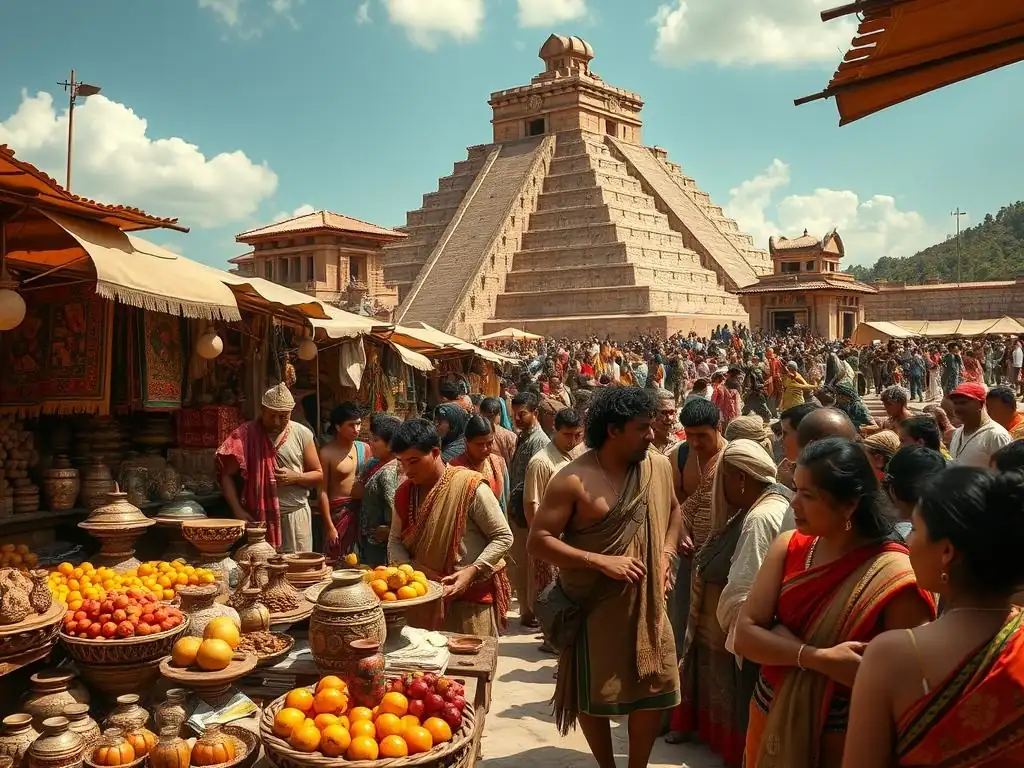
The bustling marketplace of Tenochtitlan was not merely a center for economic exchange; it was a vibrant hub that significantly influenced Aztec culture and society. The Aztec trade and commerce history is deeply intertwined with social organization, religious practices, and community dynamics.
Trade networks enabled the Aztecs to acquire goods from distant regions, which in turn influenced their daily lives and social hierarchies. For instance, luxury items such as feathers, gold, and jade were not just commodities but symbols of status and power. The elite classes often controlled these goods, reinforcing social stratification. The accumulation of wealth through trade also allowed for the establishment of powerful merchant classes, known as the Pochteca, who played a crucial role in both economic and political spheres.
Moreover, trade fostered cultural exchanges between various Mesoamerican civilizations, leading to the introduction of new agricultural practices, technologies, and artistic styles. This interchange enriched the Aztec way of life and contributed to a shared cultural identity that transcended regional boundaries.
Festivals and Events Centered Around Trade
The Aztecs celebrated several festivals that highlighted the importance of trade in their society. These events served not only as religious observances but also as opportunities for merchants to display their goods and engage in commerce with both local and visiting traders.
One notable festival was the Tlacaxipehualiztli, dedicated to the god Xipe Totec. During this festival, traders would showcase their finest wares, and rituals involving the exchange of goods were performed. Such gatherings facilitated not only the buying and selling of items but also strengthened community ties and reinforced the cultural significance of trade.
Additionally, the Tlatelolco market, one of the largest in the Aztec Empire, was a focal point for these festivals. Traders from various regions would converge here, creating a vibrant atmosphere filled with music, food, and cultural performances. This not only stimulated economic activity but also allowed for the sharing of stories and traditions, enriching the cultural fabric of the Aztec society.
The Exchange of Ideas and Cultural Practices
Trade in Tenochtitlan was instrumental in the exchange of ideas and cultural practices among the diverse peoples of Mesoamerica. As merchants traveled to different regions, they brought back not only goods but also knowledge and innovations that would shape Aztec society.
For example, agricultural techniques from the Oaxaca region, such as the cultivation of maize and beans, were disseminated through trade. These practices enhanced agricultural productivity, which was crucial for sustaining the growing population of Tenochtitlan. Furthermore, the introduction of new crops contributed to a more diverse diet, impacting health and nutrition.
The marketplace also served as a melting pot for artistic influences. As artisans sold their crafts, they exchanged techniques and styles, leading to a distinctive Aztec art form that integrated elements from various cultures. This exchange fostered creativity and innovation, resulting in remarkable achievements in pottery, sculpture, and textile production.
The marketplace of Tenochtitlan was a dynamic center that played a pivotal role in shaping the cultural landscape of the Aztec civilization. Through trade, the Aztecs not only facilitated economic prosperity but also enriched their cultural identity, making their society one of the most fascinating in history.
Challenges and Changes in Aztec Trade
The Aztec economy, characterized by its sophisticated trade networks and vibrant marketplaces, faced significant challenges and changes, particularly following European contact. These shifts not only altered the dynamics of commerce in Tenochtitlan but also reshaped the cultural and economic landscape of the region.
Impact of European Contact on Aztec Commerce
The arrival of Spanish conquistadors in the early 16th century marked a pivotal moment in the history of Aztec trade and commerce. The Spanish colonization brought about drastic changes that disrupted established trading systems.
- Disruption of Trade Routes: The Spanish conquest led to the dismantling of indigenous trade routes. Traditional pathways that connected various regions for the exchange of goods became perilous as violence and instability increased. This disruption was particularly significant for the flow of essential goods, including food, textiles, and precious metals.
- Introduction of European Goods: The Spaniards introduced new commodities such as horses, wheat, and sugarcane. While these items offered opportunities for adaptation, they also challenged the existing agricultural practices and trade dynamics of the Aztecs. The influx of European products altered consumption patterns and shifted the focus of trade.
- Decline of Indigenous Markets: The once-thriving marketplaces of Tenochtitlan experienced a decline as Spanish authorities imposed new economic regulations. The imposition of taxes and the establishment of monopolies on certain goods hindered the traditional practices of trade. Many indigenous merchants faced difficulties in competing with Spanish traders who had access to more resources and capital.
Adaptations in Trade Practices Post-Conquest
In the aftermath of the conquest, the Aztecs and other indigenous groups were compelled to adapt their trade practices to survive in a rapidly changing environment.
- Diversification of Goods: Indigenous traders began to diversify their offerings, incorporating European goods into their inventories. This adaptation allowed them to maintain relevance in the marketplace and cater to the new demands of the colonizers.
- Establishment of New Trade Alliances: Some indigenous groups sought to form alliances with the Spanish to regain a foothold in trade. These alliances often involved a delicate balance of power, where indigenous merchants exchanged goods for protection or favorable trading terms, though they frequently remained at the mercy of colonial authorities.
- Cultural Resilience: Despite the challenges, many indigenous communities retained their cultural practices related to trade. Traditional barter systems persisted in various forms, showcasing the resilience of indigenous economic practices amidst colonial pressures.
The Legacy of Aztec Trade in Modern Context
The legacy of Aztec trade and commerce continues to resonate in modern Mexico and beyond, reflecting the enduring influence of indigenous practices.
- Cultural Continuity: Modern marketplaces in Mexico, such as those found in Oaxaca and Chiapas, echo the vibrant trading traditions of the Aztecs, featuring local crafts, foods, and textiles. This continuity highlights the cultural resilience of indigenous peoples and their ability to adapt while preserving their heritage.
- Economic Significance: The historical foundations laid by the Aztec trade networks have influenced contemporary economic practices. The integration of indigenous knowledge systems into modern agricultural practices and local economies is increasingly recognized, fostering sustainable development and cultural pride.
- Tourism and Education: The rich history of Aztec trade has become an area of interest for tourism and education. Museums, cultural events, and heritage sites centered around Aztec commerce attract visitors, allowing for a deeper understanding of indigenous contributions to civilization.
The challenges and changes in Aztec trade reveal a complex narrative of resilience and adaptation. The impact of European contact reshaped commerce, leading to significant adaptations in trade practices while laying the groundwork for a lasting legacy that continues to influence Mexican culture and economy today.
Conclusion: The Lasting Impact of Aztec Trade and Commerce History
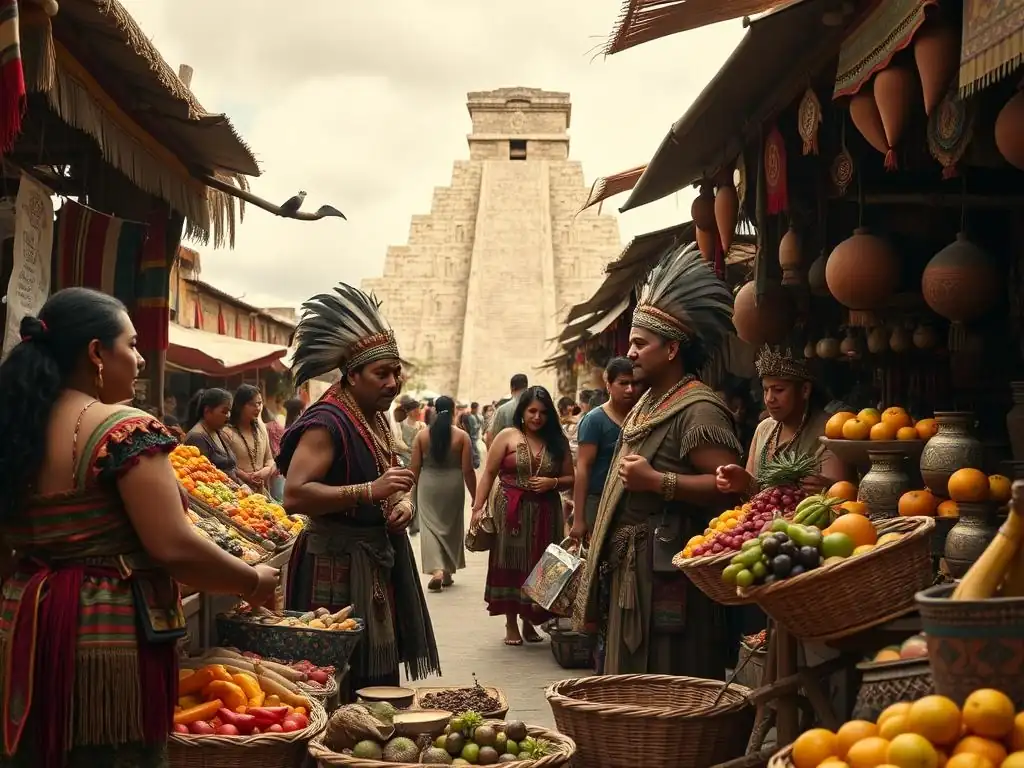
The legacy of Aztec trade and commerce remains a significant aspect of understanding not only the economic systems of the Aztec civilization but also their cultural and societal structures. The sophisticated marketplace of Tenochtitlan was not merely a hub for economic transactions; it was a vibrant center of social interaction, cultural exchange, and innovation. The intricate trade networks established by the Aztecs allowed for the movement of goods, ideas, and cultural practices across vast distances, influencing subsequent societies in the region.
Summary of Key Insights into Aztec Marketplace Dynamics
The Aztec marketplace was characterized by its complexity and organization, reflecting a well-developed economic system. Key insights include:
- Diverse Goods and Specialization: The marketplace featured a wide array of goods, from agricultural products like maize and beans to luxury items such as cacao and feathers. This diversity highlights the specialization within Aztec society, where different regions contributed unique products based on local resources.
- Role of Currency: While barter was common, the Aztecs also employed cacao beans and cotton cloaks as forms of currency. This innovation facilitated trade and allowed for a more efficient exchange of goods.
- Cultural Significance: Markets served as cultural hubs where people not only traded but also engaged in social and religious practices. Festivals and rituals often coincided with market days, reinforcing the interconnectedness of commerce and culture.
- Impact of Trade Routes: The extensive trade routes established by the Aztecs linked them to neighboring civilizations, fostering relationships and exchanges that were critical for their economic prosperity. These routes enabled the flow of goods like obsidian, textiles, and pottery, which were essential for both local use and trade.
- Market Regulation: The Aztec government played a significant role in regulating market activities, ensuring fairness and order. Merchants were required to adhere to specific guidelines, including price controls on essential goods, which helped stabilize the economy and prevent exploitation.
Reflection on the Importance of Understanding Aztec Economic Systems
Understanding Aztec trade and commerce history is crucial for several reasons:
- Cultural Heritage: Recognizing the economic achievements of the Aztecs contributes to a broader appreciation of Indigenous cultures and their sophisticated systems long before European contact. It challenges stereotypes that may underestimate the complexity of pre-Columbian societies.
- Lessons for Modern Economies: The Aztec economic model offers valuable insights into sustainable practices and community-oriented trade. Their methods of resource management and market regulation can inform contemporary discussions on economic sustainability and social equity.
- Interconnectedness of Societies: The Aztec marketplace exemplifies how trade transcends mere economic transactions, fostering cultural exchange and social cohesion. Understanding these dynamics can enhance our comprehension of historical and modern globalization.
- Preservation of Knowledge: By studying the Aztec economic systems, we preserve the knowledge and contributions of Indigenous peoples, ensuring that their histories are recognized and respected within the broader narrative of human civilization.
The exploration of Aztec trade and commerce history reveals a rich tapestry of economic ingenuity, cultural significance, and societal impact. This understanding not only honors the legacy of the Aztecs but also enriches our perspective on Indigenous civilizations as a whole.
References and Further Reading on Aztec Trade and Commerce History
The Aztec civilization, known for its rich cultural heritage and complex economy, has been the subject of extensive research. This section highlights key references and further reading materials that provide deeper insights into Aztec trade and commerce history.
Suggested Books and Articles on Aztec Economy
-
"The Aztecs: A Very Short Introduction" by David Carrasco
This concise book offers a broad overview of Aztec civilization, including an in-depth analysis of their economic systems and trade practices. Carrasco's work provides context for understanding the significance of trade in Tenochtitlan.
-
"Aztec Society: A Study of the Institutional Framework" by Charles D. Tatum
Tatum's research delves into the social and economic structures of the Aztec society, emphasizing the role of marketplaces and trade networks in sustaining their economy.
-
"Trade and Exchange in the Aztec Empire" by John P. Schmal
This article discusses the various forms of trade, including barter systems and the use of cacao as currency, illustrating how trade shaped the economic landscape of the Aztec Empire.
-
"The Gift of the Mexica: Trade and Society in the Valley of Mexico" by Michael E. Smith
Smith provides a comprehensive examination of the economic relationships among various Mesoamerican cultures, including the Aztecs, highlighting the importance of trade in cultural exchanges.
-
"The Aztec Economy: A Study of Trade, Tribute, and Taxation" by A. G. P. M. de la Fuente
This thorough analysis focuses on how tribute and taxation influenced the Aztec economy, offering valuable insights into the mechanisms behind their trade practices.
Online Resources for Exploring Aztec Commerce
-
The Metropolitan Museum of Art: Aztec Empire
This online resource offers a wealth of information on the art and artifacts of the Aztec Empire, including insights into their trade practices and economic systems. The site features detailed descriptions of trade goods and their cultural significance.
-
The British Museum: Aztec Civilization
The British Museum's online collection provides access to various artifacts from the Aztec civilization, along with articles and videos that explain the role of commerce and trade in their society.
-
The Smithsonian National Museum of the American Indian: Aztec Trade Networks
This resource explores the extensive trade networks established by the Aztecs, detailing the goods exchanged and the impact of these interactions on their economy and society.
-
Khan Academy: The Aztec Empire
Khan Academy offers educational content that covers the economic aspects of the Aztec Empire, including videos and articles that describe their trade practices in an accessible format.
-
"Aztec Economy" - Ancient History Encyclopedia
This online article provides a succinct overview of the Aztec economy, including trade, tribute, and the marketplace's role in Tenochtitlan. It serves as a great starting point for further exploration of the topic.
These resources will enrich your understanding of the intricate dynamics of Aztec trade and commerce, revealing how these practices were integral to the civilization's prosperity and cultural exchange.
Frequently Asked Questions
What was the significance of the Aztec marketplace?
The Aztec marketplace was a central hub for trade and commerce, facilitating economic activities and cultural exchange among various indigenous groups and communities.
How did the Aztecs conduct trade?
The Aztecs utilized a combination of barter and currency systems, employing cacao beans and cotton cloth as forms of money to facilitate transactions in their bustling markets.
What goods were commonly traded in Tenochtitlan?
Commonly traded goods included agricultural products, textiles, pottery, and precious metals, which showcased the diverse economy of the Aztec civilization.
Who participated in Aztec trade?
A wide range of participants, including merchants, farmers, and artisans, engaged in trade, with professional merchants known as pochteca playing a significant role in long-distance commerce.
How did Aztec trade influence their society?
The robust trade networks not only boosted the economy but also enhanced social structure, promoted cultural exchange, and contributed to the political power of the Aztec Empire.
Final Reflection: The Enduring Legacy of Aztec Trade and Commerce
The intricate web of trade and commerce in Tenochtitlan not only shaped the economic landscape of the Aztec Empire but also laid the groundwork for understanding the complexities of modern trade systems. Today, as we navigate a global economy that echoes the interconnectedness of ancient marketplaces, we must recognize the profound influence of Aztec trade practices on contemporary commerce. The vibrant exchanges that took place in Tenochtitlan serve as a reminder that trade is not merely a transaction but a dynamic interaction that fosters cultural exchange and economic growth.
The legacy of Aztec trade and commerce continues to resonate in our cultural and social fabric, influencing how we perceive value and community in economic exchanges. The bustling marketplaces of Tenochtitlan were not just centers of commerce; they were vibrant hubs of social interaction and cultural exchange.
As historian Charles C. Mann eloquently stated, "> The Aztecs understood that trade was a means of building relationships, not just wealth." This perspective invites us to reflect on our current economic practices and the importance of fostering connections in our own communities, reminding us that commerce can be a powerful tool for unity and collaboration.
As we conclude our exploration of Aztec trade and commerce, I invite you to reflect on how the lessons from Tenochtitlan can be applied to your own life. Consider how you engage with your community and the ways in which you can foster meaningful connections through trade, whether it be through supporting local businesses or participating in cultural exchanges. Let the spirit of the Aztec marketplace inspire you to create a more interconnected and vibrant community, where commerce serves as a bridge to understanding and cooperation.
Discover the Riches of Ancient Trade: Take Action!
Thank you for exploring the fascinating world of the Aztec marketplace with us! Your journey through Tenochtitlan has not only revealed the intricacies of trade and commerce but also highlighted the vibrant life of its people. Now, it’s time to channel that inspiration into action!
Here are a few ways you can deepen your understanding and appreciation for this rich history:
- Dive deeper: Visit a local museum or explore online archives that showcase artifacts from the Aztec civilization. This firsthand experience can provide you with a broader perspective on their trading practices.
- Share your knowledge: Engage in conversations about the significance of the Aztec marketplace with friends or through social media platforms. This not only raises awareness but also ignites interest in Indigenous cultures.
- Engage with the community: Participate in forums or book clubs that focus on Indigenous history and cultures. Connecting with like-minded individuals can significantly enhance your understanding and appreciation of these vibrant civilizations.
What aspect of the Aztec marketplace intrigues you the most, and how will you share your findings with others? We’d love to hear your thoughts!