
The Aztec Response: Resistance and Adaptation to European Encroachment
The Aztec resistance to European colonization showcased their resilience and adaptability. As foreign powers threatened their way of life, the Aztecs employed…
Read article
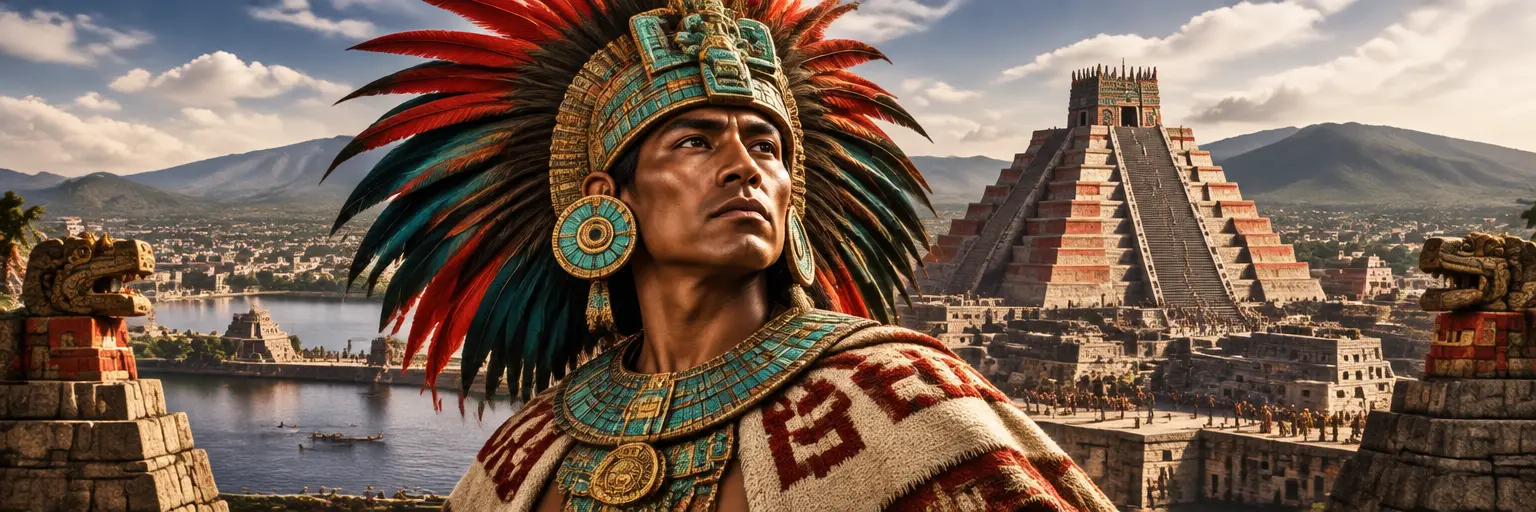
Discover the awe-inspiring world of the Aztec Civilization, a powerful Mesoamerican empire that flourished in central Mexico from the 14th to the 16th centuries. Renowned for their monumental architecture, intricate religious mythology, and advanced scientific achievements, the Aztecs built a complex society of grand cities, vibrant art, and sophisticated agricultural systems. From the majestic temples of Tenochtitlan to their profound understanding of astronomy and calendar systems, this civilization left an indelible mark on history. Explore their political structure, the richness of their culture and art, and the dramatic narrative of European contact and conquest that reshaped the Americas. Uncover how their legacy endures in modern times, offering deep insights into human ingenuity, resilience, and the enduring spirit of indigenous peoples. 🌋🏛️🌽
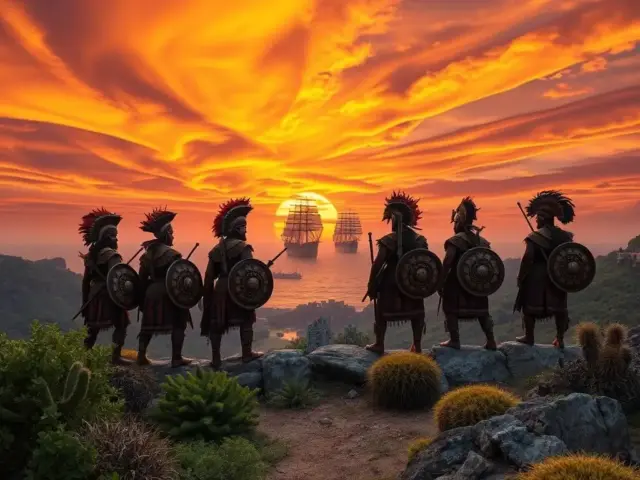
The Aztec resistance to European colonization showcased their resilience and adaptability. As foreign powers threatened their way of life, the Aztecs employed…
Read article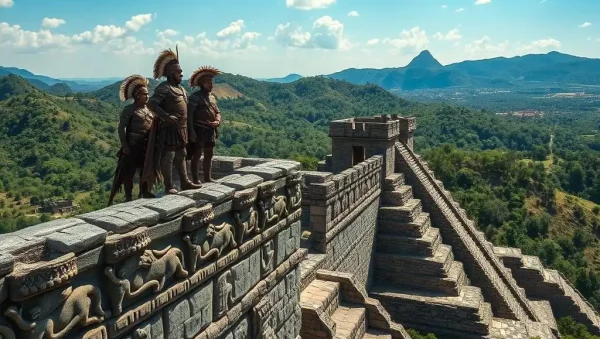
The Aztec Empire defensive structures, including formidable walls and strategic fortifications, were essential in protecting their thriving civilization from invaders. These impressive…
Read article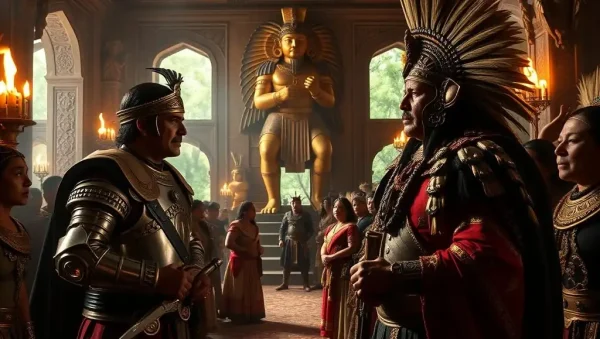
Exploring the Cortés-Moctezuma cultural clash reveals the profound differences in leadership styles and values that shaped their encounter, highlighting the rich tapestry…
Read article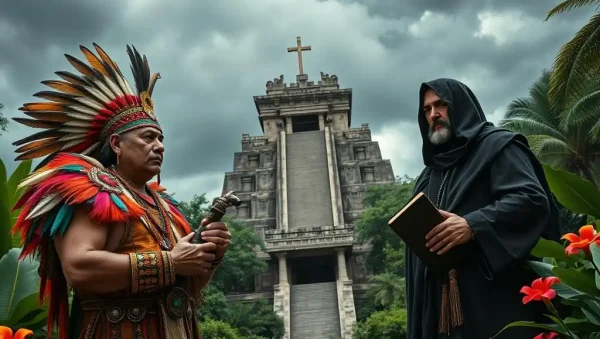
🌍 The clash between Aztec spirituality and European beliefs during colonization revealed profound cultural tensions. This article delves into how these differing…
Read article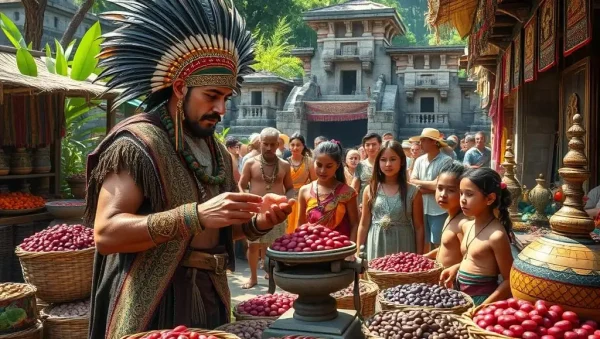
Cacao in the Aztec economy was more than just a valuable currency; it symbolized status, facilitated trade, and played a vital role…
Read article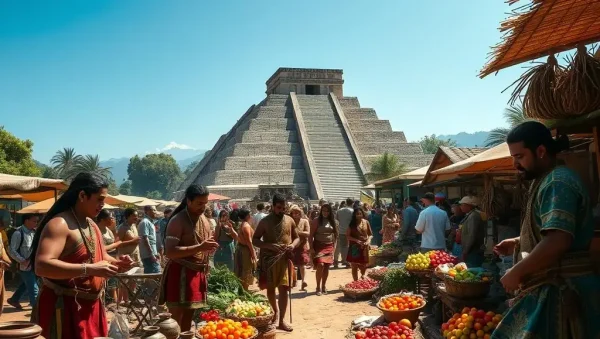
The Aztec economic management strategies showcased remarkable adaptability, enabling them to navigate scarcity and surplus. By employing innovative agricultural techniques and intricate…
Read article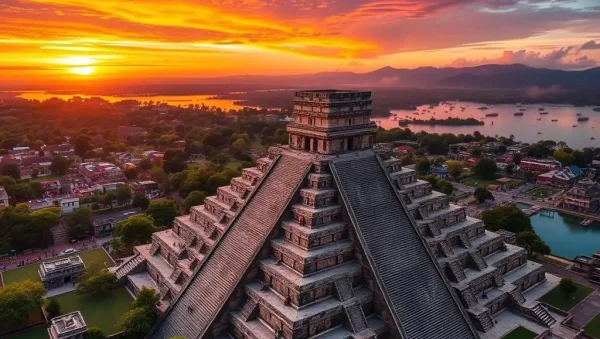
The Aztec civilization's spiritual beliefs were deeply intertwined with nature and the cosmos, shaping their rituals, art, and society. Understanding these myths…
Read article
The European conquest dramatically altered the landscape of indigenous cultures, forever transforming the Americas. By examining their rich achievements and resilient societies,…
Read article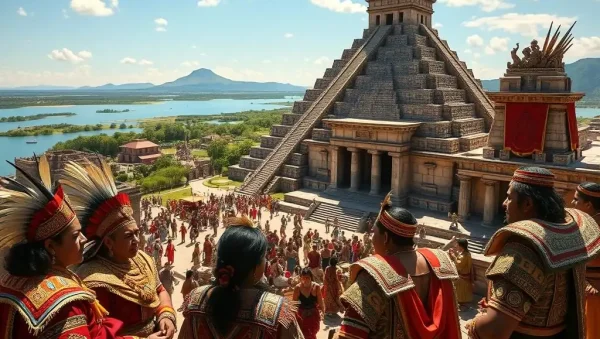
The Aztec Empire's political structure was a complex web of alliances, tribute systems, and hierarchical governance that enabled this remarkable civilization to…
Read article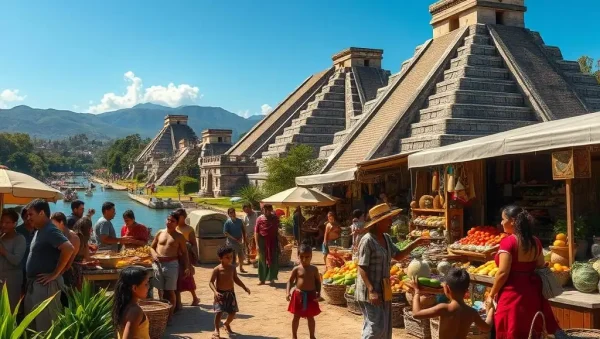
The intricate network of Aztec trade significantly shaped their society, facilitating economic growth, cultural exchange, and the development of power dynamics. Understanding…
Read article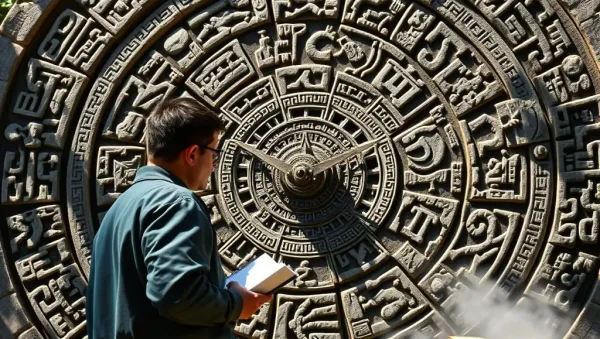
🌞 The Aztec calendar, renowned for its scientific precision in timekeeping, reflects the civilization's sophisticated understanding of celestial cycles and agricultural rhythms.…
Read article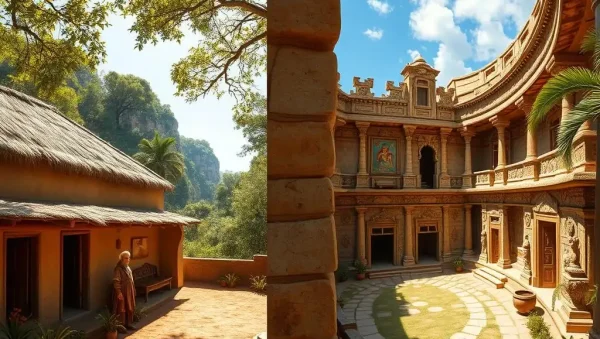
Discover the fascinating Aztec residential architecture differences between commoners and nobility. This article delves into the unique designs, materials, and spatial arrangements…
Read articleDiscover the magnificent world of the Aztec Empire, a Mesoamerican civilization renowned for its complex society, awe-inspiring temples, and profound cultural contributions. This page serves as your gateway to understanding the Mexica people, from their mythical origins to their tragic encounter with Spanish conquistadors. Explore their agricultural innovations, political hierarchies, religious cosmology, and scientific achievements that continue to shape modern Mexican identity and global historical scholarship.
The arrival of Hernán Cortés in 1519 marked a cataclysmic turning point for the Aztec world. This subcategory explores the diplomatic alliances, military confrontations, and devastating disease epidemics that led to the fall of Tenochtitlan in 1521. Readers will learn about the role of indigenous translators like La Malinche, the siege of the capital, and how Spanish colonialism systematically dismantled Aztec political and religious structures while reshaping the region's demographics and culture.
Step into the grid-planned majesty of Tenochtitlan, a city of canals, causeways, and towering pyramids that astonished European visitors. This section highlights the Templo Mayor, ball courts, and palace complexes, emphasizing the use of volcanic stone, lime plaster, and symbolic orientation. Understand how urban design reflected cosmological beliefs, with sacred precincts aligned to celestial events, and how chinampas (floating gardens) integrated agriculture into the cityscape, supporting a population of over 200,000.
The Aztec pantheon pulsed with life, featuring deities like Huitzilopochtli (god of sun and war), Quetzalcoatl (feathered serpent), and Tlaloc (rain god). This subcategory explores creation myths, the Five Suns cosmology, and the ritual calendar of 260 and 365 days. Readers will grasp the central role of human sacrifice as a cosmic obligation to sustain the sun, alongside practices of fasting, pilgrimage, and ceremonial feasting that wove religion into every fabric of daily life.
At the apex stood the tlatoani (emperor), advised by a council of nobles, priests, and military leaders. This section details the Triple Alliance between Tenochtitlan, Texcoco, and Tlacopan, which created a tributary empire stretching from the Gulf to the Pacific. Explore the calpulli (district-based clans) that managed land, education, and tribute collection, and how legal codes and class stratification—from pipiltin (nobles) to macehualtin (commoners)—maintained order and social mobility through merit in warfare.
Aztec prosperity rested on chinampas, terracing, and irrigation systems that yielded maize, beans, squash, and amaranth. This subcategory examines the tribute system that funneled goods from conquered provinces to the capital, fueling a vibrant market economy at Tlatelolco, with cacao beans as currency. Trade networks extended to the Maya lowlands and beyond, exchanging feathers, gold, obsidian, and textiles, while surplus storage ensured food security and supported a specialized artisan and priestly class.
From feathered headdresses to turquoise mosaics, Aztec artistry dazzled and communicated power. This section covers codices (pictorial books), stone sculpture like the Sun Stone, and ceramic traditions with intricate polychrome designs. Music, dance, and poetry—such as the works of Nezahualcoyotl—flourished in royal courts. Calmecac (elite schools) taught rhetoric, history, and calendar science, while telpochcalli trained commoners in martial arts, showing how cultural production reinforced societal ideals and ancestral memory.
The Aztecs called themselves Mexica, migrating from Aztlán (place of herons) in the 12th century. This subcategory traces their journey to Lake Texcoco, where an eagle perched on a nopal cactus signaled their destined capital. It covers the rise from mercenary vassals to imperial rulers, key reigns like Itzcoatl and Moctezuma II, and the reconstruction of history through annals and archaeological evidence. Understand how myth and fact interweave, and how modern excavations at the Templo Mayor continue to rewrite our understanding.
Aztec scholars excelled in astronomy, creating precise calendars and observing planetary cycles with naked-eye accuracy. This section explores their herbal medicine, including the Florentine Codex's catalog of healing plants, and advanced surgery techniques like cranial trepanation. Mathematics relied on a vigesimal (base-20) system, used in tribute records and architectural calculations. Engineering marvels included aqueducts, dikes, and polder-like land reclamation, demonstrating a sophisticated grasp of hydraulics and sustainable urban ecology.
Tenochtitlan, founded in 1325 on an island in Lake Texcoco, grew into a metropolis of 200,000–300,000 people. It featured grand plazas, temples, markets, and a network of canals. After the Spanish conquest, its ruins became the base for modern Mexico City, with the Templo Mayor excavated in the 20th century.
Cacao was cultivated by earlier Mesoamerican cultures, but the Aztecs refined its use as a bitter, spiced drink called xocolatl, reserved for nobles and warriors. They also used cacao beans as currency. The Spanish added sugar and introduced it to Europe, transforming it into the sweet chocolate we know today.
Sacrifice was a religious duty to nourish the sun and maintain cosmic order. Most victims were prisoners of war, though volunteers and children in special ceremonies were also offered. Rituals occurred atop temples, involving heart extraction, decapitation, or arrow sacrifice. Estimates vary widely, but archaeological evidence confirms thousands of skulls at the Templo Mayor.
Spanish colonization destroyed many temples and codices but did not erase indigenous identity. Nahuatl language persists, along with culinary, textile, and agricultural traditions. Modern Mexican culture blends Aztec heritage with Spanish influences, and Indigenous communities continue to honor ancient customs, festivals, and healing practices.
No, they are distinct cultures. The Maya flourished earlier (200 BC–AD 900) in Yucatán and Central America, with a writing system and astronomical precision. The Aztecs rose later (AD 1300–1521) in central Mexico. They shared some traits—like pyramid building and a 260-day calendar—but had different languages, political structures, and regional influences.