
The Role of Cacao: Currency and Culture in the Aztec Economy

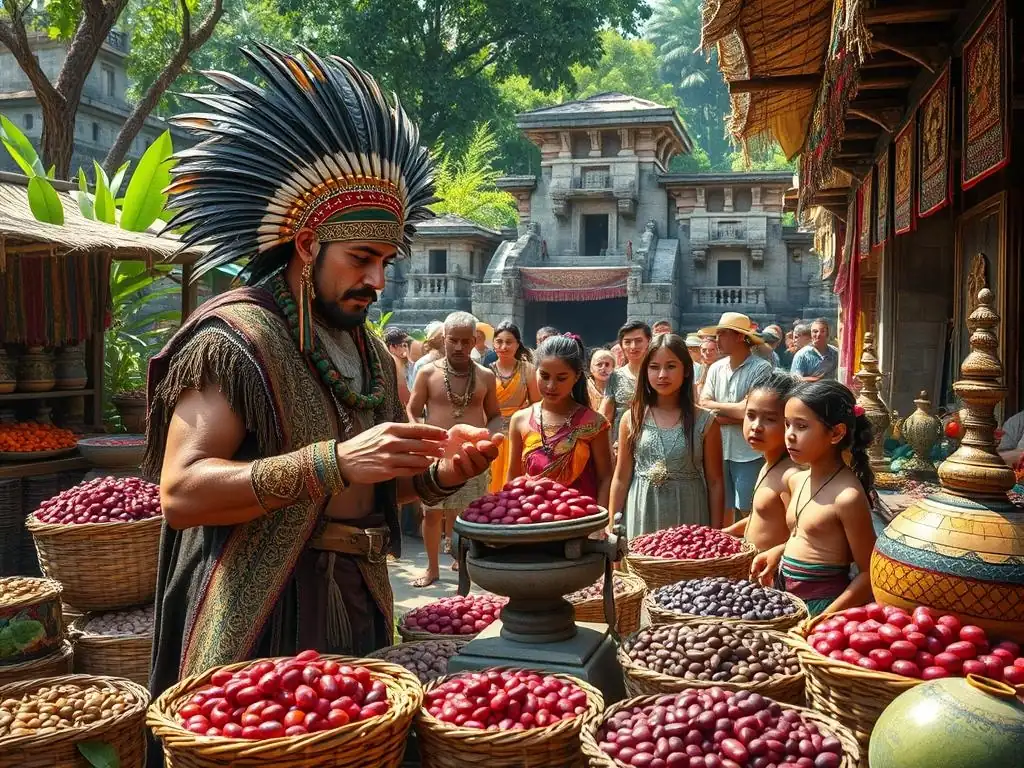
Welcome to Indigenous Civilizations of the Americas, where we invite you to embark on a journey through the rich tapestry of indigenous cultures that flourished across the continents long before European contact. Our featured article, "The Role of Cacao: Currency and Culture in the Aztec Economy," delves into the fascinating world of cacao, revealing how this prized commodity shaped not only the economic landscape of the Aztecs but also their cultural practices and social interactions.
Prepare to uncover the sweet intricacies of an ancient civilization and discover how cacao was more than just a treat—it was a vital thread in the fabric of Aztec life. Dive in and let your curiosity lead the way!
-
The Role of Cacao in Aztec Economy: Currency and Culture
- Introduction to Cacao in Aztec Economy
- Historical Context of Cacao Usage
- Cacao as Currency in the Aztec Economy
- Cultural Importance of Cacao in Aztec Society
- Trade and Cacao: Economic Implications
- Challenges and Changes in Cacao Production
- Conclusion: The Enduring Legacy of Cacao in Aztec Economy
- Further Reading and Resources on Cacao and Aztec Civilization
- Frequently Asked Questions
- Final Reflection: The Enduring Legacy of Cacao in the Aztec Economy
- 🥄 Unveil the Rich Legacy of Cacao in Aztec Culture!
The Role of Cacao in Aztec Economy: Currency and Culture
Introduction to Cacao in Aztec Economy
Cacao, often celebrated today as the foundation of chocolate, held a far more profound significance in the ancient Mesoamerican world, particularly within the Aztec civilization. This multifaceted crop was not only a vital agricultural product but also served as a cornerstone of economic transactions, cultural practices, and social hierarchies.
The Aztecs, who flourished in what is now Mexico from the 14th to the 16th centuries, integrated cacao into their daily lives and ceremonial observances, illustrating its importance beyond mere sustenance. This article delves into the role of cacao in the Aztec economy, examining its journey from a treasured commodity to a widely accepted form of currency, and exploring how it shaped the cultural fabric of Aztec society.
Overview of Cacao's Significance in Mesoamerica
Cacao was revered in Mesoamerican cultures long before the rise of the Aztecs, with evidence of its use dating back to the Olmec civilization, around 1500 BCE. The beans of the cacao tree were not only consumed as a bitter beverage but were also utilized in rituals, showcasing their sacred status. As the cultivation of cacao spread throughout Mesoamerica, it became a symbol of wealth and power, often associated with nobility and deities.
In the Aztec Empire, cacao beans were so valuable that they were used as a form of currency, facilitating trade and commerce across vast distances. This unique role in the economy underscores the deep cultural connections the Aztecs had with cacao, influencing social structures and economic interactions.
Introduction to the Aztec Civilization and Its Economic Framework
The Aztec civilization, known for its advanced societal organization and impressive architectural achievements, established a complex economic framework that included agriculture, trade, and tribute systems. The economy was predominantly agrarian, relying on the cultivation of staple crops like maize, beans, and squash, alongside luxury items such as cacao.
Cacao's integration into the economy was multifaceted, functioning not only as a trade good but also as a means to settle debts and pay tributes to the ruling elite. The Aztec markets buzzed with activity, where merchants exchanged cacao alongside other goods, highlighting its central role in both economic and cultural exchanges.
Historical Context of Cacao Usage
Origins of Cacao in Ancient Mesoamerican Societies
The history of cacao usage can be traced back to early Mesoamerican societies, where it was initially consumed in ceremonial contexts. The Olmecs are believed to be the first to cultivate cacao, setting the stage for subsequent civilizations, including the Maya and Aztecs, to elevate its status. Cacao's introduction into these societies coincided with the development of complex social structures, where its consumption became a privilege of the elite.
As cacao traveled through trade routes, it began to take on additional roles, serving as a medium of exchange and a representation of wealth. The intricate relationships between cacao, culture, and economy in these societies laid the groundwork for its pivotal role in the Aztec civilization.
The Transition of Cacao from a Commodity to Currency
The transformation of cacao from a mere agricultural product to a widely accepted form of currency in the Aztec economy is a remarkable aspect of its historical significance. Initially, cacao was traded as a valuable commodity, prized for its flavor and energizing properties. Over time, it became standardized in value, allowing it to function effectively as a medium of exchange.
This transition was facilitated by the establishment of a robust trade system, where cacao beans were used to purchase various goods and services. In fact, historical accounts suggest that a turkey could be bought for 100 cacao beans, illustrating the widespread acceptance and value assigned to this unique currency. The use of cacao as currency not only underscores its economic importance but also reflects the intricate cultural practices intertwined with its cultivation and consumption.
Cacao's role in the Aztec economy was not merely as a commodity but as a vital element that shaped trade, culture, and social dynamics within the civilization. As we explore further, we will uncover the deeper implications of cacao in the daily lives of the Aztecs and its legacy in the history of Mesoamerica.
Cacao as Currency in the Aztec Economy
Cacao played a pivotal role in the Aztec economy, functioning not only as a cherished food item but also as a vital medium of exchange. The Aztecs recognized the value of cacao beans, using them as a form of currency to facilitate trade and commerce. This unique economic system showcased the sophisticated understanding the Aztecs had of value and trade, deeply intertwining cacao with their daily lives and societal structure.
The Function of Cacao Beans as a Medium of Exchange
Cacao beans served multiple purposes in the Aztec economy. They were utilized in trade for goods and services, allowing for a standard of value that was easily recognizable across diverse regions. Merchants would often carry bags of cacao beans to conduct transactions. For instance, one could purchase food, textiles, or even luxurious items with cacao, demonstrating its versatility as a medium of exchange. The beans were typically counted and weighed, establishing a clear and fair trade system.
Additionally, cacao beans were sometimes used to pay tributes to the emperor or local rulers, reinforcing their significance in both economic and political contexts. This multifaceted role of cacao beans as currency contributed to the stability and growth of the Aztec economy.
Comparison of Cacao to Other Forms of Currency in the Aztec Empire
In the Aztec Empire, cacao beans were not the only form of currency. The Aztecs also utilized other materials, such as gold, silver, and woven cloth, particularly in larger transactions. However, cacao beans held a unique position because they were widely accepted across various social classes and regions, unlike more precious metals which were often reserved for the elite.
For example, while gold and silver were valuable, they were not as practical for everyday transactions. Cacao beans, on the other hand, could be used for small purchases and were even consumed, adding an element of practicality. The Aztecs' use of cacao alongside other currencies demonstrates their innovative approach to trade, blending practicality with cultural significance.
The Value of Cacao: How Much was a Bean Worth?
Determining the exact worth of a cacao bean in the Aztec economy is complex, as it fluctuated based on demand and availability. Historical accounts suggest that the value of cacao beans could vary significantly, but estimates indicate that a single cacao bean might be worth about 3 to 4 tamales or equivalent to a day's wages for a laborer.
In fact, during certain periods, a small quantity of cacao beans could buy a turkey, illustrating its significant purchasing power. The fluctuating value of cacao beans reflects the economic principles of supply and demand, underscoring their integral role in the Aztec economy.
Cultural Importance of Cacao in Aztec Society
Beyond its economic implications, cacao held profound cultural significance in Aztec society. It was intricately linked to various aspects of life, from religious rituals to social stratification, marking its presence in both the spiritual and everyday realms of the Aztecs.
Cacao in Religious Rituals and Ceremonies
Cacao was deeply embedded in Aztec religious practices. It was often used in ceremonies dedicated to the gods, particularly in offerings to the deity Quetzalcoatl, who was associated with fertility and agriculture. The Aztecs believed that cacao had divine origins, and its consumption was seen as a means of connecting with the spiritual realm.
Ritual beverages made from cacao were often consumed during religious ceremonies, symbolizing life, fertility, and the sustenance provided by the earth. The ceremonial use of cacao not only reinforced its religious significance but also served to unify communities through shared cultural practices.
The Role of Cacao in Social Status and Elite Culture
Cacao was also a symbol of wealth and social status among the Aztecs. The elite class consumed cacao-based beverages, which were often spiced and flavored with vanilla and chili, distinguishing their consumption from that of the common people. This luxurious drink was typically prepared in elaborate vessels, further highlighting its status as a marker of wealth.
Wealthy individuals would host cacao-drinking gatherings, showcasing their social standing and reinforcing the cultural value placed on cacao. For the elite, cacao was not just a beverage but a demonstration of power and prestige, deeply woven into the fabric of Aztec society.
Cacao and Its Influence on Daily Life in the Aztec Civilization
Cacao significantly influenced daily life in the Aztec civilization. It was an integral part of their diet, consumed in various forms, including drinks and foods. The preparation of cacao beverages became a cultural practice, often involving intricate rituals and social gatherings.
Moreover, the cultivation of cacao required considerable labor and knowledge, leading to the establishment of specialized agricultural practices. As a result, cacao farming contributed to the overall economy and the livelihood of many Aztecs, creating a direct link between agricultural practices and daily sustenance.
Cacao was far more than just a commodity in the Aztec economy; it was a cultural cornerstone that shaped their social structure, religious practices, and daily interactions. The multifaceted role of cacao in Aztec society illustrates the intricate connections between economy, culture, and spirituality in one of the most advanced civilizations of the Americas.
Trade and Cacao: Economic Implications
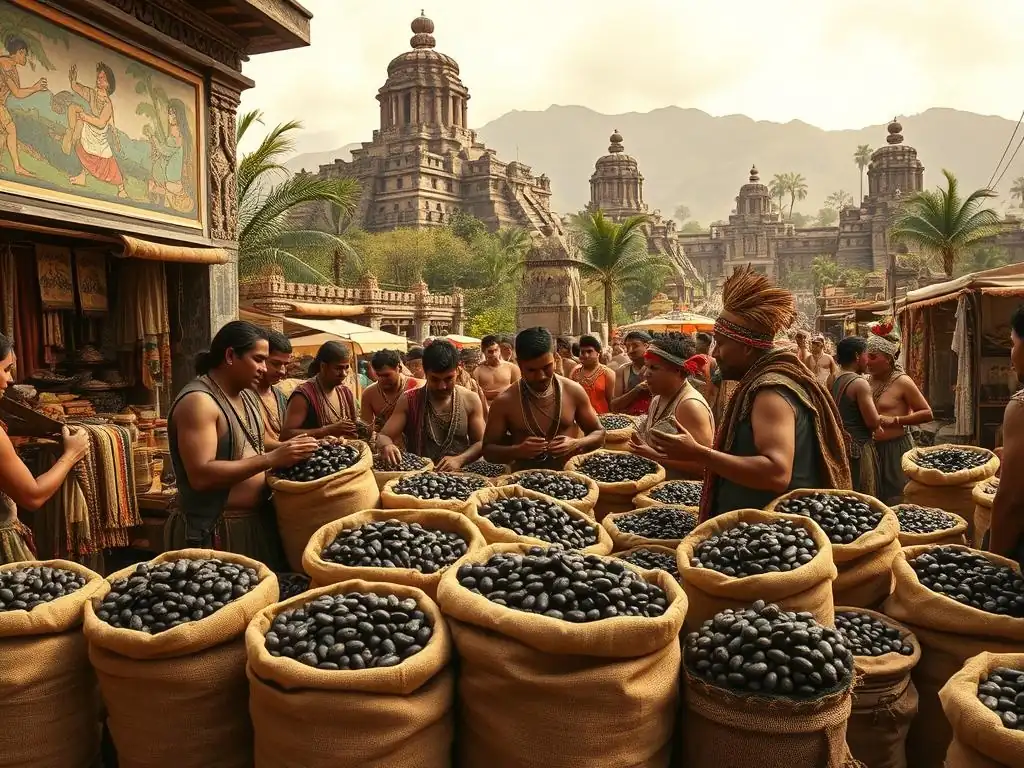
Cacao played a pivotal role in the economic structure of the Aztec civilization, serving not only as a vital agricultural product but also as a medium of exchange and a symbol of status. Its significance extended beyond mere consumption, deeply intertwining with various aspects of trade and the economy. The Aztecs cultivated cacao extensively, and its beans became a standardized currency, facilitating trade both within and beyond their empire. This unique position of cacao allowed for a complex economic system that thrived on the demand for this highly valued commodity.
The Role of Cacao in Regional and Long-Distance Trade
Cacao beans were integral to both regional and long-distance trade networks among indigenous peoples in Mesoamerica. Within the Aztec Empire, cacao was utilized as a currency to purchase goods and services. Vendors often accepted cacao as payment in marketplaces, which underscored its value. The Aztecs also engaged in extensive trade with neighboring cultures, exchanging cacao for other valuable resources such as textiles, pottery, and precious metals.
Long-distance trade routes facilitated the movement of cacao beans from regions where they were cultivated, such as present-day Tabasco and Chiapas, to the heart of the Aztec capital, Tenochtitlan. Merchants, known as pochteca, specialized in the long-distance trade, ensuring that cacao reached various parts of the empire and beyond. This trade not only enriched the Aztec economy but also promoted cultural exchanges among different indigenous groups, showcasing cacao's role as a bridge between diverse cultures.
Cacao Trade Routes and Their Importance to the Aztec Economy
The trade routes established for cacao were vital to the Aztec economy due to their ability to connect various regions and facilitate the exchange of goods. Major routes extended from cacao-producing areas to urban centers, allowing merchants to transport large quantities of cacao beans efficiently. Within these trade networks, cacao was often traded alongside other goods, creating a vibrant marketplace atmosphere.
The importance of these routes can be seen in the extensive merchant class that developed around them. These merchants not only dealt in cacao but also in a variety of other commodities, thus enhancing the economic landscape of the Aztec Empire. Cacao's status as a high-value item attracted the attention of traders from distant cultures, further integrating the Aztec economy into broader Mesoamerican trade networks.
How Cacao Influenced Economic Relationships with Neighboring Cultures
Cacao served as a significant factor in fostering economic relationships with neighboring cultures. The Aztecs often engaged in tribute systems, where conquered peoples were required to provide cacao as part of their payments. This practice not only strengthened the Aztec economy but also underscored cacao's importance as a desirable commodity among various groups.
Furthermore, the high demand for cacao contributed to the establishment of alliances and trade agreements. Many cultures recognized the value of cacao and sought to cultivate it, leading to shared agricultural practices and knowledge exchanges. As a result, cacao became a catalyst for both economic cooperation and competition among indigenous civilizations, highlighting its central role in the region's economic dynamics.
Challenges and Changes in Cacao Production
While cacao was a cornerstone of the Aztec economy, its production faced several challenges that could impact trade and cultural practices. The intricate cultivation processes and environmental conditions required for successful cacao farming were susceptible to various factors, which could disrupt supply and demand.
Environmental Factors Affecting Cacao Cultivation
Environmental factors played a crucial role in cacao cultivation and, by extension, the Aztec economy. Cacao trees thrived in hot, humid tropical climates with well-drained, fertile soils. Any disruptions to these conditions, such as droughts or floods, could significantly hinder cacao production.
In addition, the Aztecs had to contend with agricultural pests and diseases that could decimate cacao crops. Sustainable agricultural practices were essential to maintain cacao yields, and any failure in these practices could lead to economic instability, affecting trade and the overall economy of the Aztec Empire.
The Impact of European Colonization on Cacao Trade and Culture
The arrival of European colonizers in the 16th century brought profound changes to cacao production and trade. Initially, cacao continued to hold its status as a valuable commodity, but the European demand for cacao surged, leading to increased cultivation and exportation. This demand transformed the cacao trade into a lucrative industry, influencing the economics of the region on a global scale.
However, the European colonization also disrupted traditional practices and trade relationships. Indigenous labor was often exploited for cacao production, leading to significant social and economic upheaval. The introduction of European agricultural techniques and market systems altered the landscape of cacao cultivation, shifting its role from a culturally significant product to a commodity driven by international trade.
While cacao was integral to the Aztec economy, its trade and cultural significance evolved dramatically under European influence, reshaping the future of cacao and its role in indigenous societies.
Conclusion: The Enduring Legacy of Cacao in Aztec Economy
The significance of cacao in the Aztec economy extends far beyond its role as a mere commodity; it was a vital element that shaped the cultural, social, and economic landscape of the civilization. The use of cacao as currency facilitated trade and commerce, enabling the flourishing of markets and the establishment of complex economic relationships. Its status as a cultural symbol underscored the importance of cacao in rituals, ceremonies, and daily life, illustrating how deeply intertwined it was with the identity of the Aztec people.
The legacy of cacao persists today, influencing not only modern culinary practices but also contemporary discussions around trade and culture. As a product that was once central to the economic structure of a major civilization, cacao serves as a reminder of the ingenuity and adaptability of indigenous cultures in the Americas. Its enduring presence in both history and modern society highlights the interconnections between past and present, encouraging further exploration of its impact on indigenous economies.
Summary of Cacao's Role as Currency and Cultural Symbol
Cacao played a multifaceted role in the Aztec economy, functioning both as a form of currency and as a significant cultural symbol. As currency, cacao beans were used in trade, allowing for the exchange of goods and services, and were even employed to pay tribute to rulers. The Aztecs developed a sophisticated understanding of cacao's value, as it was not only a means of economic exchange but also a reflection of status and wealth.
Culturally, cacao was integral to social rituals and religious practices. It was often prepared as a beverage, enjoyed during significant ceremonies and gatherings. The associations of cacao with fertility, life, and the divine further solidified its importance, making it a revered element in Aztec society. Thus, cacao's dual role as both currency and cultural symbol underscores its significance within the broader context of Aztec civilization.
Reflection on the Lasting Impact of Cacao in Indigenous Economies
The impact of cacao on indigenous economies extends beyond the Aztec civilization, influencing various Mesoamerican cultures. The cultivation and trade of cacao have shaped agricultural practices, economic relationships, and social structures throughout the region. Its introduction to Europe during the colonial period marked a significant shift, leading to the global commercialization of cacao and its transformation into a major agricultural commodity.
Today, cacao continues to play a crucial role in the economies of many indigenous communities, where traditional farming practices are maintained alongside modern agricultural methods. The ongoing demand for cacao in the global market has fostered discussions around sustainability, fair trade, and the preservation of indigenous knowledge and practices. This enduring legacy emphasizes the importance of understanding the historical context of cacao while advocating for equitable economic practices that honor the contributions of indigenous peoples.
Further Reading and Resources on Cacao and Aztec Civilization
Recommended Books and Articles on Cacao in Mesoamerican Cultures
- "Cacao: The Food of the Gods" by Maricel E. Presilla: - This book explores the historical and cultural significance of cacao in Mesoamerican societies, providing insights into its role in trade and rituals.
- "Chocolate: A History" by Sarah Moss: - A comprehensive examination of the history of chocolate, tracing its roots back to the ancient Mesoamerican cultures and its evolution into a global commodity.
- "The True History of Chocolate" by Sophie D. Coe and Michael D. Coe - This book delves into the history of cacao from its origins, through the Aztec civilization, to its worldwide impact.
Online Resources for Exploring Aztec Economy and Agriculture
- The Smithsonian National Museum of the American Indian - Offers resources and exhibitions related to the indigenous cultures of the Americas, including the significance of cacao in Aztec society.
- The University of California's Cacao and Chocolate Studies - A dedicated online resource providing information on the agricultural practices surrounding cacao and its economic implications in various cultures.
- Mesoamerican Research Network - A collaborative platform that features articles, research papers, and educational materials focused on the cultures of Mesoamerica, including the Aztecs and their economic systems.
Frequently Asked Questions
What was the significance of cacao in the Aztec economy?
Cacao was not only a valuable commodity but also served as a form of currency. Its economic importance extended to trade, taxation, and ceremonial uses.
How did the Aztecs use cacao as currency?
The Aztecs utilized cacao beans as a medium of exchange in trade, allowing them to facilitate transactions and assess value in a society that relied heavily on barter systems.
What role did cacao play in Aztec culture?
Cacao was deeply embedded in rituals and social practices. It was consumed in various forms and was often associated with wealth, power, and divinity within Aztec society.
Yes, the Aztecs held ceremonies that celebrated cacao, including its use in offerings to deities and its consumption in elaborate feasts, signifying its cultural significance beyond mere economic value.
How did the introduction of European colonization affect the cacao trade?
European colonization transformed the cacao trade by increasing demand and leading to the establishment of large-scale plantations, ultimately altering the dynamics of production and distribution established by the Aztecs.
Final Reflection: The Enduring Legacy of Cacao in the Aztec Economy
The significance of cacao in the Aztec economy transcends mere currency; it embodies a rich tapestry of cultural identity and social structure that resonates even today. As we explore the intricate ways in which cacao shaped trade, rituals, and social hierarchies in the Aztec civilization, we uncover a powerful reminder of how commodities can influence not just economies but entire cultures. The story of cacao is not just a historical account; it is a testament to the profound connections between people, their resources, and their identities.
Cacao's role in the Aztec economy continues to influence our understanding of trade and cultural exchange in contemporary society. The reverberations of this ancient practice can be seen in modern discussions about fair trade and the ethical implications of commodity consumption. As we reflect on the past, we recognize that cacao was more than a means of exchange; it was a symbol of status, a catalyst for social interaction, and a key ingredient in the spiritual life of the Aztecs. Cacao was not just a currency; it was a bridge between the material and the divine.
This observation underscores the ongoing relevance of cacao as we navigate our own economic landscapes, reminding us that the value of a commodity often extends beyond its price tag.
As we conclude this exploration of cacao's multifaceted role in the Aztec economy, I invite you to reflect on how the lessons from this rich history can inform your own life. Consider the ways in which the commodities you engage with shape not only your personal experiences but also the broader cultural narratives around you.
Let the story of cacao inspire you to seek deeper connections with the resources you consume and to recognize the cultural significance behind them. In doing so, you can contribute to a more thoughtful and interconnected world, where the legacies of the past inform our choices for the future.
🥄 Unveil the Rich Legacy of Cacao in Aztec Culture!
Thank you for diving into the fascinating world of cacao and its profound impact on the Aztec economy! Your interest in this topic highlights the importance of understanding and appreciating the rich heritage of Indigenous civilizations. Now, let's take actionable steps to connect further with this incredible legacy.
Here’s how you can deepen your engagement:
- Explore more! Visit your local library or browse online resources to discover books and articles that delve into cacao's significance beyond the Aztec civilization.
- Share your knowledge! Discuss what you've learned with friends or on social media—help spread the word about the cultural importance of cacao.
- Join a workshop or tasting. Participate in a cacao-making or tasting event to experience firsthand how this ancient currency transforms into a beloved treat.
What aspect of cacao's journey from a valuable commodity to a cultural icon intrigues you the most, and how do you see it influencing modern society?