
Festivals and Public Spaces: The Role of Urban Design in Aztec Social Life

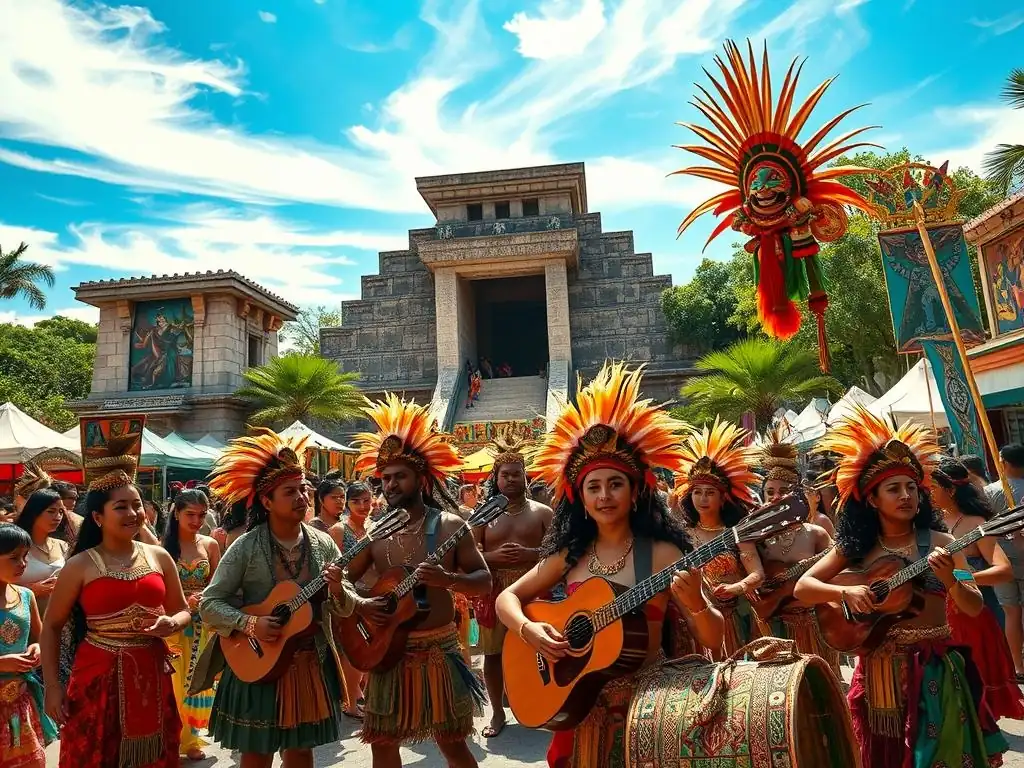
Welcome to Indigenous Civilizations of the Americas, where we invite you to embark on a captivating journey through the rich tapestry of indigenous cultures that flourished across the continent long before European influence. In our featured article, "Festivals and Public Spaces: The Role of Urban Design in Aztec Social Life," we delve into the vibrant world of Aztec urban design festivals—an exploration of how these remarkable celebrations and meticulously planned public spaces shaped social interactions and community identity.
Prepare to uncover the innovative achievements and profound legacies of the Aztec civilization, and let your curiosity guide you deeper into the fascinating stories that await!
- Introduction to Aztec Urban Design and Social Life
- The Role of Urban Design in Aztec Festivals
- Types of Festivals Celebrated in Aztec Public Spaces
- Case Studies of Notable Aztec Festivals in Urban Areas
- The Impact of Urban Design on Festival Experiences
- Conclusion: The Lasting Legacy of Aztec Urban Design in Festivals
- Recommended Further Reading on Aztec Urban Design and Festivals
- Frequently Asked Questions
- Final Reflection: The Enduring Legacy of Aztec Urban Design Festivals
- Embrace the Spirit of Aztec Festivals!
The Aztec civilization, renowned for its rich cultural heritage and advanced societal structures, presents a fascinating study of how urban design influenced social life and community engagement. At the heart of this vibrant society lay intricately planned cities, where architectural ingenuity harmonized with the cultural practices of the people.
Festivals played a pivotal role in Aztec life, serving not only as celebrations but also as vital expressions of their identity, religious beliefs, and social organization. This article will delve into the significance of Aztec urban design in shaping these festivals and public spaces, revealing how these elements intertwined to foster a cohesive social fabric in pre-colonial Mesoamerica.
Overview of Aztec Civilization and Urban Development
The Aztec civilization, which flourished in central Mexico from the 14th to the 16th centuries, was marked by extraordinary achievements in various fields including architecture, agriculture, and governance. The capital city of Tenochtitlan, built on an island in Lake Texcoco, stands as a testament to their sophisticated urban planning.
Key Features of Aztec Urban Design:
- Grid Layout: Tenochtitlan was organized in a grid pattern, facilitating movement and trade. This layout included avenues that radiated from the central ceremonial precinct.
- Chinampas Agriculture: The use of floating gardens, known as chinampas, not only maximized agricultural output but also enhanced the aesthetic quality of the urban landscape.
- Sacred Spaces: Temples and plazas were strategically placed to serve as focal points for civic and religious activities, reflecting the Aztecs’ deep connection to their deities and the cosmos.
The urban design of Tenochtitlan and other Aztec cities was not merely functional; it played a crucial role in fostering a sense of community and identity among the inhabitants. Festivals, often celebrated in these public spaces, provided opportunities for social interaction, reinforcing communal bonds and cultural continuity.
Importance of Festivals in Aztec Culture
Festivals were integral to Aztec culture, serving as occasions for religious observance, agricultural celebration, and social gathering. These vibrant events were meticulously planned and held in the grand plazas and temples of their cities, showcasing the significance of urban design in facilitating communal activities.
Key Aspects of Aztec Festivals:
- Religious Significance: Many festivals were dedicated to specific deities, involving rituals, offerings, and ceremonies that reinforced the spiritual beliefs of the community.
- Social Cohesion: Festivals encouraged participation from all social classes, promoting unity and a shared cultural identity among the Aztec people.
- Economic Activity: These events often included markets and fairs, allowing for economic exchange and strengthening trade networks.
The interplay between Aztec urban design and festivals reveals the profound impact that structured public spaces had on social life in Aztec civilization. By examining these elements, we gain insight into the complexities of their society and the enduring legacy of their cultural practices.
The Role of Urban Design in Aztec Festivals
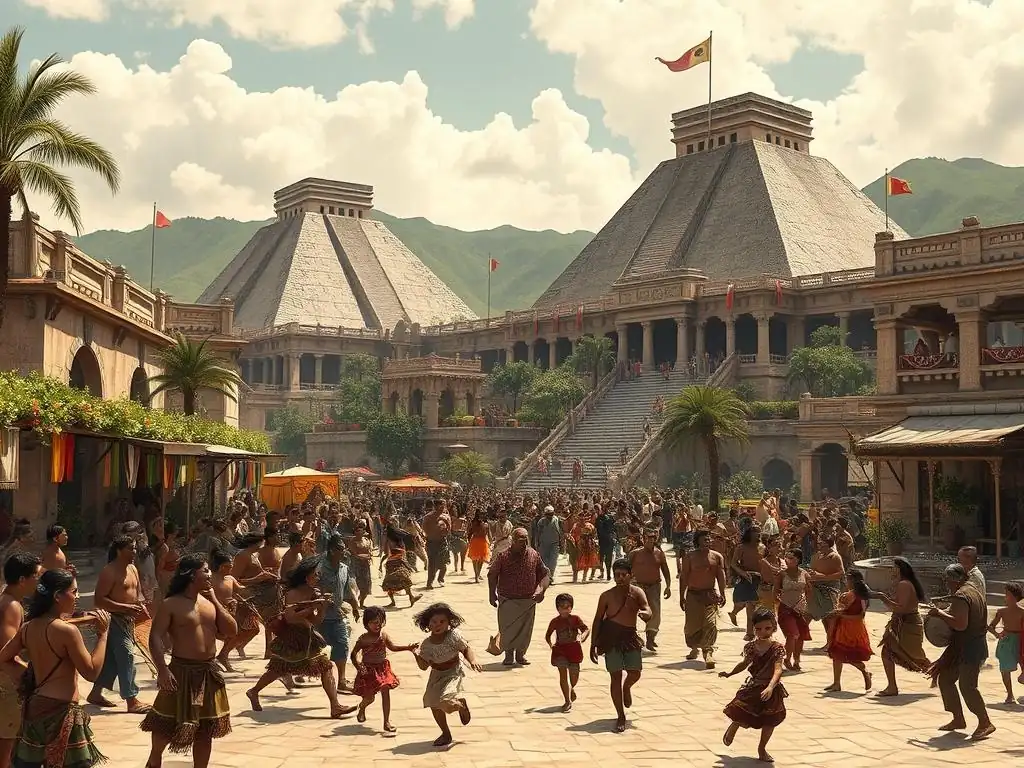
The Aztec civilization is renowned for its sophisticated urban design, which played a critical role in shaping their social life, particularly during festivals. Urban planning was not merely a matter of aesthetics; it was deeply intertwined with the cultural and religious practices of the Aztecs. Festivals, often held in grand public spaces, served as a vital expression of communal identity and religious devotion. The design of these spaces facilitated the participation of large crowds and the performance of rituals, making urban design a key element in the celebration of Aztec life.
The layout of Aztec cities, especially Tenochtitlan, was meticulously planned to accommodate various festivals. The main plazas, temples, and marketplaces were strategically positioned to serve as focal points for these events. This intentional design ensured that festivals could be experienced collectively, fostering a sense of unity and shared purpose among the participants.
Key Features of Aztec Urban Design
The urban design of the Aztec civilization was characterized by several distinctive features that catered to their social and ceremonial needs:
- Centralized Plazas:
- The heart of Aztec cities was often a large central plaza, which served as a gathering place for festivals. These plazas were designed to accommodate thousands of participants, allowing for various activities such as dancing, feasting, and religious ceremonies.
- Temple Complexes:
- Dominating the skyline, temple complexes like the Templo Mayor were central to urban design. These structures were not only places of worship but also served as platforms for festivals dedicated to the gods, reinforcing the connection between the divine and the community.
- Sacred Pathways:
- The layout included sacred pathways that guided participants to important locations during festivals. These routes were often lined with altars and sculptures, enhancing the spiritual atmosphere of the celebrations.
- Marketplaces:
- Markets were integrated into the urban fabric, providing a space for commerce that coincided with festivals. Vendors would sell food, crafts, and ceremonial items, making the marketplace an essential part of the festive experience.
- Waterways and Gardens:
- Aztec cities often featured canals and gardens, which not only served functional purposes but also contributed to the aesthetic beauty of the spaces used for festivals. Water played a symbolic role in many rituals, enhancing the significance of these public areas during celebrations.
Integration of Public Spaces in Festival Planning
The integration of public spaces into festival planning was a hallmark of Aztec urban design, ensuring that celebrations were accessible and inclusive. This approach involved several key considerations:
- Accessibility:
- Public spaces were designed to be easily accessible from various parts of the city, encouraging widespread participation. This accessibility was crucial during major festivals, which often attracted attendees from surrounding regions.
- Cultural Significance:
- Each public space was imbued with cultural meaning, enhancing the experience of festivals. For example, the central plaza was not only a physical location but also a symbol of communal identity and social cohesion.
- Ritualistic Elements:
- The design of public spaces incorporated elements that facilitated ritualistic practices. The placement of altars, sculptures, and other ceremonial structures within these areas allowed for seamless transitions between everyday life and sacred activities during festivals.
- Temporal Flexibility:
- Aztec urban planners understood the importance of flexibility in their designs. Public spaces could be easily adapted for different types of festivals, allowing for a dynamic use of urban areas throughout the year.
- Role of Community:
- Festivals were community-driven events, and the design of public spaces reflected this ethos. The layout encouraged communal participation, reinforcing social bonds and cultural traditions.
The thoughtful integration of urban design and public spaces in Aztec festivals not only enhanced the celebration of cultural practices but also contributed to the overall social fabric of the civilization. By examining these elements, we gain insight into how the Aztecs used urban design to foster a vibrant community life centered around their rich festival traditions.
Types of Festivals Celebrated in Aztec Public Spaces
Religious Festivals and Their Significance
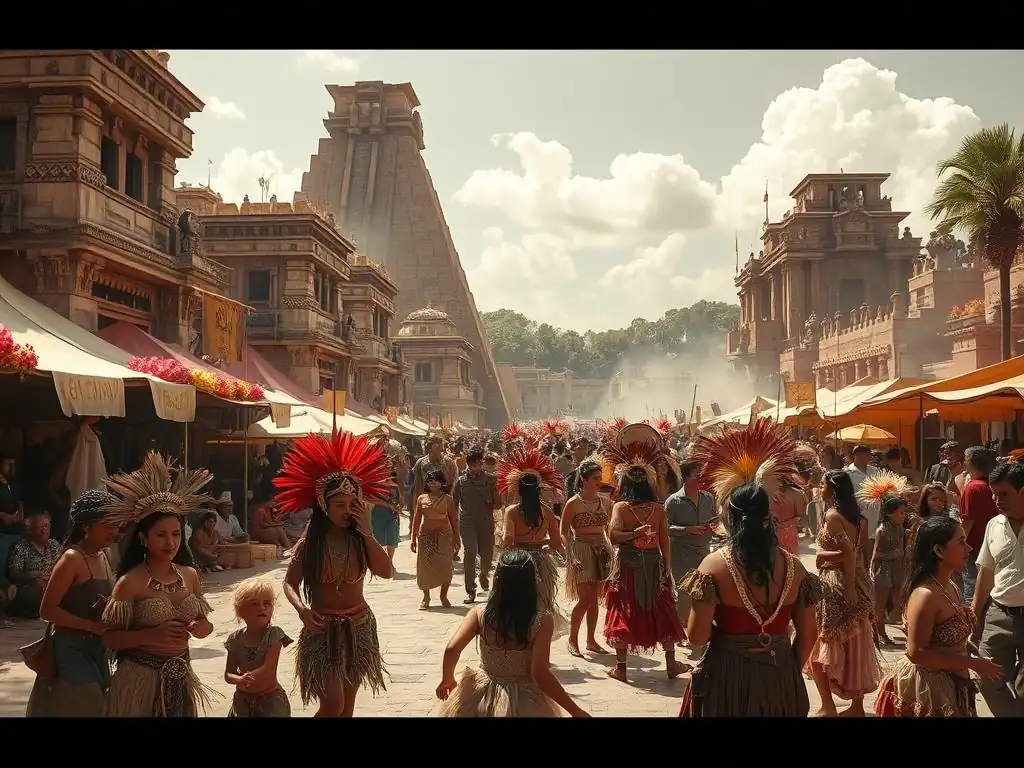
Religious festivals played a central role in Aztec urban design, serving as vital expressions of spirituality and community identity. These festivals were deeply intertwined with the Aztec calendar and were often dedicated to specific deities. The Templo Mayor, the main temple of Tenochtitlán, was the focal point for many of these celebrations.
During these festivals, the Aztecs engaged in elaborate rituals, offerings, and sacrifices to honor their gods. For instance, the Tlaxochimaco festival, dedicated to the god Huitzilopochtli, involved vibrant processions, dance, and music, transforming the urban space into a sacred arena. The festivals not only reinforced religious beliefs but also showcased the architectural prowess of Aztec urban design, with temples and plazas serving as the backdrop for these significant events.
The significance of these religious festivals extended beyond mere observance; they functioned as a unifying force for the community. They provided a platform for the Aztecs to express their cultural identity and collective memory, emphasizing the importance of maintaining harmony between the natural and supernatural worlds.
Agricultural Festivals and Community Participation
Agricultural festivals were crucial in the Aztec calendar, marking the cycles of planting and harvesting. These festivals not only celebrated the bounty of the earth but also fostered a sense of community participation and cooperation among the people. One of the most notable agricultural festivals was Tlalocan, dedicated to Tlaloc, the rain god, which involved rituals to ensure favorable weather for crops.
During these events, public spaces such as plazas and fields were transformed into vibrant marketplaces where communities gathered to share food, trade goods, and engage in communal activities. The Aztecs often constructed temporary structures and decorations that reflected their agricultural themes, further enhancing the urban landscape.
Moreover, these festivals served as an educational opportunity for younger generations, who learned about agricultural practices and the significance of their natural environment. This communal participation in agricultural festivals contributed to social cohesion and reinforced the interdependence of the Aztec society with their land and resources.
Civic festivals were essential for fostering social cohesion among the various classes of Aztec society. These celebrations often involved the participation of nobles, commoners, and warriors and were designed to reinforce social hierarchies while promoting unity. One prominent example of a civic festival is the Panquetzaliztli, dedicated to the celebration of the Aztec empire's military achievements.
During civic festivals, the urban design of Tenochtitlán came alive with decorations and public displays. The central plazas became gathering points for feasting, dancing, and athletic competitions, showcasing the talents of the community. These events not only reinforced social structures but also provided an opportunity for individuals to demonstrate their loyalty to the empire and its leaders.
Moreover, civic festivals often included rituals that honored the ancestors and celebrated the cultural history of the Aztecs. Such practices emphasized the importance of heritage and collective identity, helping to bond the community together in shared rituals and experiences. The carefully planned urban spaces facilitated these gatherings, allowing for the seamless integration of cultural, social, and architectural elements that defined Aztec urban design.
Case Studies of Notable Aztec Festivals in Urban Areas
The Festival of Tláloc: Celebrating Rain and Agriculture
The Festival of Tláloc, dedicated to the Aztec god of rain and agriculture, was a crucial event in the urban calendar of the Aztec civilization. This festival typically took place in the month of Tláloc, coinciding with the onset of the rainy season, which was vital for crop cultivation. The urban design of Tenochtitlán played a significant role in facilitating this festival, as the layout of the city was specifically crafted to enhance community participation and religious observance.
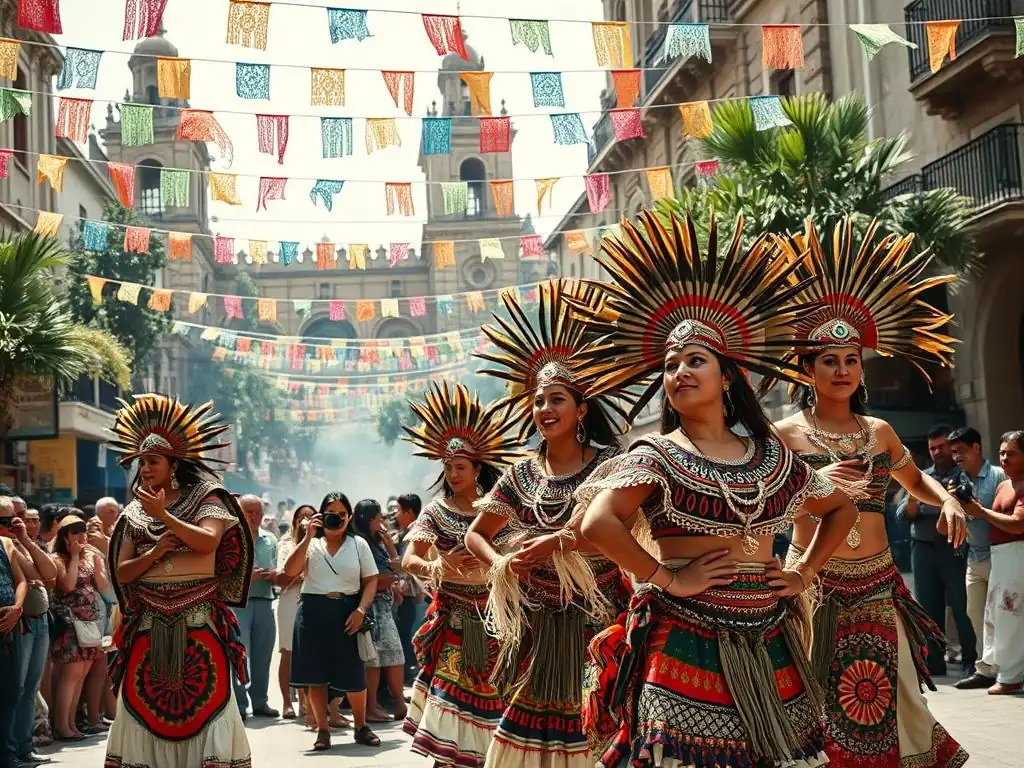
During the festival, elaborate rituals and ceremonies were held in major public spaces, particularly near the Templo Mayor, where offerings were made to Tláloc. The temple's architecture, with its towering structure, served as a focal point for worship and communal gatherings. Participants often adorned themselves in vibrant costumes, symbolizing the lushness of the earth, and engaged in processions that wove through the city’s canals and plazas.
The festival also included agricultural rites where priests would perform rituals to ensure a bountiful harvest. This not only reinforced the spiritual connection between the community and their agricultural practices but also highlighted the importance of urban design in accommodating large crowds and facilitating these religious activities. The careful planning and organization of these events exemplified how Aztec urban design was interwoven with cultural practices and societal values.
The Festival of Huitzilopochtli: Warrior Culture and Urban Spaces
The Festival of Huitzilopochtli, the god of war and the sun, was one of the most significant celebrations in Aztec society, reflecting the warrior ethos that permeated their culture. This festival occurred in the month of Tecuilhuitontli and was characterized by grand displays of martial prowess and vibrant public ceremonies, all intricately linked to the urban layout of Tenochtitlán.
Central to the festival was the Great Plaza, an expansive area designed to accommodate thousands of participants and spectators. The plaza served as a stage for various events, including athletic competitions and ritualistic dances, which were performed by warriors dressed in elaborate feathered costumes. The architecture surrounding the plaza was designed to enhance visibility and acoustics, ensuring that all attendees could engage fully with the activities.
Additionally, the festival featured an impressive procession that led to the Templo Mayor, where offerings, including the sacrificial tribute of captives, were made to Huitzilopochtli. This aspect of the festival was deeply tied to urban design as the processional route was strategically planned to pass through key urban spaces, reinforcing the narrative of Aztec power and religious devotion. The integration of such festivals within the urban fabric of Tenochtitlán illustrates how Aztec urban design was not merely functional but also served as a canvas for cultural identity and social cohesion.
The New Fire Ceremony: Community and Urban Renewal
The New Fire Ceremony was a pivotal event in the Aztec calendar, symbolizing renewal and the cyclical nature of life. Held every 52 years, this ceremony marked the end of a cycle and the beginning of a new one, and it was intricately linked to the urban environment of Tenochtitlán. The ceremony was celebrated in the central plaza, which was purposefully designed to accommodate large gatherings of people, emphasizing community participation and collective identity.
During the New Fire Ceremony, a ceremonial fire was ignited on the summit of the Templo Mayor, representing the rebirth of the sun and the renewal of life. This event involved a series of rituals, including the symbolic extinguishing of old fires throughout the city, which were then relit from the sacred flame. The urban design of Tenochtitlán facilitated the movement of people and the flow of rituals, ensuring that all community members could partake in the renewal process.
The ceremony also served as a moment of reflection for the Aztec people, as they would consider their achievements over the previous cycle and set intentions for the future. The careful orchestration of urban spaces during this event highlighted the importance of place in fostering community ties and cultural continuity. Thus, the New Fire Ceremony not only reinforced the significance of Aztec urban design but also illustrated its role in shaping social life and collective memory within the civilization.
The Impact of Urban Design on Festival Experiences
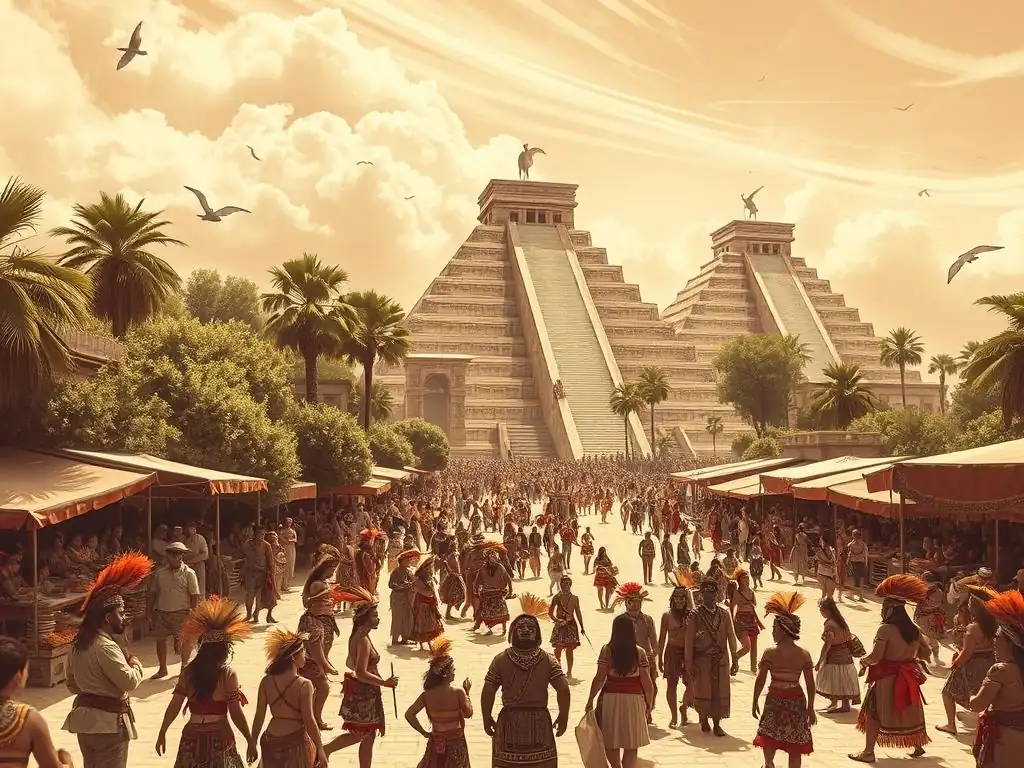
The design of urban spaces in Aztec cities was pivotal not only for daily life but also for the celebration of festivals, which were integral to their culture. Urban design influenced how festivals were experienced by shaping the accessibility, aesthetics, and atmosphere of public spaces. Understanding these aspects reveals the profound connection between urban planning and social engagement during festivals.
Accessibility and Flow in Aztec Urban Environments
Accessibility in Aztec urban design was essential for facilitating the movement of people during festivals. The layout of cities like Tenochtitlan featured wide avenues and strategically placed plazas that allowed for the smooth flow of large crowds.
- Wide Avenues: The main thoroughfares, such as the Calzada de los Mexicas, were designed to accommodate processions and large gatherings. This ensured that participants could easily reach central locations for festivals.
- Plaza Configuration: Central plazas, such as the Templo Mayor, served as focal points where various festivities took place. Their positioning within the urban grid allowed for multiple access points, enhancing visitor flow.
The integration of canals and causeways also contributed to accessibility. These waterways were not only functional but also aesthetically pleasing, allowing for the transportation of goods and people during festive occasions. The careful planning of urban spaces ensured that all community members could participate in celebrations, reinforcing social bonds and communal identity.
Aesthetic Elements of Public Spaces During Festivals
Aesthetic considerations in Aztec urban design significantly enhanced the atmosphere of festivals. The use of vibrant colors, intricate sculptures, and elaborate decorations played a crucial role in transforming public spaces into lively environments during celebrations.
- Colorful Decorations: Festivals often saw public spaces adorned with flowers, textiles, and ceremonial artifacts. The use of bright colors helped create a festive atmosphere, attracting participants and stimulating their senses.
- Sculptural Elements: Statues and carvings depicting deities and historical events were strategically placed in plazas, adding layers of meaning to the celebration. These artistic expressions not only beautified the space but also served as reminders of cultural heritage.
The combination of natural beauty and artistic expression in urban design allowed the Aztecs to create immersive experiences during festivals. Participants could enjoy not just the activities but also the visually stimulating environment that surrounded them, deepening their connection to the culture.
The Role of Architecture in Enhancing Festival Atmosphere
Architecture played a critical role in the overall atmosphere of Aztec festivals. The design of temples, platforms, and other structures contributed to the ceremonial experience, providing spaces for rituals and community gatherings.
- Temples as Focal Points: The Templo Mayor, as the central temple, was not only a religious site but also a gathering place during festivals. Its imposing structure symbolized the power of the gods and served as a backdrop for rituals, enhancing the spiritual significance of celebrations.
- Platforms for Performances: Elevated platforms were often constructed in plazas to host performances, including music, dance, and theatrical displays. These architectural features allowed for better visibility and engagement, ensuring that all attendees could partake in the festivities.
The interplay between architecture and urban design allowed the Aztecs to create spaces that were not only functional but also rich in cultural significance. The built environment enriched the festival experience, creating a vibrant tapestry of social interactions, rituals, and artistic expressions that defined Aztec urban life.
Conclusion: The Lasting Legacy of Aztec Urban Design in Festivals
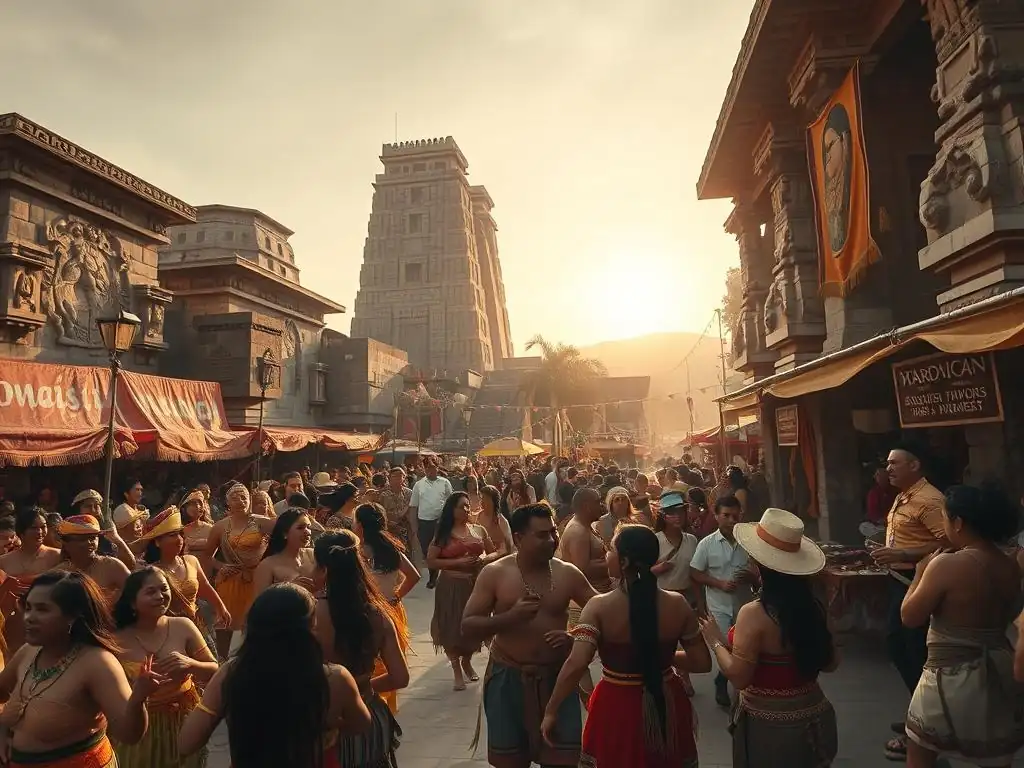
The Aztec civilization's urban design was intricately tied to their festivals and public spaces, creating a vibrant tapestry of social life that continues to influence contemporary practices. The city of Tenochtitlan, with its grand plazas, temples, and marketplaces, served as a focal point for various celebrations that were both religious and civic in nature. These spaces were not merely functional; they were symbolic representations of the Aztec worldview, where architecture and urban planning facilitated communal engagement, spiritual connection, and cultural expression.
The legacy of Aztec urban design in festivals can be seen in how public spaces were strategically utilized to foster community relationships and cultural continuity. The careful planning of these areas allowed for the orchestration of elaborate ceremonies, market days, and public gatherings, which reinforced social hierarchies and collective identities. As we explore the modern implications of these historical practices, it becomes apparent that the principles of Aztec urban design continue to resonate in contemporary urban planning and festival organization.
Public spaces in Aztec society were central to the community's social fabric, functioning as venues for gathering, celebration, and civic participation. The plazas, such as the Tlatelolco market and the central square of Tenochtitlan, were designed to accommodate large groups of people, facilitating interaction and collective activities. These spaces were more than just physical locations; they represented the heart of Aztec life, where cultural, economic, and spiritual exchanges occurred.
- Cultural Significance: Festivals celebrated agricultural cycles, religious rituals, and historical events, reinforcing cultural identity and continuity. Public spaces were adorned with decorations, altars, and offerings, transforming them into sacred venues.
- Social Hierarchy: The design of these spaces often reflected the social hierarchies within Aztec society. Certain areas were reserved for the elite, while others were open to all, highlighting the organized structure of their civilization.
- Community Engagement: Festivals served as opportunities for community participation, allowing individuals from various social strata to come together, share experiences, and strengthen communal bonds.
By examining the significance of public spaces in Aztec social life, one can appreciate how urban design shaped not only the physical landscape but also the cultural and social dynamics of the civilization.
Modern Implications of Aztec Urban Design in Contemporary Festivals
The influence of Aztec urban design is evident in modern festival practices and urban planning strategies, where the principles of communal space utilization and cultural celebration remain relevant.
- Revitalization of Public Spaces: Many contemporary cities are focusing on revitalizing public spaces to foster community interaction, echoing the Aztec emphasis on communal gatherings. Initiatives to create open plazas for markets, performances, and festivals reflect this historical understanding.
- Cultural Festivals: Modern festivals often draw inspiration from the Aztec traditions, incorporating elements such as music, dance, and ceremonial practices that celebrate indigenous heritage. These events serve as a bridge connecting the past to the present, allowing communities to rediscover and honor their cultural roots.
- Urban Planning: The integration of public spaces in urban design today often mirrors the Aztec approach by prioritizing accessibility and communal engagement. Planners are increasingly recognizing the value of open spaces that encourage social interaction and cultural expression, akin to the plazas of Tenochtitlan.
The principles of Aztec urban design and the role of public spaces in facilitating festivals have left an enduring impact on contemporary urbanism. By appreciating this legacy, we can better understand the importance of integrating cultural heritage into modern urban design and community celebrations, ensuring that the spirit of Aztec social life continues to thrive in today’s society.
Recommended Further Reading on Aztec Urban Design and Festivals
Books and Articles on Aztec Architecture
A deep understanding of Aztec urban design can be enriched through various scholarly works. Here are some essential texts that explore the architectural marvels and urban planning strategies of the Aztec civilization:
-
"The Aztecs: A Very Short Introduction" by David Carrasco
This concise book provides an overview of Aztec culture, including insights into their architectural practices and urban organization. It offers a foundational understanding for those new to the subject.
-
"Aztec Architecture: A Study of Mesoamerican Urbanism" by Barbara W. Fash
This work delves into the specifics of Aztec urban design, analyzing the spatial organization, public spaces, and ceremonial centers that defined the Aztec capital, Tenochtitlan.
-
"Tenochtitlan: Capital of the Aztec Empire" by Michael E. Smith
Smith's research focuses on Tenochtitlan's urban layout, its intricate canal systems, and the significance of its temples and marketplaces. It serves as an essential resource for understanding the interplay between architecture and daily life.
-
"The Cities of Ancient Mexico: Reconstructing a Lost World" by David L. Webster
This book explores various Mesoamerican cities, including Tenochtitlan, offering a comparative analysis of urban design and the cultural significance of public spaces in Aztec society.
Resources on Indigenous Festivals and Cultural Practices
To gain insight into the vibrant festivals and cultural practices of the Aztec civilization, consider exploring the following resources:
-
"The Myth of Quetzalcoatl: The Aztec God and the Spanish Conquistadors" by David Carrasco
This text provides context on how religious festivals were intertwined with urban life, focusing on the rituals dedicated to major deities, including Quetzalcoatl.
-
"Aztec Rituals and Festivals: A Cultural Anthology" edited by Elizabeth Brumfiel
This anthology compiles various essays that examine the significance of festivals in Aztec life, including their role in social cohesion and urban identity.
-
Online Resources:
- The National Museum of Anthropology, Mexico City: This museum offers extensive information on Aztec artifacts and festivals, including virtual exhibitions.
- The American Society of Ethnohistory: Provides access to journals and articles that discuss indigenous practices, including the significance of festivals in urban settings.
These resources will enhance your understanding of how Aztec urban design influenced social life and facilitated the celebration of communal festivals, ultimately shaping the cultural landscape of the Aztec civilization.
Frequently Asked Questions
What were the key features of Aztec urban design?
Aztec urban design included complex layouts, featuring broad plazas, temples, and canals that facilitated trade and social interaction, reflecting their sophisticated societal structure.
Festivals played a pivotal role in Aztec social life, fostering community bonds and enabling the celebration of deities, which was integral to their cultural identity and religious practices.
What types of festivals were celebrated in Aztec cities?
Aztec cities held various festivals such as the Tlacaxipehualiztli, which honored the god of fertility and war, showcasing their rich cultural traditions and urban design.
How did urban spaces facilitate these festivals?
Urban spaces were designed to accommodate large gatherings, with open plazas serving as central venues for rituals, performances, and market activities, thus enhancing community participation.
What was the impact of Aztec urban design on their festivals?
Aztec urban design significantly shaped festivals by providing dedicated spaces for celebration, which not only reinforced social cohesion but also highlighted the architectural achievements of their civilization.
Final Reflection: The Enduring Legacy of Aztec Urban Design Festivals
The intricate relationship between festivals and urban design in Aztec society underscores the profound impact of cultural celebrations on community cohesion and urban spaces. Today, as cities around the world grapple with the challenges of urbanization and social fragmentation, the lessons learned from Aztec urban design festivals remain strikingly relevant. These ancient practices remind us that public spaces can serve as vibrant arenas for social interaction, cultural expression, and collective identity.
The influence of Aztec urban design festivals extends beyond historical significance; it continues to shape contemporary cultural landscapes. Modern cities increasingly recognize the importance of integrating public celebrations into urban planning, fostering a sense of belonging among diverse populations. As noted by urban theorist Henri Lefebvre, “The right to the city is a right to change it.” > This quote encapsulates the essence of how festivals can empower communities to reclaim and redefine their public spaces, echoing the Aztec legacy of communal celebration and engagement.
As we reflect on the teachings of Aztec urban design festivals, I invite you to consider how you can contribute to the vibrancy of your own community. Engage with local festivals, advocate for inclusive public spaces, and celebrate the diversity that enriches our urban environments. By embracing the spirit of communal celebration, we can honor the past while fostering a more connected and dynamic future for our cities.
Embrace the Spirit of Aztec Festivals!
Thank you for exploring the fascinating intersection of urban design and Aztec social life with us! You've gained insights into how public spaces shaped community interactions and enriched cultural traditions. Now, it's time to take that knowledge and turn curiosity into action.
Here are some meaningful ways you can connect further with the vibrant legacy of Aztec festivals:
- Experiencing: Visit a local museum or cultural center that showcases Indigenous traditions. Immerse yourself in the stories and artifacts that reflect the essence of Aztec celebrations.
- Sharing: Engage with your community by sharing what you've learned about Aztec festivals. Start conversations, host discussion groups, or use social media to spread awareness and appreciation.
- Exploring: Research contemporary festivals that have evolved from ancient traditions. Consider how urban design continues to influence community experiences today.
What aspects of Aztec festivals inspire you to foster community in your own life? Join the dialogue by sharing your thoughts below!