
The Influence of Toltec Design on Aztec Architecture: A Cultural Continuum

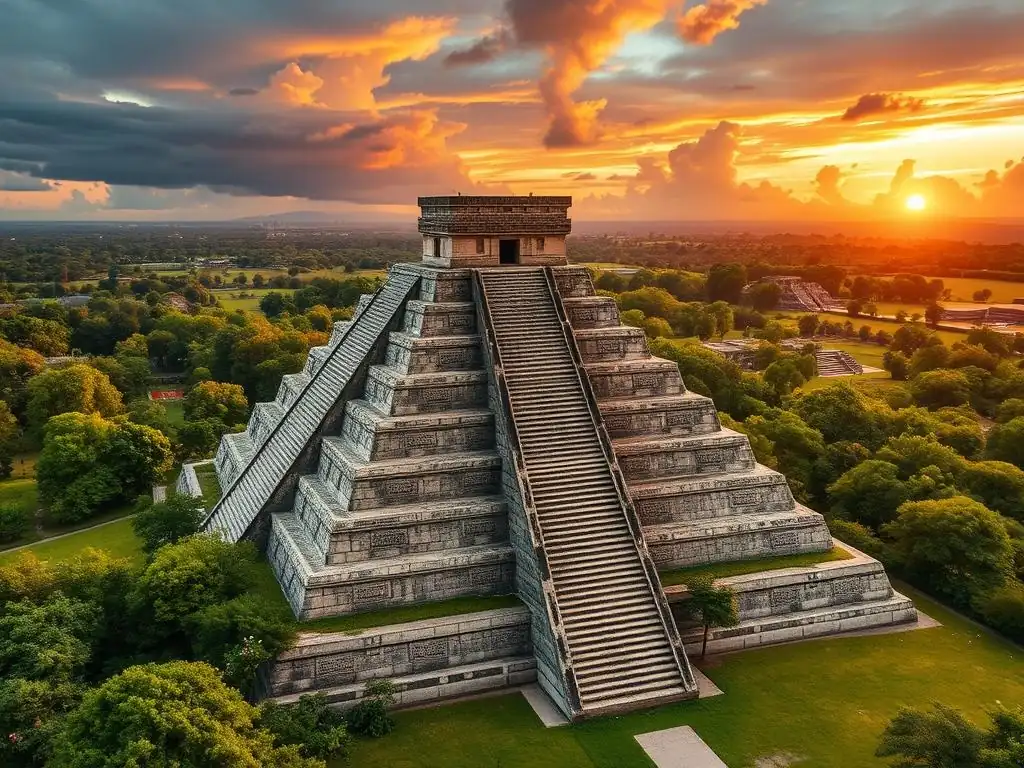
Welcome to Indigenous Civilizations of the Americas, where we invite you to embark on a captivating journey through the rich tapestry of pre-colonial cultures that flourished across the continent. In our featured article, “The Influence of Toltec Design on Aztec Architecture: A Cultural Continuum,” we delve into the profound connections between these two remarkable civilizations.
Discover how the innovative architectural elements of the Toltecs not only shaped the urban landscapes of the Aztecs but also left an indelible mark on their cultural identity. Join us as we unravel the threads of history and explore the enduring legacy of these extraordinary societies.
Introduction to Toltec Influence on Aztec Architecture
The intricate relationship between the Toltec and Aztec civilizations offers a fascinating glimpse into the cultural continuum that shaped Mesoamerican architecture. This article delves into the profound Toltec influence on Aztec architecture, revealing how design principles, artistic motifs, and urban planning from the Toltec period laid the groundwork for the architectural achievements of the Aztecs. By exploring this connection, we can better appreciate the rich tapestry of indigenous cultures in the Americas and their enduring legacy.
Overview of Toltec Civilization and Architecture
The Toltec civilization, flourishing from approximately 900 to 1168 CE, is often regarded as a precursor to the more widely recognized Aztec culture. Centered in what is now central Mexico, the Toltecs are credited with significant advancements in architecture and urban design. Their capital, Tula, features monumental structures and intricate carvings that highlight their architectural ingenuity.
Key Characteristics of Toltec Architecture:
- Pyramidal Structures: The use of step pyramids, often aligned with celestial events.
- Decorative Elements: Elaborate stone carvings depicting deities and warriors.
- Urban Planning: Strategic layout of ceremonial centers, plazas, and residential areas.
The aesthetic and functional qualities of Toltec architecture greatly influenced subsequent cultures, particularly the Aztecs, who adopted and adapted many of these elements in their own urban landscapes.
The Emergence of Aztec Architecture
Emerging in the 14th century, the Aztec civilization drew heavily from its predecessors, notably the Toltecs. As they established their capital at Tenochtitlán, the Aztecs incorporated and evolved various architectural styles, resulting in a distinctive aesthetic that resonated with their cultural identity.
Distinct Features of Aztec Architecture:
- Expanded Use of Stone: The Aztecs utilized local materials, enhancing structural durability.
- Religious Symbolism: Temples and pyramids reflected their pantheon, often dedicated to gods like Huitzilopochtli and Tlaloc.
- Integration with Nature: The construction of canals and chinampas showcased their ingenuity in urban planning and agriculture.
The Aztecs not only maintained the architectural traditions of the Toltecs but also infused their own cultural narratives, creating a unique architectural identity that persists in historical significance.
Historical Context of Toltec and Aztec Cultures
Understanding the Toltec influence on Aztec architecture necessitates a broader examination of the historical context in which these civilizations thrived. The interplay between these two cultures is marked by a series of significant events and exchanges that laid the foundation for architectural evolution.
Timeline of Toltec and Aztec Civilizations
- Toltec Civilization (900-1168 CE):
- Establishment of Tula as the capital.
- Development of architectural styles and urban infrastructure.
- Aztec Civilization (1325-1521 CE):
- Founding of Tenochtitlán.
- Expansion and diversification of architectural practices.
This timeline illustrates the chronological relationship between the two civilizations, emphasizing how the Toltecs paved the way for the architectural advancements of the Aztecs.
Key Cultural Exchanges Between Toltecs and Aztecs
The cultural exchanges between the Toltecs and Aztecs were not merely limited to architectural styles; they encompassed a wide range of practices, beliefs, and technologies. Some key exchanges include:
- Religious Practices: The Aztecs adopted various Toltec deities, integrating them into their own pantheon.
- Artistic Techniques: Stone carving and mural painting techniques were shared and evolved through interaction.
- Urban Planning: The Aztecs learned from Toltec city layouts, refining their own designs to accommodate their growing population.
These exchanges highlight the collaborative nature of Mesoamerican cultures, underscoring the importance of the Toltec influence on Aztec architecture and society. By examining these elements, we can gain a deeper understanding of how indigenous civilizations in the Americas shaped their environments and legacies.
Characteristics of Toltec Architecture
Toltec architecture represents a significant phase in Mesoamerican design, known for its grand scale and intricate details. The Toltecs, who flourished from approximately 900 to 1168 CE, developed a unique architectural style that laid the foundation for subsequent civilizations, particularly the Aztecs. Key characteristics of Toltec architecture include the use of large stone blocks, often carved with artistic motifs, and the incorporation of advanced engineering techniques that showcased their understanding of structural integrity.
The most famous site associated with Toltec architecture is Tula, where impressive pyramids, temples, and monumental sculptures, such as the Atlantean figures, exemplify their architectural prowess. The construction techniques involved careful alignment with celestial events, demonstrating their sophisticated grasp of astronomy. Additionally, the Toltecs emphasized the duality of life and death in their structures, often pairing temples with ball courts, which were central to their culture and societal rituals.
Architectural Styles and Techniques Used by the Toltecs
The Toltecs employed several architectural styles and techniques that distinguished their structures from previous Mesoamerican designs. Notably, they utilized the Talud-tablero style, characterized by sloping walls (talud) that support a vertical panel (tablero), creating a visually striking effect. This method not only enhanced the aesthetic quality of their buildings but also provided additional stability to the structures.
Another hallmark of Toltec architecture was the use of frescos and intricate carvings, which often depicted mythological themes and historical events. These artistic expressions were not merely decorative; they served to communicate cultural values and important narratives to the community. Furthermore, the use of quarries for sourcing high-quality stones reflected their advanced knowledge of material properties, enabling the construction of durable and monumental edifices.
The alignment of buildings with astronomical phenomena was also a crucial technique, connecting their structures to the cosmos and reinforcing their cultural and religious beliefs. This emphasis on celestial alignment would later influence Aztec architecture, as they too sought to integrate their structures with the natural world.
Symbolism and Functionality in Toltec Structures
Toltec architecture was rich in symbolism, serving both practical and ceremonial functions. Structures such as temples and pyramids were not only places of worship but also served as political centers, where leaders would conduct important rituals that reinforced their authority. The pyramids of Tula, for example, symbolize the connection between the divine and the earthly realm, acting as a bridge for the gods to descend and commune with humanity.
The architectural layout often reflected the Toltec worldview, with the central plaza serving as a focal point for social gatherings, ceremonies, and governance. Additionally, the presence of ball courts in Toltec cities underscores the importance of the Mesoamerican ballgame, which was deeply interwoven with their cosmology and community identity.
The thoughtful integration of functionality and symbolism in their designs ensured that Toltec structures were not only visually impressive but also served to reinforce the cultural narratives and societal structures of their civilization. This legacy of merging aesthetics with meaning found its way into Aztec architecture, reflecting a continuum of cultural expression.
Key Features of Aztec Architecture
Aztec architecture, emerging in the 14th century, exhibited distinct features that built upon and reinterpreted the earlier Toltec designs. The Aztecs were known for their monumental constructions, which included temples, palaces, and impressive urban layouts. One of the hallmark features of Aztec architecture was the use of large, highly decorated stone blocks, often adorned with intricate carvings that reflected their religious beliefs and societal achievements.
Aztec cities, such as Tenochtitlan, were characterized by their complex urban planning, featuring a grid layout that facilitated both residential and ceremonial activities. The incorporation of waterways and causeways into the urban landscape not only enhanced accessibility but also highlighted their engineering ingenuity. Furthermore, the use of color, often seen in the vibrant murals and decorative elements, added a dynamic visual component to their structures.
Distinctive Elements of Aztec Architectural Design
Aztec architecture is distinguished by several key elements that reflect their cultural values and religious beliefs. Pyramids played a central role, often serving as platforms for temples dedicated to various deities. The Great Pyramid of Tenochtitlan, for example, was a massive structure that honored the gods Huitzilopochtli and Tlaloc, emphasizing the importance of religion in Aztec society.
Another distinctive feature is the use of serpentine motifs, which symbolized the duality of life and death, serving as a reminder of the cyclical nature of existence. The incorporation of sacred geometry in their designs, particularly in the layout of temples and plazas, further reflected their connection to the cosmos and the divine.
Aztec structures also displayed a preference for open-air spaces, such as plazas that served as venues for gatherings, markets, and religious ceremonies. This emphasis on community interaction and public life highlights the social organization and cultural priorities of the Aztec civilization.
Influence of Toltec Aesthetics on Aztec Structures
The influence of Toltec aesthetics on Aztec architecture is evident in various aspects of their design and construction methods. The Aztecs adopted the Talud-tablero style, which became a signature element in their pyramids and temples. This architectural technique not only provided structural stability but also created a visually striking silhouette that echoed the grandeur of Toltec structures.
Moreover, the Aztecs inherited and expanded upon the symbolic meanings embedded in Toltec architecture. They continued to use large-scale sculptures and frescos that depicted gods, historical events, and rituals, serving both decorative and narrative purposes. The Aztecs also integrated astronomical alignments in their structures, reflecting the Toltec legacy of connecting the built environment with celestial movements.
The incorporation of serpent motifs and other symbolic carvings in Aztec architecture can also be traced back to Toltec designs, reinforcing the cultural continuum between the two civilizations. This blending of styles and ideas not only enriched Aztec architecture but also created a sense of continuity that linked their identity to the revered Toltecs, further illustrating the depth and complexity of Mesoamerican architectural traditions.
Direct Examples of Toltec Influence on Aztec Architecture
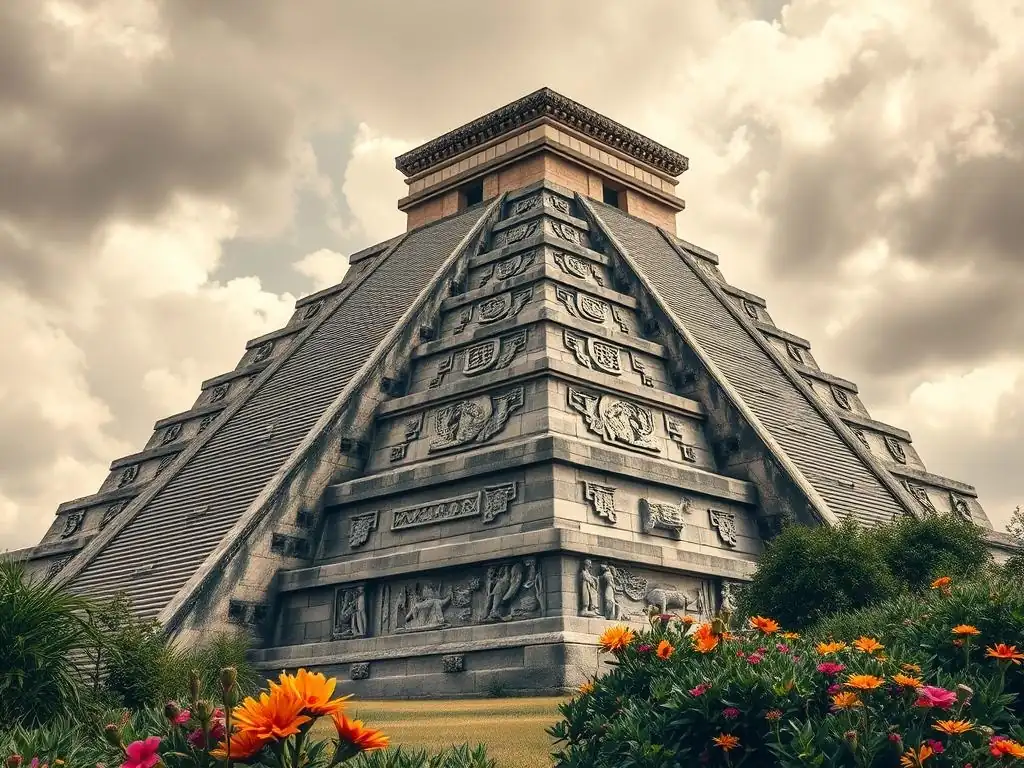
The influence of Toltec design on Aztec architecture is evident in various structural elements, motifs, and overall urban planning principles that the Aztecs adopted and adapted from their predecessors. Key examples include the use of specific architectural features such as stepped pyramids, intricate stone carvings, and ceremonial plazas that echo Toltec designs.
1. Stepped Pyramids:
The Aztecs, like the Toltecs, constructed impressive stepped pyramids, which served both religious and ceremonial purposes. The Pyramid of the Sun in Teotihuacan, although predating the Aztecs, reflects a similar architectural style to Toltec structures found in Tula. These pyramids often included platforms for temples at their summits, indicating a continuity of religious practices.
2. Stone Carvings and Reliefs:
Toltec artisans were known for their elaborate stone carvings, which depicted gods, warriors, and mythical creatures. The Aztecs adopted and modified these artistic traditions, prominently featuring them in their architecture. For instance, the Templo Mayor in Tenochtitlan showcases intricate reliefs and sculptures that resonate with Toltec artistry, emphasizing the importance of mythology in architectural expression.
3. Urban Layout:
The organization of urban spaces, including the placement of temples, markets, and residential areas, was significantly influenced by Toltec city planning. Tenochtitlan, for example, mirrored Tula’s urban design principles, with its central ceremonial plaza surrounded by temples and palaces, highlighting the continuation of Toltec urbanism in Aztec society.
Examination of Specific Aztec Sites with Toltec Features
Several Aztec sites exhibit clear Toltec architectural features, illustrating the deep-rooted influence of Toltec design principles.
1. Tenochtitlan:
The capital of the Aztec Empire, Tenochtitlan, demonstrates Toltec influence through its grand temples and ceremonial centers. The Templo Mayor, dedicated to the gods Huitzilopochtli and Tlaloc, incorporates design elements such as a twin-temple structure, a hallmark of Toltec architecture. The use of large stone blocks and the incorporation of talud-tablero style are also reminiscent of Toltec construction techniques.
2. Cholula:
The Great Pyramid of Cholula, which predates the Aztecs but was later expanded upon during their reign, reflects a blend of Toltec and local architectural styles. The pyramid’s structure, with its multiple layers and expansive base, aligns with Toltec influences, showcasing how the Aztecs revered and built upon the architectural achievements of earlier cultures.
Case Studies of Notable Structures: Tula and Tenochtitlan
Tula:
As the Toltec capital, Tula serves as a pivotal case study in understanding the architectural influence on the Aztec civilization. The site is renowned for its monumental structures, including the Pyramid of Quetzalcoatl and the Atlantean figures, which exemplify the grandeur and complexity of Toltec architecture. These features, characterized by their use of large stone blocks and intricate carvings, were later emulated by the Aztecs, who integrated similar elements into their own structures.
Tenochtitlan:
The architectural landscape of Tenochtitlan further illustrates the Toltec influence with its sophisticated layout and monumental buildings. The Templo Mayor stands out as a prime example, featuring a dual temple structure and elaborate facades adorned with sculptures that reflect Toltec iconography. The integration of these design elements not only signifies a physical continuum but also represents the ideological and cultural connections between the two civilizations.
The Cultural Continuum: How Toltec Design Shaped Aztec Identity
The architectural practices of the Toltecs laid a foundational framework that significantly shaped Aztec identity. The Aztecs adopted and reinterpreted Toltec designs, which allowed them to forge a cultural lineage that connected them to the revered Toltec civilization.
The Role of Religion and Mythology in Architectural Design
Religion and mythology played crucial roles in the architectural designs of both the Toltecs and the Aztecs. The Aztecs, inheriting the rich mythological tapestry of the Toltecs, infused their structures with religious significance. Temples were often designed to honor specific deities, mirroring the Toltec tradition of creating sacred spaces. The alignment of structures with celestial events, such as solstices and equinoxes, was a shared practice, emphasizing the importance of cosmology in their architectural endeavors.
The Significance of Shared Cultural Values in Architecture
Shared cultural values between the Toltecs and Aztecs significantly influenced architectural styles and practices. Concepts of duality, harmony, and the sacredness of space were prevalent in both cultures. Architectural elements such as symmetry in temple designs and the integration of natural surroundings into urban planning underscore a collective worldview that prioritized balance and connectivity with the environment. This shared ethos not only guided architectural practices but also fostered a sense of identity and continuity for the Aztecs, linking them to their Toltec predecessors.
Conclusion: The Lasting Legacy of Toltec Influence on Aztec Architecture
The architectural relationship between the Toltec and Aztec civilizations illustrates a profound cultural continuum that significantly shaped the urban landscapes of Mesoamerica. The Toltecs, known for their remarkable craftsmanship and innovative design, laid the groundwork for the architectural advancements that the Aztecs would later adopt and adapt. Key features such as the use of monumental stone structures, intricate carvings, and the incorporation of symbolic elements can be traced back to Toltec traditions, demonstrating the importance of this cultural legacy.
The Aztecs not only inherited these architectural principles but also expanded upon them, integrating their unique aesthetic and functional requirements. This synthesis resulted in iconic structures such as the Templo Mayor in Tenochtitlán, which reflected both the grandeur of Toltec architecture and the distinctive cosmology of the Aztecs. Thus, the Toltec influence on Aztec architecture is not merely a historical fact but a testament to the dynamic interactions between civilizations that shaped the cultural identity of Mesoamerica.
Reflections on the Importance of Understanding Cultural Influences
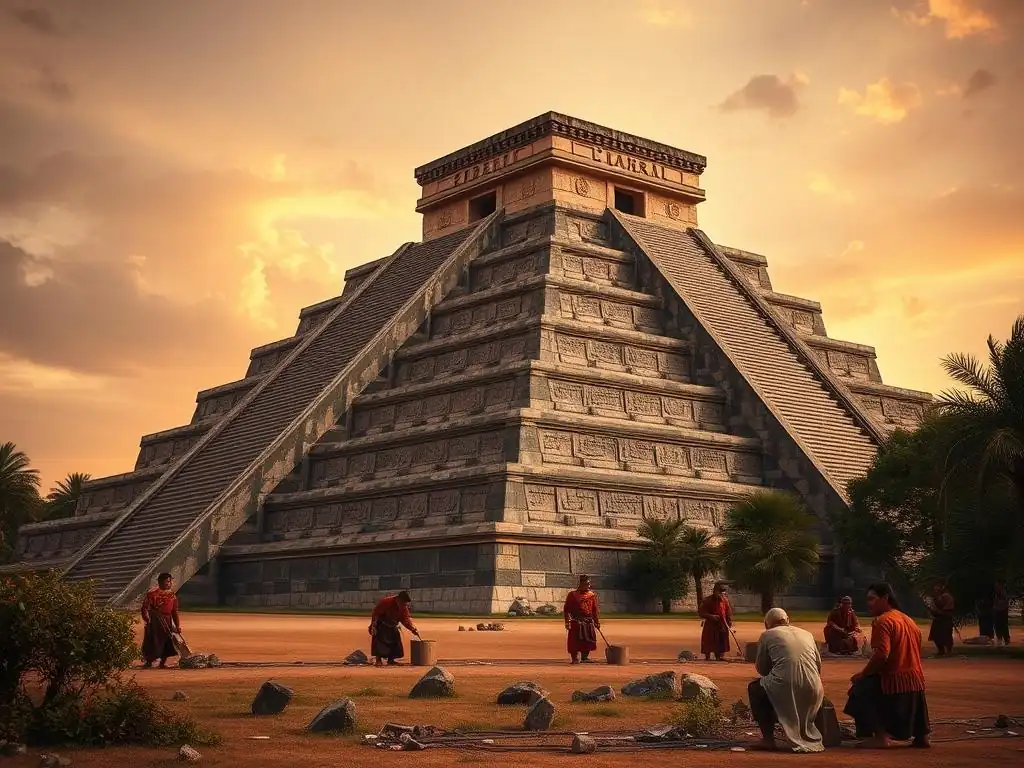
Understanding the cultural influences between the Toltec and Aztec civilizations highlights the interconnectedness of indigenous societies in the Americas. This perspective fosters a greater appreciation for the complexities of pre-Columbian history, emphasizing that architectural styles were not developed in isolation. Instead, they were the result of a continuum of ideas, practices, and technologies that were shared and adapted over generations.
Moreover, examining these influences can enhance our understanding of the social, political, and spiritual contexts in which these cultures operated. Architecture serves as a reflection of societal values and priorities, and by studying these influences, we gain insight into how the Aztecs structured their cities, how they viewed their deities, and how they expressed their identity through built forms. This knowledge is essential for preserving the rich heritage of indigenous civilizations and acknowledging their contributions to human history.
Future Research Directions on Indigenous Architectural Styles
Future research into the architectural styles of the Toltecs and Aztecs should focus on several key areas. Firstly, there is a need for comparative studies that examine regional variations in architectural practices across Mesoamerica. Such studies could reveal how different cultures influenced one another and adapted similar techniques to fit their unique environments and needs.
Secondly, archaeological investigations that employ modern technologies, such as ground-penetrating radar and 3D modeling, can provide new insights into the construction methods and urban planning strategies used by these civilizations. By uncovering hidden structures and understanding their layouts, researchers can paint a more comprehensive picture of how Toltec design principles were integrated into Aztec architecture.
Finally, interdisciplinary approaches that incorporate anthropology, art history, and cultural studies can enhance our understanding of the symbolic meanings embedded in architectural forms. By exploring the narratives tied to these structures, scholars can unravel the deeper cultural significance of architecture in Mesoamerican societies.
References and Further Reading
Suggested Books and Articles on Toltec and Aztec Architecture
- "The Toltec Heritage: From the Fall of Tula to the Rise of Tenochtitlán": by John P. Schmal.
- "Aztec Architecture and Urbanism: An Overview": by Elizabeth Boone.
- "Architecture of the Aztecs: A Study of the Architectural Styles of the Valley of Mexico": by David Carrasco.
- "The Art and Architecture of the Aztecs" by H. B. Nicholas.
Online Resources for Further Exploration of Indigenous Civilizations
- The National Museum of Anthropology: Offers virtual tours and resources on Mesoamerican cultures.
- The Mexican Institute of Culture: Provides articles and archives related to Toltec and Aztec heritage.
- The World Monuments Fund: Features projects focused on the preservation of indigenous architectural sites.
- Khan Academy: Contains educational materials and videos on Mesoamerican civilizations, including Aztec architecture.
- Introduction to Toltec Influence on Aztec Architecture
- Historical Context of Toltec and Aztec Cultures
- Characteristics of Toltec Architecture
- Key Features of Aztec Architecture
- Direct Examples of Toltec Influence on Aztec Architecture
- The Cultural Continuum: How Toltec Design Shaped Aztec Identity
- Conclusion: The Lasting Legacy of Toltec Influence on Aztec Architecture
- Reflections on the Importance of Understanding Cultural Influences
- Future Research Directions on Indigenous Architectural Styles
- References and Further Reading
Frequently Asked Questions
What is the Toltec influence on Aztec architecture?
The Toltec influence is evident in various architectural styles and design elements adopted by the Aztecs, showcasing a cultural continuum that enriched their own structures.
How did the Toltec civilization contribute to Aztec society?
The Toltec civilization served as a cultural predecessor, providing the Aztecs with essential artistic styles, religious practices, and building techniques that shaped their urban environments.
What are some key architectural features derived from the Toltecs?
The Aztecs incorporated pyramids, ornate carvings, and ceremonial plazas into their architecture, all heavily influenced by Toltec design, which emphasized symmetry and ritual significance.
Why is understanding the Toltec influence important?
Understanding the Toltec influence helps us appreciate the complex interactions between pre-Columbian cultures and highlights how these civilizations built upon one another, fostering innovation and cultural richness.
Where can I learn more about the Toltec and Aztec civilizations?
For a deeper dive into their history, society, and architectural achievements, explore the website "Indigenous Civilizations of the Americas," which offers a comprehensive exploration of these fascinating cultures.
Final Reflection: The Enduring Legacy of Toltec Influence on Aztec Architecture
The intricate relationship between Toltec design and Aztec architecture is not merely a historical footnote; it is a testament to the cultural continuum that shapes our understanding of ancient civilizations. Today, as we navigate a world increasingly defined by globalization and cultural exchange, the lessons drawn from this architectural lineage resonate more than ever. The ability of one culture to influence another speaks to the power of shared ideas and the importance of preserving our collective heritage.
_The influence of Toltec design on Aztec architecture is a vivid reminder of how cultural narratives are woven through time, impacting not just the physical structures we see but also the very identity of a people. This ongoing dialogue between cultures enriches our social landscape, fostering a deeper appreciation for diversity and innovation. As the renowned architect Louis Kahn once said, "A great building must begin with the unmeasurable, must go through measurable means when it is being designed and in the end must be unmeasurable."
This encapsulates the essence of how the Toltecs and Aztecs built upon each other's legacies, creating something that transcends mere functionality. **
As we reflect on the profound impact of Toltec influence on Aztec architecture, I invite you to consider how these lessons apply to your own life. How can you draw inspiration from the past to shape your present and future? Whether through embracing cultural diversity, fostering creativity, or building connections across different backgrounds, each of us has the power to contribute to a rich tapestry of shared experiences. Let us honor the legacy of the Toltecs and Aztecs by recognizing the value of cultural exchange and striving to create spaces—both physical and metaphorical—that celebrate our interconnectedness.
Unveil the Rich Heritage of Indigenous Architecture!
Thank you for taking the time to explore the intricate relationship between Toltec design and Aztec architecture. You’ve gained insights into how these cultures interweave their legacies through design. Now, let’s dive deeper into this fascinating world together!
Here are some actionable steps you can take to enrich your understanding and appreciation of Indigenous architecture:
- Explore local museums or exhibits that showcase Mesoamerican architecture to witness these designs firsthand.
- Engage with the community! Share your thoughts on how Toltec influences manifest in contemporary structures on our forum.
- Read insightful books or resources about Indigenous architectural practices to broaden your perspective.
What aspect of Indigenous architecture inspires you the most, and how do you believe it shapes our cultural narrative today?