
Cahokia's Trade Routes: Connecting Cultures and Economies Across the Americas

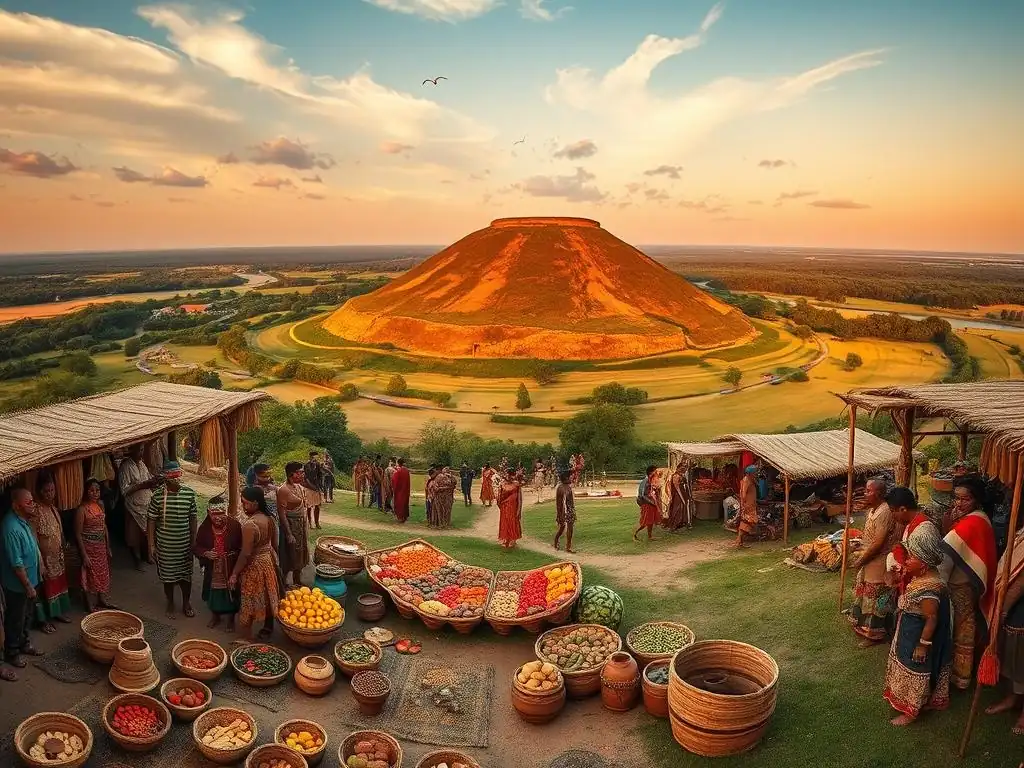
Welcome to Indigenous Civilizations of the Americas, where we invite you to embark on a journey through time to uncover the rich tapestry of indigenous cultures that flourished long before European contact. Our featured article, “Cahokia's Trade Routes: Connecting Cultures and Economies Across the Americas,” delves into the intricate web of trade networks that linked diverse societies, showcasing their remarkable achievements and the profound impact they had on the continent's history.
As you explore the fascinating history of Cahokia’s trade routes, prepare to discover the vibrant connections that shaped not just a civilization, but an entire continent. Your adventure into the past starts here—let curiosity guide you!
- Introduction to Cahokia's Trade Routes History
- The Geography of Cahokia's Trade Routes
- The Cultural Exchange Along Cahokia’s Trade Routes
- Economic Impact of Cahokia's Trade Networks
- The Decline of Cahokia's Trade Routes
- Legacy of Cahokia's Trade Routes in Modern Context
- Conclusion: The Lasting Impact of Cahokia's Trade Routes History
- Frequently Asked Questions
- Final Reflection: The Enduring Legacy of Cahokia's Trade Routes
- Unveil the Legacy of Cahokia's Trade Routes!
Introduction to Cahokia's Trade Routes History
Cahokia, once the largest pre-Columbian settlement in North America, serves as a vital focal point in understanding the intricate web of trade routes that connected diverse indigenous cultures across the Americas. Nestled near present-day St. Louis, Missouri, this remarkable city thrived between 600 and 1400 CE, flourishing as a major center for commerce, culture, and societal organization.
The Cahokia trade routes not only facilitated the exchange of goods but also played a significant role in the dissemination of ideas, technologies, and cultural practices among various indigenous groups. By examining the history of these trade routes, we can gain insight into the sophistication of Cahokia's economy and its profound impact on neighboring societies, ultimately reshaping the landscape of indigenous interactions long before European contact.
Overview of Cahokia and its Significance
Cahokia's rise to prominence can be attributed to several key factors, including its strategic location near the confluence of the Mississippi, Missouri, and Illinois rivers. This advantageous positioning allowed the city to serve as a central hub for trade, drawing in goods from vast distances. Archaeological findings suggest that Cahokia was home to a complex society with a population that may have reached upwards of 20,000 inhabitants at its peak.
Cahokia's significance extends beyond its size and economic prowess; it was a cultural melting pot where diverse indigenous groups converged. The city's monumental earthworks, such as Monks Mound, are testaments to its engineering capabilities and societal organization. These structures served not only as ceremonial sites but also as indicators of Cahokia's political and religious authority. The interconnectedness fostered by trade routes allowed Cahokia to influence the social, political, and economic landscapes of the broader region.
Importance of Trade Routes in Indigenous Economies
Trade routes were fundamental to the economic systems of indigenous civilizations, acting as vital arteries that facilitated the movement of goods, resources, and ideas. The Cahokia trade routes specifically enabled the exchange of a wide array of items, including:
- Agricultural Products: Cahokia was known for its advanced farming techniques, particularly in maize cultivation. Surplus crops were traded for other essential goods.
- Crafted Goods: Items such as pottery, tools, and textiles were exchanged, showcasing the artistic and technical skills of various cultures.
- Raw Materials: Cahokia's trade network allowed access to materials like copper, obsidian, and shells, which were crucial for tool-making and decorative purposes.
The integration of these trade routes not only bolstered Cahokia's economy but also reinforced social ties among various indigenous groups, fostering cooperation and shared cultural practices. The exchange of goods and ideas through these routes played a pivotal role in the economic stability and cultural richness of the region, underlining the importance of trade in the pre-colonial Americas.
Understanding the Cahokia trade routes history illuminates the complexities of indigenous economies and the interconnectedness of cultures long before the arrival of Europeans, providing a deeper appreciation for the achievements of the civilizations that thrived in the Americas.
The Geography of Cahokia's Trade Routes
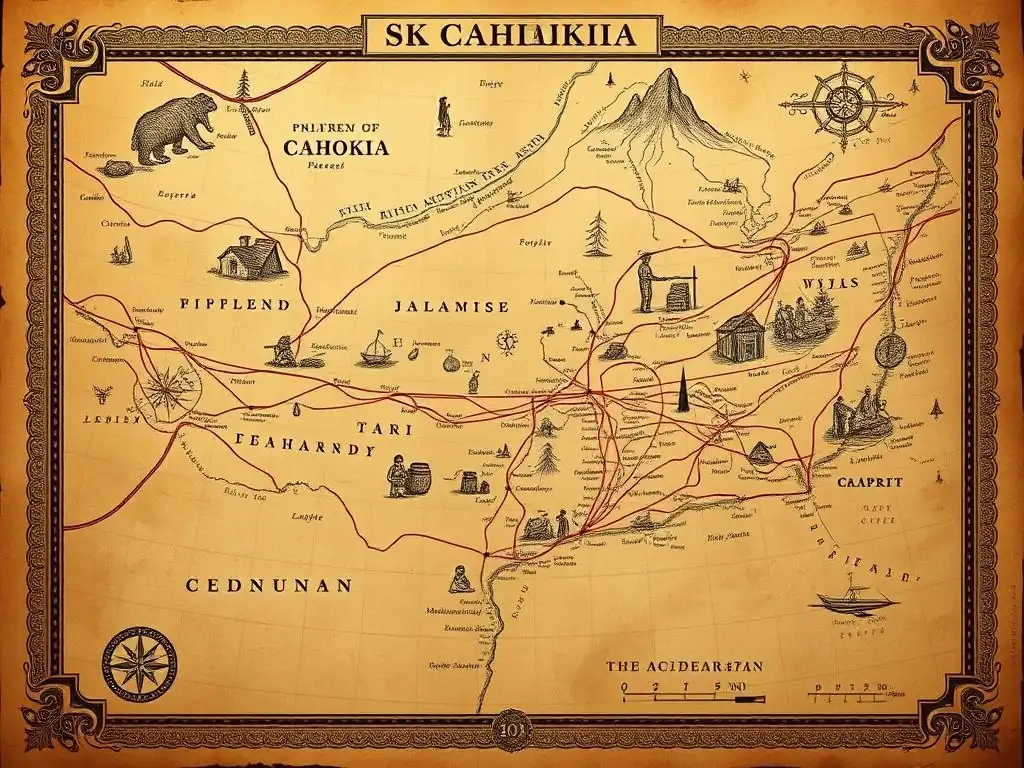
Cahokia, located near modern-day St. Louis, Missouri, was not only a thriving urban center but also a crucial hub for trade routes that connected various indigenous cultures across the Americas. The geography of Cahokia played a significant role in its development as a trade nexus, as it was strategically positioned near the confluence of the Mississippi, Missouri, and Illinois Rivers. This advantageous location facilitated the movement of goods and ideas, making it a vibrant center for economic exchange.
Key Locations and Their Economic Roles
Cahokia's trade network extended far beyond its borders, integrating various key locations that contributed to its economic prosperity:
- Cahokia Mounds: The central site, featuring multiple mounds, served as a political and ceremonial hub. It was here that trade fairs took place, attracting merchants from distant regions.
- Mississippi River: This major waterway was pivotal for transporting goods. Canoes and boats traversed its waters, allowing for efficient trade with communities along its banks.
- Illinois River: Serving as another vital artery, the Illinois River connected Cahokia to the Great Lakes and other northern territories, expanding its trading reach.
- Trade Centers: Important smaller trade centers, such as Peoria and Kaskaskia, acted as satellite hubs, facilitating local and regional trade before goods reached Cahokia.
These locations played distinct roles in the overall trade economy of Cahokia, each providing unique resources and goods that enriched the cultural tapestry of the region.
Major Trade Pathways Connecting Cultures
The trade routes originating from Cahokia were extensive and multifaceted, forging connections between various indigenous cultures across the continent. Notable trade pathways included:
- The Mississippi River Trade Route:
- This route allowed for the exchange of a wide variety of goods, such as:
- Agricultural Products: Corn, beans, and squash from agricultural communities.
- Raw Materials: Clay, stone tools, and copper from the Great Lakes region.
- This route allowed for the exchange of a wide variety of goods, such as:
- The Illinois River Route:
- Facilitated trade with groups in the north and east, promoting the flow of:
- Textiles: Woven goods from other cultures.
- Shell and Bone Artifacts: Items crafted from local and distant materials.
- Facilitated trade with groups in the north and east, promoting the flow of:
- The Ohio River Route:
- Connected Cahokia with the eastern tribes, enhancing cultural exchanges and trade of:
- Ceramics: Distinctive pottery styles and techniques.
- Agricultural Innovations: New farming techniques that improved crop yields.
- Connected Cahokia with the eastern tribes, enhancing cultural exchanges and trade of:
- Overland Routes:
- While waterways were primary, overland trails also played a role in trade, linking Cahokia to:
- Hunting Grounds: Providing access to game and furs.
- Salt Licks: Essential for preserving food and enhancing diets.
- While waterways were primary, overland trails also played a role in trade, linking Cahokia to:
The complexity of these trade routes highlights not only the economic significance of Cahokia but also its role as a cultural melting pot, where diverse peoples came together, shared ideas, and developed new technologies. The legacy of Cahokia’s trade routes continues to resonate, underscoring the interconnectedness of indigenous societies long before European contact.
The Cultural Exchange Along Cahokia’s Trade Routes
Influence of Trade on Indigenous Cultures
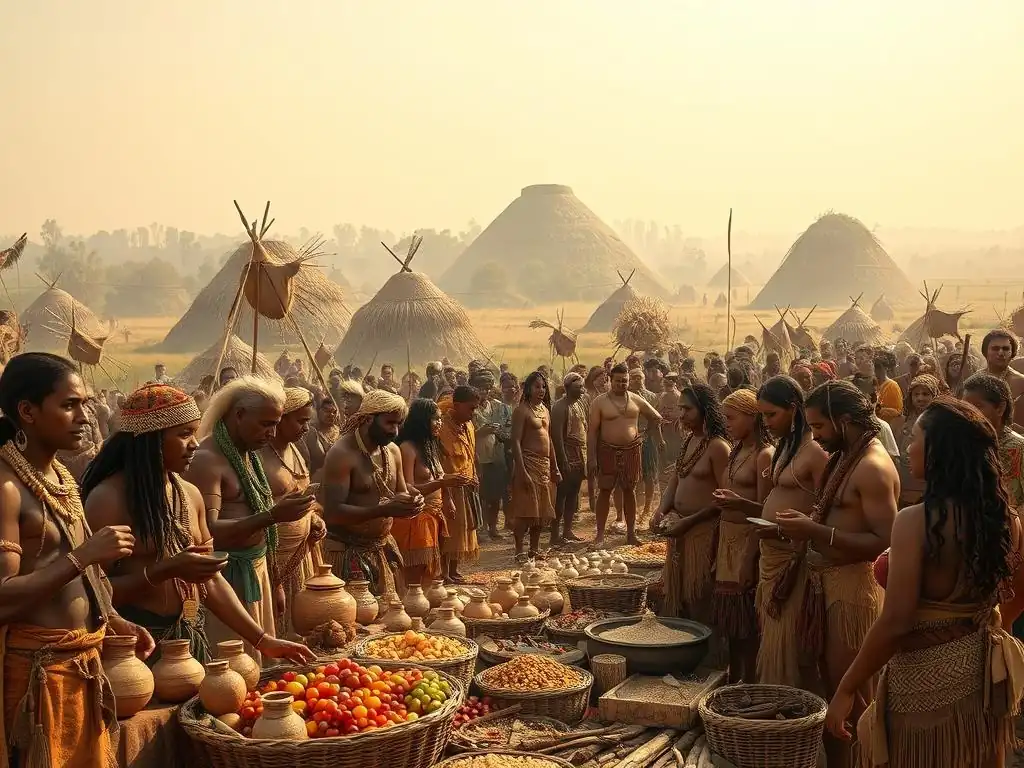
Cahokia, one of the most significant urban centers of pre-Columbian North America, thrived due to its strategic position along extensive trade routes that connected various indigenous cultures across the Americas. The Cahokia trade routes history demonstrates how these pathways facilitated not just the exchange of goods, but also the sharing of ideas, customs, and technologies among diverse groups.
Economic Impact
The trade routes allowed Cahokia to become a bustling hub of commerce, attracting traders from distant regions. This economic activity contributed to the rise of social stratification within Cahokia, leading to the development of specialized roles such as traders, artisans, and laborers. As a result, the economy flourished, supported by the demand for both local and exotic goods.
- Key Economic Contributions:
- Surplus Agriculture: Cahokia's agricultural practices, particularly the cultivation of maize, allowed for surplus production, which was crucial for trade.
- Craft Specialization: Artisans began to create specialized goods, such as pottery and tools, that were highly sought after in trade.
Cultural Exchange
The movement of goods along these trade routes also acted as a catalyst for cultural exchange. Different indigenous groups shared their religious beliefs, linguistic traits, and artistic styles through these interactions.
- Cultural Influences:
- Religious Practices: The exchange of ceremonial items led to the blending of spiritual beliefs, enriching the cultural tapestry of the region.
- Artistic Techniques: Techniques in pottery and weaving were adopted from neighboring cultures, leading to innovations in local craftsmanship.
The interconnectedness fostered by these trade routes exemplifies the dynamic relationships among indigenous peoples, showcasing a rich history of collaboration and adaptation.
Artifacts and Goods Traded Across the Americas
The artifacts and goods traded via Cahokia’s extensive trade networks reveal the complexity and richness of indigenous economies. These exchanges included a wide array of items, each with its own significance and utility within various cultures.
Major Categories of Trade Goods
- Foodstuffs
- Maize: As a staple crop, maize was not only a vital food source but also served as a trade commodity.
- Beans and Squash: Complementary crops that were often traded together, forming the basis of many indigenous diets.
- Raw Materials
- Flint and Obsidian: Sourced from specific regions, these materials were essential for tool-making and weaponry.
- Copper: Used to create tools and ornamental items, copper was a highly valued trade item.
- Crafted Goods
- Pottery: Decorative and functional pottery items were traded widely, showcasing the artistic skills of different cultures.
- Textiles: Woven goods, including blankets and clothing, reflected the unique styles and techniques of various indigenous groups.
Notable Artifacts
Several artifacts discovered at Cahokia provide insight into the trade patterns and cultural exchanges that occurred:
- Pipes and Effigies: These items often held ceremonial significance and were traded as symbols of status or spirituality.
- Shell and Bead Jewelry: Crafted from materials sourced from coastal regions, these items indicate long-distance trade and cultural connections.
The artifacts and goods traded across the Americas not only served practical purposes but also played a crucial role in the cultural exchange that shaped the diverse indigenous societies linked by Cahokia’s trade routes. The historical significance of these exchanges continues to be a vital area of study, illuminating the interconnectedness of pre-Columbian civilizations.
Economic Impact of Cahokia's Trade Networks
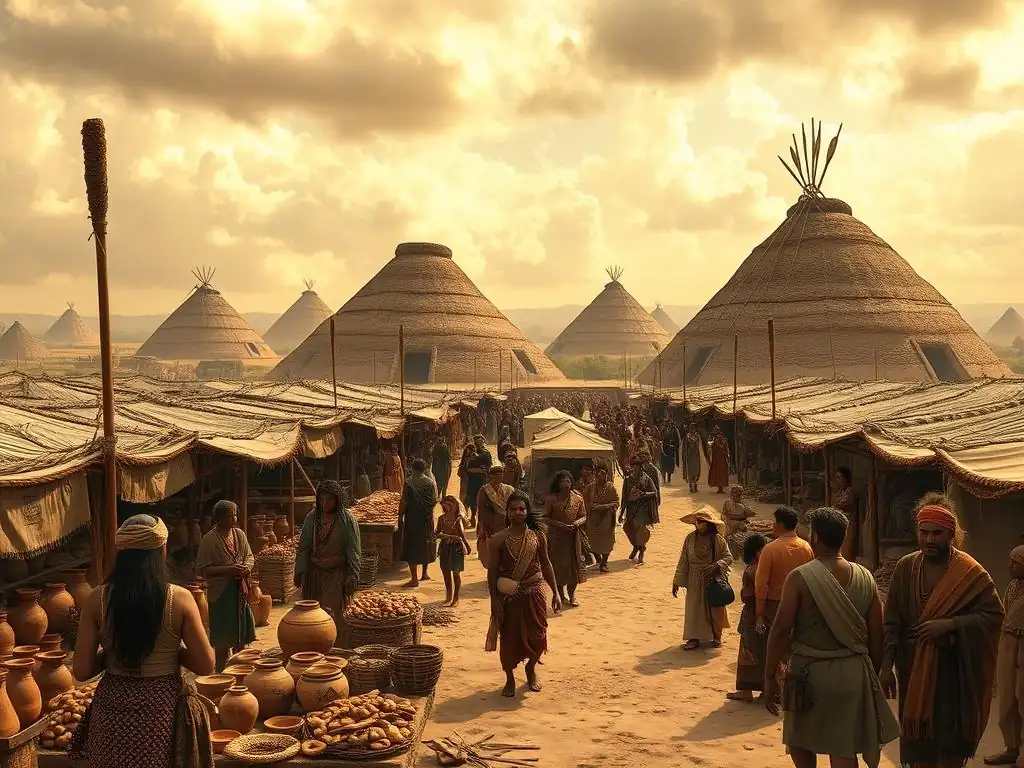
Cahokia, one of the largest pre-Columbian cities in North America, had a profound economic impact on the surrounding regions through its extensive trade networks. These networks facilitated not only the exchange of goods but also cultural interactions among various indigenous groups. The strategic location of Cahokia, near the confluence of the Mississippi, Missouri, and Illinois Rivers, positioned it as a central hub for trade routes that connected diverse cultures across the Americas.
The economic landscape of Cahokia was characterized by a complex system of trade that involved the exchange of agricultural products, crafted goods, and raw materials. This intricate web of trade routes enabled Cahokia to flourish as a vital economic center, influencing the development of neighboring societies and fostering interregional relationships.
Role of Agriculture in Cahokia's Economy
Agriculture was the backbone of Cahokia's economy, supporting its large population and facilitating trade. The fertile floodplains of the Mississippi River allowed for the cultivation of staple crops such as maize (corn), beans, and squash—often referred to as the "Three Sisters." These crops not only provided sustenance but also served as valuable trade goods.
- Maize Cultivation: Cahokia's agricultural success was largely due to advanced farming techniques, including the use of raised fields and crop rotation. Maize was a primary crop, and its surplus allowed for population growth and the establishment of trade relationships.
- Food Preservation: Techniques such as drying and smoking preserved agricultural products, enabling long-distance trade. This preservation ensured that Cahokia could supply food to its inhabitants and trade partners throughout the year.
- Community Cooperation: Farming in Cahokia was often a communal effort. Large-scale agricultural projects required cooperation among community members, which fostered social cohesion and strengthened trade ties with neighboring communities.
The agricultural output of Cahokia not only sustained its population but also generated surpluses that could be traded, thus fueling the vibrant economy of the region.
Trade Goods and Their Contributions to Wealth
Cahokia's trade routes facilitated the exchange of a variety of goods that contributed significantly to its wealth and influence. The trade network extended from the Great Lakes to the Gulf of Mexico, encompassing numerous indigenous cultures, each contributing unique items to the trade.
- Crafted Goods: Cahokia was known for its skilled artisans who produced a range of items, including pottery, tools, and ornaments made from materials like shell, stone, and clay. These goods were not only functional but also held cultural significance, making them highly sought after in trade.
- Raw Materials: Cahokia served as a trading hub for essential raw materials, such as flint for tool-making and copper for decorative objects. The acquisition and distribution of these materials helped establish economic power within the region.
- Cultural Artifacts: Items such as ceremonial objects and religious artifacts were traded, enhancing cultural exchanges between Cahokia and other indigenous groups. These interactions led to the sharing of ideas, beliefs, and practices, further enriching the cultural tapestry of the Americas.
| Trade Goods | Description | Economic Impact |
|---|---|---|
| Pottery | Functional and decorative items | Promoted artisanship and trade |
| Shell jewelry | Ornaments made from local and exotic shells | Attracted traders and wealth |
| Flint tools | Essential for hunting and agriculture | Supported survival and trade |
| Copper artifacts | Decorative items signifying status | Enhanced social hierarchy |
The economic model of Cahokia was intricately linked to its trade routes. The exchange of goods not only enriched the local economy but also established Cahokia as a central player in the broader economic networks of pre-Columbian America. By facilitating trade, Cahokia contributed to the interconnectedness of various indigenous cultures, leaving a lasting legacy on the landscape of North American history.
The Decline of Cahokia's Trade Routes
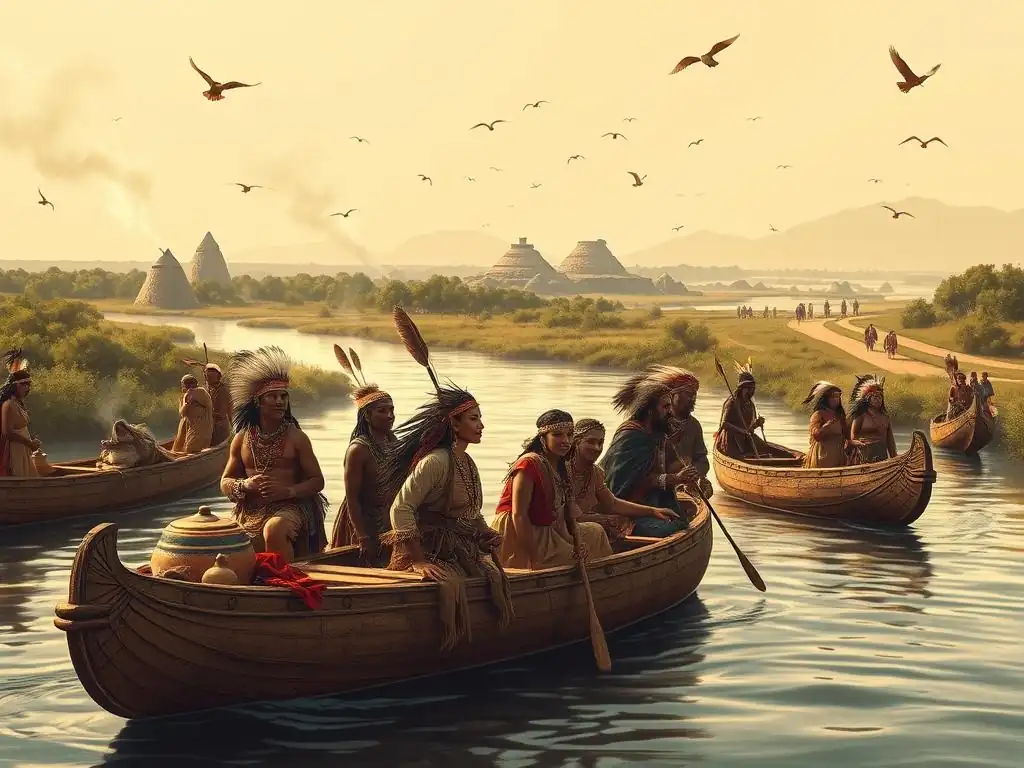
The decline of Cahokia's trade routes marks a significant transition in the historical narrative of this ancient civilization. As one of the largest urban centers in pre-Columbian North America, Cahokia was a hub of commerce and cultural exchange. However, several factors contributed to the eventual decline in the vibrancy of its trade networks, which were once instrumental in connecting various indigenous cultures across the continent.
Factors Leading to Changes in Trade Dynamics
-
Population Decline:
The population of Cahokia experienced a notable decline during the 13th century. Archaeological evidence suggests that this drop was due to a combination of factors, including:
- Resource Depletion: As the population grew, the demand for resources such as timber and fertile land exceeded sustainable levels, leading to deforestation and soil depletion.
- Social Strife: Increased competition for dwindling resources may have led to social unrest and conflict, further destabilizing the community.
-
Shifts in Trade Patterns:
The trade dynamics of Cahokia were not static. As neighboring cultures evolved and established their own trade routes, Cahokia faced competition from emerging centers. Key shifts included:
- Emergence of New Trade Centers: Communities to the south and west began to flourish, diverting trade away from Cahokia.
- Changes in Demand: The types of goods in demand shifted over time, impacting the types of trade relationships that were viable.
-
Political Changes:
Cahokia's political structure was complex, and changes in leadership or governance could directly impact trade. Factors included:
- Leadership Instability: Conflicts among leaders or factions may have disrupted established trade agreements.
- Decline of Central Authority: As population and power waned, the centralized control that facilitated trade may have diminished, leading to fragmented trade networks.
Impact of Environmental Changes on Trade
The environmental conditions surrounding Cahokia played a crucial role in influencing its trade routes and economic stability. Key aspects include:
- Climate Variability:
- The region experienced fluctuating climatic conditions, notably periods of drought followed by heavy rainfall. These changes directly affected agricultural productivity, which was a cornerstone of Cahokia's economy. A decline in food production could lead to increased trade reliance on external sources, putting pressure on trade routes.
- River Dynamics:
- The Mississippi River and its tributaries served as vital trade arteries for Cahokia. However, changes in river flow patterns, sedimentation, and flooding could disrupt transportation routes. For instance, flooding could make certain routes impassable, while sediment buildup might alter navigable pathways.
- Natural Disasters:
- Events such as tornadoes or significant storms could damage infrastructure and disrupt trade activities. The resulting destruction could hinder trade opportunities and further contribute to the decline of the Cahokia trade network.
The decline of Cahokia's trade routes was a multifaceted issue that arose from a combination of social, political, and environmental factors. Understanding these dynamics is essential to grasp the broader implications of trade in the context of Cahokia's historical significance and its connections to indigenous cultures across the Americas.
Legacy of Cahokia's Trade Routes in Modern Context
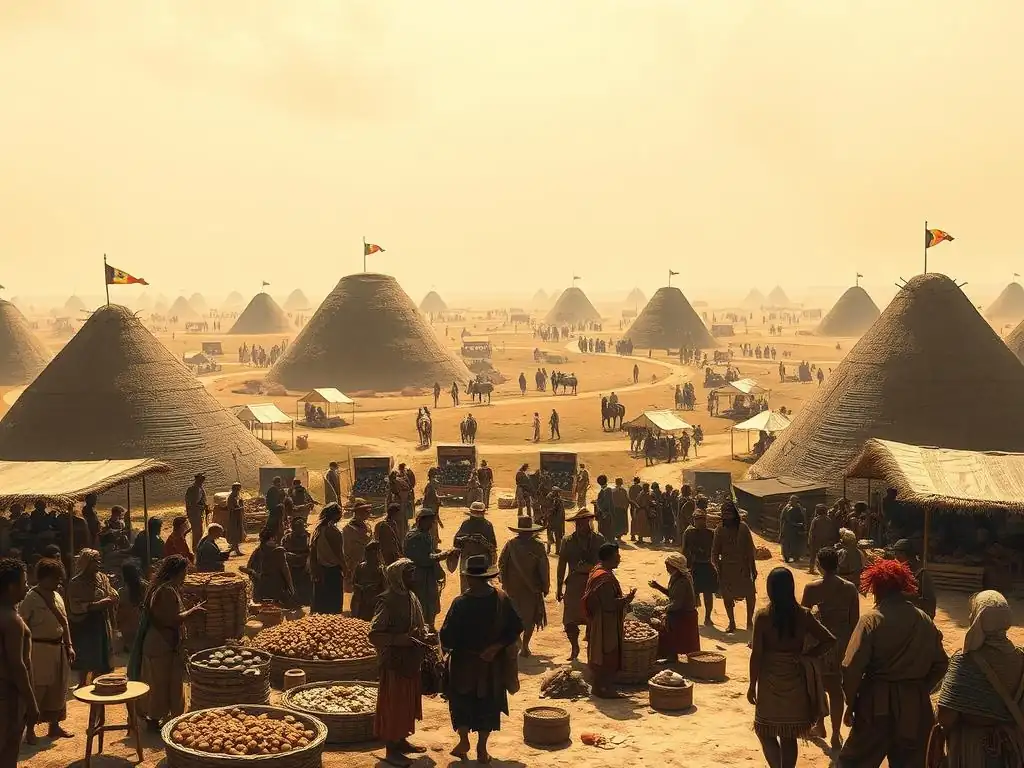
Cahokia, once a bustling urban center near present-day St. Louis, Missouri, was not only a hub of political and social activity but also a focal point for trade across the Americas. The legacy of Cahokia's trade routes extends beyond its peak, leaving a profound impact on modern economic and cultural landscapes. Understanding this legacy is essential in appreciating how indigenous trade practices shaped future economies and cultural connections.
How Cahokia's Trade Influenced Future Economies
The trade routes established by Cahokia played a pivotal role in developing regional and long-distance trade networks that influenced future economies in North America. These routes facilitated the exchange of goods such as:
- Copper from the Great Lakes region
- Shells from the Gulf Coast
- Obsidian from the Rocky Mountains
- Textiles and various agricultural products
Through this extensive trading system, Cahokia not only enriched its local economy but also set the stage for economic practices that would evolve in the centuries to follow. The indigenous peoples of the Americas adopted and adapted these trade networks, which can be seen in several ways:
- Resource Distribution: The efficient movement of goods allowed for a more equitable distribution of resources. This concept of shared resources can still be observed in modern indigenous practices.
- Cultural Exchange: Cahokia's trade routes were not merely conduits for material goods but also facilitated cultural exchanges that fostered unity among diverse groups. These exchanges contributed to the development of languages, traditions, and social structures that resonate in contemporary indigenous cultures.
- Economic Models: The sophisticated trade practices of Cahokia laid groundwork for modern economic models emphasizing collaboration, sustainability, and community enrichment, reflecting ongoing indigenous values.
The history of Cahokia's trade routes is pivotal for understanding the evolution of economic practices in North America. Its influence can be traced through the development of trade networks and cultural exchanges that have shaped and continue to inspire modern indigenous economies.
Continuing Cultural Connections in Indigenous Communities
The enduring legacy of Cahokia's trade routes is not only evident in economic practices but also in the cultural connections that persist among indigenous communities today. These connections are manifested through:
- Traditional Knowledge: Many indigenous groups maintain the knowledge of traditional trade practices, emphasizing the importance of reciprocity and respect for the land. This knowledge is passed down through generations, ensuring that the values of trade are preserved.
- Cultural Festivals: Modern indigenous communities often celebrate their heritage through festivals that highlight traditional crafts, foods, and music—echoing the cultural exchanges that once took place along Cahokia's trade routes.
- Artistic Expression: The artistic traditions stemming from trade interactions can still be observed today. Many indigenous artists incorporate motifs and techniques that reflect their historical trade connections, creating a living testament to their rich heritage.
These cultural continuities demonstrate that the influences of Cahokia's trade routes are not merely relics of the past but vibrant aspects of contemporary indigenous identity. As communities navigate the complexities of modern life, the historical foundations laid by Cahokia continue to inform their practices and interconnections.
The legacy of Cahokia's trade routes is a vital part of understanding the past and present of indigenous cultures in the Americas. It highlights the intricate web of economic and cultural relationships that have endured through time, shaping the identities and practices of indigenous communities today.
Conclusion: The Lasting Impact of Cahokia's Trade Routes History
Summary of Key Points
Cahokia's trade routes were instrumental in establishing a complex network of commerce that connected various indigenous cultures across the Americas. These routes facilitated the exchange of not only goods but also ideas, technologies, and cultural practices. Key points regarding Cahokia's trade routes history include:
- Geographic Advantage: Cahokia's strategic location near the confluence of major rivers allowed easy access to diverse resources and facilitated trade with distant regions.
- Diverse Trade Goods: Cahokia was known for its unique products, including pottery, tools, and ceremonial items, which were highly sought after by neighboring cultures. In exchange, Cahokians received goods such as shellfish, copper, and textiles.
- Cultural Exchange: The movement of people along these trade routes fostered cultural exchanges that enriched the social fabric of Cahokia and neighboring societies. This included the adoption of new agricultural techniques and religious practices.
- Economic Impact: The trade routes contributed to the economic prosperity of Cahokia, allowing it to become one of the largest urban centers in pre-Columbian North America. The wealth generated through trade played a crucial role in the development of its monumental architecture and societal complexity.
Reflection on Cultural Heritage and Economic Systems
The legacy of Cahokia's trade routes extends beyond mere economic transactions; it reflects a profound cultural heritage that shaped the identities of various indigenous groups in the Americas. The interconnectedness fostered through these routes highlights several important considerations:
- Cultural Resilience: The ability of the Cahokians to adapt and thrive through trade illustrates the resilience and innovation of indigenous cultures. Despite external pressures, these societies maintained their distinct identities while simultaneously engaging in meaningful exchanges.
- Interdependence: The trade routes exemplified interdependence among various cultures, emphasizing the importance of cooperation and collaboration. This interdependence laid the groundwork for complex social systems that were able to sustain large populations.
- Lessons for Contemporary Society: Understanding the economic systems of Cahokia and their trade routes provides valuable insights into sustainable practices and community-oriented economies. As contemporary societies grapple with globalization, the lessons learned from Cahokia’s interconnectedness can inspire approaches that prioritize cultural diversity and economic equity.
Cahokia's trade routes history not only reveals the economic prowess of this remarkable civilization but also serves as a testament to the rich tapestry of cultural heritage that continues to resonate in the present day. The influences of these early trade networks remind us of the enduring significance of indigenous cultures and their contributions to the broader narrative of human civilization.
Frequently Asked Questions
What were the main trade routes of Cahokia?
Cahokia's trade routes connected various indigenous cultures across the Americas, facilitating the exchange of goods, ideas, and cultural practices.
How did Cahokia influence economic systems?
Cahokia played a crucial role in developing economic systems by acting as a central hub for trade, which helped to bolster the economies of surrounding communities.
What types of goods were commonly traded in Cahokia?
Cahokia's trade routes facilitated the exchange of various goods, including ceramics, tools, and agricultural products, significantly impacting local and regional economies.
What is the significance of Cahokia in the context of indigenous cultures?
Cahokia is significant as it highlights the complex societies and cultural achievements of indigenous peoples, showcasing their ability to establish vast trade networks long before European contact.
How did the collapse of Cahokia affect trade?
The collapse of Cahokia led to a decline in trade activity, disrupting established trade routes and significantly affecting the economic stability of surrounding indigenous communities.
Final Reflection: The Enduring Legacy of Cahokia's Trade Routes
Cahokia's trade routes serve as a powerful reminder of the interconnectedness of cultures and economies, a concept that remains profoundly relevant today. In an era where globalization shapes our daily lives, understanding the historical significance of these trade networks allows us to appreciate the intricate web of relationships that have existed long before modern commerce. The legacy of Cahokia is not merely a relic of the past; it is a testament to the enduring human spirit of collaboration and exchange.
Cahokia's trade routes have profoundly influenced the cultural and social landscape of North America, fostering a rich tapestry of interactions that continue to resonate. The exchange of goods, ideas, and traditions among diverse communities laid the groundwork for the vibrant cultures we see today. Trade is not just about goods; it is about the connections we forge and the stories we share.
This quote encapsulates the essence of how trade routes like those of Cahokia have shaped identities and fostered unity among disparate groups, reminding us that our histories are intertwined.
As we reflect on the lessons from Cahokia's trade routes, let us consider how we can apply these insights to our lives today. I invite you to explore the connections in your own community, recognizing the value of collaboration and the richness that diversity brings. By engaging with others and embracing the spirit of exchange, we can continue the legacy of Cahokia, building bridges that foster understanding and cooperation in our increasingly interconnected world.
Unveil the Legacy of Cahokia's Trade Routes!
Thank you for exploring the fascinating world of Cahokia’s trade routes with us! You’ve uncovered the intricate connections that shaped the cultures and economies of ancient America. Now, let’s take that knowledge and inspire further curiosity and action.
Here are a few ways you can deepen your understanding and engage with this incredible topic:
- Dive deeper into history: Read more about the major trade centers across the Americas and their interactions with Cahokia.
- Share your insights: Discuss these trade routes with friends or post about them on social media to spark conversations about Indigenous civilizations.
- Join a community: Participate in forums or local groups focused on Indigenous history and culture to connect with others who share your interests.
What unique aspect of Cahokia's trade routes do you find most intriguing? How can understanding these connections reshape our view of Indigenous cultures today?