
Rituals and Art: How Cahokian Culture Shaped Their Identity Through Creative Expression

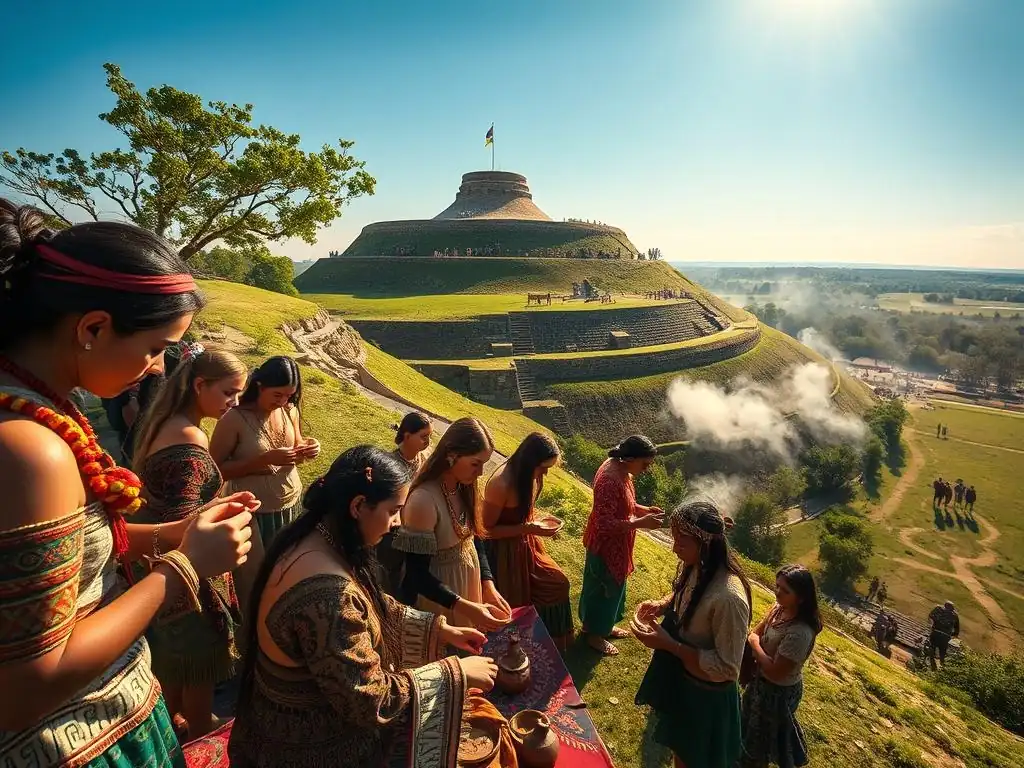
Welcome to Indigenous Civilizations of the Americas, where we embark on a captivating journey through the rich tapestry of pre-colonial cultures. Here, you will uncover the fascinating world of the Cahokian culture artistic rituals, revealing how these ancient peoples expressed their identity and values through art and ceremony. What secrets do these rituals hold about their society and beliefs? Dive deeper with us as we explore the profound impact of creative expression on Cahokian identity and discover the legacies that continue to resonate today. Your adventure into the vibrant past of Indigenous civilizations begins now!
- Introduction to Cahokian Culture and Artistic Rituals
- The Role of Rituals in Cahokian Artistic Expression
- Key Artistic Rituals of the Cahokian Culture
- Symbolism and Meaning in Cahokian Art
- The Impact of Cahokian Artistic Rituals on Identity
- Comparative Analysis of Cahokian Artistic Rituals with Other Indigenous Cultures
- Preservation of Cahokian Artistic Rituals and Cultural Heritage
- Conclusion: The Lasting Legacy of Cahokian Culture Through Artistic Rituals
-
Frequently Asked Questions
- What is the significance of Cahokian culture artistic rituals?
- How did the artistic rituals influence Cahokian society?
- What types of artistic expressions were prominent in Cahokian culture?
- How did European colonization affect Cahokian artistic rituals?
- What can we learn from the Cahokian artistic rituals today?
- Final Reflection: The Enduring Legacy of Cahokian Culture's Artistic Rituals
- Unveil the Richness of Cahokian Culture Today!
Introduction to Cahokian Culture and Artistic Rituals
The Cahokian culture, which flourished between approximately 600 and 1400 CE in what is now the American Midwest, represents one of the most sophisticated and influential indigenous civilizations in the pre-Columbian Americas. This culture, centered around the city of Cahokia near present-day St. Louis, Missouri, is renowned for its impressive earthen mounds, extensive trade networks, and complex social structures. However, beyond these monumental achievements lies a rich tapestry of artistic rituals that played a crucial role in shaping the identity of the Cahokian people.
Through creative expression, they conveyed their beliefs, values, and communal ties, leaving a legacy that resonates in the cultural narratives of indigenous peoples today. This article delves into the artistic rituals of Cahokian culture, exploring how these expressions were not only aesthetic but also integral to their societal framework.
Overview of Cahokian Culture
Cahokian culture is characterized by its advanced urban planning, social organization, and agricultural practices. At its peak, Cahokia was one of the largest cities in the world, with a population that may have exceeded 20,000 inhabitants. The city featured a series of large earthen mounds, including the famous Monk's Mound, which served as a ceremonial and political center.
Key Features of Cahokian Culture:
- Mound Construction: The Cahokians built over 120 mounds, each serving specific purposes, such as religious ceremonies, burials, and elite residences.
- Societal Structure: The society was hierarchical, with a ruling elite, priests, and commoners, indicating a complex social stratification.
- Trade Networks: Cahokia was a hub of trade, connecting various indigenous groups across the continent, facilitating the exchange of goods, ideas, and cultural practices.
- Agriculture: The Cahokians practiced intensive agriculture, primarily growing maize, which was central to their diet and economy.
Through these elements, the Cahokian people not only established a thriving civilization but also developed a unique identity that was deeply intertwined with their artistic practices.
Importance of Artistic Expression in Indigenous Societies
Artistic expression in indigenous societies, including the Cahokians, served as a vital form of communication that transcended verbal language. It was a means of preserving history, expressing spirituality, and reinforcing social bonds.
Functions of Artistic Expression:
- Cultural Identity: Art allowed the Cahokians to convey their beliefs, traditions, and communal identity, fostering a sense of belonging and continuity within their society.
- Ritual Significance: Many artistic practices were embedded in religious rituals, serving as a medium to connect with the spiritual world and honor their deities.
- Storytelling: Through various forms of art—pottery, sculpture, and mural painting—the Cahokians told stories that reflected their experiences, values, and cosmology.
- Social Cohesion: Artistic rituals often involved community participation, which strengthened social ties and collective identity among the Cahokians.
The artistic rituals of Cahokian culture were not merely decorative but were essential to the fabric of their society, shaping their identity and underpinning their communal life. Through this exploration of Cahokian culture and its artistic expressions, we can gain deeper insights into the complexities of indigenous civilizations in the Americas.
The Role of Rituals in Cahokian Artistic Expression
Understanding Cahokian Rituals
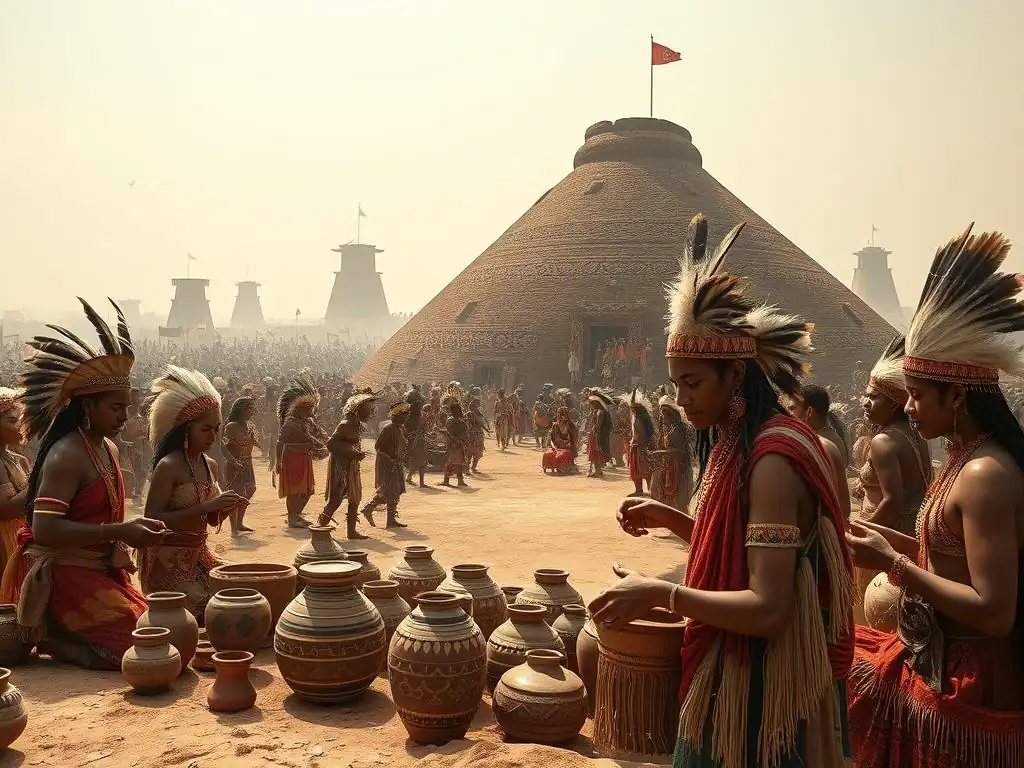
Cahokian rituals were integral to the community's social fabric, serving not only as spiritual practices but also as cultural expressions that defined their identity. These rituals often revolved around agricultural cycles, seasonal changes, and significant life events, reflecting a profound connection to nature and the cosmos.
- Seasonal Festivals: The Cahokians celebrated various seasonal festivals that coincided with agricultural planting and harvesting. These events often included elaborate ceremonies, dances, and offerings to deities, which were believed to ensure bountiful crops.
- Ceremonial Mounds: The construction and use of earthen mounds were central to Cahokian rituals. These mounds served as both physical and spiritual landmarks, where important ceremonies were conducted. The largest of these, Cahokia Mounds, acted as a stage for public rituals, including the famous Green Corn Ceremony.
- Artistic Expression through Rituals: Artistic elements were deeply woven into Cahokian rituals. The use of pottery, body paint, and intricate masks during ceremonies not only enhanced the visual spectacle but also carried symbolic meanings related to their beliefs and values.
- Spiritual Leaders: Shamans and spiritual leaders played a crucial role in conducting rituals. They were seen as intermediaries between the spiritual world and the community, using their artistic talents to create items such as ceremonial regalia and ritualistic artifacts that were central to the rites performed.
Significance of Rituals in Cultural Identity
Rituals within Cahokian culture were more than mere traditions; they were fundamental to the construction and reinforcement of cultural identity.
- Community Cohesion: Rituals fostered a sense of belonging among the Cahokians. Participating in collective ceremonies allowed individuals to connect with their heritage, reinforcing social bonds and shared values within the community.
- Cultural Transmission: Through rituals, Cahokian artistic practices and values were transmitted across generations. Elders imparted knowledge about the meanings and techniques behind artistic expressions, ensuring that cultural practices remained vibrant and relevant.
- Symbol of Resistance: In the face of external pressures and eventual European colonization, Cahokian rituals became a form of resistance, preserving their identity in the midst of change. The continued practice of these rituals demonstrated resilience and adaptability, showcasing the importance of art in maintaining cultural integrity.
- Reflection of Beliefs: The artistic elements present in Cahokian rituals were a reflection of their cosmology and worldview. Symbols, motifs, and colors used in ritualistic art conveyed complex narratives about life, death, and the cosmos, making each ritual a profound expression of their identity.
In summary, Cahokian culture artistic rituals were pivotal in shaping their identity, serving as a lens through which the community understood their existence, values, and place in the world. The intersection of art and ritual not only defined their cultural practices but also ensured the continuity of their rich heritage.
Key Artistic Rituals of the Cahokian Culture
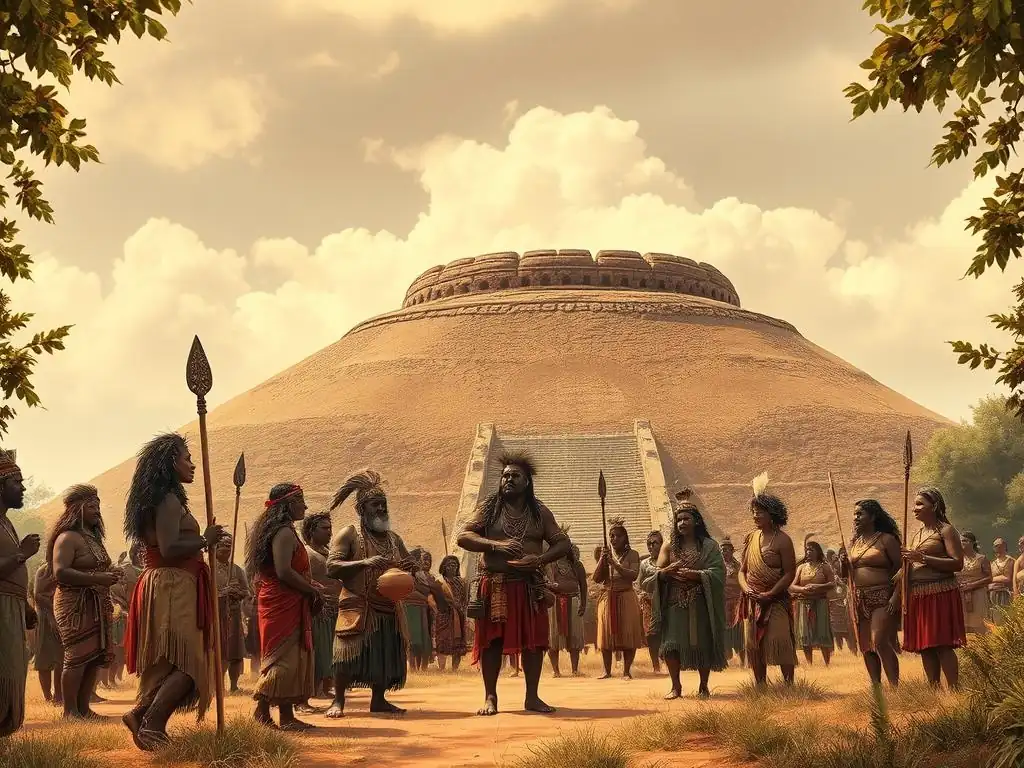
Cahokian culture, which flourished in the Mississippi River Valley from about 600 to 1400 CE, is renowned for its rich tapestry of artistic rituals that played a vital role in their societal identity and spiritual beliefs. These rituals were not merely decorative; they were deeply intertwined with the community's cosmology and daily life, reflecting their values, beliefs, and social structures.
The Role of Ceremonial Mounds in Art
Ceremonial mounds are one of the most distinctive features of Cahokian culture, serving as both artistic and spiritual hubs. These mounds, constructed from earth and clay, were not just burial sites but also venues for significant rituals and gatherings.
- Types of Mounds:
- Monk's Mound: The largest earthen structure in the Americas, it served as a platform for a temple and was likely a focal point for rituals.
- Burial Mounds: These mounds contained elaborate grave goods, showcasing artistic expressions through pottery, jewelry, and other artifacts.
The construction of these mounds involved intricate planning and community involvement, emphasizing the collective identity of the Cahokians. The alignment of mounds with celestial events, such as solstices and equinoxes, indicates that these structures were also intended to connect the earthly realm with the divine, reinforcing the cultural and spiritual significance of artistic expression in their rituals.
Artistic Practices in Spiritual Rituals
Artistic practices in Cahokian culture were deeply embedded in their spiritual rituals. Various forms of art were employed to enhance the ceremonial experience, often aimed at invoking spiritual entities or ancestral spirits.
- Pottery and Sculpture: Cahokians created elaborate pottery adorned with symbolic designs that held religious significance. These vessels were often used in rituals, such as offerings or feasts, and showcased the artisans' skills and the community's values.
- Textiles and Body Art: The use of textiles, including woven materials and body paint, played an essential role in ritualistic practices. Colors and patterns often had specific meanings, reflecting the individual's status or role within the ceremony.
- Music and Dance: Artistic expression was also evident in music and dance during rituals. Specific songs and movements were designed to pay homage to deities or ancestors, reinforcing the collective memory and cultural identity of the Cahokian people.
The integration of these artistic practices in spiritual rituals highlights the importance of creativity in expressing and preserving the Cahokian worldview, strengthening communal bonds, and fostering a sense of belonging.
The Influence of Natural Elements in Cahokian Art
Cahokian art was significantly influenced by the natural environment surrounding them. The abundant resources available in the Mississippi River Valley provided both inspiration and materials for creative expression.
- Materials Used: Cahokians utilized clay, stone, and organic materials like wood and bone to craft their artistic creations. The choice of materials often reflected the spiritual connection to the land, as many items were created with natural motifs that echoed the flora and fauna of the region.
- Symbolism of Nature: Many artistic motifs included representations of animals, plants, and celestial bodies, signifying the interconnectedness of life. For example, the depiction of the eagle often symbolized power and connection to the spiritual realm, while serpentine forms represented fertility and renewal.
- Seasonal Changes: Artistic rituals often aligned with seasonal changes, reflecting the cyclical nature of life and the importance of agriculture in Cahokian society. Ceremonies celebrating planting or harvest time would incorporate relevant artistic expressions, reinforcing their relationship with the earth.
This profound relationship with natural elements not only influenced the aesthetics of Cahokian art but also underscored their philosophical beliefs regarding harmony and balance within their environment. Through these artistic rituals, the Cahokians cultivated a unique identity that continues to resonate in the study of indigenous cultures of the Americas today.
Symbolism and Meaning in Cahokian Art
Cahokian art is rich in symbolism and meaning, serving as a crucial lens through which we can understand the cultural identity and beliefs of this ancient civilization. The Cahokians, who thrived around 600 to 1400 CE near present-day St. Louis, Missouri, utilized various artistic expressions—ranging from pottery and sculpture to mound construction—that conveyed complex ideas and narratives. Their art was not merely decorative; it was a vibrant language of symbols that communicated their worldview, social structures, and spiritual beliefs.
Interpretation of Artistic Symbols in Cahokian Culture
The artistic symbols found in Cahokian culture can be interpreted as a reflection of the community's connection to the natural world and their spiritual beliefs. Key motifs include:
- Animal Imagery: Many Cahokian artifacts feature animals, which held significant spiritual meaning. For example:
- Birds: Often represented as messengers between the physical and spiritual realms. The presence of bird motifs in pottery and effigies indicates a deep reverence for nature and its creatures.
- Bears and Wolves: Symbolized strength and courage, often associated with leadership and warrior identities.
- Geometric Patterns: The use of intricate geometric designs in Cahokian pottery and textiles conveys various meanings, including:
- Circles: Representing the cyclical nature of life, death, and rebirth, as well as the interconnectedness of all beings.
- Spirals: Often interpreted as symbols of growth and continuity, suggesting a deep understanding of life's progression.
- Mound Structures: The construction of mounds, particularly the famous Cahokia Mounds, embodies artistic and spiritual significance. They served not only as burial sites and platforms for rituals but also as symbols of social hierarchy and communal identity.
How Symbolism Reflects Cultural Beliefs and Values
The symbolism in Cahokian art is a testament to the values and beliefs that shaped their society. These artistic rituals were essential in reinforcing social cohesion and identity:
- Spirituality and the Cosmos: The Cahokians viewed their world as interconnected, where the physical and spiritual realms influenced each other. Artistic symbols often reflected their cosmology, emphasizing the importance of celestial bodies and natural cycles in daily life.
- Community and Identity: Art served as a medium for expressing individual and collective identities. By participating in artistic rituals, community members solidified their belonging to the Cahokian culture, reinforcing social ties and shared values.
- Ritual Practices: Many artistic expressions were integrated into rituals that marked significant life events, such as birth, death, and seasonal changes. These rituals not only celebrated individual milestones but also reaffirmed the community's connection to their ancestors and the land.
The artistic rituals of the Cahokian culture reveal intricate layers of symbolism that illustrate their beliefs, values, and identity. Through their art, the Cahokians communicated profound messages about their relationship with nature, spirituality, and society, leaving a lasting legacy that continues to be studied and appreciated today.
The Impact of Cahokian Artistic Rituals on Identity
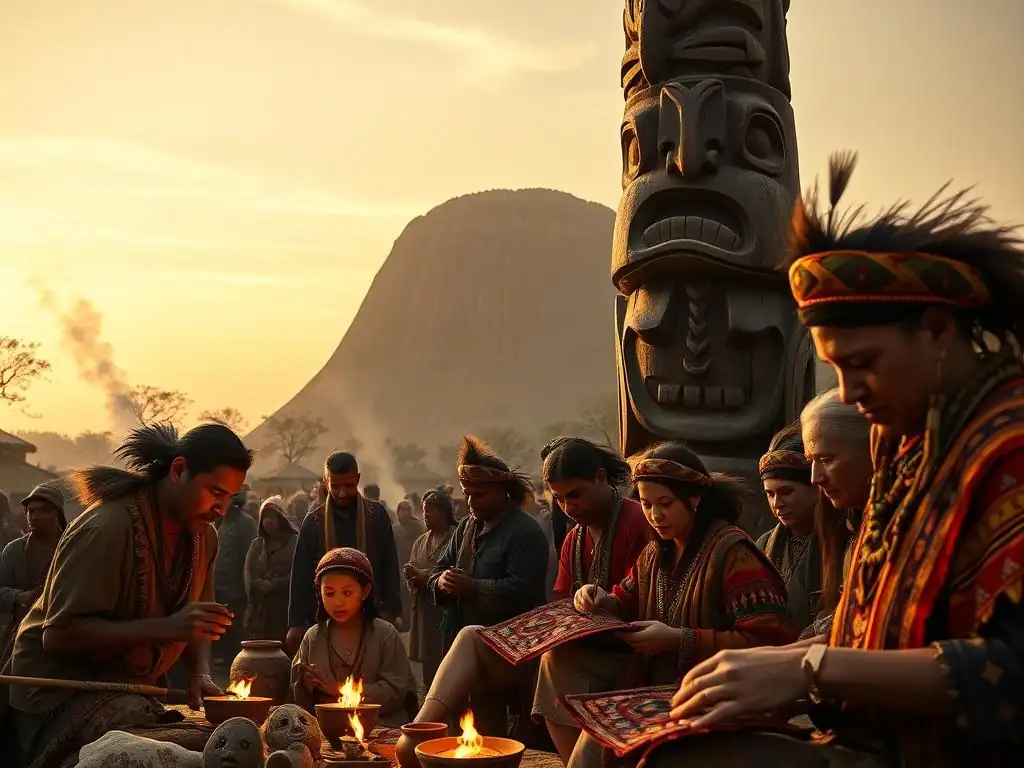
Cahokian culture, which flourished from approximately 600 to 1400 CE in the Mississippi River Valley, is renowned for its intricate artistic rituals that provide deep insights into its social structure. The Cahokians utilized art not just for aesthetic purposes but as a means of reinforcing and expressing their societal hierarchies and communal values.
Hierarchical Representation in Art
Cahokian art often reflected the complexities of their social hierarchy. For instance, the construction of earthen mounds, such as Monk's Mound, served both as monumental architecture and as a canvas for ceremonial practices. These mounds were typically associated with elite classes and spiritual leaders, whose status was visually represented in the artifacts found within these structures.
- Artifacts Highlighting Status:
- Ceremonial Objects: Items such as elaborate pottery and crafted tools were often found in elite burial sites, indicating the social rank of the individuals interred there.
- Symbolic Motifs: Common themes in Cahokian pottery included representations of animals and celestial bodies, which were believed to convey power and status.
This artistic expression functioned as a powerful tool for maintaining the social order and asserting the identity of different classes within Cahokian society.
Connection Between Art, Community, and Individual Identity
Art in Cahokia was not merely a personal endeavor but a collective expression of community identity. The Cahokians engaged in artistic rituals that fostered a sense of belonging and solidarity among community members.
Community Involvement in Artistic Rituals
Rituals surrounding art production often involved communal participation, emphasizing the interconnectedness of individual and community identity. For example, during ceremonial events, community members would gather to create large-scale artworks or to engage in dance and song, reinforcing their shared cultural values and beliefs.
- Artistic Collaboration:
- Shared Creation: The making of pottery, textiles, and other crafts often involved groups working together, which helped to strengthen community bonds.
- Ritual Celebrations: Events such as harvest festivals saw the community unite to create artistic displays that honored their agricultural achievements and spiritual beliefs.
Individual Identity Within a Collective Framework
While community identity was paramount, individual artists were also able to express their unique perspectives through their work. The Cahokians often infused personal narratives into their creations, allowing for a dual representation of identity—both collective and individual.
- Personal Expression through Art:
- Distinctive Styles: Individual artists often developed recognizable styles that set their work apart, highlighting personal creativity within a communal framework.
- Ceremonial Roles: Specific individuals, such as shamans or skilled craftspeople, were often designated roles in artistic rituals, further blending individual identity with communal purpose.
The Cahokian culture's artistic rituals played a crucial role in shaping both community and individual identities. Through these creative expressions, they reinforced social structures while simultaneously allowing for personal narratives to emerge, thereby creating a rich tapestry of cultural identity that resonates through history.
Comparative Analysis of Cahokian Artistic Rituals with Other Indigenous Cultures
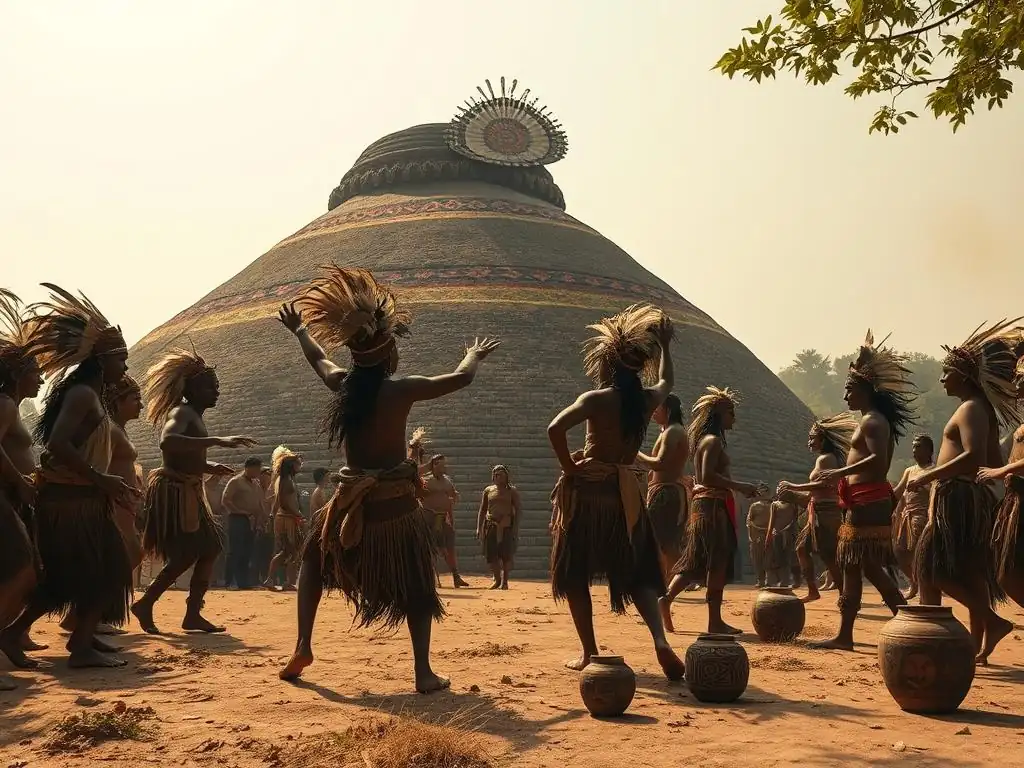
In exploring the artistic rituals of the Cahokian culture, it’s essential to contextualize these practices within the broader spectrum of indigenous cultures across the Americas. By examining both the similarities and unique aspects of Cahokian artistic traditions, we can gain a deeper understanding of how these rituals not only shaped their identity but also reflected a rich tapestry of cultural expressions shared among indigenous communities.
Similarities with Other Mound-Building Cultures
Cahokian culture, known for its monumental earthworks, shares several artistic and ritualistic similarities with other mound-building cultures, such as the Adena and Hopewell societies. These cultures, primarily located in the Ohio and Mississippi River valleys, also engaged in creating earth mounds, which served as ceremonial spaces and burial sites.
- Mound Construction:
- Both Cahokians and other mound-building cultures utilized similar techniques in mound construction, often aligning them with celestial events. The alignment to solstices and equinoxes reflects a deep understanding of astronomy, which was integral to their agricultural and ritual calendars.
- Cultural Exchange:
- There is evidence of extensive trade networks among these cultures. Artifacts such as exotic stones, ceramics, and shell beads found in Cahokia suggest interactions with the Hopewell and Adena cultures, indicating shared artistic influences and ritual practices.
- Burial Practices:
- Burial mounds, or tumuli, were common among these societies. The inclusion of grave goods in these mounds, such as pottery, tools, and ceremonial items, signifies a belief in an afterlife and reflects similar spiritual values across these cultures.
Unique Aspects of Cahokian Artistic Traditions
While Cahokian culture shares several characteristics with other mound-building societies, it also exhibits unique artistic traditions that distinguish it from its contemporaries.
- Iconography and Symbolism:
- Cahokian art is rich in symbolism, often featuring motifs that represent natural elements, such as water and animals, which are integral to their worldview. The use of these symbols in pottery and carvings not only served aesthetic purposes but also conveyed cultural narratives and spiritual beliefs unique to the Cahokians.
- Ceremonial Practices:
- Cahokian rituals often included elaborate ceremonies that combined music, dance, and art. The Cahokia Sun God and other deities were central to these rituals, emphasizing their cosmological beliefs. Artistic expressions during these ceremonies, such as the use of painted pottery and woven textiles, were integral to reinforcing community identity and collective memory.
- Urban Center of Artistic Production:
- Cahokia was a large urban center with specialized artisans who produced a variety of art forms. The scale of artistic production within Cahokia was notably greater than in other mound-building cultures, reflecting not only a higher population density but also a more complex social structure that supported diverse artistic endeavors.
- Integration of Art in Daily Life:
- Unlike some cultures that reserved artistry for ceremonial contexts, Cahokians integrated art into their daily lives. Tools, clothing, and household items were often adorned with artistic elements, demonstrating a cultural belief that beauty and utility could coexist.
The Cahokian culture’s artistic rituals are a profound reflection of their identity, revealing both shared practices with other indigenous cultures and distinct traditions that highlight their unique worldview. Understanding these artistic expressions allows for a deeper appreciation of how the Cahokians navigated their social, spiritual, and environmental landscapes.
Preservation of Cahokian Artistic Rituals and Cultural Heritage
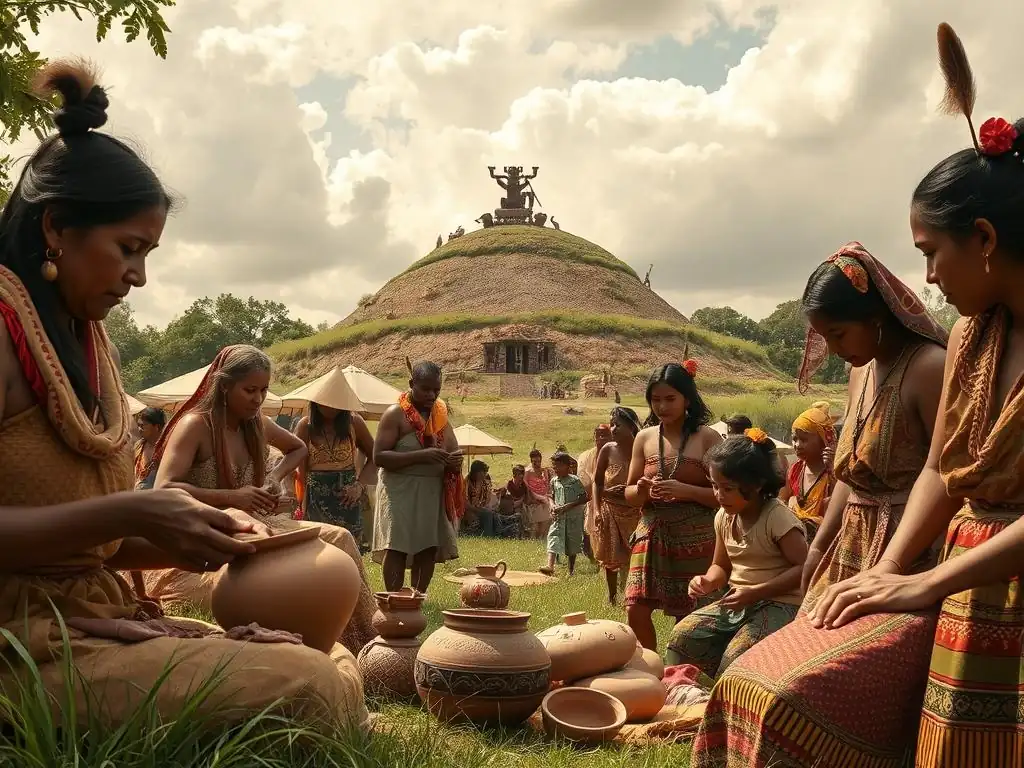
The preservation of Cahokian artistic rituals and cultural heritage is essential for understanding the rich tapestry of their societal values, beliefs, and creative expressions. The Cahokia civilization, which flourished in what is now the American Midwest, is renowned for its monumental earthen mounds and intricate craftsmanship in various art forms. These artistic rituals were not merely aesthetic endeavors; they were deeply intertwined with the Cahokian identity and spiritual practices.
Efforts in Documenting Cahokian Art
The documentation of Cahokian art encompasses various methodologies and approaches aimed at capturing the essence of their artistic expressions. Scholars, archaeologists, and cultural historians have employed a range of techniques to ensure that Cahokian artistic rituals are preserved and understood.
- Archaeological Excavations:
- Systematic digs at significant sites such as Cahokia Mounds have unearthed a wealth of artifacts, including pottery, tools, and ceremonial objects. These findings provide valuable insights into the artistic practices of the Cahokians.
- Digital Preservation:
- Innovative technologies, such as 3D scanning and digital modeling, have been utilized to create virtual representations of Cahokian artworks. This digital archive allows for broader access and study, ensuring that these artifacts can be preserved in a virtual format even if the physical objects degrade over time.
- Cultural Collaborations:
- Collaborations between archaeologists and contemporary Indigenous communities have become increasingly vital. By involving descendants of the Cahokians, researchers can gain deeper insights into the meanings and contexts of artistic rituals. This participatory approach helps maintain cultural relevance and authenticity in the documentation process.
- Educational Outreach:
- Universities and cultural institutions have initiated programs that educate the public about Cahokian art and its significance. Workshops, lectures, and exhibitions serve to raise awareness about the cultural heritage of the Cahokians, fostering a sense of connection and responsibility towards preservation efforts.
The Importance of Cultural Preservation for Future Generations
Cultural preservation is crucial not only for honoring the past but also for empowering future generations. The Cahokian culture, rich in artistic rituals, provides invaluable lessons and cultural touchstones that inform contemporary identity and community values.
- Cultural Identity:
- For many Indigenous peoples, preserving Cahokian artistic traditions is a means to reclaim and reinforce their cultural identity. These rituals serve as a foundation for understanding the complexities of their heritage and identity in a modern context.
- Educational Resource:
- Preserved artistic rituals offer a rich educational resource for future generations. By studying these practices, young people can learn about their ancestors' worldviews, social structures, and artistic techniques, fostering pride in their heritage.
- Inspiration for Contemporary Art:
- The artistic expressions of Cahokia can inspire current and future artists. By looking to the past, contemporary creators can draw on traditional techniques and themes, blending them with modern styles to create new forms of expression that resonate with both history and contemporary experiences.
- Sustainable Practices:
- Understanding the Cahokian approach to art and ritual can inform sustainable practices in modern contexts. Their relationship with nature, community, and creativity offers a model for how art can be a vehicle for environmental stewardship and community engagement.
The preservation of Cahokian artistic rituals is a multifaceted endeavor that combines archaeological rigor with community involvement and educational outreach. By committing to these efforts, we not only honor the legacy of the Cahokian culture but also ensure that its rich artistic traditions continue to inspire and educate future generations.
Conclusion: The Lasting Legacy of Cahokian Culture Through Artistic Rituals
The Cahokian culture, known for its intricate artistic rituals, has left an indelible mark on the identity and heritage of contemporary Indigenous peoples. The artistic practices of Cahokia, which thrived between 600 and 1400 CE, were not merely for aesthetic pleasure; they were deeply intertwined with social, spiritual, and political life. The remnants of their craftsmanship, from pottery to monumental earthworks, serve as a testament to a society that valued creativity as a form of expression and communication.
As we reflect on the legacy of Cahokian culture, it becomes evident that their artistic rituals are not confined to history. Instead, they continue to inspire and influence Indigenous communities today, allowing for a reconnection with ancestral traditions and a reaffirmation of identity. This ongoing relationship with Cahokian art underscores the significance of preserving such cultural expressions for future generations.
The Relevance of Cahokian Art in Contemporary Indigenous Identity
Cahokian art plays a crucial role in shaping contemporary Indigenous identity by serving as a source of pride and a reminder of resilience. Many modern Indigenous artists draw inspiration from Cahokian motifs, techniques, and themes, integrating them into their work to create a dialogue between past and present. This revival not only honors the heritage of Cahokia but also asserts the ongoing relevance of Indigenous cultures in today's society.
- Cultural Revitalization: The resurgence of interest in Cahokian artistic rituals has led to cultural revitalization movements among Indigenous communities. Workshops, exhibitions, and educational programs focus on traditional techniques such as pottery making, weaving, and painting, fostering a sense of community and continuity.
- Symbolism in Modern Art: Contemporary Indigenous artists often utilize Cahokian symbols and narratives within their works to address current social issues, thereby bridging the gap between historical and contemporary experiences. This approach not only educates audiences about the complexities of Indigenous identity but also challenges stereotypes and misconceptions.
- Cahokian Festivals: Several modern Indigenous groups celebrate Cahokian heritage through festivals that showcase traditional arts, performances, and rituals. These events serve as a platform for cultural exchange and understanding, reinforcing the value of artistic expression in Indigenous identity today.
Final Thoughts on the Significance of Artistic Expression in Cahokian Culture
Artistic expression in Cahokian culture was a multifaceted phenomenon that encompassed various mediums and purposes. From ceremonial objects to monumental architecture, every creation was imbued with meaning and significance. These artistic rituals were not merely decorative; they played a vital role in community cohesion, spiritual practices, and the transmission of knowledge.
As we consider the significance of artistic expression in Cahokian culture, it is essential to recognize its role in shaping identity and fostering resilience among Indigenous peoples. The ability to express oneself creatively is a powerful tool for healing, resistance, and cultural preservation.
The Cahokian culture's artistic rituals have transcended time, leaving a legacy that continues to resonate within contemporary Indigenous identity. By embracing and celebrating these artistic traditions, we honor the rich tapestry of cultures that thrived in the Americas long before European colonization, ensuring that their stories and contributions are not forgotten.
Frequently Asked Questions
What is the significance of Cahokian culture artistic rituals?
Cahokian culture's artistic rituals were essential for expressing their spiritual beliefs and community identity, playing a crucial role in their social and cultural life.
How did the artistic rituals influence Cahokian society?
The artistic rituals fostered a sense of unity and shared identity among the Cahokians, helping to reinforce social hierarchies and cultural traditions.
What types of artistic expressions were prominent in Cahokian culture?
Cahokians engaged in various artistic expressions, including mound building, pottery, and intricate decorative arts, which reflected their belief systems and aesthetic values.
How did European colonization affect Cahokian artistic rituals?
European colonization led to the decline of Cahokian artistic rituals, disrupting their cultural practices and causing a loss of traditional knowledge and skills.
What can we learn from the Cahokian artistic rituals today?
Studying Cahokian artistic rituals can provide insights into their cultural resilience and the importance of art in community identity, emphasizing the need to preserve Indigenous cultures.
Final Reflection: The Enduring Legacy of Cahokian Culture's Artistic Rituals
Cahokian culture's artistic rituals remain profoundly relevant today, as they remind us of the power of creative expression in shaping identity and community. In an era where individualism often overshadows collective identity, the Cahokians exemplified how art and ritual can forge deep connections among people, transcending time and space. Their practices not only served spiritual and communal purposes but also laid the groundwork for understanding the intricate relationship between culture and creativity.
The influence of Cahokian artistic rituals continues to resonate in contemporary society, as we seek to reclaim and honor our own cultural narratives through creative means. The legacy of these rituals invites us to explore our identities and the stories we tell through art. As noted by cultural historian David Brown, Art is not just a reflection of society; it is a powerful tool for shaping our understanding of who we are.
This perspective encourages us to recognize the significance of artistic expression in our lives and its potential to foster community and belonging.
As we reflect on the lessons from Cahokian culture, let us embrace the call to engage with our own artistic rituals, whether through creating, sharing, or participating in communal expressions of identity. I invite you to explore how your own creative practices can deepen your connection to your community and heritage. By honoring the past and integrating these lessons into our present, we can contribute to a vibrant tapestry of cultural expression that celebrates diversity and unity for generations to come.
Unveil the Richness of Cahokian Culture Today!
Thank you for diving into the fascinating world of Cahokian culture with us! You've uncovered the profound ways that rituals and art shaped their identity. Now, let's take the next step to deepen your connection and understanding of Indigenous cultures.
Here are some engaging ways you can explore further:
- Visit a local museum or cultural center that showcases Indigenous art and history to gain a deeper appreciation of their creative expressions.
- Engage with Indigenous artists in your community or attend workshops to learn about their techniques and the rich stories behind their artwork.
- Share this article with friends or on social media to inspire others to discover the intricate connections between culture and creativity.
What aspect of Cahokian culture resonated with you the most, and how do you believe it influences modern Indigenous art today? Your thoughts matter—let's start a conversation!