
The Role of Art in Cahokian Society: Understanding Its Functions and Purposes

Welcome to Indigenous Civilizations of the Americas, where we invite you to embark on a captivating journey through the rich tapestry of indigenous cultures that flourished across the Americas long before European contact. In our featured article, “The Role of Art in Cahokian Society: Understanding Its Functions and Purposes,” we delve into the intricate world of Cahokian art and society, revealing how artistic expression served as a vital thread in the fabric of community life.
Prepare to uncover the profound meanings behind their artistic endeavors and discover the lasting legacy of these remarkable civilizations. Join us in exploring the depths of creativity and culture that shaped the Cahokian experience and continue to resonate today.
Introduction to Cahokian Art and Society
The Cahokian civilization, one of the most advanced and influential indigenous cultures in North America, thrived in the Mississippi River Valley, particularly in present-day Illinois, from around 600 CE until the 1400s. This article delves into the intricate relationship between Cahokian art and society, exploring how artistic expressions were not merely decorative but served crucial social, religious, and political functions. Understanding Cahokian art provides valuable insights into the values, beliefs, and complexities of a society that laid the groundwork for many contemporary indigenous cultures.
Overview of Cahokian Civilization
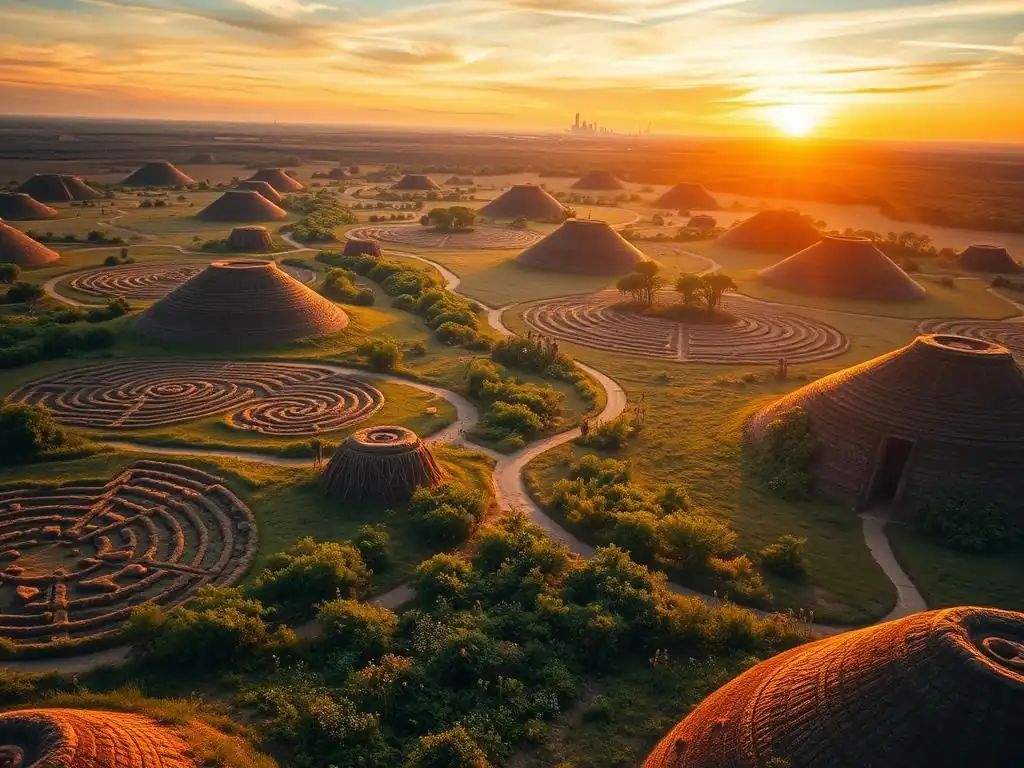
Cahokia was marked by its impressive earthen mounds, complex urban planning, and a population that may have exceeded 20,000 at its peak. The city was a bustling center of trade, politics, and spirituality, reflecting a sophisticated social structure. Cahokians engaged in extensive agriculture, relying heavily on maize, and developed a rich cultural life characterized by intricate crafts, ceremonial practices, and a vibrant spiritual belief system. The art produced by this civilization was a reflection of their daily lives, rituals, and societal hierarchies, making it an essential aspect of their heritage.
Importance of Art in Indigenous Cultures
Art holds a significant place in indigenous cultures across the Americas, often serving as a medium of storytelling, spiritual expression, and community identity. In Cahokian society, art was integral to social cohesion, facilitating rituals and marking important events. It acted as a bridge between the physical and spiritual worlds, embodying the beliefs and values of the community. Through the analysis of Cahokian art, one can gain a deeper understanding of their worldview, social structures, and the roles of individuals within their society.
Historical Context of Cahokian Art
Understanding the historical context of Cahokian art is essential for grasping its meanings and functions. The artistic outputs of the Cahokian people were influenced by their environment, interactions with neighboring cultures, and the evolving dynamics of their society.
Timeline of Cahokian Society Development
- 600 CE: Emergence of the Cahokian culture with the construction of ceremonial mounds.
- 900 CE: Peak of Cahokian society, with significant developments in agriculture and trade.
- 1100 CE: Flourishing of artistic expression, including pottery, carvings, and mound construction.
- 1200 CE: Expansion of trade networks and cultural exchange with other indigenous peoples.
- 1400 CE: Decline of Cahokia, leading to significant changes in social structure and artistic production.
Major Influences on Cahokian Artistic Expression
Cahokian art was shaped by various factors, including:
- Spiritual Beliefs: Art was often imbued with religious significance, reflecting the community's connection to their deities and the natural world.
- Social Hierarchies: Artistic expressions could signify status and power, with elite members of society commissioning elaborate works.
- Cultural Exchange: Interactions with neighboring tribes and cultures enriched Cahokian artistry, introducing new techniques and styles.
Through this exploration of Cahokian art and society, we aim to uncover the multifaceted roles that art played in shaping the identity and legacy of this remarkable civilization.
Types of Cahokian Art
Cahokian art is remarkably diverse, reflecting the complex society and rich cultural heritage of the Mississippian people. This art can be categorized into several primary forms, each serving unique purposes and embodying distinct meanings within Cahokian society. Among these forms, ceramics, sculpture, and monumental architecture stand out as significant artistic expressions that provide insight into the values, beliefs, and daily lives of the Cahokians. The craftsmanship exhibited in these art forms not only highlights the technical skills of the artisans but also the intricate social structures and spiritual practices that defined Cahokian life.
Ceramics and Pottery in Cahokian Culture
Ceramics played a vital role in Cahokian culture, serving both functional and artistic purposes. The Cahokians produced a wide variety of pottery, including cooking vessels, storage jars, and ceremonial items. These ceramics often featured intricate designs, including geometric patterns and representations of animals and human figures, which held cultural significance.
The clay used for pottery was sourced from local materials, showcasing an understanding of the land and its resources. Techniques such as coiling and molding were employed, with many pots being decorated prior to firing, resulting in a rich tapestry of surface designs. The decoration of pottery often held symbolic meanings, with certain motifs believed to connect the material world with spiritual beliefs. Therefore, Cahokian ceramics were not merely functional; they were also integral to rituals and social gatherings, serving as vessels for food and drink during communal feasts.
Sculpture and Figurines: Meaning and Significance
Sculpture and figurines in Cahokian society often conveyed important cultural narratives and held religious significance. These artworks included both small-scale figurines and larger sculptural forms, many of which depicted human figures, animals, and deities. The materials used ranged from clay to stone, reflecting the availability of resources and the artisans' skills.
Figurines were often used in ceremonial contexts, perhaps as offerings or as part of ritualistic practices aimed at invoking spiritual forces. The design and posture of these figures could symbolize various aspects of life, such as fertility, warfare, or ancestral connections. Additionally, monumental sculptures, such as those found at the Cahokia Mounds, served to reinforce social order and collective identity, often representing powerful leaders or spiritual figures revered within the community.
Mound Construction as Artistic Expression
The construction of earthen mounds is one of the most distinctive artistic expressions of the Cahokian civilization. These mounds, including the famous Monk's Mound, were not only monumental in scale but also symbolically significant. They served as platforms for temples or elite residences, linking the physical space with spiritual beliefs and societal hierarchy.
The design and construction of mounds involved extensive labor and organization, reflecting the community's collective effort and social cohesion. Artistic elements were incorporated into mound construction, with specific alignments to celestial events and the landscape, further emphasizing their importance in Cahokian cosmology. The mounds acted as cultural landmarks, representing the power and identity of the Cahokian people while also serving as a canvas for artistic expression through their layout and orientation.
Functions of Art in Cahokian Society
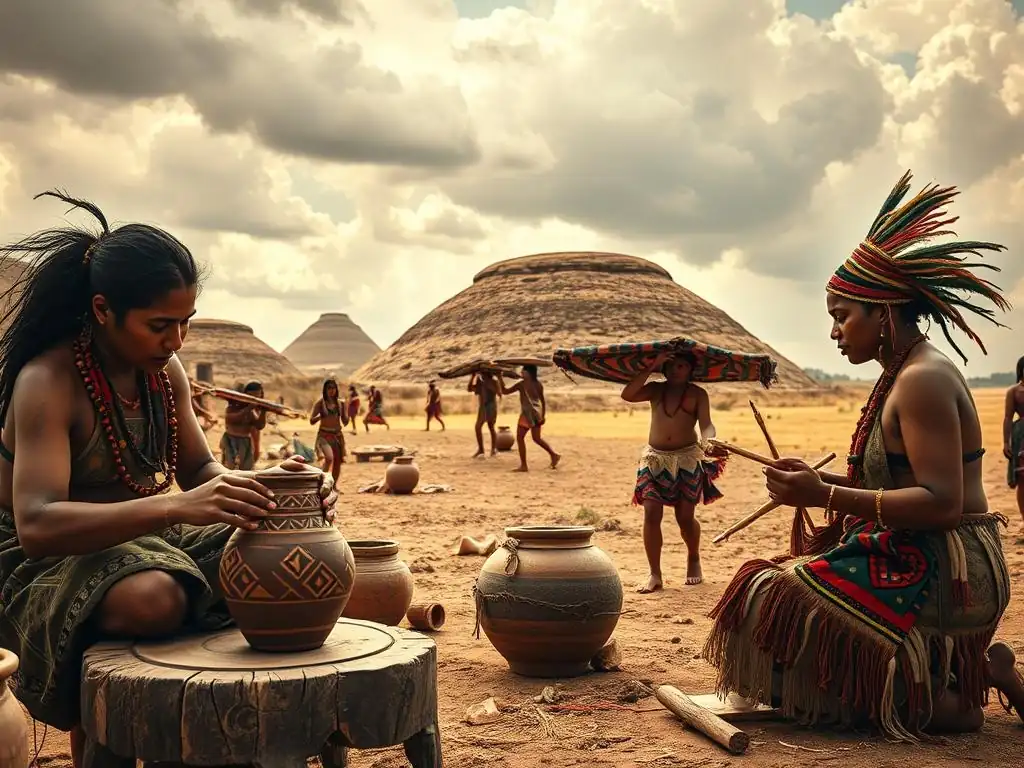
Art in Cahokian society served multiple functions, extending beyond mere aesthetics. It was a crucial vehicle for communication, spirituality, and the reinforcement of social structures. The various forms of Cahokian art functioned to convey messages about the community's beliefs, values, and identity, making art an integral part of their social fabric.
Religious and Spiritual Roles of Cahokian Art
Religious and spiritual dimensions were deeply embedded in Cahokian art. Many artworks, from pottery to sculpture, were created with the intent of connecting the material world with the spiritual realm. Artifacts often depicted deities, ancestors, or animals considered sacred, serving as mediums for worship and offerings.
The ceremonial use of art was significant in rituals designed to ensure agricultural success, community health, and spiritual well-being. Art played a pivotal role in shaping the community's understanding of life cycles, death, and the afterlife. Through these artistic expressions, the Cahokians communicated their reverence for the natural and supernatural worlds, reinforcing their cultural beliefs and practices.
Art as a Reflection of Social Hierarchy
Cahokian art also served as a reflection of the social hierarchy within their society. The complexity and scale of artistic works often indicated the status of individuals or groups within the community. For instance, elaborate burial mounds and richly adorned grave goods were typically reserved for elite members, signaling their power and influence.
Artworks produced for public display, such as monumental sculptures, were often commissioned by leaders to reinforce their authority and legitimacy. The aesthetic choices made in these works could convey messages about power dynamics and social stratification, making art a tool for both expressing and maintaining social order.
The Role of Art in Community Identity and Cohesion
Art was a crucial factor in fostering community identity and cohesion among the Cahokians. Shared artistic practices and collective creation of artworks, such as pottery and mound construction, contributed to a sense of belonging and unity within the community. These artistic endeavors often involved collaboration, reinforcing social bonds and cultural continuity.
Through art, the Cahokians expressed their unique identity, celebrating their heritage and distinguishing themselves from neighboring cultures. Festivals and rituals that incorporated artistic elements allowed for communal participation, enhancing social ties and collective memory. Thus, art was not only a personal expression but also a vital component of the social and cultural identity that defined Cahokian society.
Purposes of Cahokian Art
Cahokian art served multiple and profound purposes within the society, reflecting the complex social, spiritual, and economic structures of the Cahokia civilization. Primarily, the art produced by the Cahokians was not merely for aesthetic pleasure; it was deeply intertwined with their daily lives, beliefs, and interactions with one another and their environment. The artistic expressions found in Cahokia, from intricate pottery to monumental earthworks, reveal a society that valued creativity as a means to convey cultural identity, preserve history, and engage with the spiritual world.
Art in Rituals and Ceremonies
Rituals and ceremonies were central to Cahokian life, and art played a critical role in these practices. Many artistic creations were specifically designed for use in religious and ceremonial contexts, serving as offerings, altars, or ceremonial tools. For instance, the iconic effigy mounds, often shaped like animals or mythological beings, were integral to the spiritual landscape of Cahokia. These structures were not only viewed as sacred places but also as art that fostered community identity and continuity through shared rituals.
Ceremonial objects, such as intricately carved pipes and ceremonial vessels, were often adorned with symbolic motifs that conveyed messages about the afterlife, fertility, and the cyclical nature of seasons. These artworks facilitated connections to ancestors and the natural world, reinforcing the society's shared beliefs and values.
The Use of Art for Communication and Storytelling
Art in Cahokian society also served as a powerful medium for communication and storytelling. Through visual narratives depicted on pottery, textiles, and carvings, Cahokians were able to convey important stories, myths, and historical events. These artworks acted as visual records, preserving the culture's narratives for future generations.
The symbols and motifs used in Cahokian art were rich with meaning, often depicting deities, animals, and celestial events. This symbolic language allowed for a form of communication that transcended the spoken word, engaging viewers on both intellectual and emotional levels. By telling stories through art, the Cahokians could share their experiences, beliefs, and moral lessons, thereby strengthening community bonds.
Art as a Means of Economic Exchange
Cahokian art also played a significant role in economic exchange. Artifacts such as pottery, jewelry, and crafted tools were not only functional but also served as valuable trade items. The craftsmanship of Cahokian artisans was highly regarded, and their goods were often exchanged with neighboring tribes and communities, facilitating trade networks across vast distances.
The production of art for trade likely contributed to the social stratification within Cahokian society, as skilled artisans gained status and influence. Additionally, the value placed on artistic objects helped to foster relationships with other cultures, showcasing Cahokia’s wealth and the importance of art in both social and economic realms.
Artistic Techniques and Materials in Cahokian Art
The artistic techniques and materials used by the Cahokians were diverse and sophisticated, reflecting a deep understanding of their environment and the resources available to them. The craftsmanship involved in creating Cahokian art showcases a blend of both functional and ceremonial purposes, with artisans employing various methods to achieve intricate designs and forms.
Common Materials Used in Cahokian Art
Cahokian artists utilized a range of materials that were readily available in their environment. Common materials included:
- Clay: Clay was the primary medium for pottery and figurines, allowing for intricate designs and practical uses.
- Stone: Different types of stone were used for tools, sculptures, and ceremonial objects, with specific stones chosen for their durability and aesthetic qualities.
- Shells: Shells were often used in jewelry and decoration, demonstrating the Cahokians' connection to their aquatic surroundings.
- Bone and Antler: These materials were commonly crafted into tools, ornaments, and ceremonial items, showcasing the resourcefulness of Cahokian artisans.
- Textiles: Woven materials, likely made from plant fibers, were important for clothing and ceremonial purposes, though few remnants survive today.
Techniques of Production and Craftsmanship
Cahokian craftsmanship involved a variety of techniques that showcased the artisans' skills and creativity. Key techniques included:
- Coiling and Pinching: For pottery, artisans often used coiling and pinching methods to shape clay into functional and decorative forms, allowing for both practicality and artistry.
- Carving and Incising: Stone and wood were carved and incised with intricate designs, often depicting animals, humans, and symbolic motifs that held cultural significance.
- Molding: Some artifacts were created using molds, allowing for uniformity in design and enabling the production of multiple items, particularly in pottery.
- Painting and Surface Decoration: Pottery and other objects were often painted with natural pigments, adding vibrant colors and patterns that conveyed meaning and beauty.
Through these techniques, Cahokian artists demonstrated their cultural values and artistic identities, contributing to a rich tradition that reflects the complexity of Cahokian society.
The Legacy of Cahokian Art
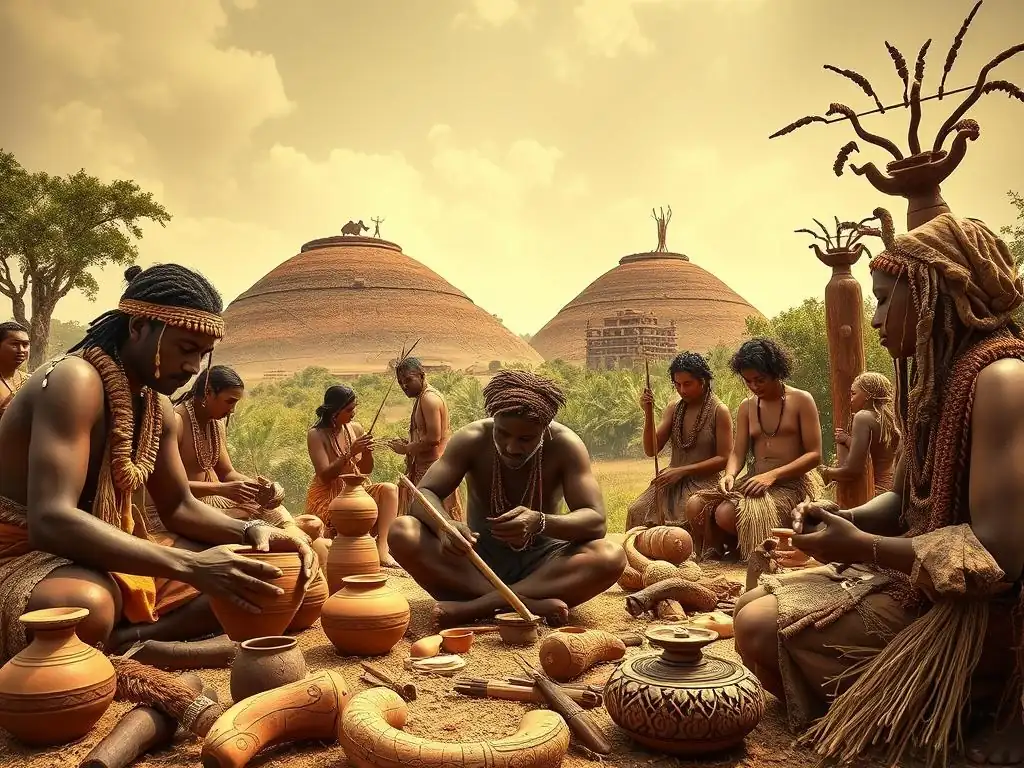
Cahokian art is a cornerstone of the cultural heritage of the Mississippian civilization, serving as a testament to the complexity and sophistication of their society. The artistic expressions from Cahokia, particularly during its peak between 1050 and 1200 CE, reveal insights into their beliefs, social structures, and daily lives. Art was not merely decorative; it was imbued with meaning and often served functional purposes in both the social and spiritual realms.
Various forms of art emerged, including pottery, sculpture, and elaborate earthworks, which reflected the community's values and technological advancements. The intricate designs found in Cahokian pottery, for instance, showcased not only aesthetic beauty but also the community's connection to the environment and their agricultural practices. Symbolism played a significant role; motifs often represented cosmological beliefs, social status, and the interconnectedness of life.
The legacy of Cahokian art also extends to its architectural feats, such as the construction of mounds that served as ceremonial sites, burials, and platforms for the elite. These significant structures are not only artistic achievements but also encapsulate the cultural and spiritual ideologies of the Cahokian people. Today, the remnants of Cahokian art continue to inform our understanding of pre-Columbian societies and their contributions to the broader spectrum of Indigenous history.
Influence on Subsequent Indigenous Cultures
Cahokian art has had a profound influence on subsequent Indigenous cultures in the Americas. The artistic styles and techniques developed in Cahokia spread through trade networks, impacting various regional cultures. For instance, the use of specific motifs and pottery styles can be traced in archaeological sites across the Midwest and Southeast, indicating the far-reaching effects of Cahokian artistic traditions.
Moreover, the Cahokian emphasis on monumental architecture and earthworks inspired later Indigenous communities. The construction of mounds, similar to those at Cahokia, became a common practice among various tribes, serving as ceremonial sites and indicators of social hierarchy. The integration of art into spiritual and communal practices can be observed in many Indigenous cultures that followed, highlighting a continuity of artistic expression rooted in Cahokian heritage.
Preservation and Recognition of Cahokian Art Today
Today, the preservation of Cahokian art is critical for understanding the complexities of Indigenous history in North America. Efforts to protect and restore archaeological sites, such as Cahokia Mounds State Historic Site, play a significant role in maintaining the integrity of these cultural treasures. Preservation initiatives often involve collaboration with Indigenous communities, ensuring that the cultural significance of the art is respected and recognized.
Furthermore, there is a growing recognition of Cahokian art's place in the broader narrative of American art history. Museums and cultural institutions increasingly feature Cahokian artifacts, providing educational programs that emphasize their importance. This recognition helps to challenge historical narratives that have often marginalized Indigenous art and culture, highlighting the sophistication and contributions of Cahokian society.
Conclusion: The Interconnection of Cahokian Art and Society
Summary of Key Functions and Purposes
The interconnection between Cahokian art and society is evident in its multifaceted roles. Art served as a medium for spiritual expression, a tool for social cohesion, and a reflection of the community's identity. It played critical roles in rituals, religious ceremonies, and social gatherings, thereby reinforcing community bonds and cultural continuity. The artistic practices of the Cahokian people were deeply integrated into their way of life, influencing their interactions with the environment and each other.
Final Thoughts on Cahokian Art's Impact on Indigenous Heritage
Cahokian art stands as a testament to the rich cultural tapestry of Indigenous civilizations before European contact. Its impact extends beyond mere aesthetic appreciation; it is a vital component of Indigenous heritage that continues to resonate today. Understanding the functions and purposes of Cahokian art allows us to appreciate the sophistication of their society and the enduring legacy that shapes contemporary Indigenous cultures. As we explore the artistic achievements of the Cahokian people, we gain valuable insights into their worldview and the interconnectedness of art, culture, and identity in Indigenous societies.
- Introduction to Cahokian Art and Society
- Historical Context of Cahokian Art
- Types of Cahokian Art
- Functions of Art in Cahokian Society
- Purposes of Cahokian Art
- Artistic Techniques and Materials in Cahokian Art
- The Legacy of Cahokian Art
- Preservation and Recognition of Cahokian Art Today
- Conclusion: The Interconnection of Cahokian Art and Society
Frequently Asked Questions
What is Cahokian art known for?
Cahokian art is renowned for its intricate craftsmanship and symbolic representations that reflect the society's values, beliefs, and relationship with the environment.
How did art function in Cahokian society?
Art served multiple purposes in Cahokian society, including religious expression, social status indication, and community cohesion, highlighting its integral role in daily life.
What materials were commonly used in Cahokian art?
Cahokian artists primarily used natural materials such as clay, stone, and wood, which allowed them to create a diverse range of artistic expressions and functional items.
How did Cahokian art influence other indigenous cultures?
Cahokian art had a significant impact on neighboring cultures, sharing techniques and styles that enriched the artistic traditions of other indigenous groups across the Americas.
What can we learn from Cahokian art today?
Studying Cahokian art provides insight into the complex social structures, spiritual beliefs, and cultural practices of the Cahokian people, offering valuable lessons about diversity and resilience in human history.
Final Reflection: The Enduring Legacy of Cahokian Art and Society
Cahokian art and society are not merely relics of the past; they are vibrant expressions of a culture that shaped its environment and community. Today, as we navigate a world increasingly defined by rapid change and technological advancement, the significance of understanding the artistic expressions of ancient societies like Cahokia becomes ever more relevant. The intricate designs and purposeful creations of the Cahokians remind us that art serves as a powerful vehicle for communication, identity, and social cohesion.
Cahokian art continues to resonate within our cultural landscape, influencing contemporary artists and scholars alike. The rich symbolism and communal functions of their artwork provide insight into the values and beliefs of a society that thrived over a millennium ago. As we reflect on this, we are reminded of the words of art historian James Cuno: Art is a way of knowing; it is a way of understanding the world.
This perspective invites us to appreciate how the artistic endeavors of the Cahokians not only reflect their society but also challenge us to consider our own cultural narratives and the stories we choose to tell through art.
As we conclude our exploration of Cahokian art and society, I invite you to reflect on the role of art in your own life. Consider how artistic expression can foster community, convey identity, and inspire change. Whether through creating, appreciating, or supporting the arts, each of us has the power to engage with and contribute to the ongoing dialogue that art facilitates. Let the legacy of Cahokian art inspire you to seek deeper connections within your own community and to recognize the profound impact that art can have in shaping our shared human experience.
Unveil the Power of Art in Ancient Cultures!
Thank you for exploring the fascinating role of art in Cahokian society with us! Your interest in understanding the functions and purposes of art enriches your appreciation of indigenous cultures and their legacies. Now, let's channel that curiosity into meaningful action.
- Dive deeper: Visit local museums or online galleries that showcase Cahokian artifacts and learn more about their significance.
- Share your insights: Discuss with friends or family what you found most compelling and inspire them to explore Indigenous art.
- Engage with the community: Join a workshop or seminar that focuses on Native American art forms to see how these ancient techniques are still practiced today.
What aspect of Cahokian art resonates with you the most, and how do you think it reflects the values of their society?