
Savoring the Past: Recreating Historical Native American Feasts

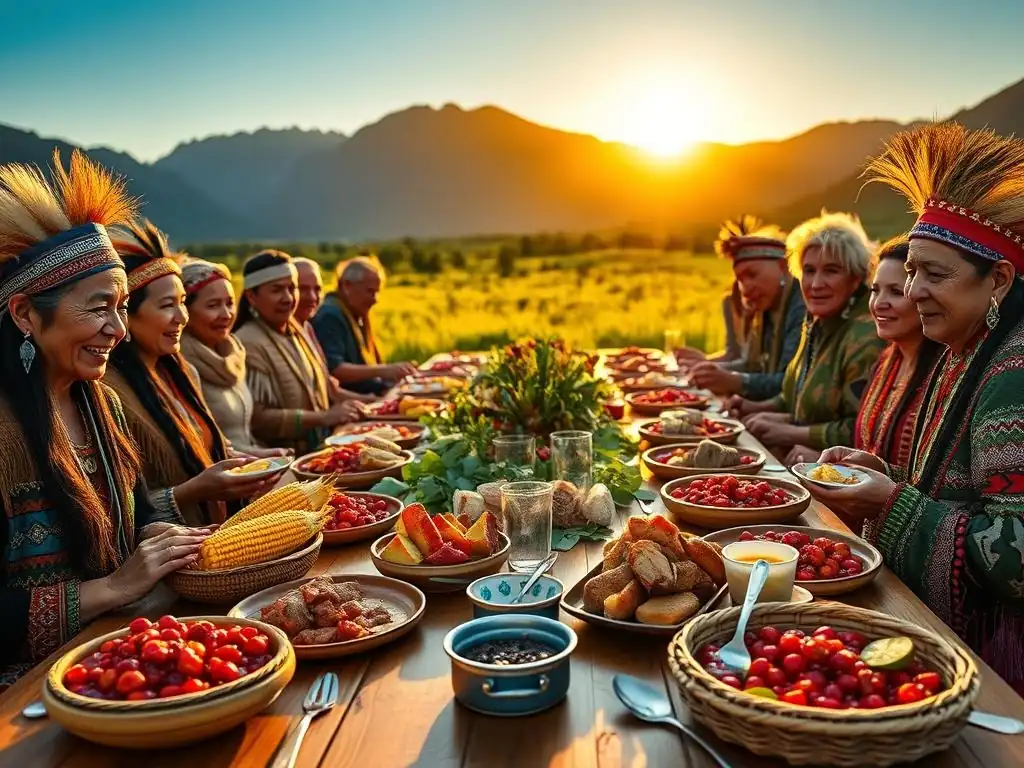
Welcome to Indigenous Civilizations of the Americas, where we invite you to embark on a journey through the rich tapestry of diverse indigenous cultures that flourished long before European contact. Here, you will discover the remarkable achievements and vibrant societies that shaped the Americas. Our featured article, "Savoring the Past: Recreating Historical Native American Feasts," uncovers the culinary traditions that not only tantalized the taste buds but also held deep cultural significance.
What secrets do these feasts reveal about the lives and values of Native American peoples? Join us as we delve into this fascinating topic and uncover the flavors of history that continue to resonate today.
- Introduction to Native American Historical Feasts
- The Origins of Native American Historical Feasts
- Key Ingredients Commonly Used in Native American Cuisine
- Regional Variations in Feasting Traditions Across the Americas
- Recreating Native American Historical Feasts at Home
- Popular Native American Historical Feast Recipes
- Celebrating Native American Historical Feasts Today
- The Impact of Native American Historical Feasts on Contemporary Cuisine
- Conclusion: Savoring the Richness of Native American Culinary Traditions
-
Frequently Asked Questions
- What are Native American historical feasts?
- Why are historical feasts important in Native American culture?
- What types of foods are typically included in these feasts?
- How can one recreate a historical Native American feast today?
- What impact do these feasts have on modern Native American communities?
- Final Reflection: Embracing Heritage Through Culinary Traditions
- Recreate, Savor, and Share Native American Culinary Traditions!
Introduction to Native American Historical Feasts
Exploring the culinary traditions of Native American cultures offers a rich tapestry of flavors, techniques, and communal experiences. Historical feasts hold a special place in these traditions, serving not only as a means of nourishment but also as a vital expression of identity, community, and connection to the land. These gatherings often celebrated significant events, such as harvests, seasonal changes, and important milestones in the lives of individuals and communities.
By recreating these feasts today, we not only honor the rich heritage and history of Indigenous peoples but also gain insight into their sustainable practices and deep respect for nature. This article delves into the significance of feasting in Native American cultures and provides an overview of the traditional ingredients and cooking methods that define these historical celebrations.
Understanding the Significance of Feasting in Native American Cultures
Feasting in Native American cultures is deeply rooted in spirituality and community bonding. It is often tied to ceremonial practices and represents a time for sharing, gratitude, and honoring both the land and ancestors. Here are some key aspects of the significance of feasting:
- Cultural Identity: Feasts are a way to express and preserve cultural identity, showcasing traditional recipes that have been passed down through generations.
- Community Cohesion: These gatherings foster a sense of belonging and strengthen community ties. They provide opportunities for storytelling, sharing knowledge, and passing on traditions.
- Spiritual Connection: Many feasts are accompanied by rituals that invoke blessings from the spirits or ancestors, emphasizing the sacred relationship between people and the earth.
- Celebration of Seasons: Feasts often coincide with seasonal cycles, such as the harvest season, allowing communities to give thanks for the bounty of nature.
Through these feasting traditions, Indigenous peoples articulate their relationship to the land and each other, creating a vibrant legacy that continues to resonate in contemporary times.
Overview of Traditional Ingredients and Cooking Methods
The ingredients and cooking methods used in Native American feasts vary widely across different tribes and regions, reflecting local ecosystems and resources. Here’s an overview of some traditional ingredients and cooking techniques that are commonly associated with Native American feasts:
Traditional Ingredients
- Corn: A staple food, often used in various forms such as cornmeal, tortillas, and hominy.
- Beans: Frequently paired with corn, beans are rich in protein and nutrients, contributing to a balanced diet.
- Squash: Varieties like pumpkin and zucchini are not only delicious but were also integral to the Three Sisters agricultural system.
- Wild Game: Venison, bison, and fish are common sources of protein, reflecting the hunting practices of different tribes.
- Fruits and Nuts: Berries, acorns, and other seasonal fruits add flavor and variety to meals.
Cooking Methods
- Roasting: Many tribes utilized open flames or hot stones to roast meats and vegetables, imparting a unique flavor.
- Steaming: Some cultures employed steaming methods using natural materials like leaves or woven baskets to cook food gently.
- Baking: Clay ovens were used by certain tribes to bake bread and other dishes, creating a distinct texture and taste.
- Fermentation: Techniques to ferment foods, such as wild rice or corn, were also practiced, preserving nutrients and enhancing flavors.
By integrating these traditional ingredients and methods, modern recreations of Native American feasts not only celebrate the past but also encourage a deeper appreciation for the sustainable practices that have long defined Indigenous culinary traditions. Through this exploration, we can savor the rich flavors of history while honoring the cultures that have shaped them.
The Origins of Native American Historical Feasts
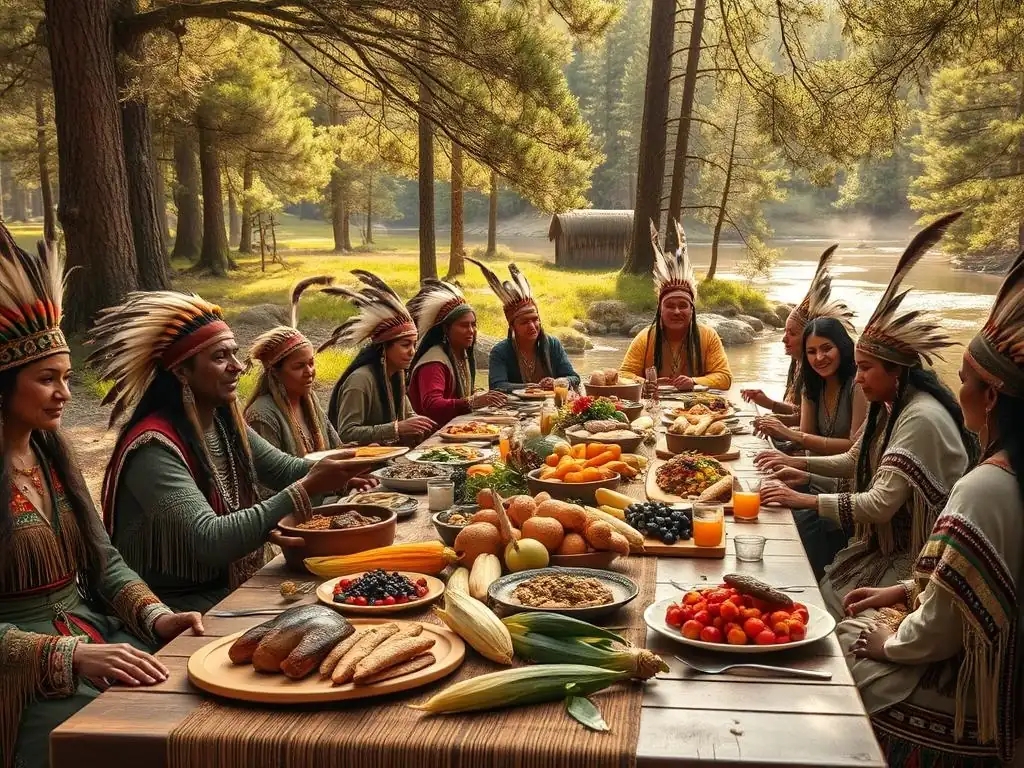
The origins of Native American historical feasts can be traced back to the rich cultural practices and agricultural traditions established by various indigenous groups across the Americas. These feasts were not merely social gatherings; they were deeply intertwined with spiritual beliefs, seasonal changes, and communal values. The significance of these events varied among tribes, but common themes included gratitude, celebration of harvests, and honoring ancestral connections.
Feasts often coincided with important agricultural milestones, such as planting and harvesting seasons. For instance, the Green Corn Ceremony among southeastern tribes celebrated the first harvest of corn, a staple food that held immense cultural and spiritual value. Similarly, the Plains tribes would hold buffalo hunts followed by communal feasts, emphasizing the relationship between the people and their environment. In this way, food served as a bridge between the physical world and spiritual beliefs.
Moreover, these gatherings provided an opportunity for storytelling, cultural exchange, and the reinforcement of social bonds within communities. Through shared meals, tribes could pass down traditions, impart wisdom, and strengthen kinship ties. The foods consumed during these feasts were often symbolic, representing abundance and the interconnectedness of life.
Key Ingredients Commonly Used in Native American Cuisine
Native American cuisine is characterized by a diverse array of ingredients that reflect the environments and ecosystems from which various tribes originated. Below are some key ingredients commonly used in Native American historical feasts:
- Corn: Known as maize, corn is perhaps the most important staple across many tribes. It was used in various forms, including cornmeal, hominy, and tortillas.
- Beans: Often referred to as the "Three Sisters" alongside corn and squash, beans provided essential protein and complemented the nutritional profile of meals.
- Squash: This versatile vegetable was not only eaten but also celebrated for its ability to store well through the winter months.
- Wild Game: Depending on the region, tribes hunted various animals, including deer, bison, and birds. The meat was often cooked in communal pots during feasts.
- Fish: Communities near water sources relied heavily on fish, which were often smoked or dried for preservation.
- Berries and Nuts: Seasonal fruits such as blueberries, strawberries, and nuts like acorns were integral to diets and were often used in desserts or as flavor enhancers.
These ingredients were not only staples but also held cultural significance, often being featured in specific rituals and ceremonies, thus enhancing the spiritual experience of feasting.
Regional Variations in Feasting Traditions Across the Americas
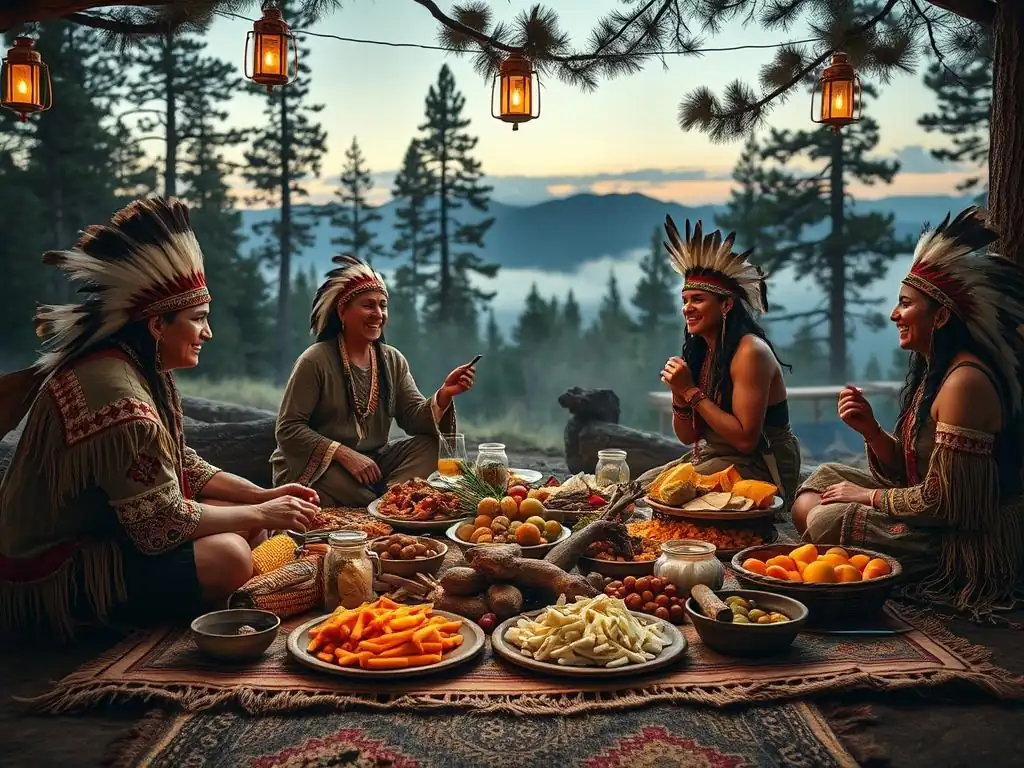
Feasting traditions across the Americas exhibit a remarkable diversity, reflecting the unique cultural practices and environmental resources of different indigenous groups. Below are some notable regional variations:
- Northeast: In the Northeastern woodlands, tribes like the Iroquois celebrated the Green Corn Festival. This event featured dishes made from newly harvested corn, beans, and squash, marking the beginning of the new agricultural year.
- Southeast: The Cherokee and Creek peoples held elaborate feasts that included stewed meats and a variety of vegetable dishes. Their gatherings often included communal dancing and storytelling, emphasizing community cohesion.
- Plains: The Plains tribes, such as the Lakota and Cheyenne, held buffalo feasts that celebrated successful hunts. These events were marked by communal cooking methods, such as roasting meat over open fires, and were integral to their nomadic lifestyle.
- Southwest: The Pueblo peoples of the Southwest region engaged in corn-related feasts, such as the Kachina Festival, celebrating the spiritual significance of their agricultural practices. Dishes often included blue cornmeal and stews made with seasonal vegetables.
- Pacific Northwest: Coastal tribes like the Tlingit and Haida celebrated their rich fishing traditions with salmon feasts. These gatherings involved complex rituals, including the ceremonial presentation of the first catch of the season.
Each of these regional variations underscores the significance of place and tradition in shaping the culinary practices of Native American societies. By understanding these diverse feasting traditions, we can appreciate the deep-rooted connections between indigenous peoples and their local environments, as well as the importance of preserving these rich culinary heritages.
Recreating Native American Historical Feasts at Home
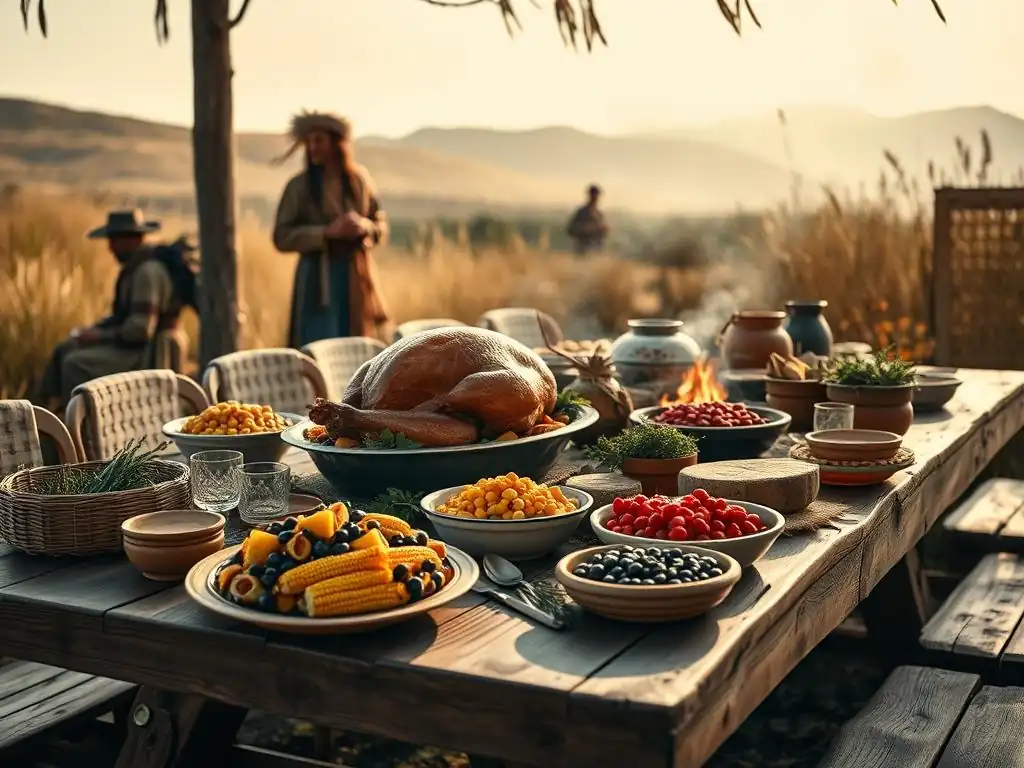
Recreating Native American historical feasts at home is a rewarding way to connect with the culinary traditions of indigenous cultures. This endeavor not only provides a deeper understanding of the diverse foodways that existed before European colonization but also allows for the celebration of flavors and techniques that have been passed down through generations. By engaging in this culinary journey, you can honor the rich history and contributions of Native American cultures.
Essential Tools for Authentic Native American Cooking
To successfully recreate these historical feasts, having the right tools is essential. Here’s a list of must-have items that will enhance your cooking experience:
- Clay Pots and Pans: Traditionally used by various tribes for cooking, clay cookware helps to evenly distribute heat and adds a unique flavor to the dishes.
- Mortar and Pestle: Useful for grinding grains and herbs, a mortar and pestle allows for the authentic preparation of spices and seeds.
- Bannock Sticks: These long sticks are used to cook bread over an open fire, a technique that connects directly to historical practices.
- Wooden Utensils: Spoons, spatulas, and bowls made from wood not only respect the environment but also align with traditional cooking methods.
- Outdoor Fire Pit: If possible, creating a fire pit allows for the authentic cooking methods used by many Native American tribes, adding an element of tradition to your feast.
Step-by-Step Guide to Preparing a Traditional Feast
Preparing a traditional Native American feast involves several steps, from planning your menu to cooking and serving. Below is a straightforward guide to help you create an authentic experience.
Gathering Ingredients: Where to Find Authentic Native American Ingredients
Finding the right ingredients is crucial for authenticity. Here are some tips for sourcing them:
- Local Farmers’ Markets: Seek out vendors who specialize in heirloom varieties of corn, beans, and squash, known as the "Three Sisters," which are staples in many indigenous diets.
- Native American Co-ops: Many regions have co-ops or stores that focus on indigenous foods. These can be excellent sources for traditional items such as wild rice, bison, and various dried herbs.
- Online Specialty Stores: Websites that cater to Native American products often carry unique ingredients, such as chokecherries, acorns, and mesquite flour.
- Wild Foraging: If you're knowledgeable about local flora, consider foraging for wild edibles like berries, greens, and mushrooms, which were commonly utilized by indigenous peoples.
Cooking Techniques: Authentic Methods for Preparing Traditional Dishes
The preparation of traditional Native American dishes often involves techniques that have been used for centuries. Below are some key methods to consider:
- Roasting: Many indigenous cultures roasted meats and vegetables over open flames, infusing them with rich flavors. This method can be replicated using a grill or fire pit.
- Steaming: Steaming is another common technique, often achieved by placing food in woven baskets over boiling water, which preserves moisture and nutrients.
- Drying and Smoking: Preserving food through drying and smoking was crucial for survival. Experiment with using a dehydrator or smoker to create authentic flavors in your meats and fish.
- Stone Boiling: This ancient method involves heating stones in a fire and then placing them in a container of water with food. It’s an interesting technique that can be mimicked using a Dutch oven.
By following these guidelines and utilizing the right tools, you can immerse yourself in the culinary heritage of Native American cultures. Each dish tells a story, connecting you to the past and honoring the traditions that have shaped these flavorful feasts. Enjoy the process of recreating these historical meals, and savor the rich tapestry of flavors that they offer!
Popular Native American Historical Feast Recipes
Native American historical feasts are rich in flavors and deeply rooted in cultural traditions. These recipes not only celebrate the diverse culinary practices of indigenous peoples but also highlight the ingredients that were integral to their diets and social gatherings. Below are two popular recipes that capture the essence of Native American historical feasts.
Recipe 1: Three Sisters Stew
The Three Sisters—corn, beans, and squash—are staple ingredients in Native American cuisine, symbolizing the interconnectedness of life. This stew is a hearty representation of agricultural practices and communal eating.
Ingredients and Preparation Steps
- Ingredients:
- 1 cup of corn (fresh, frozen, or canned)
- 1 cup of kidney beans (cooked)
- 2 cups of diced squash (butternut or zucchini)
- 1 medium onion, chopped
- 2 cloves of garlic, minced
- 4 cups of vegetable broth
- 1 tsp of ground cumin
- Salt and pepper to taste
- Fresh cilantro for garnish
- Preparation Steps:
- In a large pot, sauté the chopped onion and minced garlic until translucent.
- Add the diced squash and cook for about 5 minutes until slightly tender.
- Stir in the corn, kidney beans, vegetable broth, and cumin.
- Bring the mixture to a boil, then reduce heat and simmer for 20-30 minutes.
- Season with salt and pepper to taste.
- Serve hot, garnished with fresh cilantro.
Nutritional Benefits and Cultural Significance
The Three Sisters Stew is not only delicious but also offers numerous health benefits:
- Nutritional Value: This dish is high in fiber, protein, vitamins, and minerals, thanks to the combination of legumes, vegetables, and whole grains.
- Cultural Importance: The Three Sisters represent the agricultural knowledge and practices of many Native American tribes. They were traditionally planted together, each crop supporting the others’ growth, which embodies the principles of sustainability and community.
Recipe 2: Fry Bread
Fry bread is a versatile and beloved dish in many Native American communities, often served at feasts and gatherings. Its history is complex, reflecting both resilience and adaptation.
Variations and Serving Suggestions
- Basic Fry Bread Recipe:
- 2 cups of all-purpose flour
- 1 tsp of baking powder
- 1 tsp of salt
- ¾ cup of water
- Oil for frying
- Preparation Steps:
- In a bowl, mix flour, baking powder, and salt.
- Gradually add water until a dough forms. Knead for a few minutes.
- Divide the dough into equal-sized balls and flatten them into discs.
- Heat oil in a skillet and fry each disc until golden brown on both sides.
- Serving Suggestions:
- Top with honey or powdered sugar for a sweet treat.
- Serve alongside savory dishes like chili or stew.
- Use as a base for tacos or burritos.
The Historical Journey of Fry Bread in Native Cultures
Fry bread has a significant historical context:
- Origins: Fry bread emerged in the 19th century as a result of forced displacement and food scarcity among Native American tribes. The introduction of flour, sugar, and lard by European settlers led to the creation of this adaptable dish.
- Symbol of Resilience: Today, fry bread is not only a comfort food but also a symbol of survival and cultural identity for many Native American communities. Its presence at gatherings and celebrations reinforces communal ties and shared heritage.
Through these recipes, we can appreciate the rich culinary traditions of Native American historical feasts, which continue to inspire modern cuisine while honoring cultural legacies.
Recipe 3: Smoked Salmon
Smoked salmon is a delectable dish that reflects the rich culinary traditions of various Native American tribes, particularly those from the Pacific Northwest. This method of preparation not only enhances the flavor of the fish but also serves as a means of preservation, allowing communities to store their catch for leaner times. The process of smoking salmon is an art form, steeped in history and cultural significance.
Traditional Methods of Preservation and Cooking
The traditional methods of preserving salmon involve a combination of salting, drying, and smoking. Indigenous peoples in the Pacific Northwest, such as the Coast Salish and the Tlingit, have practiced these techniques for centuries. Here are the key steps traditionally involved:
- Catching the Salmon: Salmon is typically caught during its spawning season, usually in late summer and early fall. At this time, the fish is at its peak in terms of fat content and flavor.
- Cleaning and Filleting: The salmon is cleaned and filleted, with the skin left on to aid in the smoking process.
- Salting: The fillets are then salted to draw out moisture and inhibit bacterial growth. This step is crucial in the preservation process.
- Drying: After salting, the salmon is often dried in the sun or over a fire. This reduces the moisture content further, ensuring a longer shelf life.
- Smoking: The final step involves cold smoking the salmon over cedar or alder wood. This imparts a unique flavor and aroma to the fish while preserving it. The smoking process can take several hours to days, depending on the desired flavor intensity and texture.
- Storage: Once smoked, the salmon can be stored for months, making it a vital food source during the winter months.
These traditional techniques not only highlight the ingenuity of Native American peoples in utilizing their natural resources but also showcase their deep connection to the land and the environment.
Pairing Suggestions with Native American Sides
When serving smoked salmon, pairing it with traditional Native American sides creates a harmonious and flavorful meal. Here are some excellent pairing suggestions:
- Cornbread: The slightly sweet and dense texture of cornbread complements the smoky flavor of the salmon beautifully. Consider adding jalapeños or blueberries for an extra twist.
- Wild Rice: This hearty grain is a staple in many Native American diets. Its nutty flavor and chewy texture can balance the richness of the smoked salmon.
- Squash Dishes: Roasted or sautéed squash, such as butternut or acorn, adds a sweet and creamy element to the meal. A simple preparation with herbs and spices can enhance its natural flavors.
- Berries: Fresh or dried berries, such as cranberries or blueberries, can provide a tart contrast to the richness of the salmon. They can be served as a side dish or incorporated into a salad.
- Maple Glaze: A drizzle of maple syrup or a maple glaze can add a delightful sweetness that pairs well with the savory notes of smoked salmon.
By incorporating these traditional sides, you not only honor the culinary heritage of Native American cultures but also create a well-rounded and satisfying feast that captures the essence of their historical culinary practices.
Celebrating Native American Historical Feasts Today
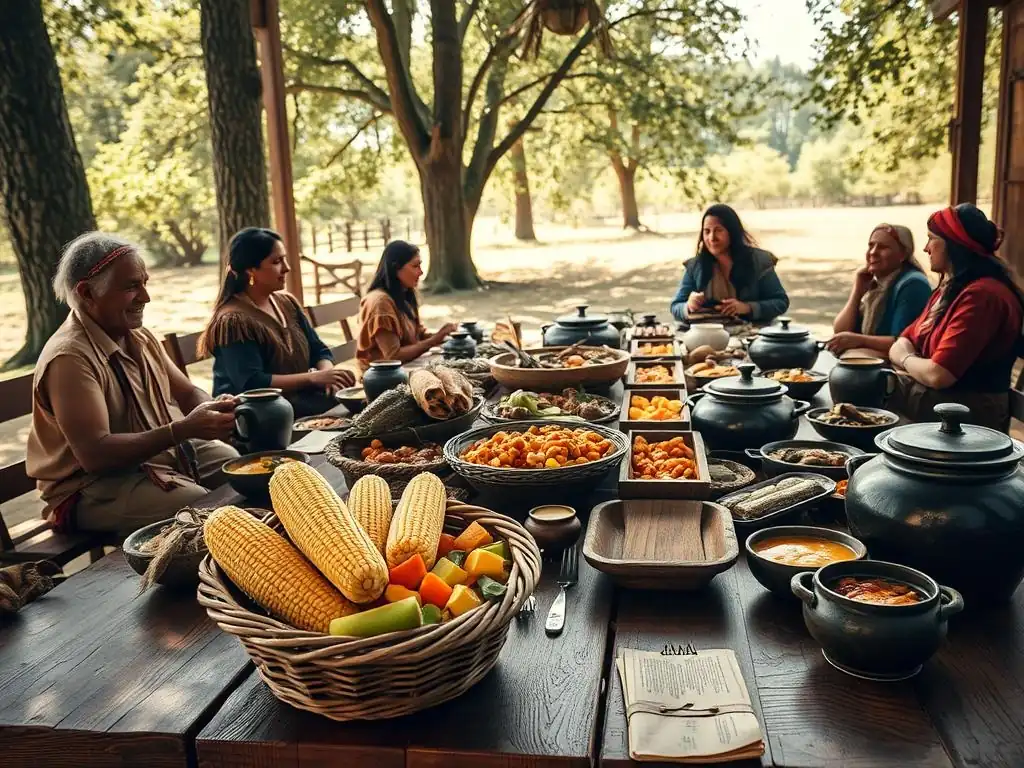
Celebrating Native American historical feasts today involves not only a revival of traditional recipes but also a deep appreciation for the cultural significance behind these gatherings. Historically, feasts were central to indigenous communities, serving as occasions for celebration, social bonding, and spiritual observance. They often marked seasonal changes, harvests, and significant life events such as marriages and births.
In contemporary society, many chefs and home cooks are drawing inspiration from these ancient traditions. This revival is not just about food; it encompasses storytelling, ceremonies, and an understanding of the ingredients' origins. The act of recreating these meals allows participants to engage with the rich history of Native American cultures while honoring the ancestors who cultivated these practices.
Modern Adaptations of Traditional Recipes
Modern adaptations of traditional recipes have emerged as a way to keep the culinary heritage alive while also making them accessible to a broader audience. Chefs are blending traditional ingredients with contemporary cooking techniques, resulting in dishes that honor the past yet appeal to modern palates. Here are some notable adaptations:
- Corn Dishes: Corn has been a staple in Native American diets for millennia. Today, chefs create diverse dishes such as corn fritters, polenta, and corn chowder using heirloom varieties of corn that carry historical significance.
- Game and Fish: Traditional feasts often featured game meats and fish, which are now showcased in gourmet dishes. For example, bison burgers and grilled salmon can be prepared with unique spice blends to highlight indigenous flavors.
- Vegetable Medleys: Seasonal vegetables play a crucial role in Native American cuisine. Contemporary interpretations often include sautéed wild greens or roasted root vegetables seasoned with traditional herbs and spices.
- Desserts: Traditional desserts such as blueberry pie or corn pudding can be reinvented with modern twists—think blueberry compote with vanilla bean ice cream or sweet corn panna cotta.
These adaptations not only celebrate indigenous ingredients but also foster a deeper connection to the land and traditions of Native American peoples.
How to Host a Native American Feast: Tips and Ideas
Hosting a Native American feast requires careful thought and preparation to honor the traditions and practices associated with these historical gatherings. Here are some tips and ideas to create an authentic experience:
- Research and Respect:
- Learn about the specific tribes and their culinary traditions. Each tribe has unique dishes and customs that are integral to their culture.
- Consider reaching out to local Native American communities for guidance and insights.
- Choose Authentic Ingredients:
- Use locally sourced ingredients whenever possible. Focus on native plants and animals such as wild rice, squash, beans, and game meats.
- Visit farmers' markets or specialty stores to find traditional ingredients.
- Create a Thematic Atmosphere:
- Decorate your space with natural elements like dried herbs, flowers, and woven baskets that reflect indigenous artistry.
- Consider soft lighting and traditional music to enhance the ambiance.
- Incorporate Storytelling:
- Share stories related to the dishes being served or the significance of the feast itself. This helps to create a deeper understanding and appreciation of the cultural context behind the meal.
- Encourage Participation:
- Invite guests to participate in the preparation of the feast, whether through cooking or setting up the space. This fosters a sense of community and shared experience.
- Offer a Variety of Dishes:
- Serve a balanced meal that includes appetizers, main courses, sides, and desserts. This allows guests to experience the diversity of Native American cuisine.
- Examples include three sisters stew (corn, beans, and squash), smoked fish, and pumpkin bread.
By thoughtfully planning your feast and embracing the cultural significance behind it, you can create a memorable occasion that honors the rich culinary traditions of Native American peoples while fostering an appreciation for their enduring legacy.
The Impact of Native American Historical Feasts on Contemporary Cuisine
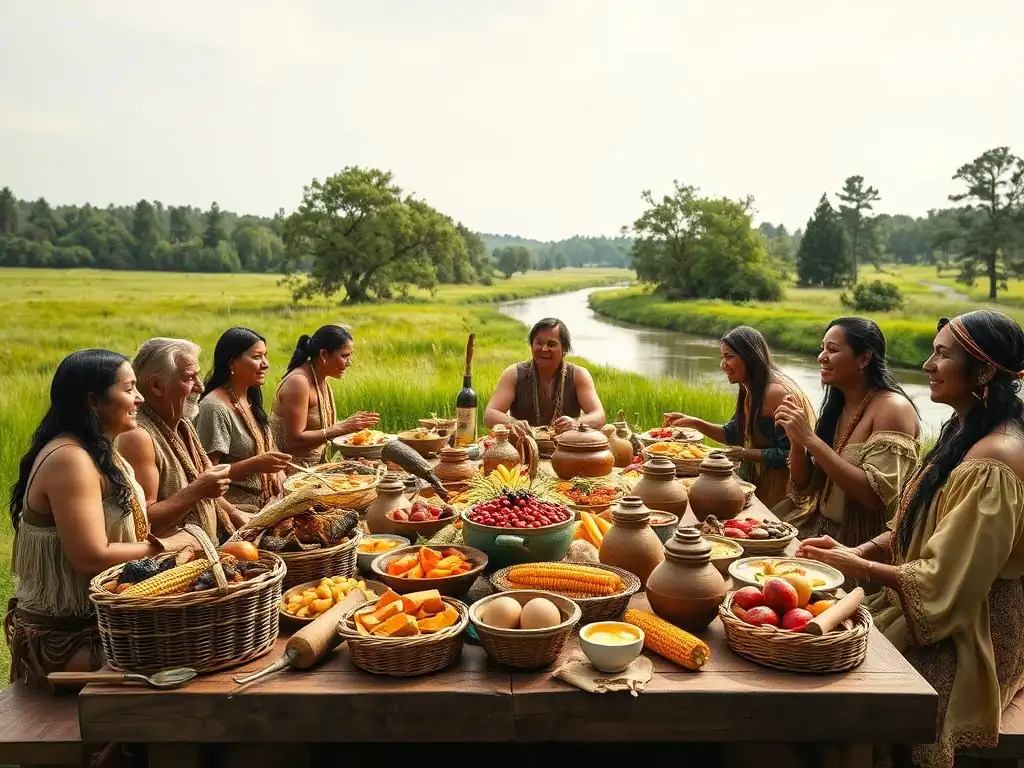
The impact of Native American historical feasts on contemporary cuisine is profound and multifaceted. These gatherings were not only culinary events but also social and spiritual rituals that celebrated community, abundance, and the connection to the land. By understanding and reviving these ancient practices, modern chefs and home cooks are not only preserving a rich heritage but also enriching today's culinary landscape.
Historically, Native American feasts varied greatly among tribes, influenced by regional ingredients, cultural practices, and spiritual beliefs. The use of local resources was paramount, leading to a diverse array of dishes that celebrated seasonal harvests. For example, the Three Sisters—corn, beans, and squash—were often central to meals, embodying the agricultural wisdom of many Indigenous cultures. Today, these ingredients are being reintroduced into modern recipes, showcasing their versatility and nutritional benefits.
Exploring the Revival of Indigenous Ingredients in Modern Cooking
The revival of Indigenous ingredients in modern cooking has gained significant traction in recent years. Chefs are increasingly turning to traditional Native American foods that have been overlooked or forgotten. Ingredients such as wild rice, heirloom varieties of corn, acorns, and sunchokes are being reimagined in contemporary dishes, bridging the gap between past and present.
- Wild Rice: This aquatic grass, traditionally harvested by Indigenous communities in the Great Lakes region, is now popular in upscale restaurants and home kitchens alike. Its nutty flavor and chewy texture make it an excellent base for salads and grain bowls.
- Heirloom Corn: Varieties such as blue corn are being celebrated for their unique flavors. Contemporary chefs are using them in everything from tortillas to cornbread, highlighting the cultural significance of these ingredients.
- Foraged Foods: Many chefs are also embracing foraged ingredients, such as wild herbs and mushrooms, which were staples in Native American diets. This practice not only supports sustainability but also connects diners to the land.
The integration of these ingredients into modern cuisine does more than just diversify menus; it also tells a story. By educating diners about the cultural significance of these foods, chefs are fostering a deeper appreciation for Indigenous culinary traditions.
The Role of Native American Feasts in Promoting Cultural Heritage
Native American feasts play a crucial role in promoting cultural heritage and identity. These gatherings are often steeped in ritual, emphasizing the importance of community and shared history. By recreating historical feasts, individuals and communities can celebrate their ancestry and educate others about Indigenous cultures.
- Community Bonding: Feasts serve as a time for families and communities to come together, reinforcing bonds and passing down traditions. This communal aspect is vital for maintaining cultural identity in a rapidly changing world.
- Culinary Education: Hosting historical feasts provides an opportunity to educate participants about the significance of various dishes and ingredients. This knowledge fosters respect and appreciation for Native American cultures, helping to counter stereotypes and misconceptions.
- Cultural Resilience: In an era where Indigenous cultures are often marginalized, reviving traditional feasting practices asserts the resilience and adaptability of these communities. It serves as a powerful reminder of their enduring legacy and the importance of honoring their contributions to the broader culinary narrative.
Native American historical feasts not only enrich contemporary cuisine but also serve as a vital means of preserving and promoting cultural heritage. By exploring and embracing these traditions, we can create a more inclusive and diverse culinary landscape that honors the past while inspiring future generations.
Conclusion: Savoring the Richness of Native American Culinary Traditions
Savoring the past through the lens of Native American historical feasts offers a profound connection to the rich tapestry of indigenous cultures across the Americas. These culinary practices not only showcase the diverse ingredients and techniques that shaped their diets but also reflect the spiritual and cultural significances embedded in each dish. By understanding and appreciating these historical feasts, we can gain deeper insights into the values, traditions, and knowledge systems of indigenous peoples, which continue to influence contemporary culinary landscapes.
Encouraging the Exploration and Appreciation of Indigenous Foods
The revival of Native American historical feasts invites both indigenous and non-indigenous communities to explore the flavors and stories that define these culinary traditions. Engaging with indigenous foods can take many forms, including:
- Participating in Cultural Events: Attending powwows, community feasts, or cooking demonstrations can provide firsthand experiences of traditional food preparation and sharing.
- Learning from Indigenous Chefs: Many indigenous chefs are reinterpreting historical recipes, bringing modern flair to ancient dishes. Their insights into sourcing ingredients sustainably from the land deepen our appreciation for indigenous culinary practices.
- Exploring Native Ingredients: Familiarizing oneself with traditional ingredients such as corn, beans, squash, and wild game expands our culinary repertoire. Understanding the significance of these staples in historical diets can foster respect for their cultural importance.
By actively engaging with these practices, we can not only enjoy the rich flavors but also honor the histories and narratives that accompany them.
Final Thoughts on the Importance of Reviving Historical Feasts
Reviving Native American historical feasts is more than just a culinary endeavor; it is a vital act of cultural preservation and appreciation. These feasts serve as a bridge to the past, allowing us to connect with the wisdom and traditions of indigenous peoples. Some key reasons for this revival include:
- Cultural Identity: For many indigenous communities, these feasts reinforce cultural identity and continuity, passing down knowledge and practices to future generations.
- Sustainability and Land Stewardship: Emphasizing native ingredients encourages sustainable practices that respect and honor the land. This aligns with the traditional ecological knowledge held by many indigenous cultures, which emphasizes harmony with nature.
- Educational Opportunities: Reviving these feasts provides a platform for educating wider audiences about indigenous cultures, fostering understanding and respect, and challenging stereotypes.
Engaging with Native American historical feasts enriches our culinary experiences while promoting cultural awareness and sustainability. As we savor these historical flavors, we not only feed our bodies but also nourish our connection to the diverse heritage of indigenous peoples across the Americas.
Frequently Asked Questions
What are Native American historical feasts?
Native American historical feasts refer to culturally significant meals that were traditionally celebrated by various tribes, showcasing their culinary heritage and communal practices.
Why are historical feasts important in Native American culture?
These feasts play a crucial role in preserving cultural identity and traditions, acting as a means to honor ancestors and foster a sense of community and belonging among tribes.
What types of foods are typically included in these feasts?
Historical feasts often feature traditional ingredients such as corn, beans, squash, and various meats, reflecting the agricultural practices and regional resources of different tribes.
How can one recreate a historical Native American feast today?
To recreate a feast, one should research traditional recipes, source authentic ingredients, and gather a community to share in the cultural experience, respecting the significance of the practices.
What impact do these feasts have on modern Native American communities?
Modern recreations of historical feasts help to revitalize traditions, educate others about Indigenous cultures, and serve as a platform for cultural exchange and celebration.
Final Reflection: Embracing Heritage Through Culinary Traditions
In our fast-paced world, the significance of Native American historical feasts resonates more than ever. These gatherings are not merely about food; they symbolize community, tradition, and the rich tapestry of cultural identity. As we navigate an era marked by globalization and cultural homogenization, the revival of these feasts serves as a powerful reminder of the importance of preserving our roots and honoring the stories that shape us. The act of recreating these historical feasts is not just a culinary endeavor; it is a profound statement about who we are and where we come from.
The influence of Native American historical feasts extends far beyond the kitchen, permeating our cultural and social landscapes. These feasts are a celebration of resilience, a testament to the enduring spirit of Native American communities. They foster a sense of belonging and connection, inviting us to reflect on our own heritage and the diverse narratives that enrich our society. As we gather around the table to share these traditional meals, we are reminded of the wisdom passed down through generations. Food is our common ground, a universal experience.
– James Beard. This quote encapsulates the essence of these feasts, highlighting their role in bridging gaps and fostering understanding among diverse cultures.
As we conclude this exploration of Native American historical feasts, I invite you to reflect on your own culinary traditions and the stories they carry. Consider how you can incorporate elements of these rich histories into your life, whether through cooking, storytelling, or gathering with loved ones. Let us honor the past while creating new memories, ensuring that the flavors of history continue to inspire and unite us in the future. Embrace the opportunity to savor not just the food, but the heritage and connections that make us who we are.
Thank you for taking the time to explore the rich history of Native American feasts with us! By diving into the flavors and traditions of the past, you've gained valuable insights that can deepen your appreciation of Indigenous cultures. Now, it's time to bring those insights to life!
Here are some exciting actions you can take to further your journey:
- Start a cooking adventure: Choose one of the historical dishes you learned about and recreate it. Gather your family or friends for a feast that celebrates Indigenous traditions!
- Share your culinary creations on social media using the hashtag #SavoringIndigenousFeasts to connect with others who are exploring the same delicious history.
- Visit local farmers’ markets to source ingredients that reflect traditional Native American diets. Discover what's available in your area and try incorporating these unique ingredients into your meals.
Which dish are you most excited to recreate, and who will you invite to join you on this flavorful journey?