
The Spiritual Connection of Food in Native American Traditions

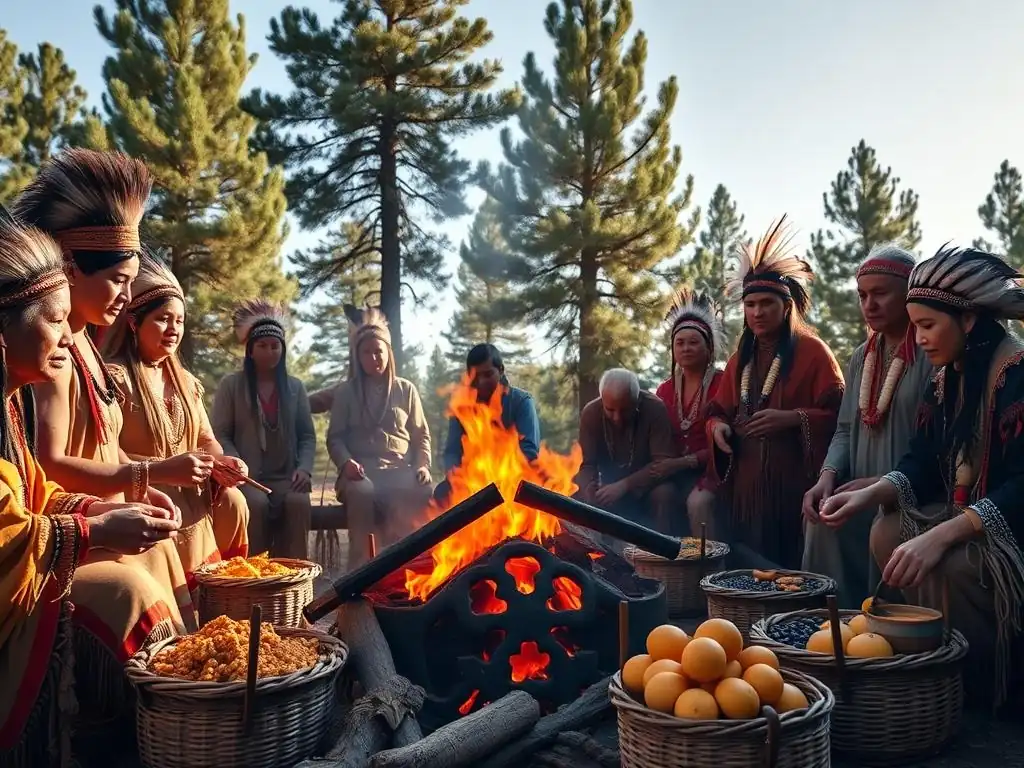
Welcome to Indigenous Civilizations of the Americas, where we invite you to journey through the rich tapestry of indigenous cultures that flourished long before European contact. In this exploration, we delve into the profound significance of Native American food traditions, uncovering how these culinary practices not only nourished bodies but also fostered deep spiritual connections to land, community, and heritage.
Prepare to be captivated by the stories of resilience and innovation that shape today's understanding of food in Native American societies. Join us as we uncover the sacred bond between sustenance and spirituality—your adventure into the heart of these vibrant traditions begins here!
Indigenous cultures across the Americas have long recognized the profound relationship between food and spirituality, weaving intricate narratives that connect sustenance with sacredness. The exploration of Native American food traditions reveals not only the dietary practices that sustained these communities but also the rich cultural significance embedded in their culinary arts.
This article delves into the spiritual connections that food holds within Native American traditions, illustrating how these practices reflect an enduring respect for nature, community, and the divine. Through a detailed examination of historical significance, key ingredients, and agricultural practices, we will uncover the profound ways in which food serves as a bridge between the physical and metaphysical realms in Native American life.
Understanding Native American Food Traditions
The Historical Significance of Food in Indigenous Cultures
Native American food traditions are deeply rooted in history, embodying the resilience and adaptability of indigenous peoples. From the rich agricultural systems of the Pueblo peoples to the hunting and gathering practices of the Plains tribes, food has always been more than mere sustenance; it is a vital part of cultural identity and heritage.
- Cultural Narratives: Many tribes have oral histories that emphasize the importance of food sources, detailing how they were discovered and the spiritual beings associated with them.
- Sustainability Practices: Indigenous food systems often reflect sustainable practices, ensuring that the land is respected and preserved for future generations.
Key Ingredients in Native American Culinary Practices
The ingredients integral to Native American cuisine are as diverse as the cultures themselves, often dictated by regional availability:
- Corn: A staple across many tribes, corn plays a significant role in both diet and spirituality, often associated with creation myths.
- Beans and Squash: Known as the "Three Sisters," these crops are cultivated together, reflecting harmony and interdependence.
- Wild Game and Fish: Hunting and fishing are not only vital for nutrition but are also steeped in tradition and ritual.
The Role of Agriculture in Native American Food Traditions
Agriculture has been a cornerstone of Native American societies, shaping not only their diets but also their social structures and economies.
- Traditional Farming Techniques: Many indigenous communities employed innovative farming techniques, such as raised bed gardening and crop rotation, to enhance productivity.
- Seasonal Harvests: The cyclical nature of agriculture is celebrated through various festivals and communal gatherings, reinforcing social bonds and cultural identity.
Spirituality and Food in Native American Traditions
The Relationship Between Food and Spiritual Beliefs
Food in Native American cultures is often seen as a gift from the Creator, carrying spiritual significance that transcends the act of eating. This relationship is reflected in the following aspects:
- Sacred Offerings: Many tribes make offerings of food as part of their spiritual practices, acknowledging the connection between the earth and the divine.
- Food as a Means of Connection: Sharing meals is a way to strengthen community ties and express gratitude for the abundance provided by nature.
Rituals and Ceremonies Involving Food
Food plays a crucial role in various rituals and ceremonies that mark important life events, seasonal changes, and spiritual journeys.
- Feasts and Gatherings: Communal feasts serve as opportunities for storytelling, celebration, and reaffirmation of cultural identity.
- Ceremonial Foods: Specific foods are often used in rituals to honor ancestors and invoke blessings, further deepening the spiritual significance of these culinary practices.
Through this exploration, we can better understand how Native American food traditions are not just about nourishment; they are a profound expression of identity, spirituality, and community.
The Influence of Nature on Native American Food Practices
The intricate relationship between nature and food practices is a cornerstone of Native American culinary traditions. For many Indigenous cultures, nature is not merely a backdrop for human activity but a vital source of sustenance and spiritual connection. The diverse ecosystems across the Americas provided a rich tapestry of ingredients, each with its own story and significance. This connection to the natural world is reflected in the way food is sourced, prepared, and consumed, emphasizing harmony with the environment.
Indigenous peoples have always been keen observers of seasonal changes, using this knowledge to guide their food practices. The belief that the land provides everything necessary for survival fosters a deep respect for nature, leading to sustainable practices that are still relevant today. Many Native American communities engage in rituals that honor the earth and its offerings, reinforcing the idea that food is not only a physical necessity but also a spiritual gift.
Seasonal Eating and Foraging Traditions
Seasonal eating is a vital aspect of Native American food traditions, dictating when and how certain foods are harvested and consumed. Different tribes have unique calendars that align with the cycles of nature, guiding their foraging and farming practices. For example, the Lakota people traditionally gather chokecherries in late summer, while the Navajo celebrate the harvest of corn during the fall equinox.
Foraging plays a critical role in these seasonal traditions, allowing communities to gather wild plants, berries, and nuts that are integral to their diets. This practice not only ensures a diverse diet but also fosters a deep connection to the land, as each season's bounty is celebrated through communal gatherings and feasts. The emphasis on eating what is in season helps maintain ecological balance, as it encourages respect for the natural rhythms of the environment.
Connection to the Land: Sustainable Practices in Native American Food Traditions
Sustainability is a cornerstone of Native American food traditions, deeply rooted in the belief that humans are stewards of the land. Indigenous communities employ various methods to ensure that food sources remain viable for future generations. Techniques such as crop rotation, polyculture, and controlled burns are common practices that enhance soil fertility and biodiversity.
Additionally, many tribes adhere to the philosophy of taking only what is needed and leaving enough for nature to regenerate. This is evident in the traditional practice of hunting and fishing, where ceremonies are often held to honor the animals and plants that provide sustenance. Such practices highlight the spiritual connection to the land and reinforce the importance of living in balance with the natural world.
The Importance of Wildlife in Indigenous Culinary Practices
Wildlife holds a significant place in Native American culinary practices, serving as both a source of nourishment and a symbol of cultural identity. Animals such as deer, buffalo, and fish are not only vital food sources but also integral to traditional rituals and stories. The harvest of these animals is approached with great reverence, often accompanied by prayers and offerings to honor their spirits.
Different tribes have unique hunting practices that reflect their environment and available wildlife. For instance, the Inuit rely heavily on marine animals, while the Plains tribes focus on large game like bison. This diversity in wildlife utilization showcases the adaptability and resourcefulness of Indigenous peoples, as well as their profound understanding of their ecosystems. The importance placed on wildlife reinforces the interconnectedness of all living beings and the respect that is central to Native American food traditions.
Reviving and Preserving Native American Food Traditions
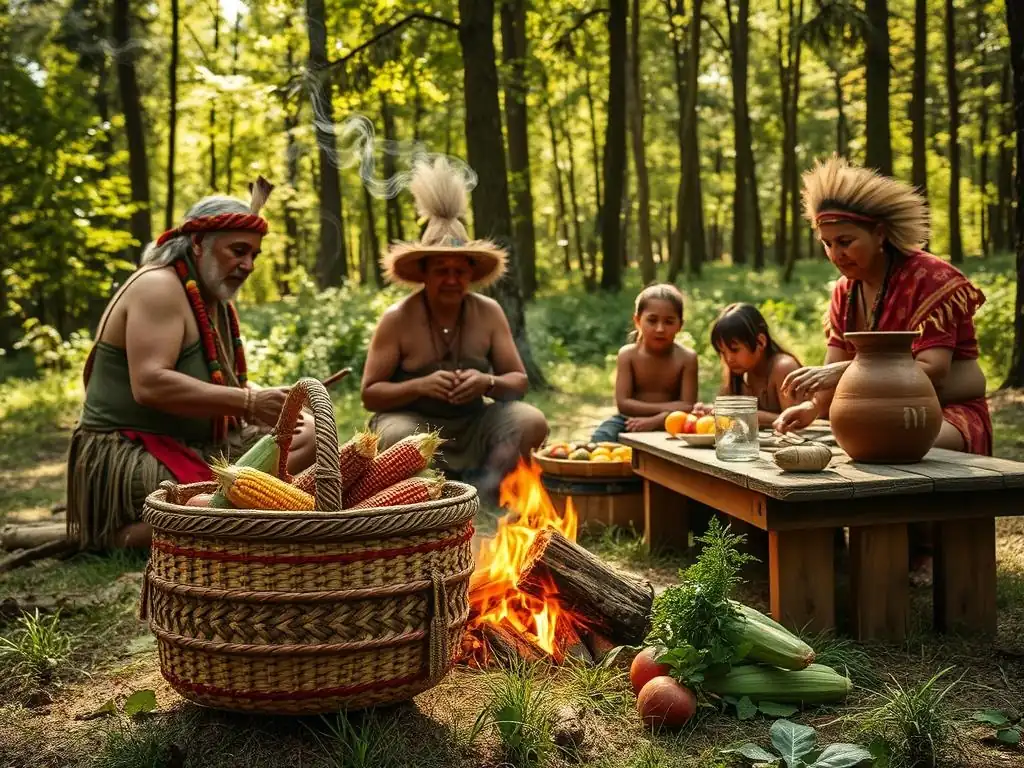
Reviving and preserving Native American food traditions is crucial for maintaining cultural identity and heritage in contemporary society. As these culinary practices face challenges from globalization and industrialization, efforts are being made to reclaim traditional knowledge and adapt it for modern contexts. This revival is not just about food; it encompasses the entire cultural framework that surrounds Indigenous culinary practices.
The resurgence of interest in traditional foods has led to a renewed appreciation for Indigenous ingredients and recipes, fostering a deeper understanding of their historical significance and nutritional value. Community initiatives, educational programs, and culinary festivals play a pivotal role in this revival, bringing together both Indigenous and non-Indigenous peoples to celebrate and learn about these rich culinary traditions.
Modern Adaptations of Traditional Recipes
Modern adaptations of traditional Native American recipes reflect the ongoing evolution of Indigenous culinary practices. Chefs and home cooks alike are finding innovative ways to incorporate traditional ingredients into contemporary dishes. By using local and seasonal produce alongside Indigenous staples like corn, beans, and squash, they create a fusion of flavors that honors ancestral knowledge while appealing to modern palates.
For example, traditional frybread has been transformed into gourmet dishes topped with locally sourced ingredients, showcasing the versatility and resilience of Native American cuisine. These adaptations not only preserve culinary heritage but also encourage younger generations to engage with and appreciate their cultural roots. The blending of old and new allows for the continued relevance of Native American food traditions in today’s culinary landscape.
How Contemporary Chefs Honor Native American Food Traditions
Contemporary chefs play a vital role in honoring Native American food traditions by bringing attention to Indigenous ingredients and cooking techniques. Many chefs are actively collaborating with Native communities to source traditional foods and learn about their cultural significance. This partnership fosters an authentic representation of Indigenous cuisine in the culinary world.
Chefs like Sean Sherman, also known as The Sioux Chef, are pioneering movements that focus on pre-colonial ingredients and recipes, emphasizing the importance of traditional knowledge. By highlighting the stories behind the food, these chefs raise awareness about Indigenous cultures and create a deeper appreciation for their culinary contributions. Through their efforts, they not only preserve Native American food traditions but also inspire a new generation of chefs and food enthusiasts to explore and celebrate this rich culinary heritage.
Conclusion: The Enduring Legacy of Native American Food Traditions
Native American food traditions are not merely culinary practices; they embody a rich tapestry of cultural heritage, spiritual beliefs, and communal values. These traditions have survived centuries of change, demonstrating resilience and adaptability. The legacy of Native American food is evident in the diverse ingredients and cooking methods that have influenced modern cuisine, as well as in the ongoing revival of traditional practices among Indigenous communities. Through ceremonies, storytelling, and communal gatherings centered around food, these traditions continue to foster a deep connection to the land, ancestors, and identity.
As we reflect on the significance of Native American food traditions, it becomes clear that they are vital to understanding the broader narrative of Indigenous history and culture. Each dish serves as a reminder of the intricate relationship between people and their environment, highlighting the importance of sustainability and respect for nature. The enduring legacy of these practices not only enriches the culinary landscape but also reinforces the need for cultural preservation and appreciation.
The Future of Native American Culinary Practices
The future of Native American culinary practices is promising, as there is a growing movement to revitalize traditional foods and cooking methods among Indigenous communities. Many Native chefs and food activists are working to reclaim ancestral foodways, emphasizing the importance of native ingredients such as corn, beans, squash, and various wild foods. This revival not only nurtures cultural identity but also promotes health and wellness within communities that have faced food insecurity and health disparities.
Educational initiatives and culinary programs are increasingly integrating Native American food traditions, allowing younger generations to learn about their heritage. Collaborations between Indigenous chefs and mainstream culinary institutions are also fostering greater visibility and appreciation for Indigenous cuisines. Events like food festivals and pop-up restaurants showcase traditional dishes, encouraging broader public engagement and understanding of Native American culinary arts.
Moreover, the emphasis on sustainable practices and locally sourced ingredients aligns with contemporary movements toward environmental responsibility. By incorporating traditional ecological knowledge into modern food systems, Native American communities are not only preserving their culinary heritage but also contributing to global conversations about food sovereignty and environmental stewardship.
Encouraging Appreciation and Respect for Indigenous Food Cultures
Encouraging appreciation and respect for Indigenous food cultures is essential in fostering a deeper understanding of Native American traditions. This involves recognizing the historical contexts in which these food practices developed, including the impacts of colonization, forced assimilation, and cultural erasure. By engaging in respectful dialogue and education about the significance of these traditions, non-Indigenous individuals and communities can become allies in the preservation of Native American culinary heritage.
One effective way to promote appreciation is through the sharing of traditional recipes and stories that accompany them. By participating in cooking classes, cultural events, or community gatherings, individuals can experience firsthand the rich flavors and meanings behind Native American dishes. Supporting Indigenous-owned restaurants and food businesses also helps to elevate these culinary voices and ensures that traditional practices are honored and sustained.
Furthermore, advocacy for Indigenous rights, including land access and food sovereignty, is crucial for the continued flourishing of Native American food traditions. By standing in solidarity with Indigenous communities and promoting policies that support their autonomy, we can help ensure that future generations will continue to celebrate and practice their unique culinary heritage.
References and Further Reading on Native American Food Traditions
- "Native American Foodways: A Sourcebook": - This comprehensive collection offers insights into various Indigenous food traditions across the Americas, providing historical context and recipes.
- "The Sioux Chef’s Indigenous Kitchen" by Sean Sherman - A modern take on Native American cuisine, this cookbook emphasizes the use of traditional ingredients and cooking methods.
- "Foods of the Americas: Native Recipes and Traditions": - This book explores Indigenous culinary practices and their significance in contemporary culture.
- "Eating the Landscape: American Indian Stories of Foods and Sustainability" by Enrique Salmón: - A deep dive into the relationship between Native Americans and their food systems, emphasizing sustainability and ecological knowledge.
- "An Indigenous Peoples' History of the United States" by Roxanne Dunbar-Ortiz - While not exclusively focused on food, this book provides essential background on the historical context of Indigenous food traditions and their survival.
These resources offer valuable perspectives on the rich tapestry of Native American food traditions, encouraging a deeper appreciation for their significance in both historical and modern contexts.
- Understanding Native American Food Traditions
- The Role of Agriculture in Native American Food Traditions
- Spirituality and Food in Native American Traditions
- The Influence of Nature on Native American Food Practices
- Reviving and Preserving Native American Food Traditions
- Conclusion: The Enduring Legacy of Native American Food Traditions
- References and Further Reading on Native American Food Traditions
- What are the main themes covered in "The Spiritual Connection of Food in Native American Traditions"?
- How do Native American food traditions reflect their cultural values?
- What role does food play in Native American ceremonies?
- How have indigenous food traditions impacted modern cuisine?
- Why is it important to study Native American food traditions today?
Frequently Asked Questions
What are the main themes covered in "The Spiritual Connection of Food in Native American Traditions"?
The article explores the spiritual significance of food in Native American cultures, emphasizing how food practices are intertwined with ceremony, identity, and the environment.
How do Native American food traditions reflect their cultural values?
Native American food traditions often embody community bonding, respect for nature, and gratitude, showcasing the profound spiritual connection between people and the land.
What role does food play in Native American ceremonies?
Food is a vital part of ceremonies, symbolizing sacred relationships with the earth and ancestors, and serves to enhance spiritual experiences during rituals.
How have indigenous food traditions impacted modern cuisine?
Many Native American food traditions have influenced modern cuisine by introducing unique ingredients and preparation methods, promoting sustainability and cultural appreciation in contemporary cooking.
Why is it important to study Native American food traditions today?
Studying these traditions helps preserve cultural heritage, fosters understanding of diverse perspectives, and highlights the importance of sustainable practices in food systems today.
Final Reflection: The Sacred Bond Between Food and Spirit in Native American Traditions
The exploration of Native American food traditions reveals a profound connection between sustenance and spirituality that resonates deeply in today's world. As we navigate a fast-paced, often disconnected society, the wisdom embedded in these traditions serves as a reminder of the importance of honoring the land, community, and the sacredness of the food we consume. This connection is not merely historical; it is a living practice that invites us to reflect on our own relationship with food and the environment.
Cultural practices surrounding food are not just about nourishment; they are about identity, heritage, and the interconnectedness of all life. The teachings of Native American food traditions remind us that every meal is an opportunity to engage with our roots and the earth. As the renowned Native American author, Vine Deloria Jr., once said, We are not in the world; we are the world.
This perspective encourages us to recognize our role within the larger tapestry of life and to appreciate the sacredness of the food that sustains us.
As you reflect on the insights shared in this article, I invite you to consider how you can incorporate the values of respect, gratitude, and mindfulness into your own food practices. Let the lessons of Native American food traditions inspire you to cultivate a deeper connection with what you eat, the land it comes from, and the community that surrounds you. In doing so, you not only honor these rich traditions but also contribute to a more sustainable and spiritually fulfilling way of life.
Embrace the Sacred Journey of Food!
Thank you for immersing yourself in the rich tapestry of Native American traditions and their profound relationship with food. You've gained insights into the spiritual significance and cultural practices that connect these communities to their environment and heritage. Now, let’s take these insights and put them into action!
- Join a local community garden or farm to experience firsthand the connection between growing food and nurturing the earth.
- Prepare a traditional dish from Native American cuisine that you've discovered, and share it with friends or family to foster conversations about cultural appreciation.
- Engage with Indigenous voices through social media or podcasts to deepen your understanding and support ongoing discussions around food sovereignty and tradition.
How will you honor the sacred relationship between food and culture in your own life? We would love to hear your thoughts below!